
 IN
Garnet
21 products available
What are Garnet?
Garnet is a group of silicate minerals known for their diverse range of colors and properties. They are primarily composed of aluminum silicate and are often used as abrasives due to their hardness. Garnet’s crystalline structure allows it to be found in a variety of forms, including coarse grains suitable for industrial applications and fine powders for specialized uses.
Garnet is widely utilized in various industries, including manufacturing, construction, and waterjet cutting. Its hardness makes it an effective abrasive for sandblasting, while its chemical stability allows it to be used in filtration systems. The global demand for garnet is driven by its versatility and effectiveness in both traditional and innovative applications, thereby maintaining its relevance in the market.
Key Features and Specifications
Garnet offers a range of features and specifications that cater to different industrial needs. The specifications can vary based on the type and intended application of the garnet.
Key specifications include:
1. Abrasive Hardness
- Garnet typically ranks between 7.5 and 8.0 on the Mohs scale.
- This hardness makes it suitable for various abrasive applications.
2. Grain Size
- Available in various sizes, from coarse grains (20-40 mesh) to fine powders (100 mesh and above).
- The choice of grain size affects the application and effectiveness in processes.
3. Purity
- High-purity garnet is often required for specific applications such as waterjet cutting.
- Purity levels can exceed 98%, impacting performance and cost.
4. Chemical Composition
- Garnets primarily consist of aluminum oxide and silica.
- Variants may include additional minerals, influencing their use in specific applications.
5. Color Variability
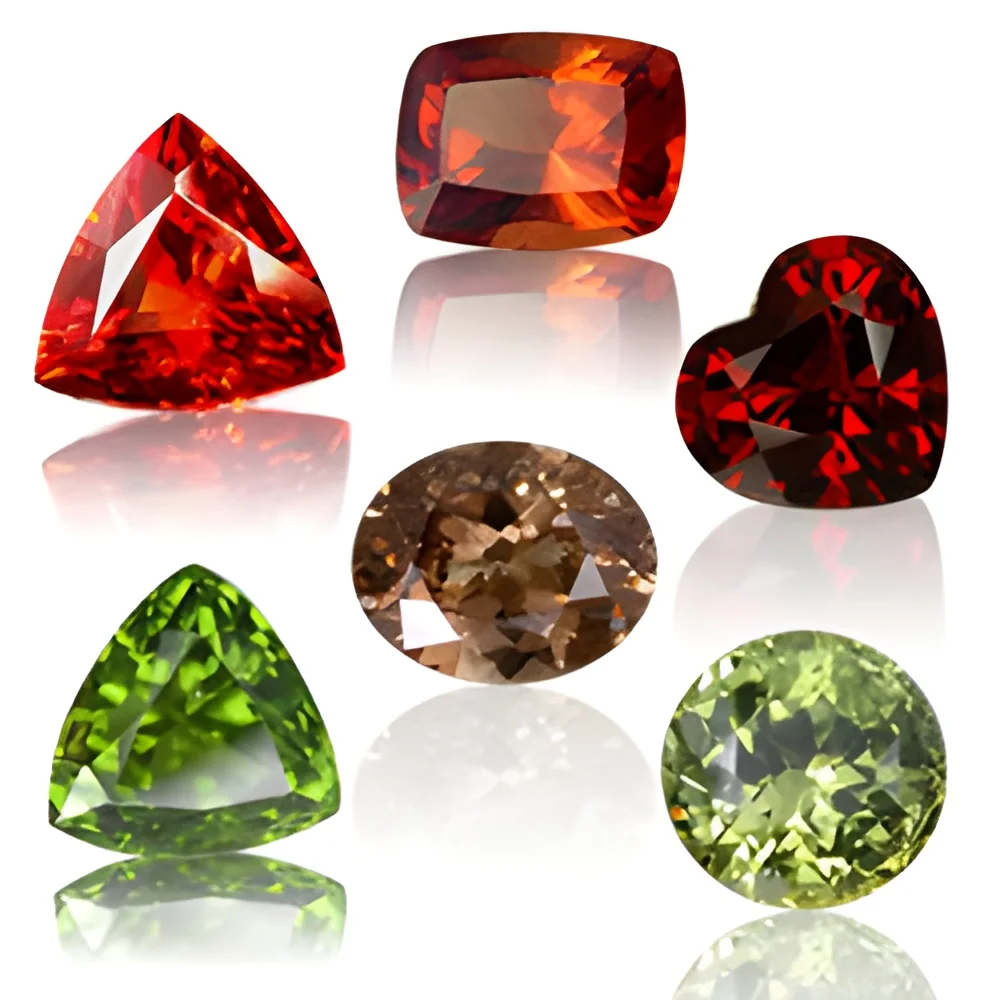
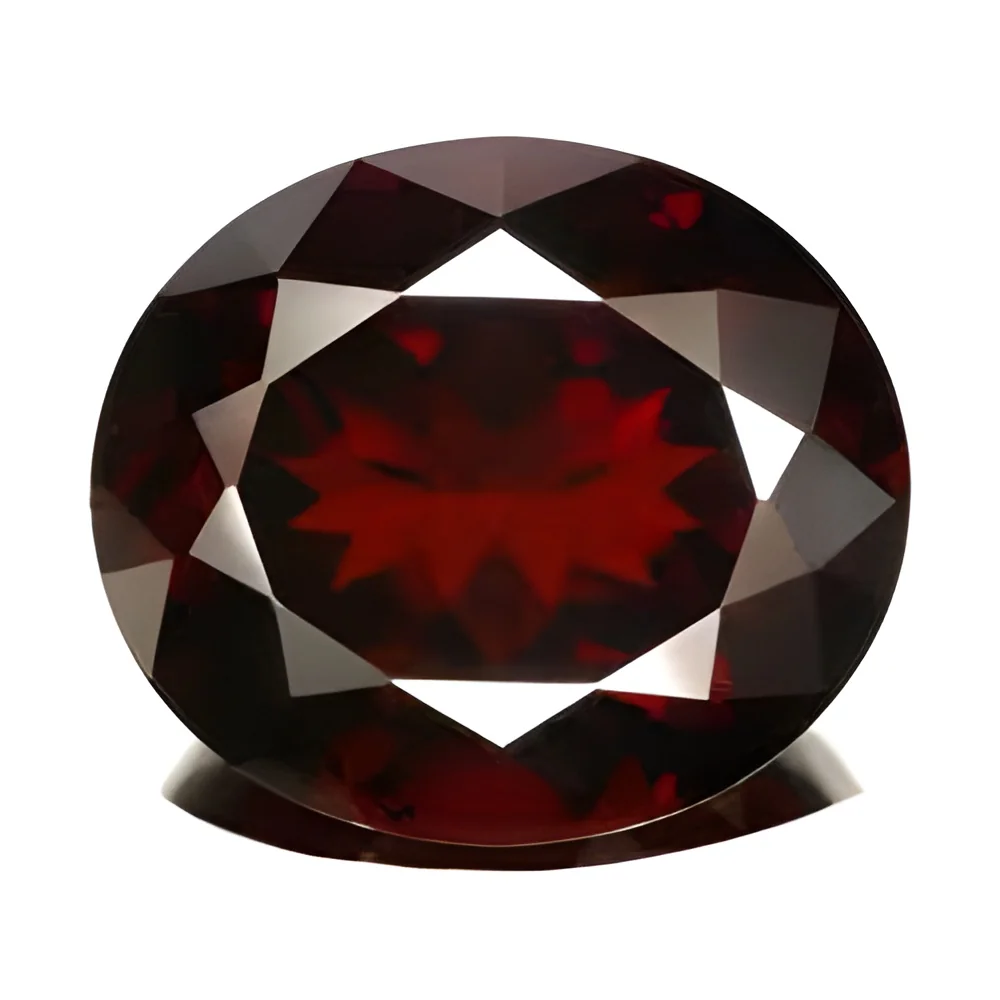
- Garnets come in a variety of colors, including red, green, and yellow.
- Color does not typically affect performance but may be a consideration for aesthetic applications.
6. Density
- Garnet has a density of approximately 3.5 to 4.3 g/cm³.
- This density is advantageous in applications requiring heavy minerals for stability.
7. Availability
- Garnet is sourced globally, with significant deposits in India, Australia, and the United States.
- Accessibility can influence pricing and supply.
Overall, the specifications of garnet make it a highly adaptable product for numerous industrial applications.
Common Applications and Use Cases
Garnet serves various industries due to its unique properties and versatility.
1. Abrasive Blasting: In manufacturing, garnet is widely used for sandblasting applications. Its hardness ensures effective surface preparation and finishing.
2. Waterjet Cutting: Garnet is a preferred abrasive for waterjet cutting systems. It offers precision and efficiency, making it suitable for cutting various materials.
3. Filtration Systems: In water treatment processes, garnet serves as a filtration media. Its high density and angular particles enhance the filtration of sediments and impurities.
4. Aerospace and Automotive: Garnet is used for surface preparation in the aerospace and automotive industries. It provides a clean and roughened surface for coatings and paints.
5. Jewelry and Decorative Items: Garnet's aesthetic qualities make it a popular choice in jewelry production. Its range of colors allows for creative designs in various settings.
6. Construction: Garnet is used in concrete and road construction for its durability and strength. It enhances the performance of construction materials.
7. Medical Applications: In certain medical devices, garnet is utilized for its biocompatibility and strength in implant technology.
Product Variants and Subcategories
Garnet comes in various forms and grades, catering to different industrial requirements.
Industrial Garnet
This variant is characterized by its coarse grain size, making it suitable for abrasive blasting and waterjet cutting. It is designed for heavy-duty applications and offers high performance in surface preparation.
Fine Garnet
Fine garnet is processed to a smaller grain size, ideal for precision applications such as waterjet cutting and specialized abrasive tasks. Its fine particles allow for detailed work and smooth finishes.
Garnet Powder
Garnet powder is a finely milled version used in polishing and as a filler in various products. Its fine texture provides excellent results in achieving smooth surfaces and enhancing product quality.
Benefits and Advantages
Sourcing garnet offers numerous advantages for businesses looking for reliable industrial solutions.
1. Versatility: Garnet can be used in various applications, from abrasive blasting to water filtration, providing flexibility in usage.
2. High Performance: Its hardness and durability ensure effective performance in demanding applications, enhancing operational efficiency.
3. Cost-Effectiveness: Garnet is an economical choice compared to other abrasives, providing significant value for industrial processes.
4. Eco-Friendly: Garnet is a natural mineral, making it an environmentally friendly option for industrial applications.
5. Consistent Quality: Sourced from reputable suppliers, garnet offers consistent quality, ensuring reliable performance across different applications.
6. Easy Availability: Garnet is widely available, making it easier for businesses to source the product without delays.
Buying Guide for B2B Buyers
When sourcing garnet, several factors should be considered to ensure a successful procurement process.
1. Quality Assessment: Buyers should evaluate the quality of garnet based on its hardness, grain size, and purity. Requesting samples can help assess performance in specific applications.
2. Supplier Verification: It's essential to vet suppliers through references and certifications. Established suppliers often provide better consistency and reliability in product delivery.
3. Pricing and MOQ: Buyers should inquire about pricing structures and minimum order quantities. Understanding the cost implications can help in budgeting and planning.
4. Delivery and Lead Times: Evaluate suppliers' logistics capabilities to ensure timely delivery. Consider lead times in relation to project schedules and operational needs.
5. Compliance Requirements: Ensure that the garnet meets relevant industry standards and regulations. This could include safety certifications and environmental compliance.
Compliance and Certifications
Garnet products must adhere to various compliance and certification standards to ensure quality and safety in industrial applications.
Relevant quality standards include ISO 9001, which focuses on quality management systems, ensuring that manufacturers maintain consistent quality in their processes. Other relevant standards may include HACCP and GDP, particularly for applications in food processing and pharmaceuticals.
Industry certifications such as CE mark are important for products sold within the European market, indicating compliance with health, safety, and environmental protection standards.
Safety and testing requirements are critical, especially for applications involving human interaction or environmental impact. Regular testing for contaminants and performance standards is essential to maintain compliance.
Regional compliance considerations may vary, and it is crucial for suppliers to be aware of local regulations to avoid penalties and ensure smooth operations in various markets.
Why Source Garnet from Pepagora?
Pepagora provides a trusted platform for sourcing garnet, offering several key advantages to B2B buyers.
Verified Supplier Network: Pepagora has established a robust network of verified suppliers, ensuring that buyers can source high-quality garnet products with confidence. Each supplier undergoes thorough vetting to maintain standards.
Streamlined RFQ Process: The platform simplifies the request for quotation (RFQ) process, allowing buyers to easily obtain competitive quotes from multiple suppliers. This efficiency enhances the purchasing experience.
Trade Assurance and Support: Pepagora offers trade assurance, providing an added layer of security for buyers. This includes support for resolving disputes and ensuring that the products meet agreed specifications.
Regional Coverage: With a geographic reach that spans India, the GCC, and Southeast Asia, Pepagora connects buyers with suppliers in key markets. This extensive coverage enhances sourcing options and helps streamline procurement efforts.

 India
 India

Frequently Asked Questions
What are Garnet?
Garnet is a group of silicate minerals that share a common crystal structure and are typically used as gemstones and abrasives. They are known for their vibrant colors and are found in various geological environments.
What are the different types of Garnet?
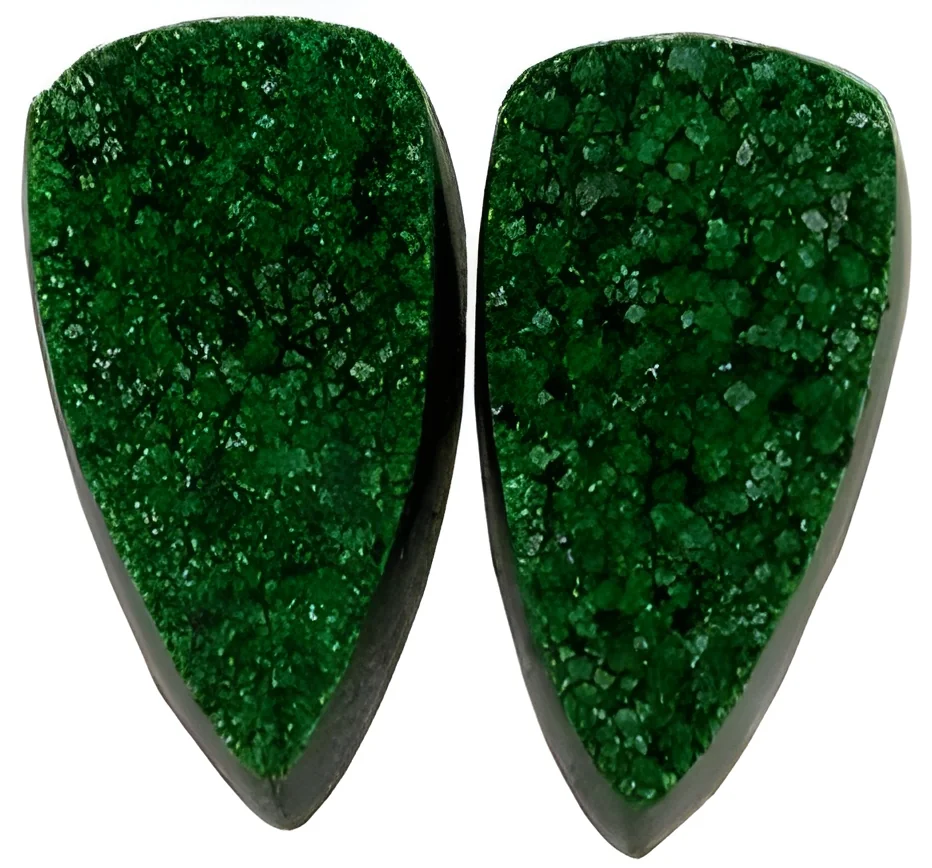
There are several types of Garnet, including Almandine, Pyrope, Spessartine, Grossular, Andradite, and Uvarovite. Each type has unique properties and colors, ranging from red to green, depending on its chemical composition.
How do I choose the right Garnet?
To choose the right Garnet, consider factors such as the intended use, color preference, and size. Additionally, assessing the quality and type of Garnet is essential to ensure it meets your specific requirements.
What are the standard specifications for Garnet?
Standard specifications for Garnet typically include particle size, hardness, and purity. The Mohs hardness scale rates Garnet between 6.5 and 7.5, making it suitable for various applications, including abrasives and gemstones.
What is the price range for Garnet?
The price of Garnet can vary significantly based on factors such as type, quality, and size. Generally, you can expect prices to range from a few dollars per carat for common varieties to significantly higher prices for rare or high-quality specimens.
What quality standards apply to Garnet?
Quality standards for Garnet include clarity, color, cut, and carat weight for gemstones, while industrial Garnet is evaluated based on its size, shape, and hardness. Adhering to these standards ensures the material's suitability for its intended application.
Where can I find Garnet suppliers in India?
You can find Garnet suppliers in India through various B2B marketplaces, trade shows, and industry directories. Websites like Pepagora.com provide a comprehensive list of manufacturers and suppliers specializing in Garnet.
Can Garnet be customized?
Yes, Garnet can be customized in terms of size, shape, and finish, especially for industrial applications. For gemstones, custom cuts can also be requested to meet specific design preferences.
What is the typical minimum order quantity for Garnet?
The typical minimum order quantity (MOQ) for Garnet varies by supplier and application. Generally, MOQs can range from a few kilograms for industrial use to several carats for gemstone purchases.
What is the typical lead time for Garnet?
The typical lead time for Garnet can vary based on the supplier and order size. Generally, you can expect lead times to range from a few days to several weeks, especially for customized orders.
Why Businesses Trust Pepagora
Thousands of companies trust Pepagora to source smarter and sell faster
Expand Your Sales Globally

Source Smarter,Grow Faster
