IN
IN₹
Apparel & Fashion
Description
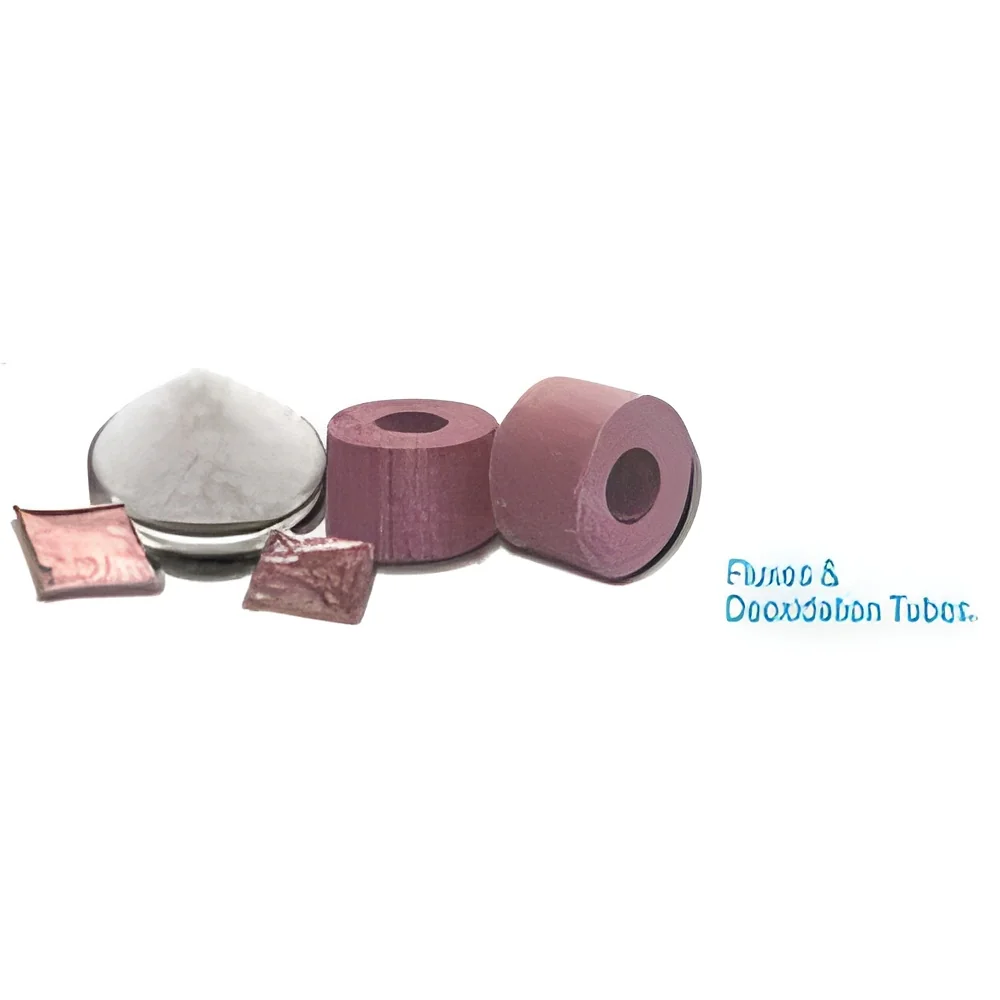
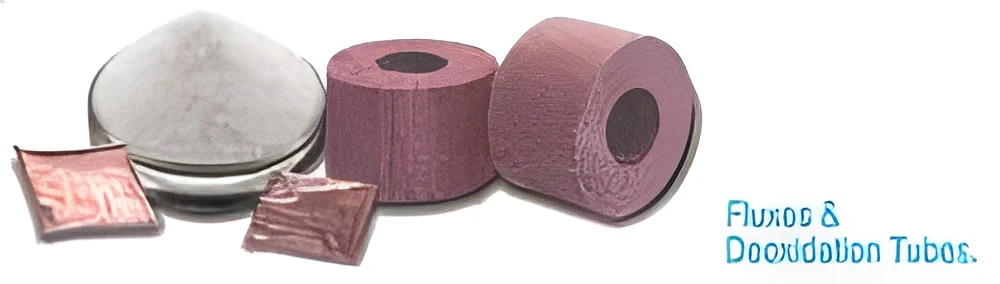
Industrial granular fluxes are precision-formulated chemical agents designed to purify metals by facilitating the removal of impurities during high-temperature processing. In molten metal, these fluxes react with undesirable elements like sulfur, phosphorus, and various oxides, forming a separate slag layer that is easily separated. Their granular physical form is a key advantage, ensuring consistent application, controlled reactivity, and thorough mixing within the melt. This leads to efficient impurity capture, improved metal cleanliness, and enhanced process control. By optimizing the refining stage, these fluxes directly contribute to producing higher quality metal with superior mechanical properties and reduced defect rates, forming a cornerstone of modern metallurgical practice.

These fluxes see extensive use across the full spectrum of metal production and processing industries. Major steel plants integrate them into electric arc furnace (EAF) operations and ladle refining stat...
Industrial granular fluxes are precision-formulated chemical agents designed to purify metals by facilitating the removal of impurities during high-temperature processing. In molten metal, these fluxes react with undesirable elements like sulfur, phosphorus, and various oxides, forming a separate slag layer that is easily separated. Their granular physical form is a key advantage, ensuring consistent application, controlled reactivity, and thorough mixing within the melt. This leads to efficient impurity capture, improved metal cleanliness, and enhanced process control. By optimizing the refining stage, these fluxes directly contribute to producing higher quality metal with superior mechanical properties and reduced defect rates, forming a cornerstone of modern metallurgical practice.

These fluxes see extensive use across the full spectrum of metal production and processing industries. Major steel plants integrate them into electric arc furnace (EAF) operations and ladle refining stations for critical tasks like desulfurization and slag chemistry management. Aluminum producers depend on them during melting and holding to degas the melt and remove inclusions, which is vital for aerospace and automotive castings. Non-ferrous foundries, dealing with copper, brass, and bronze, utilize fluxes for deoxidation and impurity removal to ensure sound castings. Their versatility extends to various furnace technologies, including induction, rotary, and crucible furnaces, making them a universal tool for improving metal quality in both large-scale primary production and smaller-scale casting houses.

For businesses, investing in high-quality granular fluxes translates into tangible operational and financial benefits. Their reliability ensures consistent process outcomes, minimizing variability in final product quality and reducing the risk of rejected batches. This consistency enhances overall operational efficiency, leading to better resource utilization, lower energy consumption per ton of output, and increased production yield. By effectively removing impurities, these fluxes help extend equipment life by reducing corrosive wear on furnace linings and transfer systems. The result is a stronger bottom line through cost savings, improved productivity, and the ability to consistently meet or exceed customer specifications for metal purity and performance, solidifying a competitive market position.

Key Features:
- Granular form ensures easy, controlled handling and uniform dispersion in molten metal.
- High chemical reactivity for efficient removal of sulfur, phosphorus, and oxide impurities.
- Formulated to optimize slag formation, fluidity, and separation from the purified metal.
- Compatible with a wide range of furnace types including EAF, induction, and ladle systems.
- Manufactured to strict quality standards for reliable, batch-to-batch consistency.

Benefits:
- Produces cleaner, higher-purity metal with improved mechanical properties and fewer defects.
- Enhances process efficiency by promoting faster slag formation and easier slag removal.
- Reduces operational costs through lower energy consumption and increased metal yield.
- Minimizes process variability, leading to more predictable and consistent production outcomes.
- Contributes to longer equipment service life by reducing corrosive wear on refractory linings.
Specifications
| Additional Information | |
|---|---|
| Country of Origin | India |
Application
Granular fluxes are engineered for superior impurity removal during metal melting and refining processes. Their specific formulation promotes optimal slag formation, effectively capturing oxides, sulfur, and phosphorus to deliver cleaner molten metal. This results in enhanced operational efficiency and reduced energy consumption across various furnace types, from electric arc to induction systems. The consistent granular size ensures easy handling and uniform distribution, leading to predictable and repeatable results in every batch.
These specialized fluxes are indispensable in primary metal production and secondary processing facilities. They perform critical functions like desulfurization, dephosphorization, and inclusion control, directly impacting the final metal's mechanical properties and purity. Industries rely on them to maintain stringent quality standards, minimize casting defects, and improve overall yield. Their proven effectiveness makes them a fundamental component in achieving high-grade metal outputs for downstream manufacturing and fabrication.
- Steelmaking operations for desulfurization and slag conditioning in electric arc and basic oxygen furnaces.
- Aluminum smelting and casting to remove dissolved hydrogen and non-metallic inclusions, preventing porosity.
- Copper and brass production for oxidation control and efficient removal of impurities during refining.
- Foundry applications to enhance molten metal fluidity, reduce slag viscosity, and minimize casting defects.
- Ladle metallurgy and secondary refining processes to fine-tune alloy composition and improve mechanical properties.
Trade Details
| Available Stock | In Stock |
| Sample Availability | No |
Payment Terms
| Payment Terms |
|
Company Profile

Ceraflux India Pvt Ltd, Maharashtra
 Maharashtra, India
Maharashtra, IndiaRaw Materials & Chemicals•Manufacturer•Importer / Exporter
Factory Details
Factory SizeBelow 1000 sqm
Annual Production Capacity0
Main Markets
South Asia
Industrial Granular Fluxes For Metal Refining And Slag Removal
Industrial granular fluxes for efficient metal refining and slag removal. Trusted by foundries and steel plants for consistent quality and reliable performance in demanding high-temperature applications.
Min. Order Quantity: 1 unit
Shipping
Shipping fee and delivery date to be negotiated. Contact supplier now for more details.
Ceraflux India Pvt Ltd
 Maharashtra, India
Maharashtra, IndiaRaw Materials & ChemicalsManufacturer