
 IN
Foam Cutting Machines
30 products available
What are Foam Cutting Machines?
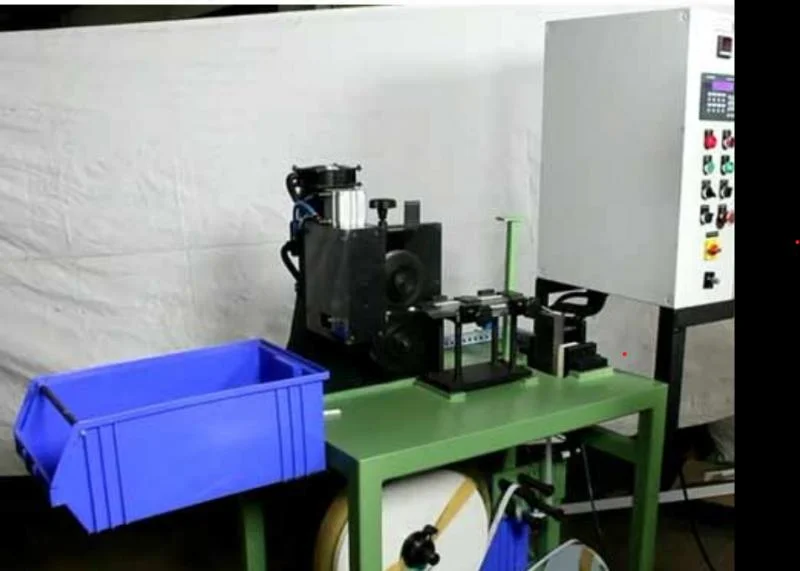
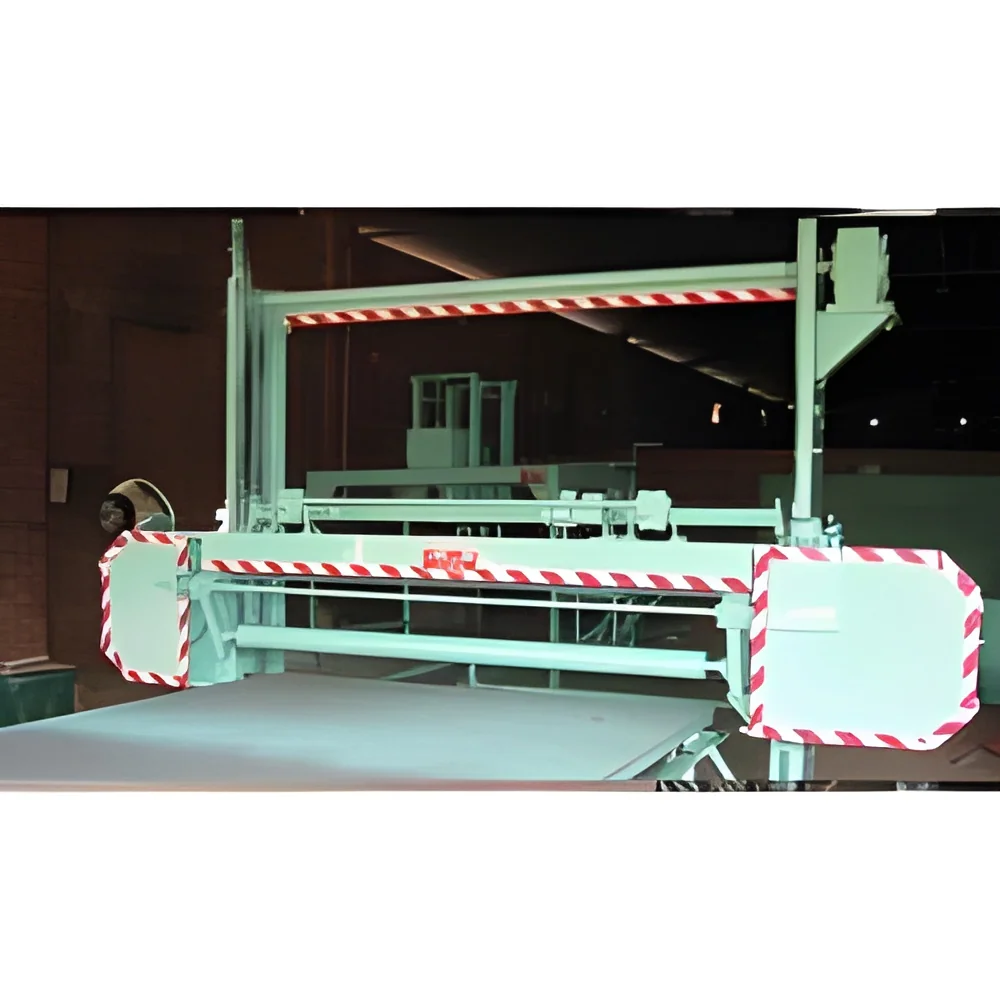
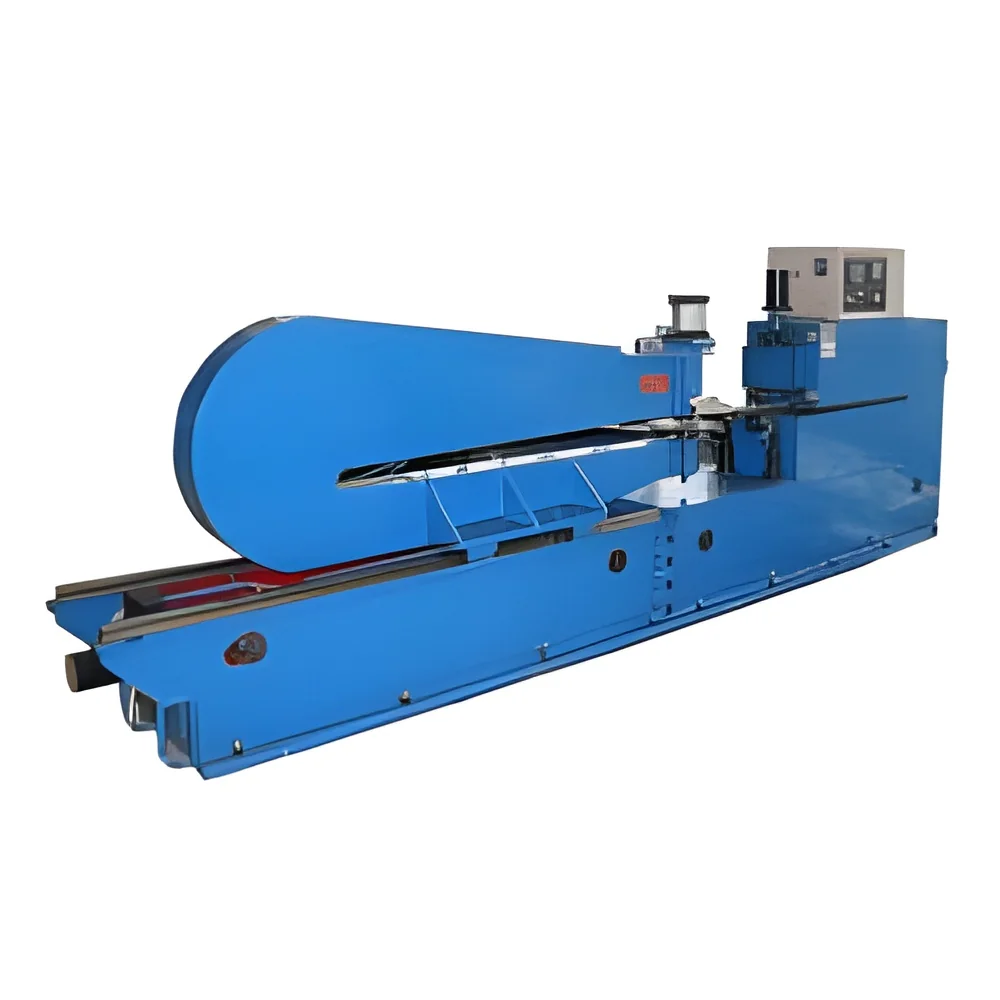
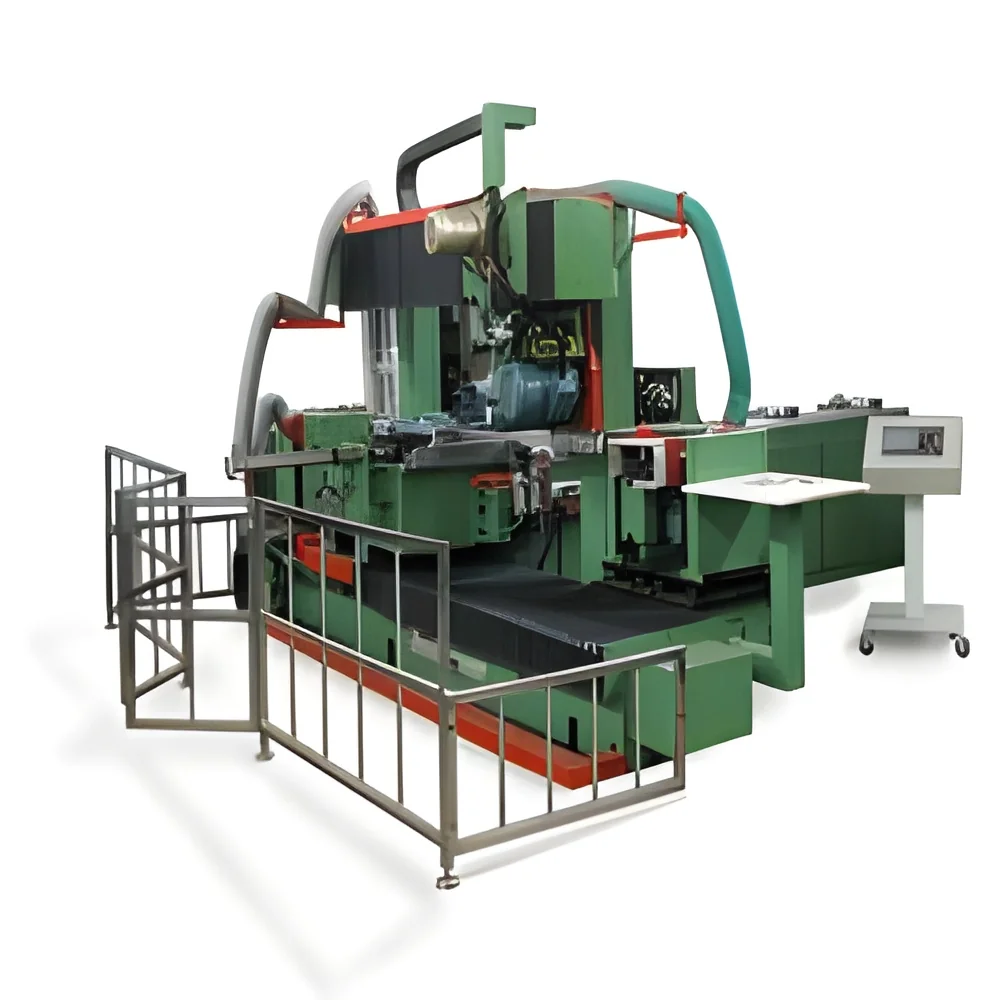
Foam cutting machines are specialized devices designed to cut various types of foam materials with precision and efficiency. These machines utilize sharp blades, hot wires, or advanced cutting technologies to create clean and accurate cuts, tailored to specific shapes and sizes. The machines can handle different foam densities and types, making them versatile tools in various manufacturing processes.
The primary uses of foam cutting machines span across multiple industries, including packaging, automotive, furniture, and construction. They are essential for creating custom foam inserts, cushioning materials, and insulation products. Businesses leverage these machines to enhance production speed, improve product quality, and reduce material waste. As industries continue to evolve and demand more customized solutions, foam cutting machines play a critical role in meeting these needs.
In today's market, foam cutting machines are increasingly relevant due to the rising demand for high-quality foam products. The growth of e-commerce, along with advancements in technology, has led manufacturers to seek efficient and reliable cutting solutions. This demand is expected to drive innovation and improvements in foam cutting technologies, making these machines a vital investment for businesses focused on production efficiency and product quality.
Key Features and Specifications
Foam cutting machines come equipped with several features that enhance their performance and usability. Understanding these specifications helps businesses choose the right machines for their needs.
Key specifications include:
1. Cutting Method
- Options include hot wire cutting, blade cutting, and CNC cutting.
- Each method offers unique advantages based on the foam type and desired outcome.
2. Cutting Thickness
- Machines can typically cut foam thicknesses ranging from a few millimeters to several centimeters.
- Specific models may accommodate thicker materials based on design.
3. Cutting Speed
- Varies by model; some machines can achieve cutting speeds of up to 10 meters per minute.
- Faster cutting speeds can enhance overall productivity.
4. Control Features
- Many machines include programmable controls for precision cutting.
- Options for manual and automated settings are available.
5. Size and Dimensions
- Available in various sizes to fit different production spaces.
- Compact models are designed for smaller operations.
6. Safety Features
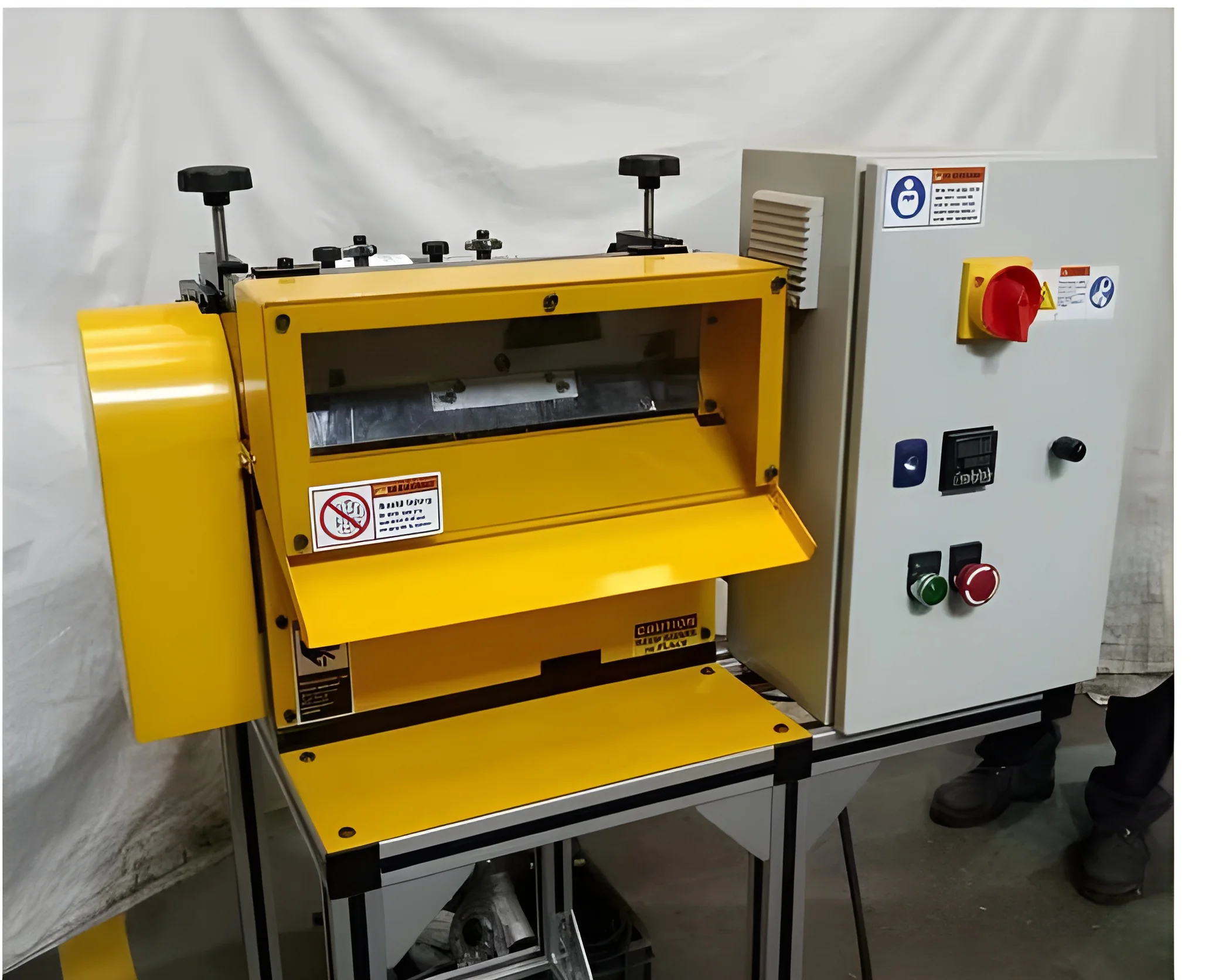
- Include emergency stop buttons and safety guards.
- Compliance with industry safety standards is crucial.
7. Maintenance Requirements
- Regular maintenance is necessary to ensure optimal performance.
- Some machines offer self-diagnostic capabilities to simplify upkeep.
In summary, understanding the key features and specifications of foam cutting machines is essential for businesses to make informed purchasing decisions.
Common Applications and Use Cases
Foam cutting machines serve various industries, providing tailored solutions for specific applications.
1. Packaging: In the packaging industry, foam cutting machines are used to create custom inserts that protect products during shipping. This ensures that fragile items arrive undamaged.
2. Automotive: Foam cutting machines are employed in the automotive sector to produce components like soundproofing materials and cushioning for seats, enhancing comfort and safety.
3. Furniture: In furniture manufacturing, these machines cut foam for upholstery and cushions, allowing for a diverse range of designs and styles.
4. Construction: Foam cutting is used in construction to create insulation panels and architectural elements, contributing to energy efficiency and design aesthetics.
5. Sports Equipment: Manufacturers of sports gear utilize foam cutting machines to produce custom-shaped foam for protective equipment, ensuring a proper fit and optimal performance.
6. Medical: In the medical field, foam cutting machines create specialized products such as mattresses and padding for hospital beds, tailored for comfort and support.
7. Arts and Crafts: Hobbyists and professionals in arts and crafts use foam cutting machines for various projects, including model-making and decoration.
Product Variants and Subcategories
Foam cutting machines come in various types to cater to different industry needs. Each variant offers unique features and applications, allowing businesses to select the most suitable option for their operations.
CNC Foam Cutting Machines
These machines utilize computer numerical control technology for precise cutting. They are ideal for complex shapes and patterns, making them popular in industries that require high accuracy.
Hot Wire Foam Cutting Machines
These machines use heated wires to cut through foam materials. They are particularly effective for softer foam types and are widely used in packaging and modeling applications.
Blade Foam Cutting Machines
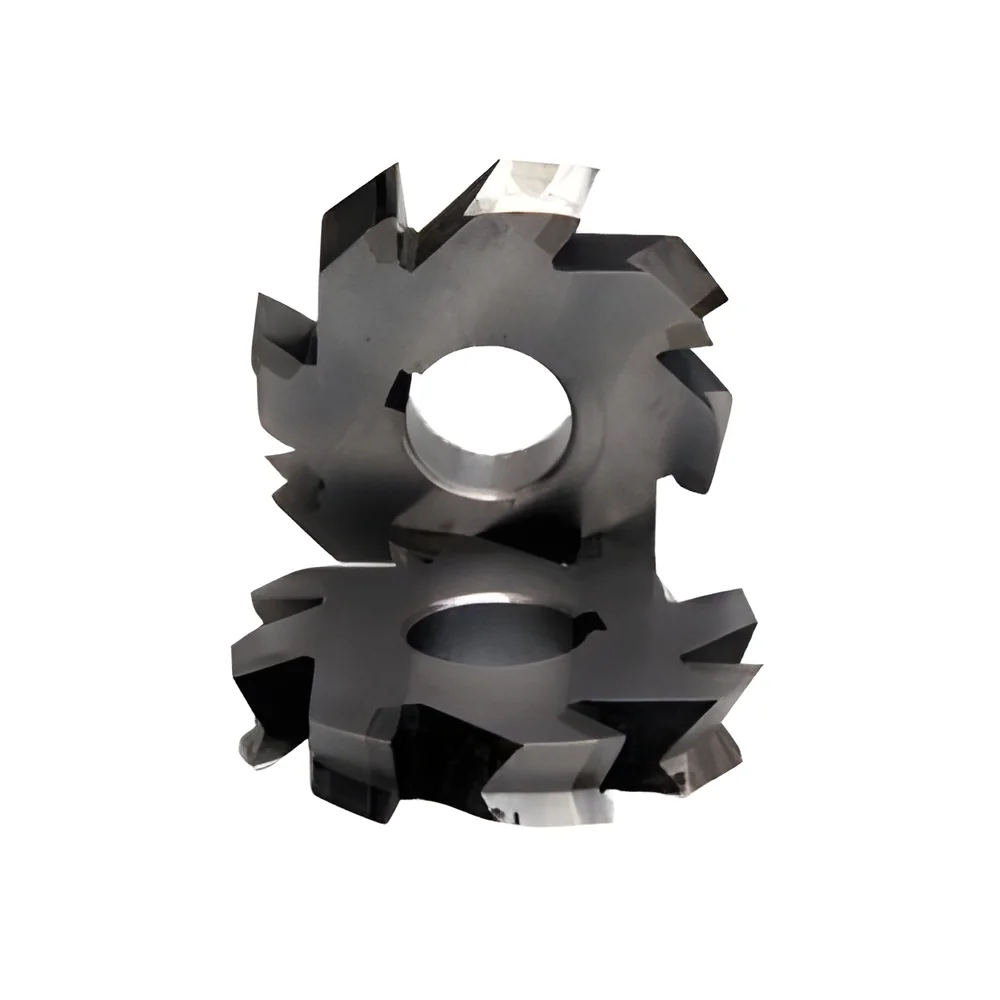
This variant employs sharp blades to slice through foam. They are versatile and can handle a variety of foam densities, making them suitable for general-purpose cutting tasks.
Benefits and Advantages
Investing in foam cutting machines offers numerous advantages for businesses looking to enhance their production capabilities.
Key benefits include:
1. Increased Efficiency: These machines significantly reduce cutting time compared to manual methods, improving overall production speed.
2. Precision Cutting: Foam cutting machines provide consistent and accurate cuts, ensuring high-quality finished products with minimal waste.
3. Versatility: They can handle various foam types and densities, making them suitable for diverse applications across multiple industries.
4. Cost Savings: Automation reduces labor costs and minimizes material waste, leading to overall savings in production expenses.
5. Enhanced Safety: Modern foam cutting machines come equipped with safety features that protect operators, reducing the risk of accidents.
6. Customization: Many machines allow for programmable settings, enabling businesses to produce customized foam products to meet specific customer needs.
Buying Guide for B2B Buyers
When sourcing foam cutting machines, it is essential for B2B buyers to consider several key factors to ensure they make the right investment.
1. Quality Assessment: Evaluate the build quality of the machines, including the materials used and construction standards. This ensures durability and long-term performance.
2. Supplier Verification: Research potential suppliers to verify their credibility. Look for reviews, certifications, and past customer experiences to ensure reliability.
3. Pricing and MOQ: Understand the cost structure, including machine prices and any minimum order quantities. Compare quotes from multiple suppliers to find the best deal.
4. Delivery and Lead Times: Discuss delivery options and lead times with suppliers to ensure timely acquisition of machines, especially if they are needed for ongoing projects.
5. Compliance Requirements: Ensure that the chosen foam cutting machines meet relevant regulatory standards and certifications. This includes safety regulations and quality assurance standards.
Compliance and Certifications
Compliance with industry standards and certifications is critical for foam cutting machines. Relevant quality standards include ISO 9001, which outlines criteria for an effective quality management system. Adhering to these standards ensures consistent product quality and customer satisfaction.
Industry certifications, such as CE, indicate that the machines meet European health, safety, and environmental protection requirements. This compliance is essential for manufacturers looking to enter or operate within European markets.
Safety and testing requirements must also be considered. Machines should undergo rigorous testing to ensure they operate safely and efficiently. Additionally, regional compliance considerations may vary, so it is crucial to understand local regulations related to manufacturing and safety.
Why Source Foam Cutting Machines from Pepagora?
Pepagora provides a trusted platform for sourcing foam cutting machines, offering several key advantages that streamline the purchasing process for businesses.
Verified Supplier Network: Pepagora maintains a network of verified suppliers, ensuring that buyers connect with reputable manufacturers. This reduces the risk associated with sourcing equipment.
Streamlined RFQ Process: The platform offers a user-friendly request for quotation (RFQ) system, allowing buyers to easily compare quotes from multiple suppliers. This expedites decision-making and helps find the best prices.
Trade Assurance and Support: Pepagora offers trade assurance to protect buyers throughout the purchasing process. This includes support for resolving disputes and ensuring that transactions are secure.
Regional Coverage: With a strong presence in India, the GCC, and Southeast Asia, Pepagora connects buyers with suppliers across these regions. This broad geographic reach facilitates access to a diverse range of foam cutting machines tailored to specific industry needs.












Frequently Asked Questions
What are Foam Cutting Machines?
Foam Cutting Machines are specialized equipment designed to cut foam material into various shapes and sizes. They utilize different cutting techniques such as hot wire, blade, or laser cutting to achieve precision and efficiency in foam processing.
What are the different types of Foam Cutting Machines?
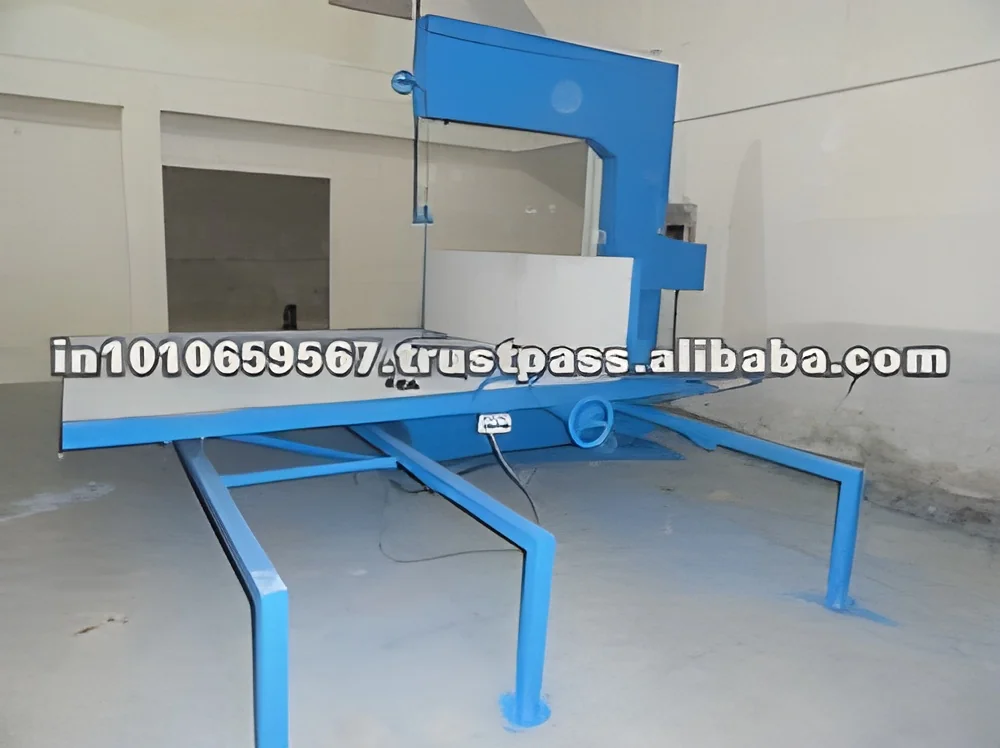
There are several types of Foam Cutting Machines, including hot wire foam cutters, vertical and horizontal foam cutting machines, and CNC foam cutting machines. Each type serves different applications and offers distinct advantages based on cutting requirements and material types.
How do I choose the right Foam Cutting Machines?
Choosing the right Foam Cutting Machine depends on factors such as the type of foam you will be cutting, the desired precision, and your production volume. It is also essential to consider the machine's features, ease of use, and after-sales support before making a decision.
What are the standard specifications for Foam Cutting Machines?
Standard specifications for Foam Cutting Machines may include cutting thickness capacity, cutting speed, power consumption, and machine dimensions. Additionally, features such as digital controls, safety mechanisms, and ease of maintenance are also important specifications to evaluate.
What is the price range for Foam Cutting Machines?
The price range for Foam Cutting Machines can vary widely, typically starting from INR 30,000 to several lakhs, depending on the machine's capabilities and brand. Factors influencing the cost include the machine type, customization options, and additional features.
What quality standards apply to Foam Cutting Machines?
Foam Cutting Machines are subject to various quality standards, including ISO certifications and safety regulations specific to manufacturing equipment. Ensuring compliance with these standards is crucial for maintaining operational safety and product quality.
Where can I find Foam Cutting Machines suppliers in India?
You can find Foam Cutting Machines suppliers in India through online B2B marketplaces like Pepagora, industry trade shows, and manufacturer directories. It is advisable to research and compare suppliers based on their reputation, product range, and customer reviews.
Can Foam Cutting Machines be customized?
Yes, many manufacturers offer customization options for Foam Cutting Machines to meet specific operational requirements. Customizations may include modifications in size, cutting technology, or additional features tailored to unique business needs.
What is the typical minimum order quantity for Foam Cutting Machines?
The typical minimum order quantity (MOQ) for Foam Cutting Machines can vary by supplier, often ranging from one unit to several units depending on the manufacturer. It is best to confirm the MOQ with the supplier before placing an order.
What is the typical lead time for Foam Cutting Machines?
The typical lead time for Foam Cutting Machines can range from a few weeks to several months, depending on the manufacturer's production capacity and the complexity of the machine. It is advisable to discuss lead times with suppliers during the ordering process.
Why Businesses Trust Pepagora
Thousands of companies trust Pepagora to source smarter and sell faster
Expand Your Sales Globally

Source Smarter,Grow Faster
