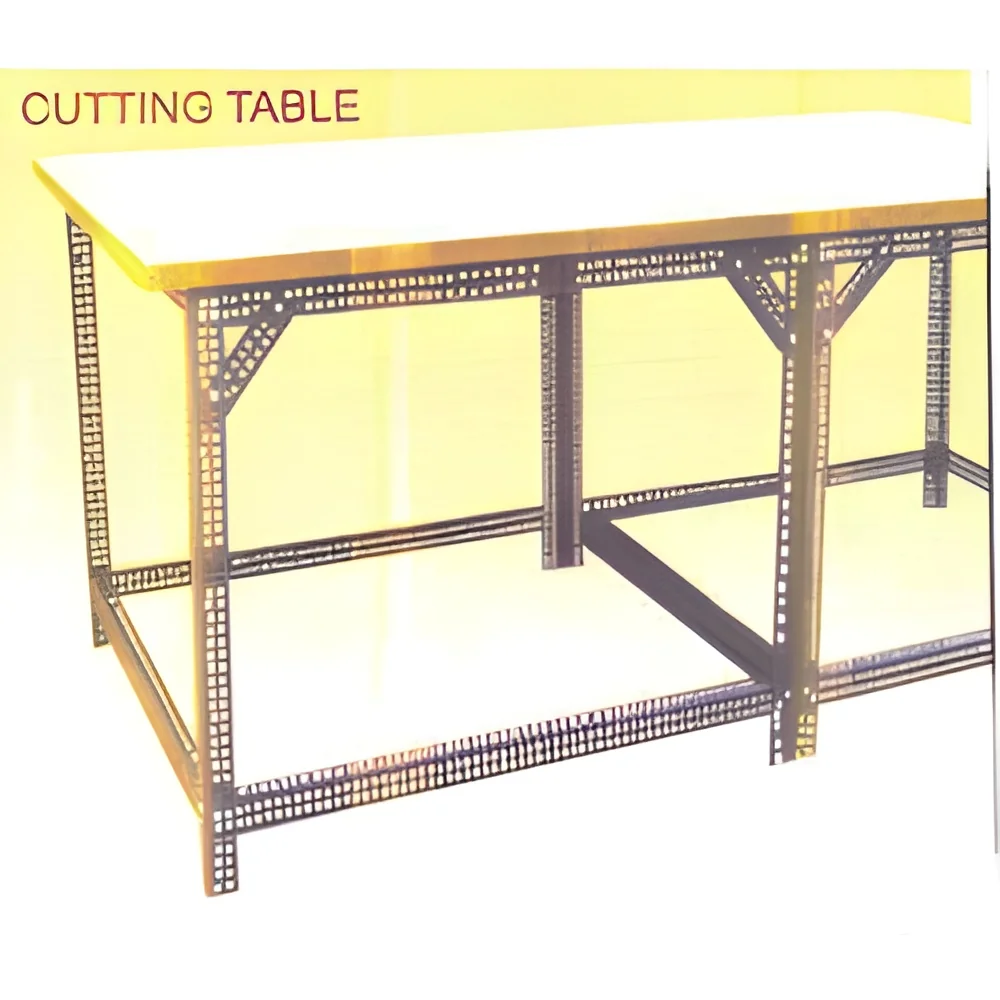
What are Cutting Tables & Fixtures?
Cutting tables and fixtures are essential tools used in various industries for precise cutting, shaping, and assembling materials. These products provide a stable and accurate surface for cutting operations, which can include textiles, metals, plastics, and wood. The design of cutting tables often incorporates features that enhance productivity and ensure safety, making them vital in manufacturing and production environments.
These tables are widely used in industries such as textiles, woodworking, and metalworking. In the textile industry, cutting tables allow for the efficient cutting of fabrics into desired shapes and sizes. In woodworking, they facilitate the accurate cutting of panels and boards. Similarly, metal fabrication often requires cutting tables that can accommodate heavy materials and provide the necessary support for precision cuts. The market for cutting tables and fixtures is expanding as companies seek more efficient production processes and higher quality outputs.
Key Features and Specifications
Cutting tables and fixtures are equipped with several key features that enhance their usability and performance. Understanding these specifications is crucial for businesses looking to invest in these tools.
Key specifications include:
1. Surface Material
- Typically constructed from durable materials such as stainless steel or high-density plastic.
- Provides a smooth and stable cutting surface.
2. Size and Dimensions
- Available in various sizes to accommodate different workspace requirements.
- Standard dimensions range from small portable tables to large industrial units.
3. Weight Capacity
- Designed to support varying weights depending on the materials being cut.
- Capacity can range from light-duty for textiles to heavy-duty for metals.
4. Adjustable Height
- Many tables feature adjustable legs for ergonomic use.
- Allows users to set the height according to their comfort.
5. Storage Options
- Some models include built-in storage solutions for tools and materials.
- Helps in keeping the workspace organized.
6. Safety Features
- Equipped with safety mechanisms to prevent accidents during operation.
- Common features include rounded edges and anti-slip surfaces.
7. Portability
- Some cutting tables are designed to be foldable or lightweight for easy transportation.
- Ideal for businesses that require mobility.
8. Customization Options
- Available in various configurations to meet specific business needs.
- Options may include additional fixtures or attachments for specialized tasks.
In summary, cutting tables and fixtures are designed with various specifications that cater to a wide range of industrial applications. Selecting the right table involves considering these features to ensure efficiency and safety in operations.
Common Applications and Use Cases
Cutting tables and fixtures serve various industries, each requiring specific features and designs.
1. Textile Industry: Cutting tables are essential for accurately cutting fabrics into patterns for garments. They enhance productivity by providing a stable surface for multiple layers of fabric.
2. Woodworking Industry: In woodworking shops, cutting tables support the precise cutting of boards and panels. They help achieve clean edges and minimize waste during the cutting process.
3. Metal Fabrication: Metalworking applications utilize cutting tables that can handle heavier materials. These tables are crucial for cutting sheet metal and other metal components accurately.
4. Automotive Industry: Cutting tables are used for cutting materials like rubber or composites in automotive manufacturing. Their precision helps in creating parts that meet stringent quality standards.
5. Furniture Manufacturing: In the furniture industry, cutting tables assist in shaping materials for various furniture pieces. They help in achieving consistent cuts for assembly.
6. Signage Production: Cutting tables are used to create custom signs from various materials, including acrylic and vinyl. Their versatility allows for detailed and intricate designs.
7. Aerospace Industry: In aerospace manufacturing, cutting tables are vital for cutting lightweight materials used in aircraft components. Precision is critical to meet safety and performance standards.
Product Variants and Subcategories
Cutting tables and fixtures come in a variety of forms to meet diverse industrial needs. This diversity allows businesses to select products that best fit their operational requirements.
Portable Cutting Tables
These tables are lightweight and designed for easy transport. They are ideal for on-site work and can be folded for storage. Their versatility makes them a favorite for small projects and contractor use.
Heavy-Duty Cutting Tables
Designed to handle substantial weight, these tables are suitable for industrial applications. They are built with robust materials and often feature reinforced surfaces to withstand rigorous cutting tasks.
Electric Cutting Tables
These tables incorporate electric mechanisms for automatic cutting processes. They enhance efficiency in high-volume production environments, reducing labor costs and increasing output.
Adjustable Cutting Tables
These tables allow users to modify height and surface layout according to their specific needs. They cater to ergonomic requirements and can be used for various cutting tasks.
Benefits and Advantages
Investing in cutting tables and fixtures provides several benefits that can significantly enhance productivity and efficiency.
1. Improved Precision: Cutting tables ensure accurate cuts, which reduces material waste and improves the quality of finished products.
2. Enhanced Safety: Designed with safety features, cutting tables minimize the risk of accidents, protecting workers and reducing liability.
3. Increased Efficiency: With a stable and organized workspace, employees can work faster and more effectively, leading to higher production rates.
4. Versatility: Cutting tables can be used for a wide range of materials and applications, making them suitable for various industries.
5. Ergonomic Design: Many models offer adjustable heights, promoting better posture and reducing strain on workers during long cutting sessions.
6. Cost-Effectiveness: By minimizing waste and improving production speeds, cutting tables contribute to overall cost savings for businesses.
Buying Guide for B2B Buyers
When sourcing cutting tables and fixtures, it is essential to consider several key factors to ensure the best purchase decision.
1. Quality Assessment: Evaluate the materials and construction quality of the tables. Look for products that meet industry standards for durability and reliability.
2. Supplier Verification: Research potential suppliers to ensure they have a strong reputation and reliable customer service. Verify their credentials and past performance.
3. Pricing and MOQ: Understand the pricing structure and minimum order quantities from suppliers. Ensure that the costs align with your budget and purchasing requirements.
4. Delivery and Lead Times: Confirm the estimated delivery times and logistics. It is vital to ensure that the supplier can meet your scheduling needs.
5. Compliance Requirements: Check for any regulatory compliance standards that the cutting tables must meet in your industry. This includes safety regulations and quality certifications.
Compliance and Certifications
Cutting tables and fixtures must adhere to various quality standards and certifications to ensure safety and performance in industrial applications.
ISO 9001 is a widely recognized standard that emphasizes quality management systems. Products that comply with ISO 9001 demonstrate a commitment to consistent quality and continuous improvement.
CE certification is crucial for products sold in European markets. It indicates that the product meets EU safety, health, and environmental protection requirements.
Safety and testing requirements are essential to ensure that cutting tables can withstand rigorous use without risking user safety. Regular testing should be conducted to confirm compliance with industry standards.
Regional compliance considerations may vary based on local regulations. It is important for businesses to be aware of specific requirements in their operating regions to avoid legal complications.
Why Source Cutting Tables & Fixtures from Pepagora?
Pepagora provides a trusted platform for sourcing cutting tables and fixtures with several key advantages. Our verified supplier network ensures that buyers can connect with reputable manufacturers and distributors who meet high-quality standards.
The streamlined RFQ process simplifies the quotation system, allowing buyers to easily request and compare prices from multiple suppliers. This efficiency saves time and helps businesses make informed purchasing decisions.
Pepagora also offers trade assurance and support, providing buyers with protection and assistance throughout the purchasing process. This commitment to customer service builds trust and confidence in every transaction.
Our regional coverage spans India, the GCC, and Southeast Asia, enabling us to serve a diverse range of industries and meet the specific needs of businesses in various markets. By choosing Pepagora, buyers gain access to a wide selection of cutting tables and fixtures tailored to their requirements.

 IN
IN