
 IN
Flame Cutting Machines
8 products available
What are Flame Cutting Machines?
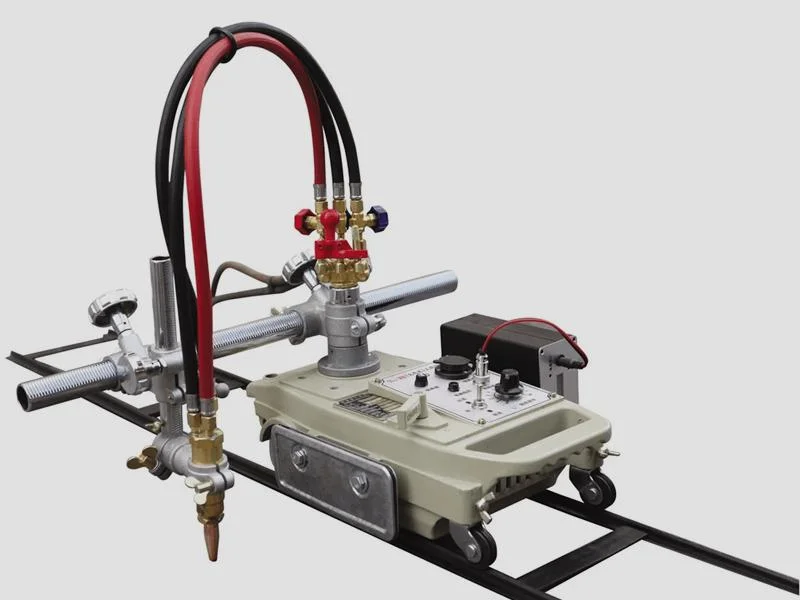
Flame cutting machines are industrial tools used for cutting metal through the application of high-temperature flames. These machines operate by directing a mixture of fuel gas and oxygen onto the metal surface, creating a flame that melts and cuts through the material. Flame cutting is particularly effective for thick materials, making it a preferred method in various industrial applications.
These machines are primarily utilized in sectors such as manufacturing, construction, and metal fabrication. They are commonly used to cut steel and other metals into specific shapes and sizes for further processing or assembly. Flame cutting offers advantages such as speed and the ability to handle heavy materials, making it a staple in environments that require large-scale fabrication and construction projects.
In today’s competitive market, flame cutting machines are relevant as industries seek efficient and cost-effective solutions for metal processing. The demand for precision in cutting, along with advancements in technology, has led to the development of more sophisticated flame cutting systems that cater to specific business needs.
Key Features and Specifications
Flame cutting machines come equipped with several features designed to enhance performance and usability. Understanding these specifications is crucial for businesses looking to invest in such equipment.
Key specifications include:
1. Cutting Thickness
- Capable of cutting materials up to 300 mm thick.
- Ideal for heavy-duty applications.
2. Cutting Speed
- Adjustable cutting speeds ranging from 100 to 600 mm/min.
- Allows for versatility in different cutting tasks.
3. Fuel Type
- Compatible with various fuel gases such as acetylene, propane, and natural gas.
- Flexibility in fuel choice enhances operational efficiency.
4. Control System
- Equipped with advanced CNC or manual operation options.
- Offers precision and ease of use for operators.
5. Safety Features
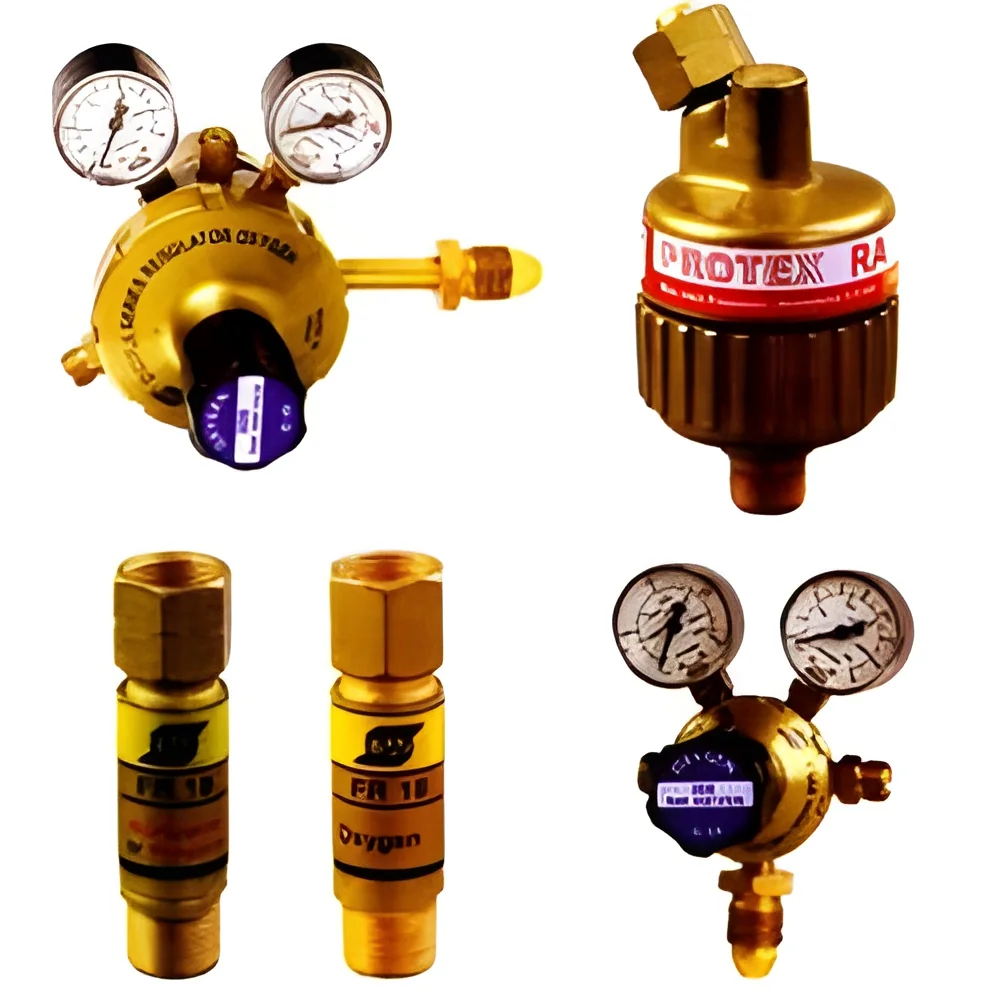
- Includes flame arrestors and automatic shut-off mechanisms.
- Ensures safe operation and minimizes risks.
6. Portability
- Some models designed for easy transport and setup.
- Suitable for on-site cutting tasks.
7. Maintenance Requirements
- Designed for low maintenance with easy access to components.
- Reduces downtime and increases productivity.
8. Compliance Standards
- Meets international safety and operational standards.
- Ensures reliability and performance in industrial settings.
In summary, flame cutting machines are characterized by their robust cutting capabilities, advanced control systems, and safety features, making them essential tools in various industrial applications.
Common Applications and Use Cases
Flame cutting machines find applications across a wide range of industries, showcasing their versatility in metal processing.
1. Manufacturing: In manufacturing, flame cutting is used to produce parts and components for machinery and vehicles. The ability to cut thick materials makes it ideal for creating durable products.
2. Construction: Flame cutting machines are employed in construction to prepare steel beams and sections for structural frameworks. This allows for precise shapes that fit specific architectural designs.
3. Shipbuilding: In the shipbuilding industry, flame cutting is utilized to shape large metal plates into hull components. The speed of cutting is essential for meeting production timelines.
4. Metal Fabrication: Metal fabricators use flame cutting to create intricate designs and custom parts. This process allows for quick alterations and adjustments to meet client specifications.
5. Oil and Gas: In the oil and gas sector, flame cutting is applied to prepare pipelines and storage tanks. The ability to handle heavy materials is crucial for this industry.
6. Aerospace: Aerospace manufacturers utilize flame cutting to produce lightweight and strong components for aircraft. Precision cutting is vital for ensuring safety and performance.
7. Automotive: In the automotive industry, flame cutting is used to shape metal parts for vehicle assembly. This helps streamline production processes and reduce costs.
Product Variants and Subcategories
Flame cutting machines come in various configurations to meet different operational needs. Each variant offers unique features tailored to specific applications.
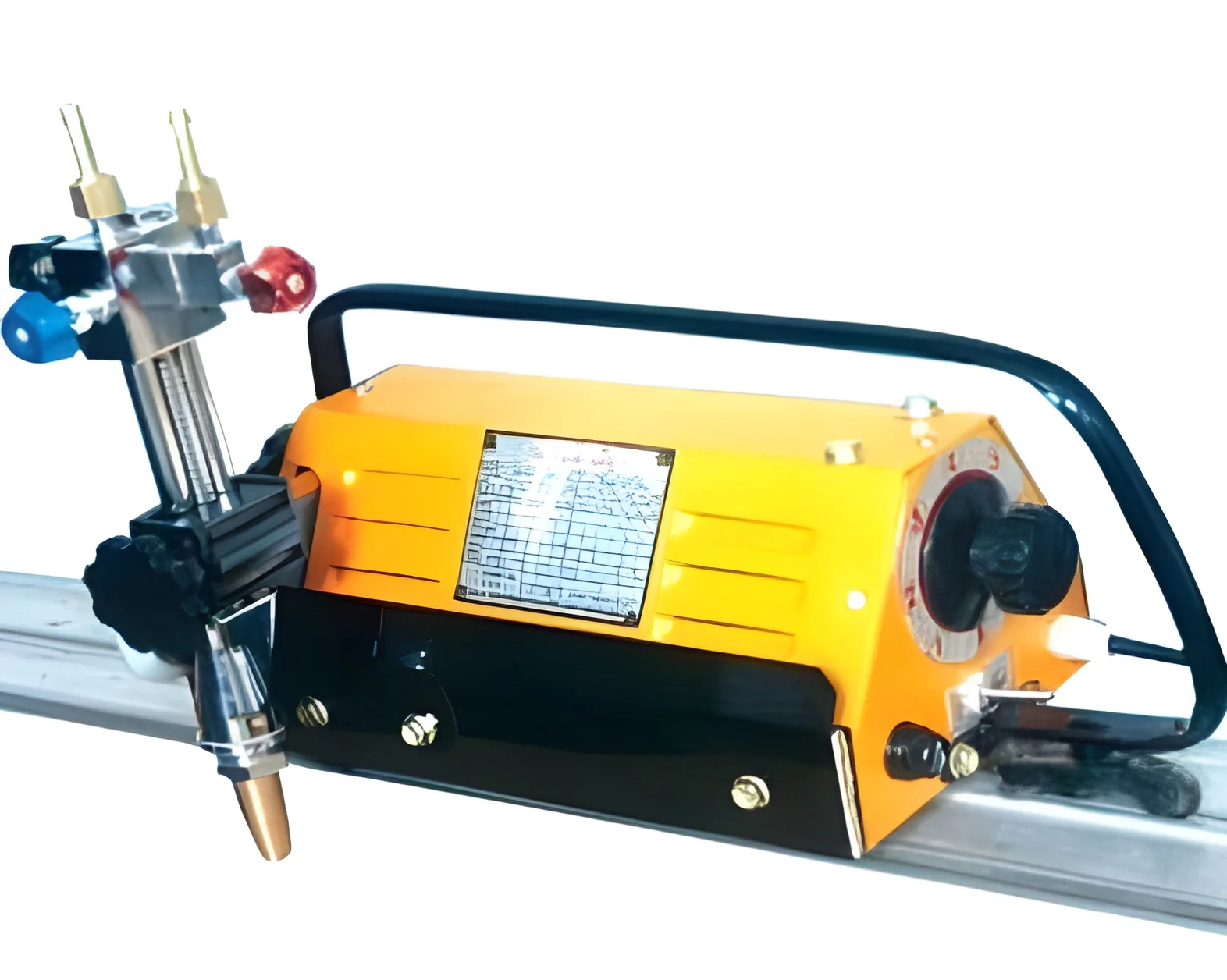
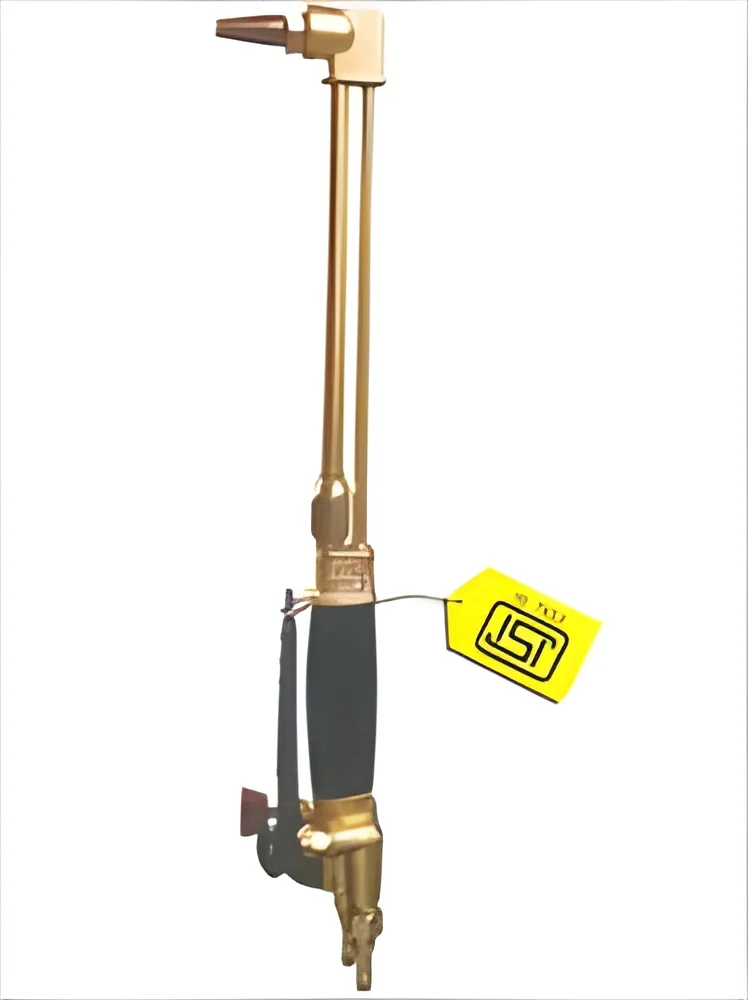
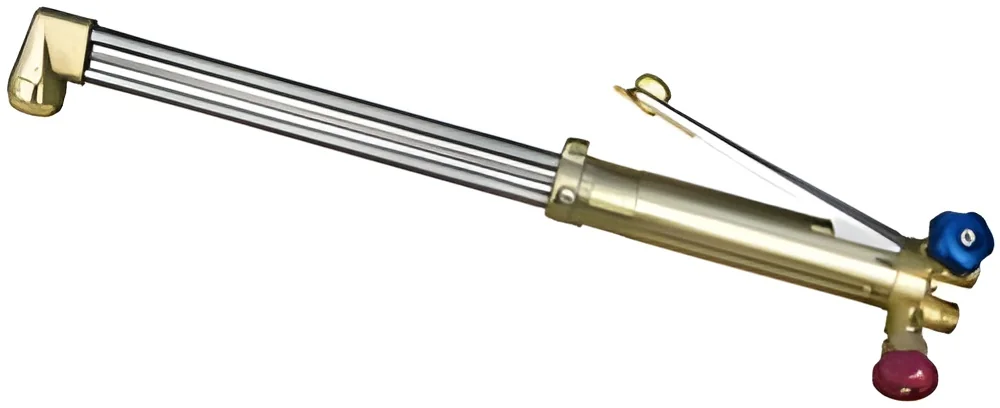
Portable Flame Cutting Machine: This variant is designed for on-site use, allowing operators to transport the machine easily. It is lightweight and often powered by gas, making it ideal for construction and repair work.
CNC Flame Cutting Machine: Equipped with computer numerical control, this machine allows for precise and automated cutting processes. It is suitable for high-volume production in manufacturing and fabrication.
Heavy-Duty Flame Cutting Machine: Designed for cutting thick materials, this variant offers enhanced power and cutting speed. It is primarily used in industries requiring heavy metal processing.
Benefits and Advantages
Investing in flame cutting machines provides several key advantages for businesses.
1. Efficiency: Flame cutting machines operate at high speeds, significantly reducing production time compared to traditional cutting methods.
2. Cost-Effectiveness: The ability to cut thick materials reduces the need for multiple processes, lowering overall production costs.
3. Versatility: These machines can cut various metals, making them suitable for a wide range of applications across multiple industries.
4. Precision: Advanced control systems allow for accurate cuts, ensuring that components meet exact specifications.
5. Safety: Equipped with safety features, flame cutting machines minimize risks associated with metal processing, protecting operators and work environments.
6. Low Maintenance: Designed for durability, these machines require minimal maintenance, resulting in less downtime and higher productivity.
Buying Guide for B2B Buyers
When sourcing flame cutting machines, it is essential for B2B buyers to consider several key factors that will influence their purchasing decision.
1. Quality Assessment: Evaluate the quality of the machines by reviewing manufacturer specifications, customer reviews, and performance records. High-quality machines typically offer better longevity and reliability.
2. Supplier Verification: Conduct thorough checks on potential suppliers to ensure they have a history of delivering reliable products. This can include checking for reviews, certifications, and previous client feedback.
3. Pricing and MOQ: Understand the pricing structure and minimum order quantities associated with the machines. This helps in budgeting and ensures that the supplier can meet your volume requirements.
4. Delivery and Lead Times: Assess delivery options and lead times. Timely delivery is crucial for maintaining production schedules and meeting project deadlines.
5. Compliance Requirements: Ensure that the machines meet relevant industry standards and regulations. This includes safety certifications and operational guidelines to avoid legal issues.
Compliance and Certifications
Flame cutting machines must adhere to various compliance and certification standards to ensure safety and operational efficiency.
ISO 9001 is a widely recognized quality management standard that signifies a manufacturer’s commitment to quality and continuous improvement. Machines that meet this standard are likely to perform reliably, which is crucial in industrial applications.
CE certification indicates compliance with European safety, health, and environmental protection standards. This certification assures buyers that the equipment meets essential safety requirements for operation.
In addition to these certifications, flame cutting machines need to pass safety and testing requirements that may vary by region. This can include local safety regulations that govern the use and operational standards of industrial equipment.
Understanding and verifying these compliance requirements is essential for B2B buyers to ensure the machines they purchase are safe, reliable, and suitable for their specific applications.
Why Source Flame Cutting Machines from Pepagora?
Pepagora offers a trusted platform for sourcing flame cutting machines with numerous advantages that benefit B2B buyers.
Verified Supplier Network: Pepagora connects buyers with a network of verified suppliers, ensuring that all listed products meet stringent quality standards. This network reduces the risks associated with sourcing from unverified vendors.
Streamlined RFQ Process: The platform features a streamlined request for quotation system that simplifies the procurement process. Buyers can easily compare quotes and specifications, making informed purchasing decisions.
Trade Assurance and Support: Pepagora provides trade assurance, offering protection for buyers in case of disputes. This support ensures that transactions are secure and that buyers receive the products they expect.
Regional Coverage: With a strong presence in India and other regions such as the GCC and Southeast Asia, Pepagora offers extensive market coverage. This allows buyers from various locations to access reliable suppliers and products tailored to their specific needs.
By sourcing flame cutting machines through Pepagora, businesses can leverage these advantages to enhance their operations and ensure they acquire high-quality equipment that meets their production requirements.


Frequently Asked Questions
What are Flame Cutting Machines?
Flame cutting machines are industrial tools used to cut metal and other materials using a high-temperature flame. They operate by using a mixture of fuel gases and oxygen to produce a flame that can melt through metals. These machines are commonly used in manufacturing, construction, and metalworking industries.
What are the different types of Flame Cutting Machines?
There are several types of flame cutting machines including portable flame cutters, CNC flame cutting machines, and automatic flame cutting machines. Portable flame cutters are ideal for onsite cutting, while CNC machines provide precision cutting with automated control. Each type serves specific applications and offers different features.
How do I choose the right Flame Cutting Machines?
Choosing the right flame cutting machine involves assessing your specific cutting needs, such as material type, thickness, and required precision. Consider the machine's cutting speed, ease of use, and safety features. It's also important to evaluate the manufacturer's reputation and after-sales support.
What are the standard specifications for Flame Cutting Machines?
Standard specifications for flame cutting machines typically include cutting thickness capacity, cutting speed, and the types of gases used. Other important specifications may involve power requirements, dimensions of the machine, and additional features like automatic ignition and control systems.
What is the price range for Flame Cutting Machines?
The price range for flame cutting machines can vary widely depending on the type, specifications, and manufacturer. Generally, prices can start from around INR 50,000 for basic portable units and can go up to several lakhs for advanced CNC machines. It's advisable to compare various suppliers for competitive pricing.
What quality standards apply to Flame Cutting Machines?
Flame cutting machines are subject to various quality standards, which may include ISO certifications and safety regulations specific to the manufacturing sector. Compliance with these standards ensures reliability, efficiency, and safety during operation. Always check if the manufacturer adheres to these quality benchmarks.
Where can I find Flame Cutting Machines suppliers in India?
You can find flame cutting machine suppliers in India through B2B marketplaces like Pepagora.com, industry trade shows, and local manufacturing directories. Conducting online research and networking with industry professionals can also help identify reputable suppliers and manufacturers.
Can Flame Cutting Machines be customized?
Yes, many manufacturers offer customization options for flame cutting machines to meet specific requirements. Customizations may include modifications to cutting capacity, features, or additional tooling. Always discuss your needs with the supplier to explore available options.
What is the typical minimum order quantity for Flame Cutting Machines?
The minimum order quantity (MOQ) for flame cutting machines can vary by manufacturer and product type. Typically, MOQs can range from one unit for standard models to bulk orders for customized machines. It's advisable to confirm the MOQ with the supplier before placing an order.
What is the typical lead time for Flame Cutting Machines?
The typical lead time for flame cutting machines varies depending on manufacturing processes and order specifications. Generally, standard machines may have a lead time of 2 to 4 weeks, while customized orders could take longer. Always check with the supplier for accurate lead time estimates.
Why Businesses Trust Pepagora
Thousands of companies trust Pepagora to source smarter and sell faster
Expand Your Sales Globally

Source Smarter,Grow Faster
