What are CNC Wood Cutting Routers?
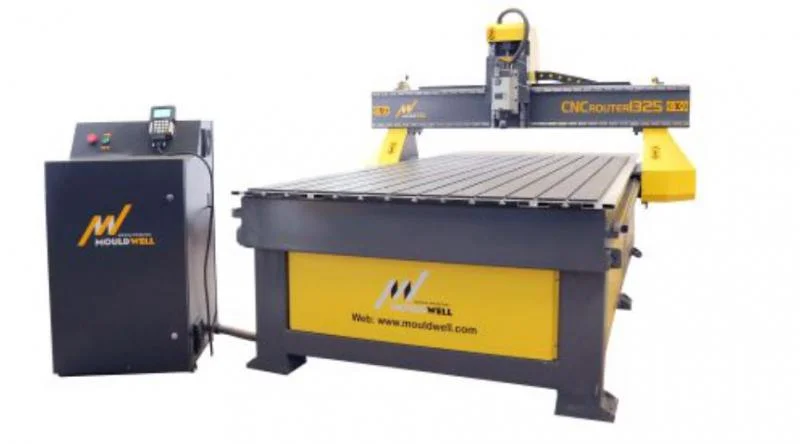
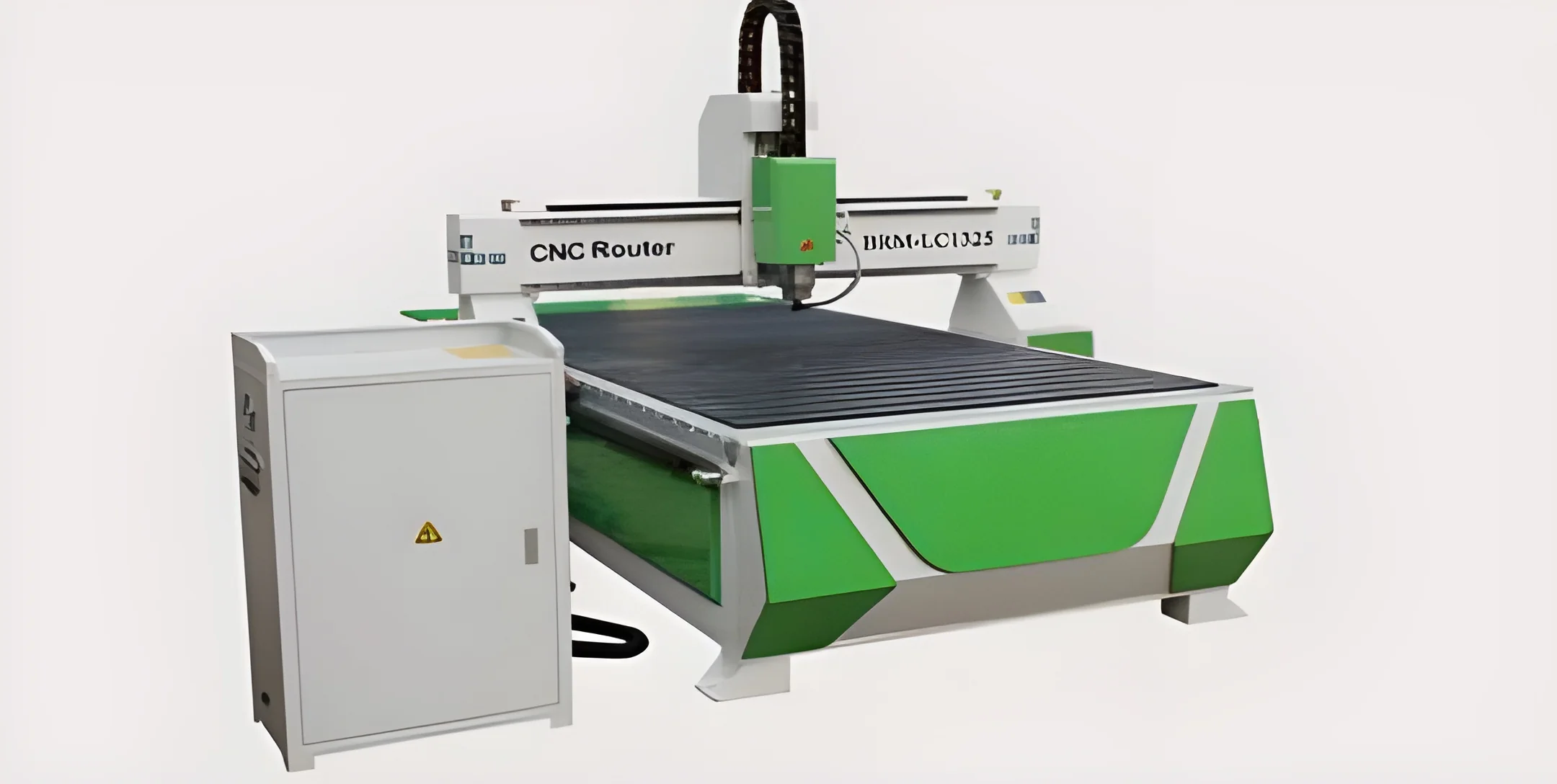
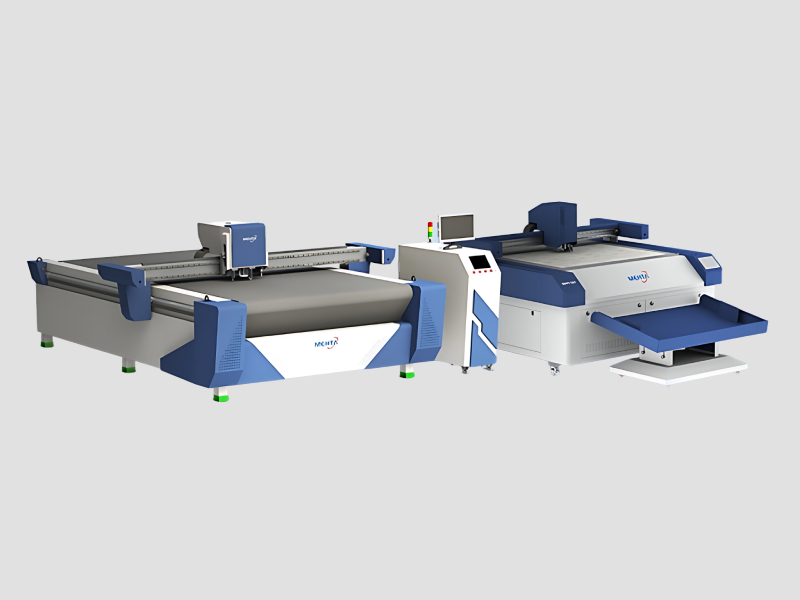
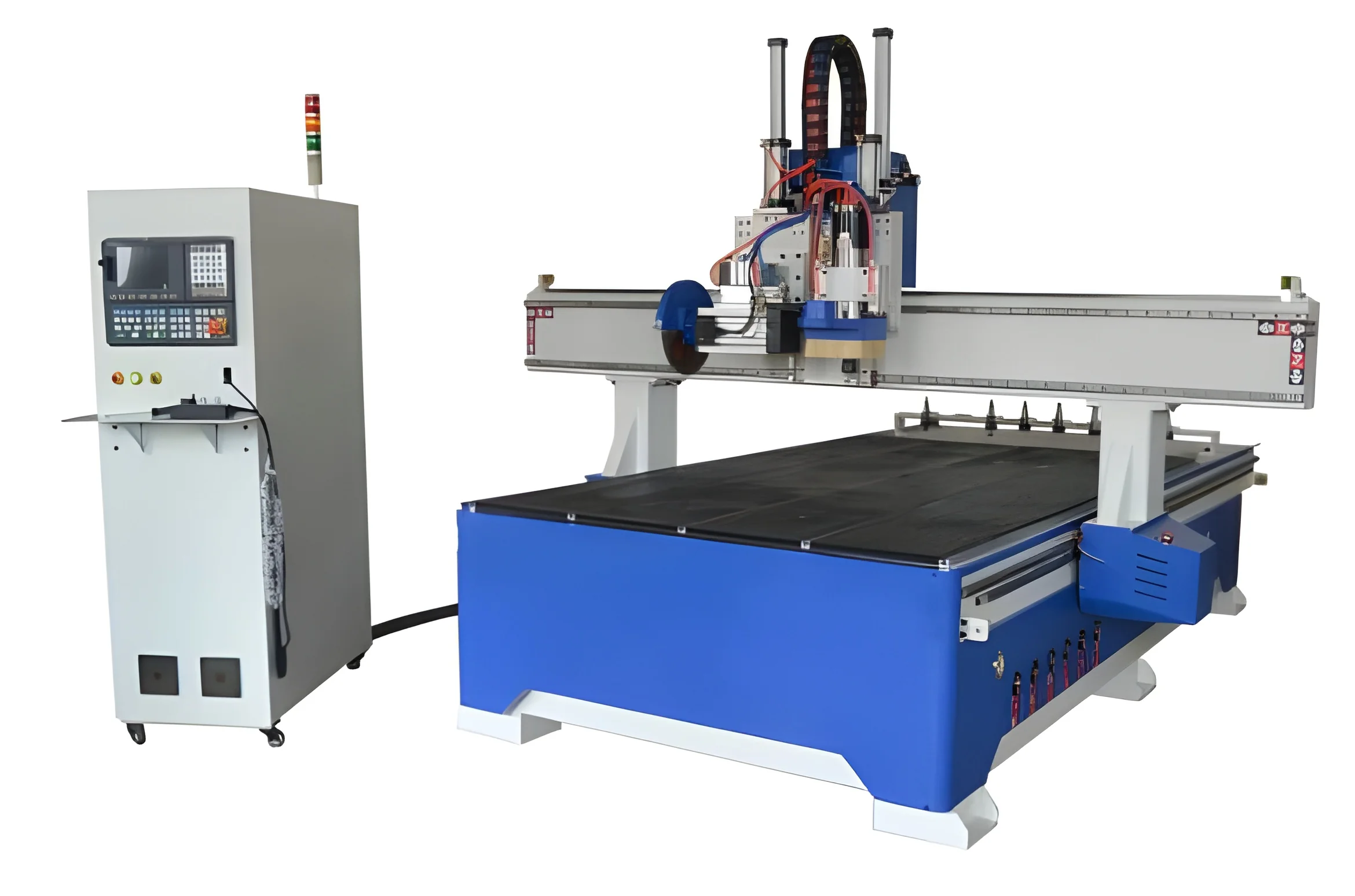
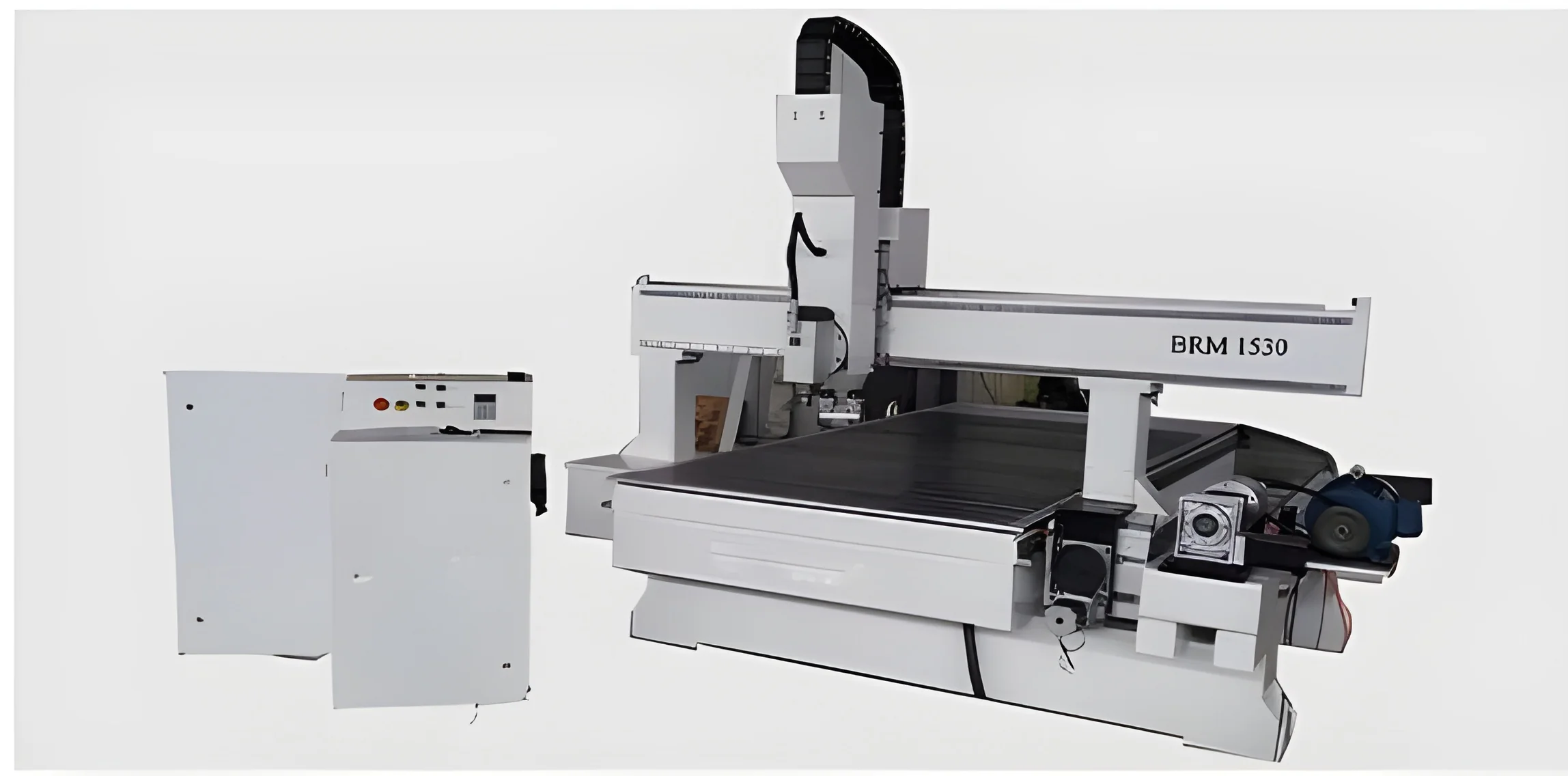
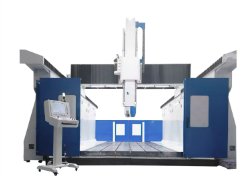
CNC Wood Cutting Routers are advanced machining tools that utilize computer numerical control (CNC) technology to automate the cutting and shaping of wood materials. These machines are equipped with a rotating cutting tool that moves along multiple axes, allowing for intricate designs and precise cuts. By using CAD (computer-aided design) files, CNC routers can replicate complex patterns with high accuracy, making them an essential asset in woodworking and manufacturing industries.
The primary applications of CNC Wood Cutting Routers include furniture production, cabinetry, signage, and custom woodworking projects. Businesses leverage these machines to increase production efficiency and achieve a higher level of precision than traditional woodworking methods. As the demand for customized wood products continues to grow, CNC routers are becoming increasingly relevant in the market, providing manufacturers with the capability to meet diverse customer needs efficiently.
In today’s competitive landscape, the ability to produce high-quality wood products quickly and accurately is crucial. CNC Wood Cutting Routers not only enhance productivity but also improve the overall quality of finished goods, making them a vital component in modern manufacturing processes.
Key Features and Specifications
CNC Wood Cutting Routers are characterized by a range of features and specifications that cater to various woodworking needs. Understanding these key aspects helps businesses select the right machine for their operations.
Key specifications include:
1. Cutting Area
- The maximum dimensions of the material that can be processed.
- Common sizes range from 4x4 feet to 5x10 feet.
2. Spindle Power
- The strength of the spindle motor that drives the cutting tool.
- Typically ranges from 1.5 kW to 7.5 kW.
3. Axis Movement
- The number of axes on which the router can operate.
- Most routers operate on three axes (X, Y, Z), while advanced models may offer additional rotational axes.
4. Feed Rate
- The speed at which the router moves the cutting tool.
- Common feed rates can vary from 60 to 400 inches per minute.
5. Tool Compatibility
- The types of cutting tools that can be used with the router.
- Accepts various router bits, including straight, spiral, and ball-end bits.
6. Control Software
- The software system used to operate the CNC router.
- Usually compatible with popular CAD/CAM programs.
7. Frame Construction
- The material and design of the machine frame.
- Often constructed from steel or aluminum for durability and stability.
8. Safety Features
- Built-in mechanisms to ensure operator safety.
- Includes emergency stop buttons and protective enclosures.
Overall, these specifications play a critical role in determining the performance and suitability of CNC Wood Cutting Routers for different applications.
Common Applications and Use Cases
CNC Wood Cutting Routers are versatile tools used across multiple industries for various applications.
1. Furniture Manufacturing: CNC routers are used for cutting and shaping wooden panels for tables, chairs, and cabinets, ensuring precision and consistency in design.
2. Cabinetry: In the cabinetry industry, these routers create intricate designs and detailed cuts for kitchen and bathroom cabinets, enhancing both functionality and aesthetics.
3. Sign Making: CNC routers enable the production of custom signs and displays, allowing businesses to create unique branding elements with precision.
4. Musical Instrument Production: In the crafting of musical instruments, CNC routers are used to shape wood components, ensuring high-quality finishes and accurate sound production.
5. Architectural Woodwork: These machines are essential in producing detailed architectural elements like moldings, trims, and decorative panels.
6. Prototype Development: CNC routers allow for rapid prototyping of wooden products, enabling designers to test and refine their concepts quickly.
7. Decorative Wood Products: They are utilized to create decorative items and artwork, providing artisans with the ability to produce intricate designs.
Product Variants and Subcategories
CNC Wood Cutting Routers come in various models and configurations, catering to different operational needs.
Entry-Level CNC Routers: These are designed for small businesses and hobbyists. They typically feature a smaller cutting area and lower spindle power, making them suitable for basic woodworking tasks.
Industrial CNC Routers: Built for high-volume production, these routers offer larger cutting areas, more powerful motors, and advanced software capabilities. They are ideal for large manufacturers needing efficiency and precision.
Desktop CNC Routers: Compact and affordable, these routers are perfect for small workshops or home use. They are designed for light woodworking tasks and can handle smaller materials.
High-Speed CNC Routers: These machines are equipped with advanced technology to achieve faster cutting speeds. They are ideal for industries that require high throughput and quick turnaround times.
Benefits and Advantages
CNC Wood Cutting Routers offer numerous benefits to businesses in the woodworking industry.
1. Precision Cutting: CNC routers ensure high accuracy in cuts, reducing material waste and improving product quality.
2. Increased Efficiency: Automation of the cutting process speeds up production times, allowing businesses to fulfill orders more quickly.
3. Design Flexibility: With CAD integration, CNC routers can easily replicate intricate designs and patterns, giving businesses the ability to offer customized products.
4. Consistency: These routers produce uniform results, ensuring that every piece meets quality standards.
5. Labor Savings: Automation reduces the need for manual labor, allowing skilled workers to focus on more complex tasks.
6. Reduced Material Waste: Precise cutting reduces offcuts and scrap, contributing to cost savings in material usage.
Buying Guide for B2B Buyers
When sourcing CNC Wood Cutting Routers, businesses should consider various factors to ensure they make an informed decision.
1. Quality Assessment: Look for routers with proven durability and performance. Check for user reviews and industry ratings to gauge reliability.
2. Supplier Verification: Vet suppliers by researching their reputation, certifications, and customer service history. A reliable supplier will provide support and maintain quality standards.
3. Pricing and MOQ: Understand the pricing structure and minimum order quantities (MOQ) to assess the total investment required. Compare prices among different suppliers to find the best value.
4. Delivery and Lead Times: Consider the logistics of delivery and lead times. Ensure that the supplier can meet your production schedule without delays.
5. Compliance Requirements: Verify that the CNC routers meet relevant industry standards and regulations. This includes safety certifications and quality assurance measures.
Compliance and Certifications
CNC Wood Cutting Routers must adhere to various compliance and certification standards to ensure safety and quality in operations.
ISO 9001: This international standard outlines criteria for a quality management system, ensuring that manufacturers maintain consistent quality in their products and services.
CE Certification: This mark indicates that the equipment complies with European health, safety, and environmental protection standards, which is crucial for market access in Europe.
Safety and Testing Requirements: Manufacturers must meet specific safety standards to ensure that the equipment is safe for operators. This includes thorough testing of electrical and mechanical components.
Regional Compliance Considerations: Different regions may have specific regulations regarding machinery operation and safety. It is important for buyers to be aware of local compliance requirements when sourcing CNC routers.
Why Source CNC Wood Cutting Routers from Pepagora?
Pepagora provides a trusted platform for sourcing CNC Wood Cutting Routers with several key advantages.
Verified Supplier Network: Pepagora ensures that all suppliers are thoroughly vetted, giving buyers confidence in the quality and reliability of the products offered.
Streamlined RFQ Process: The platform offers a user-friendly request for quotation (RFQ) system, allowing buyers to easily compare offerings from multiple suppliers and make informed purchasing decisions.
Trade Assurance and Support: Pepagora provides trade assurance, offering protection for buyers against potential issues during the purchasing process. Their customer support team is available to assist with any inquiries.
Regional Coverage: With a strong presence in India, the GCC, and Southeast Asia, Pepagora connects buyers with suppliers across these regions, facilitating access to high-quality CNC Wood Cutting Routers.

 IN
IN