What are Dust Collection Systems for Cutting?
Dust Collection Systems for Cutting are specialized systems designed to effectively capture and remove harmful dust particles generated during cutting processes in various industrial applications. These systems utilize a combination of filters, hoppers, and blowers to create a vacuum that draws dust away from work areas, thus promoting a cleaner and safer environment for workers. They are essential for maintaining air quality and ensuring compliance with health and safety regulations.
These systems are commonly used in industries such as woodworking, metal fabrication, and plastics manufacturing, where cutting processes produce significant amounts of particulate matter. By implementing a dust collection system, businesses can minimize the risk of respiratory issues among employees, improve equipment lifespan, and enhance overall operational efficiency. As industries increasingly prioritize workplace safety and environmental compliance, the demand for effective dust collection solutions continues to grow.
Key Features and Specifications
Dust Collection Systems for Cutting boast several key features that enhance their performance and efficiency. Understanding these specifications is crucial for selecting the right system for your needs.
Key specifications include:
1. Airflow Rate
- Measured in cubic feet per minute (CFM)
- Determines the volume of air the system can handle
2. Filtration Efficiency
- Percentage of dust particles captured
- Common ratings include HEPA filters which capture 99.97% of particles
3. Noise Level
- Measured in decibels (dB)
- Important for maintaining a comfortable work environment
4. Dust Bin Capacity
- Volume of dust the collection bin can hold
- Varies by system, often between 5 to 50 gallons
5. Motor Power
- Typically ranges from 1 to 10 horsepower
- Affects suction strength and overall efficiency
6. Dimensions
- Size of the unit, impacting its placement and mobility
- Varies by model, generally compact for factory settings
7. Compatibility
- Ability to connect with various cutting tools and machinery
- Ensures system versatility in different industrial setups
8. Maintenance Requirements
- Frequency and ease of filter replacement and system upkeep
- Essential for long-term efficiency and performance
A thorough understanding of these features helps businesses make informed decisions when selecting dust collection systems tailored to their specific operational needs.
Common Applications and Use Cases
Dust Collection Systems for Cutting are utilized across various industries to enhance safety and maintain air quality.
1. Woodworking: In woodworking shops, these systems capture sawdust and wood shavings from cutting and sanding operations, preventing buildup and enhancing visibility.
2. Metal Fabrication: In metalworking, dust collection systems extract metal shavings and particles generated from cutting, grinding, or welding processes, protecting workers from hazardous materials.
3. Plastics Manufacturing: These systems are essential in plastic cutting operations, where fine particles can create hazardous conditions if not properly managed.
4. Automotive Industry: In auto body shops, dust collection systems help remove paint overspray and other particulate matter, ensuring a clean workspace for technicians.
5. Aerospace Manufacturing: The aerospace sector relies on these systems to manage dust from cutting and machining aircraft components, maintaining compliance with strict safety standards.
6. Textile Industry: In textile manufacturing, dust collection systems help manage lint and fiber waste, improving air quality and reducing fire hazards.
7. Construction: In construction sites, these systems assist in managing dust from cutting materials such as drywall and concrete, promoting a safer environment for workers.
Product Variants and Subcategories
Dust Collection Systems for Cutting come in various configurations to meet diverse industrial needs. The breadth of product options allows businesses to select systems that best fit their specific applications.
Portable Dust Collectors: These systems are designed for mobility, allowing users to easily move them around workspaces. They are ideal for small shops or for use with multiple machines.
Centralized Dust Collection Systems: These systems are installed in a fixed location and connected to various machines through ductwork. They offer high-efficiency dust collection for larger facilities.
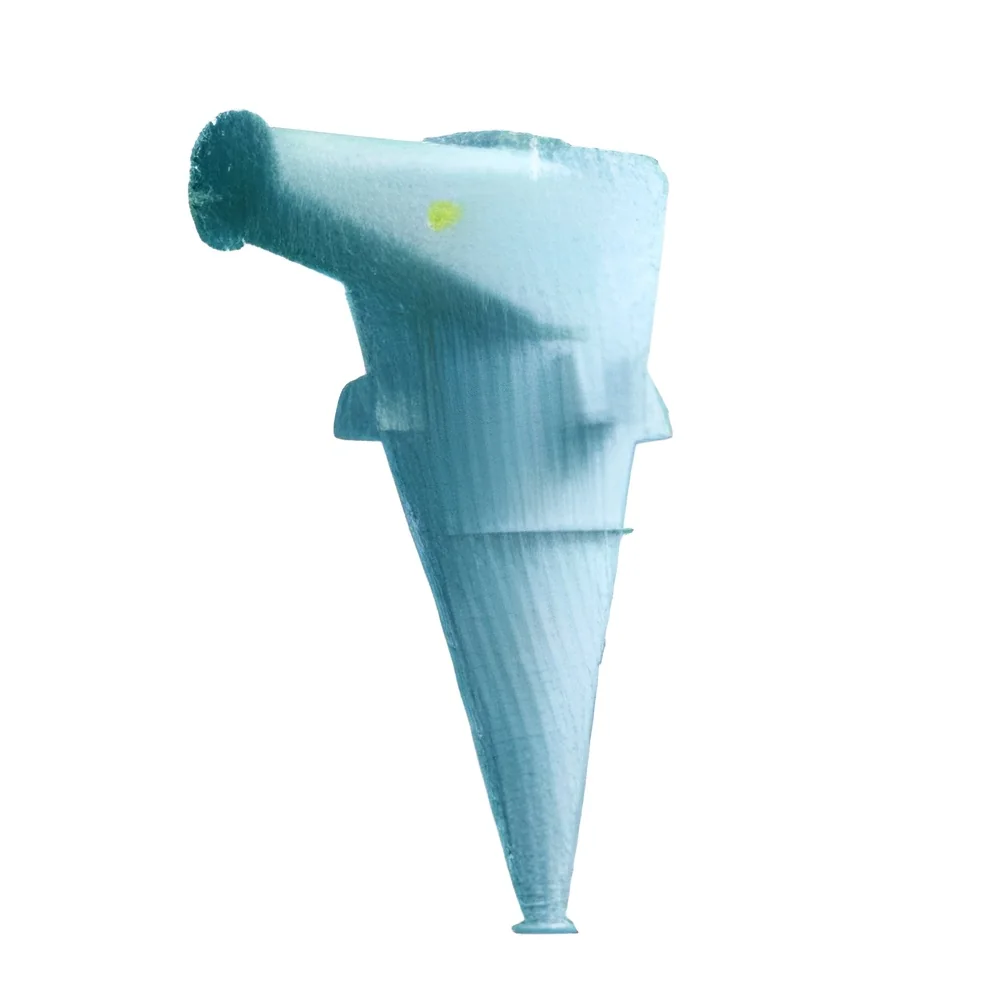
Cyclone Dust Collectors: Utilizing centrifugal force, these systems separate larger particles before they reach the filter. They are particularly effective in high-volume applications.
Baghouse Collectors: These systems use cloth bags to filter dust and are suitable for high-dust environments. They are often used in industrial applications where large volumes of dust are produced.
Benefits and Advantages
Investing in Dust Collection Systems for Cutting provides numerous advantages for businesses aiming to improve workplace safety and efficiency.
1. Improved Air Quality: These systems significantly reduce airborne dust, leading to a healthier work environment for employees.
2. Enhanced Productivity: By minimizing dust buildup, equipment operates more efficiently, reducing downtime and maintenance costs.
3. Regulatory Compliance: Many industries must adhere to strict air quality regulations. Implementing dust collection systems helps meet these compliance requirements.
4. Fire Hazard Reduction: Dust accumulation can create fire risks, especially in woodworking and metalworking environments. Dust collection systems mitigate these hazards.
5. Increased Equipment Lifespan: By reducing dust exposure, machinery experiences less wear and tear, extending its operational life.
6. Worker Comfort: Lower dust levels contribute to a more comfortable working environment, which can enhance employee satisfaction and retention.
Buying Guide for B2B Buyers
When sourcing Dust Collection Systems for Cutting, it is essential to consider several key factors to ensure the right choice for your business.
1. Quality Assessment: Look for systems that meet recognized industry standards. Quality components enhance performance and durability, reducing long-term costs associated with replacement and repairs.
2. Supplier Verification: Vet suppliers to ensure they have a good reputation and reliable service records. Check for customer reviews and certifications to gauge their credibility.
3. Pricing and MOQ: Evaluate pricing structures and minimum order quantities. Understanding cost implications can help manage budgets effectively while ensuring quality.
4. Delivery and Lead Times: Ensure suppliers can meet your timeline for delivery. Timely shipping is crucial for maintaining production schedules.
5. Compliance Requirements: Verify that the systems meet local and international compliance standards. Adhering to regulations is vital for operational legitimacy and safety.
Compliance and Certifications
Dust Collection Systems for Cutting must adhere to various quality and safety standards to ensure reliability and efficiency. Key standards include ISO 9001, which focuses on quality management systems, ensuring that manufacturers maintain high product quality and continuous improvement processes.
Additionally, CE certification is crucial for products sold in European markets, indicating compliance with health, safety, and environmental protection standards. It is important for buyers to verify that their chosen systems carry the necessary certifications to assure safety and compliance.
Safety and testing requirements also play a vital role in the selection of dust collection systems. Systems should undergo rigorous testing to evaluate their filtration capabilities and overall performance. Regional compliance may vary, so understanding local regulations is essential for companies operating in different geographic areas.
Why Source Dust Collection Systems for Cutting from Pepagora?
Pepagora provides a trusted platform for sourcing Dust Collection Systems for Cutting with several key advantages.
Verified Supplier Network: Pepagora connects buyers with a network of verified suppliers, ensuring that businesses can find reliable products that meet their specific needs. This verification process gives buyers confidence in their sourcing decisions.
Streamlined RFQ Process: The platform offers a streamlined Request for Quotation (RFQ) process, simplifying the procurement journey. Buyers can easily request quotes from multiple suppliers, allowing for informed comparisons.
Trade Assurance and Support: With trade assurance, Pepagora protects buyers throughout the purchasing process, ensuring that they receive products as described and on time. This support fosters trust between buyers and suppliers.
Regional Coverage: Pepagora's geographic reach spans India, the GCC, and Southeast Asia, providing access to a diverse range of suppliers and products. This regional focus helps businesses find the right dust collection solutions tailored to their local markets.

 IN
IN