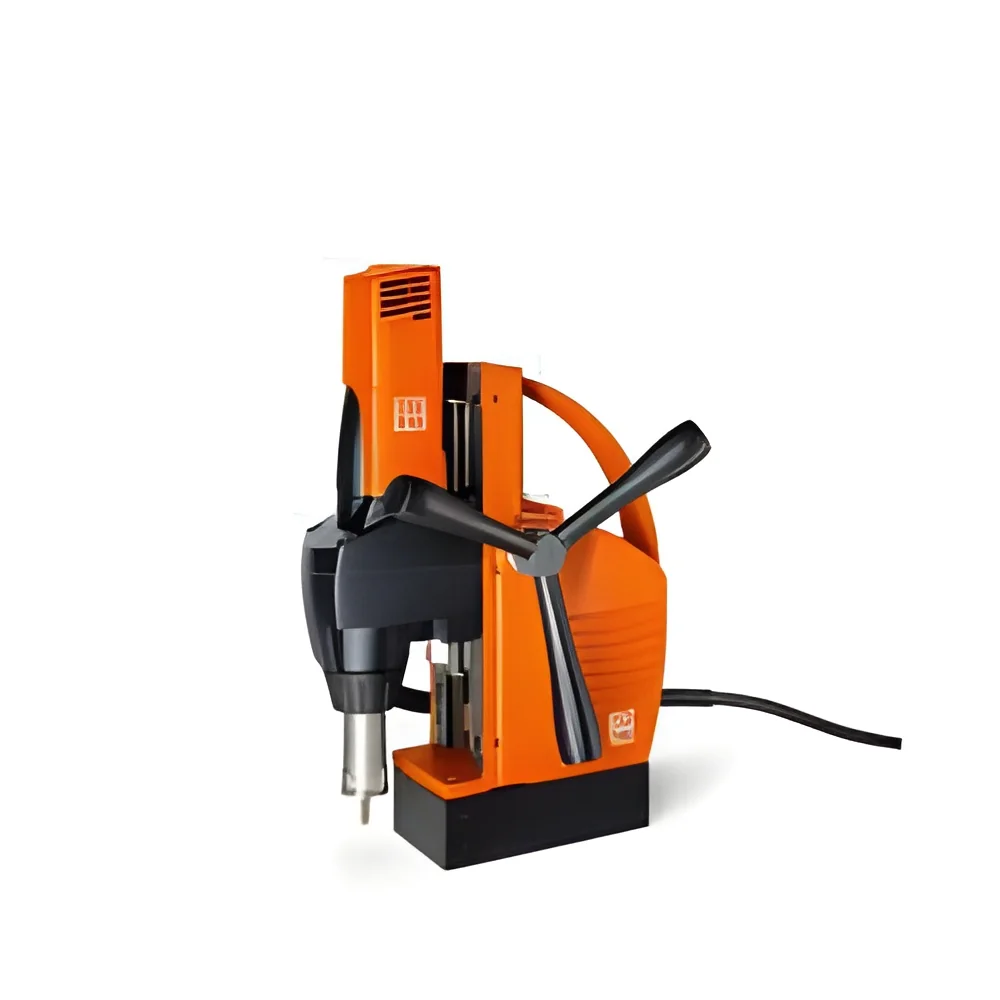
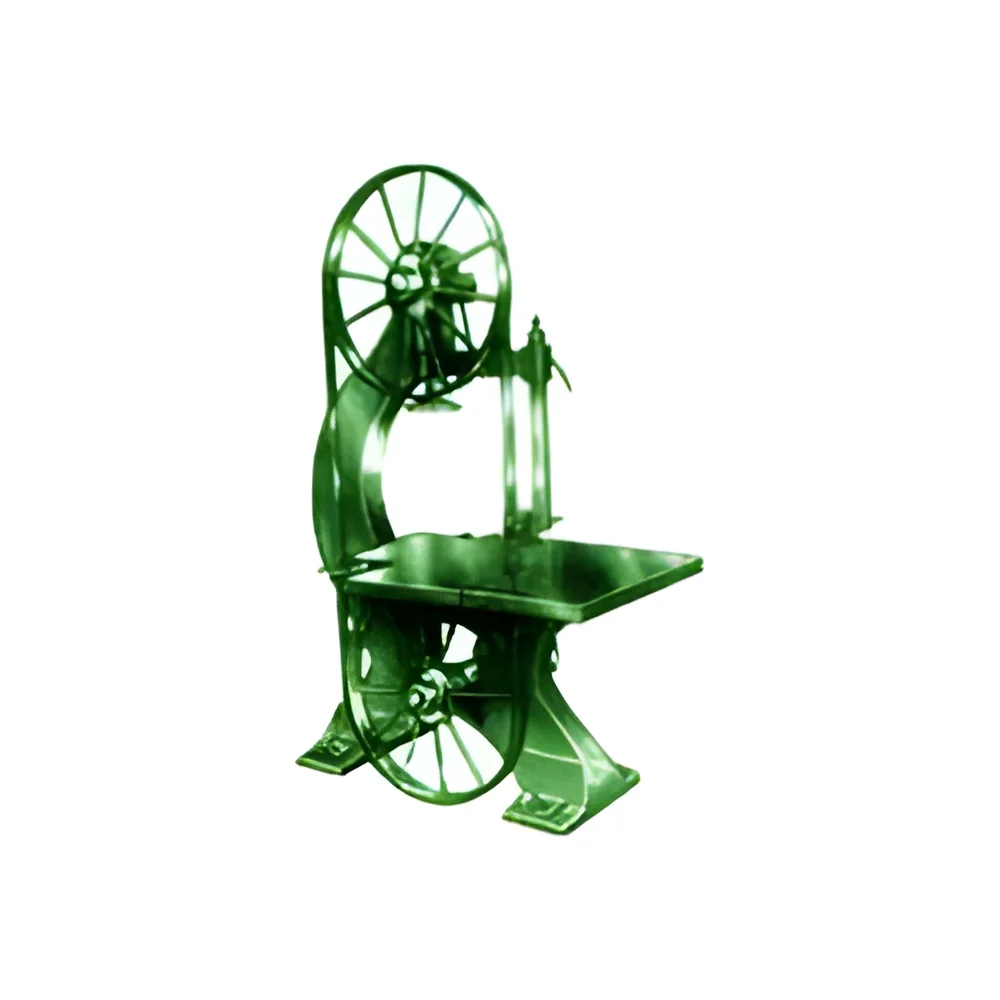
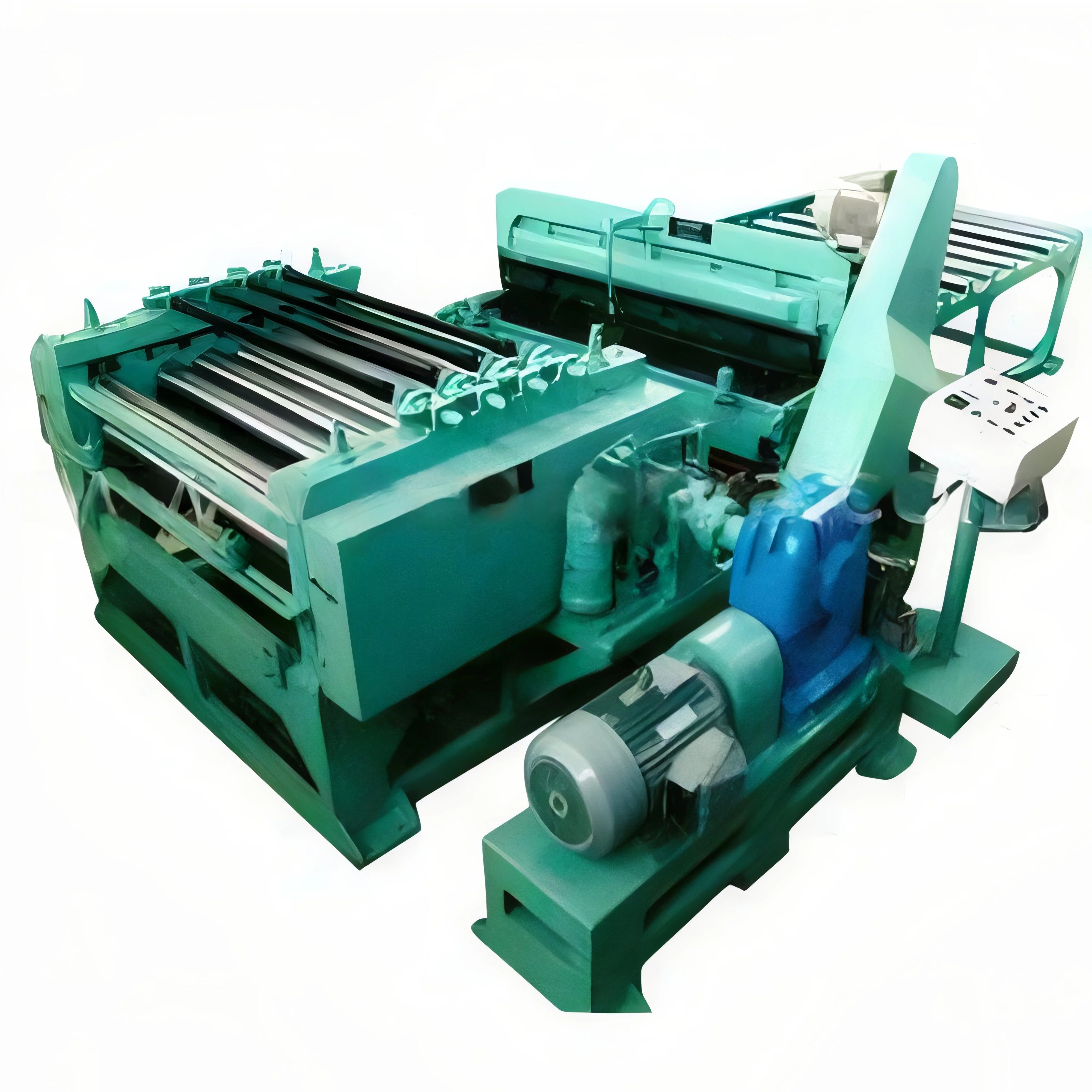
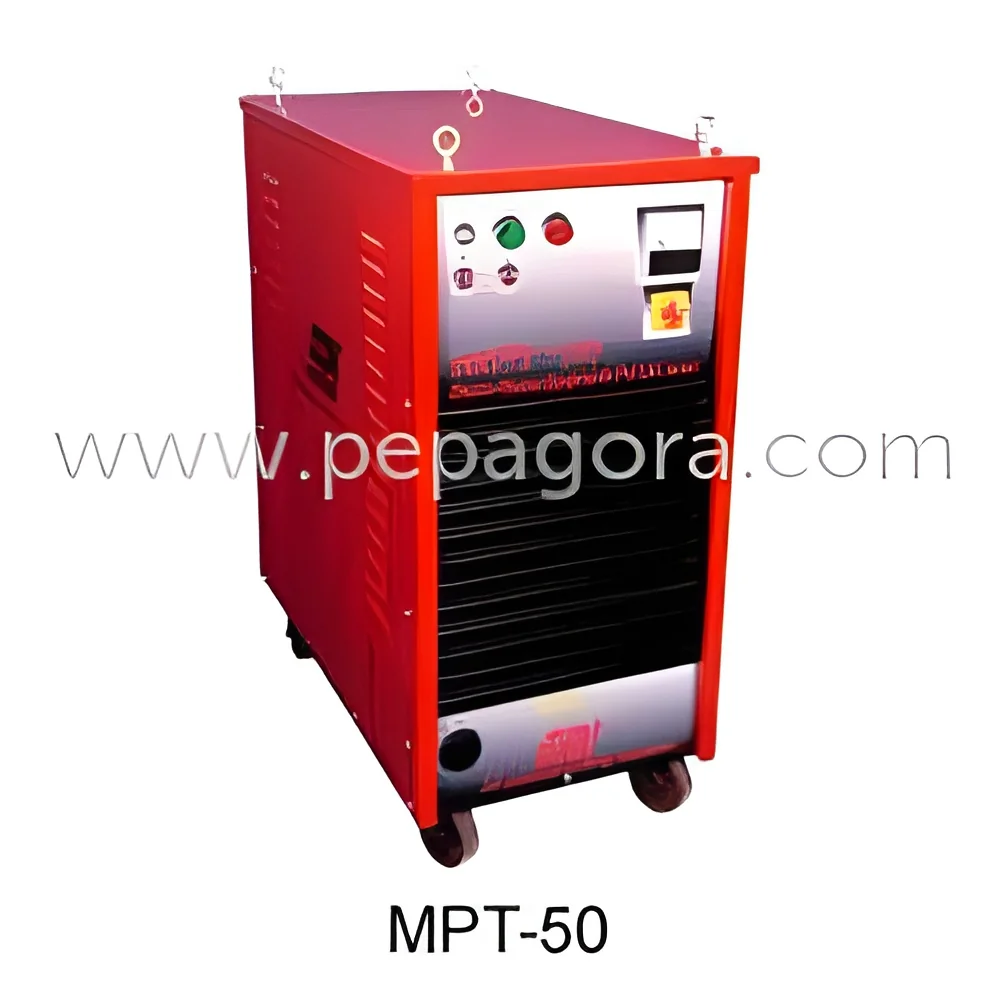
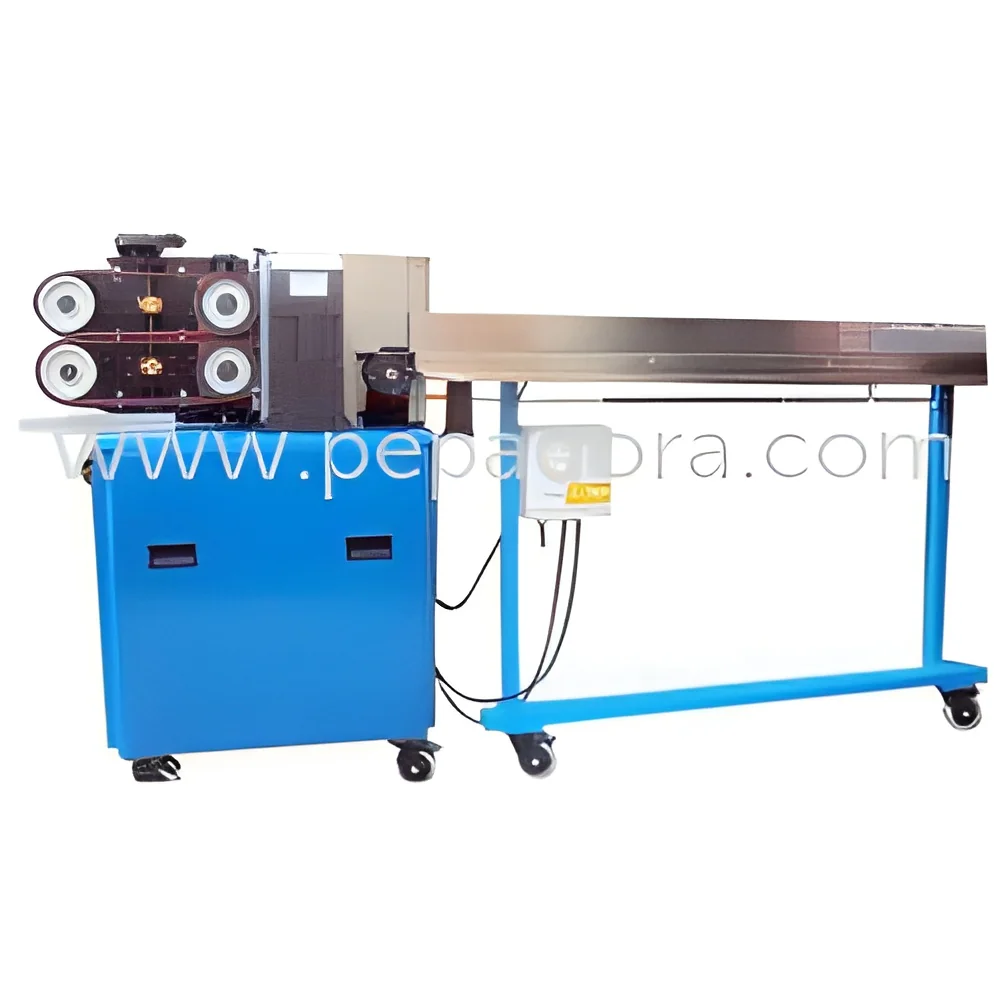
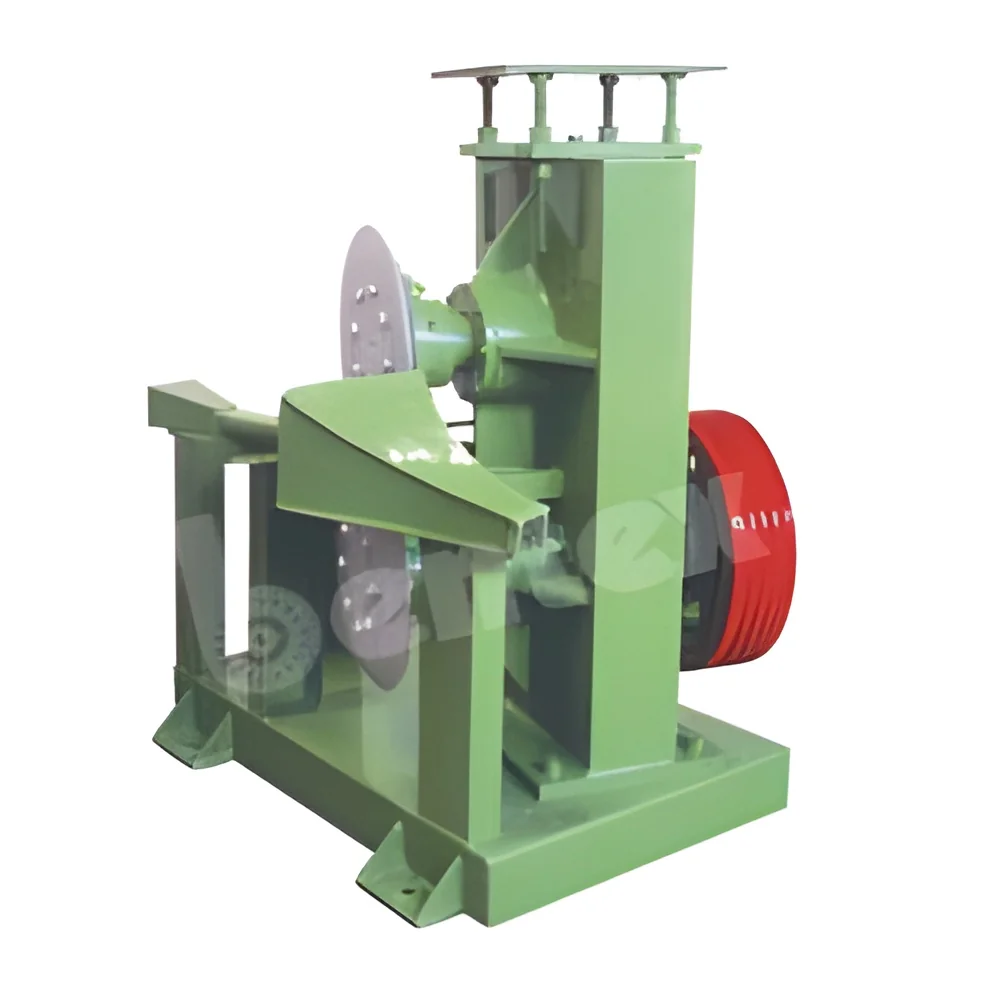
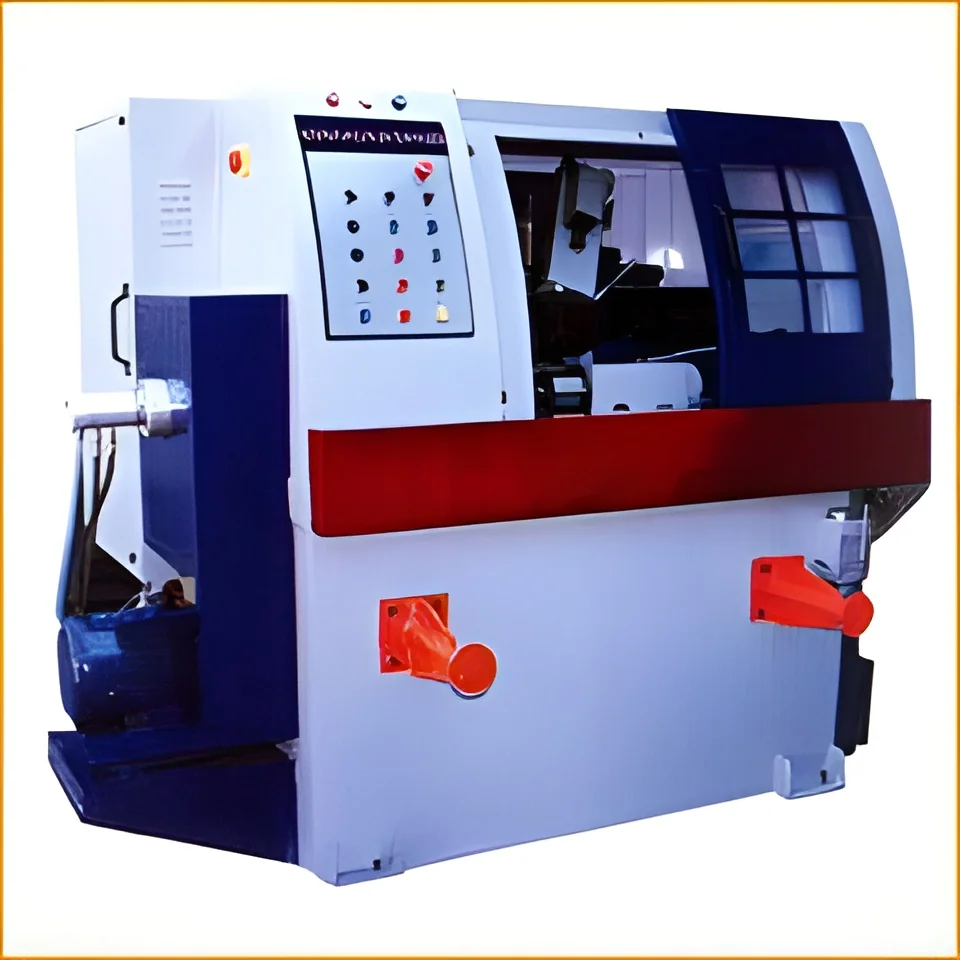
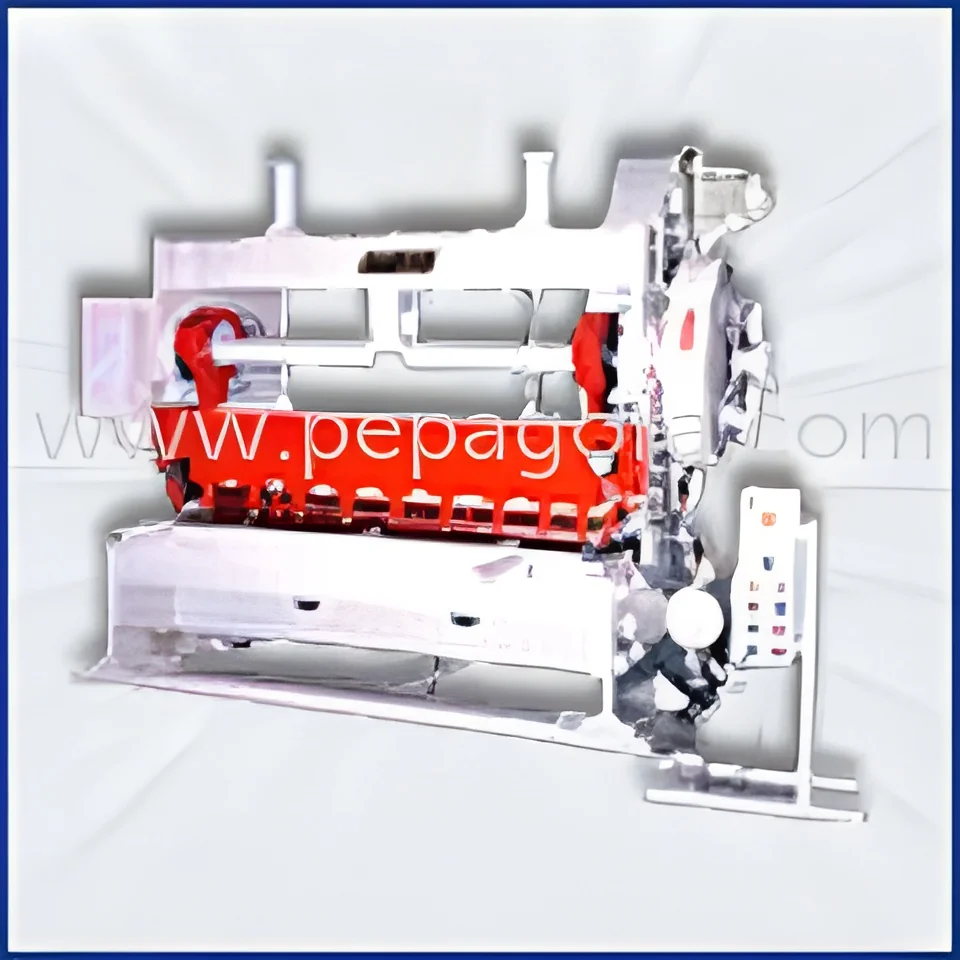
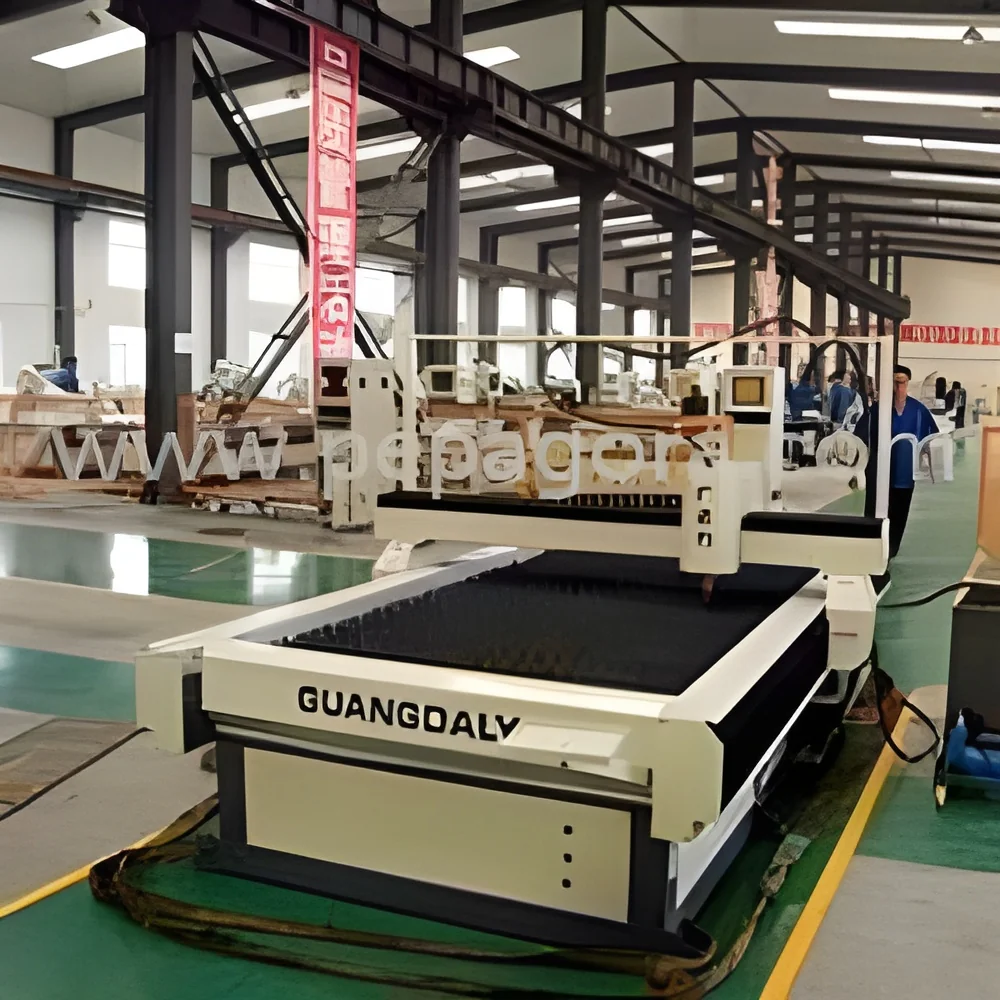
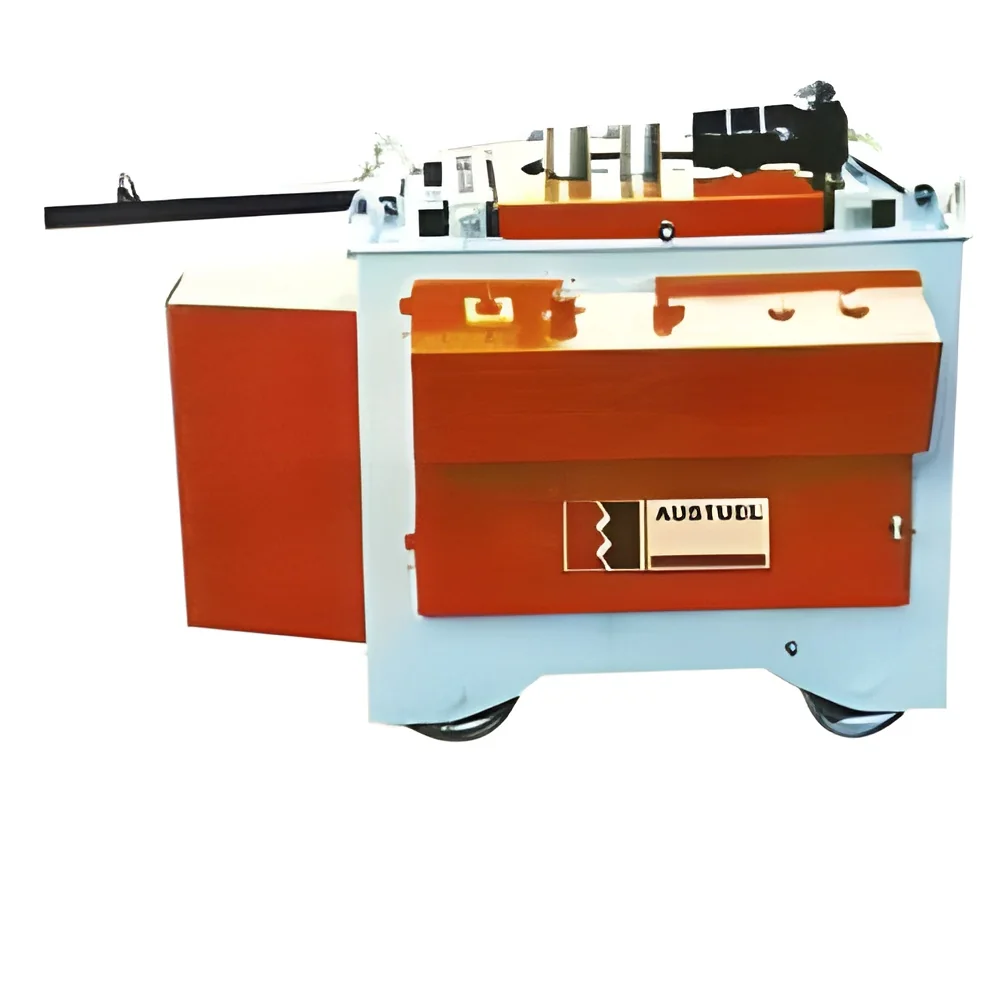
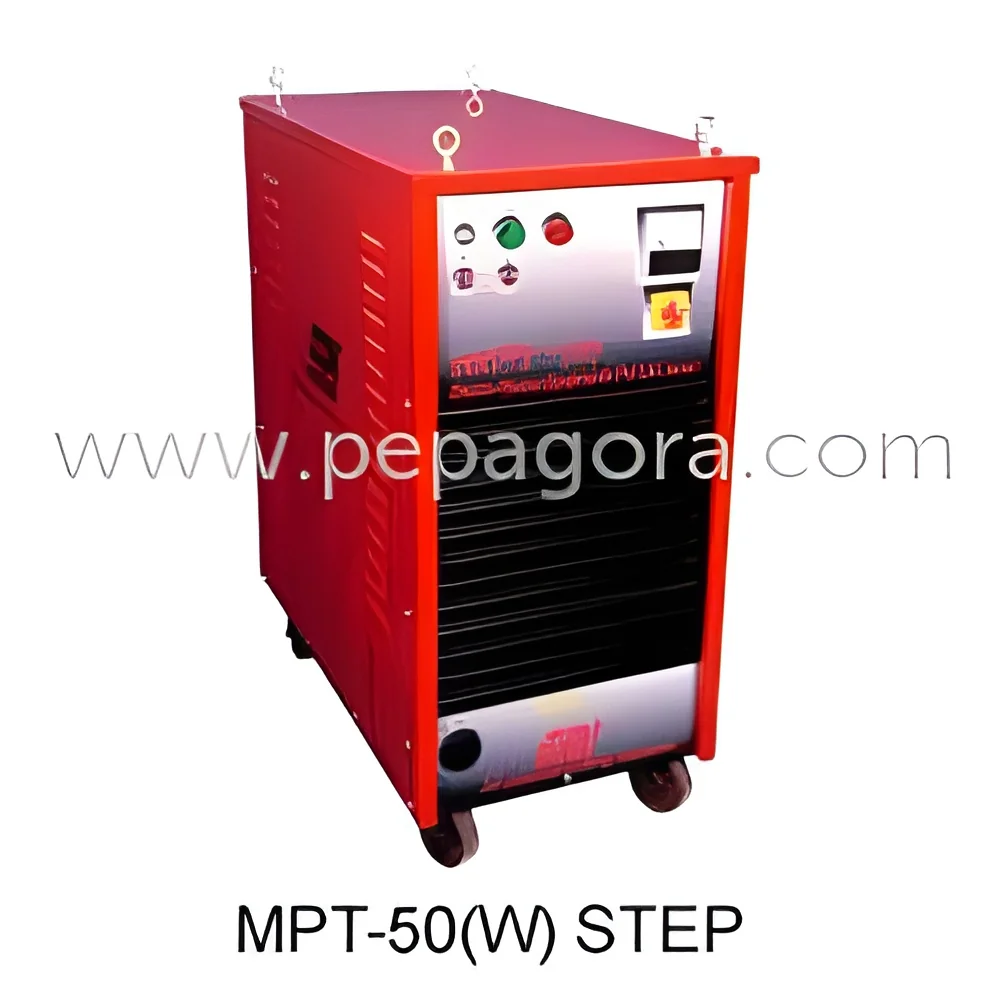
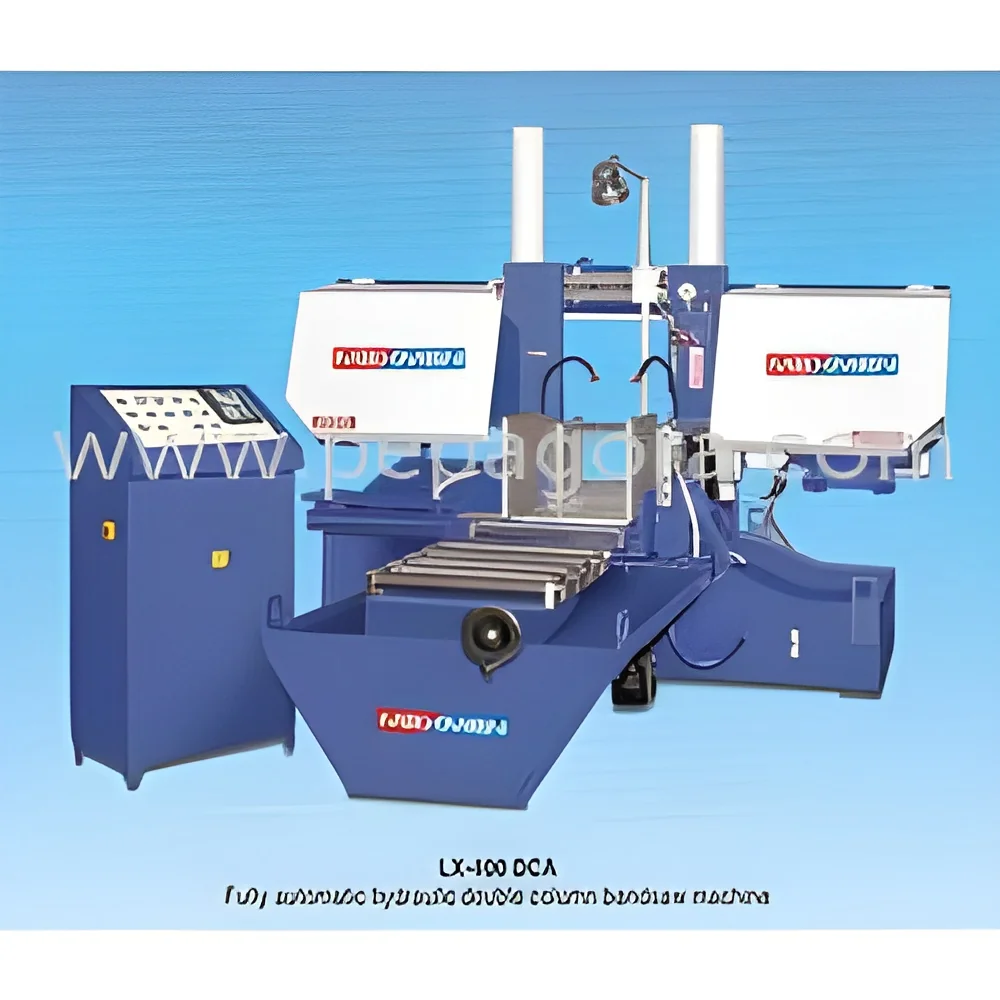
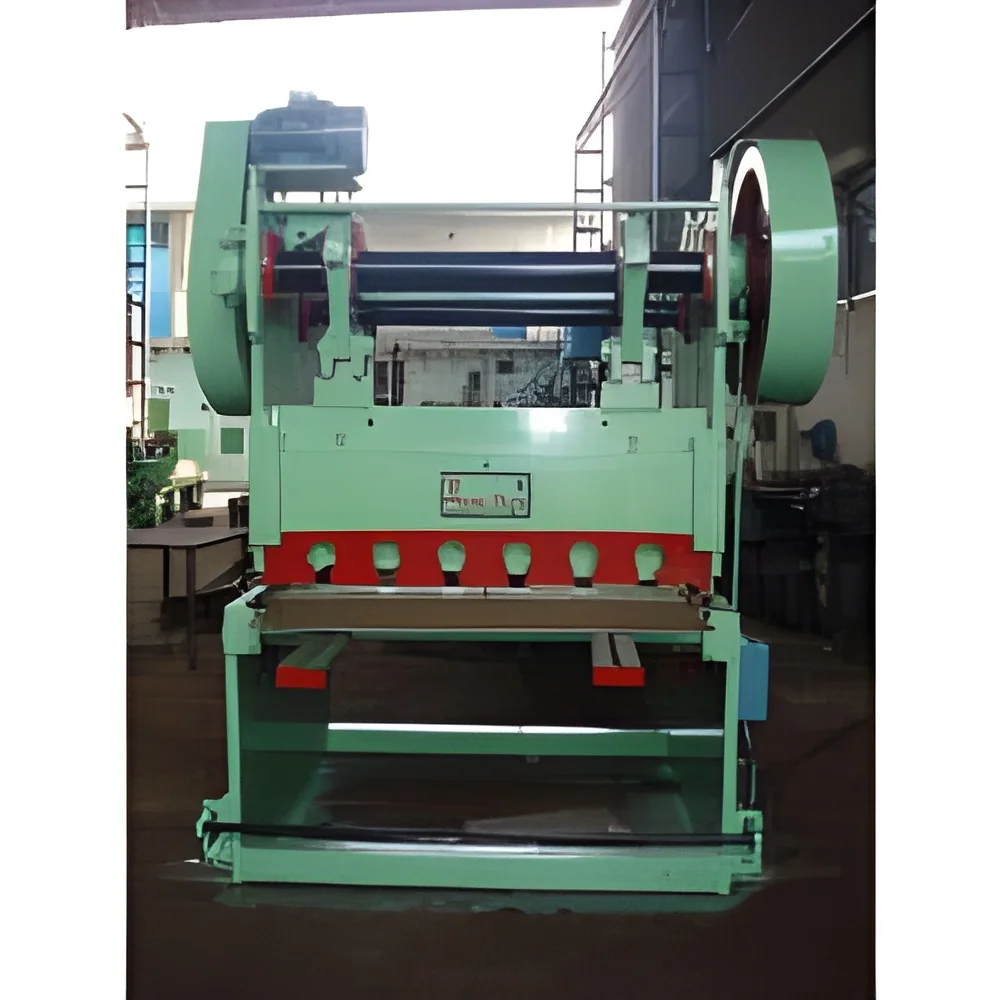
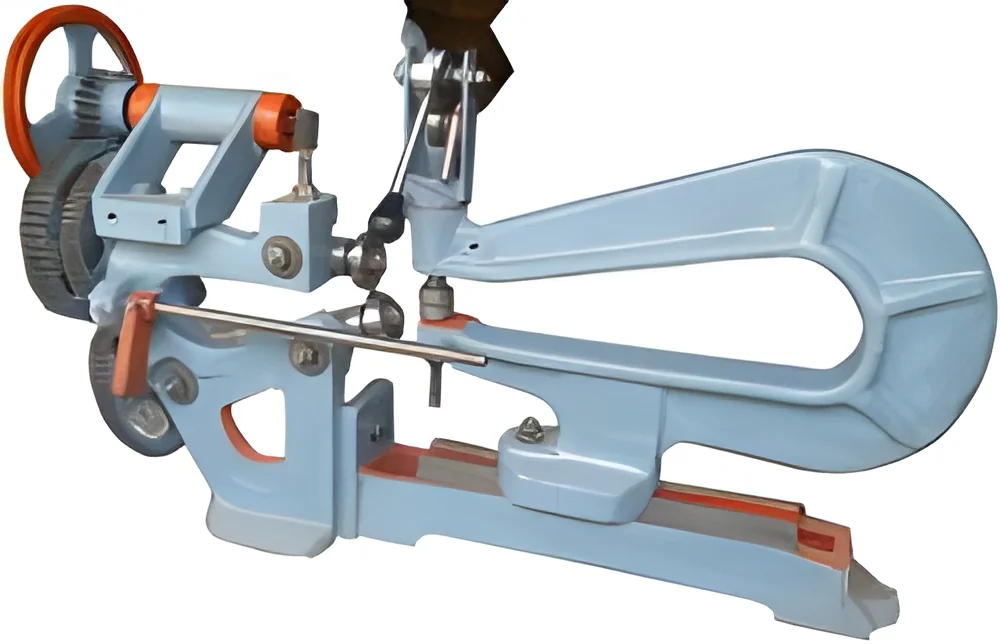
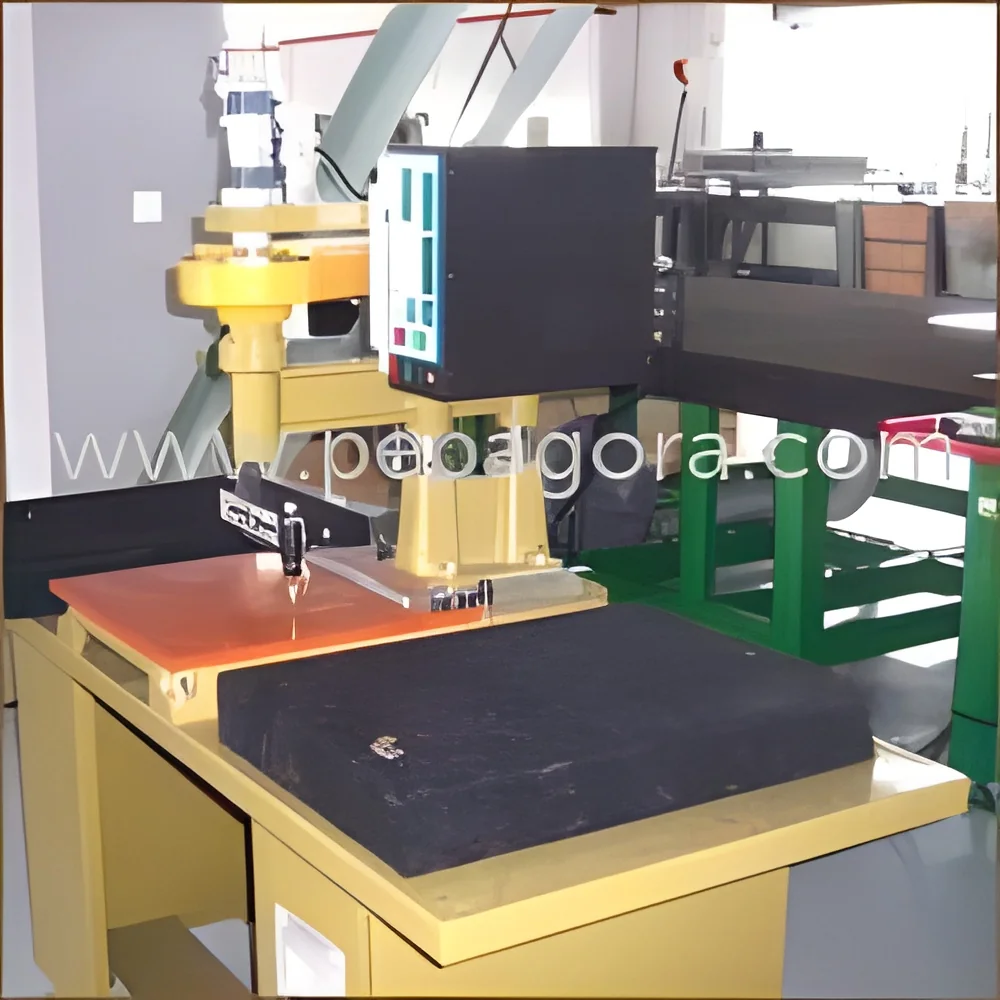
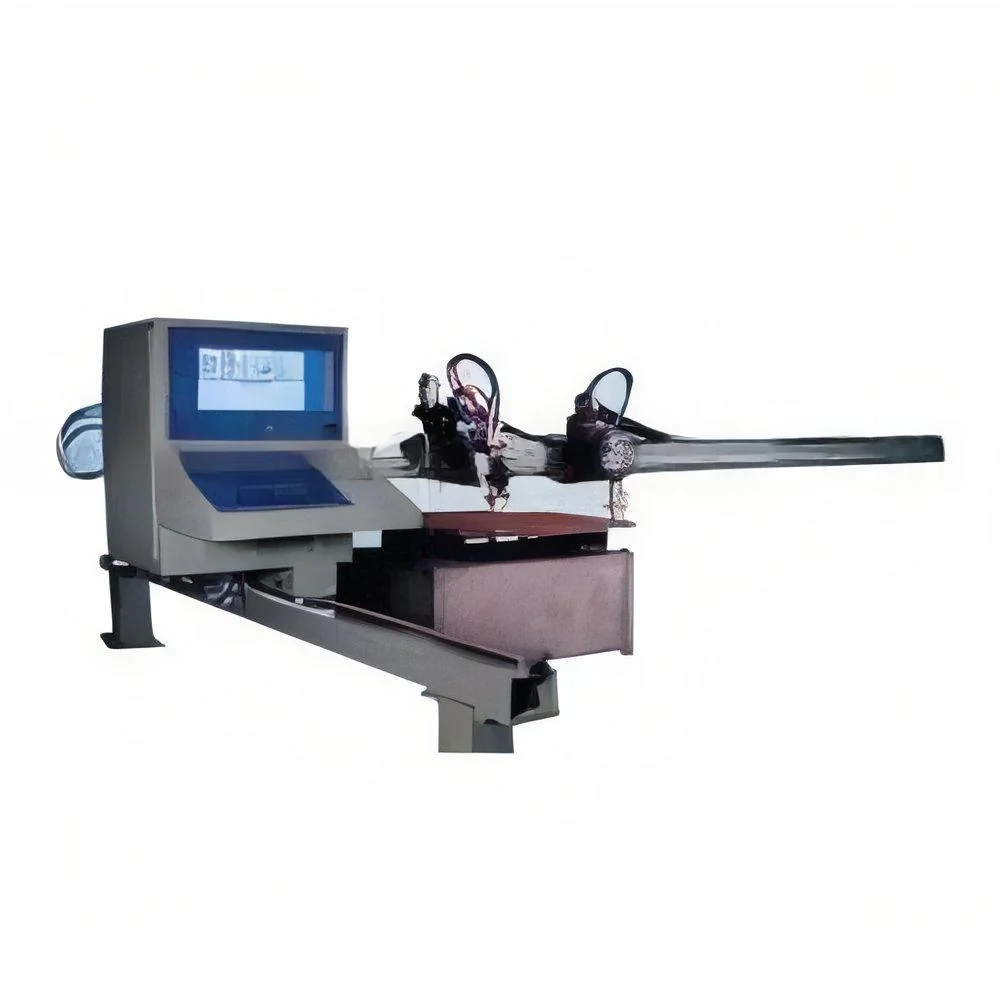
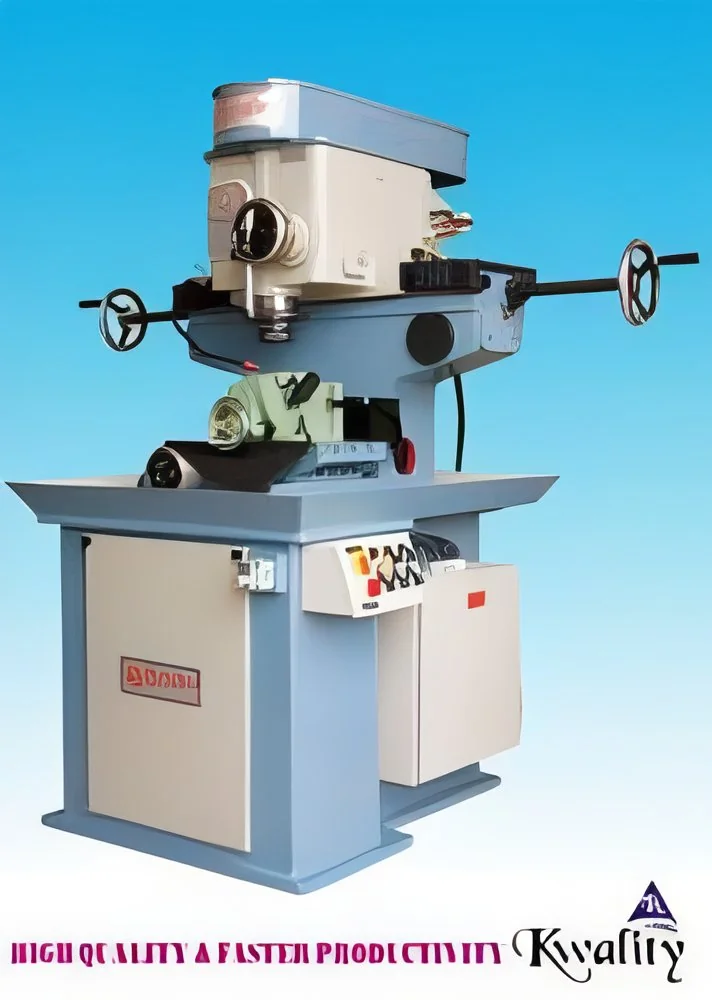
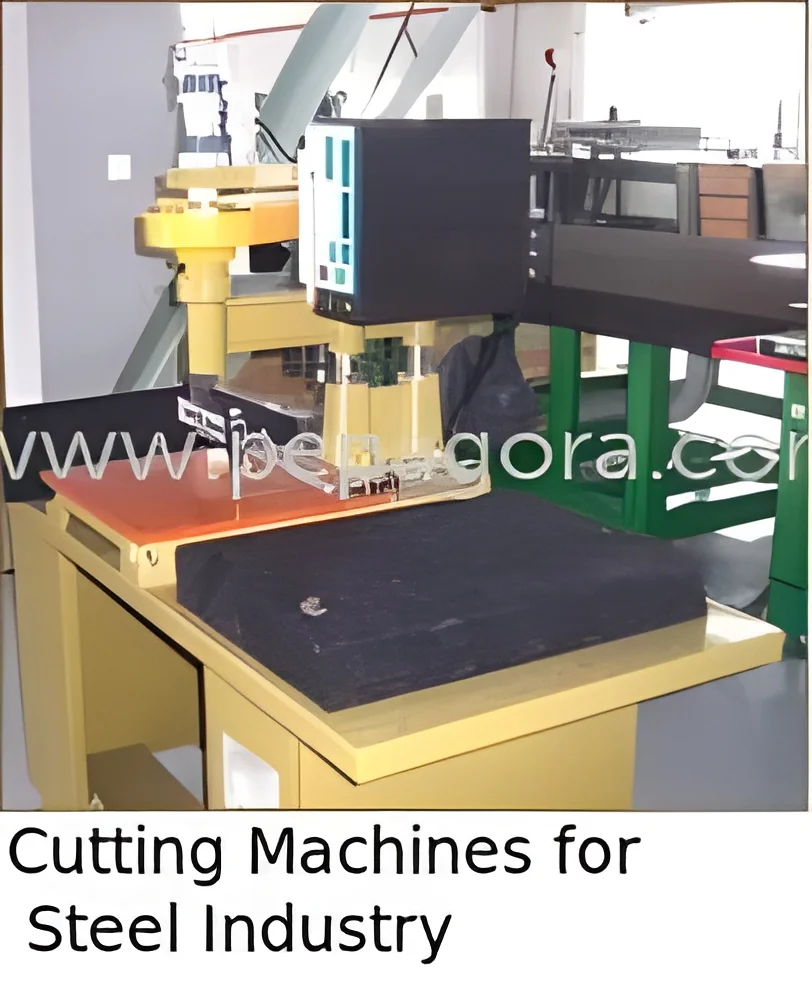
What are Other Cutting Machines?
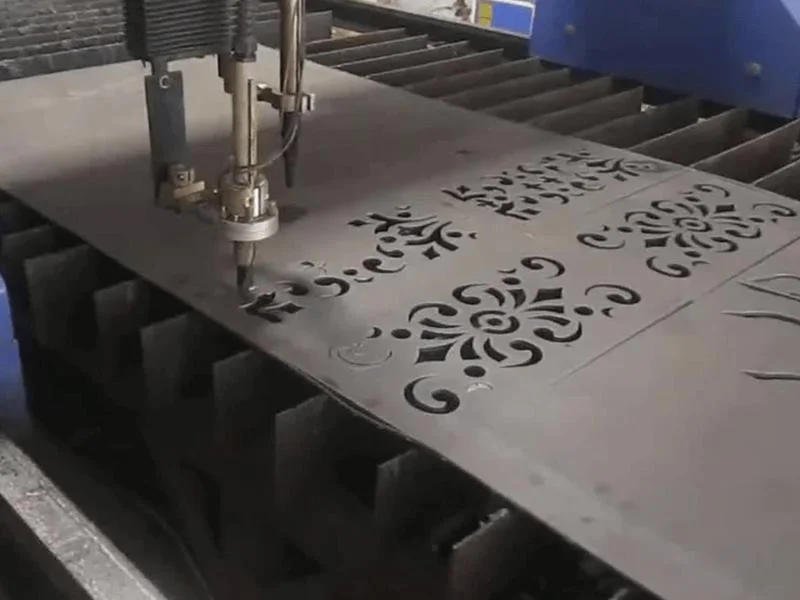
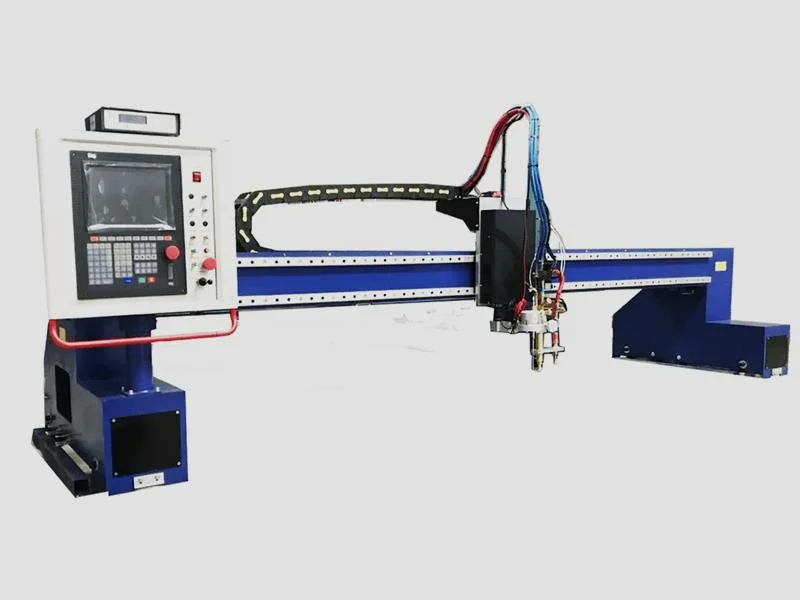
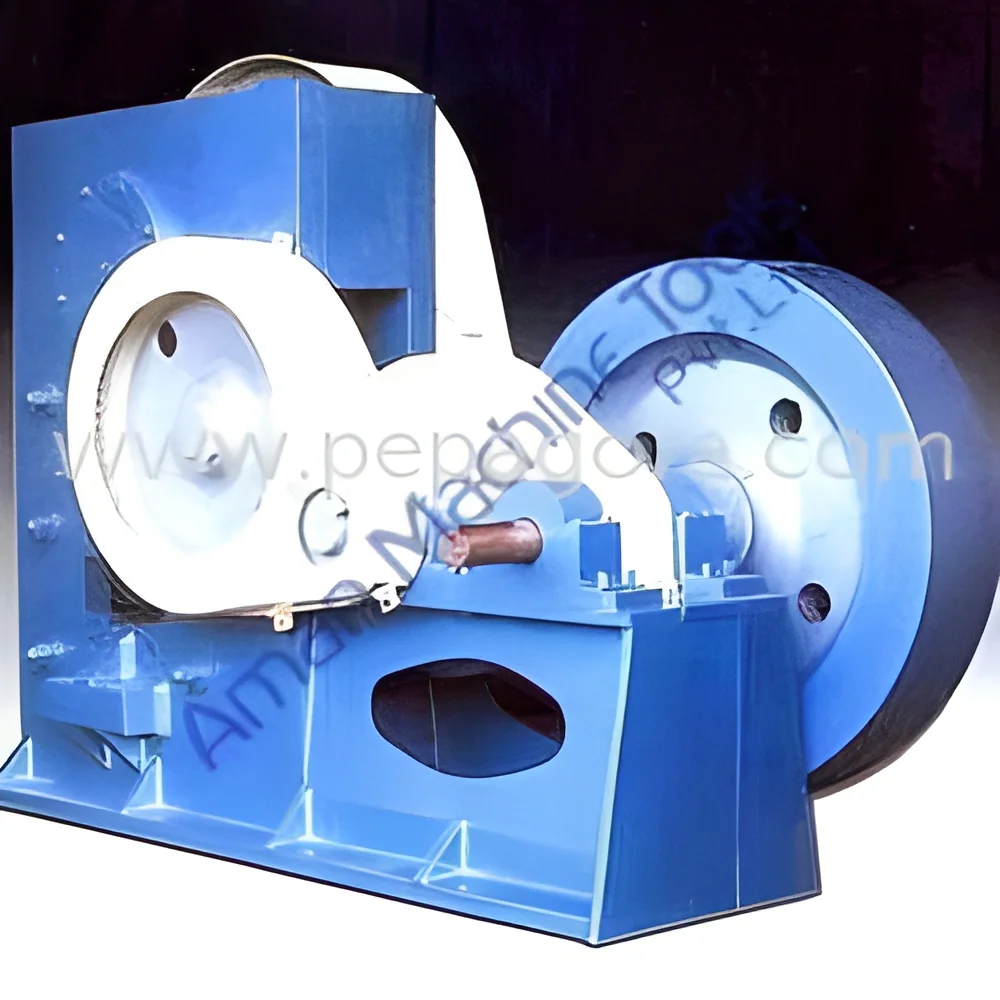
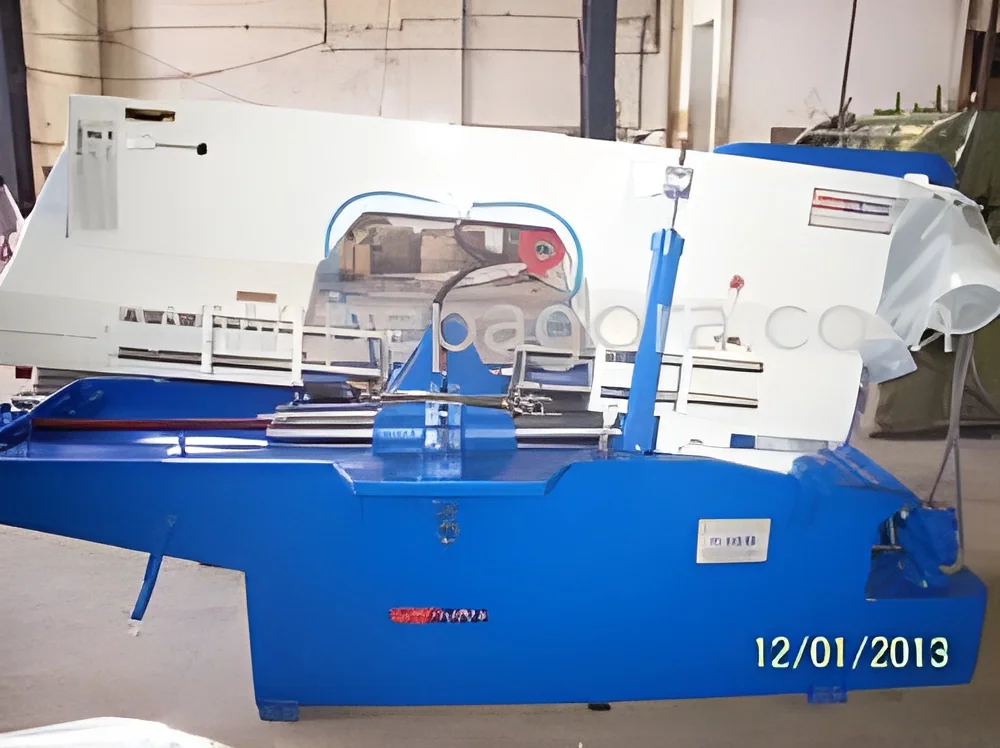
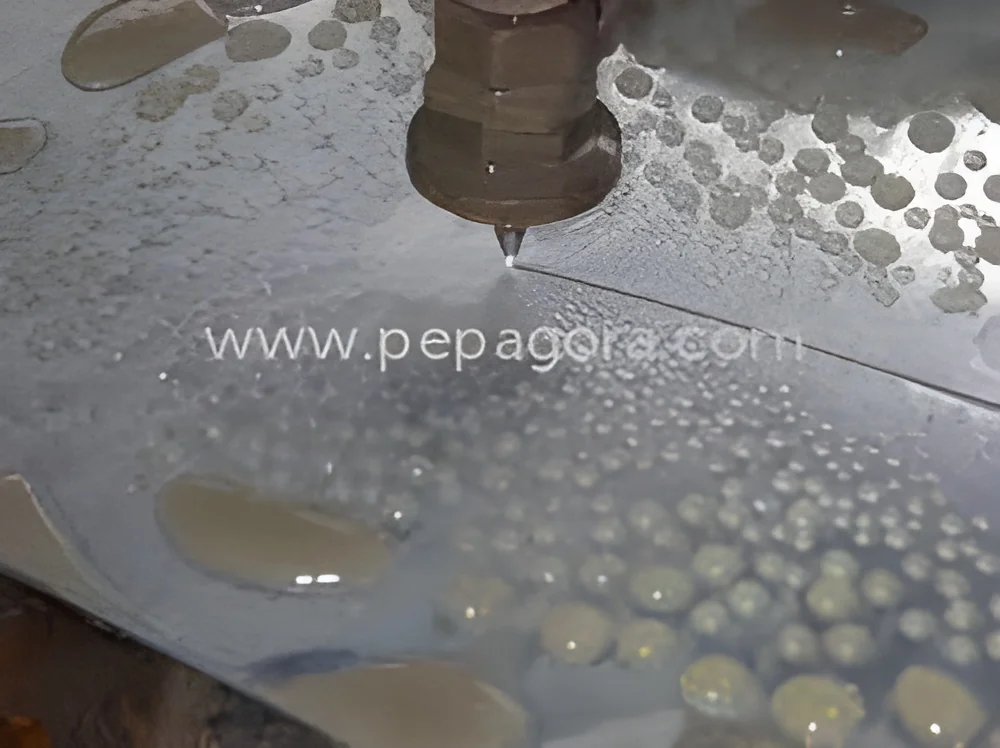
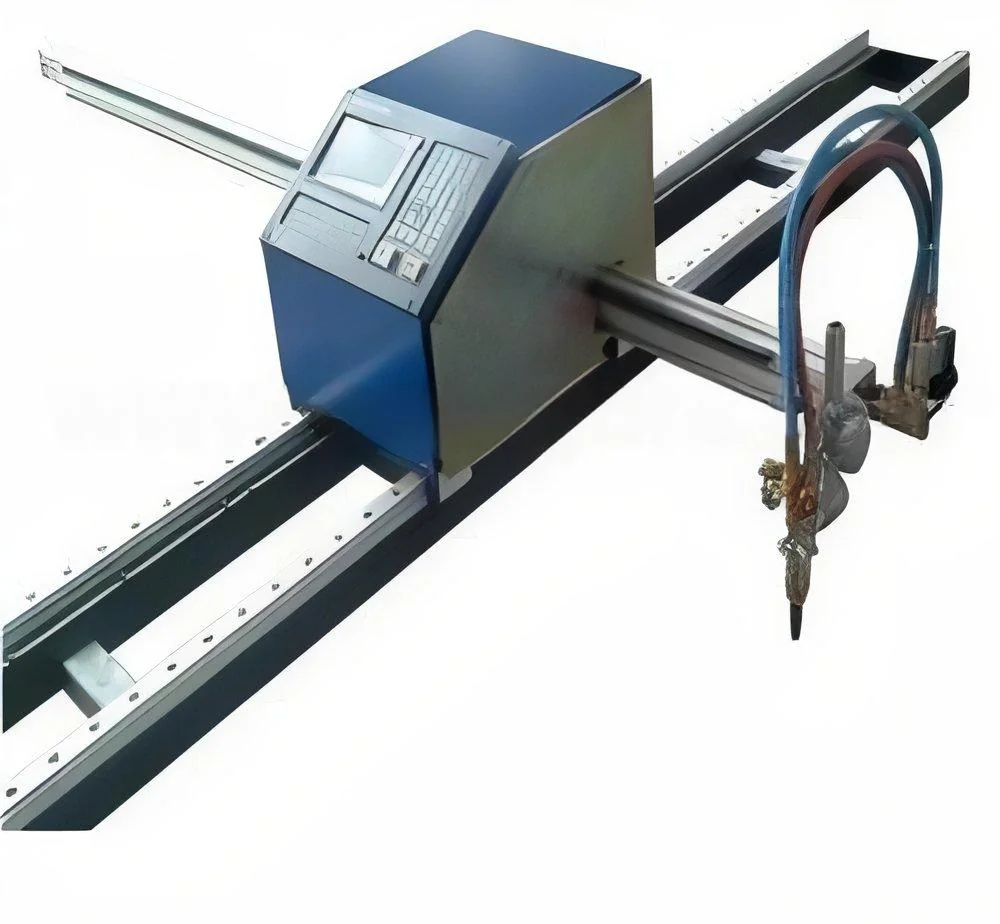
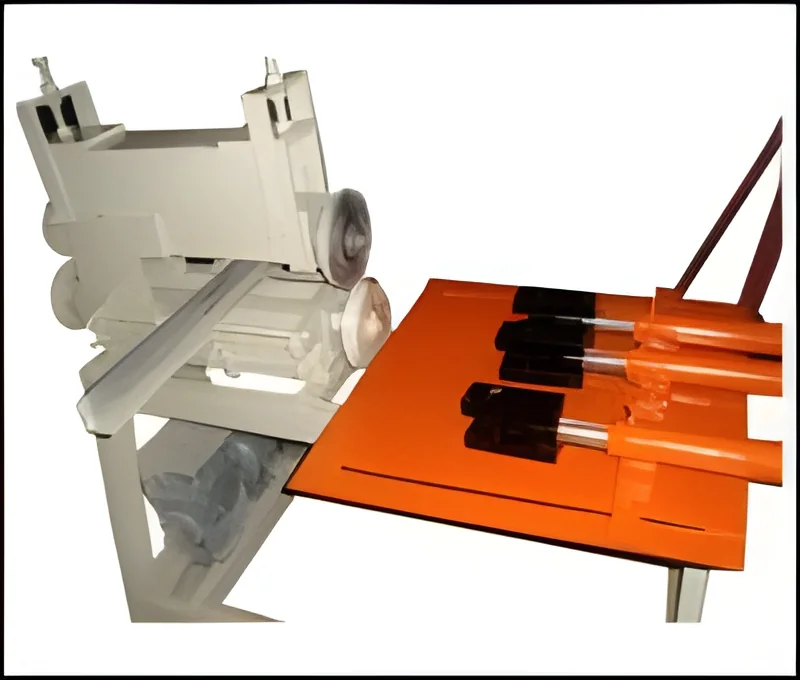
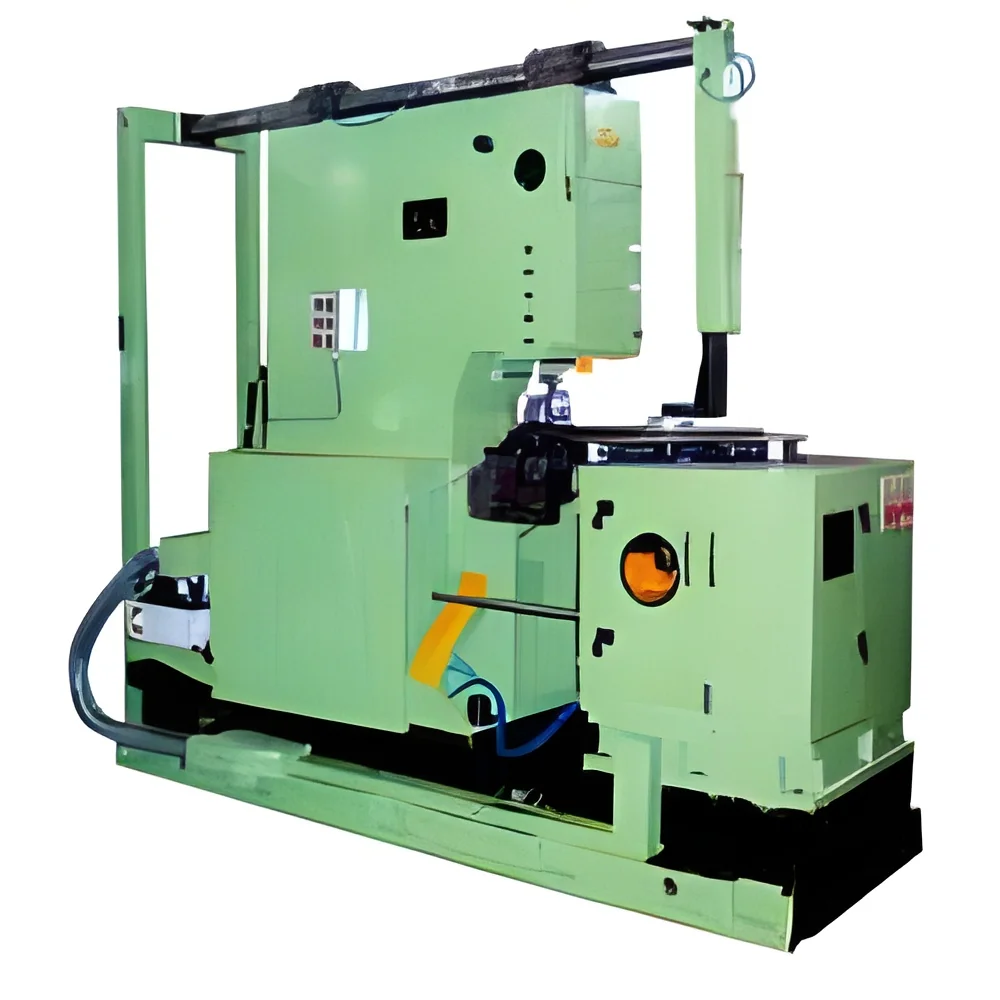
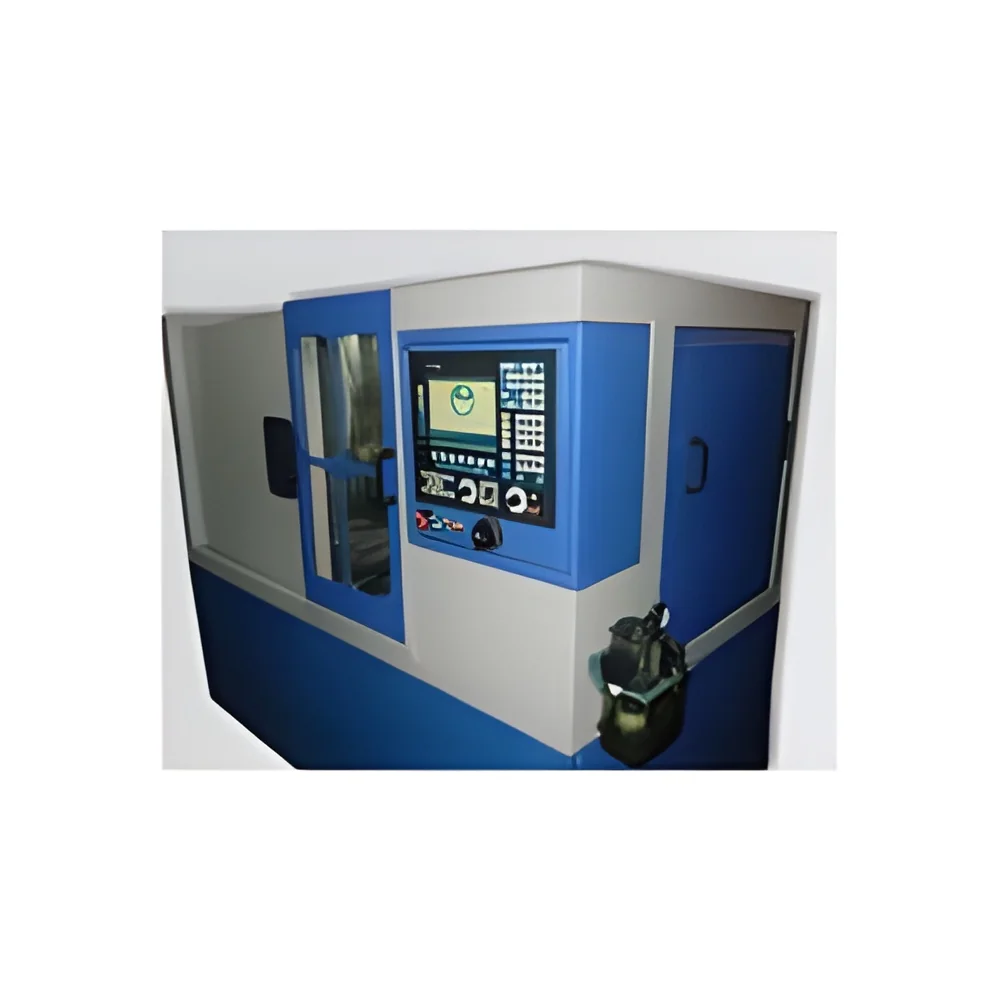
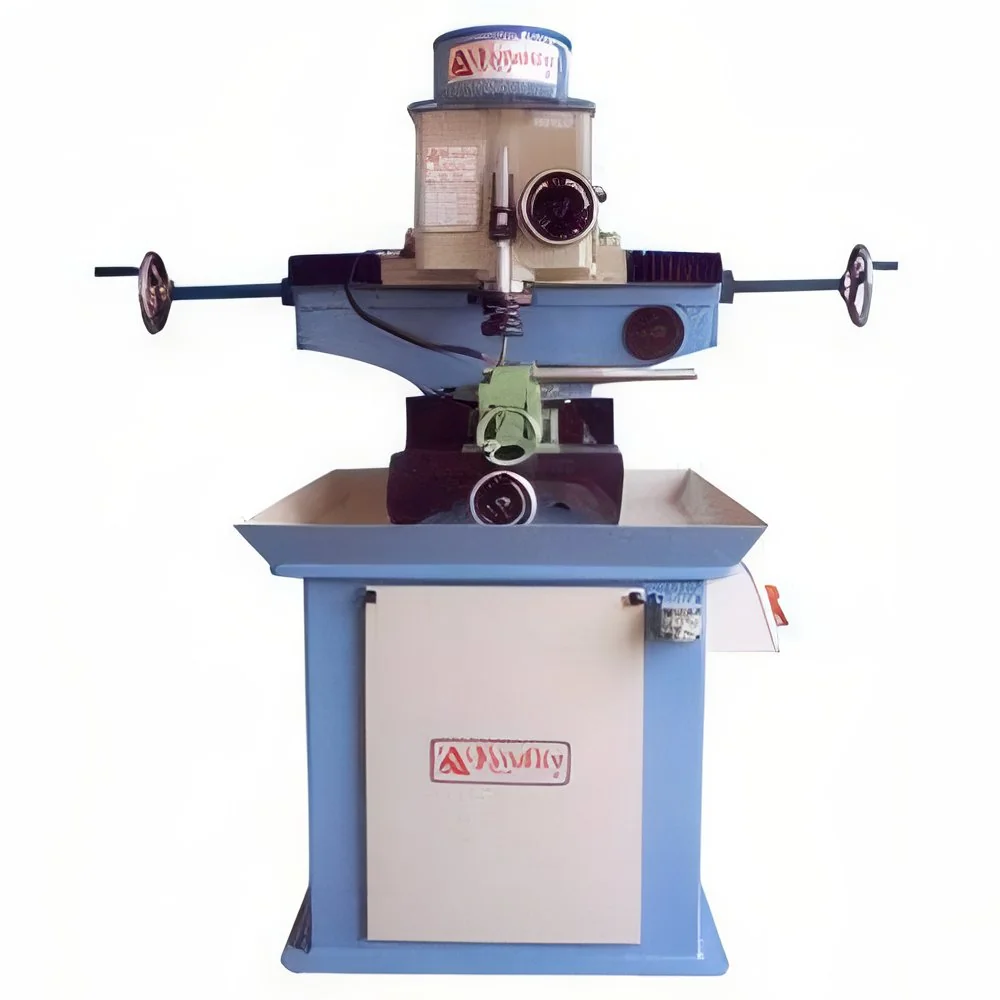
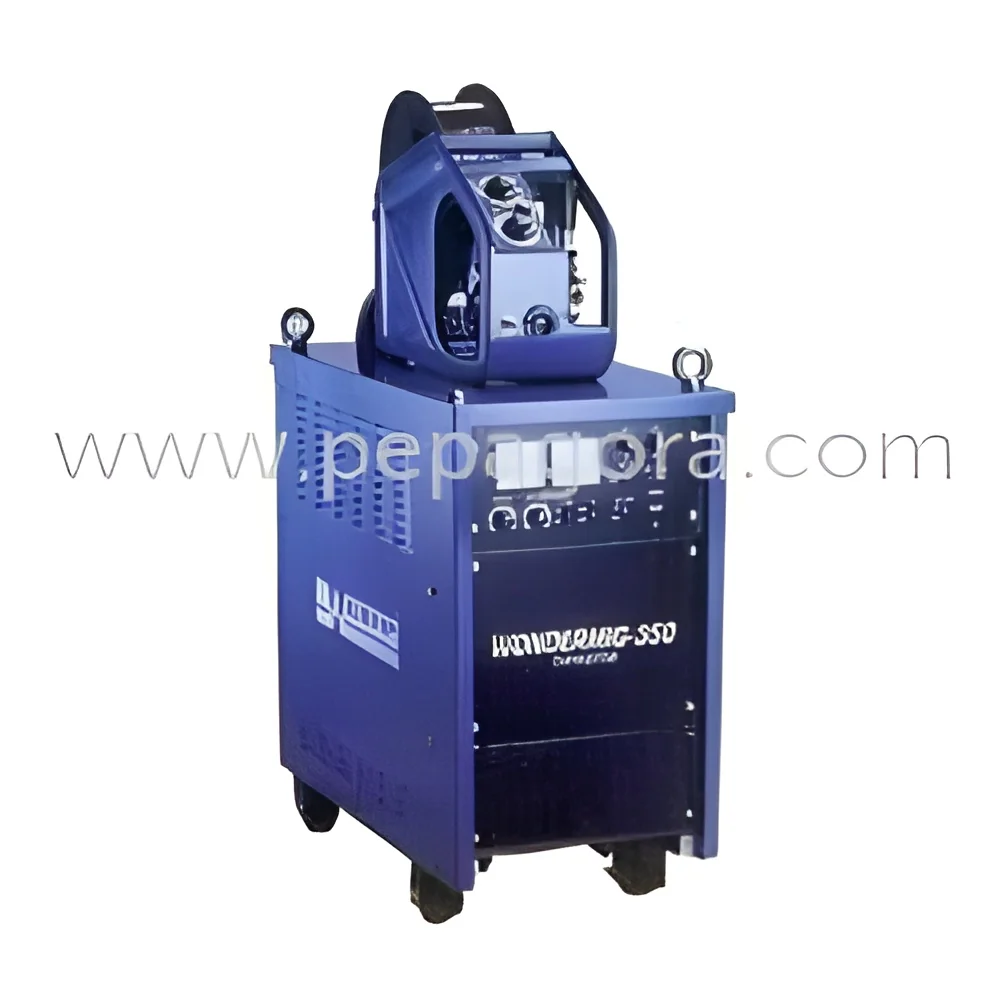
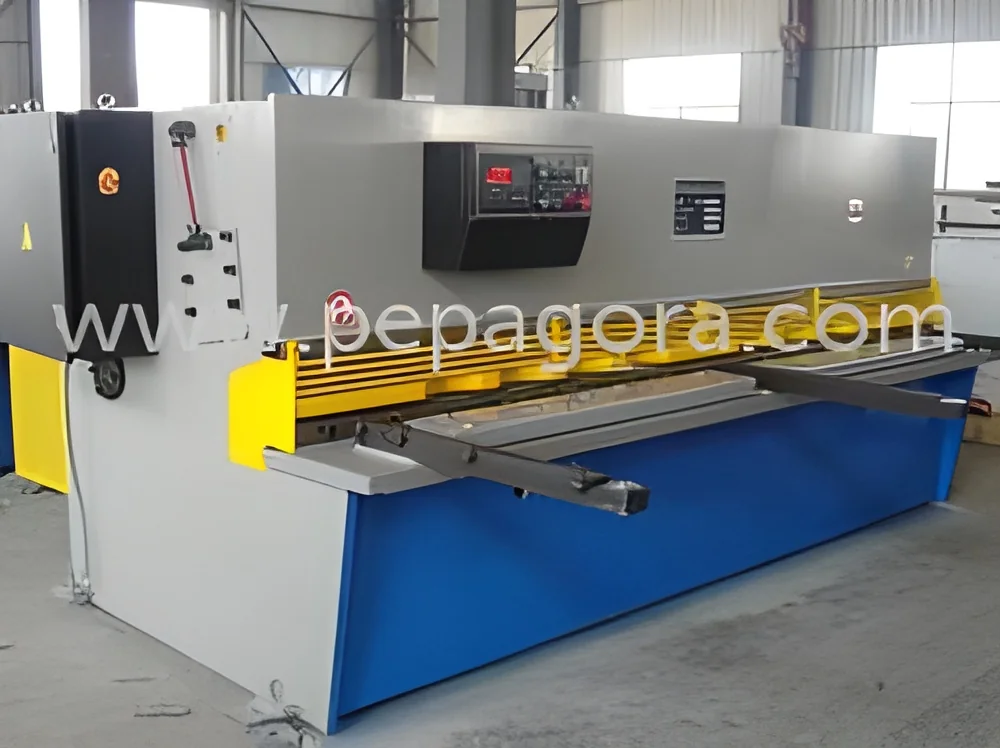
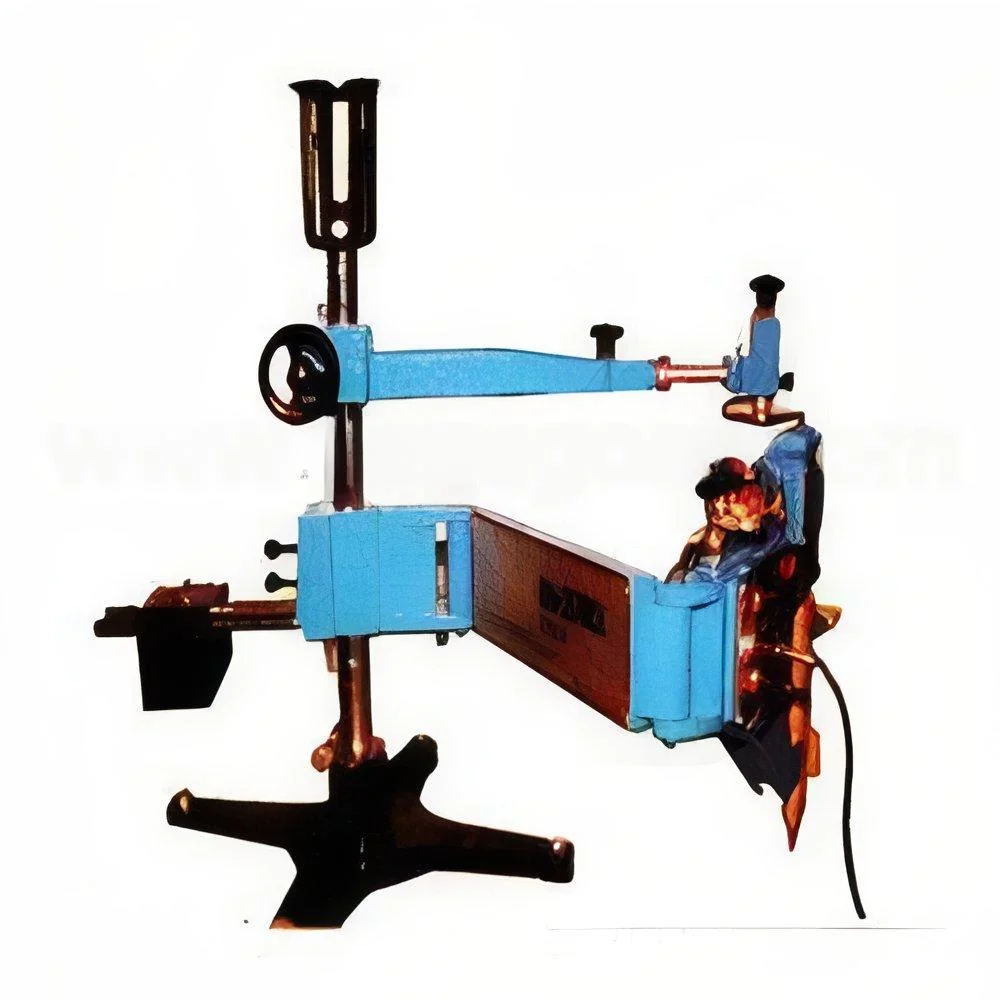
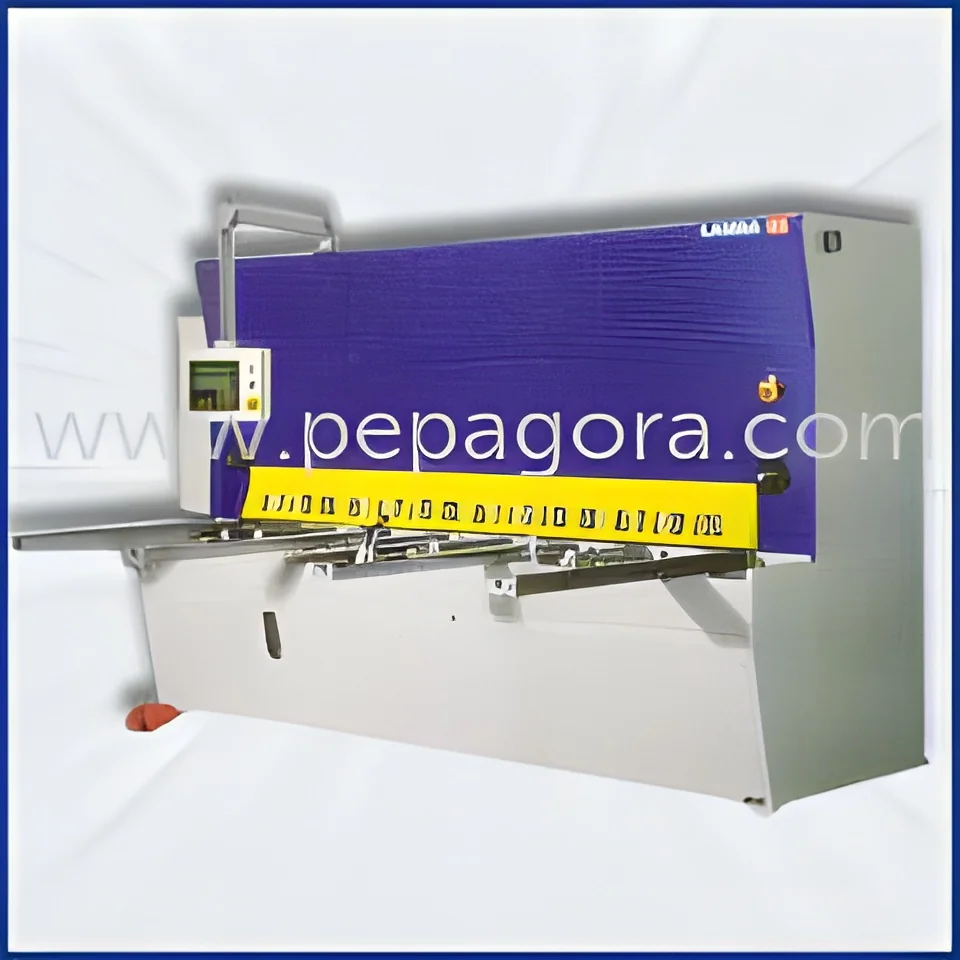
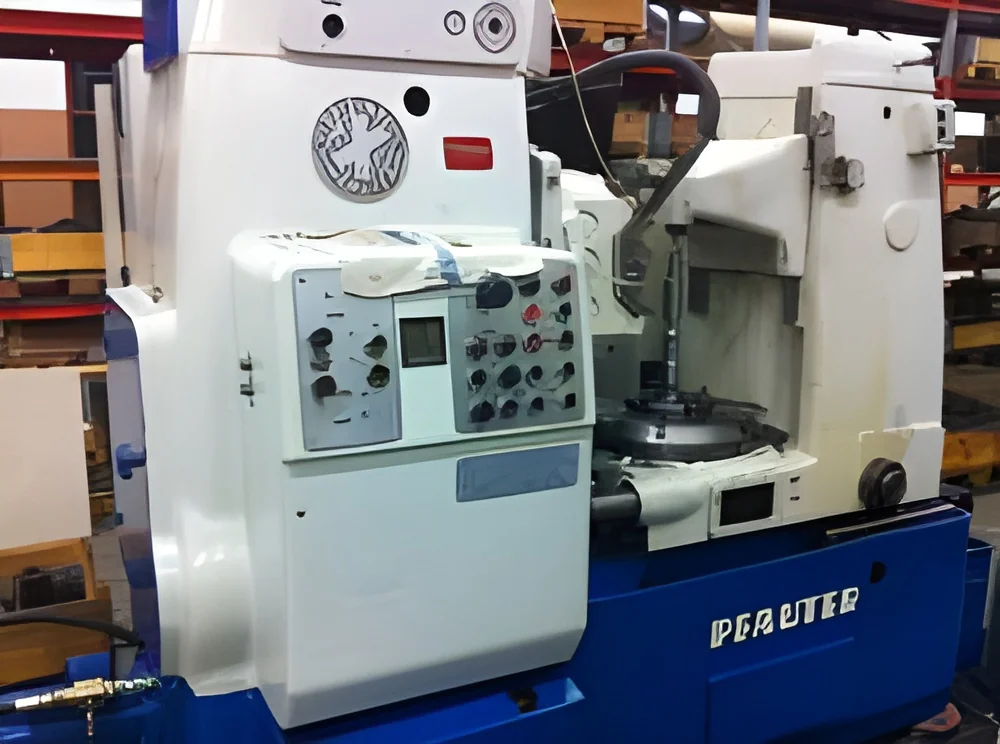
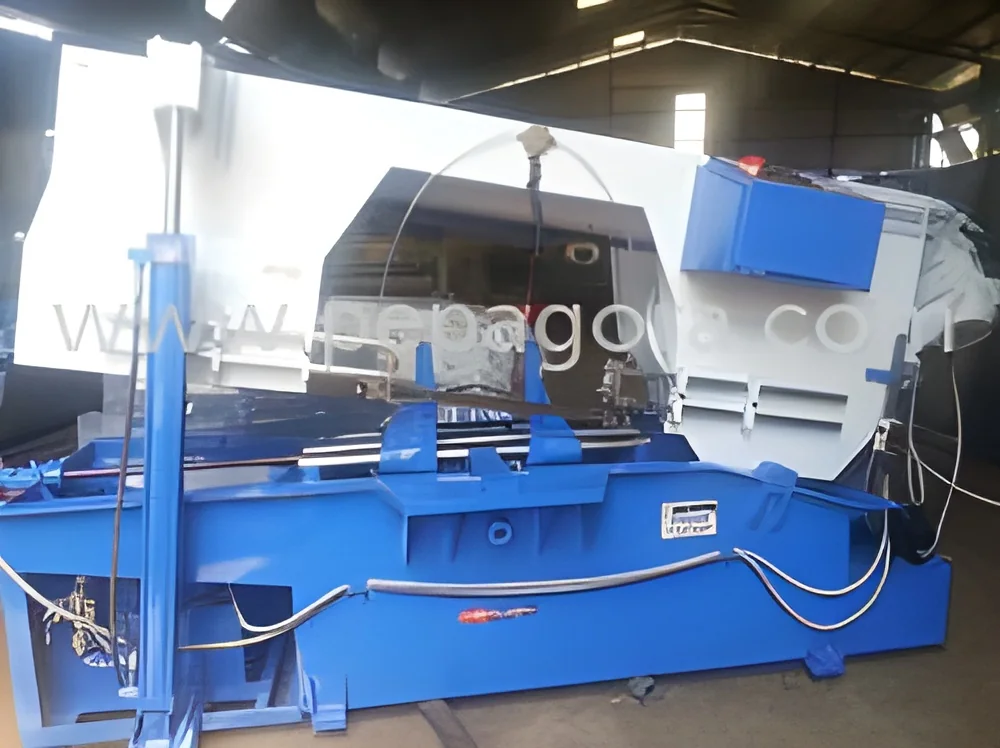
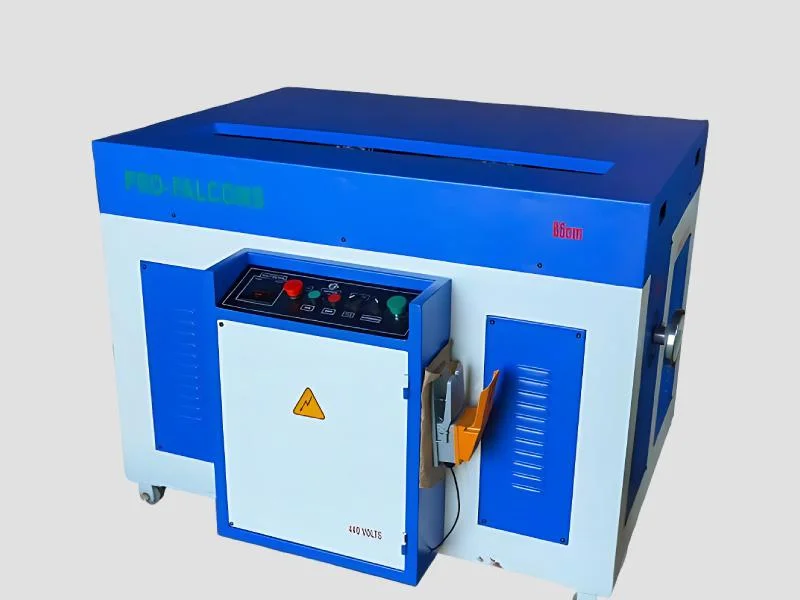
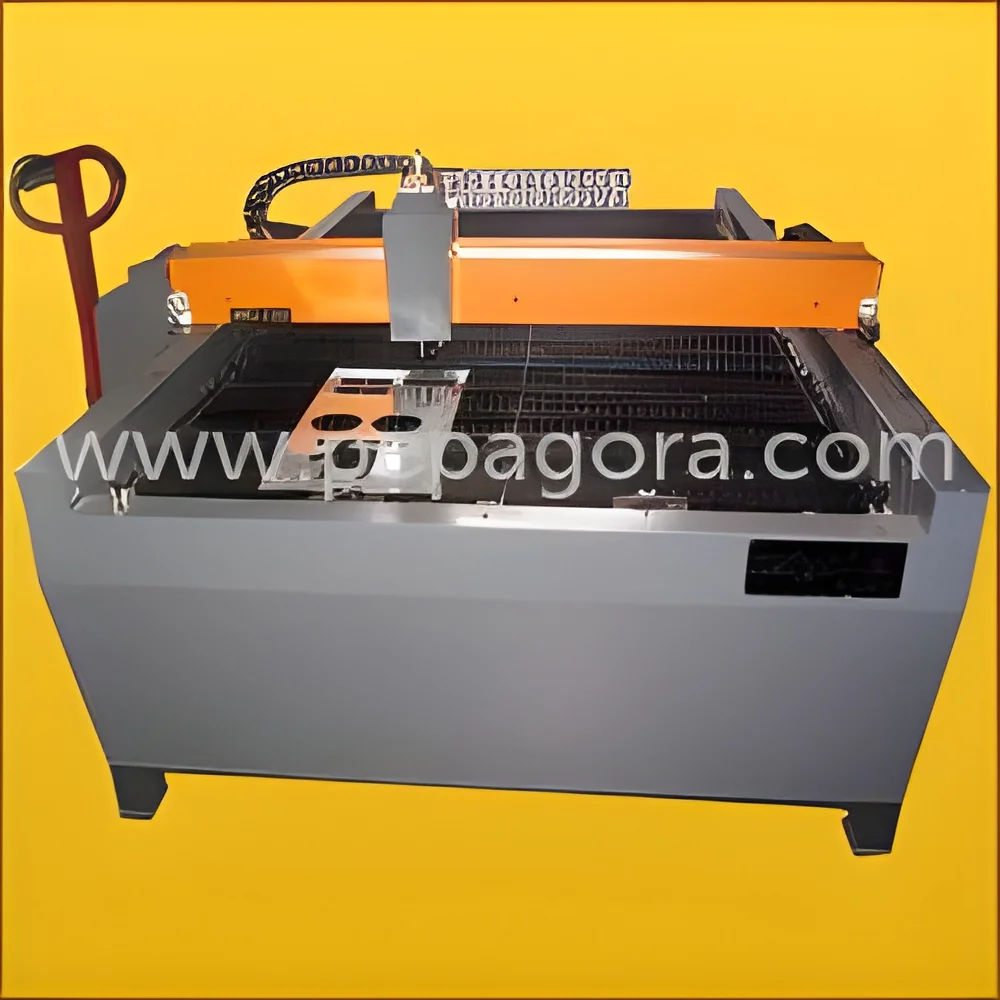
Other cutting machines refer to a diverse range of industrial equipment designed for cutting materials that do not fall into conventional categories such as laser, plasma, or waterjet cutting. These machines may utilize various cutting technologies, including mechanical, thermal, or chemical processes, to achieve precise cuts in a variety of materials. Their design and functionality can vary significantly based on the specific requirements of the application, which may include thickness, material type, and desired finish.
These machines are primarily used in industries such as manufacturing, construction, and automotive, where accurate cutting is essential for producing components and products. Common applications include cutting metal sheets, plastics, textiles, and composites. Businesses leverage these machines to enhance productivity and reduce waste, ensuring that they meet the demands of their customers. The growing emphasis on automation and efficiency in manufacturing processes further underscores the relevance of these machines in today’s market.
As industries continue to evolve, the demand for other cutting machines is expected to rise, driven by advancements in technology and the need for precise and efficient cutting solutions across various sectors. Companies are increasingly looking for machines that not only fulfill their immediate cutting needs but also offer flexibility and adaptability to future requirements.
Key Features and Specifications
Other cutting machines come equipped with a variety of features that cater to different industrial needs. These features enhance their performance, efficiency, and usability in various applications. Understanding the key specifications is crucial for businesses looking to invest in these machines.
Key specifications include:
1. Cutting Technology
- Various methods such as mechanical, thermal, or chemical processes
- Capability to cut different material types
2. Cutting Speed
- Measured in units such as meters per minute
- Varies based on the material and thickness
3. Maximum Cutting Thickness
- Range of material thicknesses that can be cut
- Depends on the specific machine type and technology
4. Precision Level
- Tolerance levels for cutting accuracy
- Typically measured in millimeters or microns
5. Control System
- Types of controls such as manual, semi-automatic, or fully automatic
- Integration with computer numerical control (CNC) technology
6. Power Requirements
- Electrical specifications including voltage and wattage
- Influence on operational efficiency and energy consumption
7. Dimensions and Weight
- Physical size and weight of the machine
- Impacts space requirements and mobility
8. Safety Features
- Includes emergency stop buttons, guards, and sensors
- Essential for compliance with safety regulations
These specifications are crucial for understanding the capabilities and limitations of different cutting machines, allowing businesses to make informed purchasing decisions.
Common Applications and Use Cases
Other cutting machines are employed across various industries to meet specific cutting needs. Their versatility allows them to serve multiple sectors effectively.
1. Manufacturing: In manufacturing, these machines are used for producing intricate components from metals and plastics. They are integral in assembly lines, ensuring precision cuts that maintain quality standards.
2. Construction: In the construction industry, cutting machines are utilized for processing materials such as steel beams and concrete slabs. This ensures that structures are built according to design specifications.
3. Automotive: The automotive sector relies on these machines for cutting components ranging from body panels to intricate engine parts. This precision contributes to the overall performance and safety of vehicles.
4. Aerospace: In aerospace, cutting machines play a critical role in shaping lightweight materials like composites and alloys for aircraft manufacturing, ensuring both efficiency and safety.
5. Textile: The textile industry uses cutting machines to process fabrics into patterns and shapes for garments. This helps streamline production and reduce material waste.
6. Electrical: In the electrical sector, cutting machines are used for processing wires and cables, ensuring accurate lengths and clean cuts for assembly.
7. Furniture: Cutting machines are essential in furniture production, where they cut wood and other materials into desired shapes for assembly.
Product Variants and Subcategories
The diversity of other cutting machines means that there are various variants tailored to specific applications and industries. Each variant has unique features that cater to different cutting needs.
Mechanical Cutting Machines
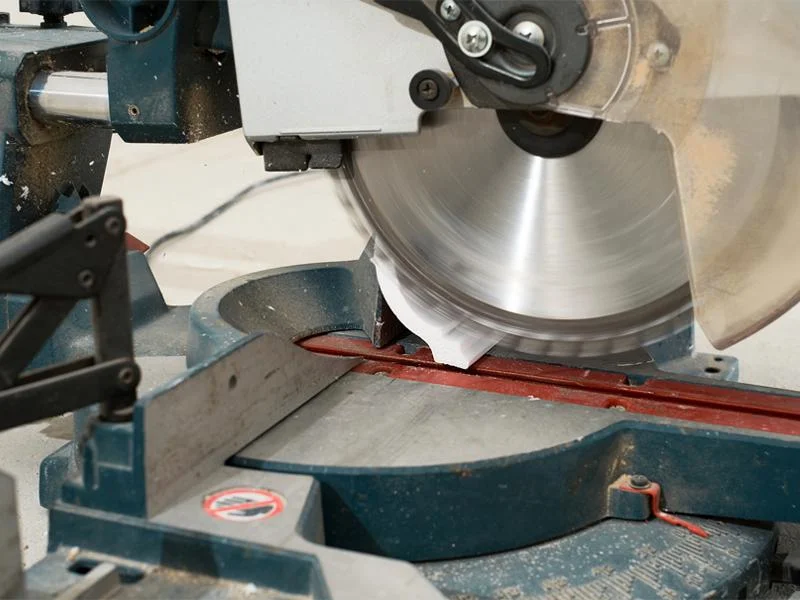
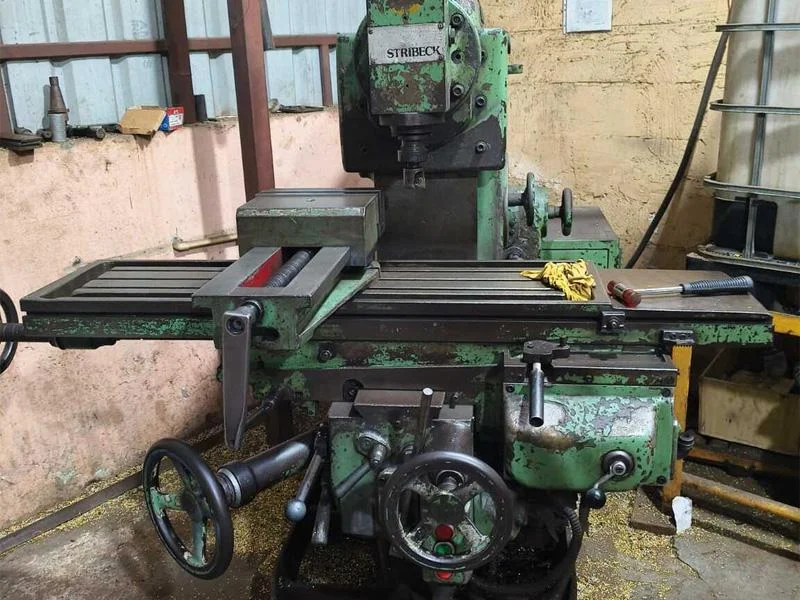
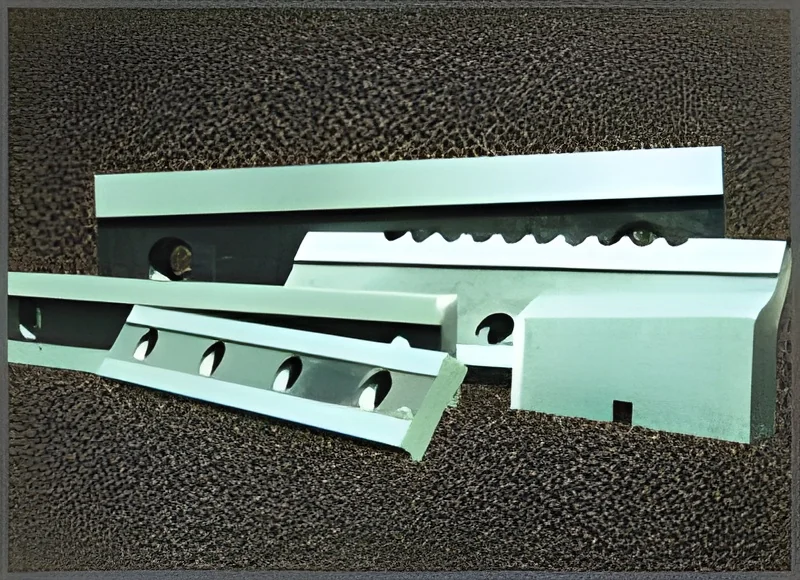
These machines use blades or cutting tools to mechanically cut through materials. They are known for their precision and are widely used in manufacturing and woodworking applications.
Thermal Cutting Machines
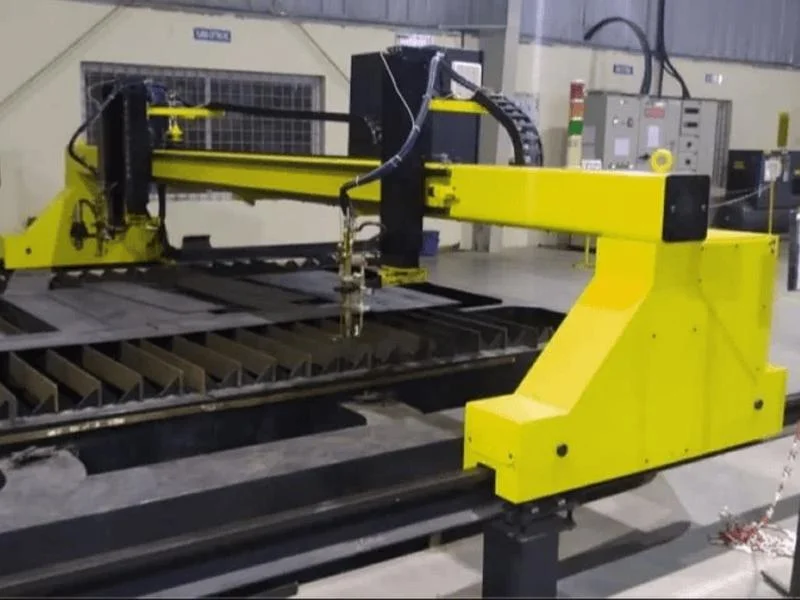
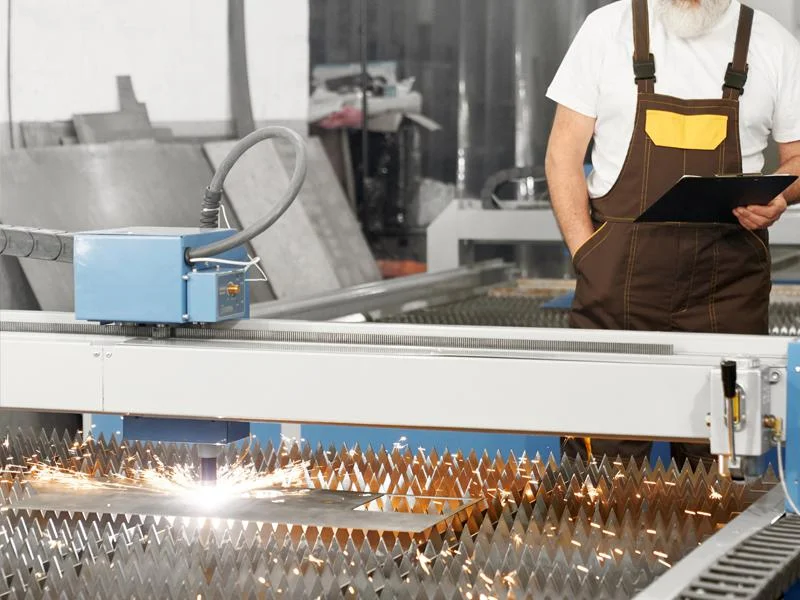
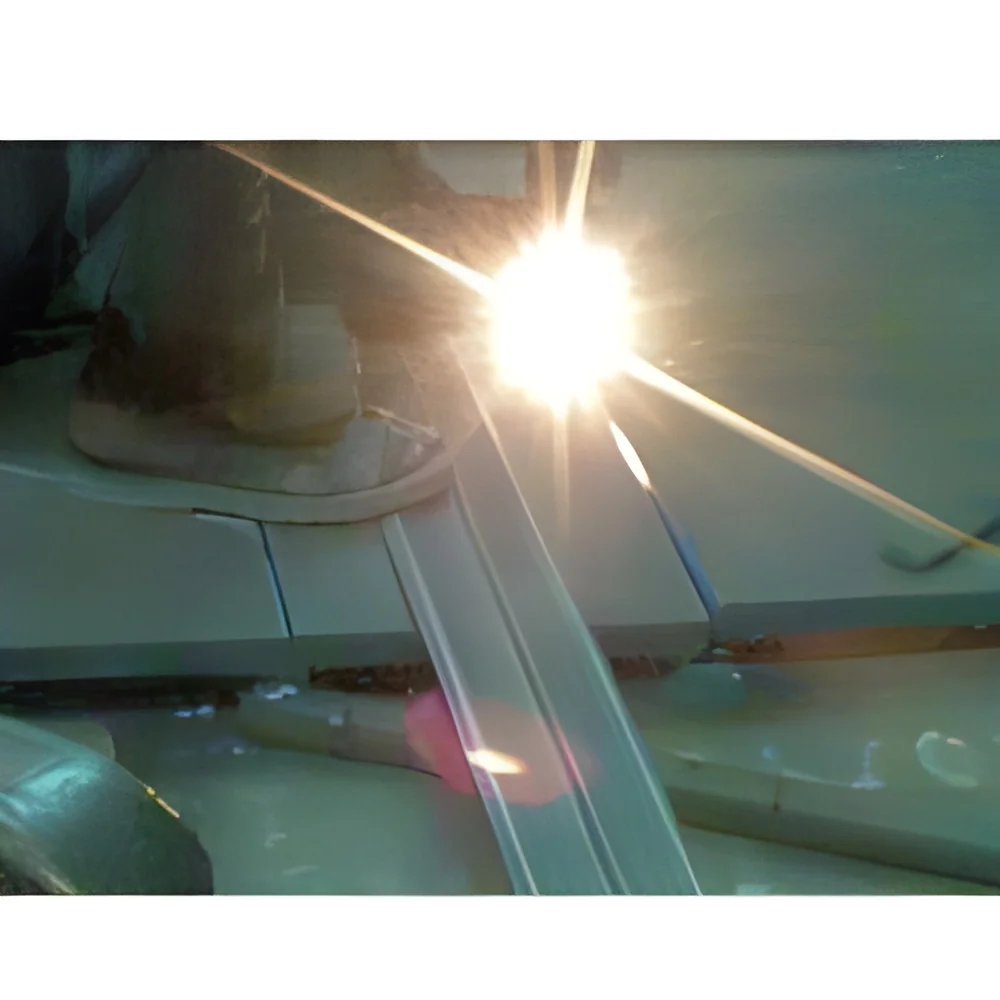
Using heat to cut materials, these machines are effective for metals and other tough materials. They are commonly used in industries where precision cutting of thick materials is required.
Chemical Cutting Machines
These machines utilize chemical processes to cut materials, often used for softer materials or where traditional cutting methods may not be viable. They are utilized in industries such as textile and food processing.
Benefits and Advantages
Investing in other cutting machines brings numerous benefits to businesses, enhancing their operational efficiency and productivity.
Key benefits include:
1. Enhanced Precision: Other cutting machines provide high levels of accuracy, reducing errors in production and improving overall product quality.
2. Increased Efficiency: These machines often operate faster than manual cutting methods, enabling businesses to meet tight production deadlines.
3. Material Versatility: They can cut a wide range of materials, allowing businesses to expand their product offerings and cater to diverse markets.
4. Cost-Effectiveness: By minimizing waste and maximizing yield, these machines can lead to significant cost savings in material usage over time.
5. Improved Safety: Modern cutting machines come equipped with safety features that protect operators, reducing the risk of workplace accidents.
6. Automation Potential: Many cutting machines can be integrated with automation systems, further enhancing productivity and reducing labor costs.
Buying Guide for B2B Buyers
When considering the purchase of other cutting machines, B2B buyers should take several critical factors into account to ensure they make a well-informed decision.
1. Quality Assessment: Evaluate the build quality and durability of the machine. Look for reputable manufacturers with a track record of producing reliable cutting machines.
2. Supplier Verification: Conduct thorough background checks on potential suppliers. Ensure they have a good reputation and can provide references or case studies.
3. Pricing and MOQ: Understand the pricing structure and minimum order quantities. Compare multiple suppliers to ensure competitive pricing without compromising quality.
4. Delivery and Lead Times: Assess the supplier’s ability to meet your delivery timelines. Timely delivery is crucial to maintain production schedules.
5. Compliance Requirements: Ensure that the machines meet industry standards and regulations. This includes safety certifications and operational compliance as required by local laws.
Compliance and Certifications
Compliance with industry standards and regulations is vital for ensuring the safety and reliability of other cutting machines. Relevant quality standards include ISO 9001, which focuses on quality management systems, and CE certification, which indicates conformity with health, safety, and environmental protection standards within the European Economic Area.
Additionally, adherence to safety and testing requirements is essential to protect operators and ensure safe machine operation. Companies must also consider regional compliance requirements, as these can vary significantly based on geographical location and industry regulations. Ensuring that the machines meet these compliance standards can also enhance marketability and customer trust.
Why Source Other Cutting Machines from Pepagora?
Pepagora serves as a trusted platform for sourcing other cutting machines, offering several key advantages for B2B buyers.
Verified Supplier Network: Pepagora connects buyers with a network of verified suppliers, ensuring that businesses can find trustworthy partners for their cutting machine needs. This verification process helps mitigate risks associated with purchasing from unknown vendors.
Streamlined RFQ Process: The request for quotation (RFQ) process on Pepagora is designed to be user-friendly and efficient. Buyers can easily submit their requirements and receive competitive quotes from multiple suppliers, simplifying the decision-making process.
Trade Assurance and Support: Pepagora provides trade assurance to protect buyers throughout the purchasing journey. This includes support for resolving any disputes that may arise during transactions, ensuring a smoother buying experience.
Regional Coverage: With a focus on key markets such as India, the GCC, and Southeast Asia, Pepagora offers extensive regional coverage. This enables buyers to access a wide range of suppliers and products tailored to their specific needs, enhancing their sourcing capabilities.

 IN
IN