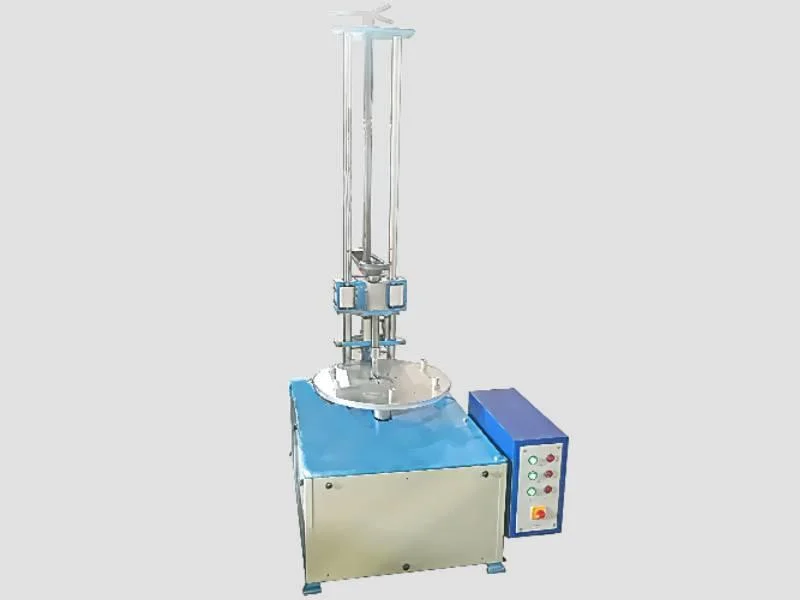
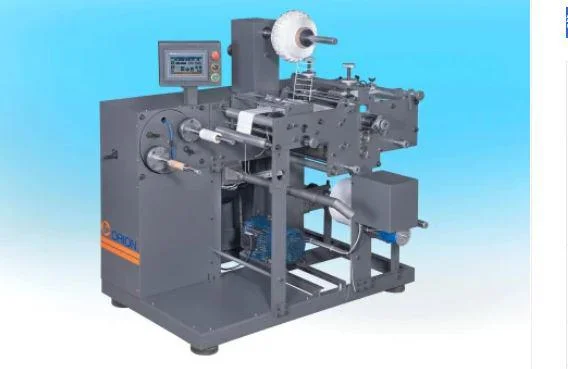
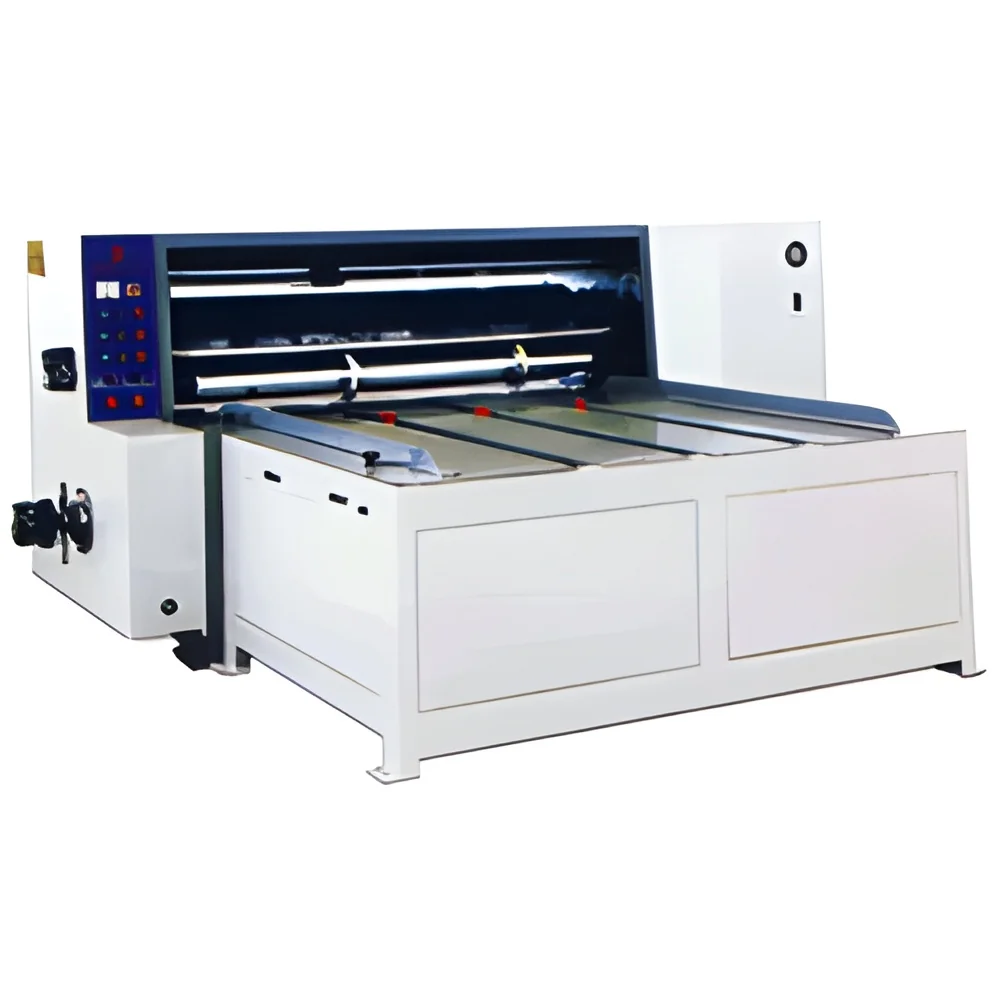
What are Die Cutting Machines?
Die cutting machines are specialized industrial tools used to cut materials into specific shapes and sizes using a die. The die is a sharp metal template that can create complex designs by applying pressure to the material. These machines are essential in various manufacturing processes, allowing for high precision and efficiency in cutting, which is particularly important in industries where accuracy is critical.
These machines find their primary applications in sectors such as packaging, textiles, automotive, and electronics. In the packaging industry, they create boxes, labels, and other packaging materials with intricate designs. In textiles, die cutting machines are used to produce patterns and shapes in fabrics. Their versatility allows businesses to streamline production processes, reduce waste, and improve overall efficiency. The increasing demand for customized products across industries has further amplified the relevance of die cutting machines in the current market.
Key Features and Specifications
Die cutting machines come with a variety of features and specifications that enhance their functionality and usability. Understanding these features can help businesses choose the right machine for their needs.
Key specifications include:
1. Cutting Area
- This specification defines the maximum size of the material that can be cut.
- Common ranges include cutting areas from 24 inches x 36 inches to larger formats.
2. Cutting Force
- This refers to the amount of pressure the machine can apply to the material.
- Typical ranges vary from 1 ton to over 50 tons, depending on the machine design.
3. Speed
- The speed at which the machine operates affects productivity.
- Machines can range from 10 to 60 strokes per minute.
4. Material Compatibility
- This specification indicates the types of materials that can be cut.
- Common materials include paper, cardboard, plastic, and textiles.
5. Control Systems
- Some machines feature advanced control systems for precise operation.
- Options may include digital displays and programmable settings.
6. Safety Features
- Built-in safety mechanisms protect operators during use.
- Features may include emergency stop buttons and safety guards.
7. Power Requirements
- This indicates the electrical specifications needed to operate the machine.
- Voltage requirements typically range from 110V to 480V.
8. Weight and Dimensions
- The physical size and weight can affect installation and mobility.
- Machines may weigh anywhere from 500 pounds to several tons.
In summary, the specifications of die cutting machines are designed to meet the diverse needs of various industries. Understanding these features ensures that businesses select the right equipment for their production requirements.
Common Applications and Use Cases
Die cutting machines are versatile and serve numerous industries, each with specific applications that leverage their capabilities.
1. Packaging: In the packaging industry, die cutting machines are used to create boxes, labels, and other custom packaging solutions. They enable manufacturers to produce intricate designs that enhance product presentation.
2. Textiles: The textile industry utilizes die cutting machines to create patterns and shapes in fabrics. This technology allows for efficient production of clothing, upholstery, and other textile goods.
3. Automotive: Die cutting machines are employed in the automotive sector to produce gaskets, seals, and various components. Their precision helps in ensuring components fit seamlessly.
4. Electronics: In electronics manufacturing, die cutting machines are used to cut insulation materials and other components that require high accuracy.
5. Printing: The printing industry benefits from die cutting machines for creating custom shapes for printed materials, such as business cards and promotional items.
6. Medical: Die cutting machines are also used in the medical field for producing various disposable items like surgical drapes and masks, ensuring compliance with strict hygiene standards.
7. Crafting: In the crafting industry, die cutting machines facilitate the production of intricate designs for hobbyists and small businesses, allowing for creativity and customization.
Product Variants and Subcategories
Die cutting machines come in various types, each designed for specific tasks and industries. This diversity allows businesses to select the most suitable machine for their operational needs.
Flatbed Die Cutting Machine: This variant is known for its ability to handle large sheets of material. It is ideal for thicker materials and offers high precision in cutting.
Rotary Die Cutting Machine: This machine uses a rotating die to cut materials continuously, making it suitable for high-volume production runs. It is often used in packaging and label production.
Digital Die Cutting Machine: Digital machines use computer-controlled cutting systems for precision and flexibility. They are perfect for short runs and intricate designs.
Automatic Die Cutting Machine: These machines automate the cutting process, improving efficiency and reducing labor costs. They are commonly used in large-scale manufacturing environments.
Benefits and Advantages
Investing in die cutting machines offers several clear benefits for businesses looking to enhance their production processes.
1. Precision Cutting: Die cutting machines provide high accuracy, ensuring that each cut meets exact specifications. This reduces waste and improves product quality.
2. Increased Efficiency: These machines streamline the cutting process, allowing for faster production times and increased output. Businesses can meet demand more effectively.
3. Versatility: Die cutting machines can handle a variety of materials and applications, making them suitable for diverse industries. This flexibility allows for greater adaptability in production.
4. Cost-Effective: By reducing material waste and labor costs, die cutting machines offer a cost-effective solution for manufacturers. This can lead to higher profit margins.
5. Customization: Many die cutting machines can create custom shapes and designs, enabling businesses to offer personalized products to their customers.
6. Improved Safety: Modern die cutting machines come with safety features that protect operators, reducing the risk of accidents in the workplace.
Buying Guide for B2B Buyers
When sourcing die cutting machines, it is essential for B2B buyers to consider several key factors to ensure they make an informed decision.
1. Quality Assessment: Evaluate the build quality and material used in the machine. Look for machines that meet industry standards and have a reputation for reliability.
2. Supplier Verification: Vet suppliers by checking their credentials, customer reviews, and industry reputation. A trustworthy supplier will provide better support and service.
3. Pricing and MOQ: Understand the pricing structure and minimum order quantities. This will help in budgeting and ensuring that the investment aligns with business goals.
4. Delivery and Lead Times: Consider the logistics involved in obtaining the machine. Check for estimated delivery times and the supplier’s ability to meet your schedule.
5. Compliance Requirements: Ensure that the machine complies with relevant regulations and industry standards. This is critical for maintaining safety and operational efficiency.
Compliance and Certifications
Die cutting machines must adhere to various quality standards and certifications to ensure safety and performance. Compliance with standards such as ISO 9001 ensures that manufacturers maintain consistent quality management systems.
Additionally, industry certifications like CE indicate that the machines meet European safety and environmental requirements. These certifications are essential for ensuring that the machines operate safely and effectively in various environments.
Manufacturers should also consider safety and testing requirements based on regional regulations. Compliance with local standards can vary, so it is crucial to stay updated on the necessary regulations in your area.
Why Source Die Cutting Machines from Pepagora?
Pepagora offers a reliable platform for sourcing die cutting machines, providing numerous advantages for B2B buyers.
Verified Supplier Network: Pepagora features a network of verified suppliers, ensuring that buyers can trust the quality and reliability of the machines being offered.
Streamlined RFQ Process: The platform simplifies the Request for Quotation process, allowing buyers to easily obtain quotes from multiple suppliers and compare options effectively.
Trade Assurance and Support: Buyers benefit from trade assurance measures that protect their investments. Pepagora provides support throughout the purchasing process, enhancing buyer confidence.
Regional Coverage: With a strong presence in markets like India, the GCC, and Southeast Asia, Pepagora ensures that buyers have access to a wide range of suppliers and machine options tailored to their regional needs.

 IN
IN