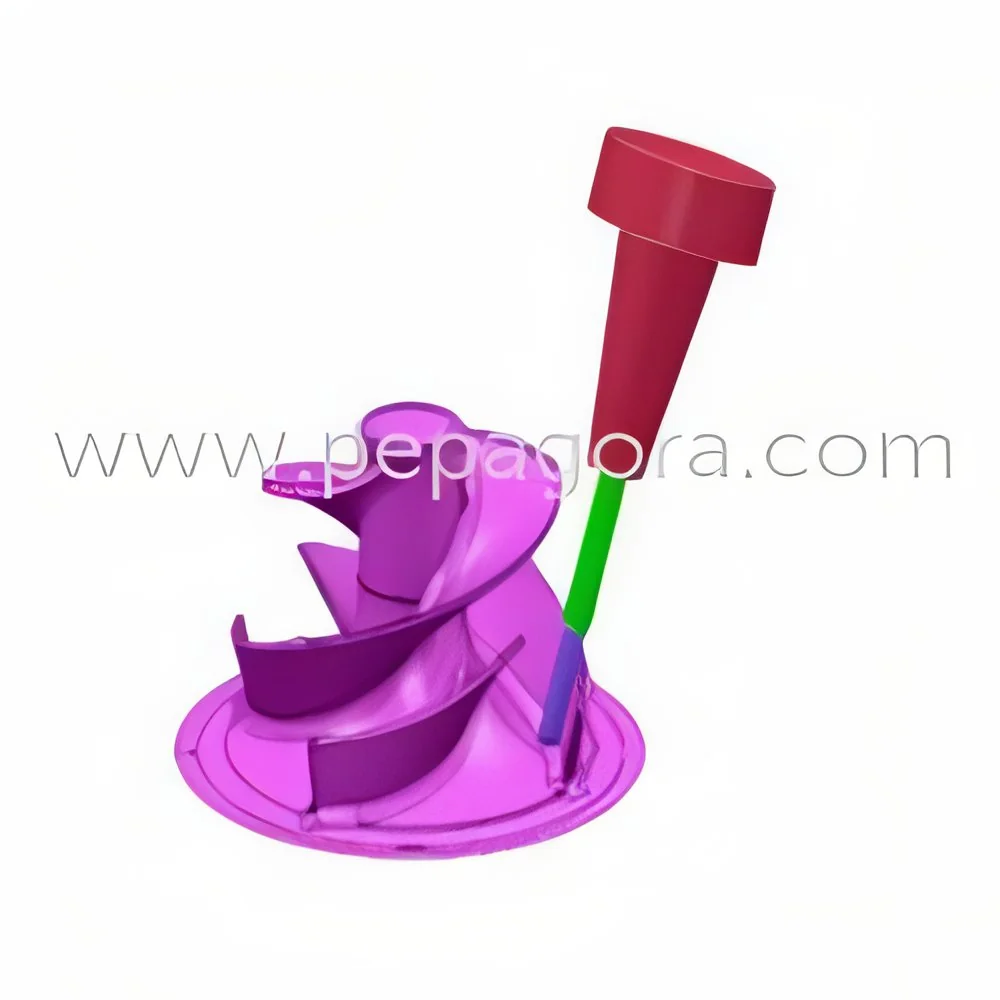
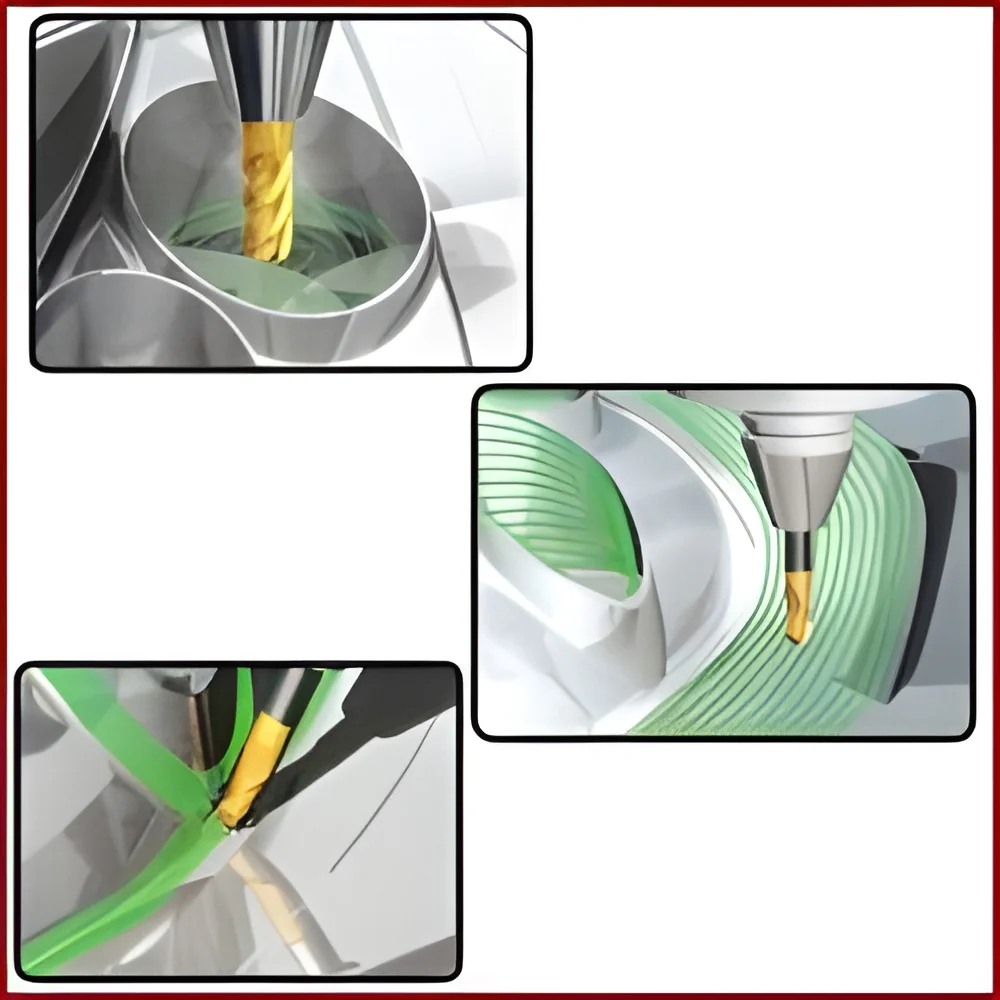
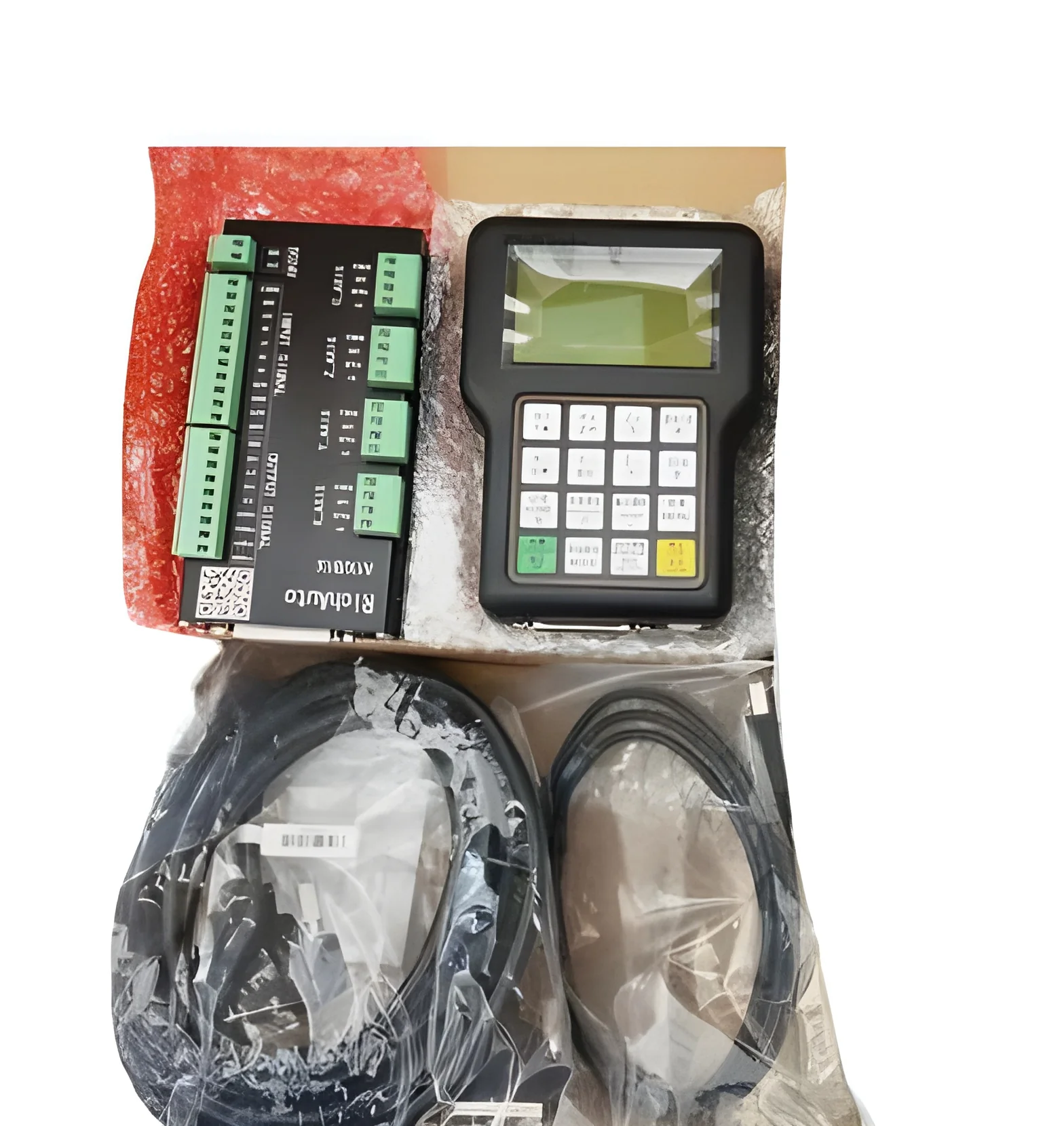
What are CNC Cutting Software & Controllers?
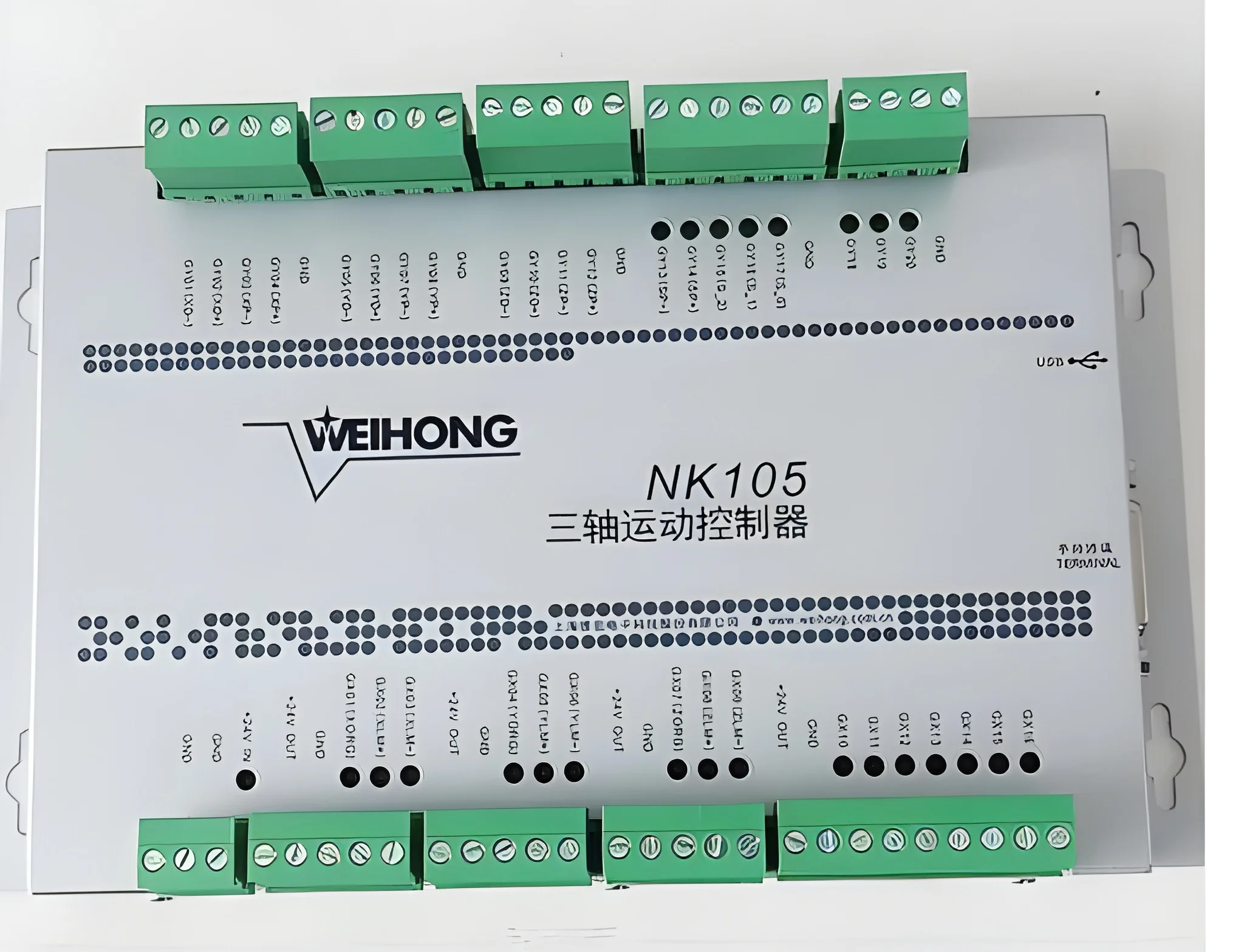
CNC Cutting Software and Controllers are integral components of modern manufacturing processes. They enable precise control of cutting machines used in various industries, including metalworking, woodworking, and plastics. The software is responsible for generating the instructions that guide the CNC (Computer Numerical Control) machines, while the controllers execute these instructions to perform cutting operations with high accuracy and efficiency.
These tools are widely utilized in applications such as fabrication, prototyping, and mass production. Businesses leverage CNC cutting technology to enhance productivity, improve quality, and reduce waste. The ability to automate cutting processes allows manufacturers to achieve repeatable results and scale production without compromising precision. As industries continue to evolve, CNC cutting software and controllers play a vital role in meeting the rising demands for efficiency and customization.
In the current market context, CNC cutting technology has become increasingly relevant. The growth of automation and the need for advanced manufacturing techniques have driven demand for sophisticated software and controllers. Companies that invest in these technologies position themselves for competitive advantage in a rapidly changing industrial landscape.
Key Features and Specifications
CNC Cutting Software and Controllers come equipped with a variety of features and specifications designed to enhance performance and usability. These specifications can significantly influence the efficiency and effectiveness of cutting operations.
Key specifications include:
1. Software Compatibility
- Supports various file formats such as DXF, DWG, and G-code.
- Ensures seamless integration with different CNC machinery.
2. User Interface
- Intuitive design for easy navigation and operation.
- Customizable settings to suit specific workflow requirements.
3. Cutting Speed Range
- Adjustable cutting speeds to optimize material processing.
- Typically ranges from 10 to 1000 mm/min, depending on the material.
4. Tool Path Optimization
- Algorithms that enhance cutting efficiency by minimizing movements.
- Reduces cycle times and improves overall productivity.
5. Connectivity Options
- USB, Ethernet, and wireless connectivity for remote operation.
- Facilitates easy updates and software upgrades.
6. Safety Features
- Emergency stop functions and safety interlocks.
- Ensures operator safety during machine operation.
7. Monitoring and Diagnostics
- Real-time monitoring of machine performance.
- Troubleshooting tools for quick diagnostics and maintenance.
8. Multi-axis Control
- Supports 3-axis, 4-axis, or more complex configurations.
- Enables intricate cutting designs and shapes.
These features collectively enhance the operational capabilities of CNC cutting machines, making them essential tools in modern manufacturing environments.
Common Applications and Use Cases
CNC Cutting Software and Controllers are employed across a diverse range of industries, each benefiting from their precision and efficiency.
1. Aerospace: CNC systems are used to produce intricate components with tight tolerances, ensuring quality and safety in aircraft manufacturing.
2. Automotive: Manufacturers utilize CNC cutting technology for producing parts such as engine components and body panels, allowing for high-volume production with minimal waste.
3. Electronics: CNC cutting is essential for fabricating circuit boards and enclosures, providing the precision required for small and complex designs.
4. Furniture: The woodworking industry benefits from CNC technology for cutting and shaping materials into custom furniture designs efficiently.
5. Signage: Companies create detailed signs and displays using CNC cutting, allowing for precise lettering and graphics.
6. Metal Fabrication: CNC controllers are fundamental in cutting metal sheets and components, ensuring accuracy in various applications from structural to decorative elements.
7. Plastics: CNC cutting software is used to shape plastic materials into products ranging from packaging to automotive parts.
Product Variants and Subcategories
CNC Cutting Software and Controllers offer a range of variants to meet diverse manufacturing needs. Each variant is designed with specific features that cater to different applications.
CNC Router Software
This variant is optimized for woodworking and plastic cutting. It provides advanced tool path algorithms and supports 3D modeling, making it ideal for intricate designs and carvings.
Laser Cutting Software
Designed specifically for laser cutting machines, this software focuses on precision and speed. It allows users to create detailed designs for metal and other materials with high accuracy.
Plasma Cutting Software
Tailored for plasma cutting applications, this software manages high-speed cutting processes. It includes features for optimizing cutting paths based on material type and thickness.
Waterjet Cutting Software
This variant is used for waterjet cutting applications, providing the necessary tools for handling various materials. It ensures precise control over cutting parameters for optimal results.
Benefits and Advantages
Investing in CNC Cutting Software and Controllers brings numerous benefits to businesses. These advantages contribute to enhanced operational efficiency and overall productivity.
Key benefits include:
1. Increased Precision: CNC technology ensures high levels of accuracy, reducing the likelihood of errors in cutting processes.
2. Improved Efficiency: Automated cutting processes lead to faster production times and minimal material waste.
3. Cost Savings: Enhanced productivity and reduced waste translate to lower operational costs, contributing to better profit margins.
4. Flexibility and Customization: CNC systems can easily adapt to various materials and designs, allowing for customized production runs.
5. Enhanced Safety: Built-in safety features protect operators and reduce the risk of accidents during machine operation.
6. Streamlined Workflow: Intuitive software interfaces optimize user experience, enabling quicker training and smoother operation.
Buying Guide for B2B Buyers
When sourcing CNC Cutting Software and Controllers, it is essential for B2B buyers to consider several key factors. These considerations will aid in making informed purchasing decisions.
1. Quality Assessment: Evaluate the software and controller performance against industry standards. Consider user reviews and case studies to ensure reliability.
2. Supplier Verification: Conduct thorough research on suppliers to confirm their credibility and reputation in the market. Look for established companies with proven track records in CNC technology.
3. Pricing and MOQ: Compare prices across different suppliers while considering the minimum order quantity. Ensure that the pricing aligns with your budget and expected return on investment.
4. Delivery and Lead Times: Clarify delivery schedules and lead times to avoid production delays. Confirm that suppliers can meet your timelines consistently.
5. Compliance Requirements: Ensure that the products meet relevant industry regulations and standards. This may include certifications such as CE, which indicate compliance with safety and quality benchmarks.
Compliance and Certifications
Compliance with industry standards and certifications is crucial for CNC Cutting Software and Controllers. These ensure that products meet quality and safety requirements.
Relevant quality standards include ISO 9001, which outlines quality management systems. Adherence to this standard indicates a commitment to consistent quality and improvement.
Additionally, certifications such as CE signify compliance with European safety standards. This certification assures buyers that the products have been rigorously tested for safety and effectiveness.
Safety and testing requirements are paramount, especially in industries like aerospace and automotive. Compliance with regional regulations ensures that the products can be used safely and effectively in various applications.
Buyers should also consider regional compliance requirements, as these can vary significantly. Understanding local regulations will help ensure that products meet all necessary legal standards.
Why Source CNC Cutting Software & Controllers from Pepagora?
Pepagora provides a trusted platform for sourcing CNC Cutting Software and Controllers with several key advantages. Businesses can benefit from a reliable supplier network, ensuring that they work with verified and reputable suppliers.
The streamlined RFQ process allows buyers to quickly receive quotations tailored to their specific needs. This efficiency aids in reducing the time spent on sourcing and comparison.
Trade assurance and support from Pepagora offer buyers protection against unforeseen issues. This includes assistance during the purchasing process and after-sales support, ensuring a smooth experience.
With regional coverage extending to India, the GCC, and Southeast Asia, Pepagora caters to a diverse market. This geographic reach enables businesses to access quality CNC cutting solutions tailored to their unique industrial requirements.

 IN
IN