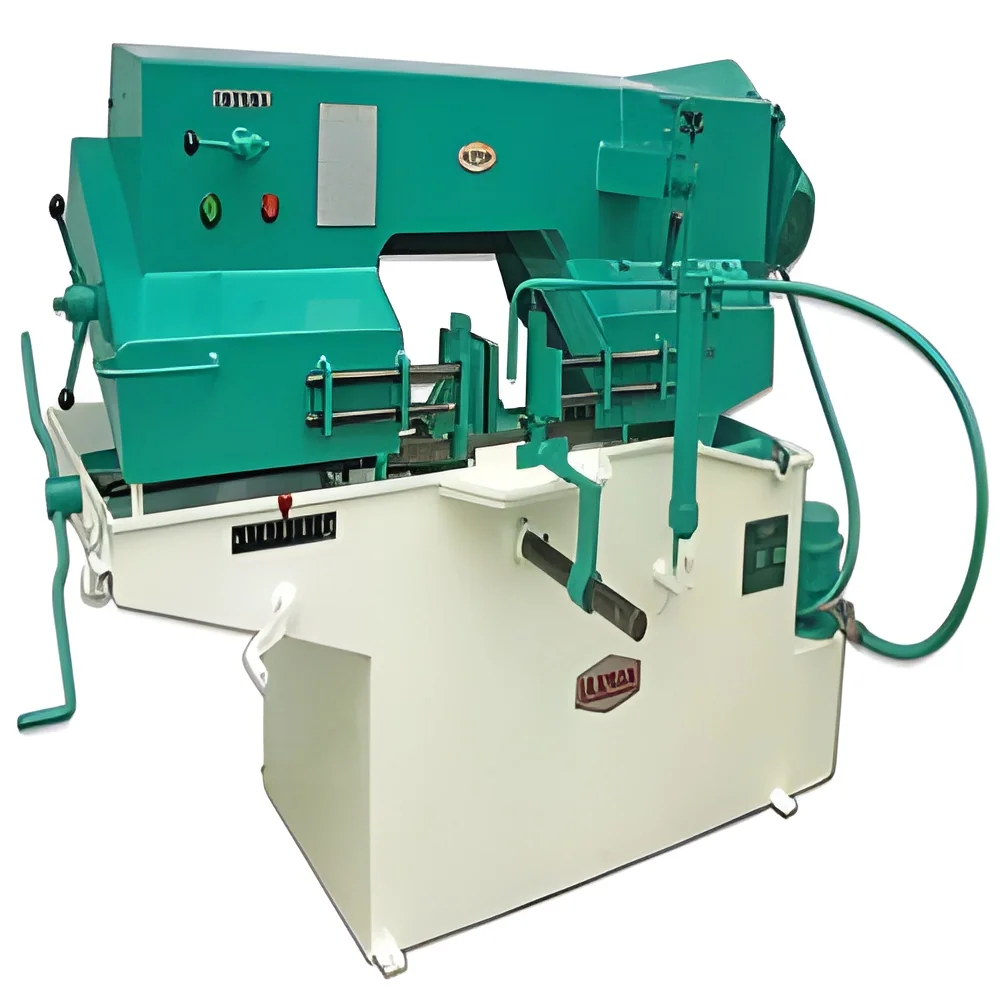
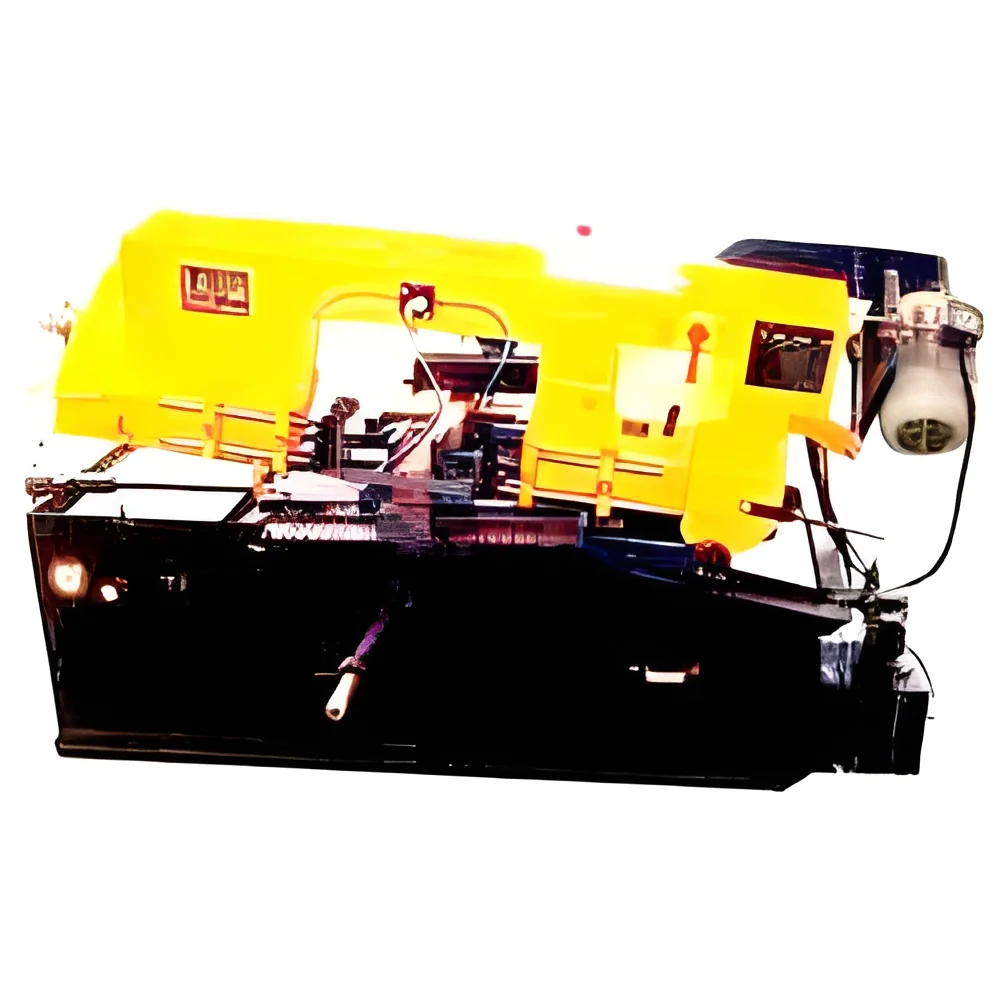
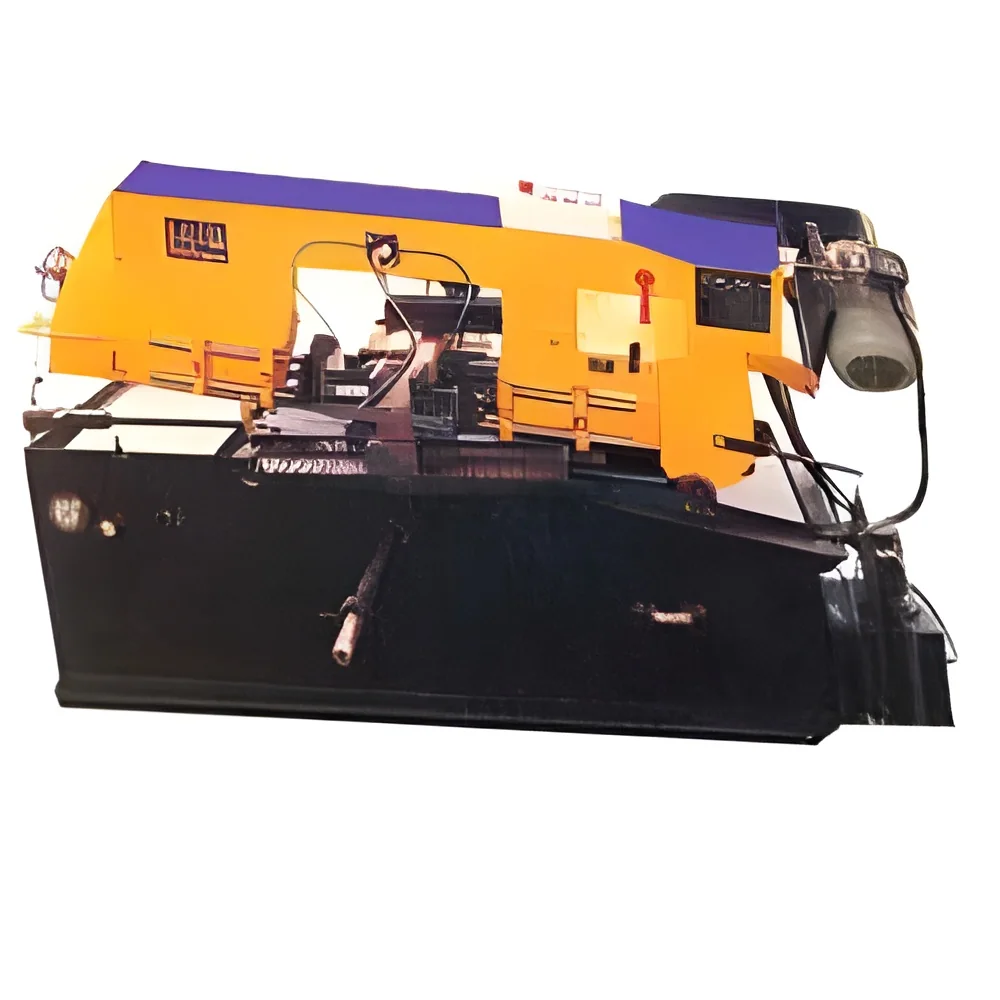
What are Bandsaw Cutting Machines?
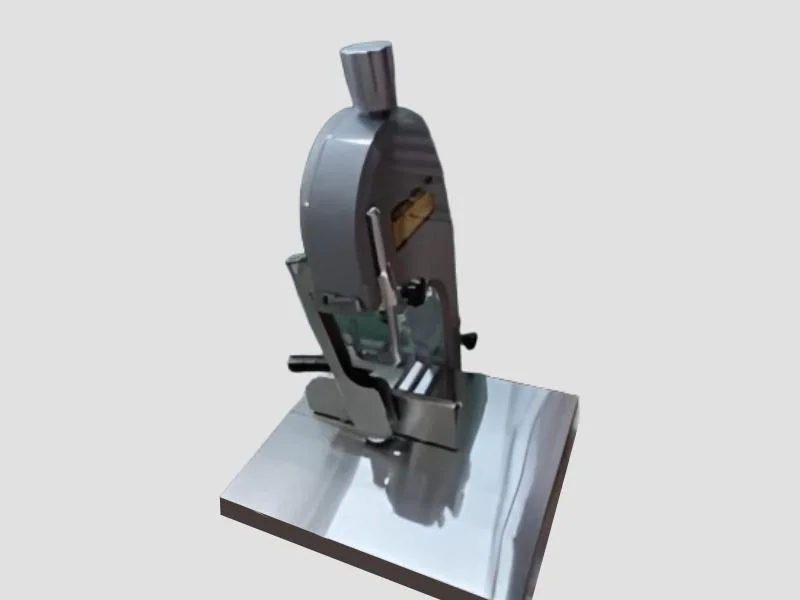
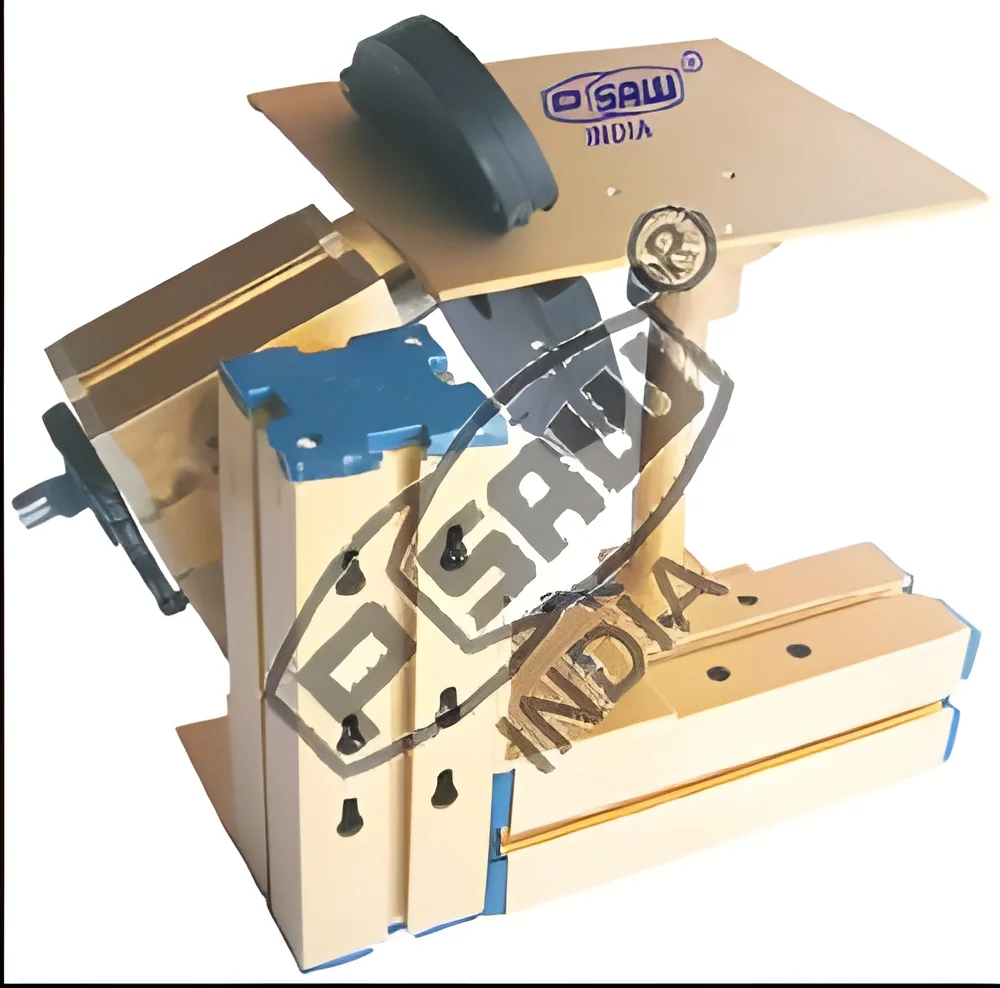
Bandsaw cutting machines are industrial tools designed to cut a variety of materials using a long, continuous band saw blade. The blade is stretched between two or more wheels and is driven by a motor. This allows for smooth, precise cuts through materials such as wood, metal, plastic, and composites. Bandsaws are known for their ability to make intricate cuts and handle large workpieces, making them essential in many manufacturing and fabrication processes.
These machines are primarily used in industries such as woodworking, metalworking, and construction. In woodworking, they are ideal for resawing lumber and creating curved cuts. In metalworking, bandsaws are utilized for cutting metal stock to size or shaping components for assembly. Their versatility extends to various applications, including custom fabrication and prototyping, which are critical for modern manufacturing operations.
The relevance of bandsaw cutting machines in the industrial landscape cannot be overstated. As industries continue to evolve with new materials and technologies, the demand for precise and efficient cutting solutions grows. Bandsaws are increasingly favored for their efficiency and ability to reduce material waste, making them a valuable asset in competitive markets.
Key Features and Specifications
Bandsaw cutting machines come with a range of features designed to improve performance and efficiency. Understanding these specifications is crucial for selecting the right machine for specific applications.
Key specifications include:
1. Blade Width
- Ranges from 1/8 inch to 1 inch
- Determines the type of cuts that can be made and the material thickness suitable for cutting
2. Cutting Capacity
- Varies based on machine size, typically from 6 inches to over 24 inches
- Refers to the maximum width and height of materials that can be cut
3. Motor Power
- Commonly ranges from 1 HP to 5 HP
- Affects the machine's ability to cut through denser materials
4. Blade Speed
- Adjustable speeds from 100 to 3000 feet per minute
- Allows for customization based on material type and thickness
5. Table Size
- Sizes typically range from 20 inches by 20 inches to 30 inches by 30 inches
- Larger tables provide more support for larger pieces
6. Weight
- Machines can weigh anywhere from 100 pounds to over 1000 pounds
- Heavier machines typically provide more stability during operation
7. Safety Features
- Often include blade guards, emergency stop buttons, and automatic shut-off
- Enhance operator safety and reduce the risk of accidents
8. Dust Collection
- Integrated systems or ports for external dust collection systems
- Help maintain a clean working environment and improve visibility
These specifications are essential for ensuring that businesses choose a bandsaw cutting machine that meets their operational needs.
Common Applications and Use Cases
Bandsaw cutting machines serve a diverse range of industries, each with specific applications that highlight the machine's versatility.
1. Woodworking: Bandsaws are extensively used in woodworking for resawing lumber, cutting curves, and making intricate designs. They are ideal for both small-scale woodworking shops and large manufacturing facilities.
2. Metalworking: In the metal fabrication industry, bandsaws are employed to cut metal sheets and profiles to precise dimensions. They are essential for creating components used in machinery and structural applications.
3. Construction: Bandsaws are used to cut various materials on construction sites, including wood, plastic, and lightweight metals. Their portability and efficiency make them valuable tools for contractors.
4. Aerospace: In the aerospace industry, bandsaws are utilized to cut advanced composite materials and metals, ensuring precision in parts manufacturing for aircraft components.
5. Automotive: Bandsaws play a crucial role in the automotive sector for cutting metal parts and components during the assembly process, contributing to the overall efficiency of manufacturing.
6. Furniture Manufacturing: In furniture production, bandsaws are used to create complex shapes and designs, allowing manufacturers to produce unique and customized pieces.
7. Prototyping: Bandsaws are favored in prototyping for their ability to quickly and accurately cut materials, enabling designers to create functional models and test designs.
Product Variants and Subcategories
Bandsaw cutting machines come in various types, each designed to meet specific cutting needs.
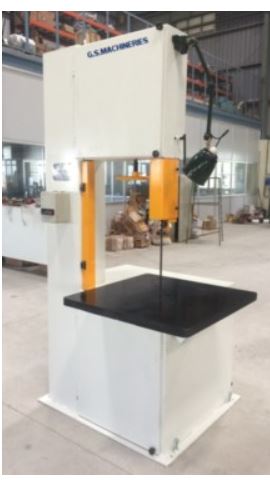
Vertical Bandsaw
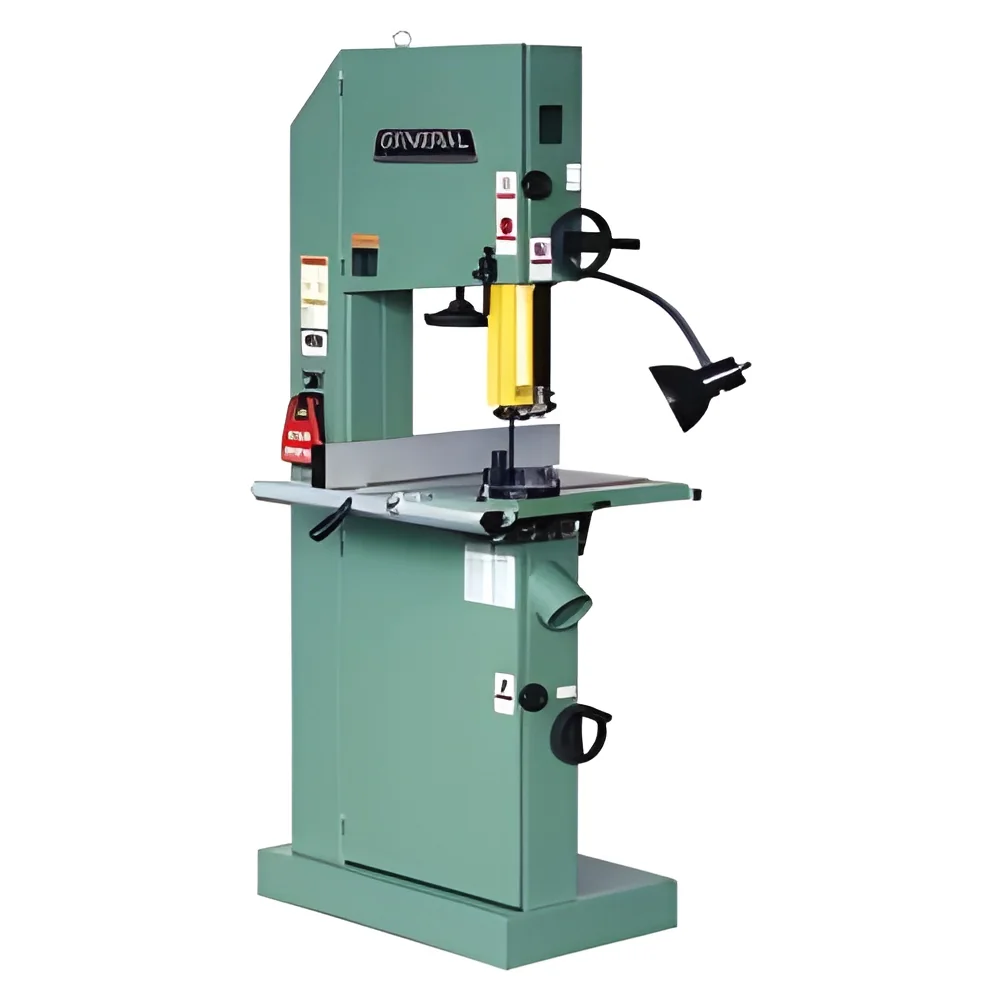
Vertical bandsaws are designed for straight cuts and intricate curves. They are ideal for tall and narrow materials, making them suitable for both woodworking and metalworking applications.
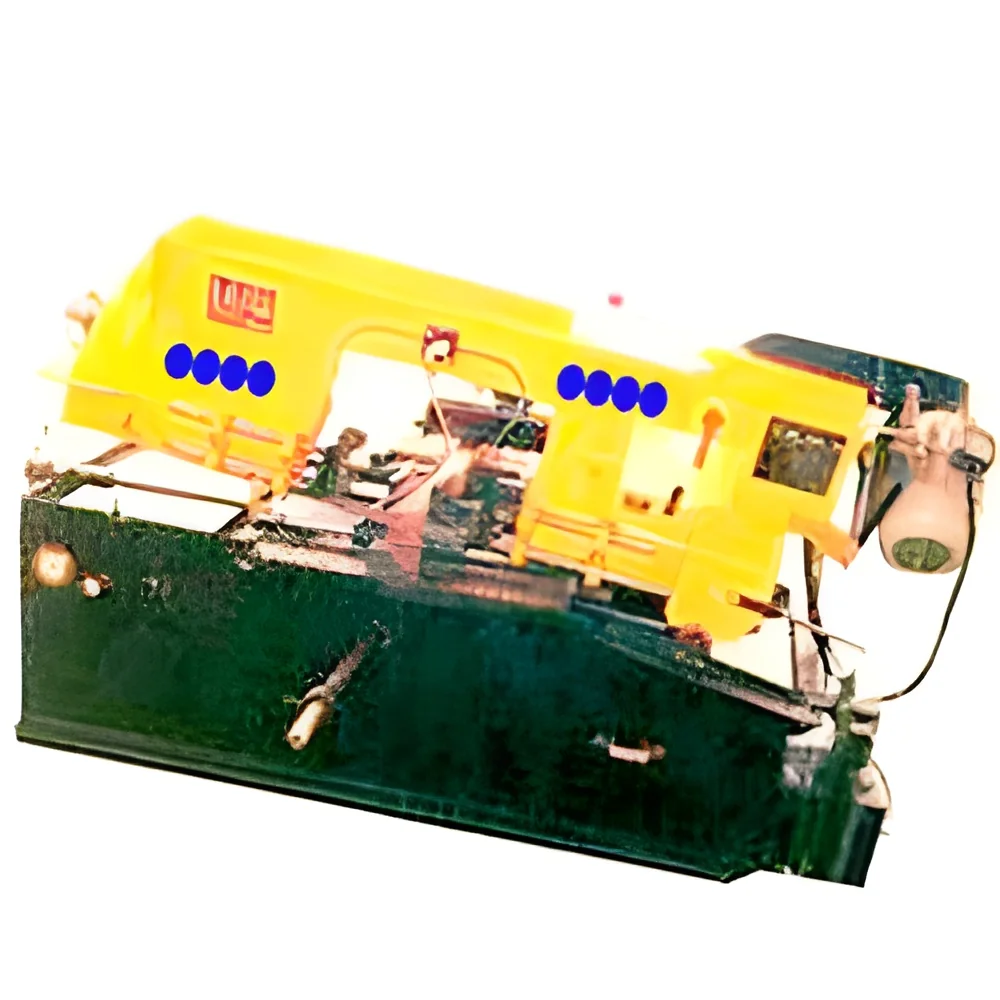
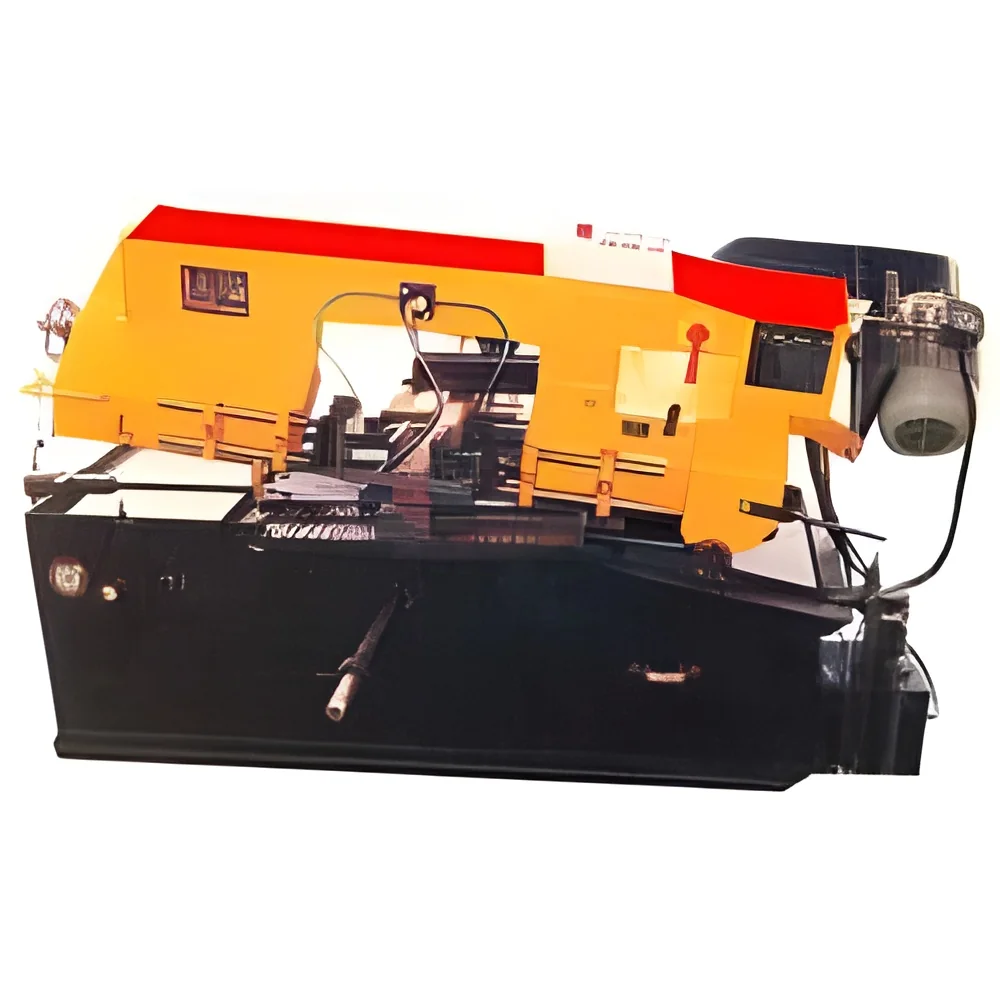
Horizontal Bandsaw
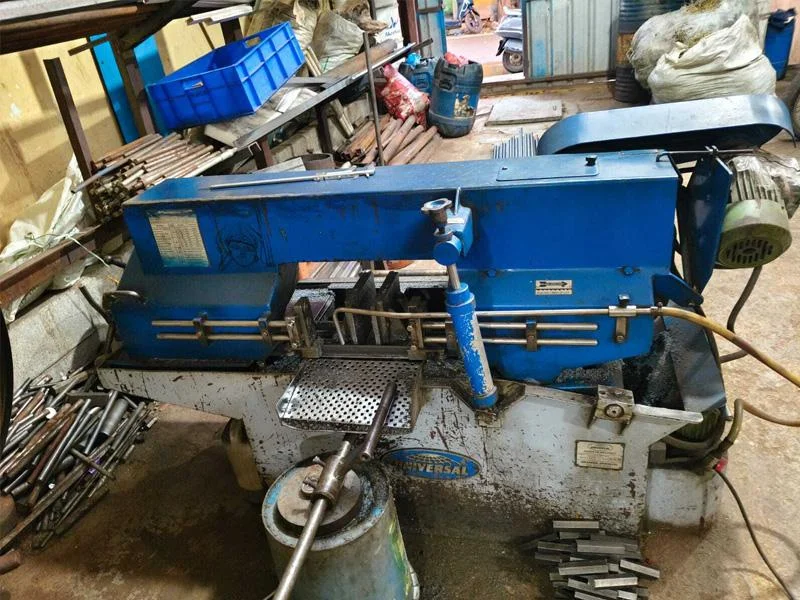
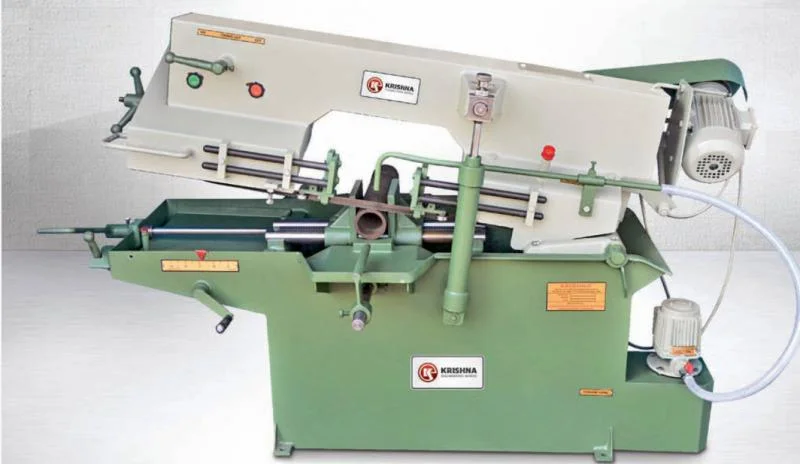
Horizontal bandsaws are used primarily for cutting large stock materials. They are efficient for production settings where straight cuts are needed, especially in metal fabrication and lumber processing.
Portable Bandsaw
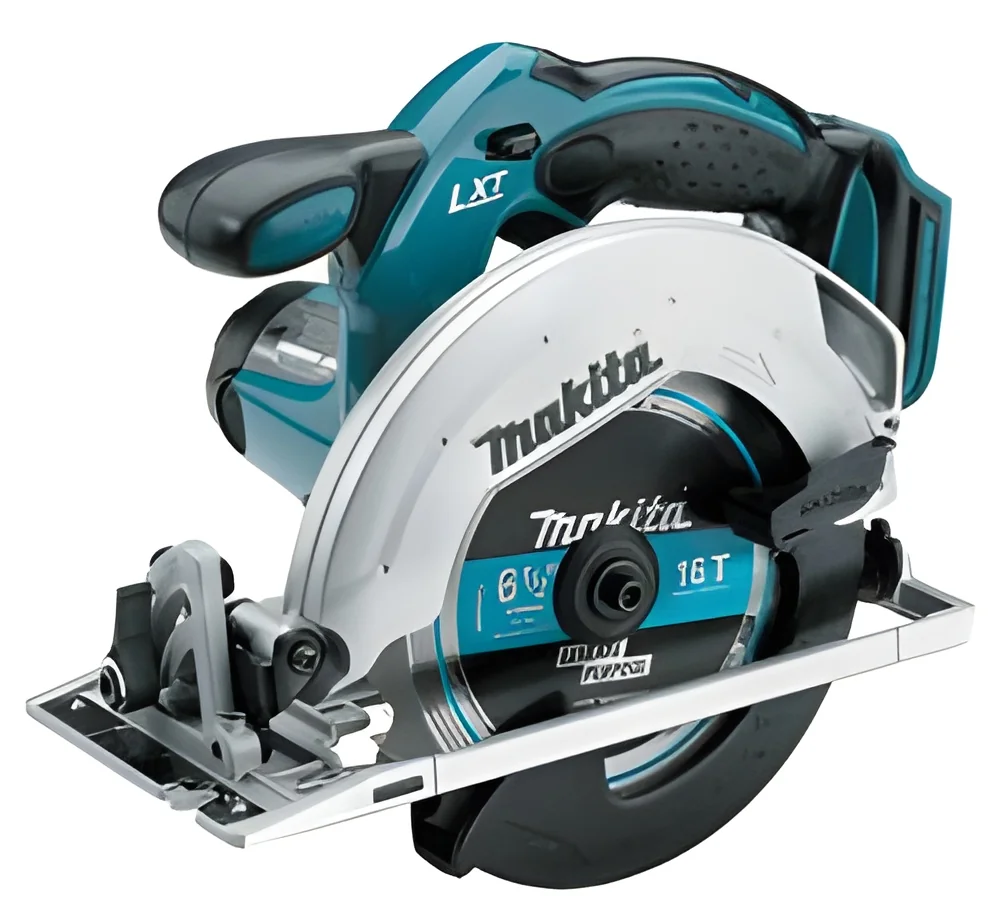
Portable bandsaws are lightweight and easy to transport. They are ideal for on-site cutting tasks in construction and maintenance, allowing for flexibility in various environments.
CNC Bandsaw
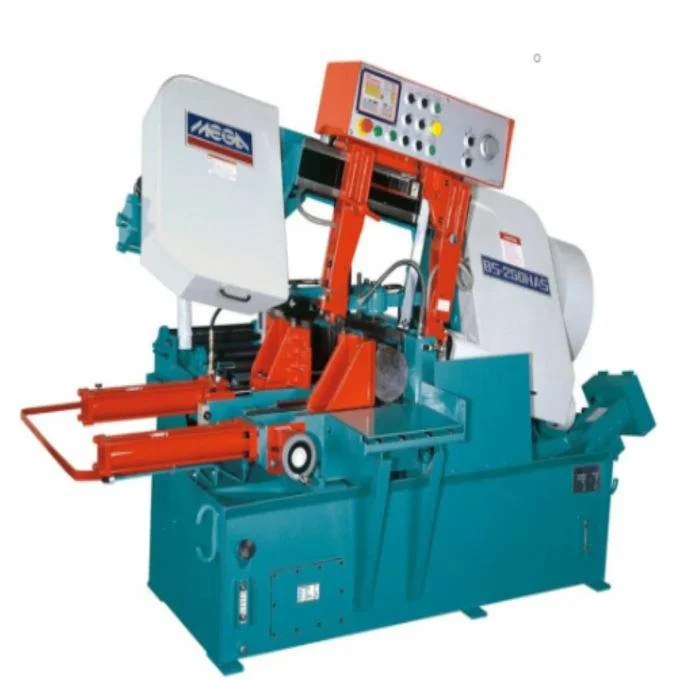
CNC bandsaws offer computerized controls for precise cutting. They are used in high-volume production settings where accuracy and repeatability are critical.
Benefits and Advantages
Investing in bandsaw cutting machines offers numerous benefits for businesses looking to improve their cutting processes.
1. Precision Cutting: Bandsaw cutting machines provide high accuracy, allowing for intricate designs and tight tolerances in various materials.
2. Versatility: These machines can cut through a multitude of materials, making them suitable for diverse industries and applications.
3. Reduced Waste: Bandsaws are designed to make efficient cuts, minimizing material waste and maximizing yield.
4. Increased Productivity: With faster cutting speeds and the ability to handle larger workpieces, bandsaws enhance overall productivity in manufacturing processes.
5. Enhanced Safety Features: Modern bandsaws come equipped with advanced safety mechanisms, reducing the risk of accidents and ensuring operator safety.
6. Cost-Effective Operation: The longevity and durability of bandsaw cutting machines typically result in lower operational costs over time.
Buying Guide for B2B Buyers
When sourcing bandsaw cutting machines, businesses should consider several critical factors to ensure they make informed purchasing decisions.
1. Quality Assessment: It is essential to evaluate the quality of the bandsaw, including its construction materials and design. High-quality machines typically offer better performance and longevity.
2. Supplier Verification: Vetting suppliers is crucial for ensuring reliability and accountability. Look for manufacturers with a solid reputation and positive customer feedback.
3. Pricing and MOQ: Understanding the price range and minimum order quantities can help businesses budget effectively. Compare prices across suppliers while considering the value offered.
4. Delivery and Lead Times: Evaluate the logistics of delivery and lead times to ensure the machine arrives when needed. Consistent communication with suppliers can help manage expectations.
5. Compliance Requirements: Ensure that the bandsaw complies with relevant industry standards and safety regulations. This may include certifications such as CE, which indicates conformity with health and safety standards.
Compliance and Certifications
Compliance with industry standards and certifications is vital for bandsaw cutting machines. Common quality standards include ISO 9001, which focuses on quality management systems and continuous improvement. Adhering to such standards ensures that machines meet customer and regulatory requirements.
Industry certifications like CE indicate that a product meets European safety standards. This certification is essential for businesses looking to operate within Europe or export products internationally.
Additionally, bandsaws must meet specific safety and testing requirements to protect operators and ensure safe usage. This includes compliance with regional regulations, which may vary based on geographic locations and industry practices.
Why Source Bandsaw Cutting Machines from Pepagora?
Pepagora offers a reliable platform for sourcing bandsaw cutting machines, providing several key advantages for B2B buyers.
Verified Supplier Network: Pepagora connects buyers with a network of verified suppliers, ensuring that each vendor meets strict quality and reliability criteria. This reduces the risks associated with sourcing industrial equipment.
Streamlined RFQ Process: The platform facilitates a streamlined request for quotation (RFQ) process, allowing buyers to easily compare offers from multiple suppliers. This efficiency helps in making informed purchasing decisions.
Trade Assurance and Support: Pepagora provides trade assurance and support, protecting buyers from potential risks. This includes assistance with disputes and ensuring that transactions are secure.
Regional Coverage: With a strong presence in regions such as India, the GCC, and Southeast Asia, Pepagora offers extensive geographic coverage. This allows businesses to source bandsaw cutting machines locally, reducing shipping times and costs.

 IN
IN