
 IN
Tile Cutting Machines
2 products available
What are Tile Cutting Machines?
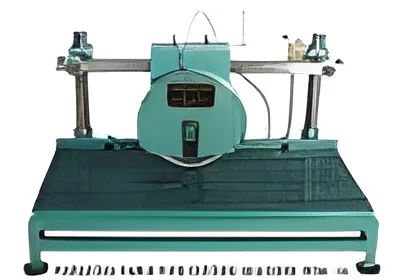
Tile cutting machines are specialized tools designed to cut various types of tiles with precision and efficiency. These machines utilize different cutting methods, including manual, electric, and water-cooled systems, to achieve clean cuts on ceramic, porcelain, and stone tiles. They are essential for tile installation projects in commercial and residential settings, providing a reliable solution for achieving the desired dimensions and shapes of tiles.
The primary uses of tile cutting machines extend across various applications, including flooring, wall installations, and decorative designs. Contractors, builders, and DIY enthusiasts primarily use these machines to ensure accurate tile sizes and to reduce waste during installation. In the current market, the demand for tile cutting machines has grown due to the increasing popularity of tiles in construction and renovation projects, making them a vital tool in the industry.
As the construction and renovation sectors expand, the relevance of tile cutting machines continues to rise. Market trends indicate a growing preference for durable and aesthetically pleasing flooring options, which tiles provide. Additionally, advancements in technology have led to the development of more efficient and user-friendly machines, further driving their adoption across various industries.
Key Features and Specifications
Tile cutting machines come with a range of features that enhance their usability and efficiency. Understanding these specifications is crucial for selecting the right machine for your needs.
Key specifications include:
1. Cutting Method
- Common methods include manual, electric, and wet cutting.
- Each method offers different benefits depending on the type of tile and project requirements.
2. Maximum Cutting Size
- This refers to the largest tile size the machine can accommodate.
- Typically ranges from 600mm to 1200mm.
3. Motor Power
- Indicates the strength of the machine's motor.
- Usually varies from 600 watts to 2000 watts.
4. Weight
- Affects portability and stability during operation.
- Machines can weigh between 10 kg to 50 kg.
5. Blade Type
- Different blades are suited for various materials.
- Common types include diamond blades and carbide blades.
6. Water Cooling System
- Helps in reducing dust and heat during cutting.
- Essential for wet cutting machines to improve performance.
7. Safety Features
- Important for user protection during operation.
- May include blade guards and emergency stop buttons.
8. Warranty and Support
- Length and terms of warranty provided by manufacturers.
- A good indicator of quality and reliability.
In summary, understanding the key features and specifications of tile cutting machines can help buyers make informed decisions based on their specific project requirements.
Common Applications and Use Cases
Tile cutting machines are versatile tools utilized across various industries.
1. Construction: In the construction industry, these machines are used for installing tiles in residential and commercial buildings, ensuring precise cuts for a perfect fit.
2. Renovation: Contractors rely on tile cutting machines when renovating spaces, allowing them to customize tile layouts and fit new tiles into existing areas seamlessly.
3. Interior Design: Designers often use tile cutting machines for creating unique tile patterns and designs, adding aesthetic value to spaces.
4. Retail: In tile retail, these machines are used for cutting display tiles, enabling potential customers to see exactly how tiles will fit in their projects.
5. Landscaping: Tile cutting machines help landscapers cut outdoor tiles or stones for patios and walkways, enhancing outdoor aesthetics.
6. DIY Projects: Homeowners engaged in DIY renovations can use tile cutting machines to achieve professional results in home improvement projects.
7. Industrial Applications: In manufacturing facilities, tile cutting machines can be used for bulk production of tiles, ensuring consistency and quality.
Product Variants and Subcategories
Tile cutting machines come in a variety of configurations to meet different needs.
Manual Tile Cutting Machines
These machines are operated by hand and are typically lightweight and portable. They are suitable for small projects and provide cost-effective solutions for DIY enthusiasts.
Electric Tile Cutting Machines
These machines are powered by electricity and are designed for higher efficiency and precision. They are ideal for larger projects and professional use, offering speed and accuracy.
Wet Tile Cutting Machines
These machines use water to cool the blade during cutting, minimizing dust and enhancing performance. They are particularly effective for cutting harder materials like porcelain and stone.
Benefits and Advantages
Tile cutting machines offer numerous benefits that make them indispensable in the tile installation process.
1. Precision Cutting: These machines provide accurate cuts, ensuring that tiles fit perfectly during installation.
2. Time Efficiency: Using a tile cutting machine speeds up the cutting process, allowing for quicker project completion.
3. Versatility: They can handle a wide range of tile materials, making them suitable for various applications.
4. Reduced Waste: Accurate cutting minimizes waste, saving costs and materials.
5. Safety Features: Many machines come equipped with safety features that protect users during operation.
6. User-Friendly: Many modern machines are designed to be easy to operate, even for those with limited experience.
Buying Guide for B2B Buyers
When sourcing tile cutting machines, there are several factors that B2B buyers should consider.
1. Quality Assessment: Look for machines that meet industry standards and have positive reviews regarding durability and performance. It is important to check for warranties and service agreements.
2. Supplier Verification: Ensure that suppliers are reputable and have a track record of providing reliable products. Request references and check for certifications.
3. Pricing and MOQ: Understand the price range for different machines and inquire about minimum order quantities. This helps in budgeting and planning purchases.
4. Delivery and Lead Times: Discuss logistics with suppliers to ensure timely delivery of machines. Consider lead times in project planning.
5. Compliance Requirements: Verify that machines comply with safety and quality standards applicable in your region. This may include certifications such as CE.
Compliance and Certifications
Tile cutting machines must adhere to various compliance standards to ensure safety and quality in operation.
Relevant quality standards include ISO 9001, which sets criteria for quality management systems, and certifications such as CE, indicating conformity with health, safety, and environmental protection standards within the European Economic Area.
Safety and testing requirements are critical for tile cutting machines, ensuring that they operate safely and effectively. Manufacturers should provide documentation of compliance with applicable safety regulations.
Additionally, regional compliance considerations must be taken into account, as different areas may have specific regulations regarding machinery operation. Understanding these requirements helps ensure that the machines are suitable for local use.
Why Source Tile Cutting Machines from Pepagora?
Pepagora provides a trusted platform for sourcing tile cutting machines, offering several key advantages to B2B buyers.
Verified Supplier Network: Pepagora connects buyers with a network of verified suppliers, ensuring that only reputable manufacturers are represented. This minimizes the risk of purchasing low-quality products.
Streamlined RFQ Process: The request for quotation process is streamlined, allowing buyers to easily compare prices and specifications from multiple suppliers. This saves time and helps in making informed purchasing decisions.
Trade Assurance and Support: Pepagora offers buyer protection through trade assurance, ensuring that buyers receive the products as promised. The platform provides support throughout the purchasing process, addressing any concerns that may arise.
Regional Coverage: With a strong presence in regions such as India, the GCC, and Southeast Asia, Pepagora is well-positioned to serve diverse markets. This geographic reach facilitates access to a wide range of tile cutting machines tailored to various industry needs.

Frequently Asked Questions
What are Tile Cutting Machines?
Tile Cutting Machines are specialized tools designed to cut various types of tiles such as ceramic, porcelain, and stone. These machines ensure precise cuts and are essential for tile installation in construction and renovation projects.
What are the different types of Tile Cutting Machines?
There are several types of Tile Cutting Machines, including manual tile cutters, electric tile cutters, and wet tile saws. Each type serves a specific purpose and offers varying degrees of precision and ease of use.
How do I choose the right Tile Cutting Machines?
To select the right Tile Cutting Machine, consider factors such as the type of tiles you will be cutting, the volume of work, and the level of precision required. Additionally, evaluate the machine's features, such as blade size and power source.
What are the standard specifications for Tile Cutting Machines?
Standard specifications for Tile Cutting Machines typically include motor power, cutting capacity, blade size, and weight. It's important to choose a machine that meets the demands of your specific tile cutting tasks.
What is the price range for Tile Cutting Machines?
The price range for Tile Cutting Machines varies widely based on type and features, typically falling between INR 5,000 to INR 50,000. For professional-grade machines, prices can exceed this range depending on specifications.
What quality standards apply to Tile Cutting Machines?
Tile Cutting Machines should adhere to quality standards such as ISO and CE certifications, ensuring safety and performance. Additionally, manufacturers may follow industry-specific standards to guarantee durability and reliability.
Where can I find Tile Cutting Machines suppliers in India?
You can find Tile Cutting Machines suppliers in India through online B2B marketplaces like Pepagora, trade shows, and industry-specific directories. Researching and comparing suppliers will help you make an informed decision.
Can Tile Cutting Machines be customized?
Yes, many manufacturers offer customization options for Tile Cutting Machines to meet specific requirements. This may include modifications to size, features, or additional attachments based on your needs.
What is the typical minimum order quantity for Tile Cutting Machines?
The typical minimum order quantity (MOQ) for Tile Cutting Machines can vary between suppliers, but it often ranges from 1 to 10 units. Always check with the supplier for their specific MOQ policies.
What is the typical lead time for Tile Cutting Machines?
The typical lead time for Tile Cutting Machines can range from 1 to 4 weeks, depending on the supplier and the order size. Factors such as customization and shipping logistics may also affect delivery times.
Why Businesses Trust Pepagora
Thousands of companies trust Pepagora to source smarter and sell faster
Expand Your Sales Globally

Source Smarter,Grow Faster
