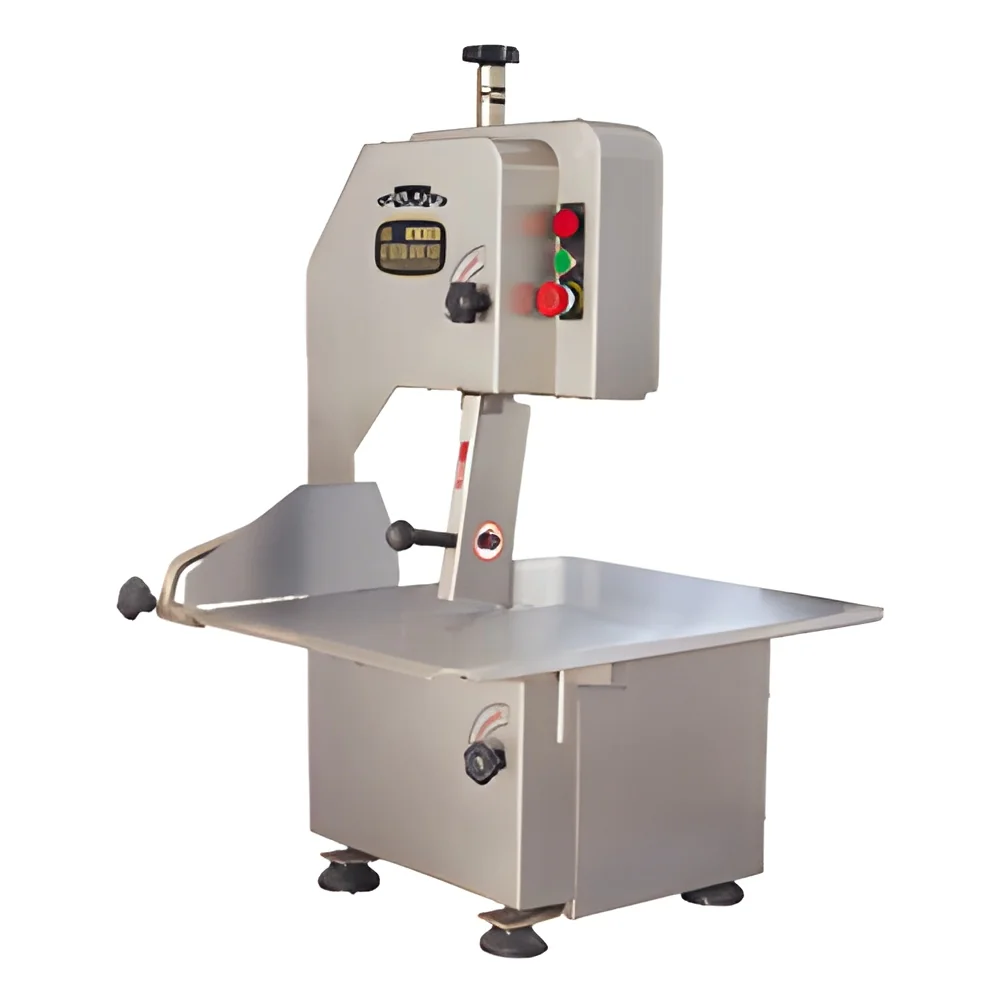
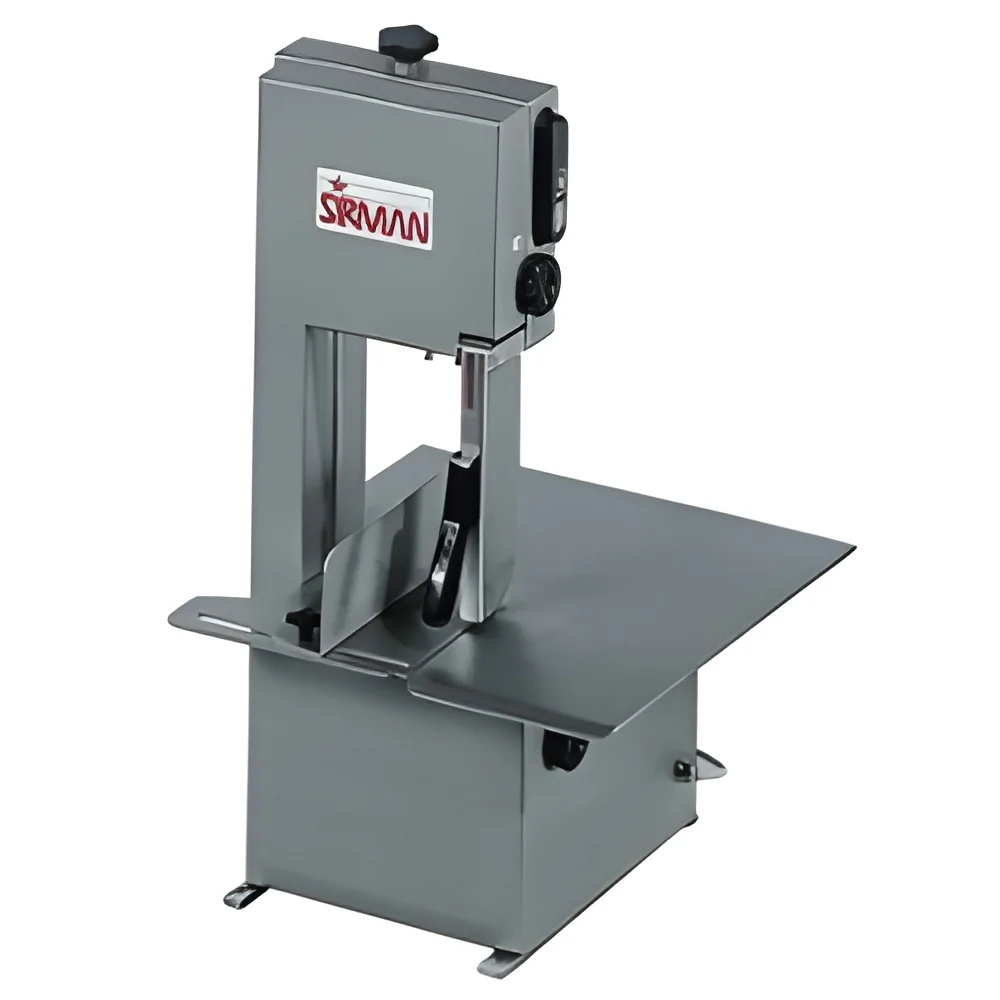
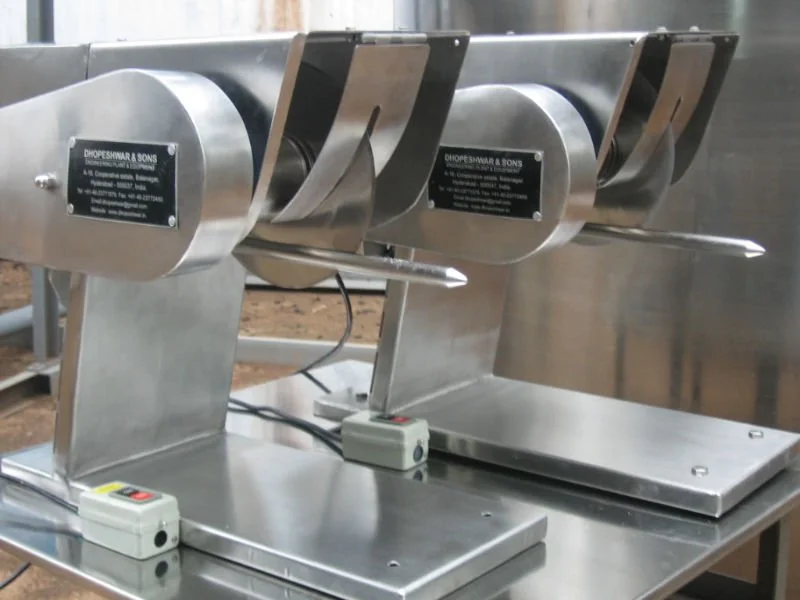
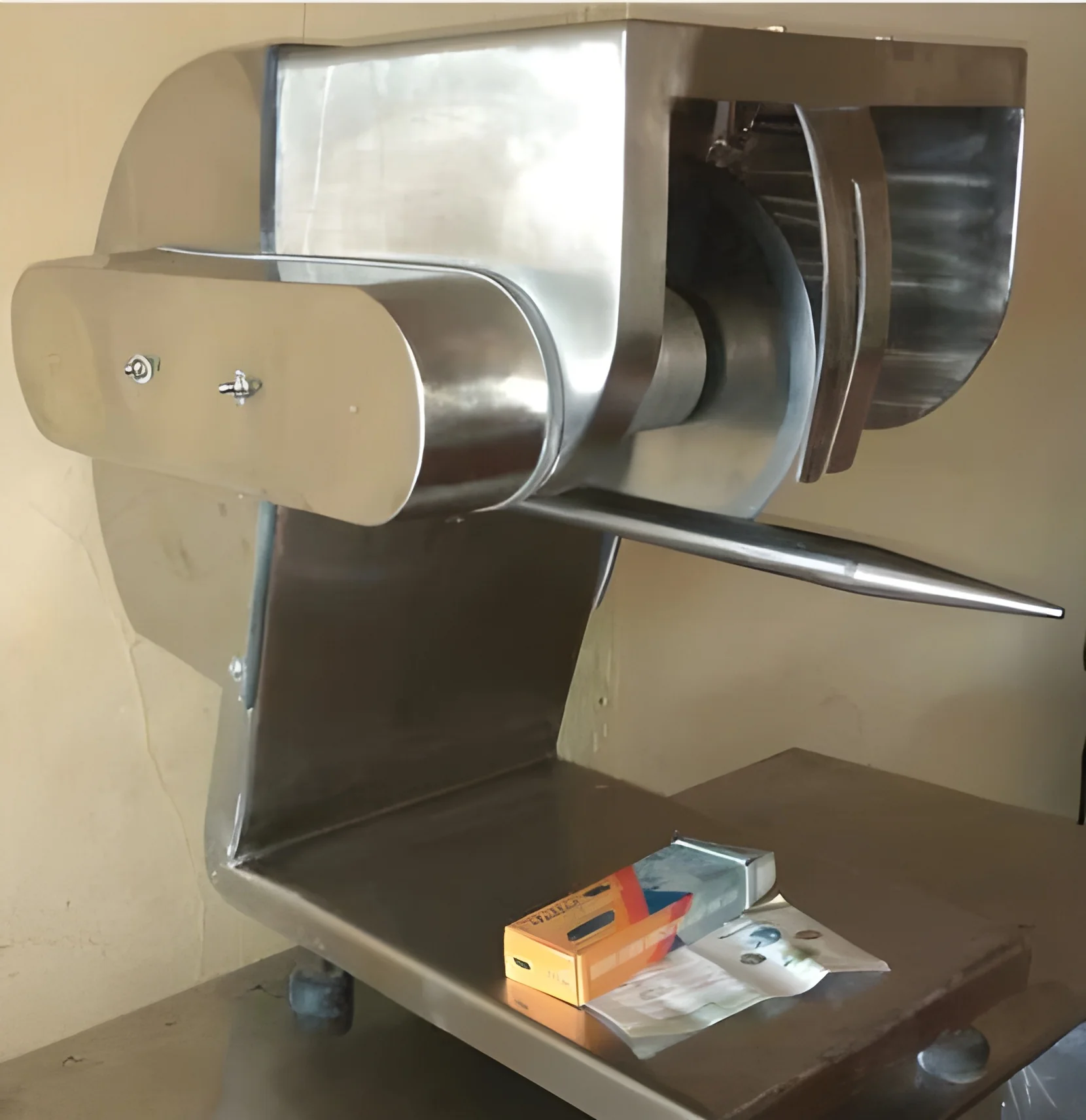
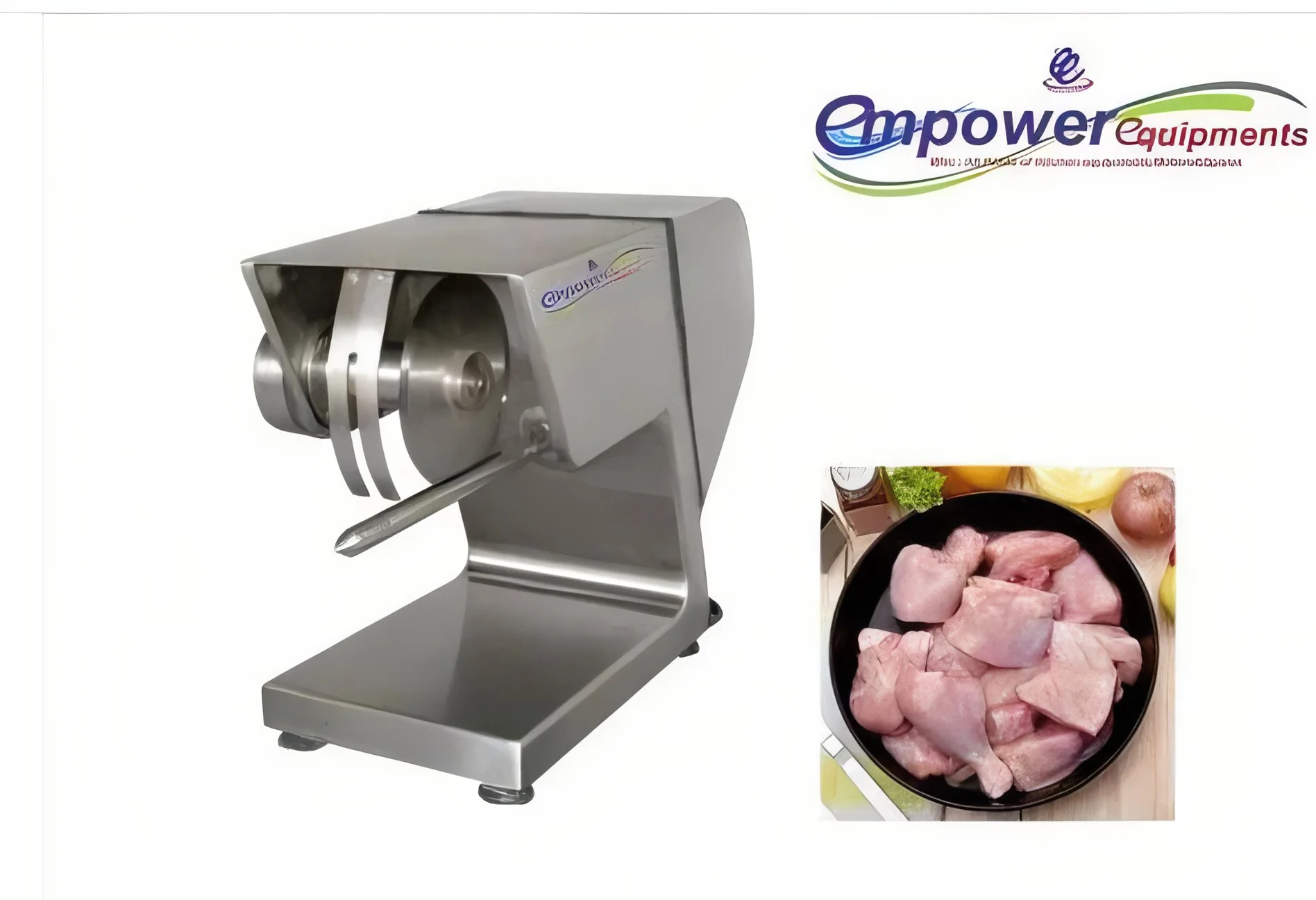
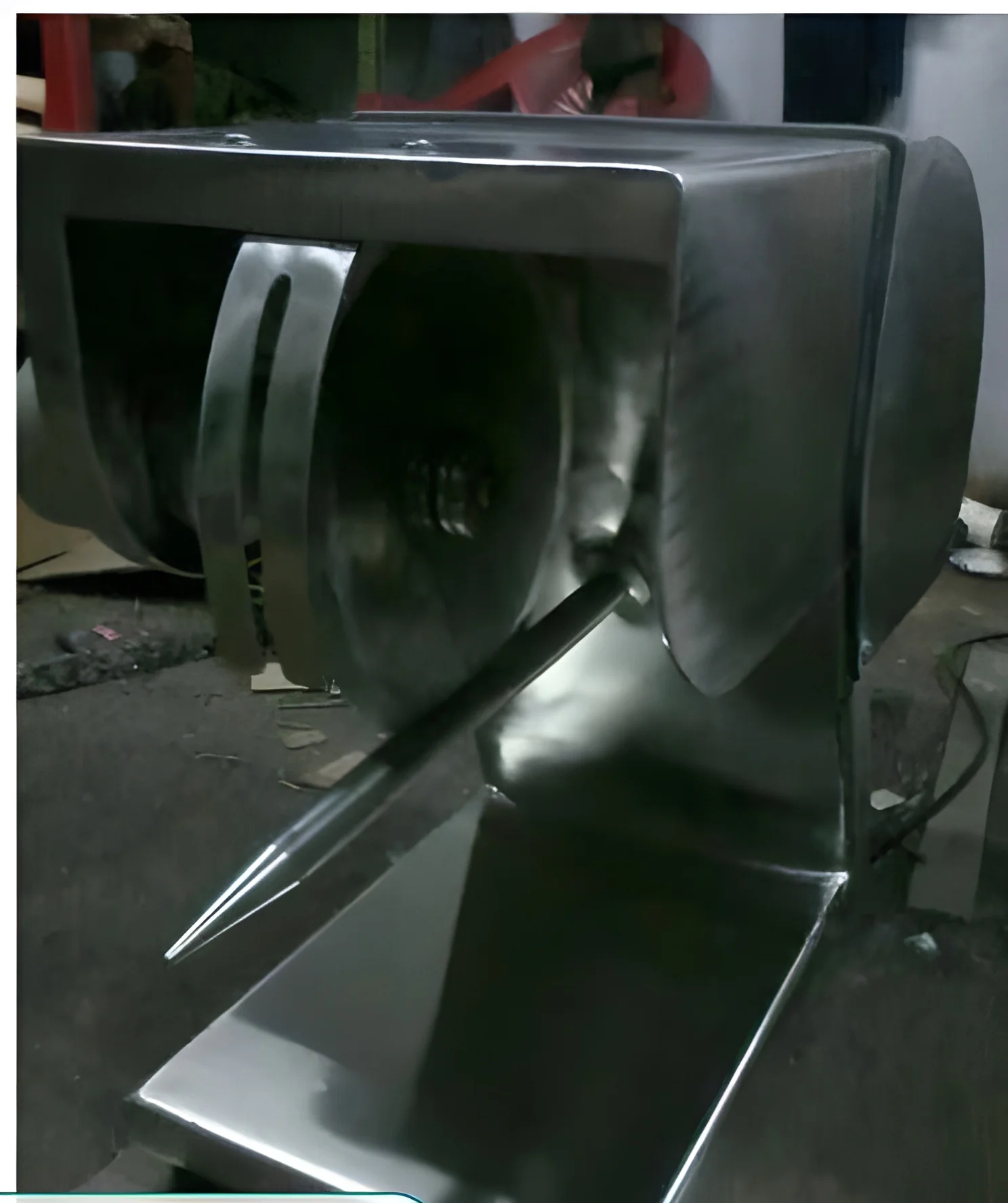
What are Meat & Bone Cutting Machines?
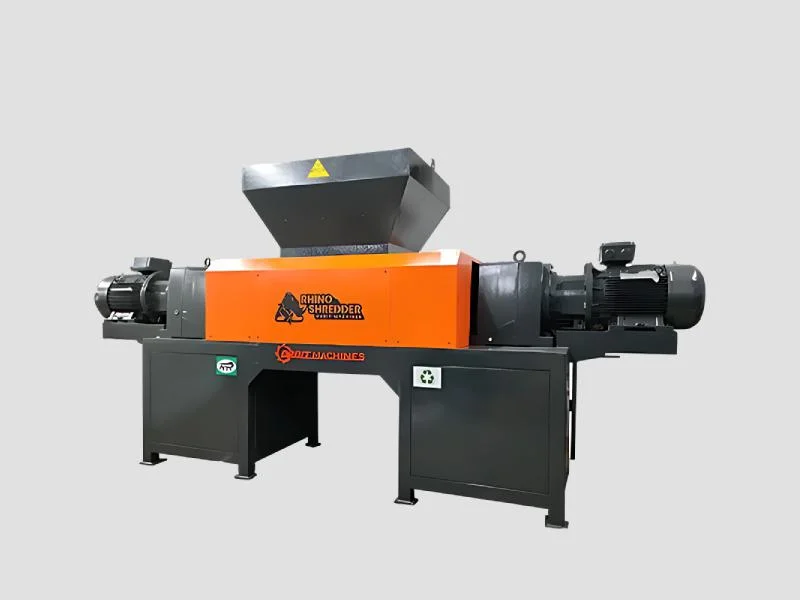
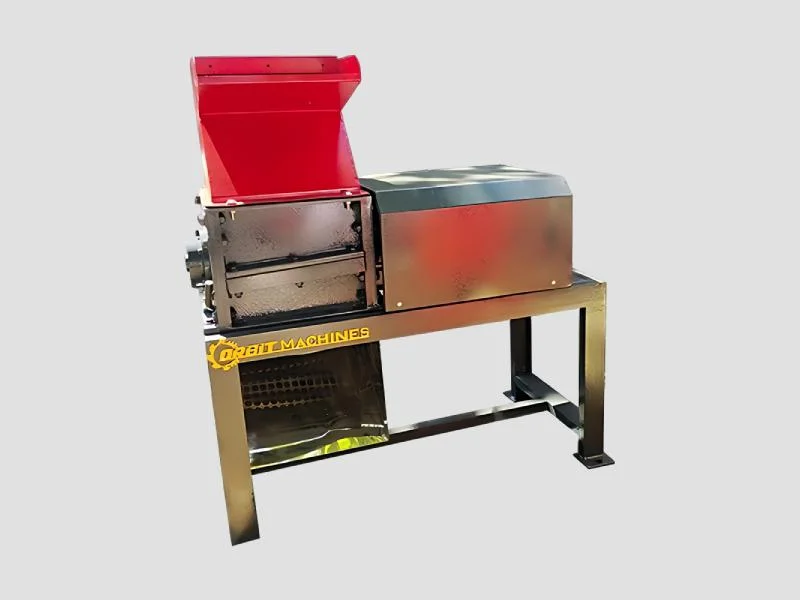
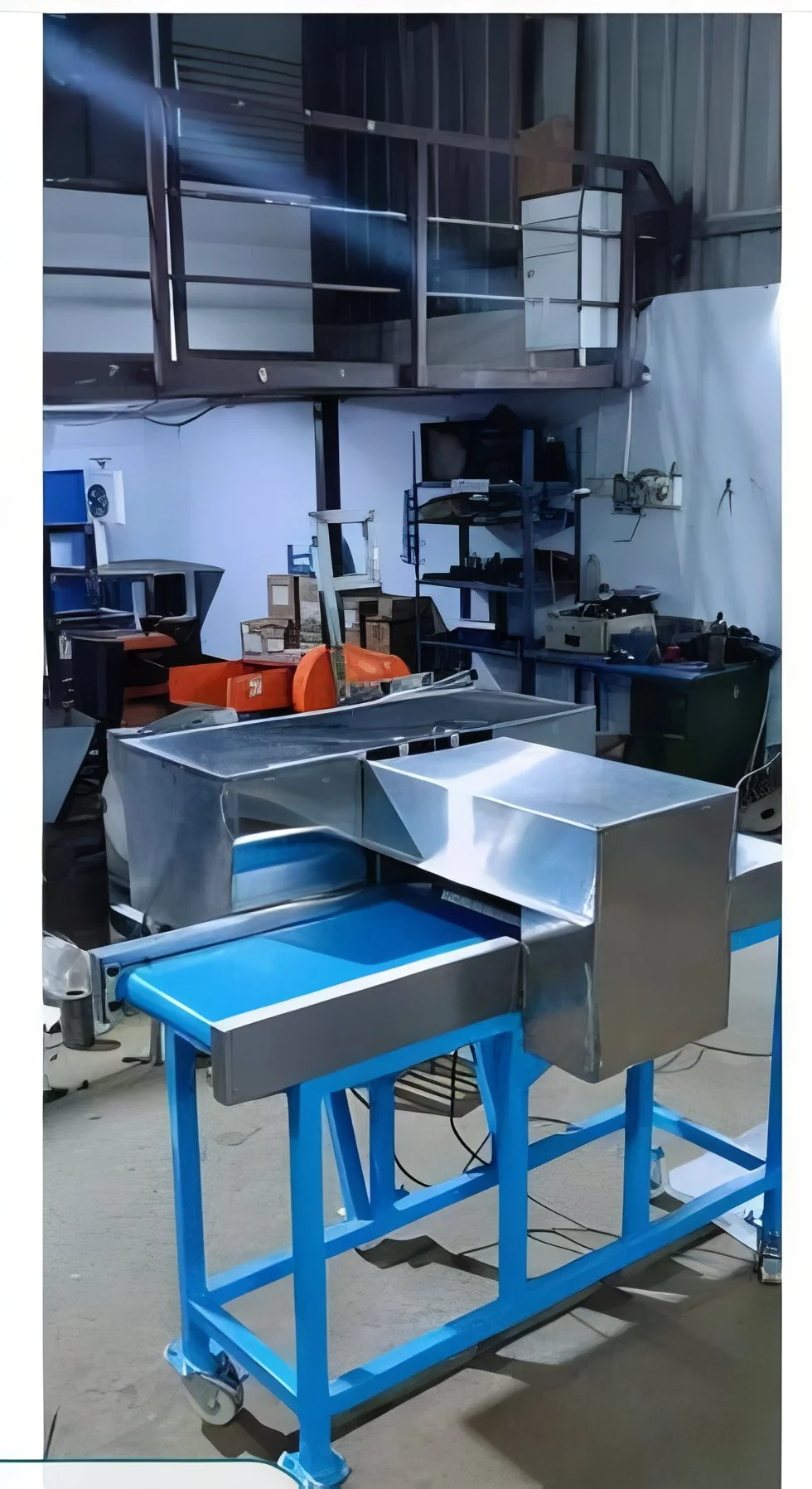
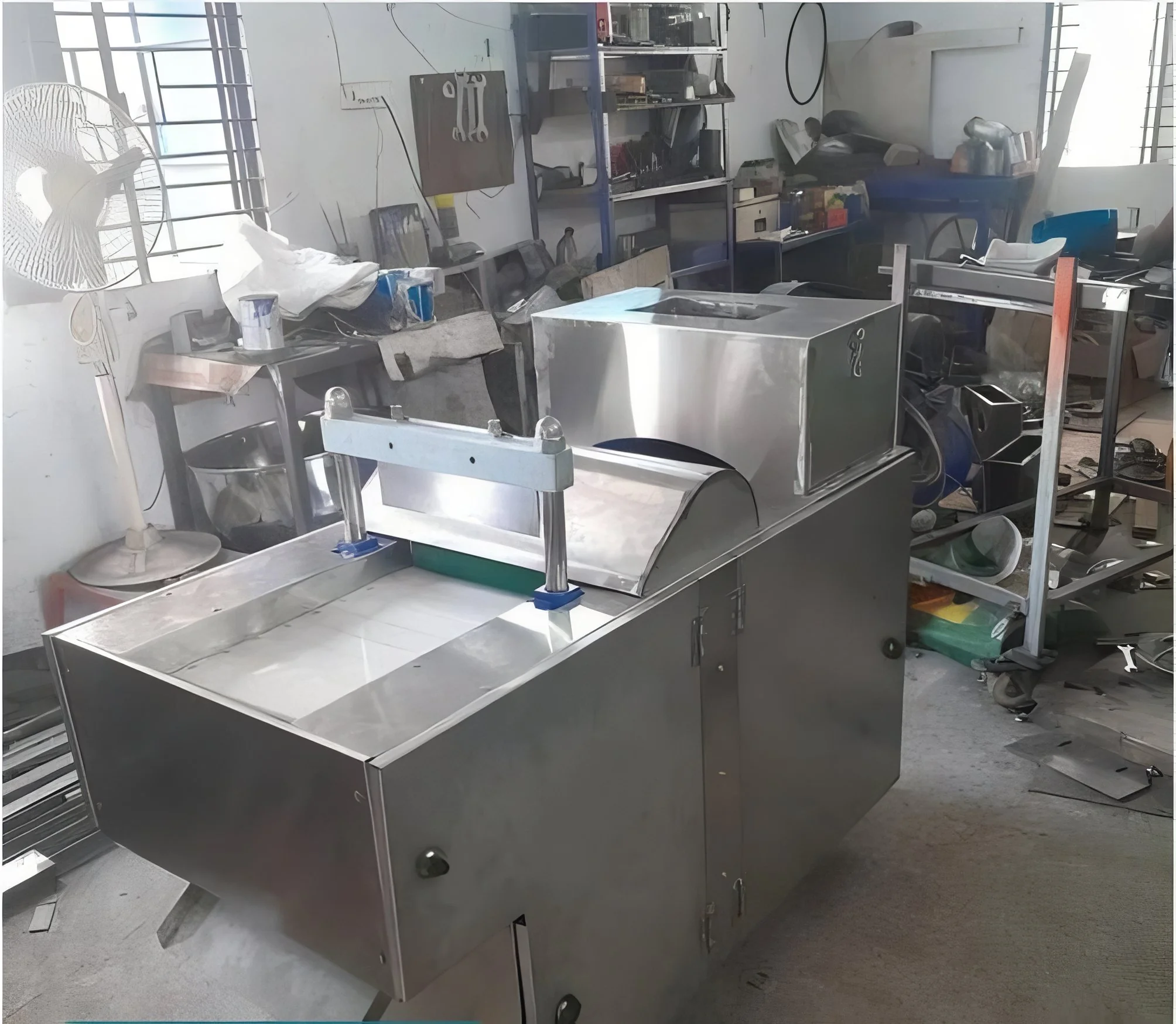
Meat and bone cutting machines are specialized equipment designed for cutting and processing various types of meat and bones in commercial settings. These machines are essential for meat processing plants, butcher shops, and food service operations that require efficient and precise cutting of large quantities of meat. They are engineered to handle the rigorous demands of the food industry, ensuring safety, speed, and consistency in product output.
The primary uses of meat and bone cutting machines include slicing, dicing, and grinding meat, as well as separating bones from meat products. These machines are invaluable in various business applications, such as in the preparation of meat for retail sale, food production for restaurants, and large-scale catering operations. Their efficiency helps businesses maintain productivity while adhering to food safety regulations, making them a critical component of the meat processing industry.
In the current market context, the demand for meat and bone cutting machines is closely tied to the growth of the food processing sector. With the rise in meat consumption and an increasing focus on food safety, these machines play an essential role in enhancing operational efficiency and meeting consumer demand. As businesses look to optimize their processes, investing in high-quality meat and bone cutting machines becomes a strategic decision.
Key Features and Specifications
Meat and bone cutting machines offer a range of features designed to enhance their functionality and usability in commercial environments. Key specifications often highlight the performance and efficiency of the equipment.
Key specifications include:
1. Capacity
- Machines come with different capacities to handle various volumes of meat and bone.
- Typical ranges include machines that can process from 500 kg to 2000 kg per hour.
2. Blade Material
- High-grade stainless steel blades ensure durability and sharpness.
- They are often designed to withstand frequent use without losing cutting efficiency.
3. Safety Features
- Integrated safety mechanisms prevent accidental injuries.
- Emergency stop buttons and protective covers are standard.
4. Power Supply
- Machines are typically powered by electric motors for consistent performance.
- Power ratings may vary, with options from 2 kW to 10 kW depending on the model.
5. Dimensions
- Space requirements vary based on machine size.
- Standard models range from compact units suitable for smaller operations to larger machines for industrial use.
6. Weight
- The weight of machines can affect mobility and stability.
- Units may weigh anywhere from 100 kg to over 500 kg.
7. Maintenance Requirements
- Some machines are designed for easy disassembly for cleaning and maintenance.
- Regular maintenance schedules are recommended to ensure long-term performance.
8. Compliance Standards
- Machines often comply with international food safety standards.
- Certifications such as CE indicate adherence to quality and safety regulations.
These features make meat and bone cutting machines suitable for a variety of processing needs while ensuring compliance with industry standards.
Common Applications and Use Cases
Meat and bone cutting machines find application across diverse industries, each with specific requirements.
1. Meat Processing Industry: These machines are essential for cutting and packaging meat products, ensuring efficiency in large-scale operations.
2. Food Service Industry: Restaurants and catering services utilize these machines for preparing meat dishes quickly while maintaining quality and safety.
3. Retail Butcher Shops: Smaller operations rely on meat and bone cutting machines to provide fresh cuts for customers, enhancing service and product quality.
4. Poultry Processing: Similar machines are adapted for poultry, allowing for efficient processing of chicken and turkey products.
5. Fish Processing: Certain variants of these machines can also handle fish, facilitating the preparation of seafood products.
6. Pet Food Production: Manufacturers utilize cutting machines to process meat and bone for pet food, ensuring a consistent supply of quality ingredients.
7. Cold Storage Facilities: These machines are often used in facilities that require meat processing before freezing or further storage.
Product Variants and Subcategories
Meat and bone cutting machines come in various models and configurations to suit different processing needs.
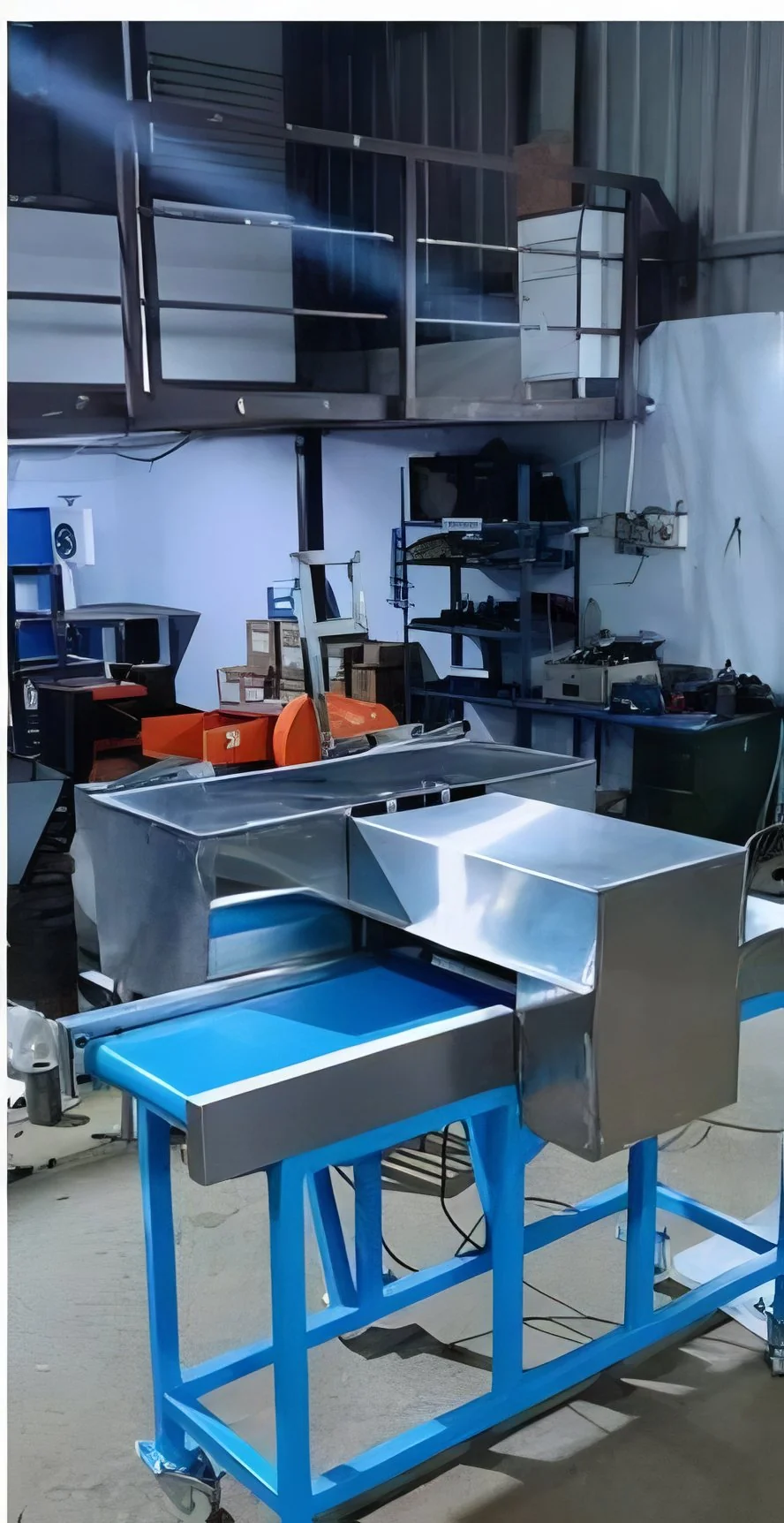
Automatic Meat Cutting Machine
This variant is designed for high-volume operations, offering automated cutting processes for consistent product sizes. It reduces labor costs and increases processing speed.
Manual Meat Cutting Machine
Ideal for smaller butcher shops, this variant allows operators to have more control over the cutting process, providing flexibility in handling different meat types.
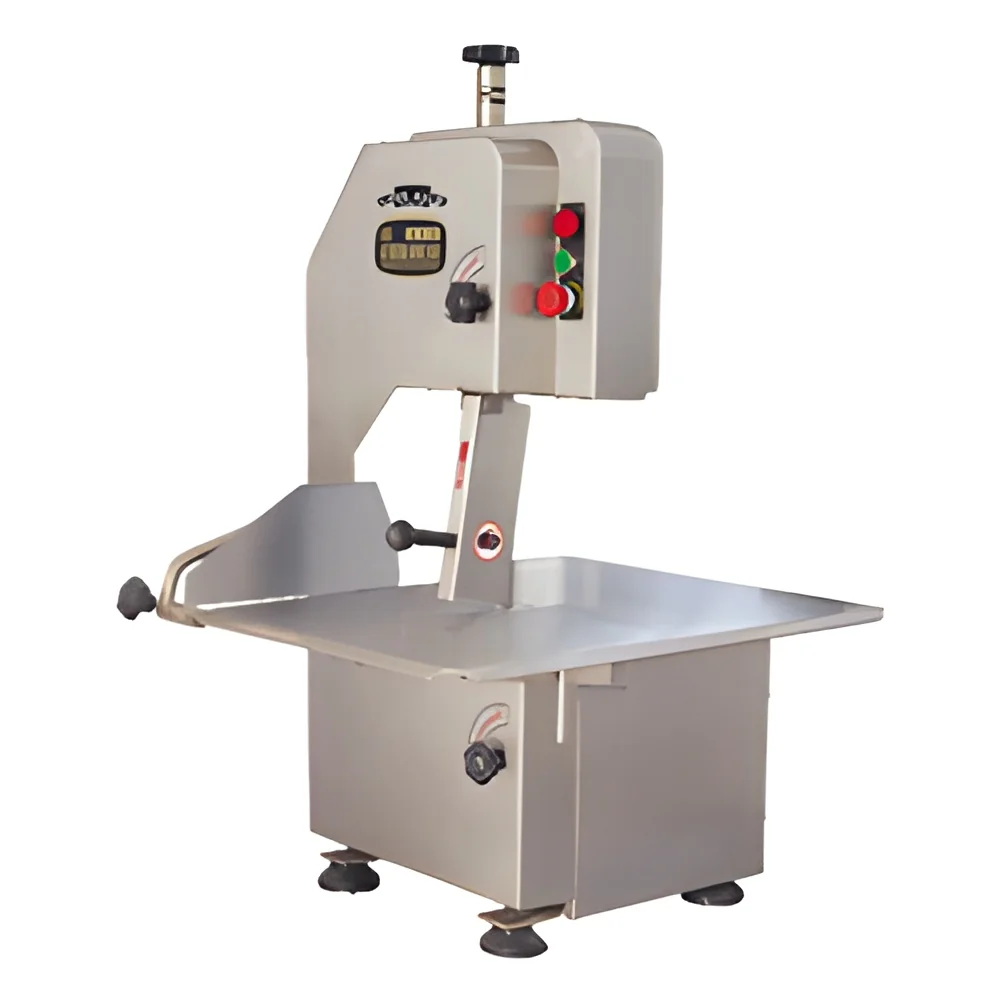
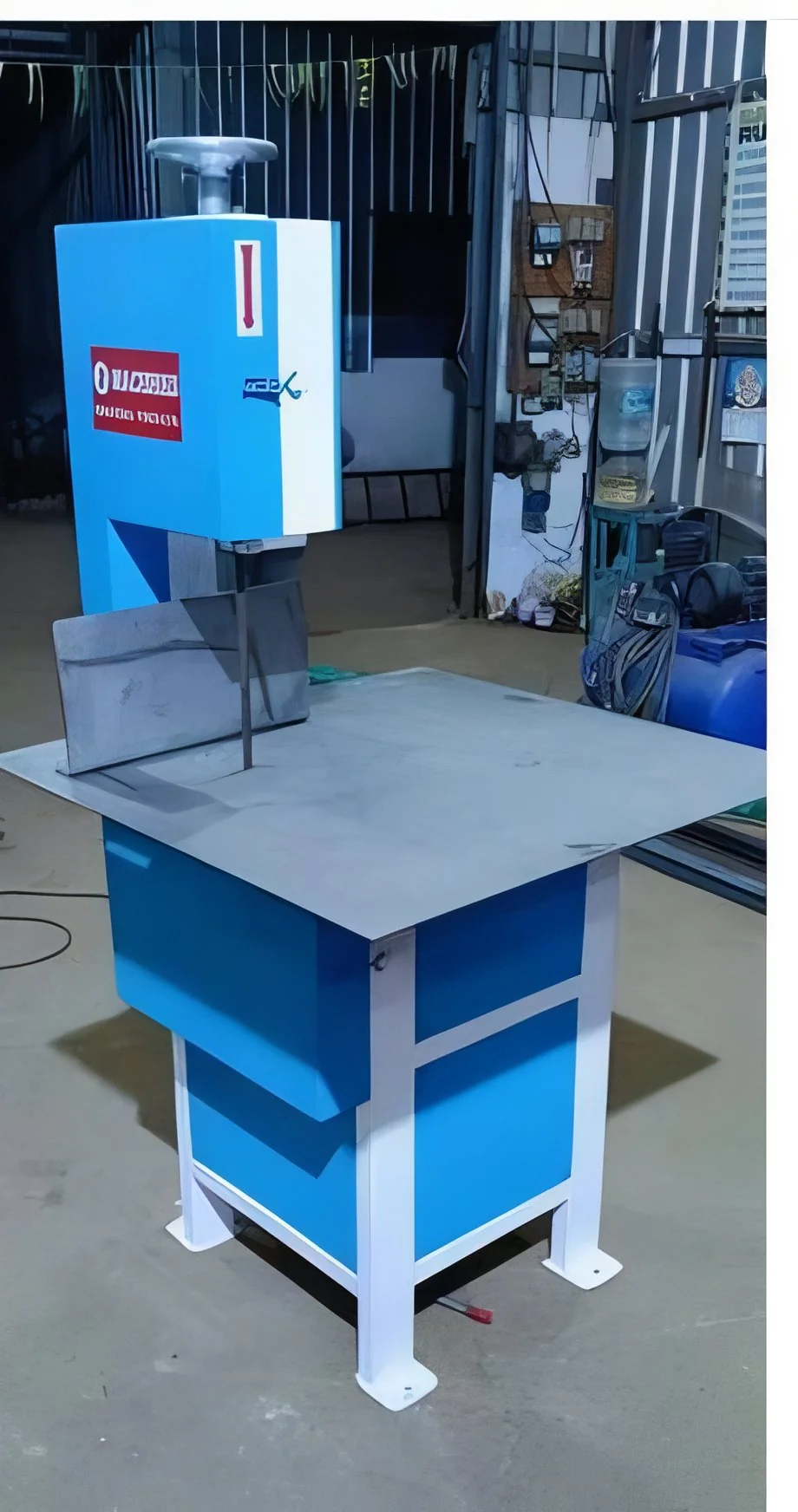
Industrial Meat Bone Saw
This heavy-duty machine is designed specifically for cutting through bones, making it suitable for meat processing plants that require robust performance.
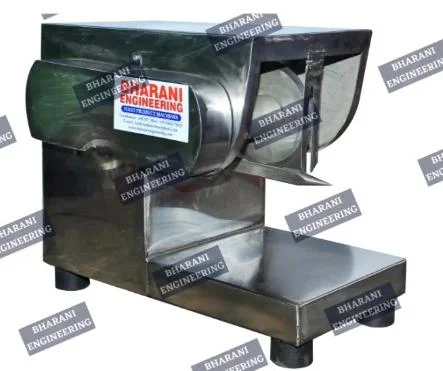
Tabletop Meat Cutter
A compact option for smaller spaces, this machine offers versatility for various cutting tasks, perfect for small retail operations or food stalls.
Benefits and Advantages
Investing in meat and bone cutting machines provides numerous advantages for businesses in the food industry.
Key benefits include:
1. Increased Efficiency: These machines significantly reduce the time needed for manual cutting, allowing businesses to process larger volumes of meat.
2. Consistent Product Quality: Automated cutting ensures uniformity in product size and shape, enhancing presentation and customer satisfaction.
3. Enhanced Safety: Built-in safety features minimize the risk of accidents, promoting a safer working environment for employees.
4. Labor Cost Savings: Automation reduces the need for extensive manual labor, leading to lower operational costs.
5. Compliance with Food Safety Standards: High-quality machines often meet industry regulations, ensuring products are safe for consumers.
6. Versatility: Many machines can handle different types of meat and bones, making them adaptable for various processing needs.
Buying Guide for B2B Buyers
When sourcing meat and bone cutting machines, it is essential for buyers to consider several critical factors.
1. Quality Assessment: Evaluate the build quality and materials used in the machine. Ensure they meet industry standards for durability and reliability.
2. Supplier Verification: Conduct thorough research on potential suppliers, checking their credentials and customer reviews to ensure they are reputable.
3. Pricing and MOQ: Understand the price range for different models and inquire about minimum order quantities to ensure they fit within your budget.
4. Delivery and Lead Times: Discuss logistics with suppliers, including estimated delivery times and shipping options to avoid delays in operations.
5. Compliance Requirements: Ensure that the machines comply with relevant food safety regulations and certifications to avoid legal issues.
Compliance and Certifications
Compliance and certifications are crucial aspects of meat and bone cutting machines in ensuring safety and quality.
Many machines adhere to relevant quality standards such as ISO 9001, which focuses on consistent quality management systems. This certification ensures that manufacturers meet customer and regulatory requirements effectively.
HACCP (Hazard Analysis and Critical Control Point) is another critical standard, particularly in the food industry, as it helps identify and control potential hazards during processing. Compliance with HACCP is vital for food safety.
Additionally, CE certification indicates that the machines meet European health, safety, and environmental protection standards. This certification is essential for businesses looking to operate in or export to European markets.
Safety and testing requirements also play a significant role in compliance. Machines must undergo rigorous testing to ensure they meet safety standards before they are released to the market.
Regional compliance considerations may vary, and it is essential for businesses to ensure that the machines they purchase meet local regulations in their operational areas.
Why Source Meat & Bone Cutting Machines from Pepagora?
Pepagora provides a trusted platform for sourcing meat and bone cutting machines, offering several key advantages that cater to business needs.
Verified Supplier Network: Pepagora connects buyers with a network of verified suppliers, ensuring that all listed manufacturers meet quality and safety standards. This verification process helps buyers feel confident in their purchasing decisions.
Streamlined RFQ Process: The platform simplifies the request for quotation (RFQ) process, allowing buyers to receive multiple quotes from different suppliers quickly. This feature saves time and facilitates better pricing negotiations.
Trade Assurance and Support: Pepagora offers trade assurance to protect buyers throughout the purchasing process. This support includes assistance with any disputes or issues that may arise, ensuring a smoother transaction experience.
Regional Coverage: With a focus on regions such as India, the GCC, and Southeast Asia, Pepagora provides access to a diverse range of suppliers. This geographic reach allows businesses to find machines that fit their specific needs and compliance requirements.
By choosing Pepagora, businesses can leverage these advantages to make informed purchasing decisions for meat and bone cutting machines, ensuring they meet operational demands and regulatory standards.

 IN
IN