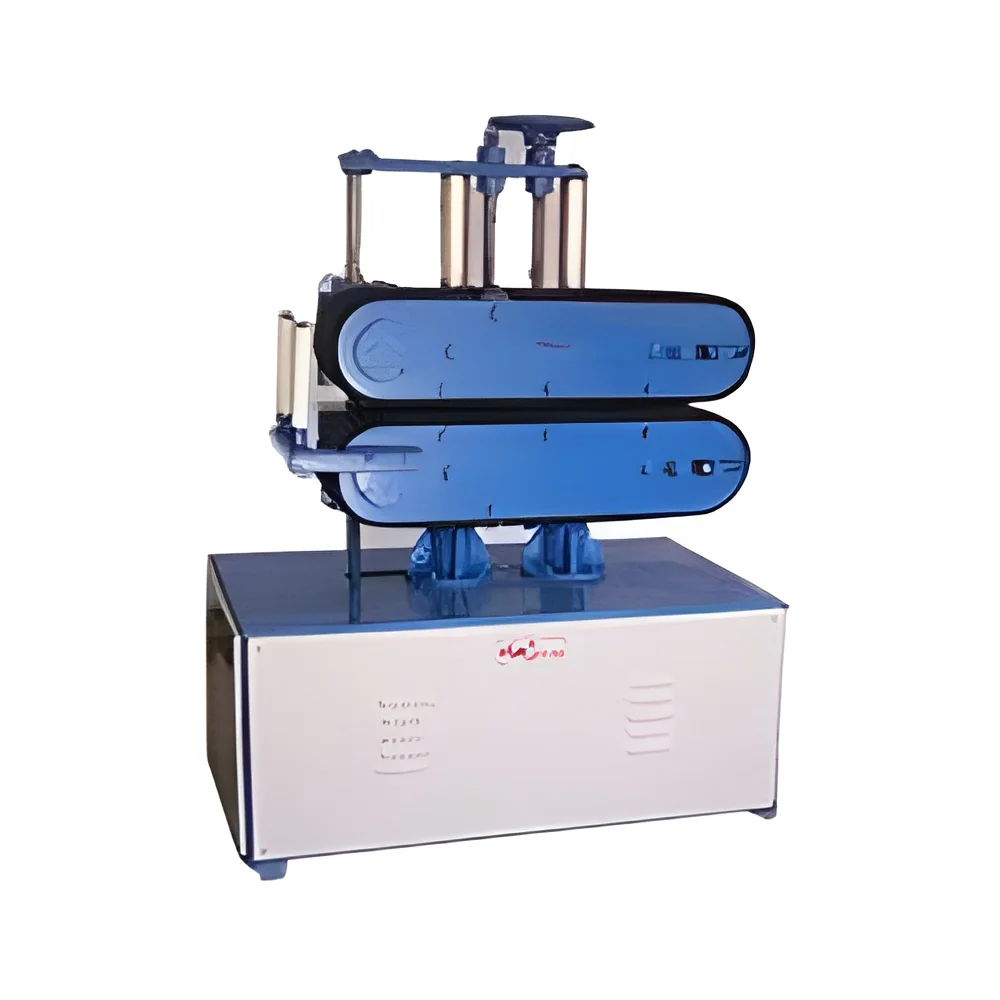
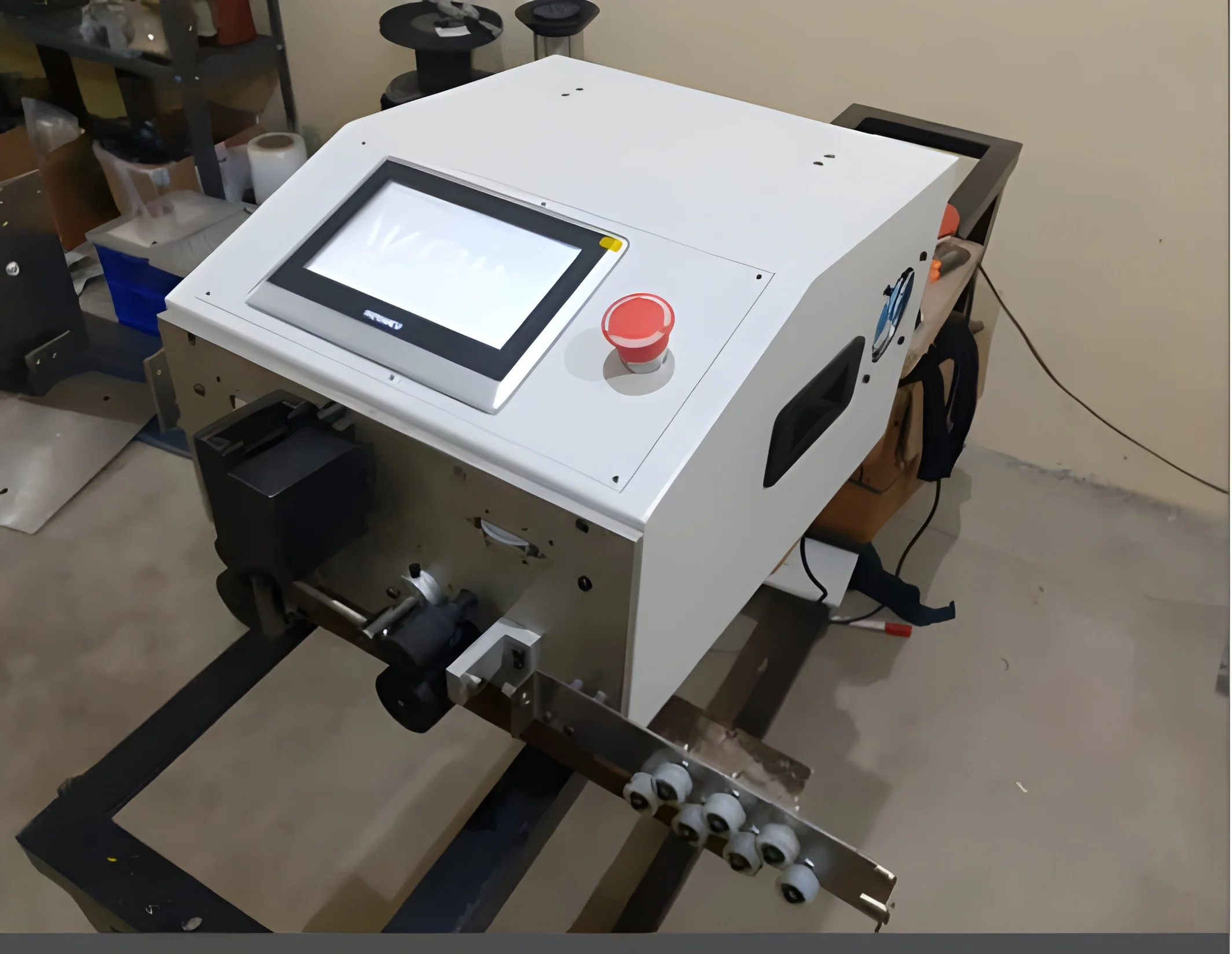
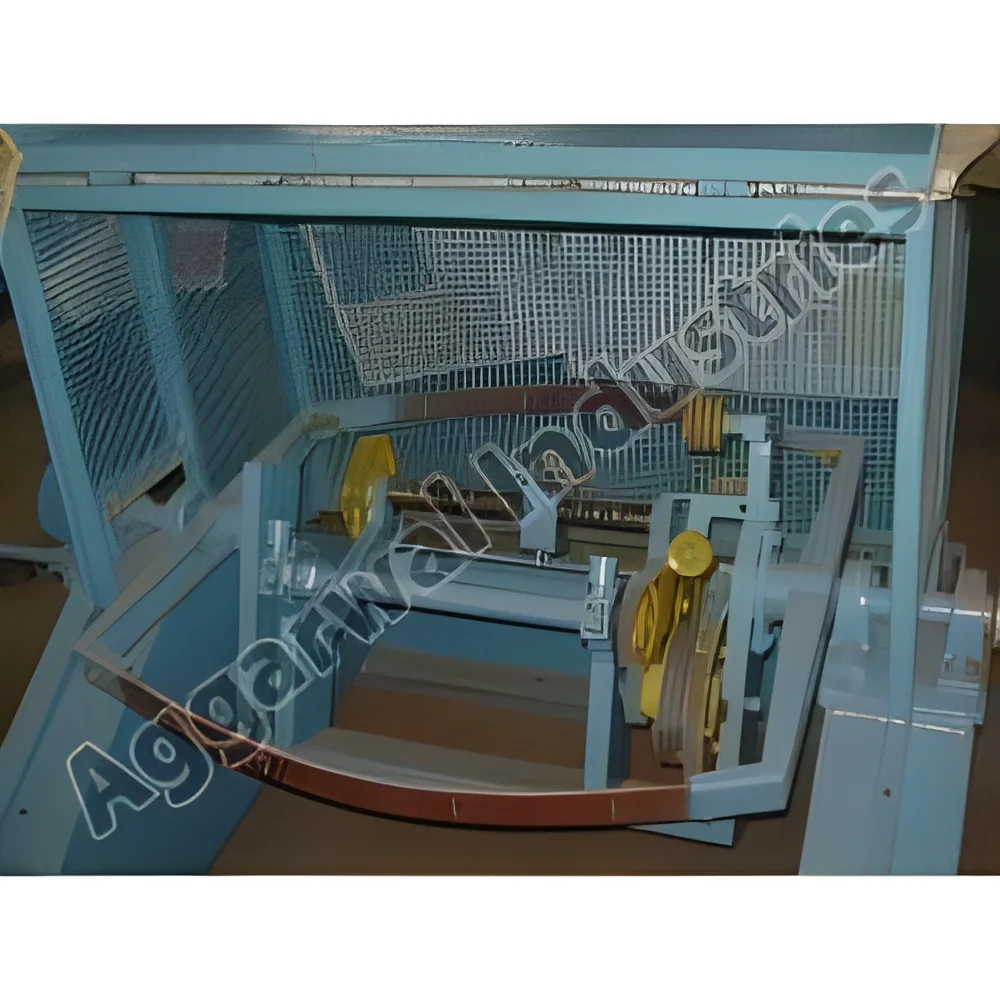
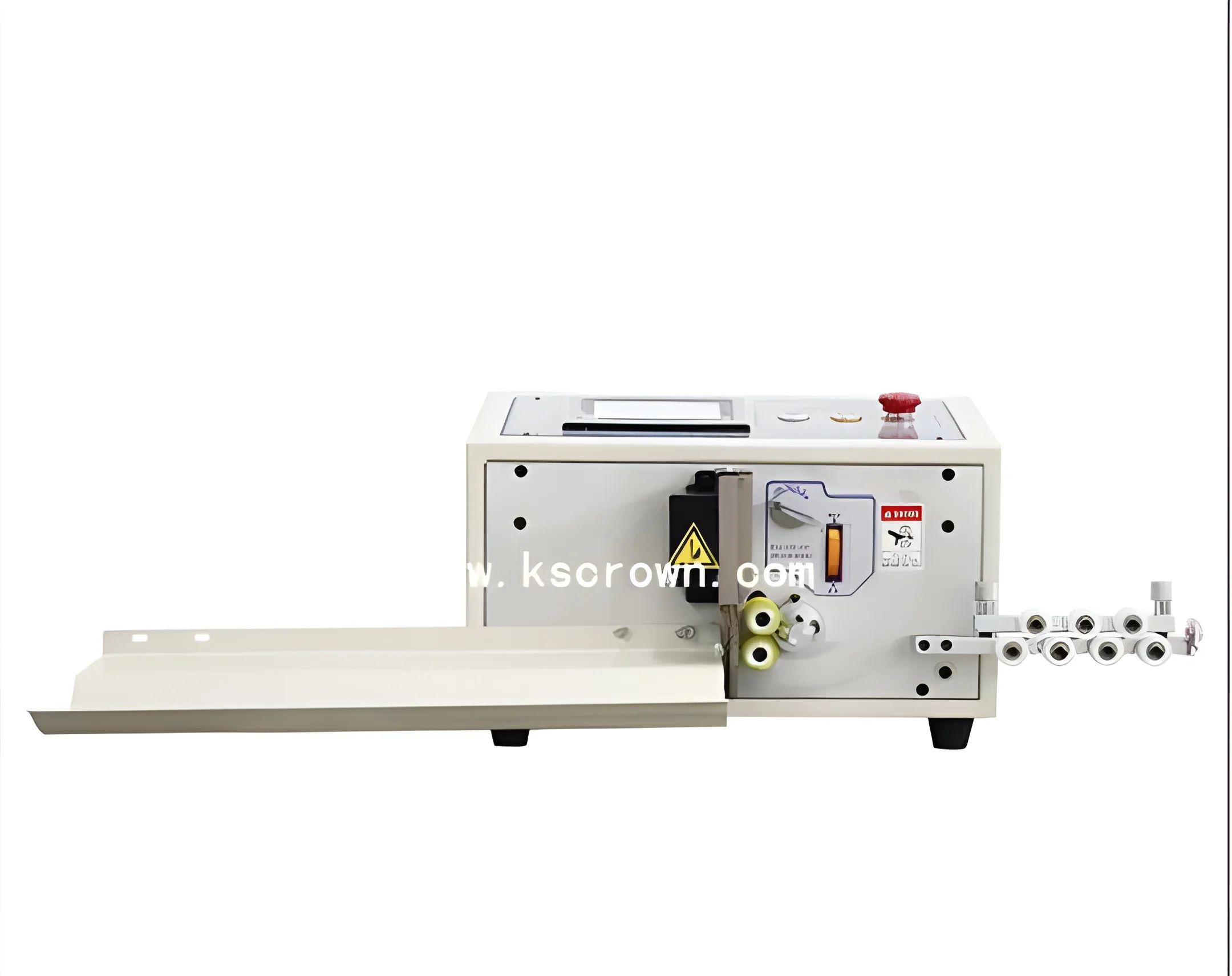
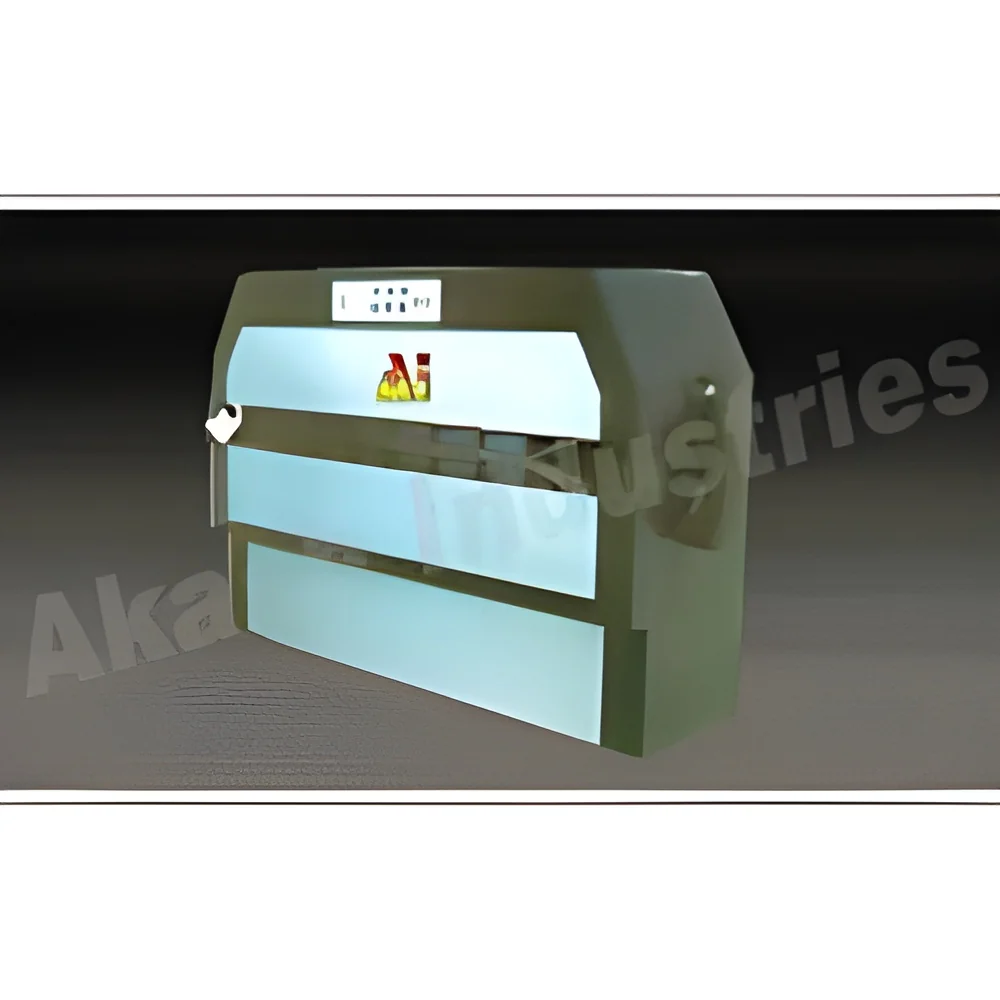
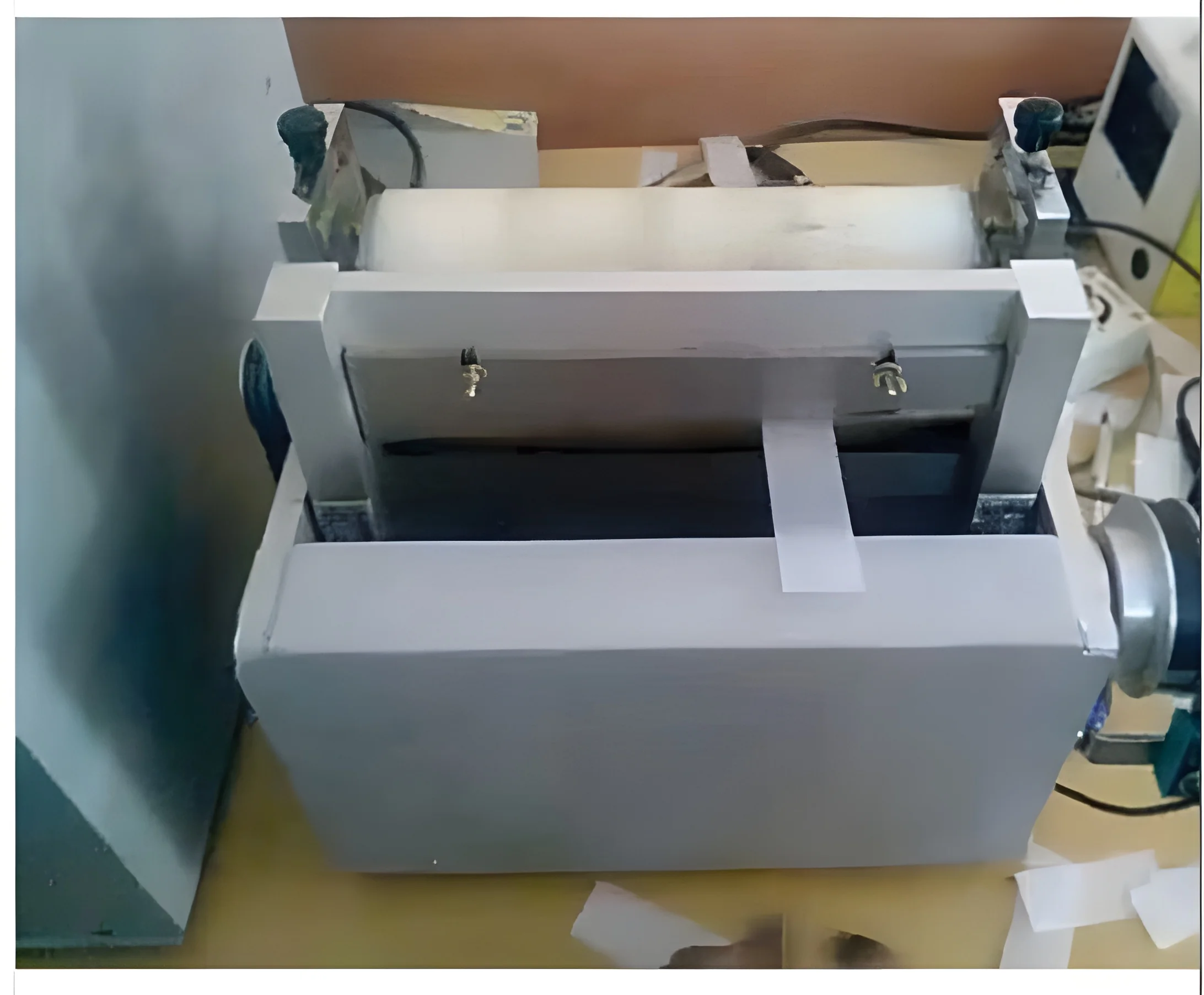
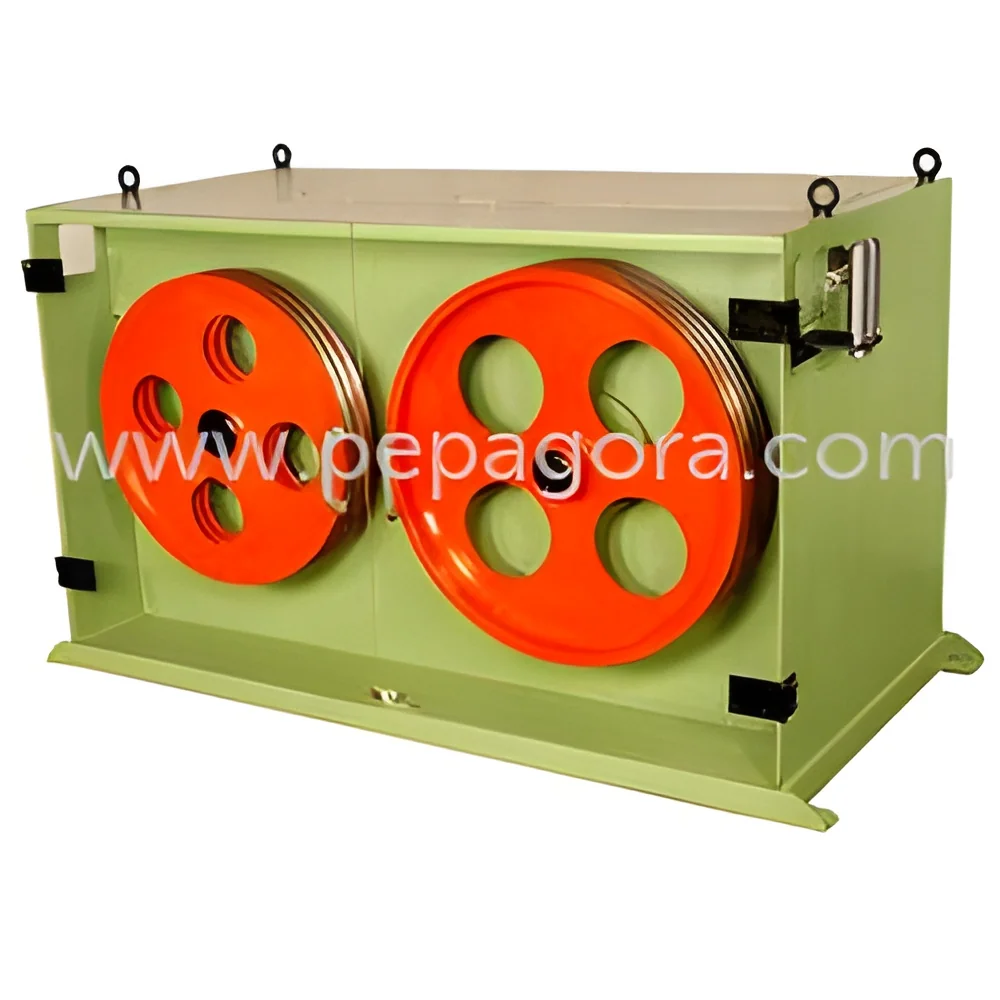
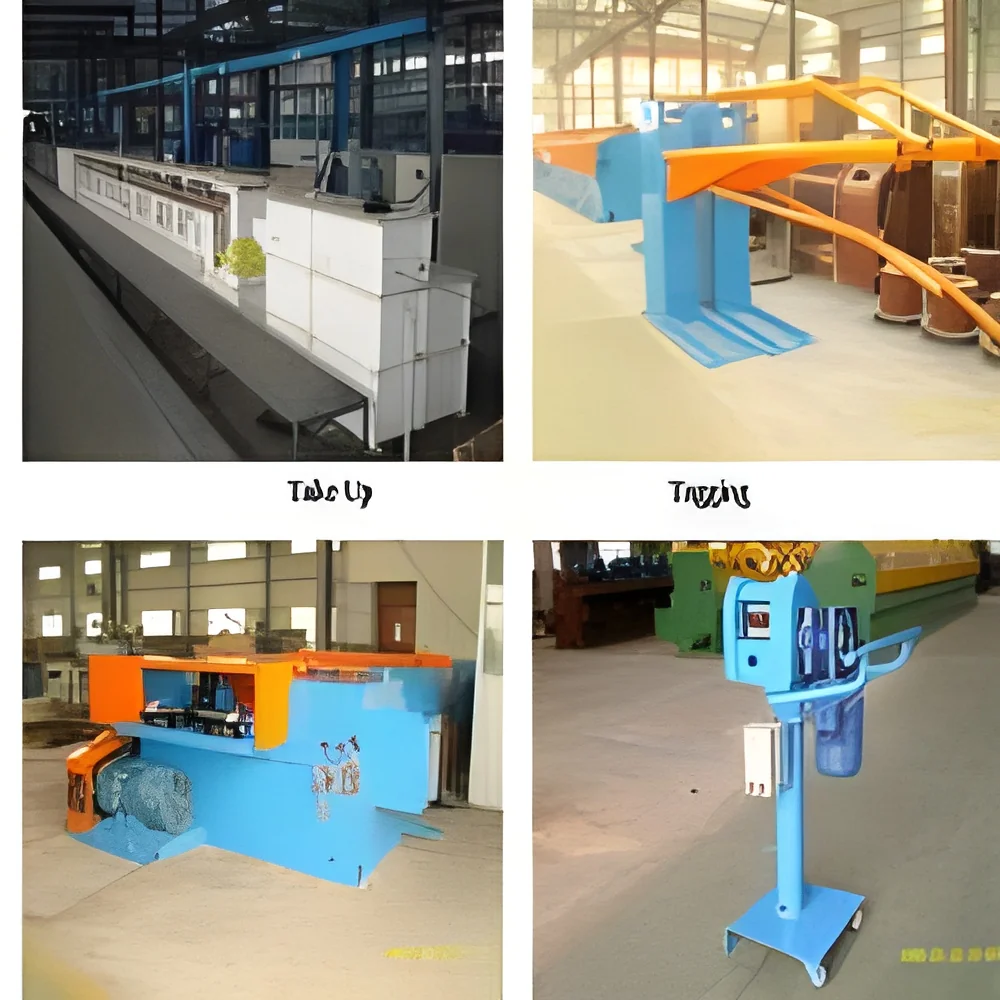
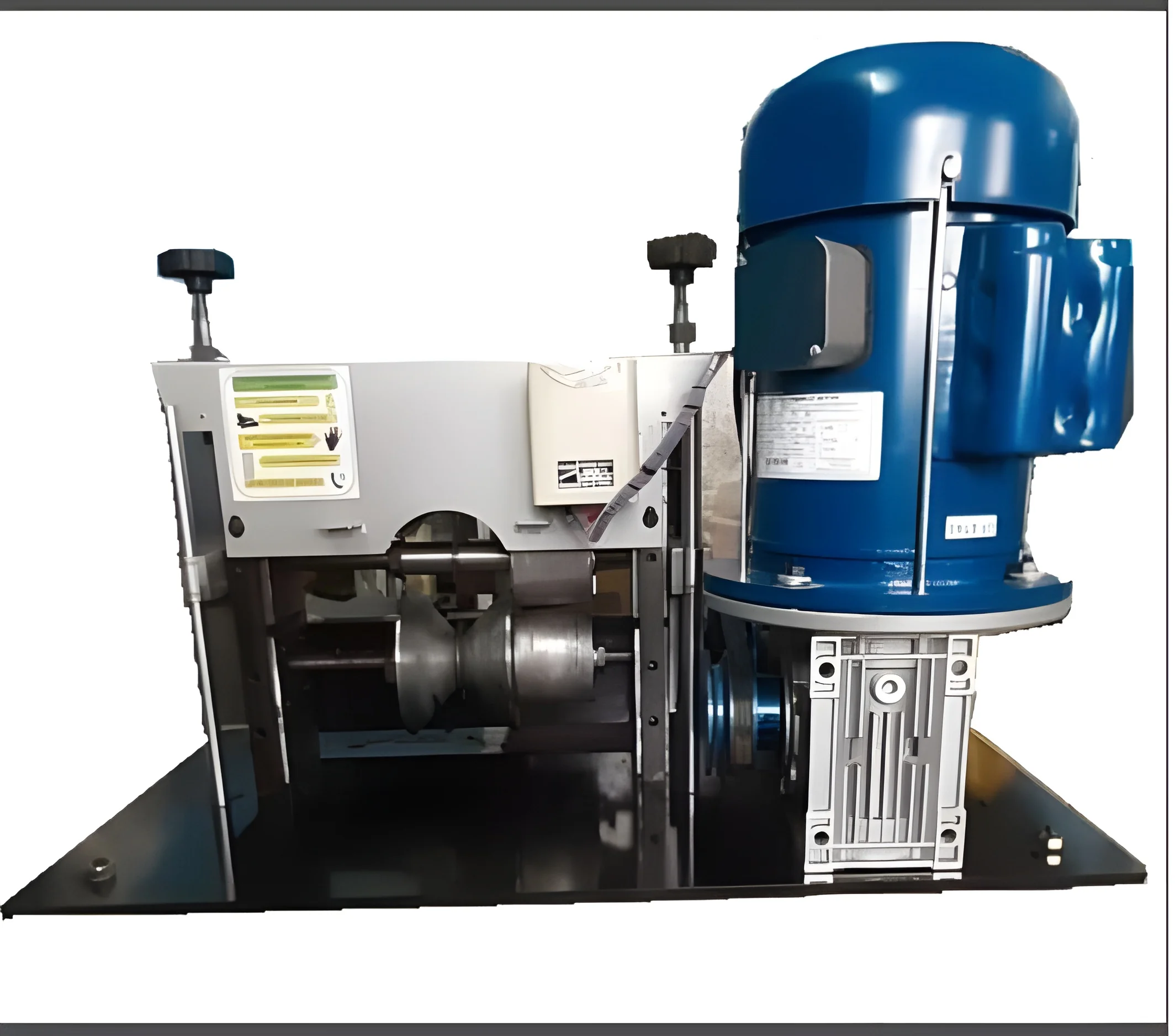
What are Cable Cutting Machines?
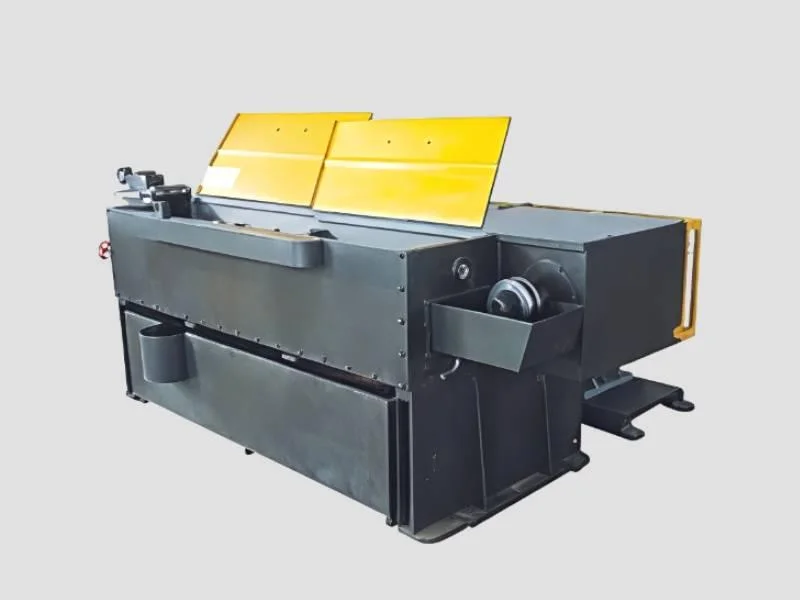
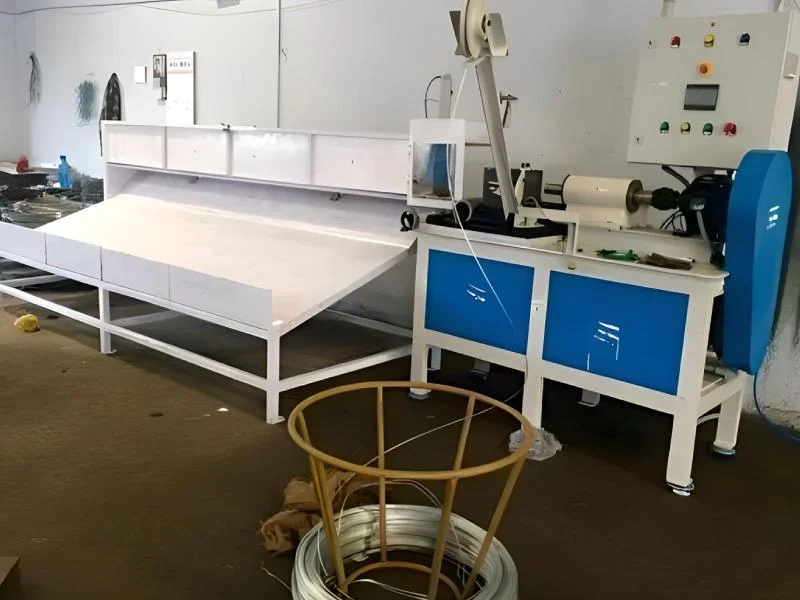
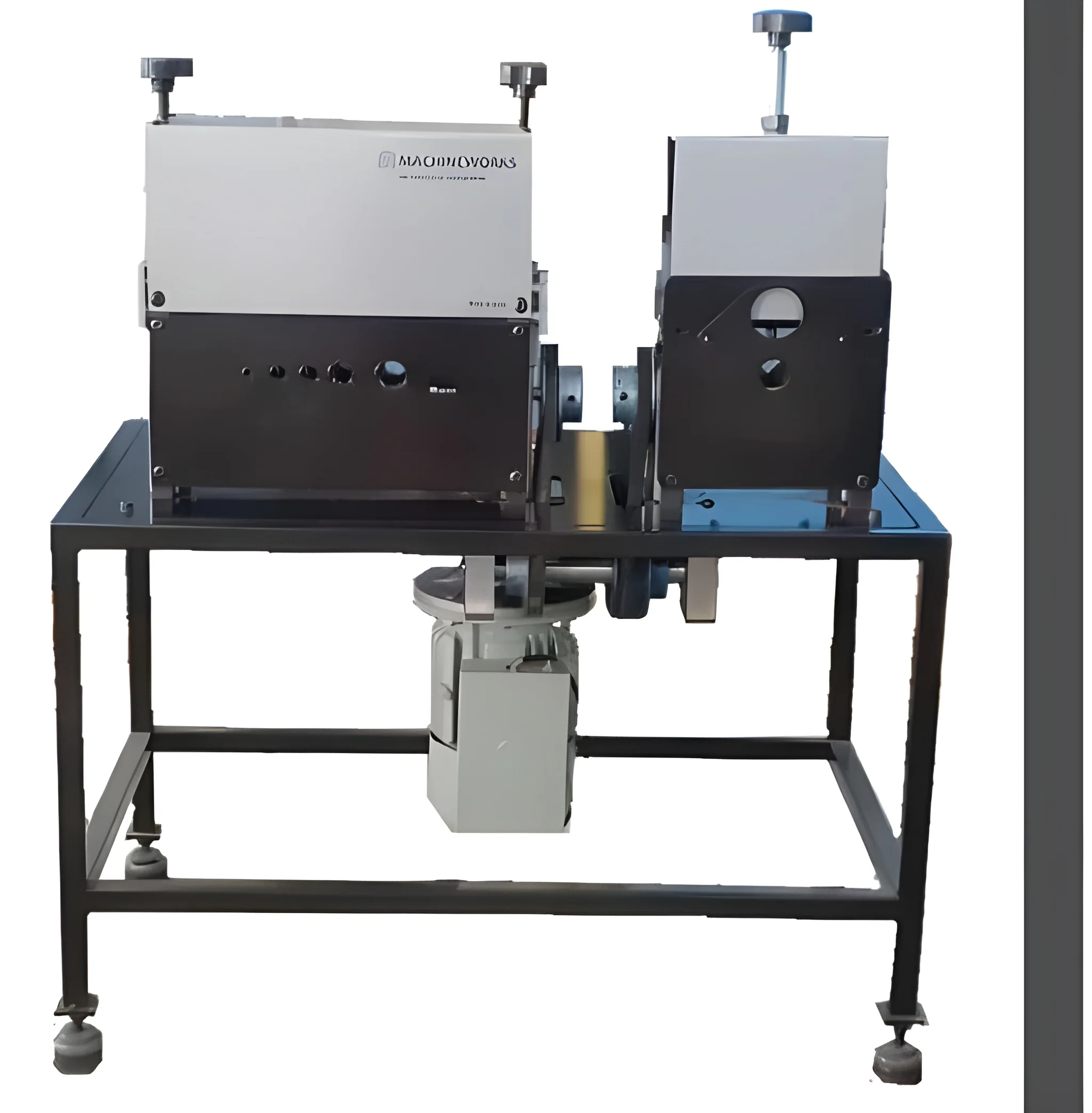
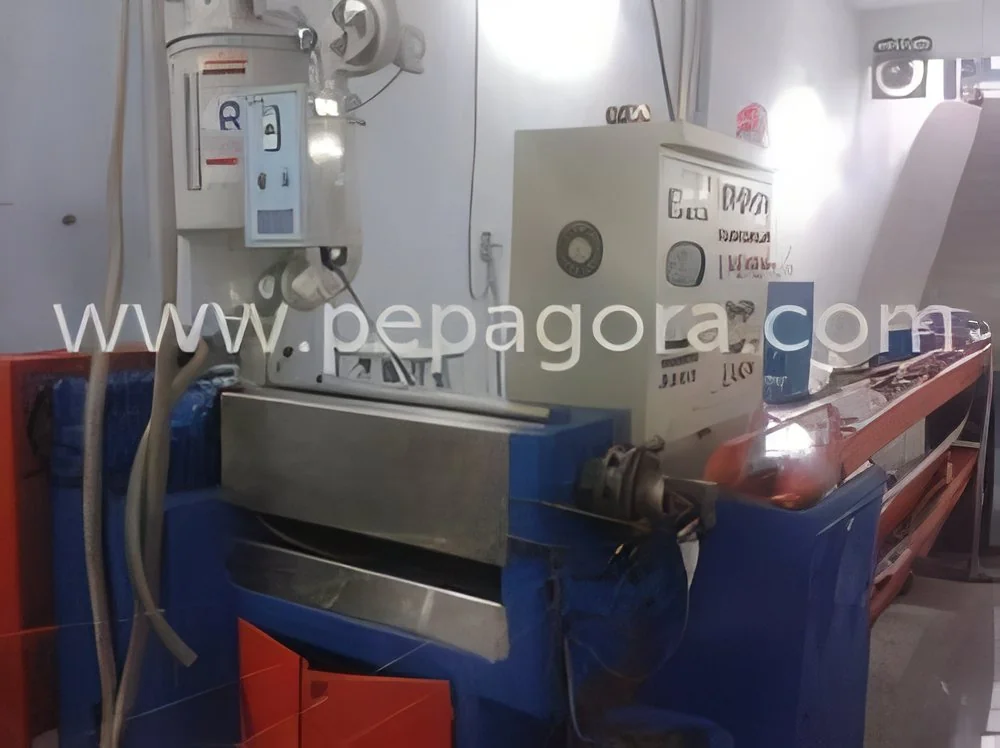
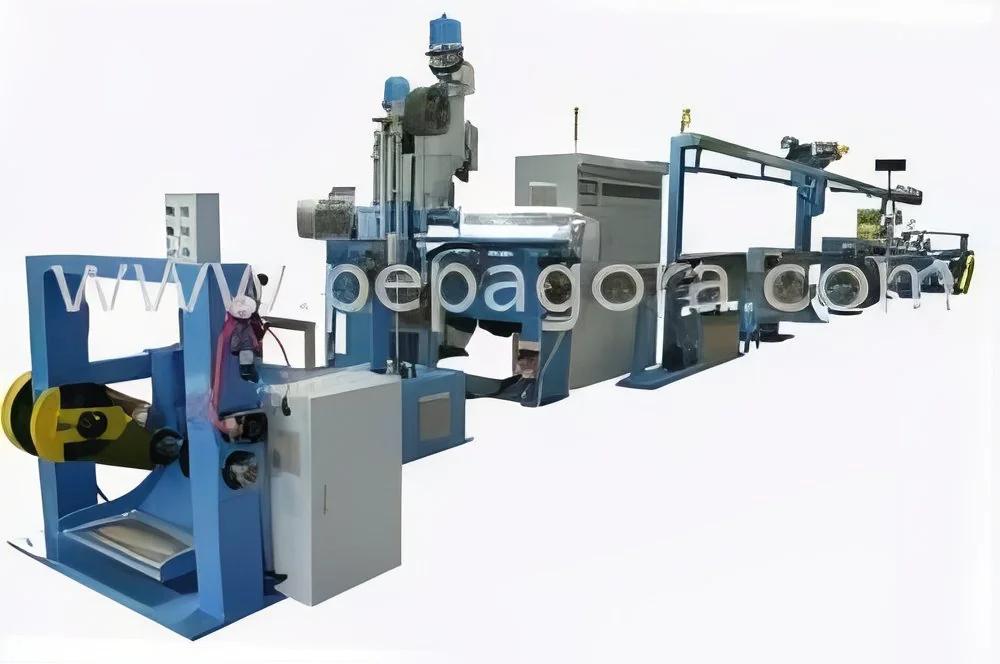
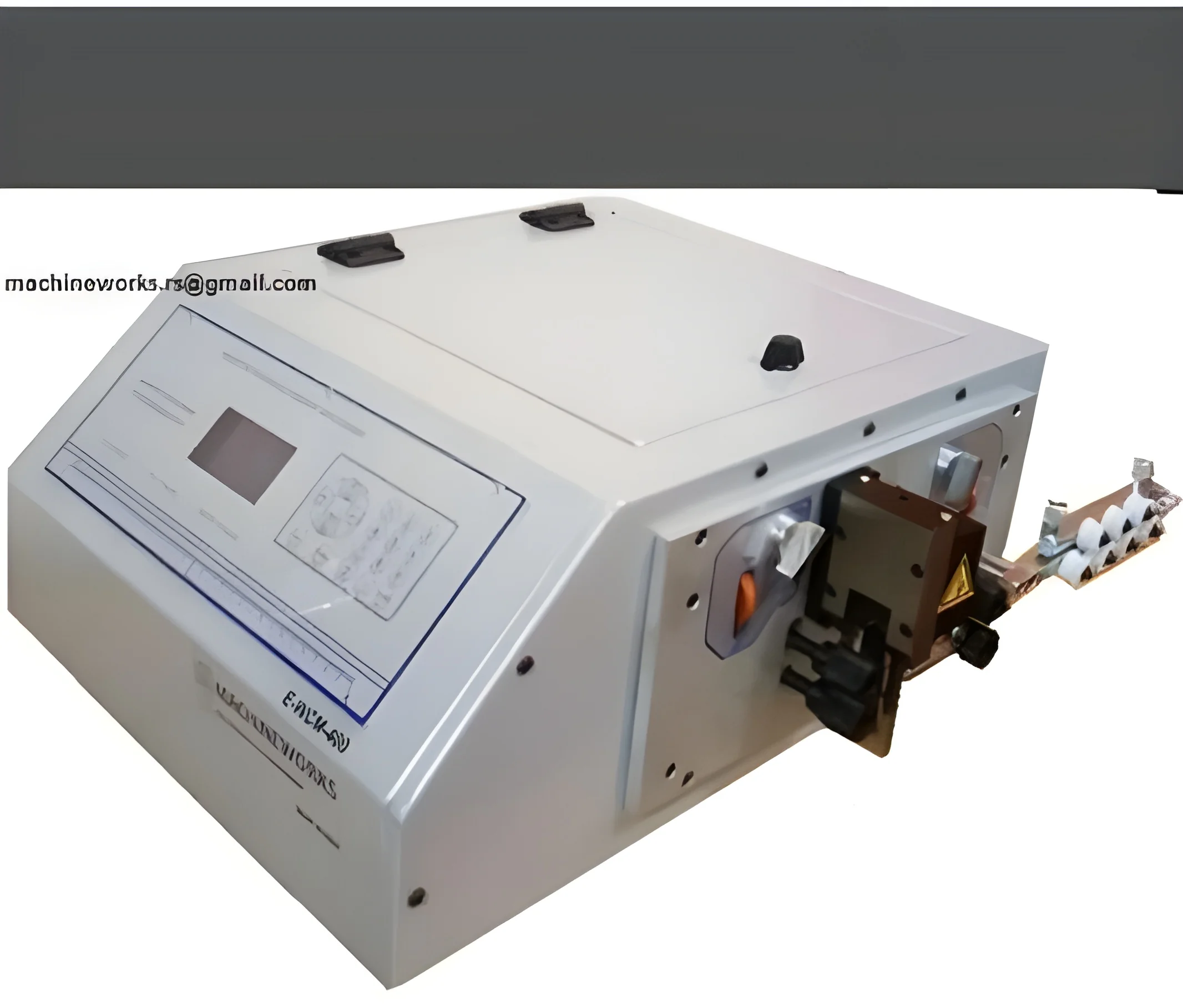
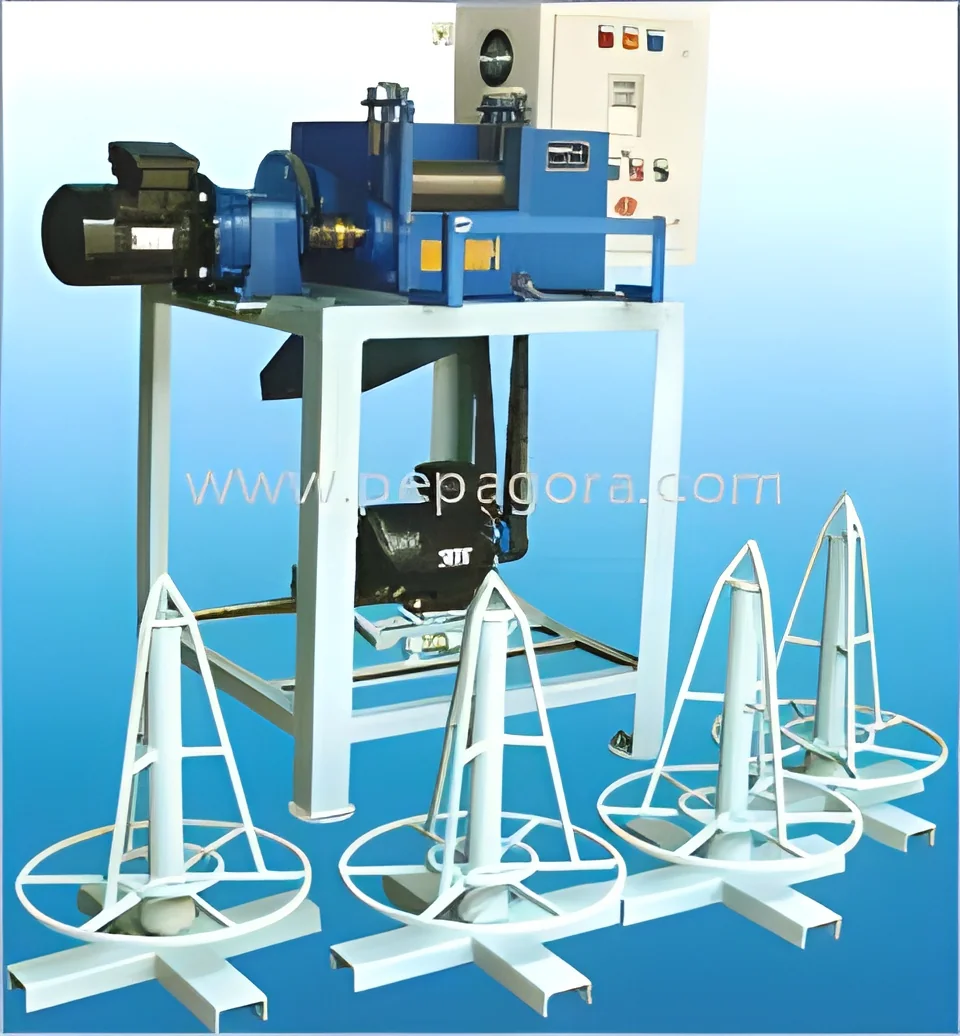
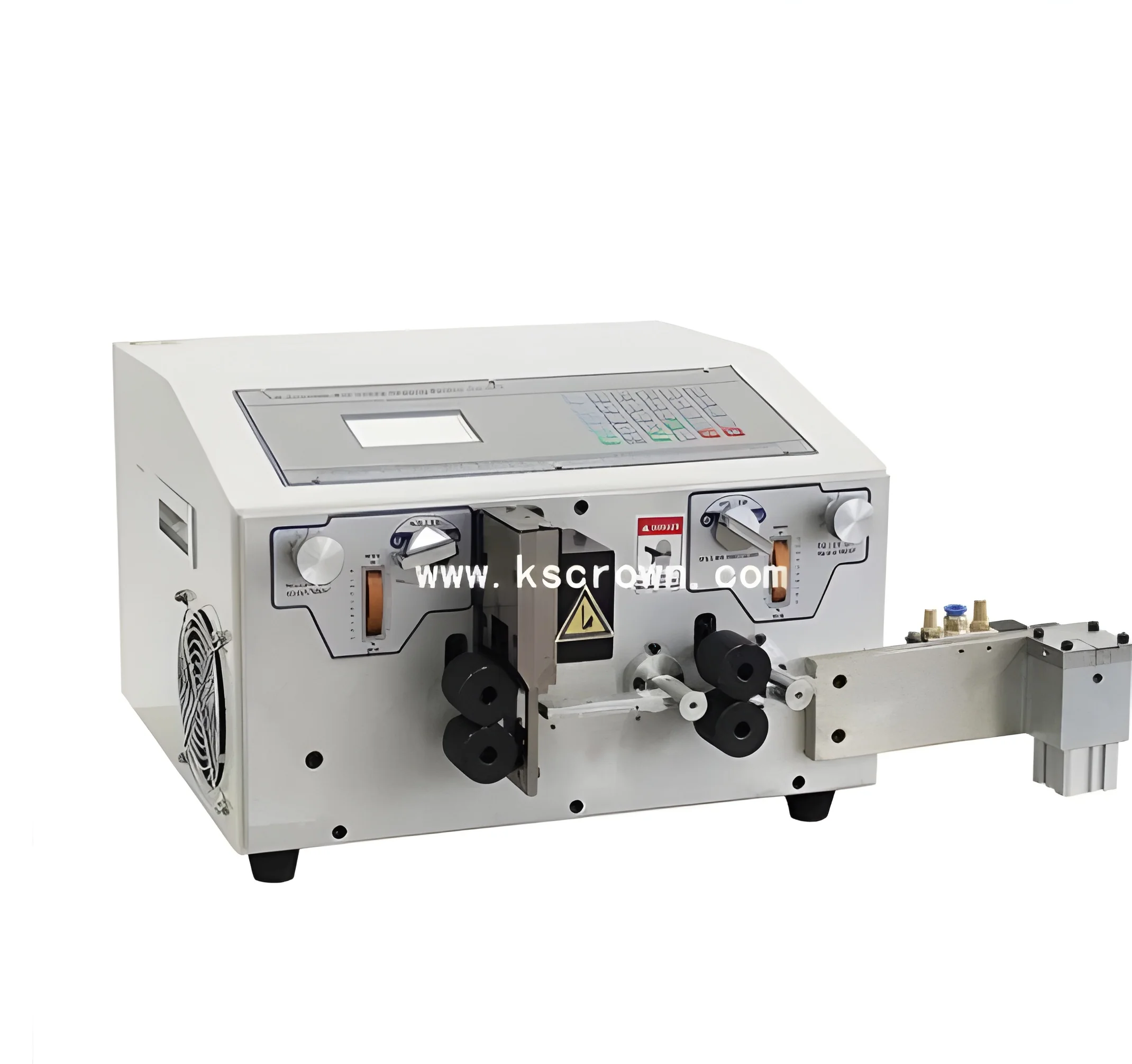
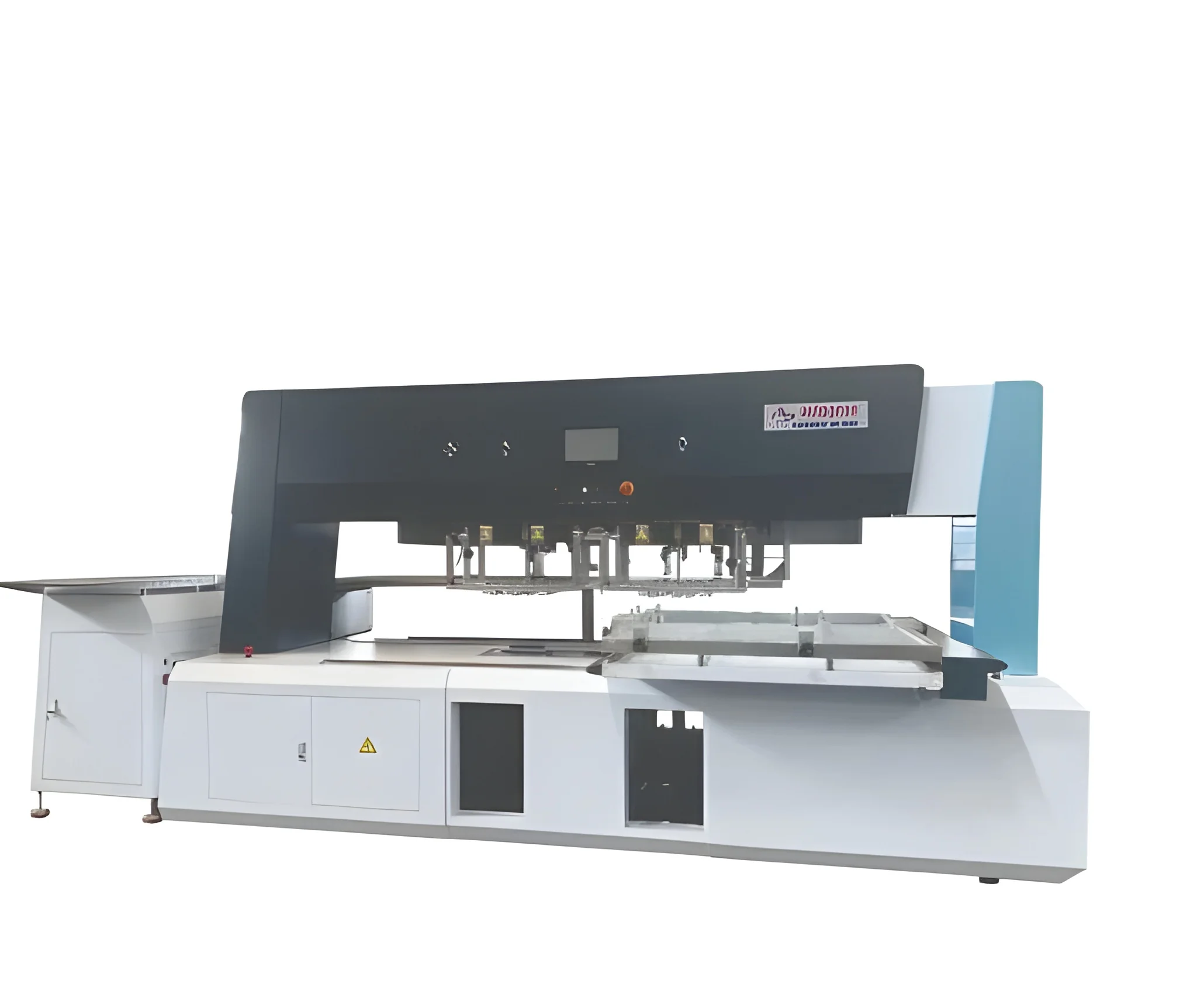
Cable cutting machines are specialized tools designed to efficiently cut various types of cables used in industrial applications. These machines utilize advanced cutting technologies to provide precise and clean cuts, ensuring minimal wastage and maintaining the integrity of the cable structure. They are essential in manufacturing environments where the handling of large quantities of cables is commonplace.
These machines find their primary use in industries such as electrical manufacturing, telecommunications, and automotive. Businesses rely on cable cutting machines to streamline their production processes, improve productivity, and reduce manual labor costs. As the demand for reliable and efficient cable solutions grows, these machines play a vital role in ensuring that companies can meet their operational needs.
In today's competitive market, the relevance of cable cutting machines cannot be overstated. With rapid technological advancements and increasing automation in manufacturing, having reliable cable cutting machines is essential for maintaining operational efficiency and product quality. As industries evolve, so too does the need for high-performing equipment that supports various applications.
Key Features and Specifications
Cable cutting machines come equipped with numerous features that enhance their performance, durability, and usability. These specifications are critical for selecting the right machine for specific operational needs.
Key specifications include:
1. Cutting Capacity
- This specification refers to the maximum diameter or thickness of cable that the machine can cut.
- Typical ranges vary based on model, often accommodating cables from a few millimeters up to several centimeters.
2. Cutting Speed
- This indicates how quickly the machine can perform cuts, affecting overall productivity.
- Speeds can range from a few cuts per minute to several dozen, depending on the model and cable type.
3. Power Supply
- This refers to the electrical requirements needed to operate the machine.
- Common configurations include standard voltage levels such as 110V or 220V.
4. Blade Material
- The type of material used for the blades can influence cutting efficiency and longevity.
- High-speed steel and carbide are common materials used for durability and sharpness.
5. Control System
- Advanced models may feature digital control systems for precision adjustments.
- Options include programmable settings for different cutting lengths and quantities.
6. Safety Features
- Features such as emergency stop buttons and safety guards are crucial for operator protection.
- Compliance with safety standards is often a requirement in industrial settings.
7. Weight and Portability
- Weight impacts the ease of movement and installation within the workplace.
- Some machines are designed to be portable, while others are stationary for heavy-duty operations.
8. Maintenance Requirements
- Regular maintenance is necessary to ensure long-term performance.
- Machines may include features that simplify maintenance tasks.
In summary, understanding the key specifications of cable cutting machines is essential for selecting the right equipment tailored to specific applications and operational requirements.
Common Applications and Use Cases
Cable cutting machines serve a wide range of industries, making them versatile tools in the manufacturing sector.
1. Electrical Manufacturing: These machines are extensively used to cut wires and cables to precise lengths for various electrical components, ensuring accuracy in production.
2. Telecommunications: In this industry, cable cutting machines are essential for preparing cables used in communication networks, helping to maintain efficiency in installation processes.
3. Automotive: Manufacturers in the automotive sector use these machines to cut and prepare cables for vehicles, contributing to both safety and performance standards.
4. Construction: Cable cutting machines help contractors to accurately prepare cables for electrical wiring in buildings, facilitating compliance with safety regulations.
5. Aerospace: In aerospace applications, precision is critical. Cable cutting machines ensure that cables are cut to exact specifications for complex wiring systems.
6. Robotics: Automated systems in robotics often require specific cable lengths and types, making cable cutting machines integral to manufacturing robotic components.
7. Renewable Energy: The growth of solar and wind energy relies on precise cable management, where cutting machines help prepare cables for installation.
Product Variants and Subcategories
Cable cutting machines come in various types, each designed to meet specific industrial needs.
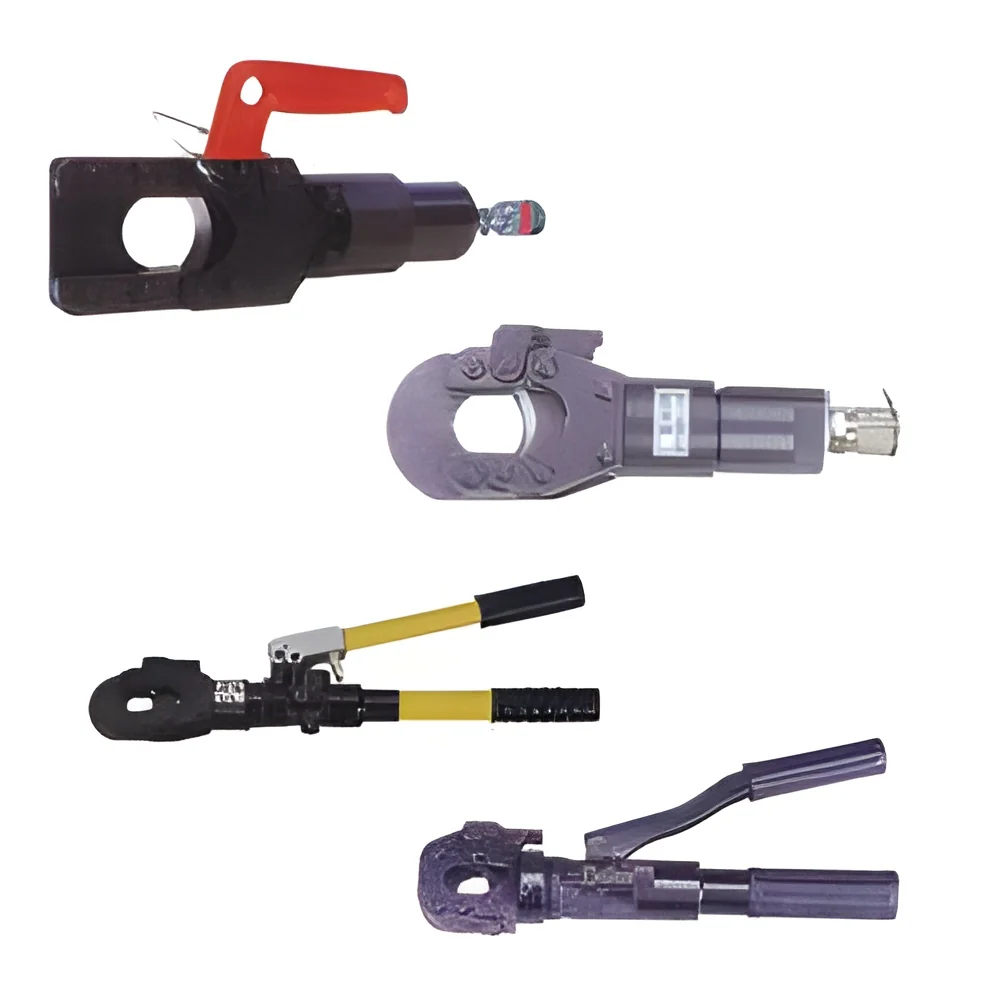
Automatic Cable Cutting Machines: These machines automate the cutting process, allowing for higher production rates and consistency in cuts. They often feature programmable controls for customized cutting lengths.
Manual Cable Cutting Machines: Designed for lower volume operations, these machines allow operators to manually control the cutting process, offering flexibility for small-scale projects.
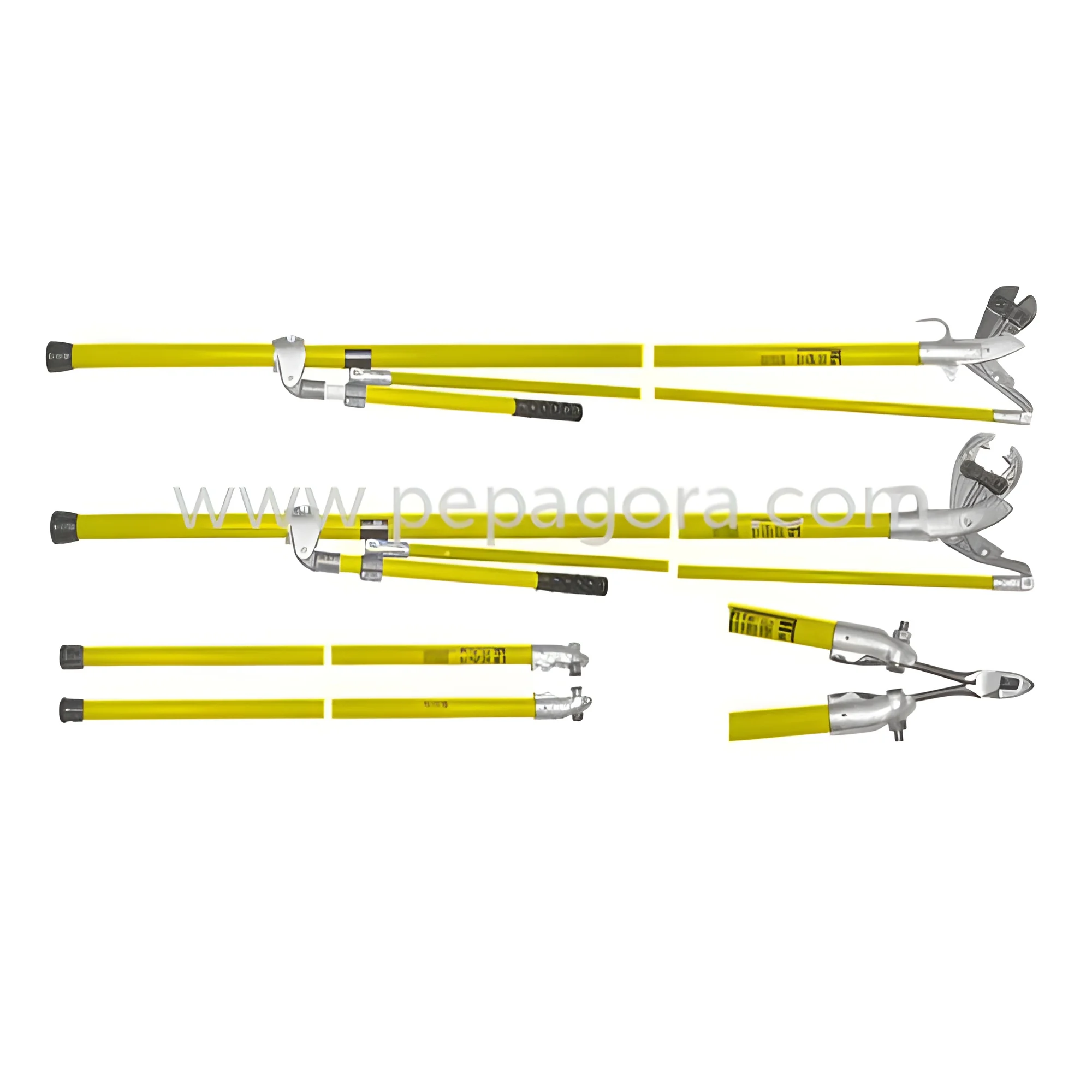
Portable Cable Cutting Machines: These lightweight machines are designed for ease of transport, making them ideal for on-site work in construction or maintenance applications.
Heavy-Duty Cable Cutting Machines: Built to handle thicker cables and higher volumes, these machines are used in industries with demanding cutting requirements.
Benefits and Advantages
Choosing to invest in cable cutting machines provides several advantages for businesses.
1. Increased Efficiency: Automated cutting processes reduce manual labor and speed up production, leading to higher output rates.
2. Precision Cutting: These machines ensure accurate cuts, minimizing waste and improving the quality of finished products.
3. Labor Cost Reduction: Implementing cable cutting machines can lower labor costs by reducing the need for manual cutting tasks.
4. Improved Safety: Modern machines often come equipped with safety features that protect operators and reduce the risk of accidents.
5. Versatility: With various models and features available, businesses can select machines that best fit their specific applications.
6. Long-term Reliability: Quality machines are built to withstand heavy use, providing a long lifespan and consistent performance over time.
Buying Guide for B2B Buyers
When sourcing cable cutting machines, several key factors should be considered to ensure the right choice for your business needs.
1. Quality Assessment: Evaluate the build quality and materials of the machine. Look for reputable manufacturers that adhere to industry standards.
2. Supplier Verification: Research potential suppliers to ensure they have a solid reputation and experience in providing cable cutting machines. Check for customer reviews and testimonials.
3. Pricing and MOQ: Understand the pricing structure and minimum order quantities (MOQ) that suppliers offer. Compare quotes to find the best value for your investment.
4. Delivery and Lead Times: Discuss logistics and delivery timelines with suppliers. Ensure they can meet your production schedules.
5. Compliance Requirements: Check that the machines meet necessary compliance and safety standards relevant to your region and industry.
Compliance and Certifications
Compliance with industry standards and regulations is crucial for cable cutting machines.
Manufacturers often adhere to quality standards such as ISO 9001, which ensures consistent quality management systems. This is vital for maintaining product reliability and customer satisfaction.
Certification such as CE indicates that the machines meet European safety, health, and environmental protection standards. This certification is important for companies exporting products to the EU.
Safety and testing requirements are also critical. Machines should undergo rigorous testing to ensure they operate safely and effectively under various conditions.
Regional compliance considerations may include specific regulations that vary by country or industry. Buyers should ensure that their chosen machines comply with local laws and standards.
Why Source Cable Cutting Machines from Pepagora?
Pepagora offers a reliable platform for sourcing cable cutting machines, providing several key advantages to B2B buyers.
Verified Supplier Network: Pepagora features a network of verified suppliers, ensuring that buyers can trust the quality and reliability of the machines they purchase.
Streamlined RFQ Process: The platform simplifies the request for quotation (RFQ) process, allowing buyers to easily compare prices and specifications from multiple suppliers.
Trade Assurance and Support: Pepagora provides trade assurance, which protects buyers against potential issues in transactions, ensuring a safe purchasing experience.
Regional Coverage: With a strong presence in India, the GCC, and Southeast Asia, Pepagora offers extensive geographic reach, making it easier for businesses in these regions to find suitable cable cutting machines.
In conclusion, Pepagora stands out as a comprehensive solution for businesses looking to enhance their operations with quality cable cutting machines.

 IN
IN