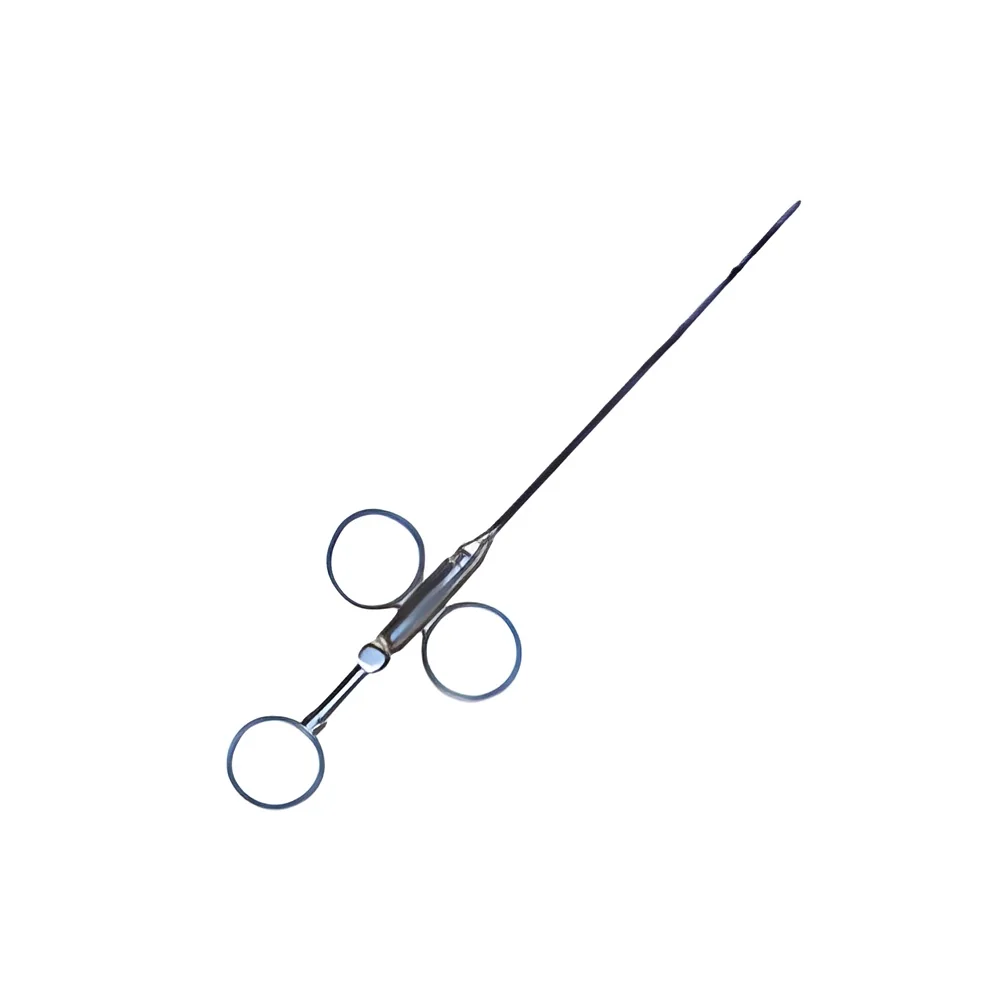
What are Rotary Slitters?
Rotary slitters are specialized cutting tools used in various manufacturing processes to slice materials into narrow strips or rolls. These machines operate using rotating blades that efficiently cut through different materials, including paper, plastic, textiles, and metal. The design of rotary slitters allows for precision and speed, making them essential in high-volume production environments.
The primary applications of rotary slitters span across multiple industries. They are commonly used in the packaging sector, where they cut flexible materials for bags and wraps. Additionally, in the textile industry, rotary slitters are employed to create fabric rolls and strips. The versatility of these machines allows them to adapt to various material types and thicknesses, making them a valuable asset in manufacturing lines.
In the current market context, rotary slitters play a crucial role in enhancing operational efficiency and product quality. As industries continue to demand faster and more precise cutting solutions, the relevance of rotary slitters has increased significantly. This equipment not only contributes to productivity but also supports companies in meeting stringent quality standards and customer expectations.
Key Features and Specifications
Rotary slitters come with a variety of features designed to enhance their performance and usability. Understanding these specifications is essential for making informed purchasing decisions.
Key specifications include:
1. Cutting Width
- Determines the maximum width of material that can be cut.
- Typically ranges from 300 mm to 2000 mm.
2. Blade Type
- Options include straight, serrated, and custom blades for different applications.
- Material choices usually include high-speed steel and carbide.
3. Speed
- Refers to the operational speed of the slitter.
- Typical speeds range from 50 to 300 meters per minute.
4. Control System
- Can be manual or automated, with options for computerized controls.
- Advanced systems may include programmable logic controllers (PLC).
5. Material Compatibility
- Suitable for a range of materials, including paper, plastic, foam, and metal.
- Adaptability to various thicknesses is a key feature.
6. Safety Features
- Includes emergency stop buttons, safety guards, and blade covers.
- Compliance with safety regulations is essential.
7. Maintenance Requirements
- Regular maintenance schedules are necessary for optimal performance.
- Some models may have features that simplify maintenance procedures.
8. Dimensions and Weight
- Size and weight can impact installation and operational logistics.
- Specifications vary by model and capacity.
Overall, the features and specifications of rotary slitters are designed to meet diverse manufacturing needs while ensuring efficiency and safety.
Common Applications and Use Cases
Rotary slitters are utilized in various industries due to their versatility and efficiency.
1. Packaging Industry: Rotary slitters are essential for cutting flexible packaging materials, enabling manufacturers to produce bags, wraps, and pouches efficiently.
2. Textile Industry: In textile manufacturing, these machines are used to cut fabrics into manageable rolls and strips, allowing for streamlined production processes.
3. Printing Industry: They facilitate the preparation of printed materials by cutting paper and other substrates to specific sizes for further processing.
4. Electronics Industry: Rotary slitters are employed to cut insulating materials and films used in electronic components, ensuring precision and quality.
5. Automotive Industry: They are used to cut rubber and plastic components, which are integral to various automotive parts.
6. Metal Processing: Rotary slitters can handle thin metal sheets, providing precise cuts for various applications in manufacturing and fabrication.
7. Construction Industry: They are used to cut insulation materials and membranes, which are necessary for building projects.
Product Variants and Subcategories
Rotary slitters come in various models to meet specific needs across different industries.
High-Speed Rotary Slitters
These machines are designed for rapid cutting operations, making them ideal for high-volume production lines. They feature advanced automation and can handle multiple materials efficiently.
Precision Rotary Slitters
Focusing on accuracy, these slitters are equipped with enhanced control systems for precise cutting. They are often used in industries where material integrity and dimensions are critical.
Portable Rotary Slitters
These compact, lightweight models are designed for ease of transport and can be used in various locations. They offer flexibility for smaller operations or on-site cutting applications.
Automatic Rotary Slitters
Equipped with advanced automation features, these machines can adjust settings based on material type and thickness, ensuring optimized performance with minimal manual intervention.
Benefits and Advantages
Rotary slitters offer numerous benefits that enhance manufacturing processes.
1. Increased Efficiency: Rotary slitters operate at high speeds, allowing for quicker production cycles and reduced operational downtime.
2. Precision Cutting: The design of rotary slitters ensures consistent and accurate cuts, reducing waste and improving product quality.
3. Versatile Applications: These machines can handle a wide range of materials and thicknesses, making them suitable for various industries.
4. Reduced Labor Costs: Automation features minimize the need for manual labor, leading to lower operational costs and increased productivity.
5. Enhanced Safety: Modern rotary slitters come equipped with advanced safety features that protect operators and reduce the risk of accidents.
6. Easy Maintenance: Many models are designed for simple maintenance, ensuring longevity and reliability in operations.
Buying Guide for B2B Buyers
When sourcing rotary slitters, it is vital to consider several factors to ensure the right investment.
1. Quality Assessment: Evaluate the quality of materials and construction. Look for machines that meet industry standards and have a proven track record of performance.
2. Supplier Verification: Research potential suppliers to confirm their reliability and reputation. Check for customer reviews and industry certifications.
3. Pricing and MOQ: Understand the pricing structure and minimum order quantities. This helps in budgeting and determining if the supplier meets your needs.
4. Delivery and Lead Times: Inquire about delivery schedules and lead times. Timely delivery is crucial for maintaining production schedules.
5. Compliance Requirements: Ensure that the rotary slitter complies with relevant industry regulations and safety standards. This is critical for operational integrity and legal compliance.
Compliance and Certifications
Compliance and certifications are essential aspects of rotary slitters that ensure quality and safety standards are met.
Rotary slitters should adhere to quality standards such as ISO 9001, which emphasizes consistent quality management systems. This certification provides assurance that the manufacturer has implemented effective processes that meet customer and regulatory requirements.
Additionally, rotary slitters may also need to comply with safety standards, such as CE certification, which indicates compliance with European safety regulations. This certification is crucial for machines used in various industrial applications, ensuring that they meet safety and environmental criteria.
Testing requirements should also be considered, as rotary slitters must undergo rigorous testing to confirm their performance and safety. Regional compliance can vary, so it is essential to understand local regulations regarding machinery and equipment used in production.
Why Source Rotary Slitters from Pepagora?
Pepagora offers a reliable platform for sourcing rotary slitters, providing several advantages to B2B buyers.
Verified Supplier Network: Pepagora connects buyers with a network of verified suppliers, ensuring that all vendors meet high standards of quality and reliability. This network allows buyers to make informed purchasing decisions based on supplier reputation and product offerings.
Streamlined RFQ Process: The Request for Quotation (RFQ) process on Pepagora is designed to be straightforward. Buyers can easily submit requests and receive competitive quotes from multiple suppliers, enabling quick comparisons and efficient decision-making.
Trade Assurance and Support: Pepagora provides trade assurance, giving buyers peace of mind through protection against potential disputes. Additionally, the platform offers support to help buyers navigate the purchasing process, ensuring a smooth transaction.
Regional Coverage: With a focus on regions like India, the Gulf Cooperation Council (GCC), and Southeast Asia, Pepagora enables buyers to access a wide range of suppliers catering to various market needs. This regional coverage enhances the likelihood of finding suitable rotary slitters for specific applications.

 IN
IN