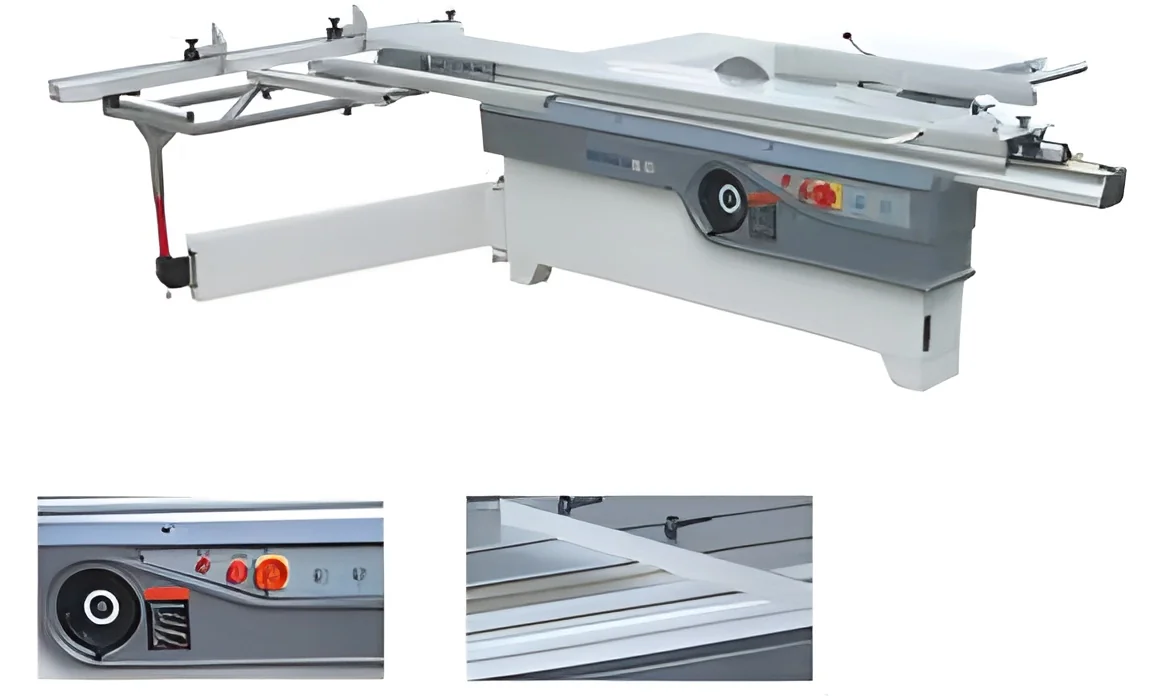
What are Panel Saws?
Panel saws are versatile cutting machines designed primarily for precision cutting of large panels and sheets of materials such as wood, plywood, MDF, and plastics. They enable operators to make accurate and clean cuts with minimal effort. Typically featuring a vertical or horizontal setup, panel saws are equipped with a powerful saw blade that can be adjusted for various angles and depths, allowing for both straight and angled cuts.
The primary applications of panel saws are found in woodworking, cabinetry, and furniture manufacturing. These machines are essential for businesses that require high-volume production and exact specifications in their cutting processes. Their efficiency not only enhances productivity but also reduces material waste, making them a valuable asset in any industrial setting. As industries continue to adopt advanced machinery for improved manufacturing capabilities, panel saws remain a pivotal tool in the production line.
In the current market context, panel saws are recognized for their durability and precision. They are increasingly integrated into automated production lines to meet the growing demands for customization and rapid turnaround times. This relevance has solidified their position as a necessary tool in many industrial applications, driving their continued development and innovation.
Key Features and Specifications
Panel saws come with a range of features designed to enhance performance and usability. These features cater to various cutting needs and are crucial for ensuring precision in the manufacturing process.
Key specifications include:
1. Cutting Capacity
- Maximum panel size and thickness that can be processed
- Typically ranges from 8 to 12 feet in length
2. Blade Diameter
- Size of the saw blade used for cutting
- Commonly varies from 10 to 16 inches
3. Power Rating
- The motor power that drives the saw
- Usually ranges from 2 to 5 horsepower
4. Saw Type
- Type of saw blade used (carbide-tipped, circular)
- Specific blades designed for different materials
5. Adjustability
- Features for angle and depth adjustments
- Allows for bevel cuts and varying cutting depths
6. Safety Features
- Includes blade guards and emergency stop mechanisms
- Ensures operator safety during operation
7. Table Configuration
- Design of the work table for stability and support
- May include extensions for larger panels
8. Weight and Portability
- Overall weight of the machine affects mobility
- Some models are designed for easy transport
In summary, panel saws are equipped with various features that enhance their functionality, making them suitable for a wide range of applications in industrial settings.
Common Applications and Use Cases
Panel saws are utilized across different industries, offering tailored solutions for specific cutting needs.
1. Woodworking: In woodworking shops, panel saws allow for precise cuts in sheets of plywood and other materials, essential for creating furniture and cabinetry.
2. Construction: Contractors use panel saws for cutting large panels of insulation and drywall, providing efficient solutions for building projects.
3. Sign Making: In the sign-making industry, panel saws help in cutting various materials like acrylic and PVC, ensuring clean edges for signage.
4. Manufacturing: Production lines in manufacturing facilities use panel saws to cut raw materials into sizes suitable for assembly processes.
5. Automotive: In the automotive industry, panel saws are employed for cutting composite materials used in car manufacturing.
6. Retail: Retail environments utilize panel saws for custom cuts in display units and furniture, enhancing their product offerings.
7. Aerospace: Aerospace manufacturers use panel saws to cut lightweight composite materials for aircraft components.
Product Variants and Subcategories
Panel saws come in various models to cater to different operational requirements and environments.
Vertical Panel Saws
These saws are designed for vertical cutting, allowing for easy handling of large panels. They are ideal for shops with limited floor space and provide high precision for straight cuts.
Horizontal Panel Saws
Horizontal models offer a different approach, suitable for larger panels that require more horizontal cutting capabilities. They typically feature a sliding table for enhanced movement and accuracy.
Portable Panel Saws
These are designed for mobility and ease of transport, making them perfect for job sites where space is limited. They maintain high cutting accuracy while being lightweight and compact.
Benefits and Advantages
Investing in panel saws offers several advantages for businesses.
1. Precision Cutting: Panel saws provide highly accurate cuts, reducing waste and ensuring quality in finished products.
2. Increased Efficiency: With the ability to cut large panels quickly, panel saws enhance overall production efficiency in manufacturing environments.
3. Versatile Applications: These machines can handle various materials, making them suitable for multiple industries and applications.
4. Space Saving: Vertical panel saws, in particular, are designed to occupy less floor space, making them ideal for smaller workshops.
5. Enhanced Safety: Modern panel saws are equipped with safety features that protect operators, reducing the risk of accidents during operation.
6. Cost-Effective: By minimizing waste and improving cutting speed, panel saws can lead to significant cost savings in material usage and labor.
Buying Guide for B2B Buyers
When sourcing panel saws, it is essential for B2B buyers to consider several key factors to ensure they select the right equipment for their needs.
1. Quality Assessment: Evaluate the build quality and materials used in the construction of the panel saw. Look for models that meet industry standards for durability and reliability.
2. Supplier Verification: Conduct thorough research on potential suppliers. Check their reputation, customer reviews, and experience in providing panel saws.
3. Pricing and MOQ: Understand the pricing structure and minimum order quantities. Compare quotes from multiple suppliers to ensure competitive pricing.
4. Delivery and Lead Times: Consider the supplier's ability to meet delivery schedules. Timely delivery is crucial for maintaining production timelines.
5. Compliance Requirements: Ensure that the panel saws meet relevant regulatory compliance standards. Verify certifications such as CE to confirm quality and safety.
Compliance and Certifications
Panel saws are subject to various quality standards and certifications that ensure their reliability and safety in industrial applications. One of the key standards applicable is ISO 9001, which pertains to quality management systems and ensures that manufacturers maintain high standards in their production processes.
Additionally, industry certifications such as CE mark indicate that the equipment meets European safety, health, and environmental protection standards. This compliance is crucial for manufacturers looking to export their products within the European Union.
Safety and testing requirements are also critical components of panel saw compliance. Manufacturers are required to adhere to strict safety guidelines to protect operators and ensure the safe use of machinery. This may involve rigorous testing of components and overall equipment performance.
In regional contexts, compliance considerations may vary. It is essential for buyers to understand local regulations that affect the use and certification of panel saws in their specific markets.
Why Source Panel Saws from Pepagora?
Pepagora provides a trusted platform for sourcing panel saws, ensuring that buyers have access to quality products and reliable suppliers.
Verified Supplier Network: Pepagora connects buyers with a network of verified suppliers, ensuring that all listed manufacturers meet stringent quality and reliability standards. This reduces the risk associated with sourcing equipment.
Streamlined RFQ Process: The platform simplifies the Request for Quotation (RFQ) process, allowing buyers to receive multiple quotes from various suppliers quickly. This efficiency helps in making informed purchasing decisions.
Trade Assurance and Support: Pepagora offers trade assurance, providing protection for buyers against potential disputes. The platform also offers support throughout the purchasing process, ensuring a smooth experience.
Regional Coverage: With a strong presence in regions like India, the GCC, and Southeast Asia, Pepagora is well-positioned to meet the diverse needs of businesses across different markets. This geographic reach ensures that buyers can find suitable panel saws tailored to their specific requirements.

 IN
IN