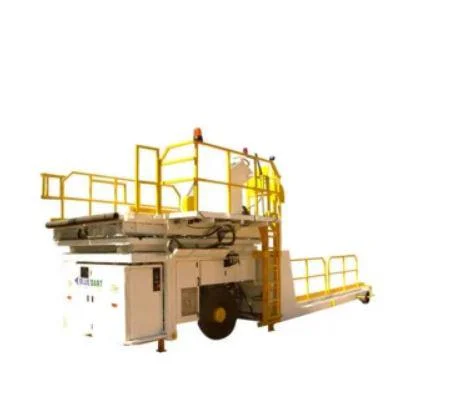
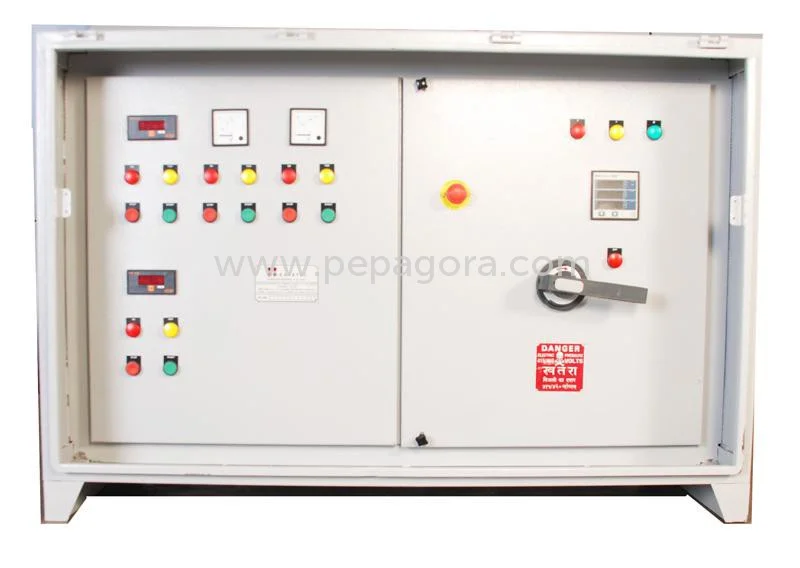
What are Material Handling Systems?
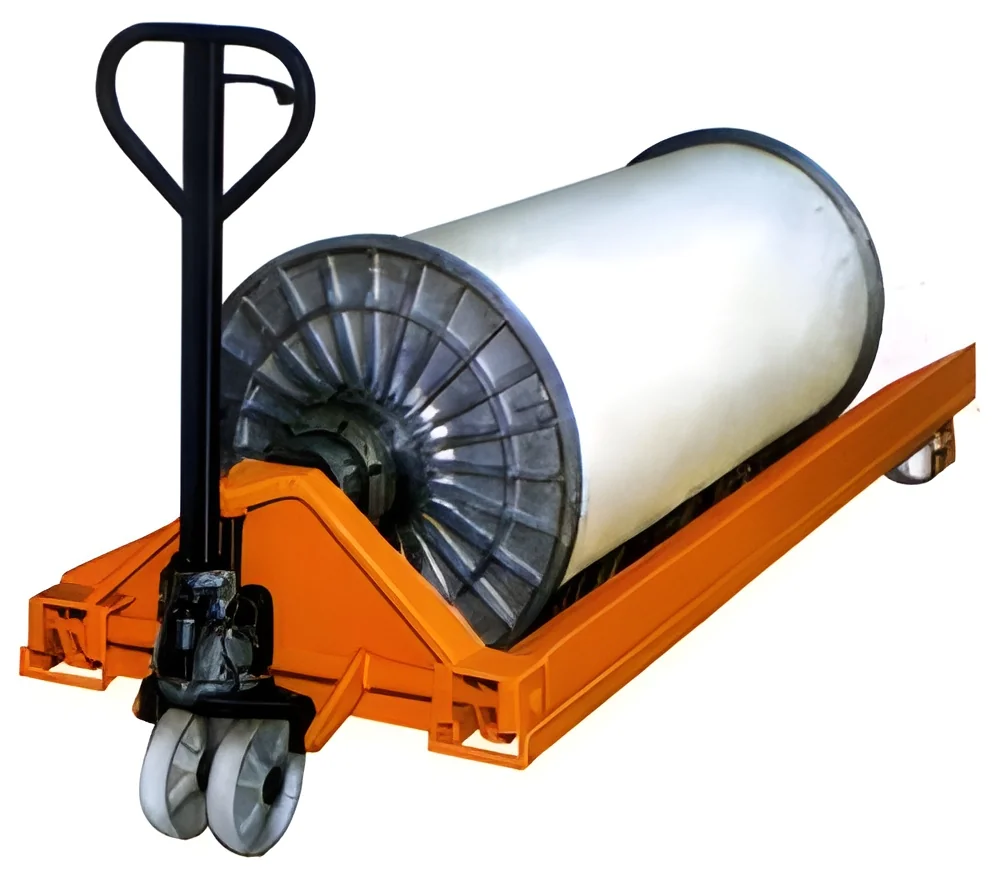
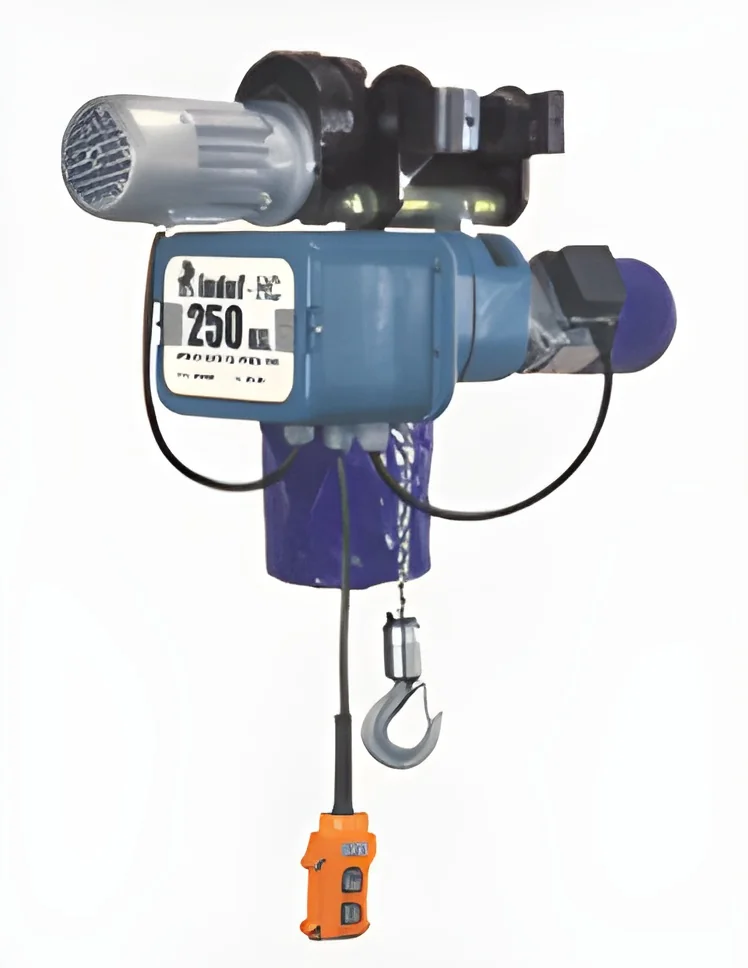
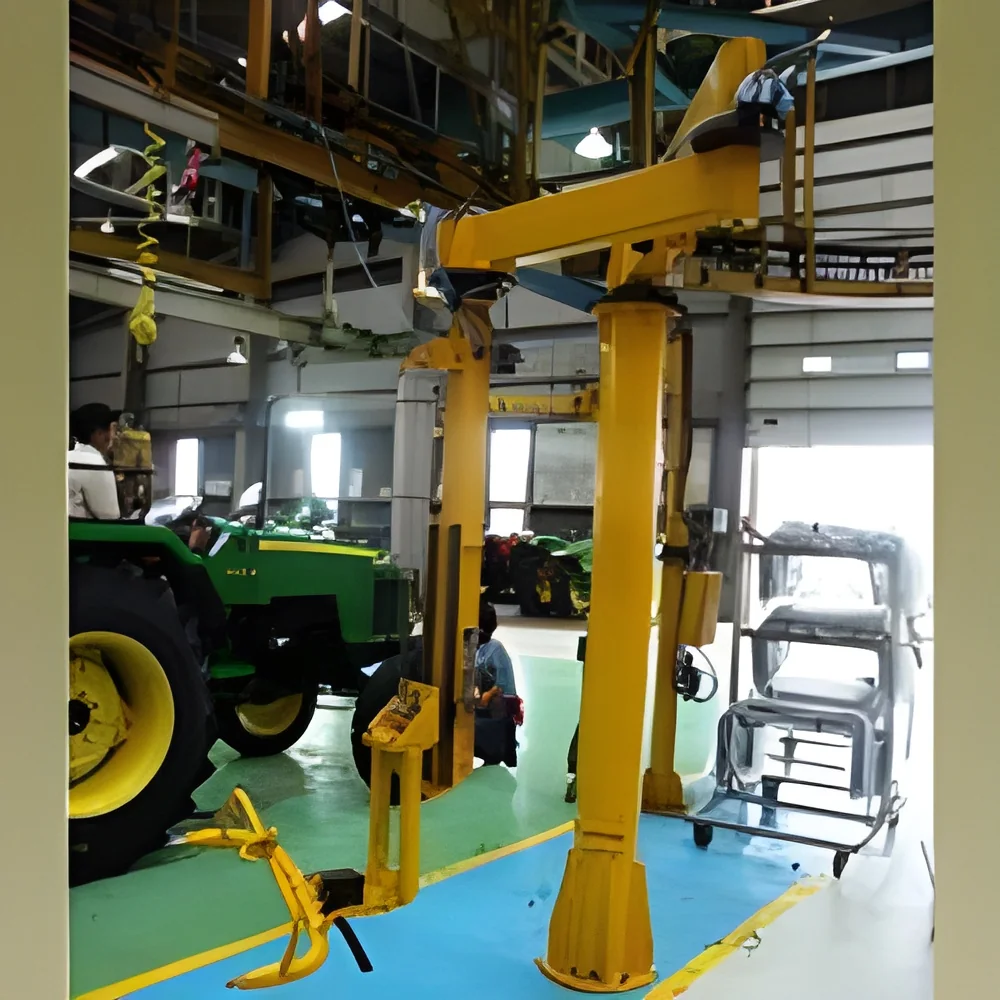
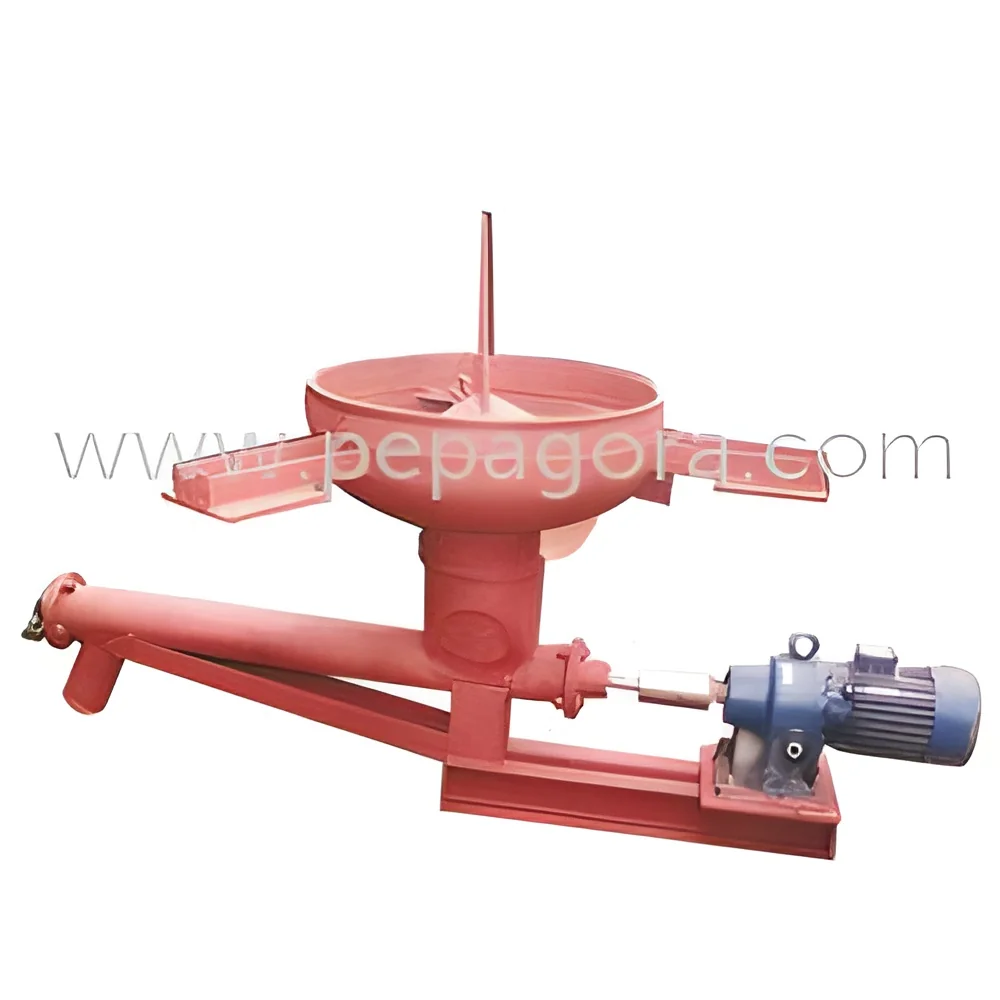
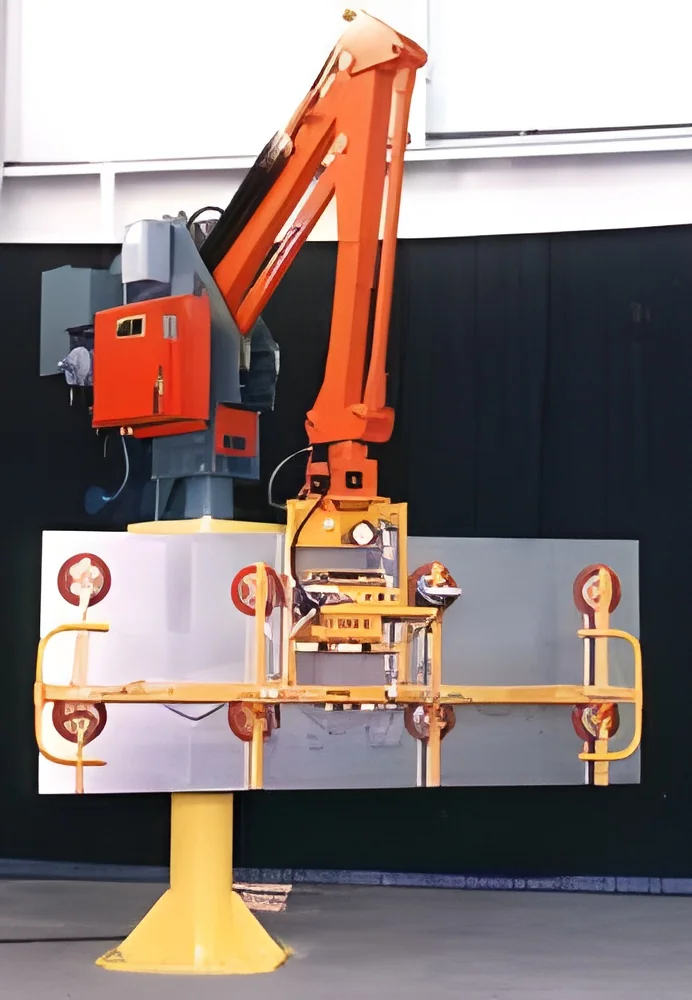
Material handling systems are a crucial component in various industries, involved in the movement, protection, storage, and control of materials throughout the manufacturing and distribution process. These systems encompass a wide range of equipment and technologies designed to facilitate the efficient handling of goods, from raw materials to finished products. By automating and optimizing these processes, businesses can enhance productivity and reduce operational costs.
The primary uses of material handling systems include loading and unloading, transporting, storing, and retrieving materials. They are employed in warehouses, manufacturing facilities, and distribution centers, where they support the flow of materials and ensure timely delivery. By streamlining operations, these systems contribute to improved inventory management and operational efficiency. The relevance of material handling systems continues to grow, driven by the increasing demand for automation and efficiency in logistics and supply chain management.
Key Features and Specifications
Material handling systems offer a variety of features and specifications that cater to different industrial needs. Understanding these specifications is essential for businesses looking to invest in the right solutions for their operations.
Key specifications include:
1. Load Capacity
- The maximum weight the system can handle.
- Typically ranges from hundreds to thousands of kilograms depending on the system type.
2. System Configuration
- The layout and design of the system, including fixed and mobile configurations.
- Can be customized to fit specific operational needs.
3. Speed
- The operational speed of the system during material transport.
- Varies based on the type of system, often measured in meters per minute.
4. Power Source
- The type of energy used to operate the system, such as electric or hydraulic.
- Affects efficiency and environmental impact.
5. Control Mechanisms
- The systems in place for operation, either manual or automated.
- Automation increases efficiency and reduces human error.
6. Safety Features
- Equipment designed to prevent accidents, such as emergency stop buttons and safety guards.
- Compliance with safety regulations is crucial.
7. Space Requirements
- The physical footprint needed for installation.
- Varies based on system type and configuration.
8. Maintenance Needs
- The level of maintenance required to keep the system operational.
- Regular checks and servicing can extend system lifespan.
These specifications help businesses select the most suitable material handling system for their specific applications.
Common Applications and Use Cases
Material handling systems serve a diverse range of industries, each with unique applications.
1. Manufacturing: In manufacturing, these systems are essential for transporting raw materials to production lines, facilitating assembly processes, and moving finished goods to storage.
2. Warehousing: Warehouses utilize material handling systems for efficient inventory management, including receiving, storing, and picking items for shipment.
3. Retail: Retailers employ these systems to manage stock levels, streamline the replenishment process, and enhance the efficiency of order fulfillment.
4. Food and Beverage: In the food industry, material handling systems ensure safe and hygienic movement of products, from processing to packaging.
5. Pharmaceuticals: Pharmaceutical companies rely on precise handling systems for the transport of sensitive materials while adhering to strict regulatory standards.
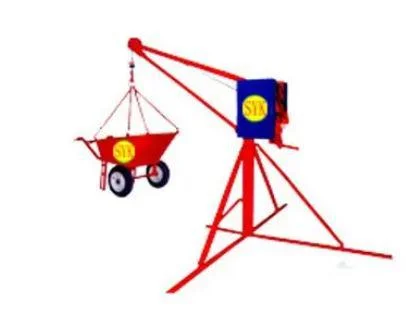
6. Construction: Construction sites use material handling systems for the movement of heavy materials, improving workflow and safety on-site.
7. Automotive: The automotive sector employs these systems to manage parts and materials throughout the manufacturing process, ensuring timely assembly.
Product Variants and Subcategories
Material handling systems encompass a variety of product types, each designed to meet specific operational needs.
Automated Guided Vehicles (AGVs)
AGVs are self-driving vehicles that transport materials within facilities. They enhance efficiency by automating the movement of goods, reducing labor costs and human error.
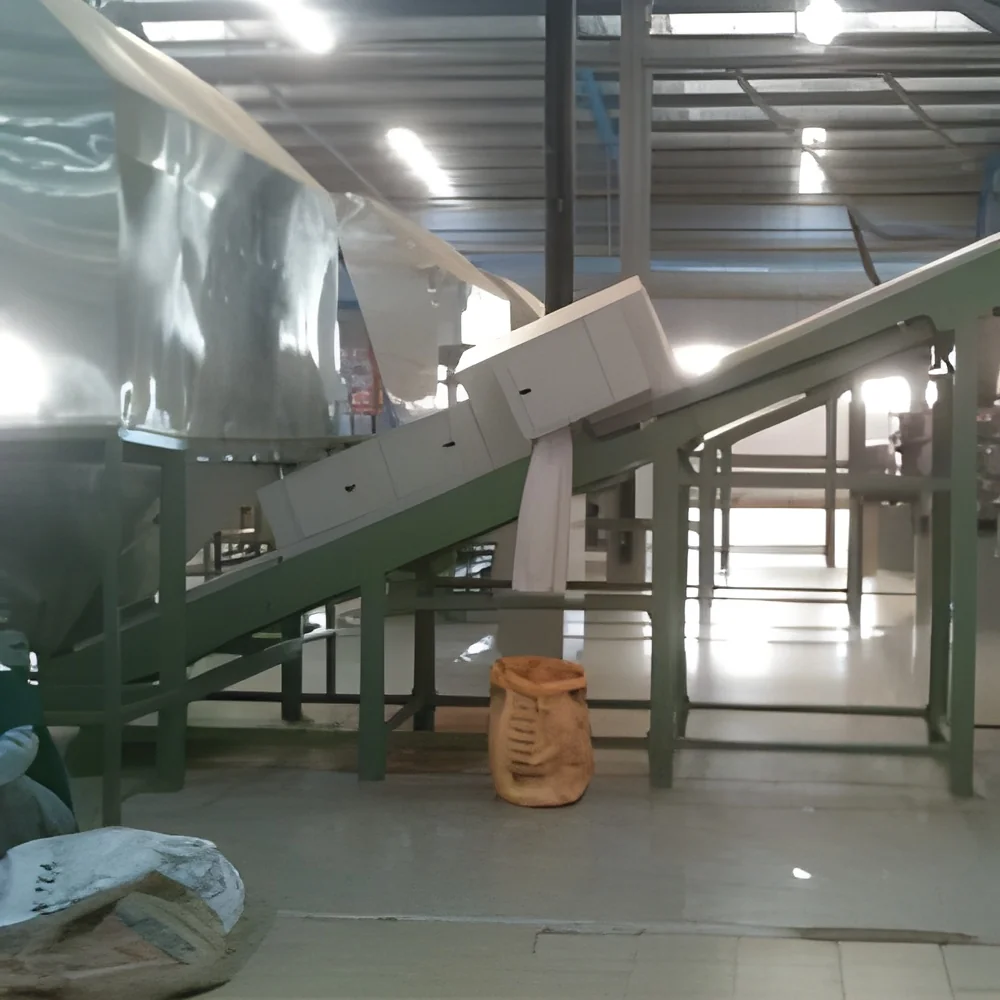
Conveyor Systems
Conveyor systems are designed for continuous transportation of materials. They are widely used for moving products along assembly lines or between different processing stations.
Forklifts
Forklifts are versatile material handling solutions ideal for lifting and moving heavy loads. They are commonly used in warehouses and distribution centers.
Pallet Racks
Pallet racks provide a structured storage solution, allowing for efficient use of vertical space. They are essential for organizing inventory in warehouses.
Benefits and Advantages
Investing in material handling systems offers numerous advantages to businesses.
Key benefits include:
1. Increased Efficiency: Automating material handling reduces time spent on manual tasks, increasing overall operational efficiency.
2. Cost Savings: Streamlining processes can lead to reduced labor costs and lower operational expenses.
3. Improved Safety: Advanced safety features minimize the risk of accidents and injuries in the workplace.
4. Enhanced Productivity: Efficient material movement allows for faster production cycles and improved output.
5. Better Inventory Management: Material handling systems facilitate accurate tracking of inventory, reducing stock discrepancies.
6. Flexibility: Many systems can be customized or scaled to meet changing operational needs.
Buying Guide for B2B Buyers
When sourcing material handling systems, it is important to consider several key factors.
1. Quality Assessment: Evaluate the quality of materials and construction of the systems. Look for systems that meet industry standards for durability and performance.
2. Supplier Verification: Vet suppliers to ensure they have a solid reputation and provide reliable products. Check for reviews and references.
3. Pricing and MOQ: Understand the pricing structure and minimum order quantities. Compare costs among different suppliers to find the best deal.
4. Delivery and Lead Times: Consider logistics and the time frame for delivery. Ensure suppliers can meet your timeline to avoid disruptions.
5. Compliance Requirements: Be aware of regulatory needs for the systems, such as safety standards and certifications. Ensure that the products meet these requirements.
Compliance and Certifications
Material handling systems must adhere to relevant quality standards and industry regulations to ensure safety and effectiveness. Key standards include ISO 9001, which focuses on quality management systems, and CE certification, which indicates compliance with European safety standards.
Additionally, compliance with safety and testing requirements is crucial for preventing workplace accidents and ensuring the reliable performance of equipment. Businesses must also consider regional compliance requirements, which may vary based on local laws and regulations. Understanding these standards is essential for selecting the right material handling systems.
Why Source Material Handling Systems from Pepagora?
Pepagora provides a trusted platform for sourcing material handling systems, offering several key advantages to B2B buyers.
Verified Supplier Network: Pepagora connects buyers with a network of verified suppliers. This ensures that businesses can find reputable manufacturers that meet quality standards.
Streamlined RFQ Process: The platform facilitates a straightforward Request for Quotation process, allowing buyers to easily compare offers from multiple suppliers to find the best fit for their needs.
Trade Assurance and Support: Pepagora offers buyer protection through trade assurance policies. This provides peace of mind, ensuring that transactions are secure and reliable.
Regional Coverage: With a strong presence in India, the GCC, and Southeast Asia, Pepagora allows businesses to source material handling systems across a wide geographic area, catering to various market needs. This extensive network helps streamline the procurement process and offers diverse options for buyers.

 IN
IN