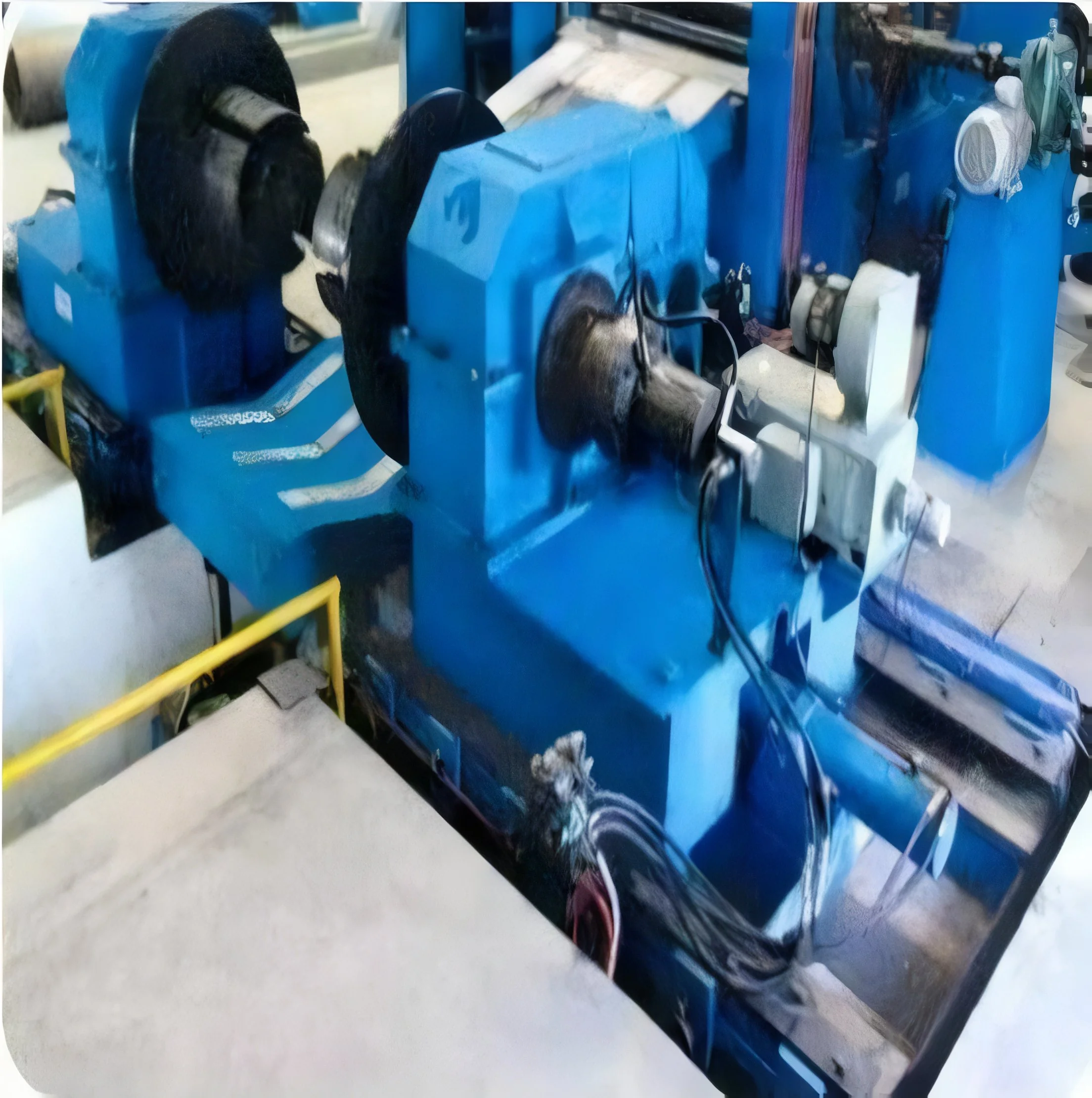
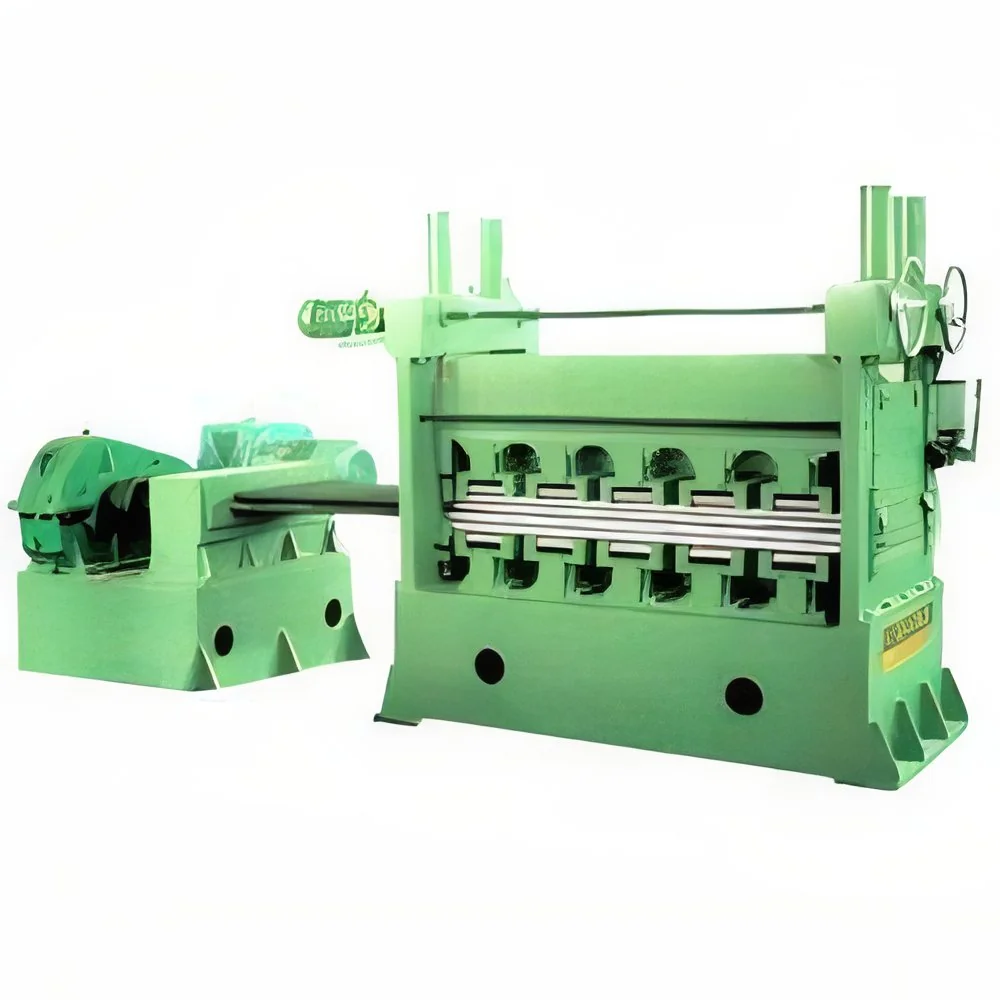
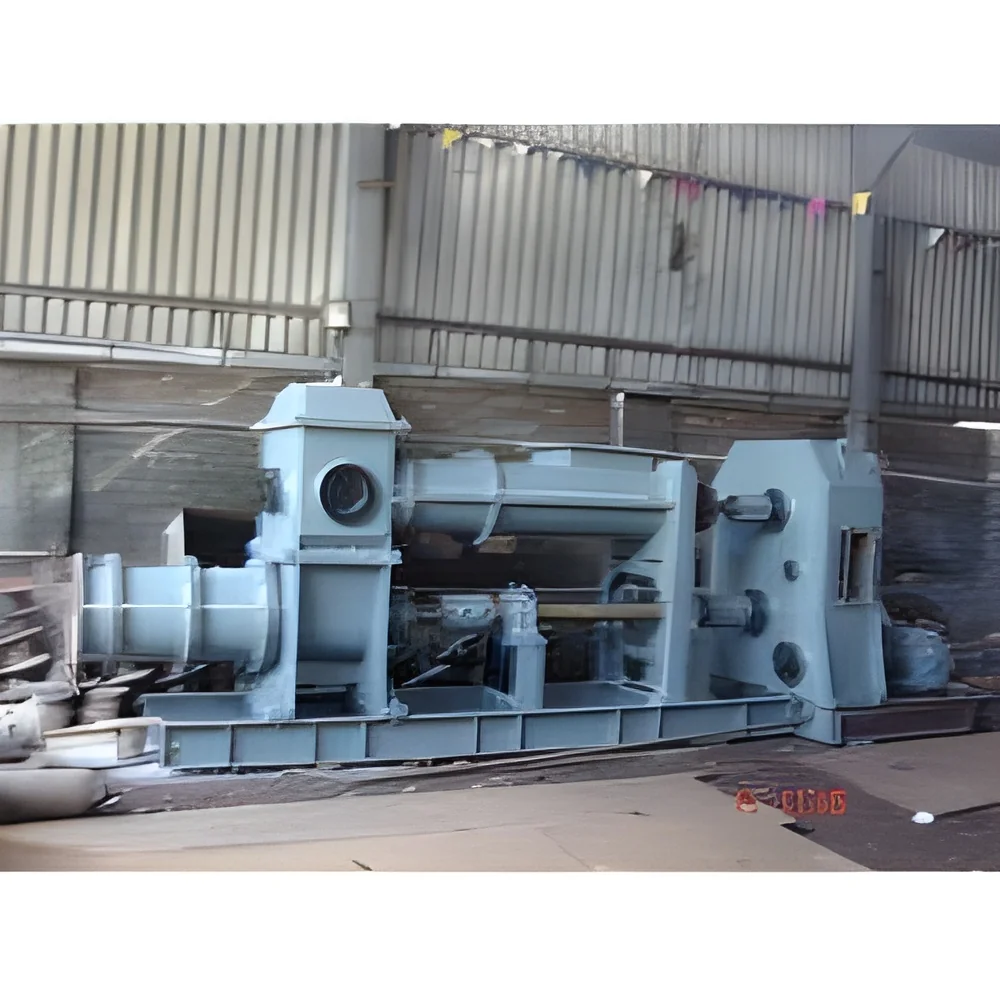
What are Coil Cutting Lines?
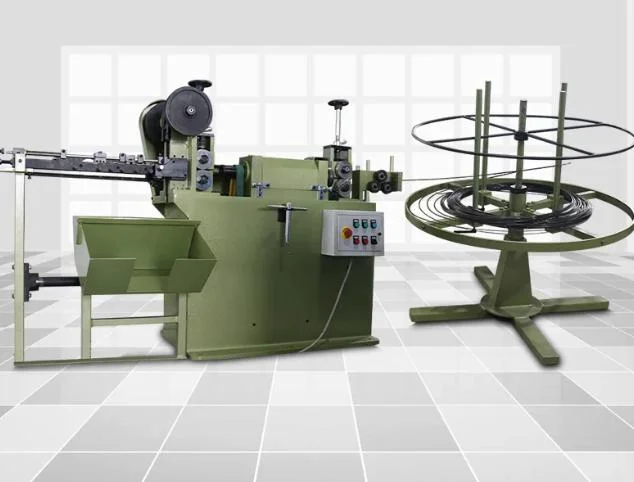
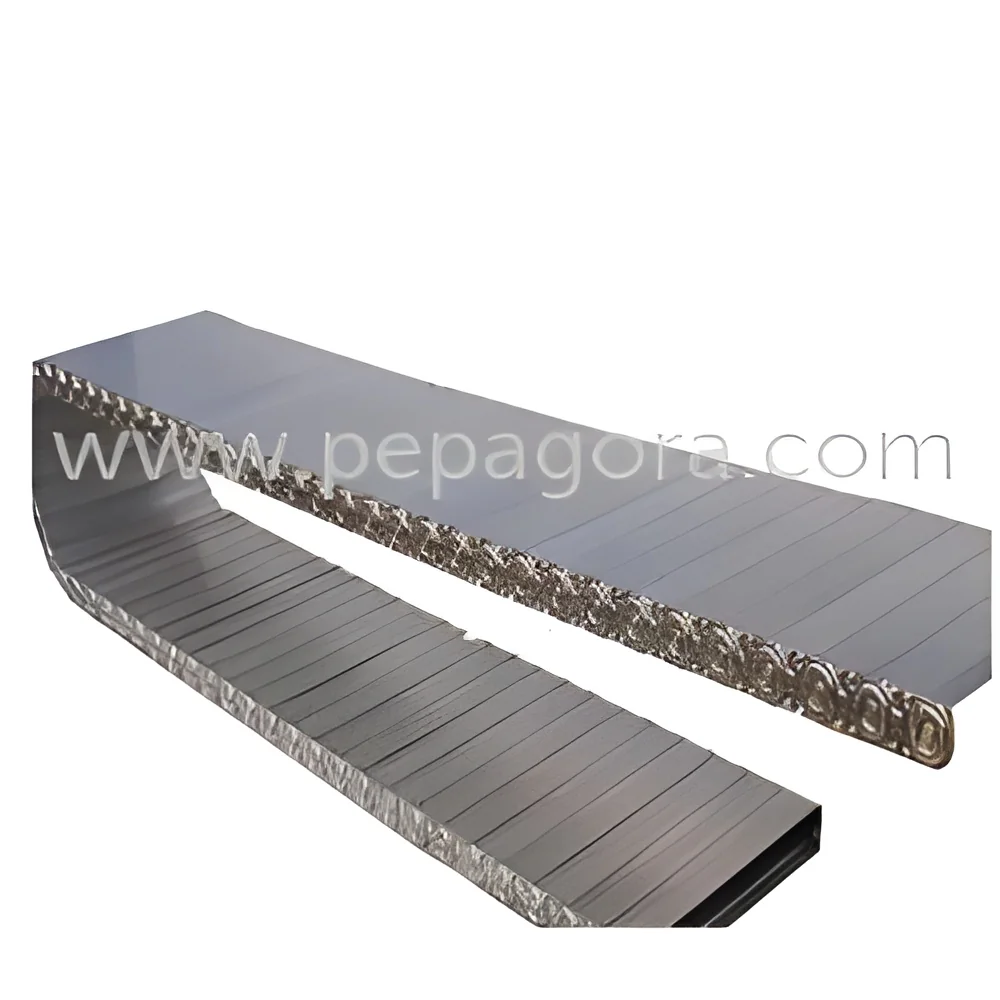
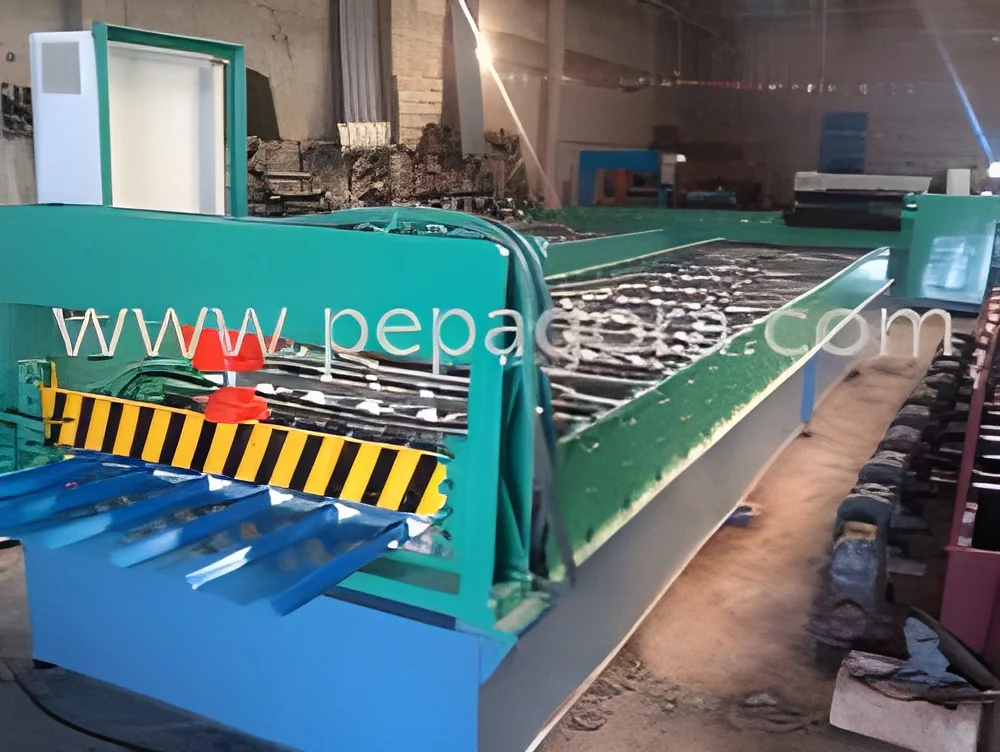
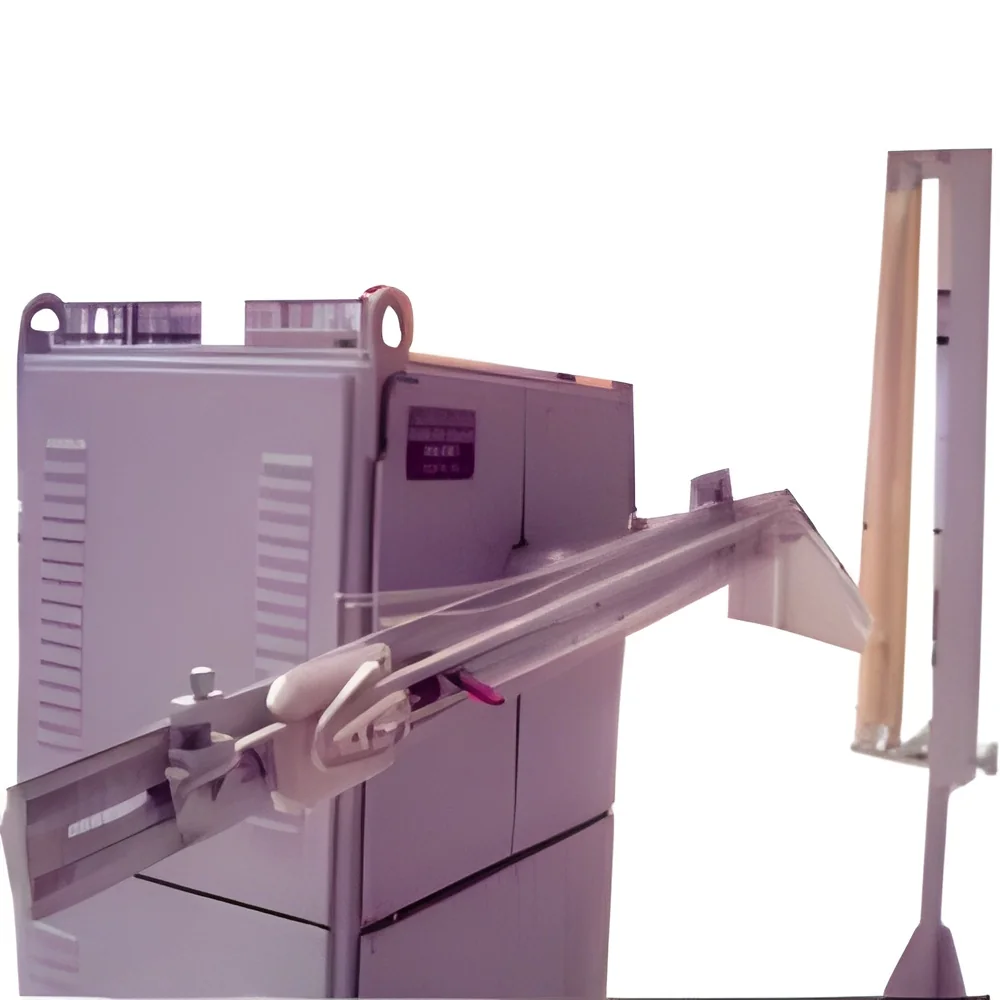
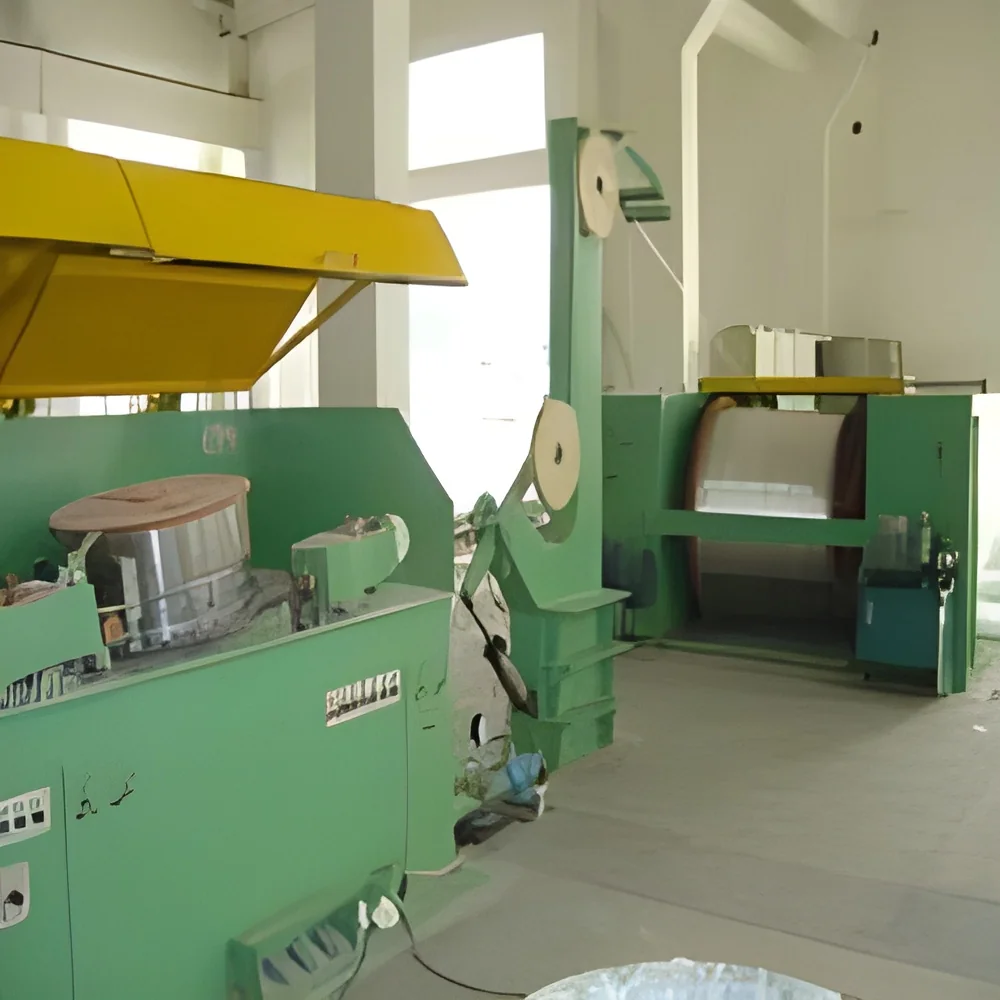
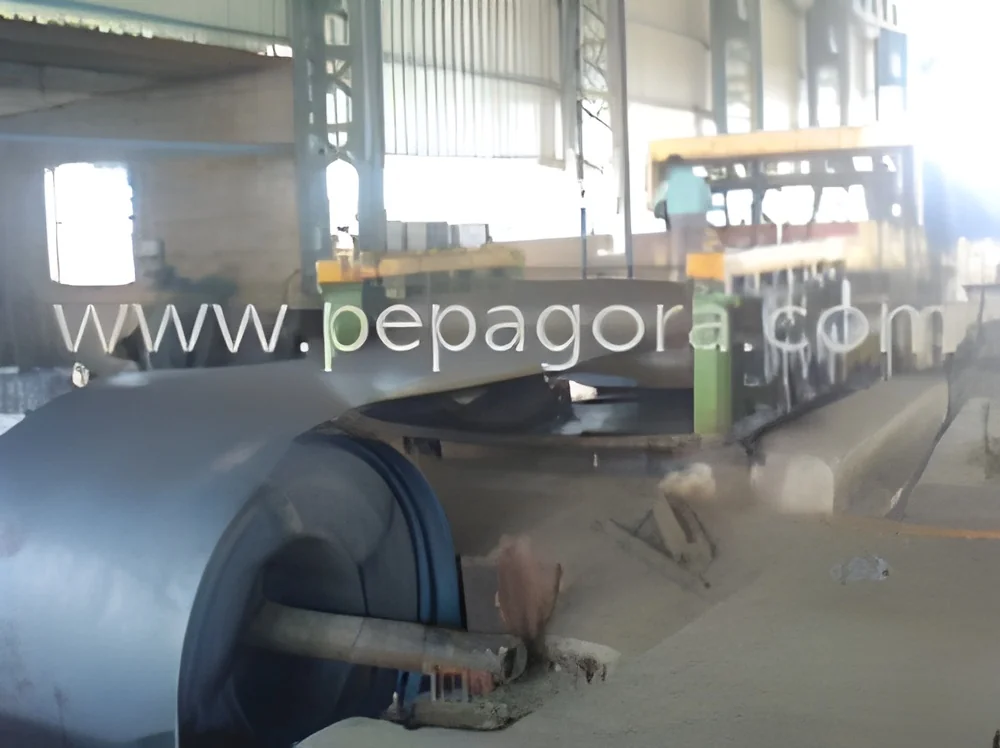
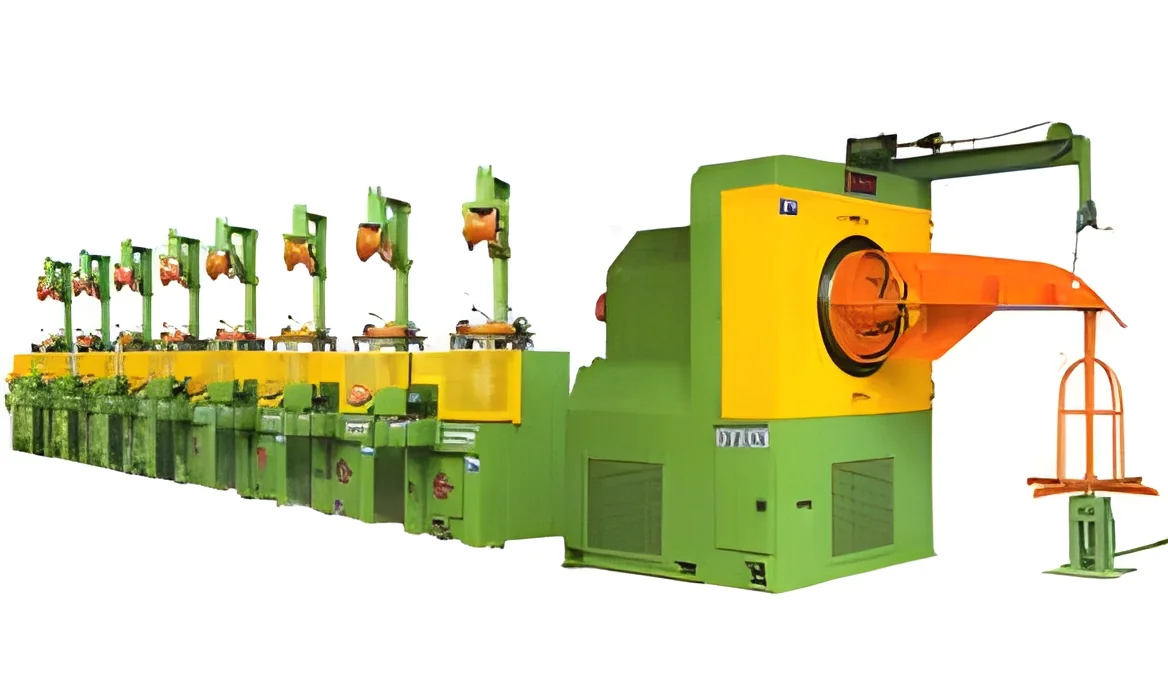
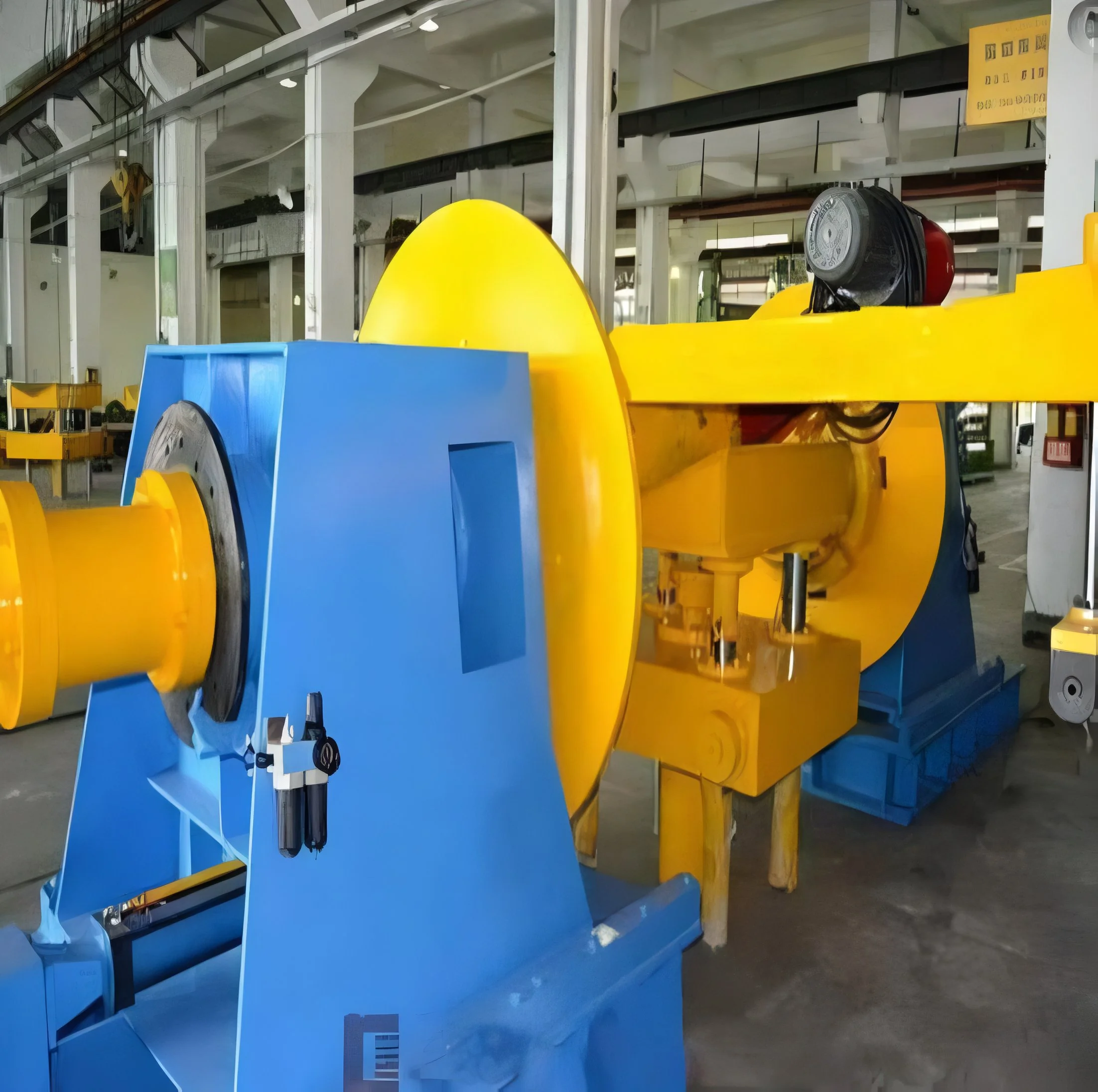
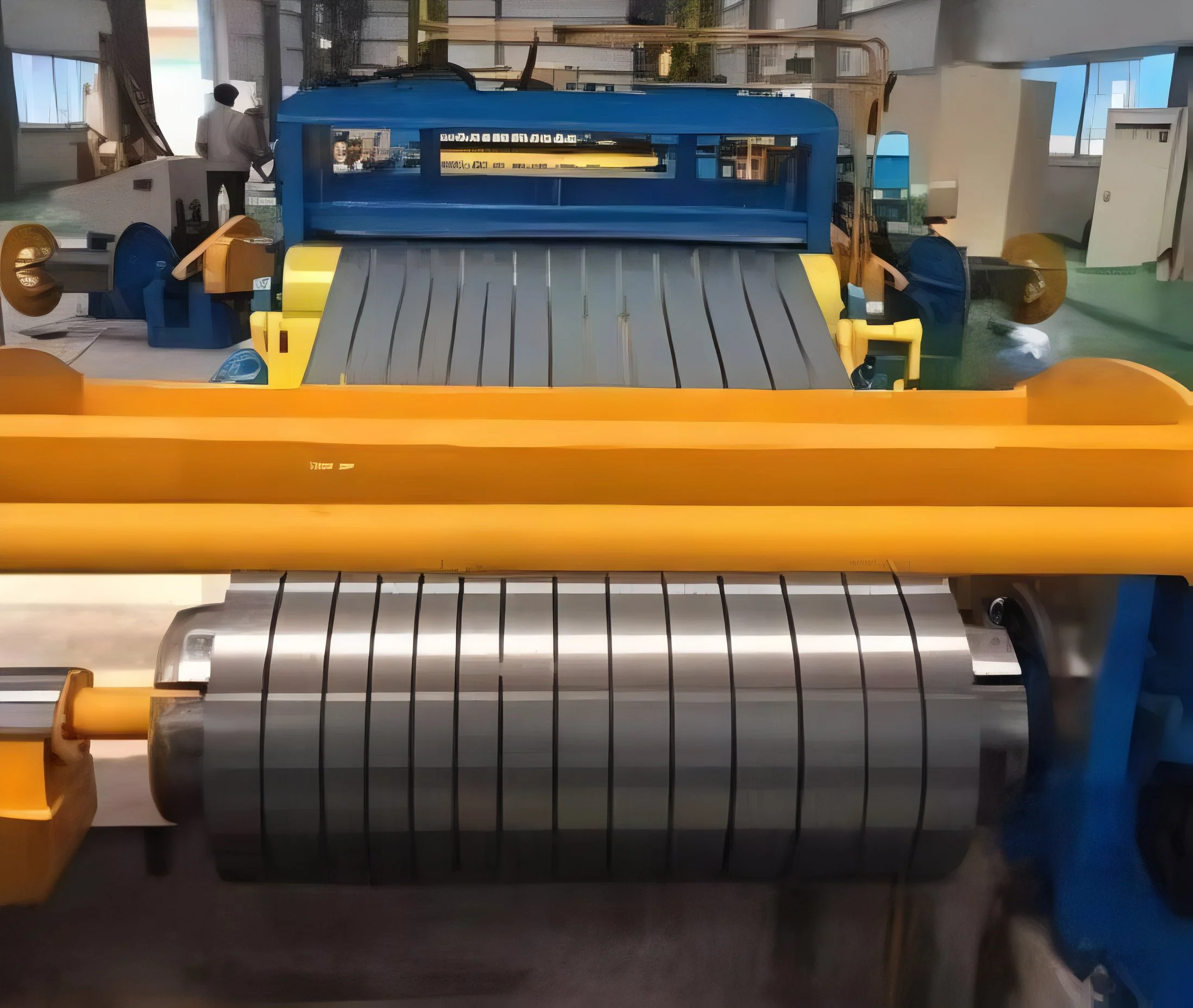
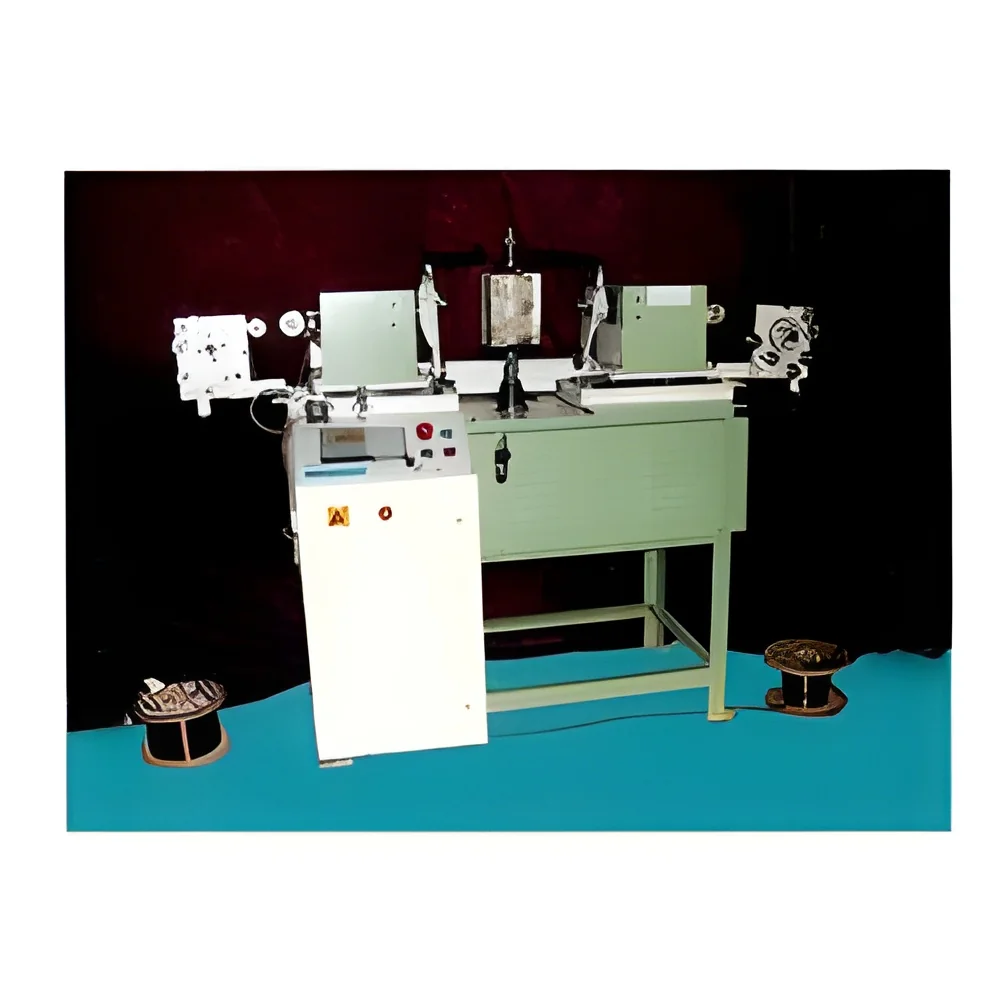
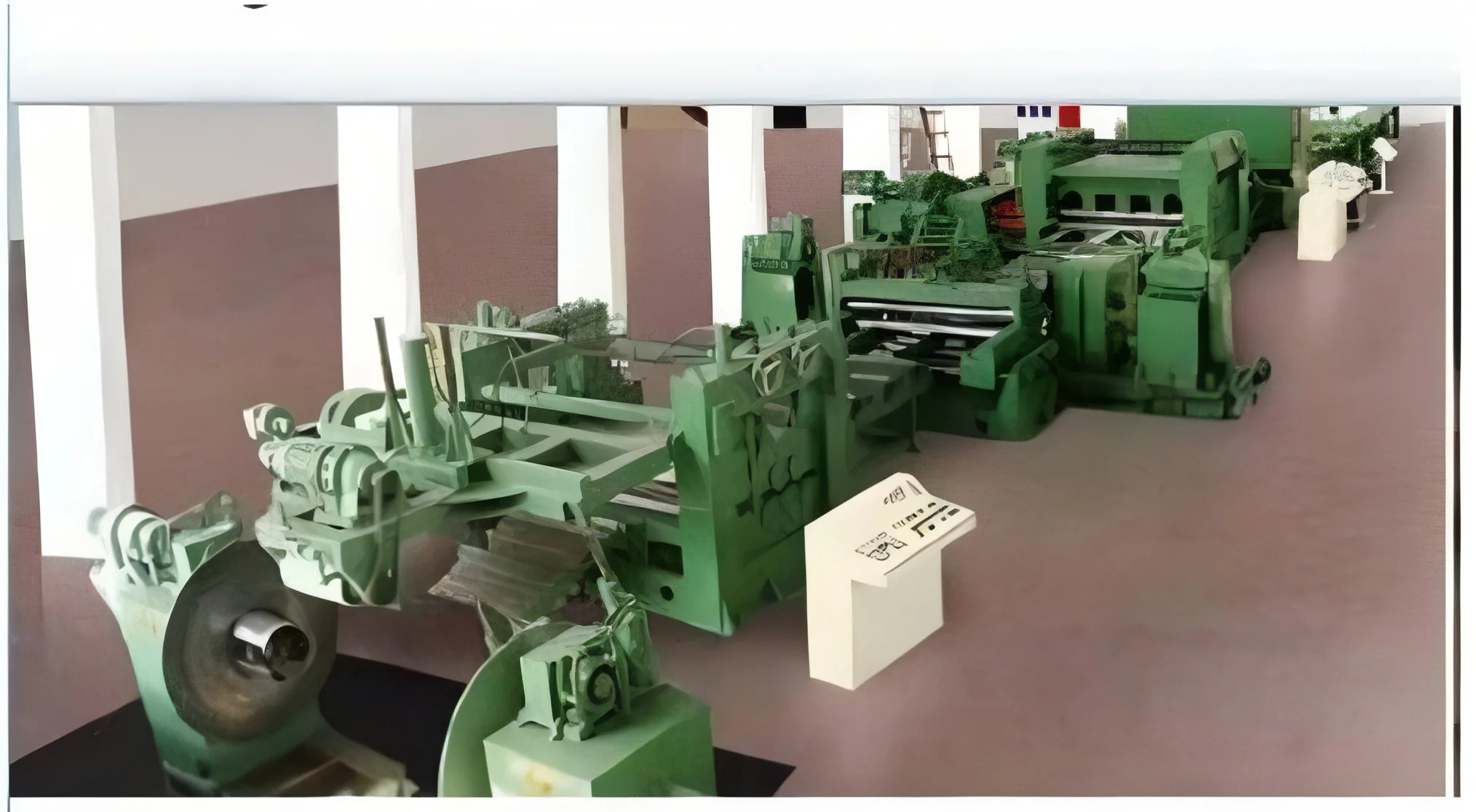
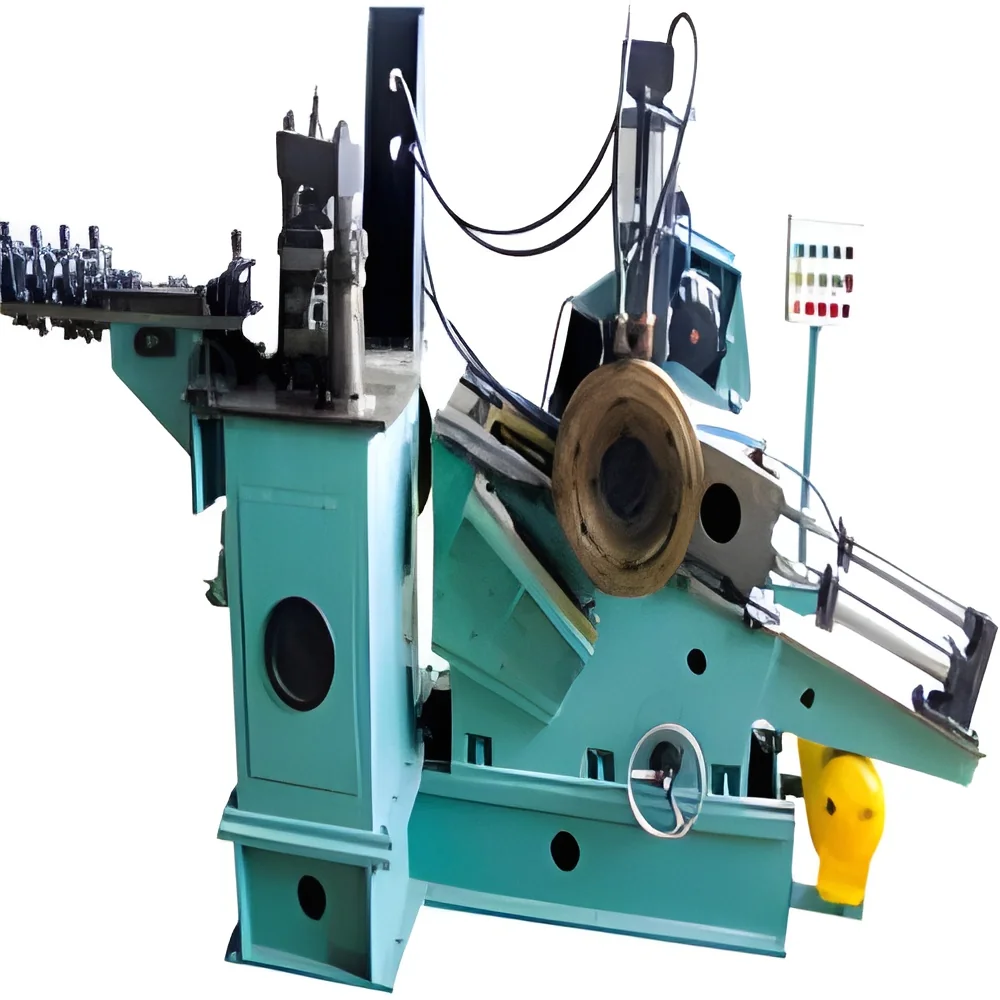
Coil Cutting Lines are specialized industrial machines designed to cut large coils of material into smaller, manageable strips or sheets. These lines operate by unwinding coils, cutting them to specified lengths, and then recoiling or stacking the resulting pieces for further processing or distribution. Coil Cutting Lines are essential in various manufacturing sectors where precision and efficiency in material handling are critical.
The primary uses of Coil Cutting Lines include processing metals, plastics, and paper products, among others. Industries such as automotive, construction, and packaging rely on these systems to ensure that raw materials are prepared accurately for production. By enabling high-speed cutting and reducing waste, these lines contribute significantly to operational efficiency, helping businesses maintain competitive edge.
In the context of the industrial market, Coil Cutting Lines are increasingly relevant due to the growing demand for customized materials and the need for automation in manufacturing processes. As industries evolve, the ability to quickly adapt to changing specifications and produce high-quality cuts will enhance productivity and profitability, making these systems a vital investment for many companies.
Key Features and Specifications
Coil Cutting Lines come equipped with several key features that enhance their performance and versatility. Understanding these specifications is crucial for businesses seeking to optimize their production processes.
Key specifications include:
1. Cutting Speed
- The speed at which the lines can cut materials.
- Typically ranges from 30 to 120 meters per minute.
2. Material Thickness Capacity
- The maximum thickness of material that can be processed.
- Generally accommodates thicknesses from 0.2 mm to 10 mm.
3. Coil Width Range
- The range of widths that the machine can handle.
- Commonly varies from 100 mm to 2000 mm.
4. Control System
- Type of control used for operation.
- Options include PLC (Programmable Logic Controller) and manual controls.
5. Automation Level
- The degree of automation in the cutting process.
- Fully automated systems are available, as well as semi-automated options.
6. Safety Features
- Includes emergency stops, safety guards, and sensors.
- Designed to meet industry safety standards.
7. Power Consumption
- Energy requirements for operating the coil cutting line.
- Typically ranges from 5 kW to 50 kW depending on the model.
8. Weight and Dimensions
- Overall size and weight of the machinery.
- Varies significantly based on the model and configuration.
In summary, understanding the key features and specifications of Coil Cutting Lines allows businesses to select the right equipment to meet their production needs.
Common Applications and Use Cases
Coil Cutting Lines find applications across numerous industries due to their efficiency and precision.
1. Automotive Industry: Coil Cutting Lines are utilized to cut metal sheets for vehicle parts, ensuring precise dimensions for assembly.
2. Construction Sector: These lines are employed to process steel coils used in structural components, providing exact lengths for building projects.
3. Packaging Industry: Coil Cutting Lines are essential for cutting flexible packaging materials, allowing for customization in packaging sizes.
4. Electrical Industry: Manufacturers use these lines to cut copper and aluminum coils used in wire production.
5. Aerospace Industry: Coil Cutting Lines process lightweight materials for aircraft components, adhering to stringent industry specifications.
6. Home Appliances: These lines cut various metals and plastics used in the manufacturing of appliances, ensuring quality and consistency.
7. Furniture Manufacturing: Coil Cutting Lines are used to cut materials for furniture components, allowing for streamlined production processes.
Product Variants and Subcategories
Coil Cutting Lines come in various configurations to meet specific industry needs. Each variant offers unique features suited for different applications.
High-Speed Coil Cutting Line
This variant is designed for rapid processing of materials, significantly increasing production rates. It is ideal for industries that require continuous, high-volume cuts.
Precision Coil Cutting Line
Focused on accuracy, this model is equipped with advanced control systems to ensure precise cuts. It is suitable for applications where tolerances are critical, such as in aerospace and automotive manufacturing.
Portable Coil Cutting Line
This variant is designed for flexibility, allowing operators to set up and use the line in different locations. It is perfect for job sites or smaller workshops.
Heavy-Duty Coil Cutting Line
Built to handle thicker and heavier materials, this model is ideal for heavy manufacturing sectors, such as construction and metal fabrication.
Benefits and Advantages
Coil Cutting Lines offer numerous advantages for businesses looking to enhance their manufacturing processes.
1. Increased Efficiency: These lines facilitate faster cutting speeds, reducing production time and increasing output.
2. Reduced Waste: By providing precise cuts, Coil Cutting Lines minimize material waste, leading to cost savings and improved sustainability.
3. Enhanced Quality Control: With advanced monitoring and control systems, these lines ensure consistent product quality, which is vital for maintaining industry standards.
4. Customization Capabilities: Businesses can adjust cutting lengths and widths to meet specific customer requirements, allowing for greater flexibility.
5. Improved Safety: Modern Coil Cutting Lines come with built-in safety features, reducing the risk of accidents and ensuring a safer working environment.
6. Lower Labor Costs: Automation reduces the need for manual labor, allowing companies to allocate resources more efficiently.
Buying Guide for B2B Buyers
When sourcing Coil Cutting Lines, it is vital for buyers to consider several key factors to ensure they make the best investment.
1. Quality Assessment: Evaluate the quality of materials and components used in the Coil Cutting Lines. Look for reputable manufacturers that adhere to industry standards.
2. Supplier Verification: Conduct due diligence on suppliers to ensure they have a proven track record. Check for customer reviews and past performance.
3. Pricing and MOQ: Understand the pricing structure and minimum order quantities. Compare multiple suppliers to identify the best value for your investment.
4. Delivery and Lead Times: Confirm delivery schedules and lead times. Ensure that the supplier can meet your production timelines without delays.
5. Compliance Requirements: Verify that the Coil Cutting Lines comply with relevant industry regulations and safety standards. This is crucial for ensuring operational efficiency and legal adherence.
Compliance and Certifications
Coil Cutting Lines must meet specific compliance and certification requirements to ensure safety and quality. Relevant quality standards include ISO 9001, which focuses on quality management systems, ensuring that manufacturers consistently provide products that meet customer expectations.
Additionally, compliance with CE certification is essential in many markets, indicating that the equipment meets European safety, health, and environmental protection standards. This certification enhances marketability and assures buyers of the product's quality.
Safety standards and testing requirements are critical components in the design and operation of Coil Cutting Lines. Manufacturers need to incorporate safety features that protect operators while ensuring efficient performance.
Regional compliance considerations may vary, so it is important for buyers to understand the specific regulations applicable in their respective regions.
Why Source Coil Cutting Lines from Pepagora?
Pepagora provides a trusted platform for sourcing Coil Cutting Lines, offering several advantages that benefit B2B buyers.
Verified Supplier Network: Pepagora connects buyers with a network of verified suppliers. This ensures that businesses can access reliable manufacturers with a history of quality production.
Streamlined RFQ Process: The Request for Quotation process is simplified on Pepagora, allowing buyers to obtain competitive quotes quickly and efficiently. This saves time and enhances decision-making.
Trade Assurance and Support: Pepagora offers trade assurance features that protect buyers, ensuring that their purchases meet agreed standards and specifications. This support adds a layer of security to transactions.
Regional Coverage: With a strong presence in India, the GCC, and Southeast Asia, Pepagora offers extensive geographic reach. This allows businesses to source Coil Cutting Lines from a wide range of suppliers, ensuring access to the best products available in the market.

 IN
IN