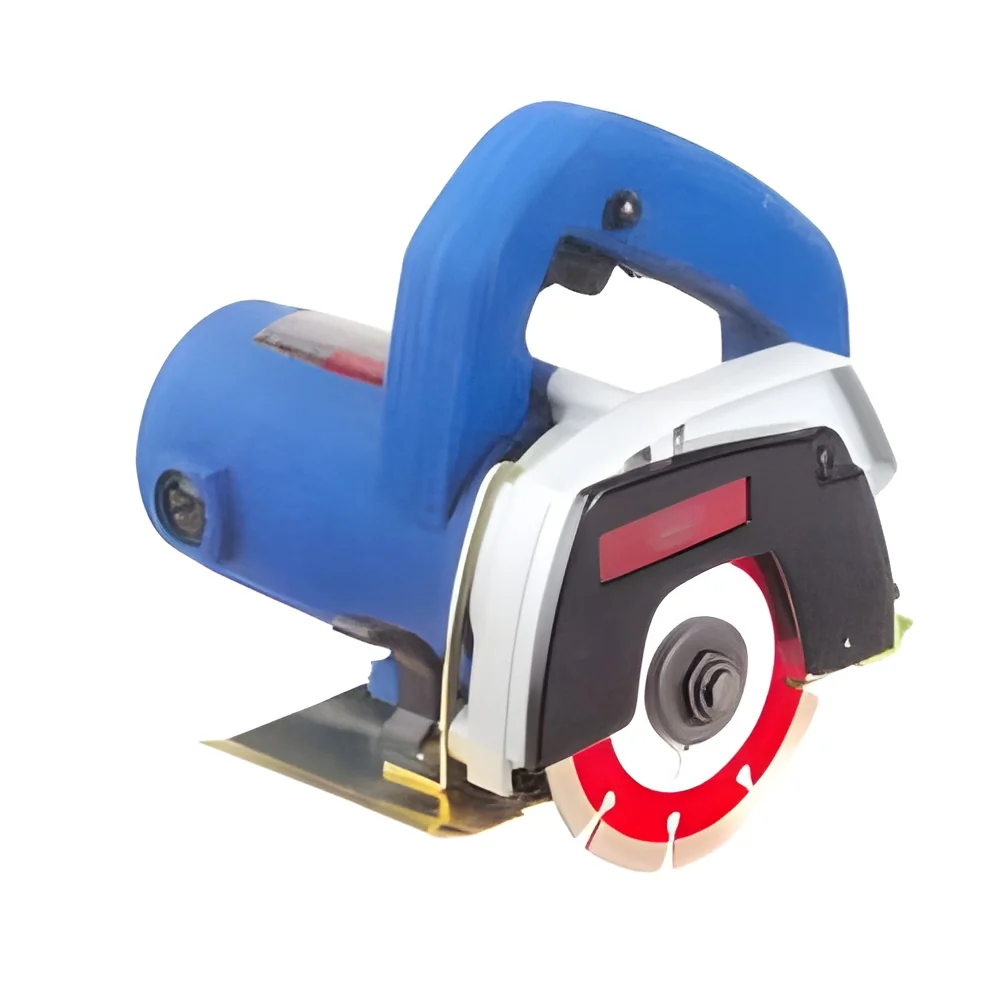
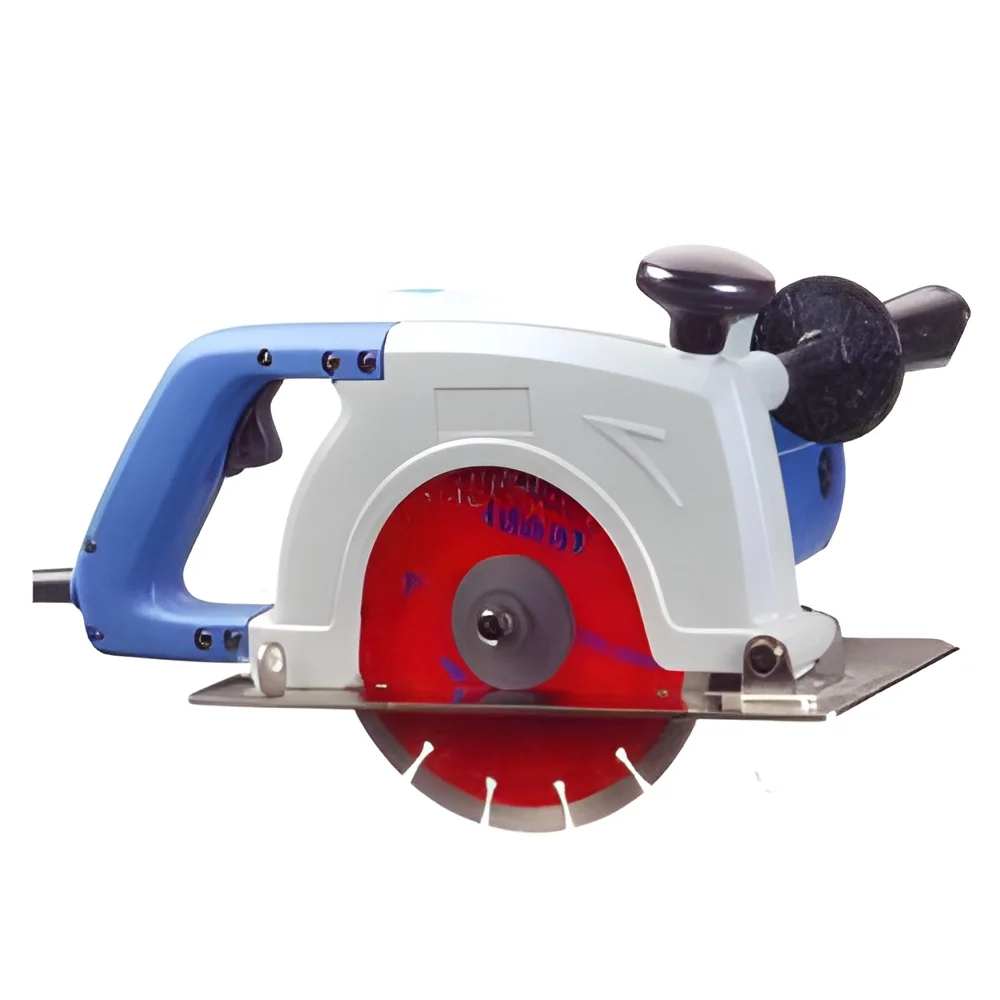
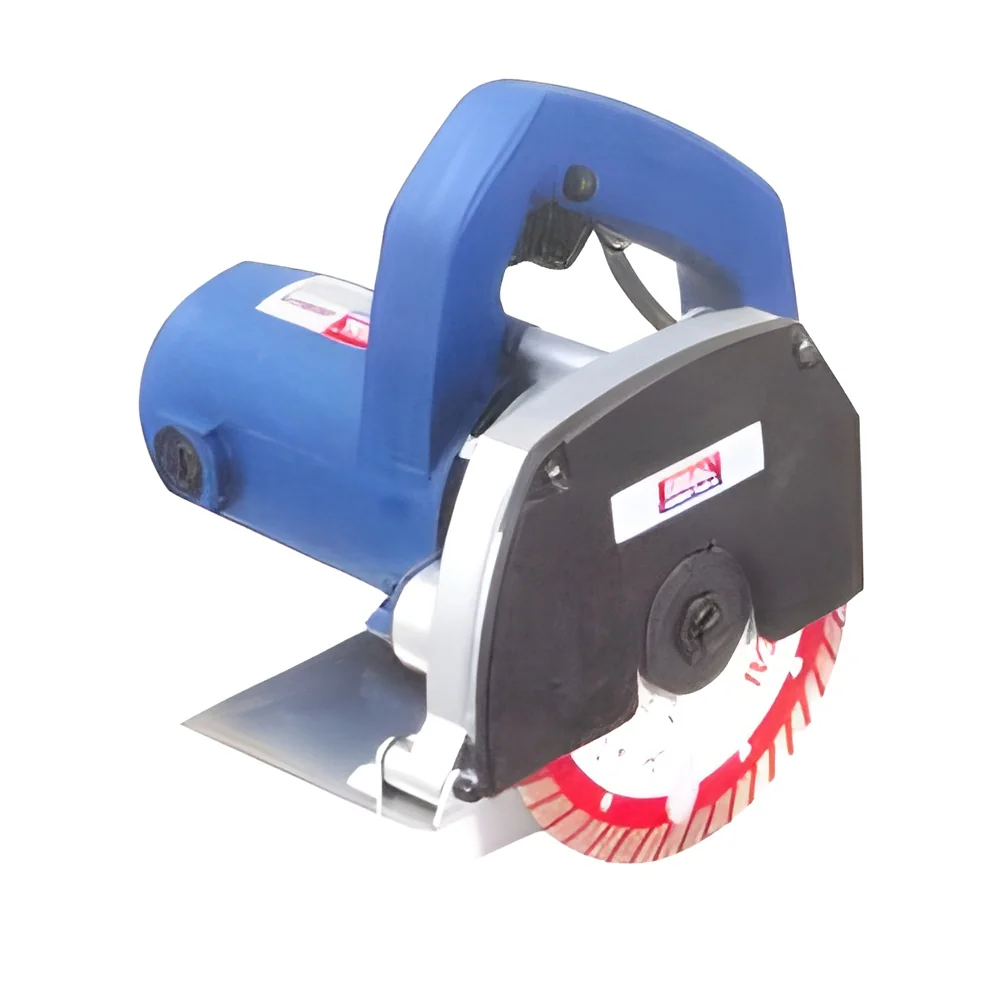
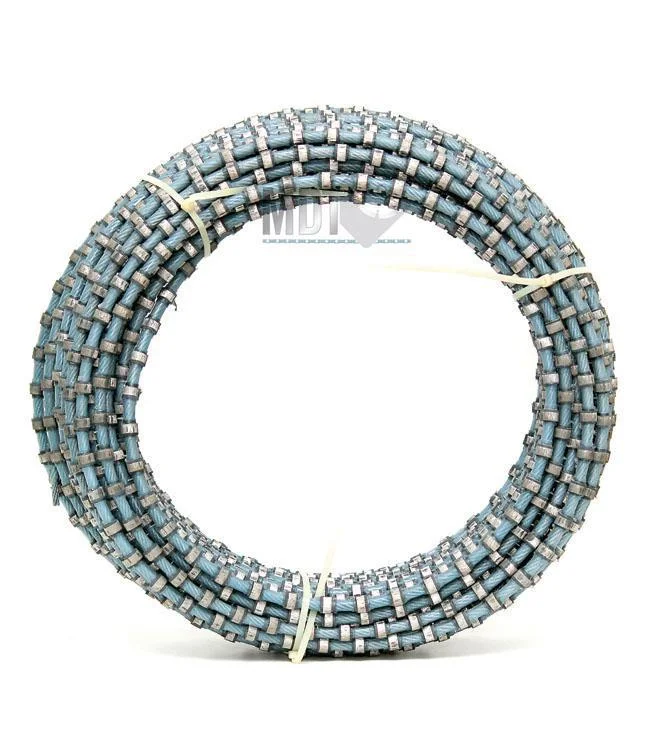
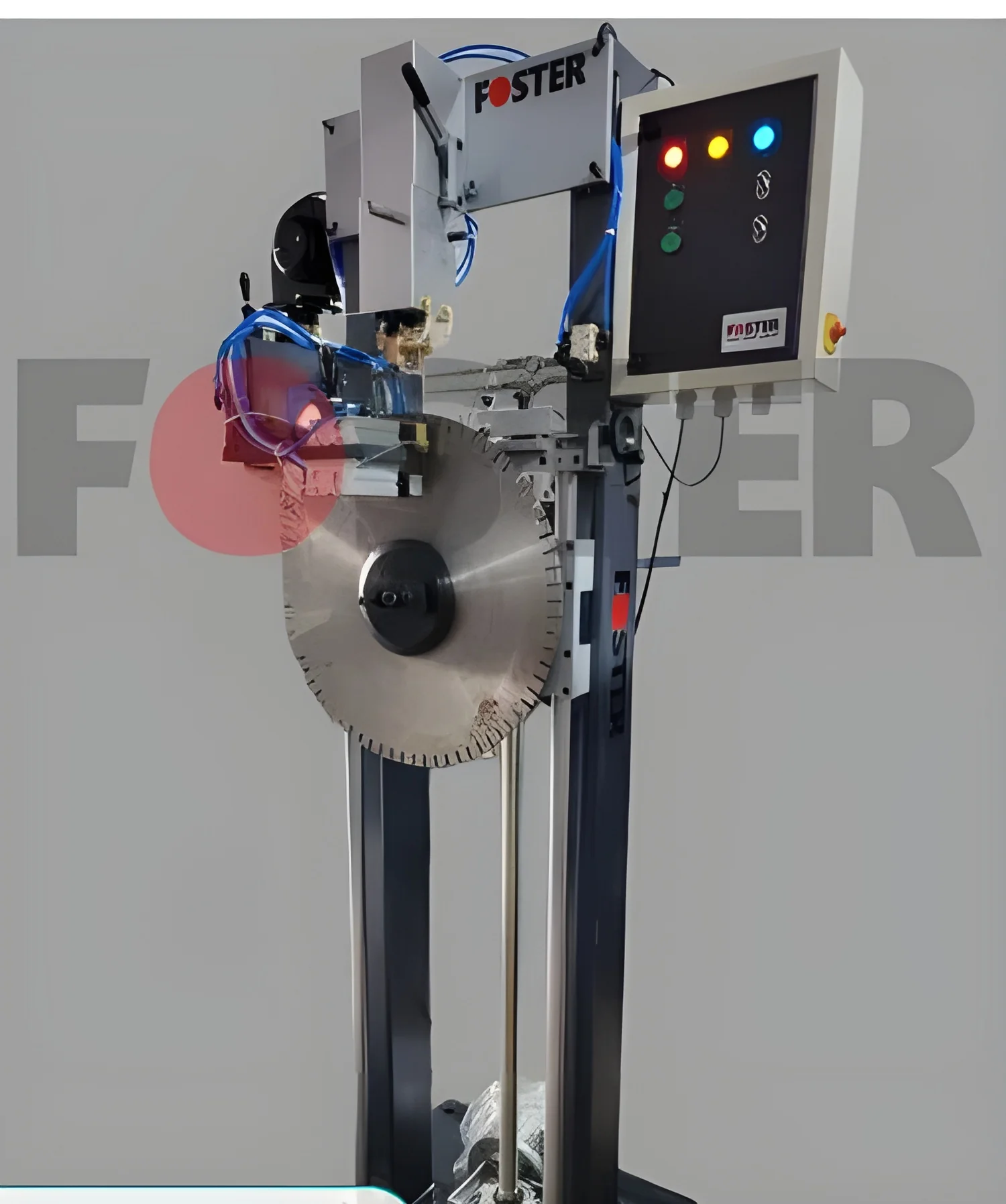
What are Marble & Granite Cutting Machines?
Marble and granite cutting machines are specialized equipment used in the processing of stone materials. These machines are designed to cut, shape, and finish marble and granite slabs with precision and efficiency. They utilize various technologies, including saw blades, water jets, and diamond cutting tools, to achieve high-quality results. The machines come in different configurations, including manual, semi-automatic, and fully automatic systems, catering to various production needs.
These machines are primarily used in the construction and stone processing industries. They play a crucial role in the manufacturing of countertops, tiles, monuments, and other architectural elements. Businesses leverage these machines to enhance productivity, reduce waste, and ensure the accuracy of their stone products. The demand for marble and granite cutting machines is on the rise due to the growth in construction activities and the increasing popularity of natural stone in design and architecture.
In the current market context, marble and granite cutting machines are essential for manufacturers looking to maintain competitiveness. The industry is evolving with technological advancements that improve efficiency and reduce operational costs. As the global market for natural stone continues to expand, the relevance of these cutting machines is expected to grow, making them a vital investment for businesses in the sector.
Key Features and Specifications
Marble and granite cutting machines come with a variety of features and specifications that enhance their functionality and performance. Understanding these specifications can help businesses choose the right equipment for their needs.
Key specifications include:
1. Cutting Speed
- This refers to the rate at which the machine can cut through stone.
- Typical cutting speeds can vary based on the machine type and material hardness.
2. Blade Size
- The diameter of the saw blade used in the machine.
- Common blade sizes range from 10 inches to 20 inches, depending on the application.
3. Power Consumption
- The amount of electrical power required to operate the machine.
- Machines typically range from 5 kW to 15 kW.
4. Water Cooling System
- This feature helps in cooling the cutting area and reducing dust.
- Most machines include a built-in water reservoir and pump.
5. Control System
- Refers to the technology used to operate the machine.
- Options include manual controls and advanced computer numerical control (CNC) systems.
6. Weight and Dimensions
- The physical size and weight of the machine impact its portability and installation.
- Machines can weigh anywhere from 500 kg to over 2000 kg.
7. Safety Features
- Includes emergency stop buttons and protective coverings.
- Essential for ensuring operator safety during operation.
8. Maintenance Requirements
- The level of maintenance needed to keep the machine in optimal working condition.
- Regular checks and servicing are recommended for longevity.
In summary, understanding the key features and specifications of marble and granite cutting machines is vital for making informed purchasing decisions.
Common Applications and Use Cases
Marble and granite cutting machines are widely used across various industries, each with specific applications that benefit from these machines.
1. Construction Industry: These machines are essential for cutting and shaping marble and granite slabs used in flooring, countertops, and wall cladding. Their precision ensures high-quality finishes and reduces waste.
2. Stone Fabrication: Fabricators use cutting machines to create customized stone products, including sinks, sculptures, and decorative elements. The ability to cut intricate designs is a key advantage.
3. Monument and Memorial Creation: Companies that manufacture gravestones and memorials rely on these machines to achieve precise cuts and engravings, ensuring a professional finish.
4. Interior Design: Designers utilize cutting machines to produce unique stone features for residential and commercial spaces, enhancing aesthetic appeal.
5. Landscaping: The machines are used to create decorative stone elements for outdoor spaces, such as garden paths, retaining walls, and water features.
6. Furniture Manufacturing: Some furniture makers incorporate stone into their designs, using cutting machines to produce tabletops and other components.
7. Restoration Projects: These machines help in the restoration of historical buildings by accurately replicating original stonework.
Product Variants and Subcategories
Marble and granite cutting machines come in various types to cater to different operational needs. Each variant is designed with specific features that enhance its application.
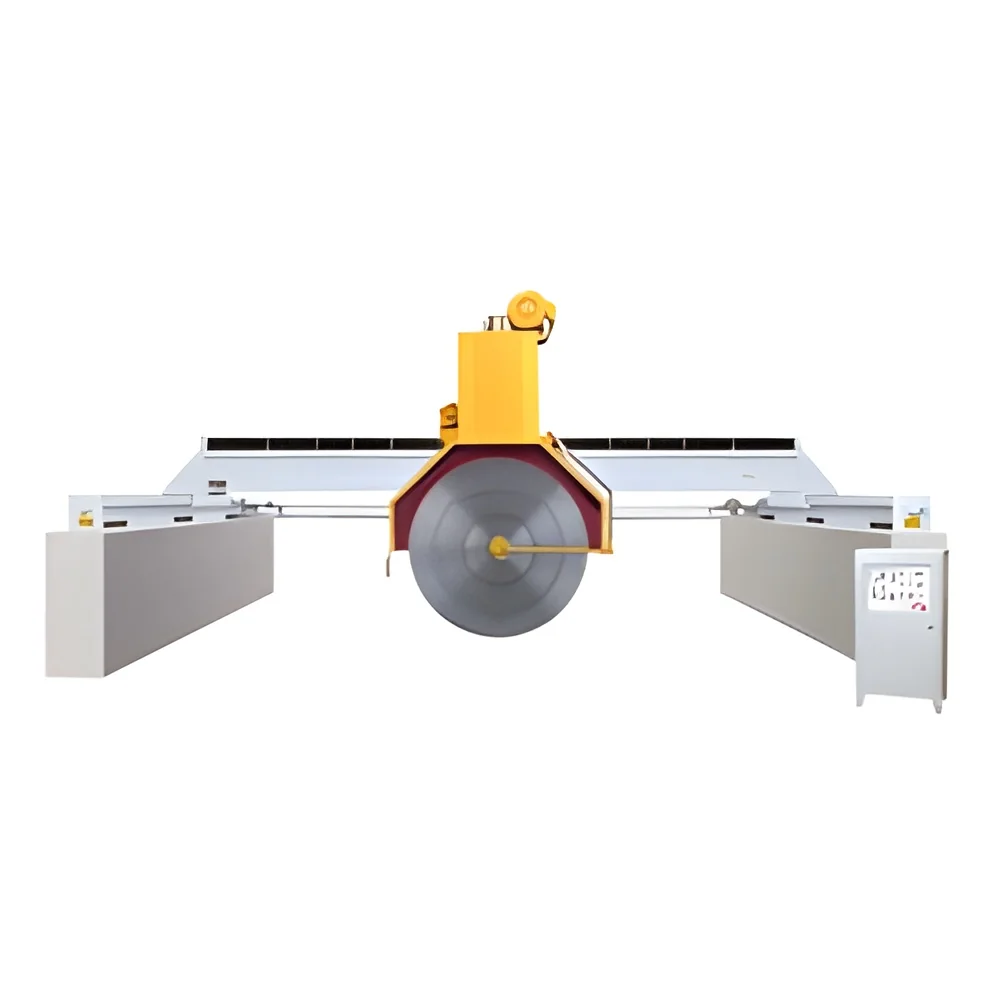
Bridge Saw Machines: These machines are ideal for cutting large slabs of stone with precision. They offer versatility in cutting angles and are often equipped with CNC controls for enhanced accuracy.
Water Jet Cutting Machines: Utilizing high-pressure water streams, these machines can cut through stone without causing thermal damage. They are perfect for intricate designs and detailed work.
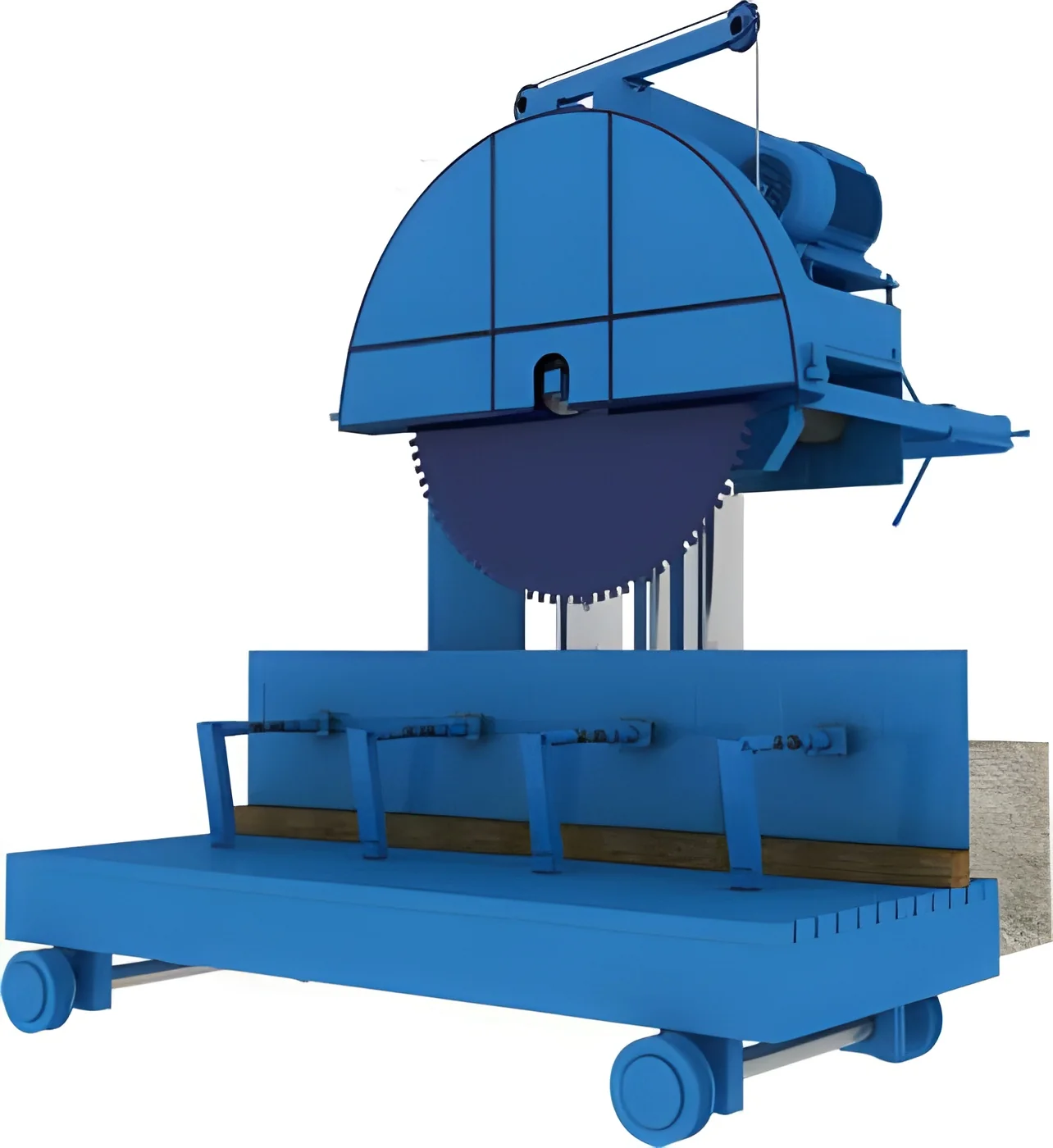
Block Cutter Machines: Designed for cutting large blocks of marble and granite into manageable sizes, block cutters are essential in the initial stages of stone processing.
CNC Stone Cutting Machines: These advanced machines use computer programming for automated cutting. They are suitable for high-volume production and complex designs.
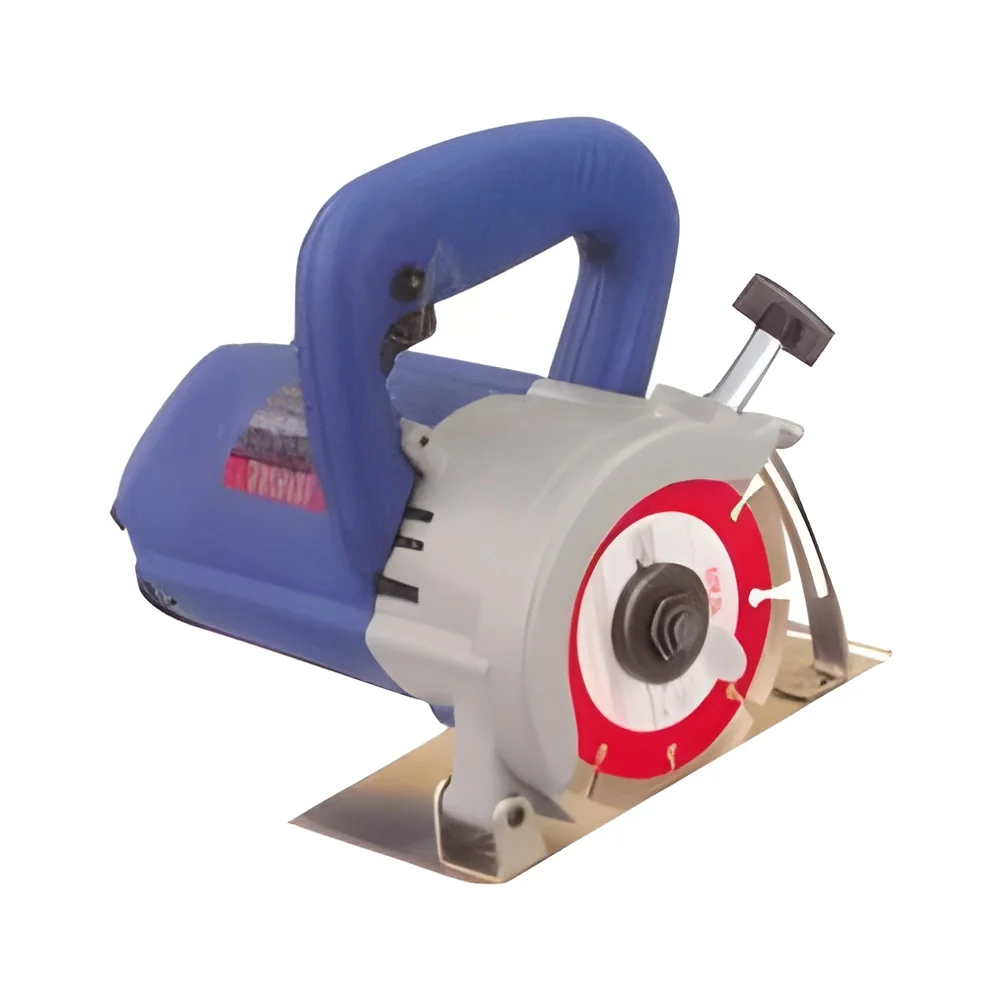
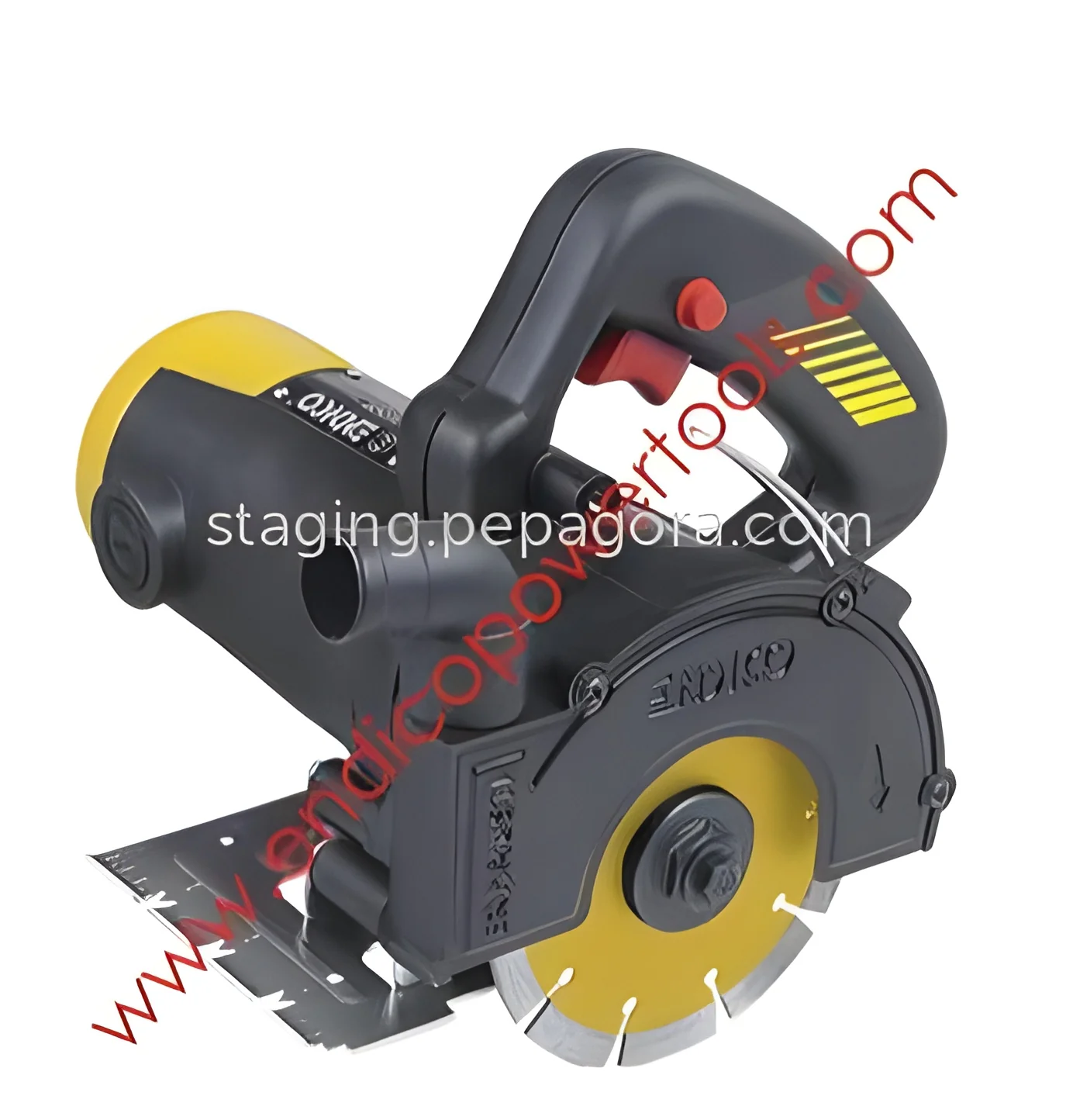
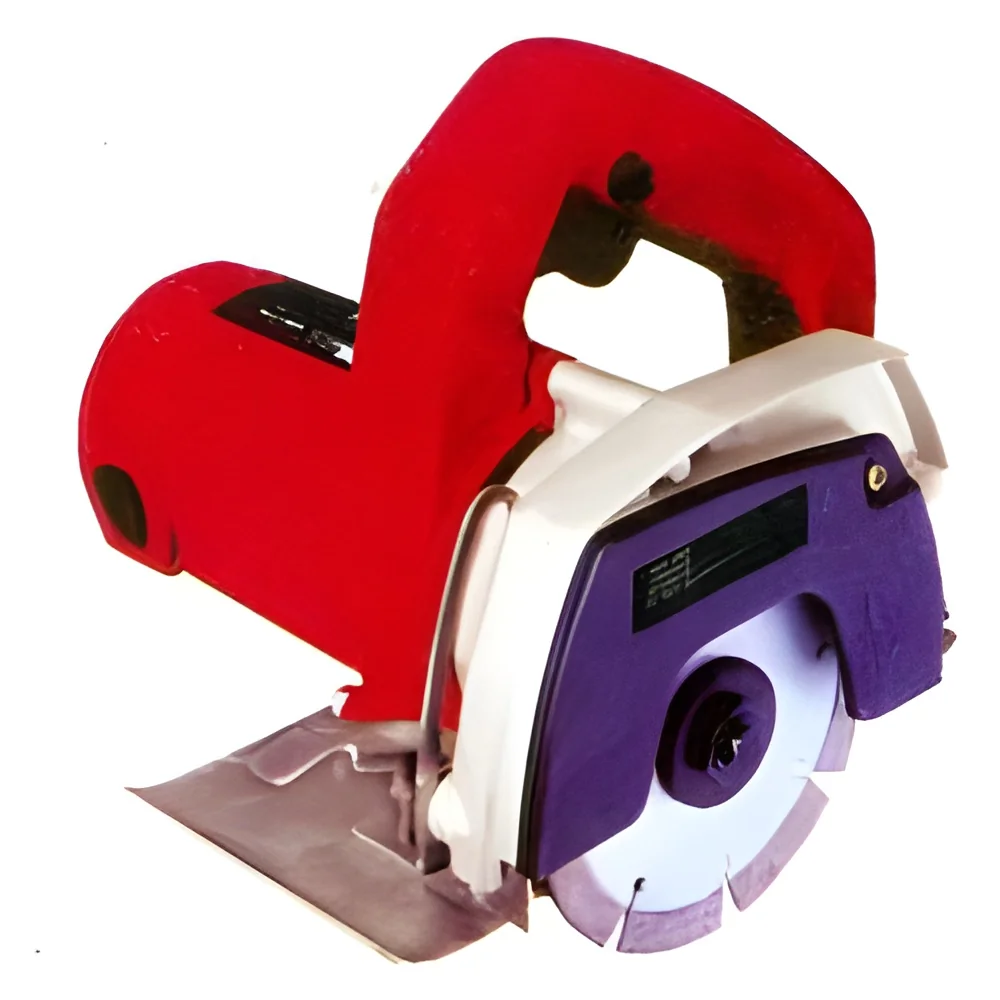
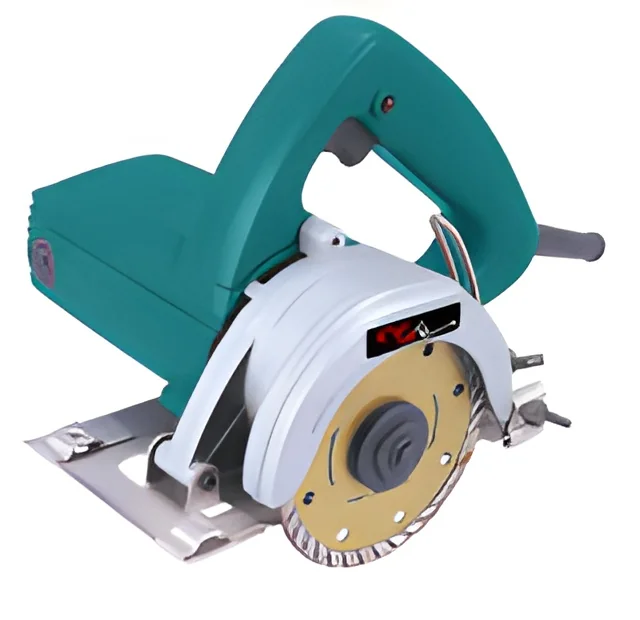
Portable Stone Cutting Machines: Lightweight and easy to transport, these machines are perfect for on-site cutting applications, allowing for flexibility in various project locations.
Benefits and Advantages
Investing in marble and granite cutting machines provides numerous benefits that enhance operational efficiency.
1. Increased Productivity: These machines significantly reduce the time taken to cut and shape stone, allowing businesses to meet higher demand.
2. Precision Cutting: Advanced technology ensures accurate cuts, minimizing material waste and improving the quality of finished products.
3. Versatility: With various machine types available, businesses can choose equipment that meets their specific operational needs, from simple cuts to intricate designs.
4. Cost Efficiency: Automating the cutting process can lead to lower labor costs and better resource management, contributing to overall cost savings.
5. Safety Enhancements: Modern machines come equipped with safety features that protect operators from potential hazards, ensuring a safer work environment.
6. Reduced Waste: Precision cutting decreases the amount of scrap material generated, making operations more environmentally sustainable.
Buying Guide for B2B Buyers
When sourcing marble and granite cutting machines, several factors should be considered to ensure a successful purchase.
1. Quality Assessment: Evaluate the build quality and materials used in the machine's construction. Look for machines that meet industry standards for durability and reliability.
2. Supplier Verification: Research potential suppliers to ensure they have a proven track record in providing quality machinery. Check for customer reviews and industry reputation.
3. Pricing and MOQ: Understand the pricing structure and minimum order quantities. Compare quotes from different suppliers to find the best deal without compromising quality.
4. Delivery and Lead Times: Inquire about shipping options and delivery timelines. Ensure that the supplier can meet your project's schedule to avoid delays.
5. Compliance Requirements: Verify that the machines comply with relevant safety and regulatory standards. This might include certifications like CE and adherence to local regulations.
Compliance and Certifications
Marble and granite cutting machines must adhere to various compliance standards and certifications to ensure safety and quality.
ISO 9001 is a quality management standard that outlines criteria for an effective quality management system. Manufacturers of cutting machines should comply with this standard to guarantee product consistency.
CE certification indicates that a product meets European safety and environmental protection standards. This is essential for machines sold in the European market, ensuring they are safe for use.
Safety and testing requirements are crucial in the manufacturing process of marble and granite cutting machines. These machines should undergo rigorous testing to confirm their operational safety and reliability.
Regional compliance considerations may vary, so it is important for buyers to understand the specific regulations that apply in their country or region. This ensures that the machines they purchase are compliant and can be operated legally.
Why Source Marble & Granite Cutting Machines from Pepagora?
Pepagora offers a reliable platform for sourcing marble and granite cutting machines, providing several key advantages for B2B buyers.
Verified Supplier Network: Pepagora connects buyers with a network of verified suppliers, ensuring that each vendor meets stringent quality and reliability standards. This reduces the risk associated with sourcing machinery.
Streamlined RFQ Process: The platform simplifies the request for quotation (RFQ) process, allowing buyers to quickly compare pricing and specifications from multiple suppliers. This efficiency saves time and effort during the procurement process.
Trade Assurance and Support: Pepagora provides trade assurance to protect buyers against potential risks, such as non-delivery or substandard products. The platform also offers support throughout the purchasing journey, ensuring a smooth experience.
Regional Coverage: With a focus on markets in India, the GCC, and Southeast Asia, Pepagora facilitates access to a diverse range of suppliers. This geographic reach enhances options for buyers seeking marble and granite cutting machines tailored to their specific needs.

 IN
IN