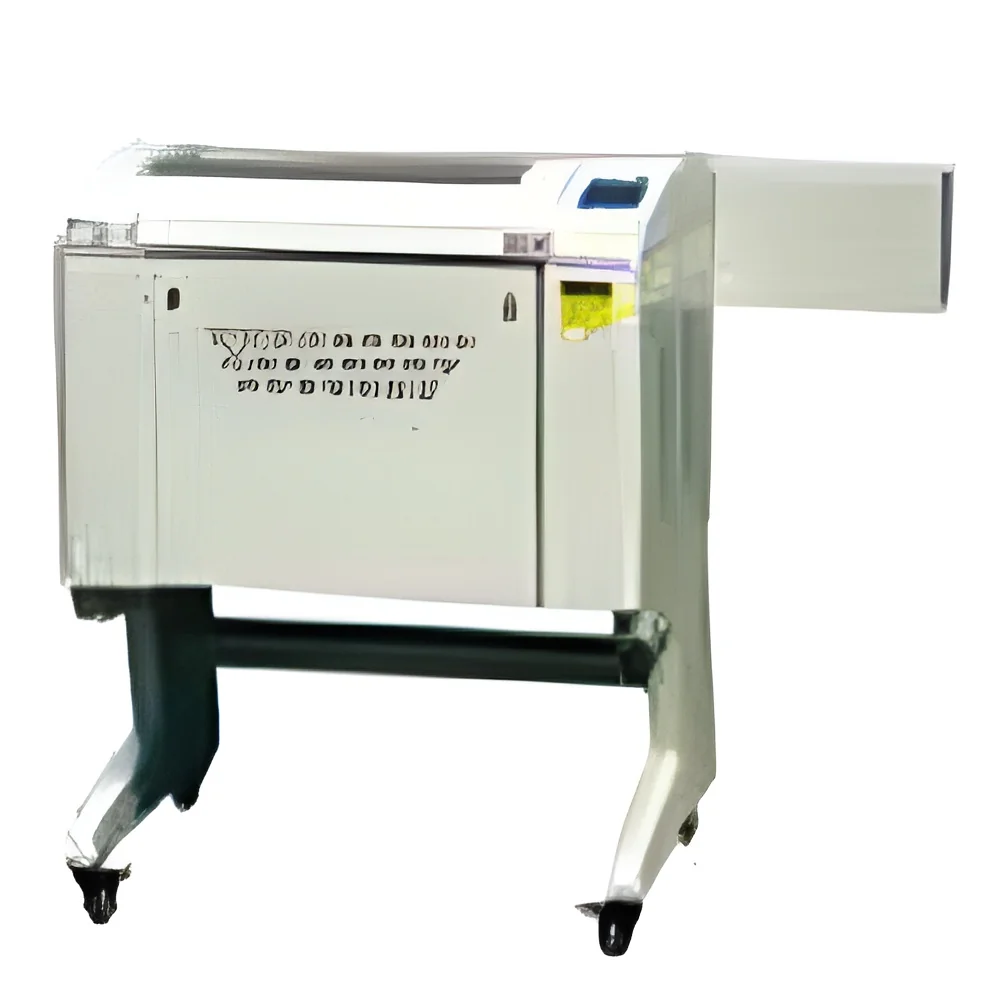
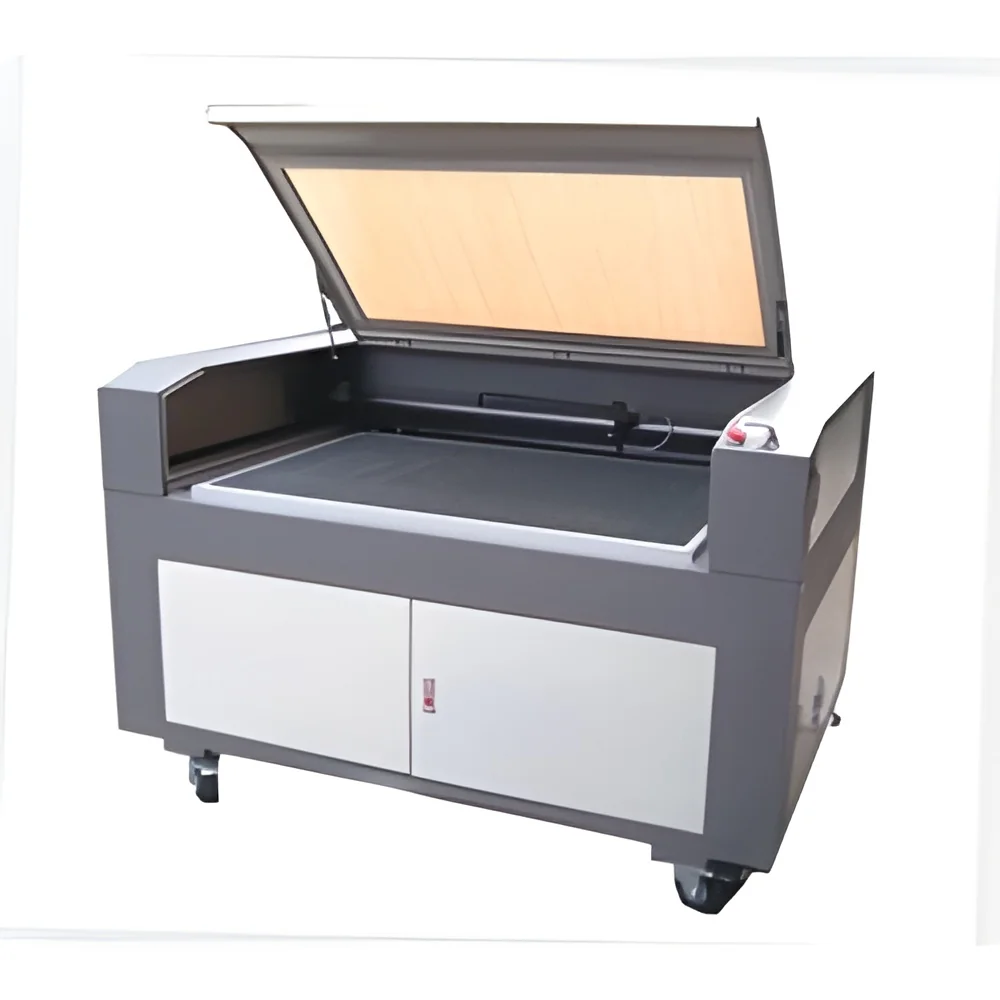
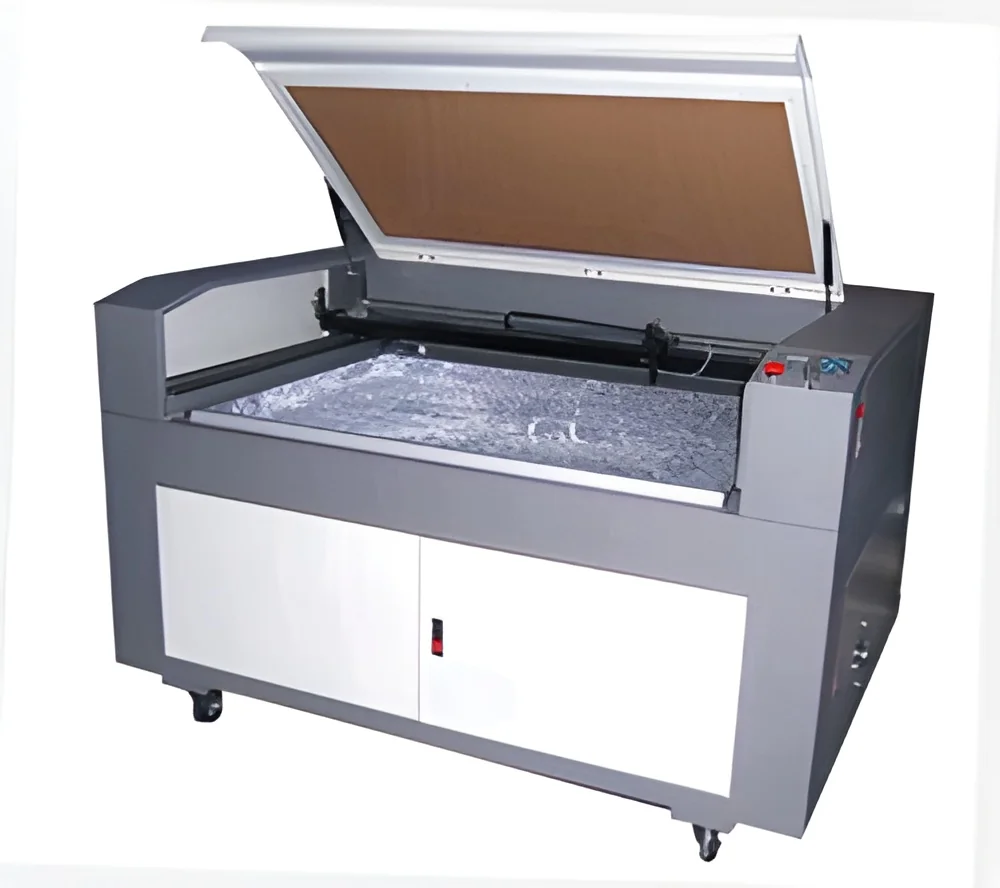
What are Laser Fabric Cutters?
Laser fabric cutters are advanced machines that utilize laser technology to cut various types of fabrics with precision and speed. These machines operate by directing a high-powered laser beam onto the fabric, which vaporizes the material along the cutting path. This method ensures clean edges and minimal fabric fraying, making it ideal for intricate designs and high-volume production.
The primary uses of laser fabric cutters include cutting, engraving, and marking on a wide range of textile materials. They are commonly employed in industries such as fashion, automotive, aerospace, and home textiles. Businesses leverage these machines to enhance production efficiency, reduce labor costs, and improve product quality. The relevance of laser fabric cutters in today's market cannot be overstated, as companies seek innovative solutions to meet the demands of fast-paced consumer markets.
With the increasing trend towards customization and on-demand manufacturing, laser fabric cutters have become essential tools for businesses looking to stay competitive. Their ability to quickly adapt to changing design requirements and produce high-quality outputs positions them as a key asset in various industrial applications.
Key Features and Specifications
Laser fabric cutters come equipped with a variety of features that enhance their performance and usability. These specifications are crucial for businesses when selecting the right model for their needs.
Key specifications include:
1. Cutting Speed
- The speed at which the laser cutter operates, typically measured in meters per minute.
- Common ranges are between 1 to 20 meters per minute, depending on the material.
2. Laser Power
- The wattage of the laser, which determines the thickness of the material that can be cut.
- Common power ratings range from 30W to 150W.
3. Cutting Area
- The maximum size of the fabric that can be processed in one go.
- Sizes typically range from 600mm x 400mm to larger formats like 3000mm x 2000mm.
4. Precision
- The accuracy of the cutting process, usually measured in millimeters.
- Precision levels can achieve tolerances as low as 0.1mm.
5. Software Compatibility
- The ability to integrate with design software for seamless operation.
- Common formats supported include DXF and AI files.
6. Cooling System
- The system used to maintain optimal laser operating temperatures.
- Options include water-cooled and air-cooled systems.
7. Safety Features
- Built-in safety mechanisms to prevent accidents and ensure user protection.
- Features may include emergency stop buttons and enclosure systems.
8. Maintenance Requirements
- The level of maintenance needed to keep the machine in optimal working condition.
- Regular checks on the laser lens and mirrors are essential for performance.
In summary, understanding these specifications helps businesses choose laser fabric cutters that best meet their operational needs while ensuring efficiency and quality.
Common Applications and Use Cases
Laser fabric cutters serve a diverse array of industries, providing tailored solutions for specific applications.
1. Fashion Industry: Laser cutters are widely used for cutting intricate patterns and designs in fabrics, allowing designers to create unique garments efficiently.
2. Automotive Sector: These machines are utilized for cutting upholstery materials and insulation fabrics, ensuring precise fit and finish in vehicle interiors.
3. Aerospace Industry: Laser fabric cutters are essential in producing lightweight composite materials used in aircraft, promoting fuel efficiency and performance.
4. Home Textiles: Manufacturers employ laser technology to cut and engrave materials for curtains, upholstery, and bedding, enhancing aesthetic appeal and functionality.
5. Medical Textiles: Laser cutting is employed for precision in fabrications for medical garments and devices, ensuring compliance with stringent health standards.
6. Footwear Production: The footwear industry benefits from laser cutting for creating detailed designs and reducing waste in shoe manufacturing.
7. Promotional Products: Businesses utilize laser fabric cutters to create custom promotional items, from bags to banners, enhancing brand visibility.
Product Variants and Subcategories
Laser fabric cutters offer a range of variants to suit different operational needs and budgets. Each variant comes with unique features catered to specific applications.
Entry-Level Laser Fabric Cutter: This variant is ideal for small businesses or startups. It offers basic functionality, allowing users to cut thin fabrics with ease, providing an affordable entry point into laser cutting technology.
Industrial Laser Fabric Cutter: Designed for high-volume production, this variant features higher cutting speeds and greater laser power. It is well-suited for large manufacturers looking to optimize their workflows.
Hybrid Laser Cutter: Combining laser cutting with other technologies such as blade cutting, this variant provides versatility, allowing users to process various materials efficiently.
Benefits and Advantages
Investing in laser fabric cutters provides numerous advantages for businesses looking to enhance their manufacturing capabilities.
1. Enhanced Precision: Laser cutting technology ensures high accuracy, allowing for intricate designs without the risk of fabric distortion.
2. Reduced Material Waste: The precision of laser cutting minimizes off-cuts and optimizes fabric usage, leading to cost savings.
3. Fast Production Speeds: Laser fabric cutters streamline the cutting process, significantly reducing production times compared to traditional methods.
4. Versatile Material Handling: These machines can cut a wide variety of fabrics, from delicate textiles to thicker materials, making them adaptable for different projects.
5. Low Labor Costs: Automation of the cutting process reduces the need for manual labor, resulting in lower operational costs.
6. Improved Safety: Modern laser cutters come equipped with safety features that protect operators, ensuring a safer working environment.
Buying Guide for B2B Buyers
When sourcing laser fabric cutters, B2B buyers should consider several critical factors to ensure they make informed purchasing decisions.
1. Quality Assessment: Buyers should evaluate the build quality and durability of the machines. Look for reputable brands known for reliability and performance.
2. Supplier Verification: It is essential to vet suppliers thoroughly. Check their manufacturing capabilities, customer reviews, and after-sales support to ensure a trustworthy partnership.
3. Pricing and MOQ: Understand the cost structure and minimum order quantities. Compare prices from different suppliers to find the most competitive offers without compromising on quality.
4. Delivery and Lead Times: Consider the logistics involved in the purchasing process. Ensure suppliers can meet your delivery timelines and have clear communication regarding lead times.
5. Compliance Requirements: Buyers must be aware of industry regulations and standards that the laser fabric cutters need to meet, ensuring they comply with safety and quality requirements.
Compliance and Certifications
Laser fabric cutters are subject to various compliance and certification standards that ensure their quality and safety in industrial applications.
Relevant quality standards, such as ISO 9001, help guarantee that manufacturers maintain consistent quality management systems. These standards are crucial for ensuring the reliability of laser fabric cutters in production environments.
Industry certifications, like CE, indicate that the equipment meets European safety and environmental protection requirements, ensuring safe operation within regulated markets.
Additionally, safety and testing requirements are essential to ensure that laser fabric cutters operate without posing risks to users. Regular testing and adherence to safety protocols are necessary for compliance with industry standards.
Regional compliance considerations may vary based on the geographic location of the buyer. It is important for businesses to familiarize themselves with local regulations and standards to ensure their laser fabric cutters meet all necessary requirements.
Why Source Laser Fabric Cutters from Pepagora?
Pepagora provides a trusted platform for sourcing laser fabric cutters with several key advantages that benefit B2B buyers.
Verified Supplier Network: Pepagora has established a robust network of verified suppliers, ensuring that buyers can find reliable manufacturers. This network helps businesses connect with reputable sources for high-quality equipment.
Streamlined RFQ Process: The platform simplifies the request for quotation process, allowing buyers to submit their requirements and receive competitive offers from multiple suppliers. This efficiency aids in making informed purchasing decisions.
Trade Assurance and Support: Pepagora offers trade assurance features that protect buyers throughout their purchasing journey. This support helps build confidence in transactions and ensures a smoother buying experience.
Regional Coverage: With a focus on regions such as India, the GCC, and Southeast Asia, Pepagora provides extensive geographic reach, catering to the specific needs of businesses operating in these markets. This regional emphasis ensures buyers can find suitable suppliers close to their operations.

 IN
IN