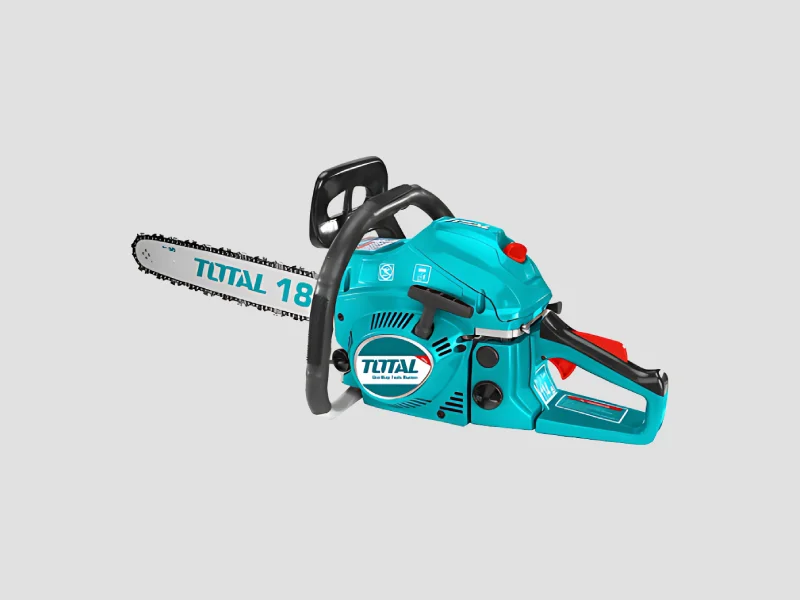
Key Features and Specifications
Cut-off saws come equipped with various features that enhance their performance and usability. Understanding these features is essential for selecting the right saw for specific applications. Here are some key specifications to consider when evaluating cut-off saws:
1. Blade Diameter
- Typically ranges from 10 to 14 inches
- Determines the size of the material that can be cut
2. Motor Power
- Generally between 15 to 20 horsepower
- Influences cutting speed and efficiency
3. Cutting Capacity
- Varies based on the design and blade size
- Can typically cut materials up to 5 inches thick
4. RPM (Revolutions Per Minute)
- Usually between 3,600 to 4,800 RPM
- Affects the speed at which cuts are made
5. Weight
- Can range from 50 to 150 pounds
- Heavier models may offer more stability during operation
6. Safety Features
- May include blade guards and emergency stop buttons
- Essential for operator safety during use
7. Material Compatibility
- Suitable for a range of materials including steel, aluminum, and plastic
- Blade selection is crucial based on the material type
8. Portability
- Some models are designed for easy transport
- Important for on-site work and mobility
In summary, understanding the key features and specifications of cut-off saws is vital for businesses looking to invest in cutting equipment. By considering factors like blade diameter, motor power, and safety features, buyers can make informed decisions.
Common Applications and Use Cases
Cut-off saws are versatile tools that serve various industries effectively. Their ability to handle different materials makes them valuable in numerous applications.
1. Construction: In the construction industry, cut-off saws are often used for cutting metal beams, pipes, and rebar, facilitating the assembly of structures and frameworks.
2. Metal Fabrication: Metal fabricators rely on cut-off saws to create precise cuts in sheets and profiles, ensuring components fit together accurately in manufacturing processes.
3. Automotive: In automotive repair and assembly, cut-off saws are employed to cut metal parts and exhaust systems, aiding in both production and maintenance tasks.
4. Carpentry: Woodworkers utilize cut-off saws for making clean cuts in lumber and plywood, essential for furniture manufacturing and home builds.
5. HVAC: In HVAC applications, cut-off saws help in fabricating ducts and fittings, ensuring efficient installation and service of heating and cooling systems.
6. Electrical: Electricians use cut-off saws to cut conduit and other electrical components, simplifying the installation process.
7. Metal Recycling: In recycling facilities, cut-off saws are used to process scrap metal into manageable sizes for further recycling.
Product Variants and Subcategories
Cut-off saws come in various designs, each tailored to specific cutting tasks and environments. Understanding the different variants is crucial for selecting the right tool.
Portable Cut-Off Saw: This variant is designed for mobility and ease of use on job sites. It typically features a lightweight design and a smaller blade, making it ideal for cutting pipes and metal sheets in tight spaces.
Stationary Cut-Off Saw: Stationary models are built for heavy-duty use in workshops. They often have larger blades and motors, providing enhanced cutting capacity and precision for industrial applications.
Electric Cut-Off Saw: Electric models are powered by electricity and are suitable for indoor use. They offer consistent cutting power and are typically quieter than gas-powered alternatives.
Gas-Powered Cut-Off Saw: These saws are ideal for outdoor applications where electricity may not be available. They provide high power and flexibility, making them suitable for heavy materials and extensive cutting tasks.
Benefits and Advantages
Investing in cut-off saws offers numerous benefits that enhance operational efficiency and productivity.
1. Precision Cutting: Cut-off saws provide accurate cuts, reducing material waste and ensuring components fit together correctly.
2. Versatility: They can cut a wide range of materials, making them suitable for various industries and applications.
3. Increased Efficiency: High-speed cutting capabilities enable faster workflows, allowing businesses to complete projects on time.
4. Safety Features: Modern cut-off saws come equipped with safety mechanisms, helping to protect operators during use.
5. Ease of Use: User-friendly designs make it easier for operators to handle the equipment with minimal training.
6. Durability: Quality cut-off saws are built to withstand heavy use, providing long-term value and reliability.
Buying Guide for B2B Buyers
When sourcing cut-off saws, businesses should carefully consider several factors to ensure they make the right choice.
1. Quality Assessment: Evaluate the build quality and materials used in the saw’s construction. Look for reputable brands known for durability and performance.
2. Supplier Verification: Vet suppliers to ensure they have a solid reputation in the industry. Check for customer reviews and ask for references.
3. Pricing and MOQ: Understand the pricing structure and minimum order quantities. This helps in budgeting and ensures that you get value for your investment.
4. Delivery and Lead Times: Consider the logistics of delivery and the supplier's lead times to ensure you can meet your project deadlines.
5. Compliance Requirements: Ensure that the cut-off saws meet necessary regulatory and safety standards in your region to avoid legal issues and ensure worker safety.
Compliance and Certifications
Compliance with industry standards is essential when selecting cut-off saws. Many manufacturers adhere to quality standards such as ISO 9001, which ensures that products meet consistent quality management principles.
Additionally, industry certifications like CE indicate that the equipment complies with European safety and environmental protection standards. These certifications provide assurance of the product's reliability and safety features.
Safety and testing requirements are critical, as they ensure that the saws operate without posing risks to users. Manufacturers often conduct rigorous testing to meet these standards, which can include assessments for mechanical safety and performance.
Regional compliance considerations are also important, as different regions may have specific regulations regarding equipment safety and emissions. Buyers should be aware of these regulations to ensure compliance and smooth operation in their respective markets.
Why Source Cut-Off Saws (Chop Saws) from Pepagora?
Pepagora offers a trusted platform for sourcing cut-off saws, providing several key advantages for businesses.
Verified Supplier Network: Pepagora connects buyers with a network of verified suppliers, ensuring that businesses can source high-quality products with confidence. Each supplier undergoes thorough verification, reducing the risk associated with purchasing equipment.
Streamlined RFQ Process: The request for quotation (RFQ) process on Pepagora simplifies sourcing. Buyers can easily submit their requirements and receive competitive quotes from multiple suppliers, allowing for informed decision-making.
Trade Assurance and Support: Pepagora provides trade assurance, protecting buyers from potential issues during transactions. This added layer of security fosters trust and encourages smooth business dealings.
Regional Coverage: With a strong presence in India, the GCC, and Southeast Asia, Pepagora offers extensive geographic reach. This enables businesses to access suppliers that meet their specific regional needs, enhancing efficiency in sourcing and procurement.

 IN
IN