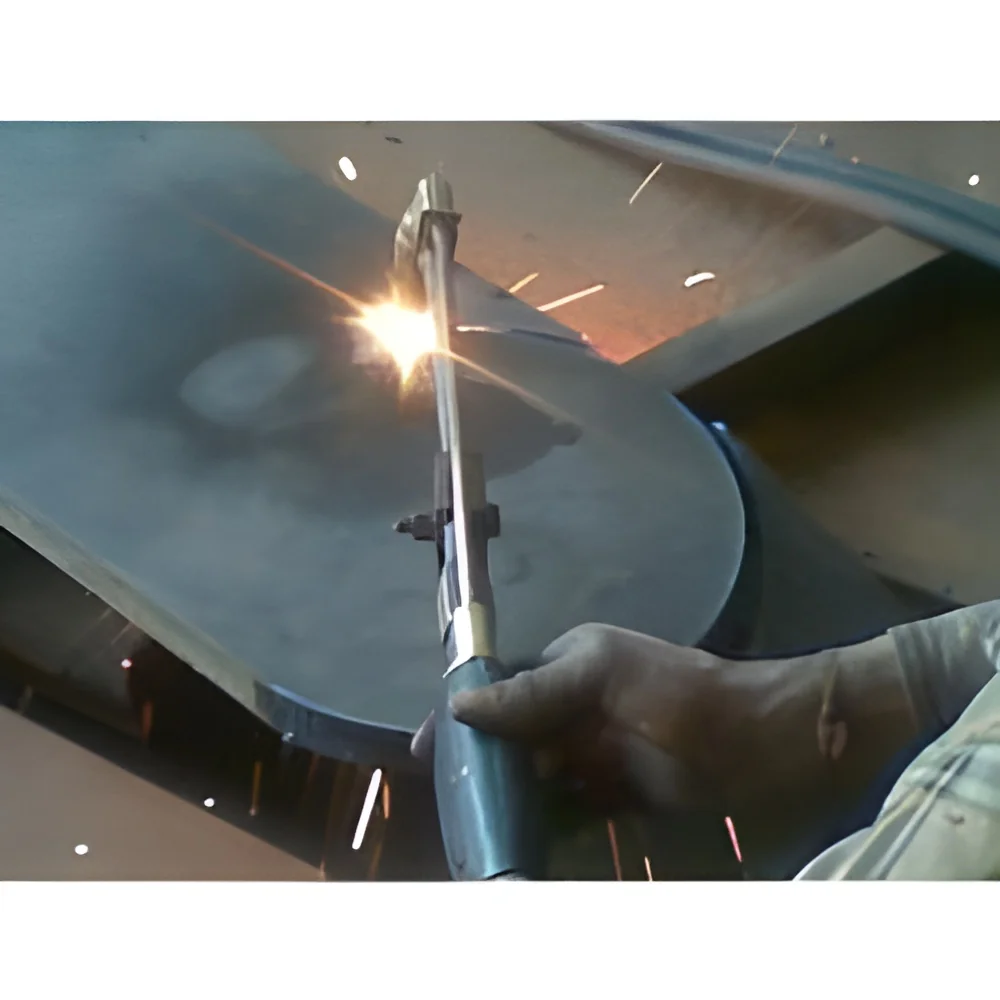
What are Laser Cutting Machines (Fiber, CO2)?
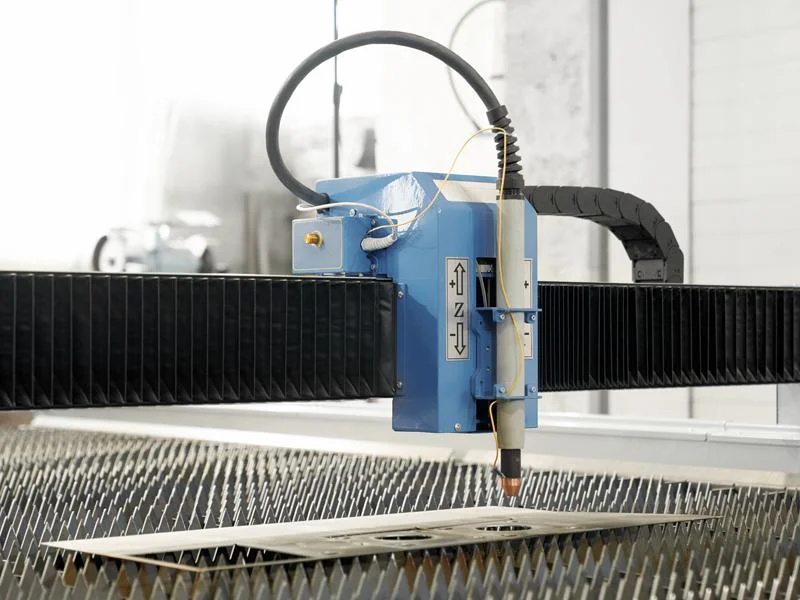
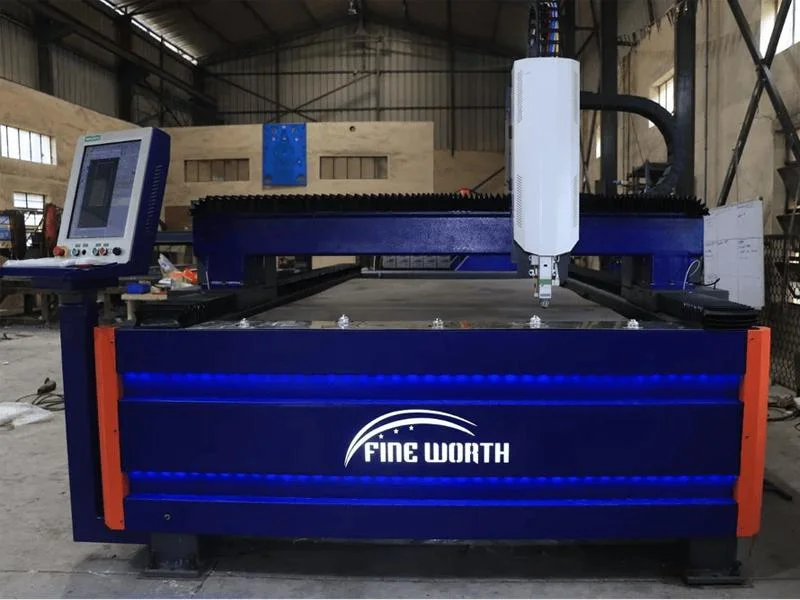
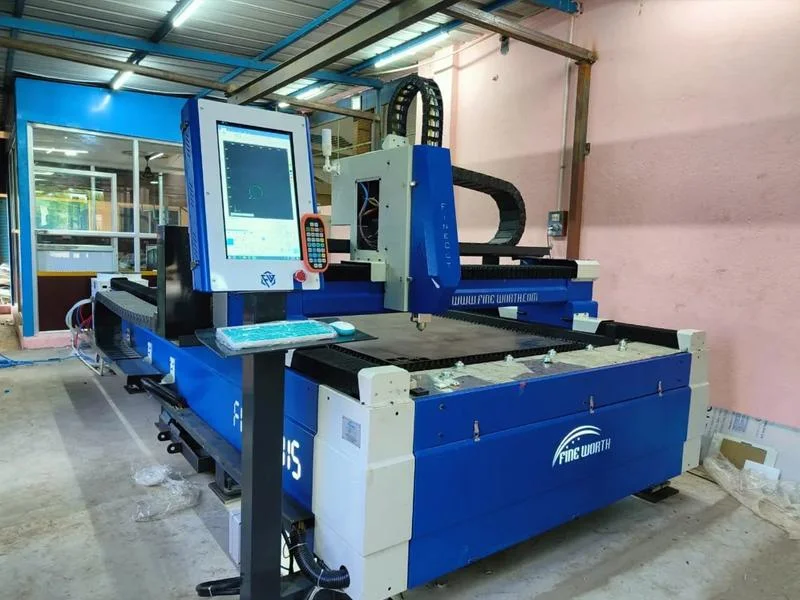
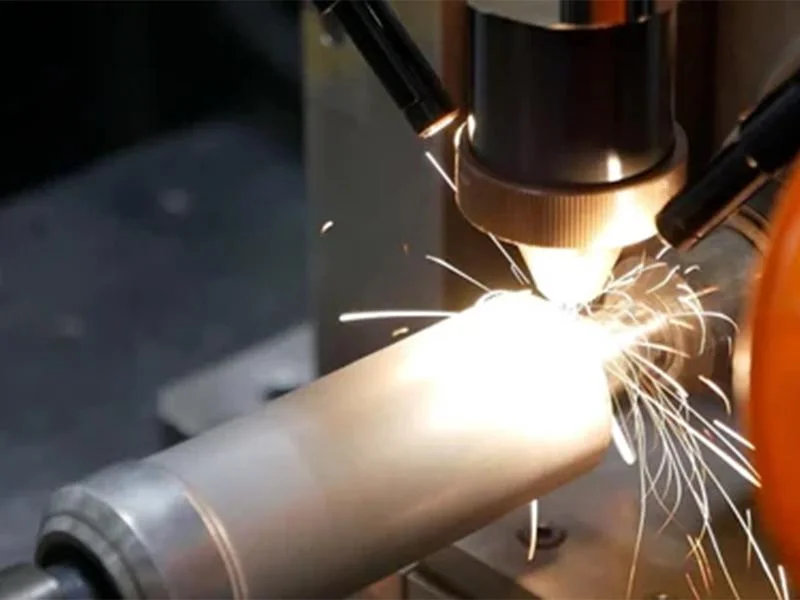
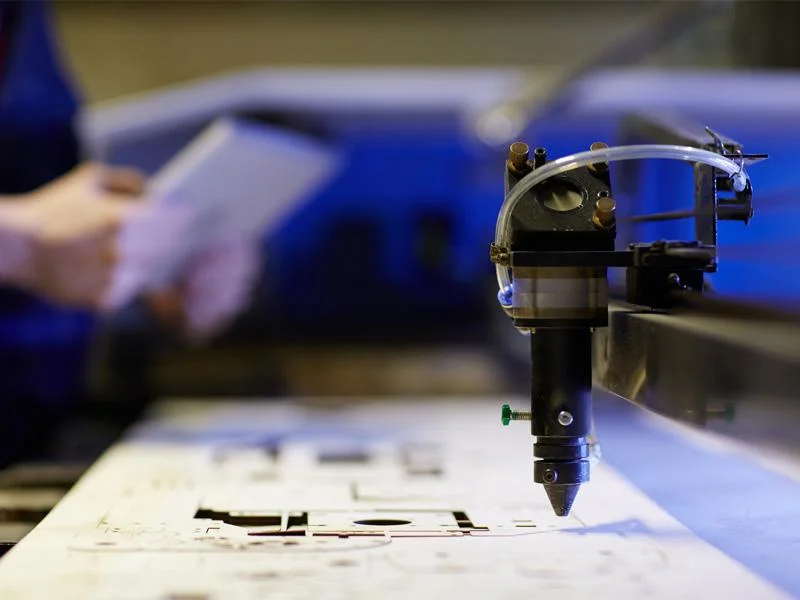
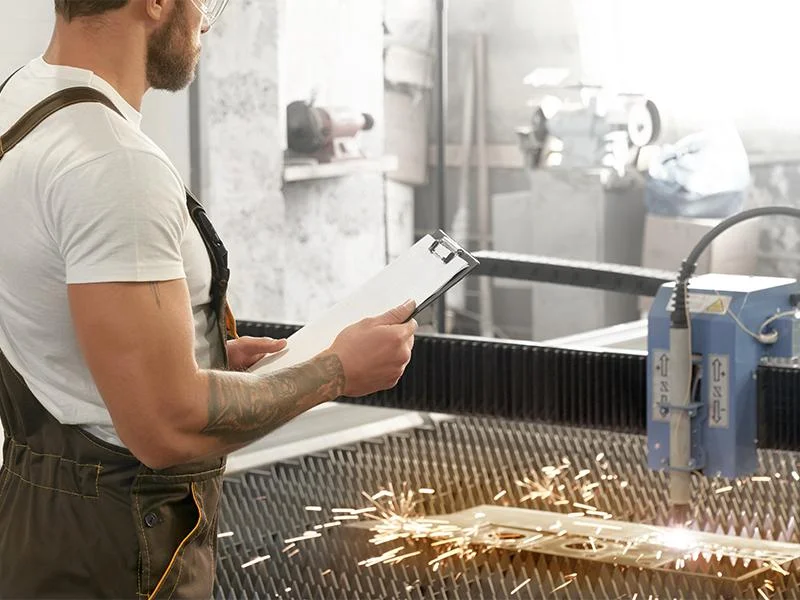
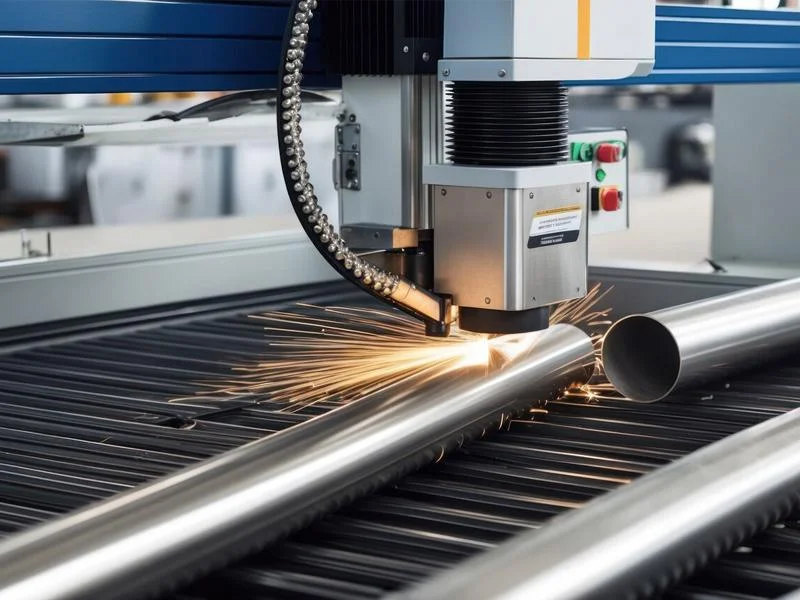
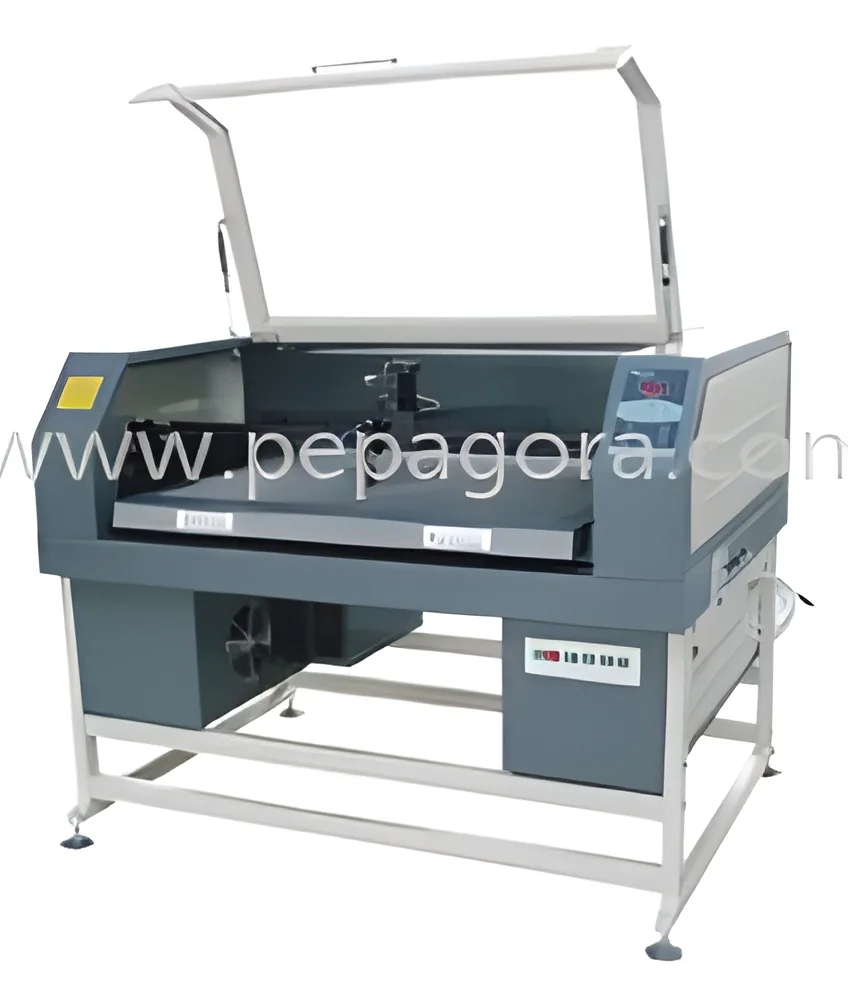
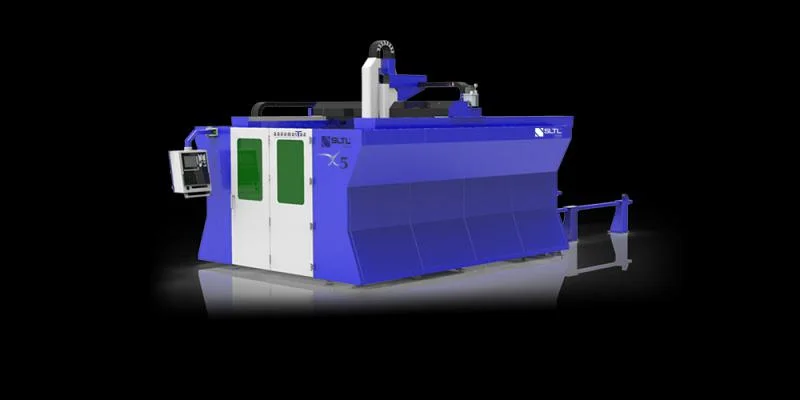
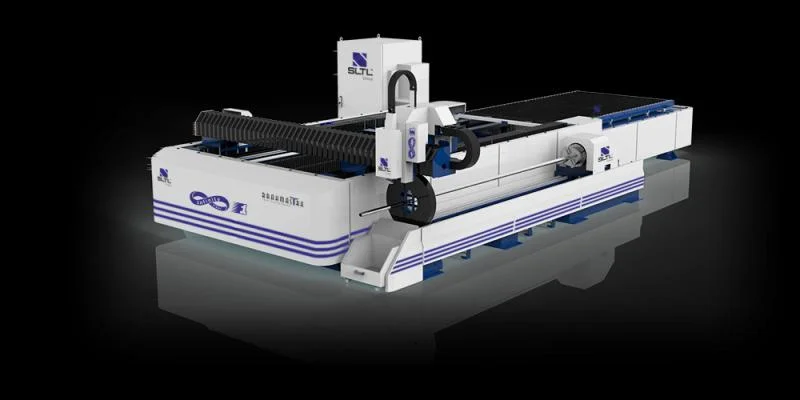
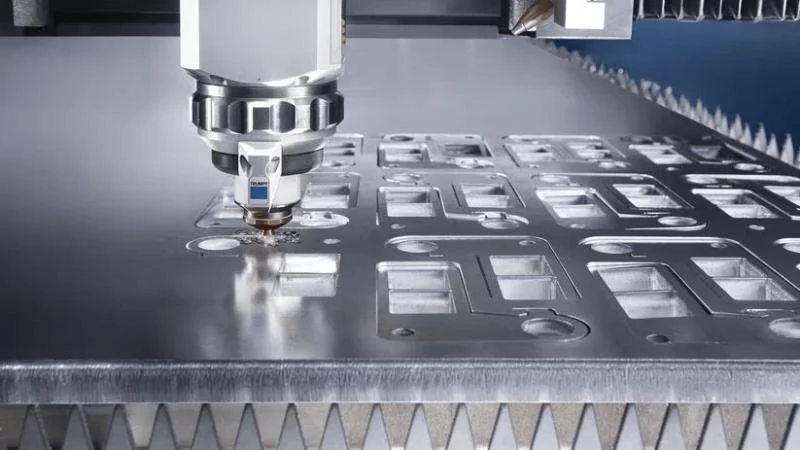
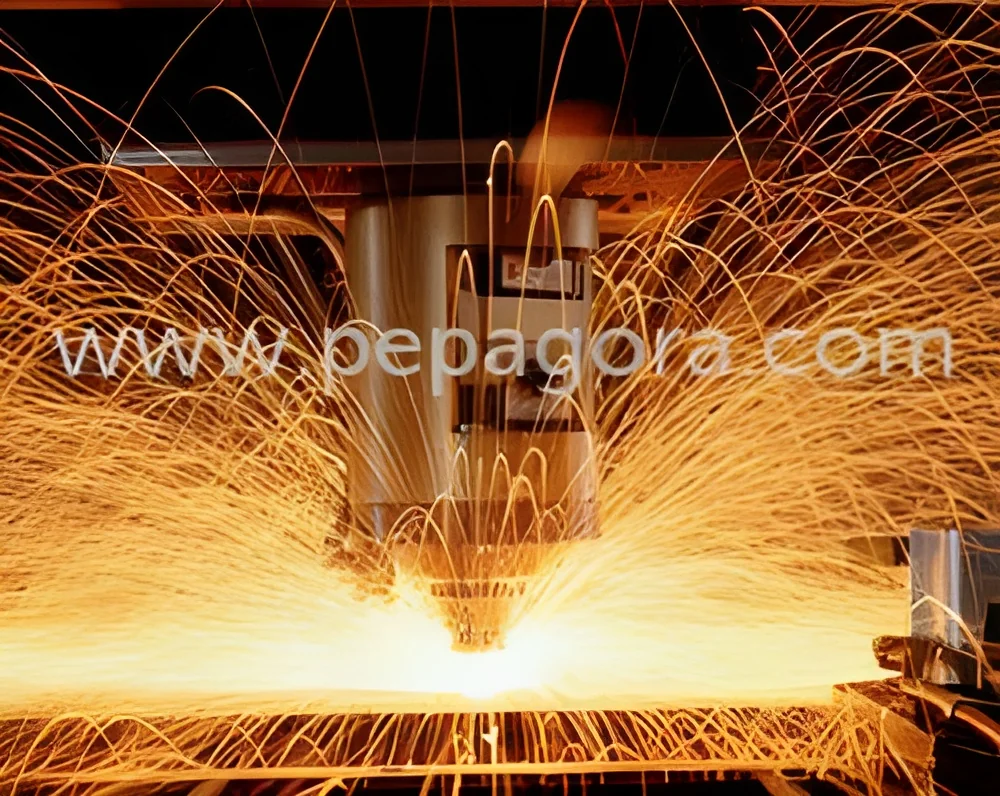
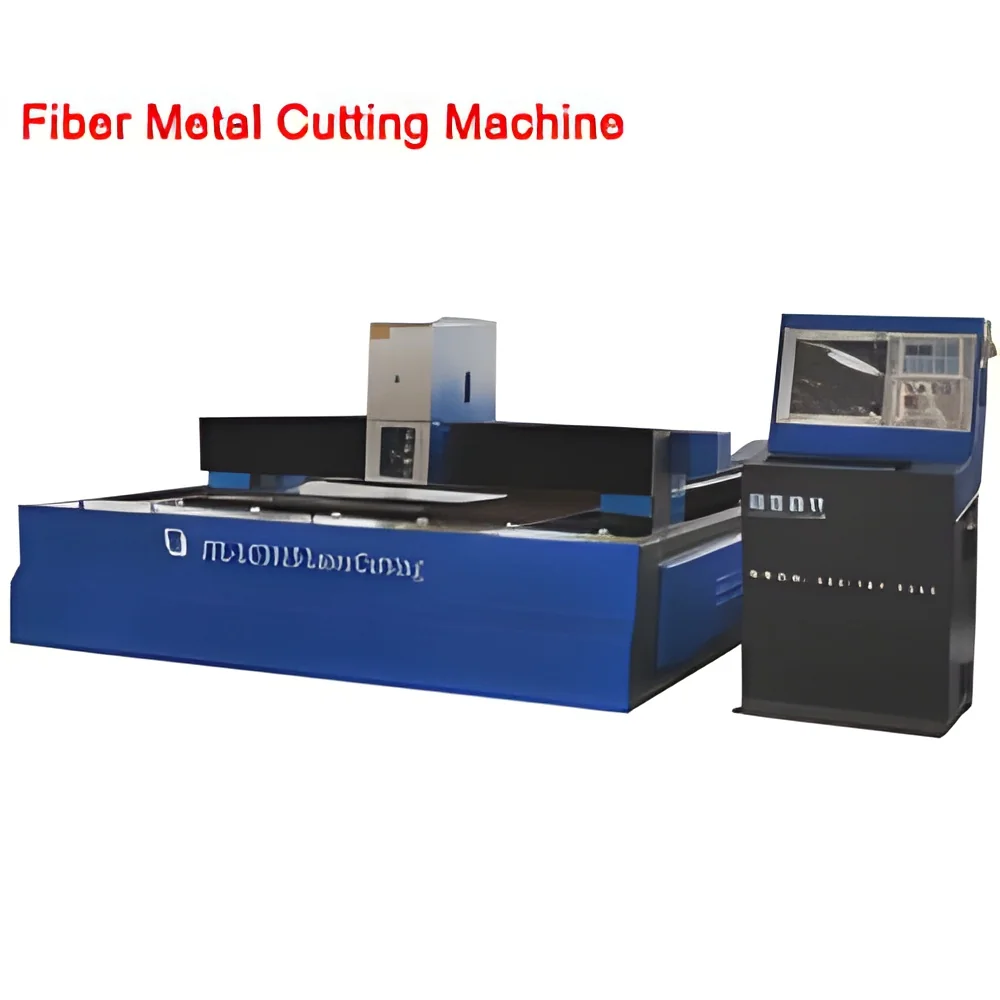
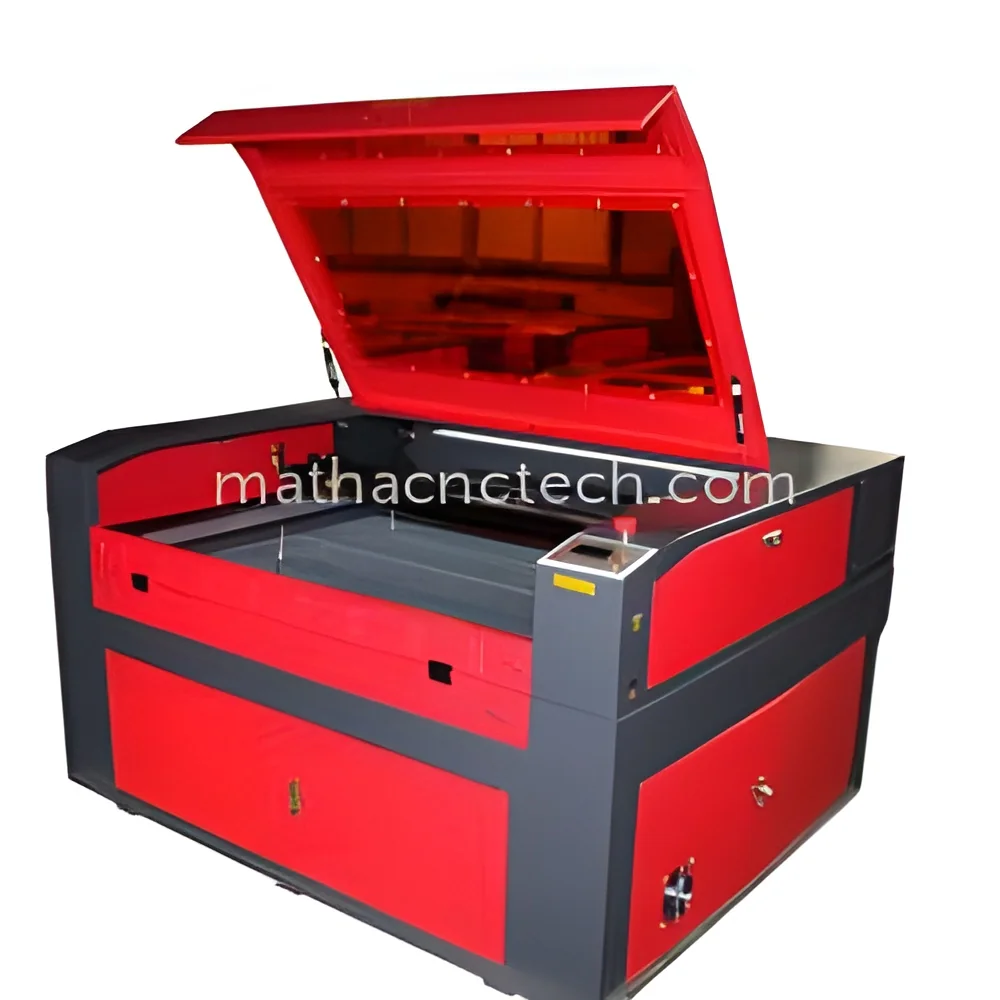
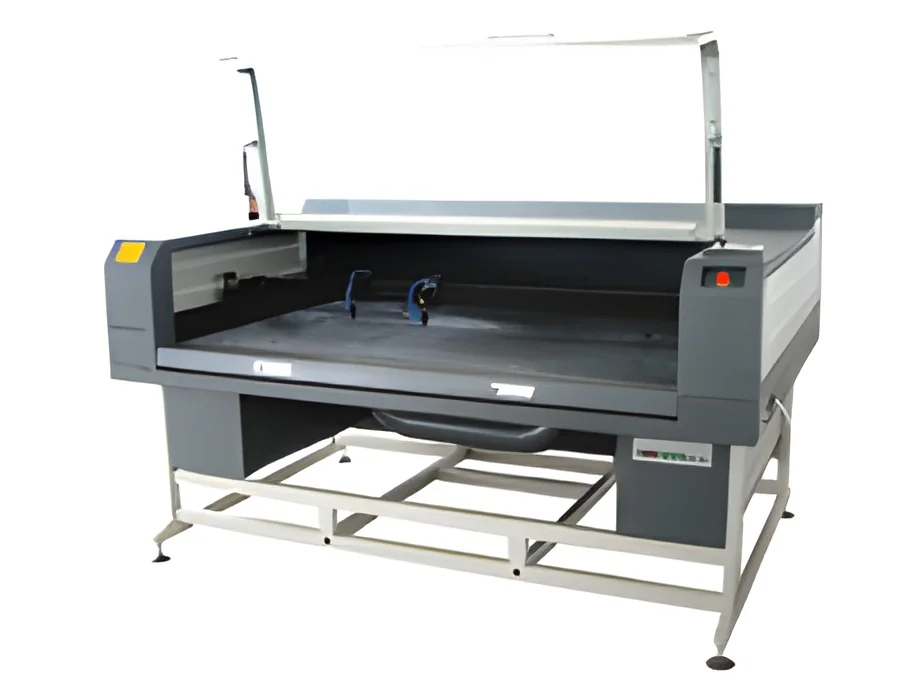
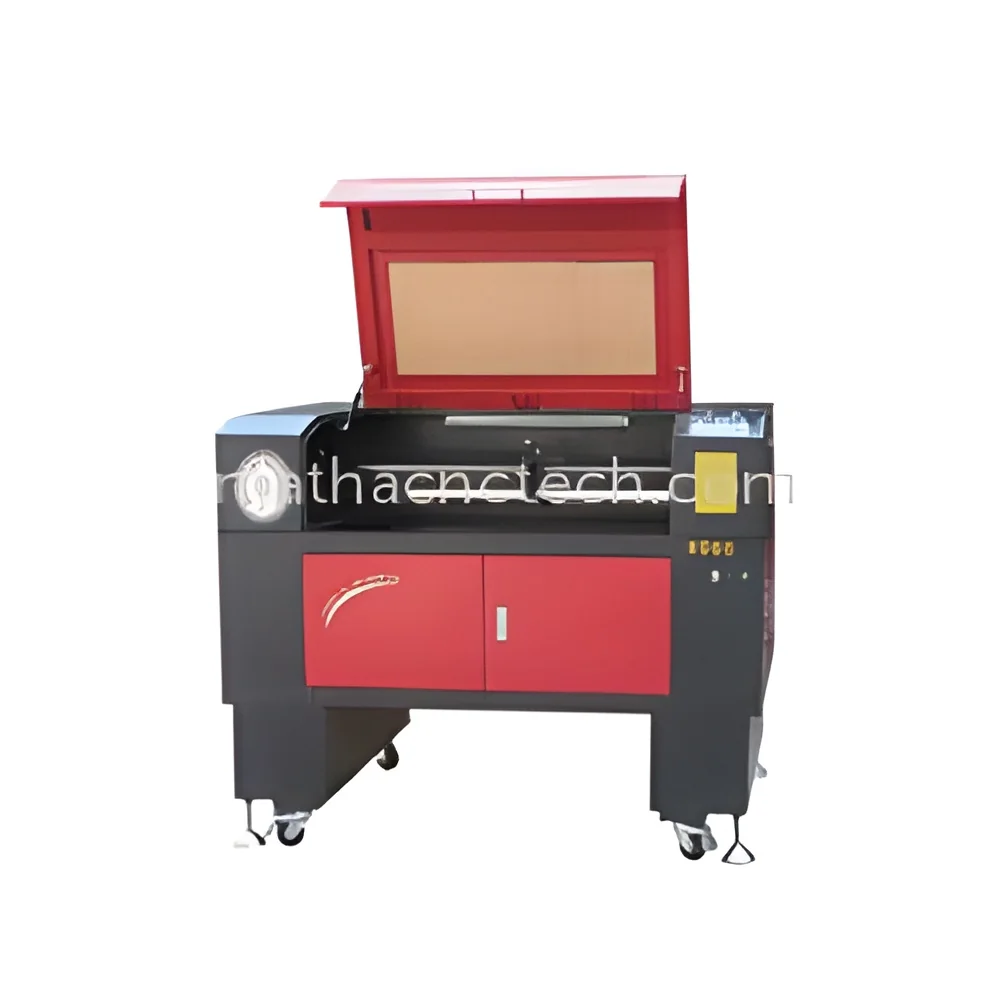
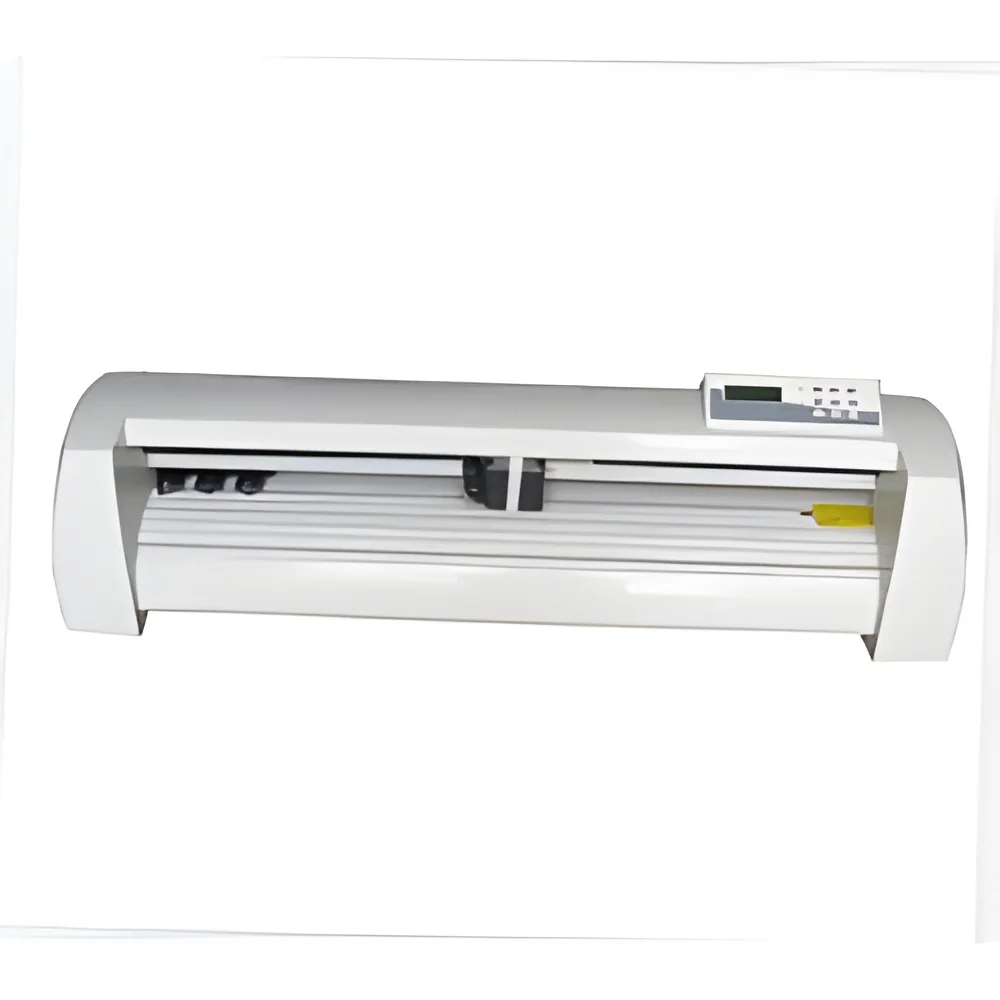
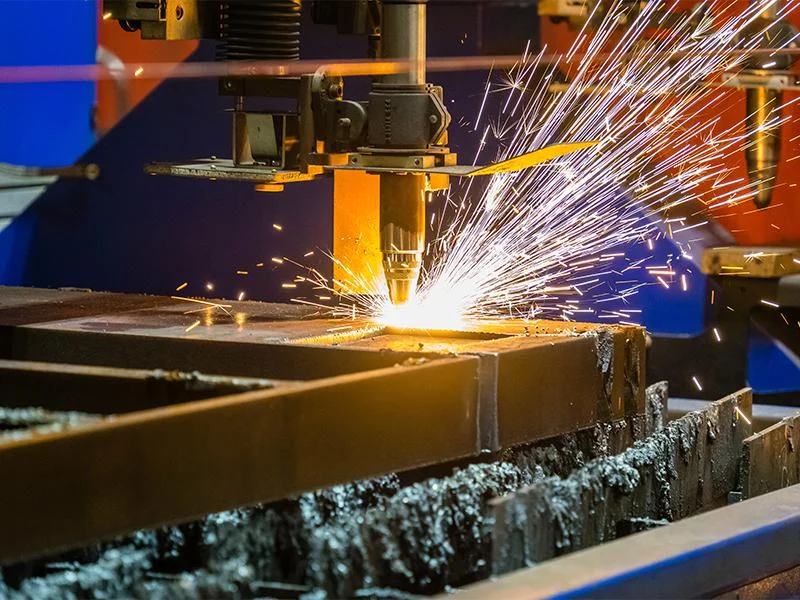
Laser cutting machines are advanced industrial tools that utilize focused beams of light to cut through various materials with precision and efficiency. These machines come in two primary types: fiber lasers and CO2 lasers. Fiber lasers use a solid-state laser that emits light through optical fibers, while CO2 lasers generate a beam using a gas mixture. Both technologies excel in delivering high-quality cuts with minimal material distortion.
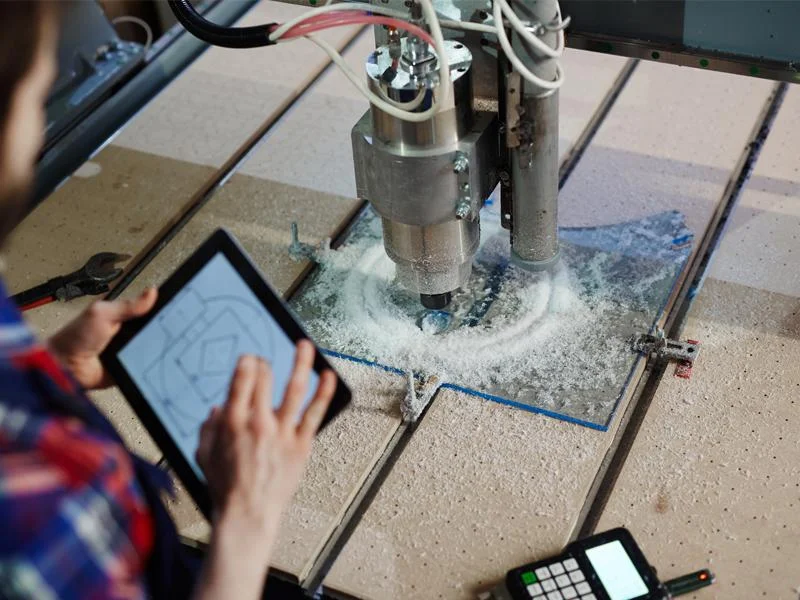
These machines are widely used across multiple sectors for tasks such as cutting, engraving, and marking. They are particularly beneficial in industries like manufacturing, automotive, and aerospace, where intricate designs and accuracy are paramount. Laser cutting machines streamline production processes, enhance product quality, and reduce waste, making them integral to modern industrial operations. The growing demand for customized parts and enhanced production efficiency further solidifies their relevance in today's competitive market.
๐๐ฒ๐ ๐๐ฒ๐ฎ๐๐๐ฟ๐ฒ๐ ๐ฎ๐ป๐ฑ ๐ฆ๐ฝ๐ฒ๐ฐ๐ถ๐ณ๐ถ๐ฐ๐ฎ๐๐ถ๐ผ๐ป๐
Laser cutting machines offer a range of features that cater to diverse industrial needs. The choice between fiber and CO2 lasers often depends on specific applications and material types. Understanding the key specifications is essential for making informed purchasing decisions.
Key specifications include:
1. Laser Type
- Fiber lasers are ideal for metals and offer faster cutting speeds.
- CO2 lasers excel at cutting non-metal materials such as plastics and wood.
2. Cutting Thickness
- Fiber lasers can typically cut up to 25mm in steel.
- CO2 lasers can cut materials up to 20mm in thickness, depending on the material.
3. Power Output
- Fiber lasers commonly range from 500W to 12kW.
- CO2 lasers typically range from 40W to 4kW.
4. Cutting Speed
- Fiber lasers can achieve speeds of up to 30m/min.
- CO2 lasers generally operate at speeds of up to 20m/min.
5. Accuracy
- Fiber lasers maintain a positioning accuracy of ยฑ0.01mm.
- CO2 lasers achieve a positioning accuracy of ยฑ0.05mm.
6. Cooling System
- Fiber lasers usually feature air or water cooling systems.
- CO2 lasers often require more complex cooling solutions.
7. Software Compatibility
- Many machines come with advanced software for design and operation.
- Compatibility with CAD/CAM systems enhances usability.
8. Maintenance Requirements
- Fiber lasers typically require less maintenance than CO2 lasers.
- CO2 lasers may need regular lens cleaning and gas replacement.
In summary, understanding these features and specifications allows businesses to select the right laser cutting machine to meet their production needs.
๐๐ผ๐บ๐บ๐ผ๐ป ๐๐ฝ๐ฝ๐น๐ถ๐ฐ๐ฎ๐๐ถ๐ผ๐ป๐ ๐ฎ๐ป๐ฑ ๐จ๐๐ฒ ๐๐ฎ๐๐ฒ๐
Laser cutting machines find applications in various industries due to their versatility and precision.
1. Automotive: Laser cutting is used for manufacturing parts such as chassis components, brackets, and decorative trim. The precision cuts ensure high-quality products that meet strict safety standards.
2. Aerospace: Components like engine parts and structural elements benefit from laser cutting's accuracy and efficiency. This technology helps reduce weight while maintaining strength.
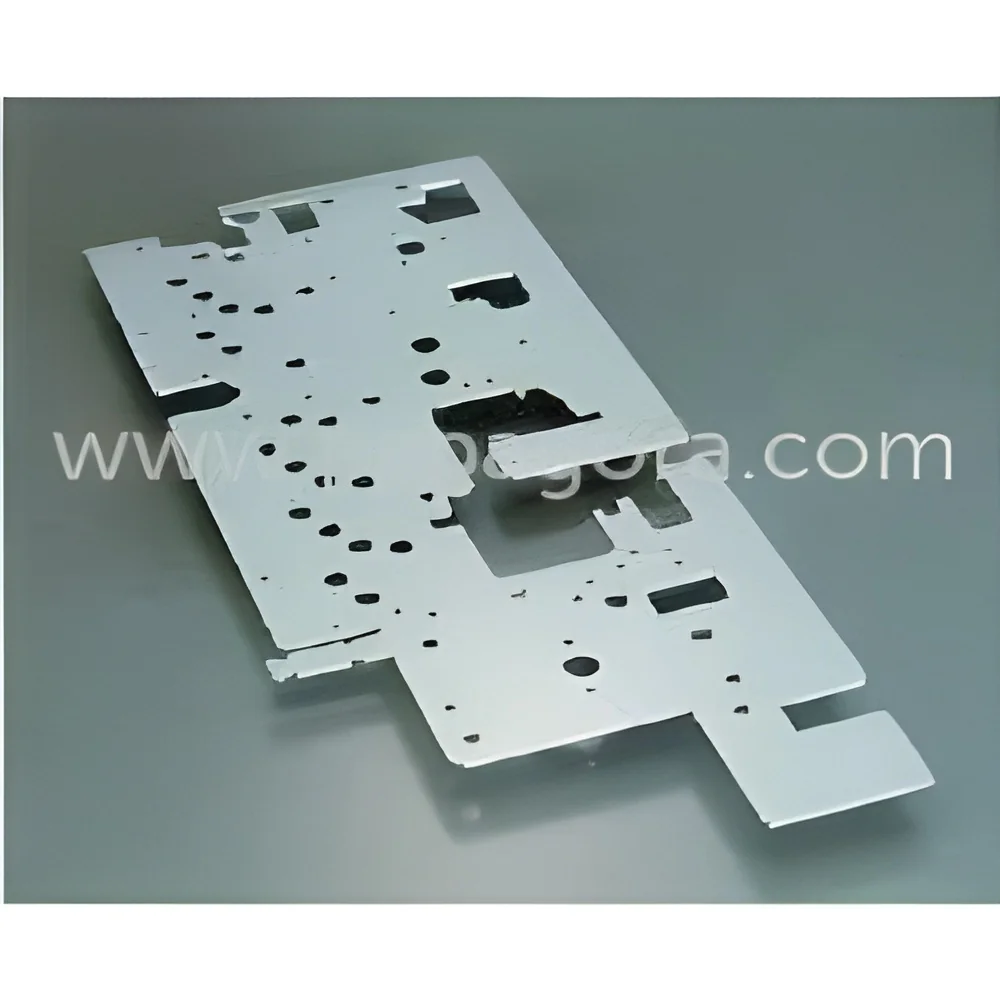
3. Electronics: Laser cutting is crucial for creating intricate circuit boards and housings. The clean cuts minimize material waste and maximize production efficiency.
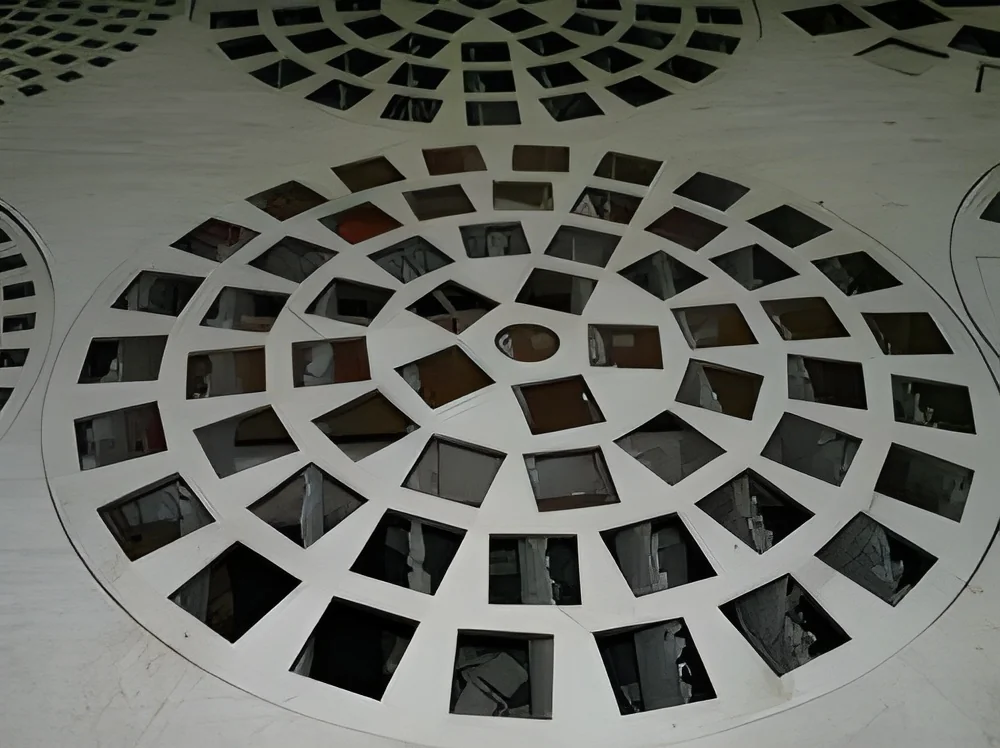
4. Signage: Custom signs and displays are often made using laser cutting to achieve detailed designs with sharp edges. This technology enables quick production turnaround.
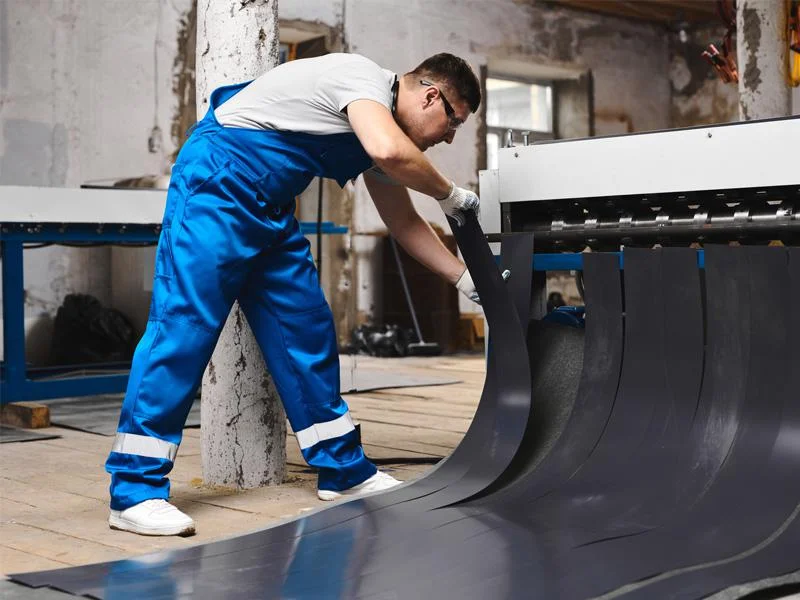
5. Fabrication: Metal fabricators utilize laser cutting for creating prototypes and custom parts, allowing for rapid iterations and modifications.
6. Furniture: Laser cutting is used in the production of decorative panels and intricate designs in furniture, enhancing aesthetic appeal.
7. Textile: Fabrics can be cut with precision, allowing for detailed patterns in clothing and upholstery manufacturing.
๐ฃ๐ฟ๐ผ๐ฑ๐๐ฐ๐ ๐ฉ๐ฎ๐ฟ๐ถ๐ฎ๐ป๐๐ ๐ฎ๐ป๐ฑ ๐ฆ๐๐ฏ๐ฐ๐ฎ๐๐ฒ๐ด๐ผ๐ฟ๐ถ๐ฒ๐
Laser cutting machines come in a variety of configurations to cater to different industrial needs.
Fiber Laser Cutting Machines
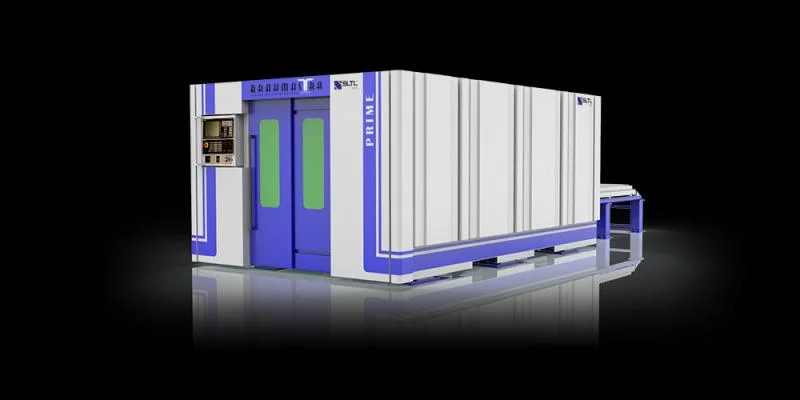
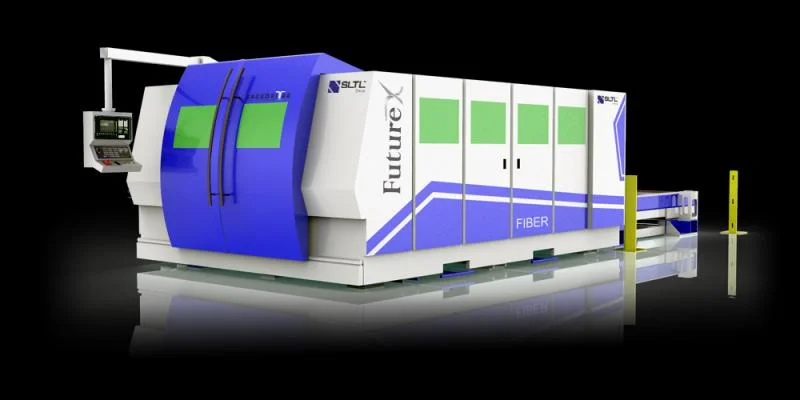
These machines provide high-speed cutting capabilities, especially for metals like stainless steel and aluminum. They are known for their efficiency and lower operating costs.
CO2 Laser Cutting Machines
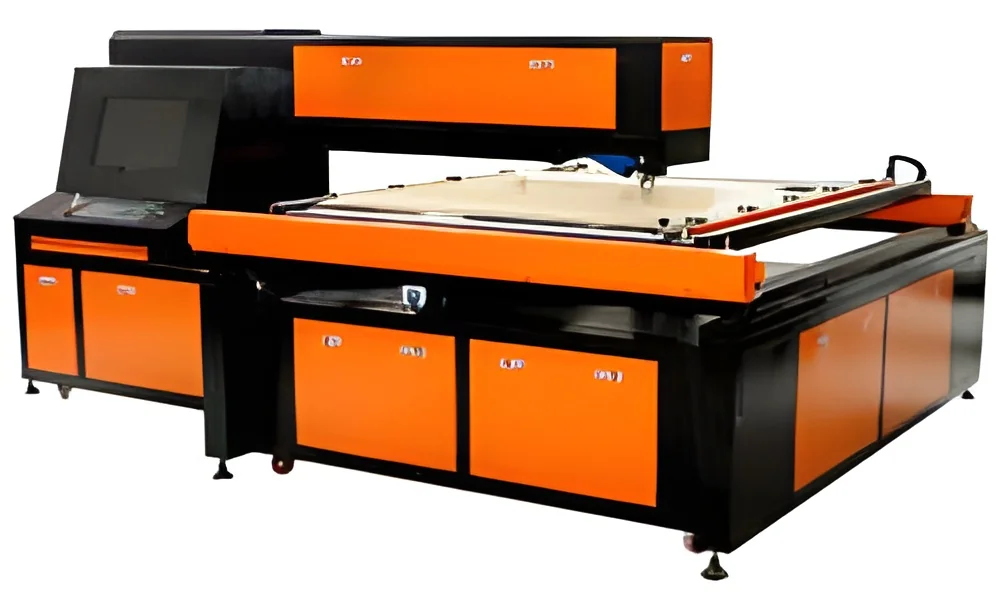
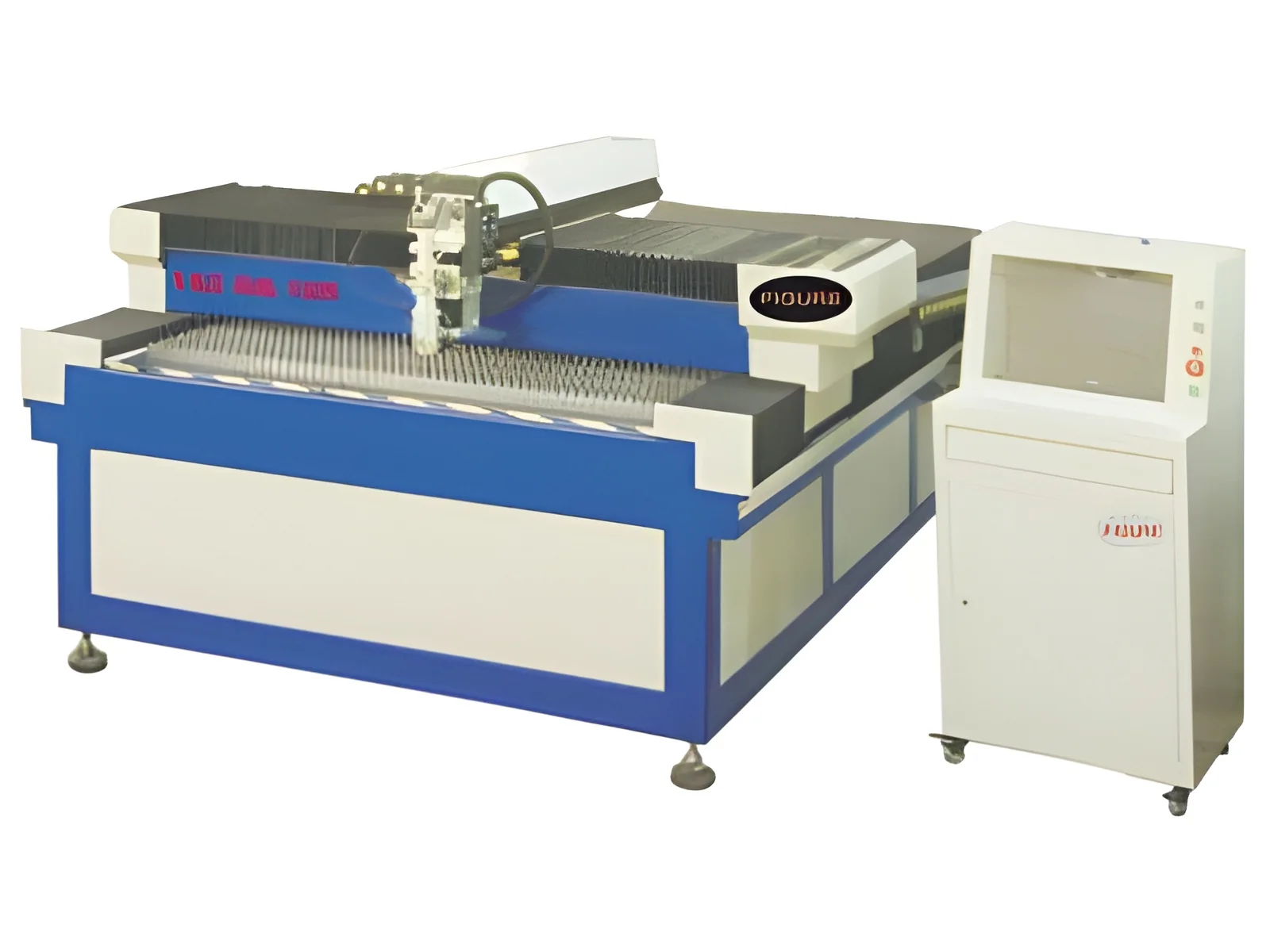
CO2 machines are versatile and can handle a wide range of materials, including plastics, wood, and glass. They are often used in applications that require detailed engraving and cutting.
๐๐ฒ๐ป๐ฒ๐ณ๐ถ๐๐ ๐ฎ๐ป๐ฑ ๐๐ฑ๐๐ฎ๐ป๐๐ฎ๐ด๐ฒ๐
Investing in laser cutting machines offers numerous advantages for businesses seeking precision and efficiency.
1. Precision Cutting: Laser cutting machines provide high levels of accuracy, reducing the need for secondary processes.
2. Versatility: They can cut a wide range of materials, making them suitable for various industries.
3. Reduced Waste: The precision of laser cutting minimizes material waste, leading to cost savings.
4. Speed: Laser cutting machines operate quickly, increasing overall production efficiency.
5. Customization: They allow for intricate designs and custom parts, catering to specific customer needs.
6. Low Maintenance: Fiber laser machines require less maintenance compared to CO2 lasers, reducing downtime.
๐๐๐๐ถ๐ป๐ด ๐๐๐ถ๐ฑ๐ฒ ๐ณ๐ผ๐ฟ ๐๐ฎ๐ ๐๐๐๐ฒ๐ฟ๐
When considering the purchase of laser cutting machines, several factors should be evaluated to ensure the right investment.
1. Quality Assessment: Look for machines that meet industry standards for performance and reliability. Consider the manufacturerโs reputation and customer reviews.
2. Supplier Verification: Vet potential suppliers by checking their certifications and customer feedback. A reputable supplier can provide valuable support and service.
3. Pricing and MOQ: Analyze pricing structures and minimum order quantities. Compare offers from different suppliers to secure the best deal.
4. Delivery and Lead Times: Understand the logistics involved in acquiring the machines. Ensure that the supplier can meet your delivery requirements.
5. Compliance Requirements: Be aware of any regulatory standards that apply to laser cutting machines in your region. Compliance with safety and quality standards is crucial.
๐๐ผ๐บ๐ฝ๐น๐ถ๐ฎ๐ป๐ฐ๐ฒ ๐ฎ๐ป๐ฑ ๐๐ฒ๐ฟ๐๐ถ๐ณ๐ถ๐ฐ๐ฎ๐๐ถ๐ผ๐ป๐
Laser cutting machines are subject to various quality and safety standards to ensure reliable performance and user safety. ISO 9001 is a key standard that emphasizes quality management systems, ensuring that manufacturers maintain high levels of quality control throughout production.
Additionally, industry certifications such as CE indicate that the machines comply with European safety and environmental protection requirements. This certification reassures buyers of the product's reliability and safety.
Safety requirements often include features such as emergency stops, protective enclosures, and proper signage to warn operators of potential hazards. Businesses should also consider regional compliance regulations that may affect the installation and operation of laser cutting machines.
Why Source Laser Cutting Machines (Fiber, CO2) from Pepagora?
Pepagora offers a trusted platform for sourcing laser cutting machines, providing several key advantages for B2B buyers.
Verified Supplier Network: Pepagora connects buyers with a network of verified suppliers, ensuring that all vendors meet strict quality and reliability standards. This network helps buyers find reputable sources for their needs.
Streamlined RFQ Process: The platform simplifies the request for quotation (RFQ) process, allowing buyers to quickly obtain pricing and specifications from multiple suppliers. This efficiency saves time and aids in decision-making.
Trade Assurance and Support: Pepagora provides buyer protection through trade assurance features. This support includes assistance with negotiations and resolving disputes, ensuring a secure purchasing experience.
Regional Coverage: With a focus on markets in India, the GCC, and Southeast Asia, Pepagora offers extensive regional coverage, connecting buyers with local suppliers who understand the specific requirements of their market. This reach facilitates smoother transactions and better service.