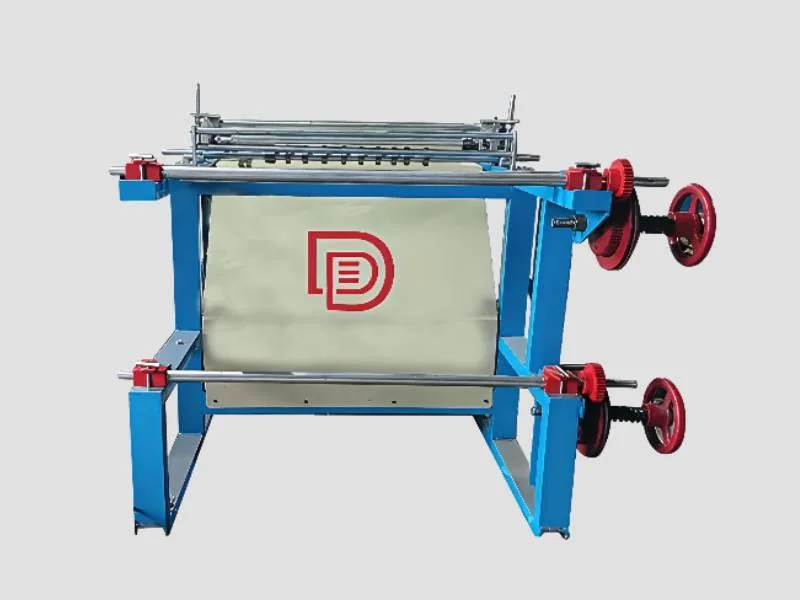
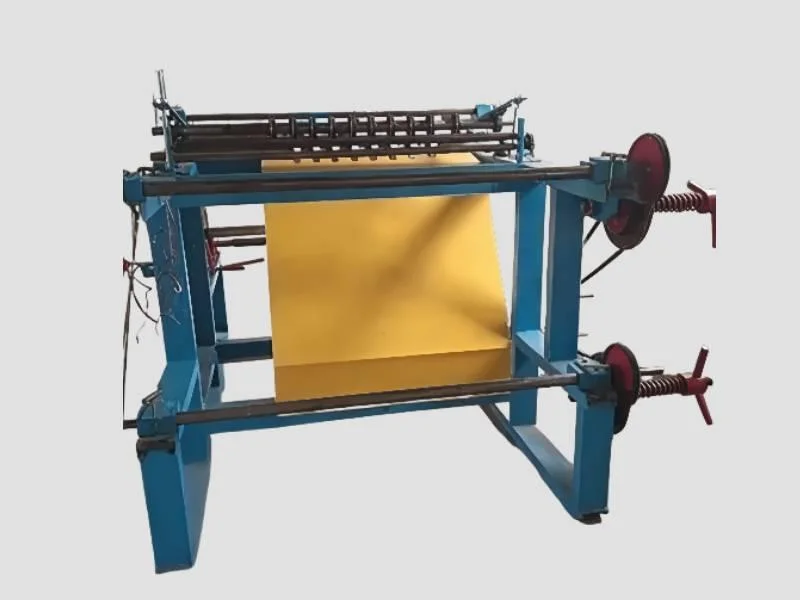
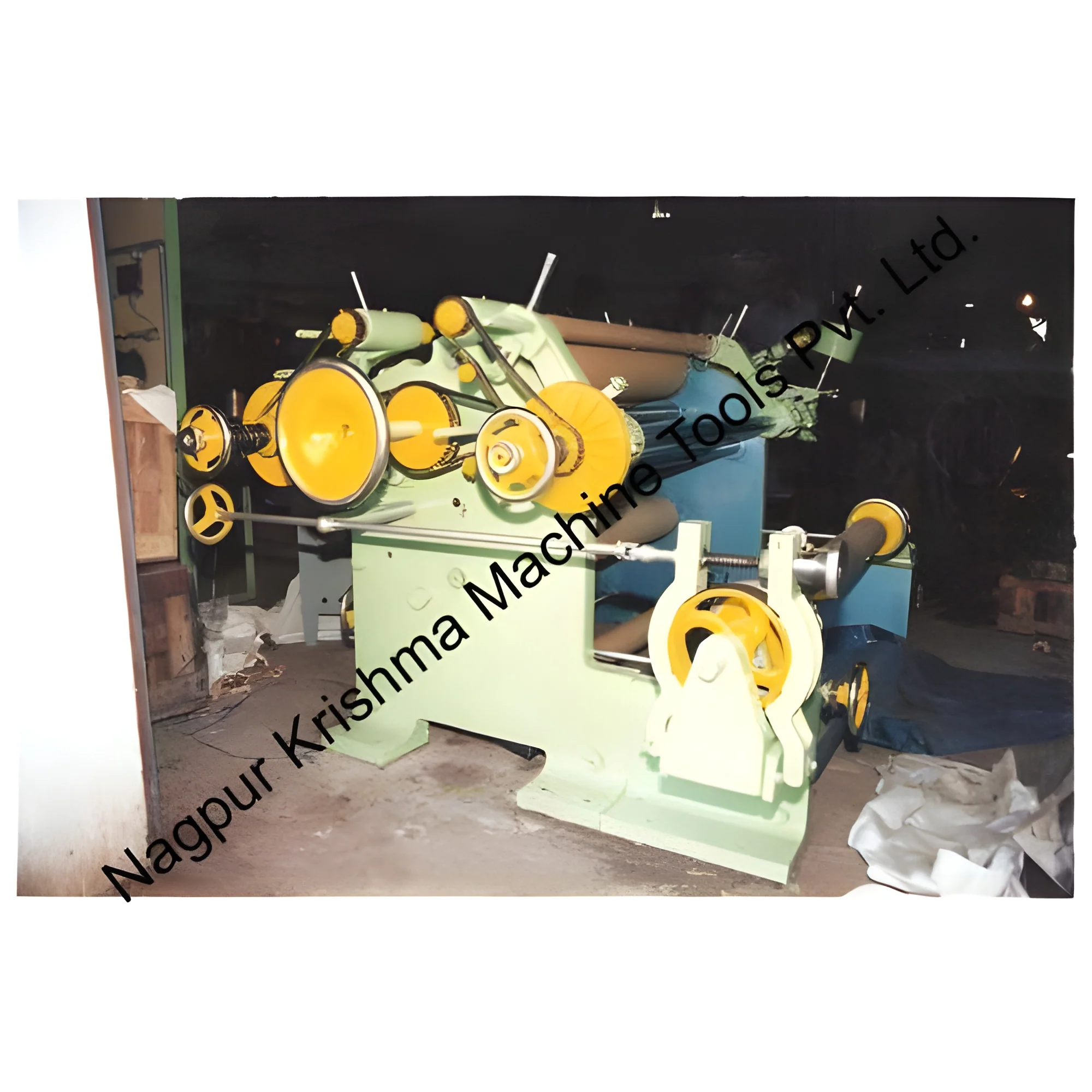
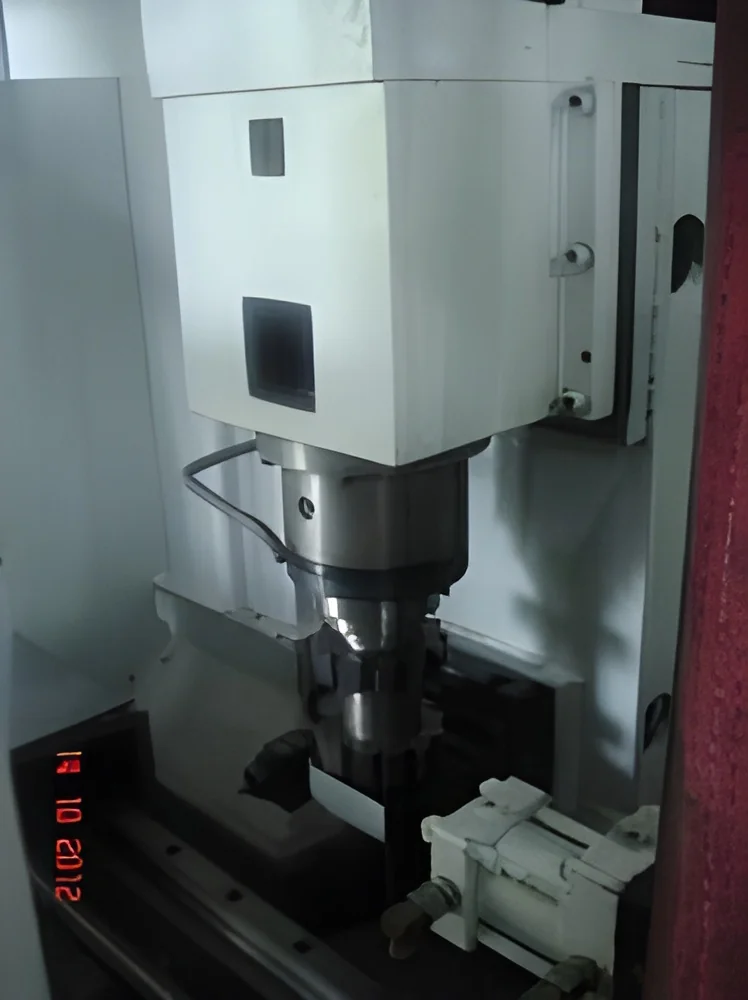
What are Slitting Machines?
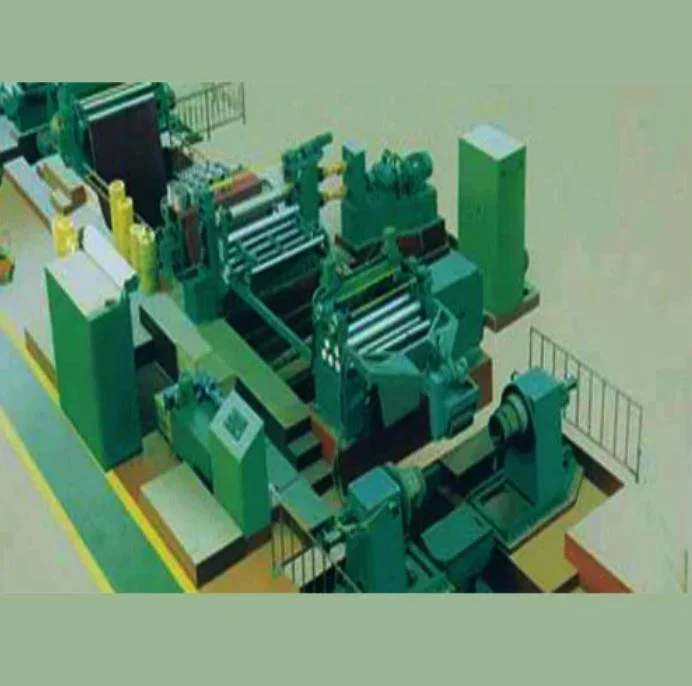
Slitting machines are specialized industrial equipment designed for cutting wide rolls of material into narrower strips. These machines are essential in various manufacturing processes, where precision and efficiency are critical. Slitting machines can handle a wide range of materials, including paper, plastic, metal, and textiles. They work by using sharp blades to slice through the material, ensuring clean and accurate cuts.
The primary uses of slitting machines include converting large rolls of material into manageable sizes, facilitating easier handling and processing. These machines are commonly employed in industries such as packaging, printing, and textiles, where the need for precision and quality is paramount. The versatility of slitting machines makes them a vital component in production lines, enhancing productivity and reducing waste.
In today's competitive market, slitting machines play a crucial role in maintaining operational efficiency across various sectors. As industries continue to evolve and demand higher quality standards, the importance of advanced slitting technology becomes increasingly relevant. Manufacturers are investing in modern slitting machines to streamline their processes and meet the growing demands of their customers.
Key Features and Specifications
Slitting machines come equipped with a variety of features that enhance their performance and adaptability. Understanding these specifications is essential for making informed purchasing decisions.
Key specifications include:
1. Cutting Width
- This specifies the maximum width of material that the machine can handle.
- Ranges typically vary from 100 mm to 2000 mm.
2. Slitting Speed
- This indicates how fast the machine can operate during the slitting process.
- Common speeds range from 50 m/min to 300 m/min.
3. Blade Type
- The type of blades used, such as rotary or straight blades, affects the quality of the cut.
- Blade materials may include high-speed steel or carbide.
4. Number of Blades
- This refers to how many blades are used to perform the slitting.
- Machines can have anywhere from 1 to over 20 blades.
5. Control System
- Modern machines often feature digital or PLC control systems for precision.
- This allows for easy adjustments and programming of slitting parameters.
6. Rewind and Unwind Systems
- These systems assist in managing the material before and after the slitting process.
- They can be designed for automatic or manual operation.
7. Safety Features
- Built-in safety mechanisms protect operators during operation.
- Features may include emergency stops and blade guards.
8. Maintenance Requirements
- Machines may have specific maintenance needs to ensure optimal performance.
- Regular checks on blades and systems are typically required.
In summary, selecting a slitting machine involves considering various technical specifications and features that best suit the intended application.
Common Applications and Use Cases
Slitting machines serve a broad spectrum of industries, each with unique applications.
1. Packaging: In the packaging industry, slitting machines are used to convert large rolls of flexible materials such as films and foils into smaller sizes for packaging products.
2. Printing: In printing operations, slitting machines help prepare materials like paper and plastic for use in printers and other processing equipment, enabling high-quality printed outputs.
3. Textiles: Slitting machines are essential in the textile industry for cutting fabric rolls into strips for further processing, such as sewing or weaving.
4. Metal Processing: In metal fabrication, slitting machines cut metal rolls into strips, which can then be used to create various components and finished products.
5. Electrical Insulation: In the electrical industry, slitting machines process insulating materials to create precise widths for wires and cables.
6. Automotive: In automotive manufacturing, slitting machines cut materials used for interior and exterior components.
7. Construction: Slitting machines are used for cutting materials like insulation and membranes for construction applications.
Product Variants and Subcategories
Slitting machines are available in a range of variants to meet different operational needs.
High-Speed Slitting Machines
These machines are designed for rapid processing of materials, making them ideal for industries requiring high throughput. They often feature advanced control systems and can handle a variety of materials.
Paper Slitting Machines
Specifically tailored for the paper industry, these machines offer precision cuts for various paper types. They are equipped with specialized blades to ensure clean edges and minimize waste.
Slitting and Rewinding Machines
These machines combine slitting and rewinding functions, allowing for efficient processing of rolls. They are used in packaging and film industries where both operations are required.
Benefits and Advantages
Using slitting machines provides several key benefits to manufacturers.
1. Increased Efficiency: Slitting machines automate the cutting process, significantly reducing manual labor and time spent on production.
2. Precision Cutting: Advanced technology ensures accurate cuts, leading to better quality products and less material waste.
3. Versatility: Slitting machines can process various materials, making them adaptable to different industries and applications.
4. Enhanced Productivity: By streamlining operations, slitting machines allow manufacturers to increase their output and meet delivery deadlines.
5. Cost-Effectiveness: Investing in slitting machines can lead to long-term savings by reducing waste and improving operational efficiency.
6. Improved Safety: Modern slitting machines come with safety features that minimize risks for operators, promoting a safer working environment.
Buying Guide for B2B Buyers
When sourcing slitting machines, it is essential for buyers to consider several factors to make informed decisions.
1. Quality Assessment: Ensure that the machines meet industry standards and perform reliably over time. Look for certifications and quality control processes in place.
2. Supplier Verification: Vet suppliers thoroughly to confirm their reputation and reliability. Check references and customer feedback to ensure they deliver quality products.
3. Pricing and MOQ: Understand the pricing structures and minimum order quantities (MOQ) that suppliers offer. Compare quotes to find the best value for your investment.
4. Delivery and Lead Times: Inquire about the logistics of delivery and expected lead times. Timely delivery is crucial to prevent delays in production.
5. Compliance Requirements: Familiarize yourself with any regulatory standards that apply to slitting machines in your industry. Compliance is essential for operational success.
Compliance and Certifications
Compliance with industry standards is crucial for the performance and safety of slitting machines. Relevant quality standards such as ISO 9001 ensure that manufacturers maintain high levels of quality management. These certifications indicate that suppliers follow rigorous processes to produce reliable products.
Additionally, industry certifications like CE signify that the machines meet European safety and environmental requirements. Compliance with these standards not only protects operators but also enhances the machine's marketability.
Other safety and testing requirements may include assessments for electrical safety and mechanical stability. Regional considerations may also influence compliance, as different countries have specific regulations that manufacturers must adhere to.
Why Source Slitting Machines from Pepagora?
Pepagora provides a trusted platform for sourcing slitting machines, offering several key advantages to buyers.
Verified Supplier Network: Pepagora connects buyers with suppliers who have been thoroughly vetted for reliability and quality. This ensures that buyers can source machines from credible manufacturers.
Streamlined RFQ Process: The platform simplifies the request for quotation (RFQ) process, allowing buyers to easily compare multiple suppliers and make informed purchasing decisions.
Trade Assurance and Support: Pepagora offers trade assurance, protecting buyers from potential risks associated with sourcing. This includes support for resolving any issues that may arise during the purchasing process.
Regional Coverage: With a strong presence in India, GCC, and Southeast Asia, Pepagora ensures that buyers have access to a wide range of products and suppliers across these regions, enhancing their sourcing options.

 IN
IN