What are Bridge Cutting Machines?
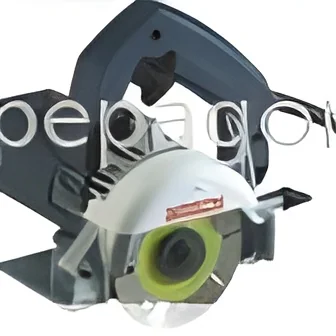
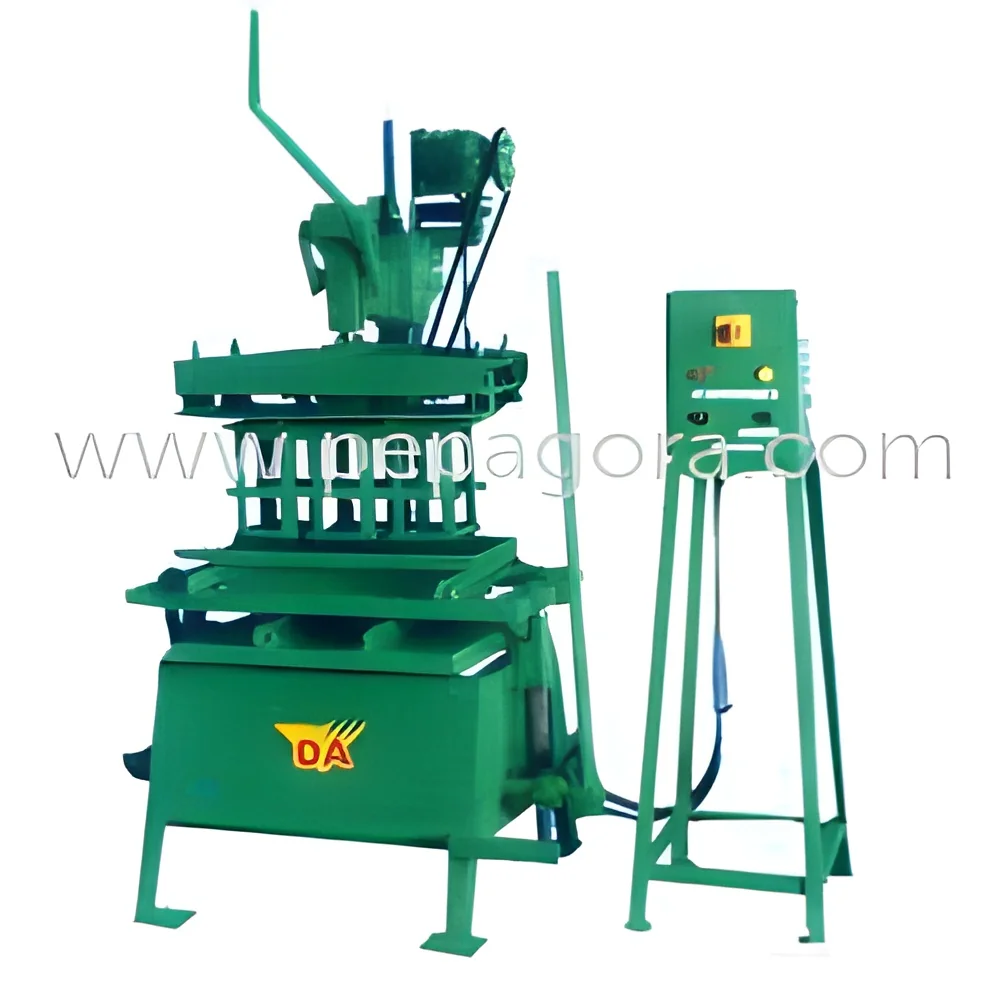
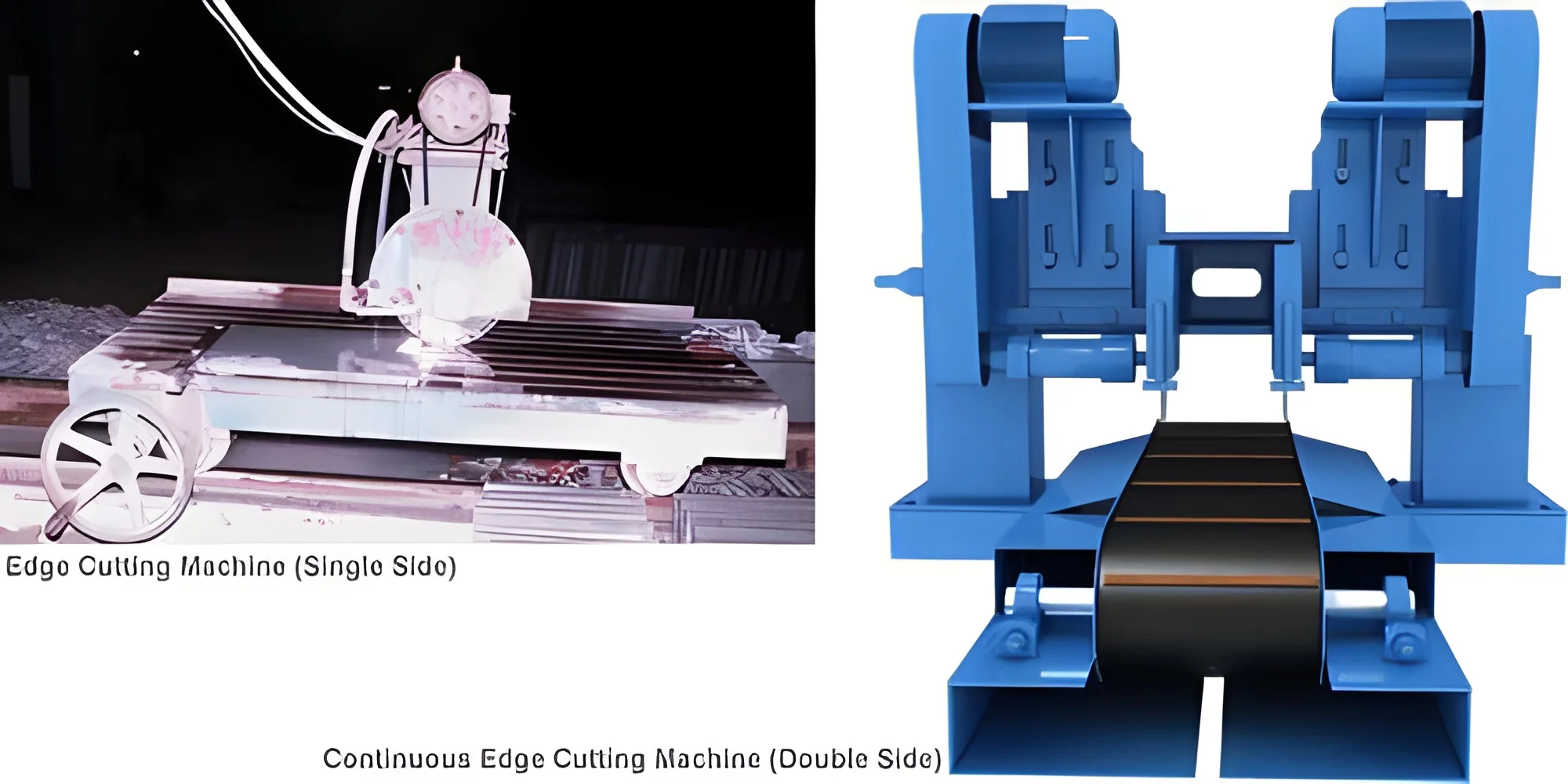
Bridge cutting machines are specialized industrial tools designed for precision cutting of various materials, primarily stone and concrete. These machines utilize a bridge-like structure that supports a cutting blade, allowing for smooth and accurate cuts. The design of the bridge cutting machine enables operators to control the cutting angle and depth precisely, making it an essential asset in fabrication shops and construction sites.
The primary applications of bridge cutting machines include the fabrication of countertops, tiles, and other stone products. They are widely used in the construction industry for cutting large slabs of marble, granite, and other materials. The efficiency and accuracy provided by these machines make them critical for businesses looking to optimize production and reduce waste. As the demand for high-quality stone products grows, bridge cutting machines play an increasingly important role in meeting industry needs.
In the current market context, bridge cutting machines are relevant due to the rising trend of automation and precision in the manufacturing processes. Companies are investing in advanced cutting technologies to enhance productivity and maintain competitive advantages. With the increasing complexity of design requirements in the stone industry, the demand for bridge cutting machines is expected to grow.
Key Features and Specifications
Bridge cutting machines come equipped with a variety of features that enhance their functionality and performance. Understanding the specifications is crucial for selecting the right model for specific business needs.
Key specifications include:
1. Cutting Capacity
- Determines the maximum size of material that can be cut.
- Typically ranges from 2 meters to 3.5 meters in length.
2. Blade Diameter
- Refers to the size of the cutting blade used.
- Common diameters are between 350 mm to 600 mm.
3. Motor Power
- Indicates the horsepower of the motor driving the cutting process.
- Usually ranges from 5 HP to 15 HP depending on the machine size.
4. Cutting Speed
- Measures the speed at which the machine can make cuts.
- Average speeds can range from 0 to 10 meters per minute.
5. Control System
- Describes the type of control used to operate the machine.
- Options include manual control and CNC (Computer Numerical Control).
6. Weight
- Total weight of the machine, which can affect mobility and stability.
- Generally ranges from 800 kg to 3000 kg.
7. Power Supply
- Indicates the electrical requirements for operating the machine.
- Most machines operate on three-phase power, typically 380V.
8. Safety Features
- Includes emergency stop buttons, blade guards, and safety interlocks.
- Essential for ensuring operator safety during operation.
In summary, bridge cutting machines are defined by their cutting capacity, motor power, and advanced control systems. When selecting a machine, buyers should consider these specifications to ensure optimal performance for their specific applications.
Common Applications and Use Cases
Bridge cutting machines serve various industries by providing solutions for efficient and accurate cutting of materials.
1. Stone Fabrication: These machines are essential for cutting granite, marble, and other stone materials into precise shapes for countertops and tiles.
2. Construction: In the construction sector, bridge cutting machines are used for cutting large slabs for building facades, flooring, and other architectural elements.
3. Sculpture and Art: Artists and sculptors utilize bridge cutting machines to achieve intricate designs and detailed finishes in stone sculptures.
4. Engineering and Manufacturing: Industries that require precise components can use bridge cutting machines for creating parts from stone or composite materials.
5. Landscaping: These machines help in cutting stone for outdoor features such as patios, walkways, and decorative elements in gardens.
6. Restoration: In restoration projects, bridge cutting machines are used to replicate historical stonework with accuracy.
7. Custom Fabrication: Many businesses offer custom stone cutting services, relying on bridge cutting machines for tailored solutions.
Product Variants and Subcategories
Bridge cutting machines come in various types to suit different industrial needs. Each variant offers unique features and capabilities.
Automatic Bridge Cutting Machine: This variant is equipped with advanced CNC controls, which allow for automated cutting processes. It is ideal for high-volume production environments where precision and efficiency are critical.
Semi-Automatic Bridge Cutting Machine: This machine combines manual operation with automated features, providing flexibility for businesses that require both precision and operator control. It is suitable for medium-sized operations.
Manual Bridge Cutting Machine: Designed for smaller workshops, this variant requires more operator involvement but offers a cost-effective solution for businesses with lower production demands.
Benefits and Advantages
Investing in bridge cutting machines offers numerous benefits to businesses across various industries.
1. Increased Efficiency: These machines significantly reduce cutting time, allowing for higher output and productivity in stone fabrication.
2. Precision Cutting: Bridge cutting machines provide accurate cuts, minimizing waste and ensuring high-quality finished products.
3. Versatility: They can cut a wide range of materials, making them suitable for diverse applications in different industries.
4. Reduced Labor Costs: Automation features reduce the need for manual labor, lowering overall operational costs.
5. Enhanced Safety: Equipped with safety features, these machines help to minimize risks associated with cutting operations.
6. Improved Workflow: The ability to streamline the cutting process enhances overall workflow in manufacturing and construction projects.
Buying Guide for B2B Buyers
When sourcing bridge cutting machines, it is essential for buyers to consider several factors to ensure the right investment.
1. Quality Assessment: Evaluate the machine's build quality, materials used, and manufacturer reputation. Look for industry certifications to verify quality standards.
2. Supplier Verification: Vet suppliers by checking their history, customer reviews, and support services. Establishing a reliable supplier relationship is crucial for ongoing operations.
3. Pricing and MOQ: Understand the market pricing for different models and inquire about minimum order quantities to align with budget constraints.
4. Delivery and Lead Times: Consider logistics and delivery schedules to ensure timely acquisition, especially if the machine is needed for specific projects.
5. Compliance Requirements: Be aware of local regulations and industry standards that the machine must meet, ensuring it is compliant with safety and operational guidelines.
Compliance and Certifications
Bridge cutting machines are subject to various quality standards and compliance requirements to ensure safety and reliability.
Relevant quality standards include ISO 9001, which focuses on quality management systems, ensuring consistent product quality and customer satisfaction.
Industry certifications, such as CE marking, indicate that the machines meet European safety and environmental protection standards. This certification is essential for manufacturers exporting to Europe.
Safety and testing requirements are critical in this industry, with machines needing to undergo rigorous testing to ensure they operate safely under various conditions. Compliance with these requirements reduces liability and enhances operational safety.
Regional compliance considerations vary by market. Buyers must be aware of local regulations and standards that apply to bridge cutting machines in their respective regions.
Why Source Bridge Cutting Machines from Pepagora?
Pepagora provides a trusted platform for sourcing bridge cutting machines, offering several key advantages to buyers.
Verified Supplier Network: Pepagora connects buyers with a network of verified suppliers, ensuring they can find reliable manufacturers who meet quality standards. This reduces the risk of sourcing from unverified vendors.
Streamlined RFQ Process: The platform features an efficient Request for Quotation (RFQ) system that simplifies the process of obtaining quotes from multiple suppliers. Buyers can easily compare options and make informed decisions.
Trade Assurance and Support: Pepagora offers trade assurance services that protect buyers during transactions. This includes support for resolving disputes and ensuring product quality upon delivery.
Regional Coverage: With a broad geographic reach, Pepagora caters to buyers in India, the GCC, and Southeast Asia. This regional coverage ensures that businesses can find local suppliers while accessing international markets.

 IN
IN