IN
IN₹
Apparel & Fashion
Description
CNC (Computer Numerical Control) machines are automated manufacturing systems that use computer-programmed commands to execute precise cutting, shaping, and machining operations on materials like metal, plastic, and wood. By following digital designs (often via G-code), these tools eliminate manual errors and deliver consistent, high-accuracy parts with every cycle. Ideal for both mass production and custom jobs, CNC technology enhances operational efficiency, reduces waste, and supports complex geometries that are challenging with conventional methods. Its automation allows for continuous operation, making it a reliable choice for businesses aiming to scale production while maintaining strict quality standards.

Industries such as automotive, aerospace, electronics, and medical device manufacturing depend heavily on CNC machining. In automotive, it produces engine components, transmission parts, and custom fittings with tight tolerances. Aerospace applications include lightweight airf...
CNC (Computer Numerical Control) machines are automated manufacturing systems that use computer-programmed commands to execute precise cutting, shaping, and machining operations on materials like metal, plastic, and wood. By following digital designs (often via G-code), these tools eliminate manual errors and deliver consistent, high-accuracy parts with every cycle. Ideal for both mass production and custom jobs, CNC technology enhances operational efficiency, reduces waste, and supports complex geometries that are challenging with conventional methods. Its automation allows for continuous operation, making it a reliable choice for businesses aiming to scale production while maintaining strict quality standards.

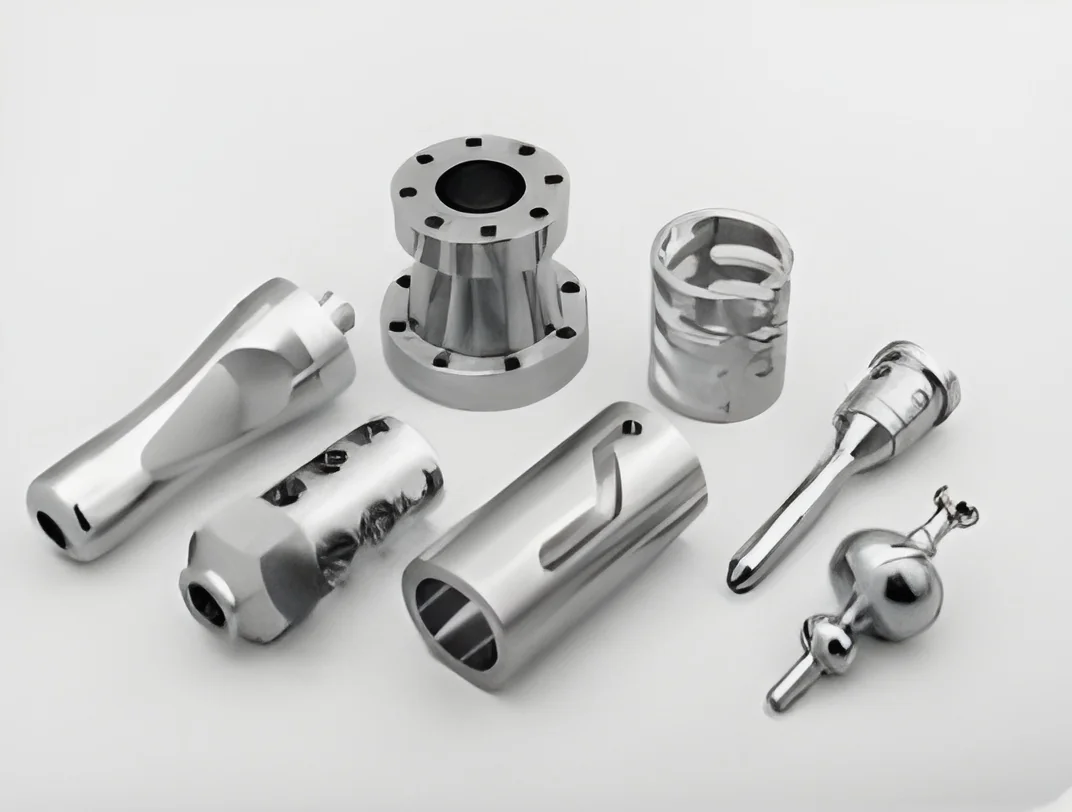
Industries such as automotive, aerospace, electronics, and medical device manufacturing depend heavily on CNC machining. In automotive, it produces engine components, transmission parts, and custom fittings with tight tolerances. Aerospace applications include lightweight airframe structures and turbine blades, where material integrity is critical. Electronics manufacturers use CNCs for circuit board housings and precision connectors, while the medical sector relies on them for surgical tools and patient-specific implants. This widespread usage underscores the machine's adaptability across sectors that demand reliability, repeatability, and compliance with stringent industry regulations.

Investing in a CNC machine brings significant business value through improved productivity, lower labor costs, and enhanced part consistency. Its reliability minimizes downtime and rework, translating to faster turnaround times and higher customer satisfaction. Customization options allow businesses to cater to niche markets or unique client specifications, creating competitive differentiation. With robust construction and advanced control systems, CNC machines offer long-term durability and operational stability, ensuring a strong return on investment for manufacturers focused on growth and quality assurance.

Key Features:
- Computer-controlled operation for precise, repeatable results.
- Compatibility with metals, plastics, wood, and composites.
- Support for complex designs including 3D contouring and engraving.
- Automated tool changing and multi-axis machining capabilities.
- Robust construction ensuring stability and long service life.

Benefits:
- Increases production efficiency and reduces manual labor requirements.
- Delivers high accuracy and consistency, minimizing material waste.
- Enables fast prototyping and customization for diverse client needs.
- Lowers operational costs through automation and error reduction.
- Enhances scalability, supporting both small batches and large-volume orders.
Specifications
| Additional Information | |
|---|---|
| Country of Origin | India |
Application
CNC machines are essential in modern manufacturing, providing unmatched precision for creating complex parts from metals, plastics, and composites. They automate cutting, drilling, and milling processes, ensuring consistent quality and reducing production time for high-volume orders and custom designs. These systems are trusted by industries requiring tight tolerances and reliable output, from automotive to medical device production.
Businesses rely on CNC technology for its versatility in handling diverse materials and intricate designs. It supports just-in-time manufacturing and rapid prototyping, enabling companies to meet strict deadlines and customize products without sacrificing accuracy. This adaptability makes CNC machining a cornerstone for sectors where detail and durability are non-negotiable. Real-world applications:
Real-world applications:
- Automotive parts manufacturing for engines, transmissions, and custom components.
- Aerospace industry fabrication of lightweight, high-strength structural elements.
- Electronics sector production of precise housings, heat sinks, and connectors.
- Medical device creation including surgical instruments and implantable devices.
- Industrial equipment prototyping and end-part manufacturing for machinery.
Trade Details
| Available Stock | In Stock |
| Sample Availability | No |
Payment Terms
| Payment Terms |
|
Company Profile
LOGIC MANUFACTURING SYSTEM, Karnataka
 Karnataka, India
Karnataka, IndiaIndustrial Equipment & Machinery•Manufacturer
Factory Details
Factory SizeBelow 1000 sqm
CNC Machines For Precision Metal And Plastic Cutting In Manufacturing
CNC machines deliver precision cutting, shaping, and processing for materials like metal and plastic, ensuring high accuracy, efficiency, and repeatability in manufacturing for automotive, aerospace, and industrial applications.
Min. Order Quantity: 1
Shipping
Shipping fee and delivery date to be negotiated. Contact supplier now for more details.
LOGIC MANUFACTURING SYSTEM
 Karnataka, India
Karnataka, IndiaIndustrial Equipment & MachineryManufacturer