𝗪𝗵𝗮𝘁 𝗮𝗿𝗲 𝗖𝘂𝘁𝘁𝗶𝗻𝗴 𝗠𝗮𝗰𝗵𝗶𝗻𝗲𝘀?
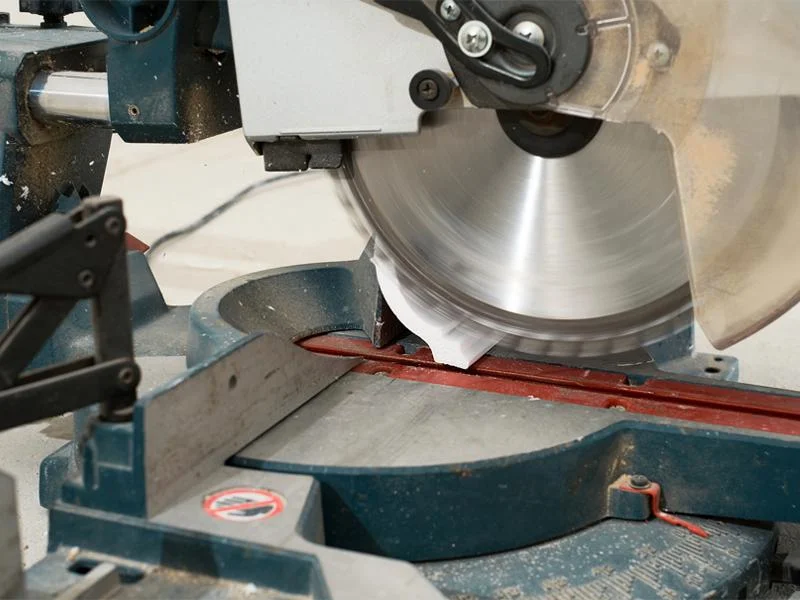
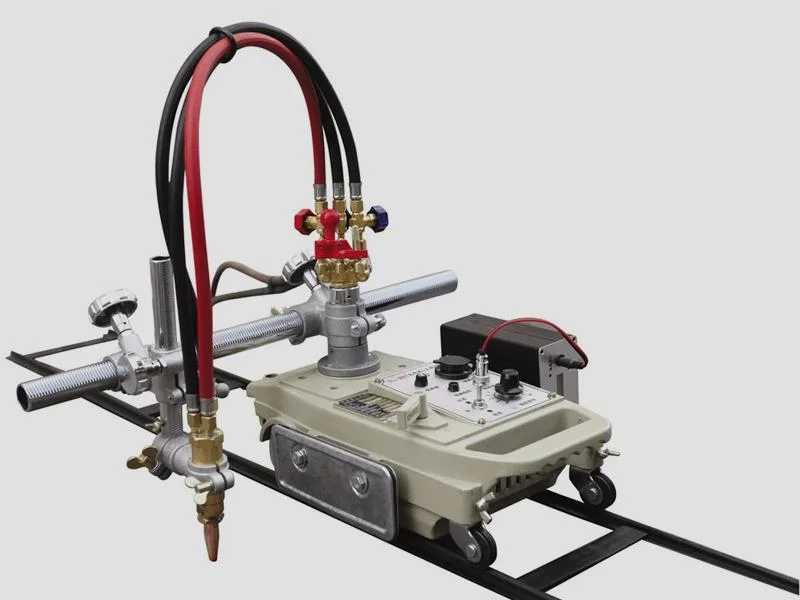
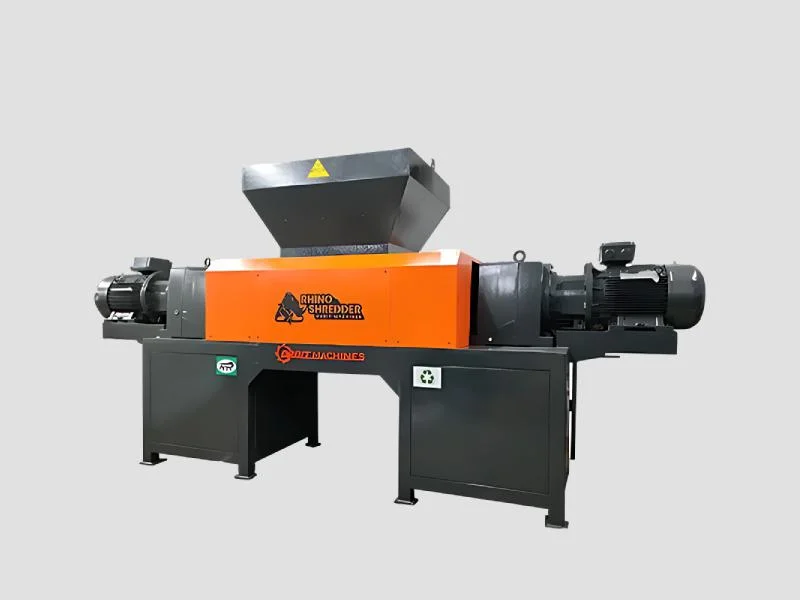
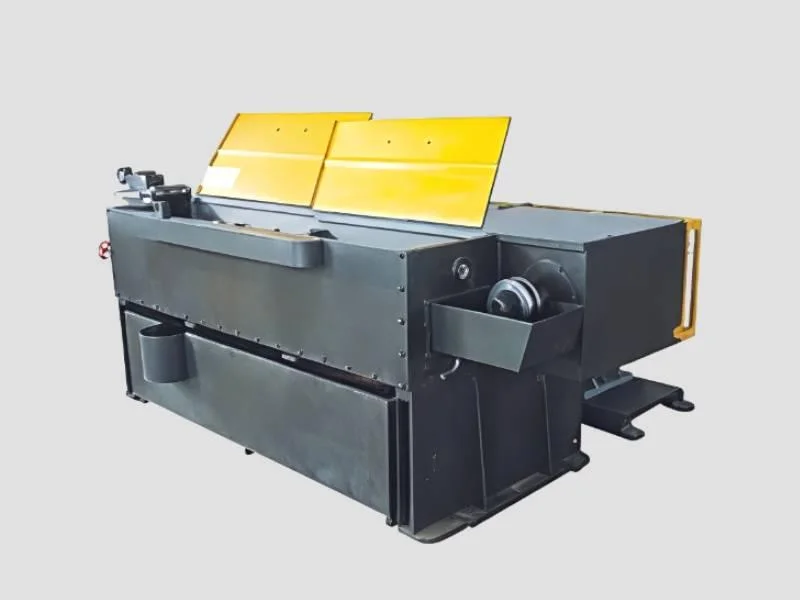
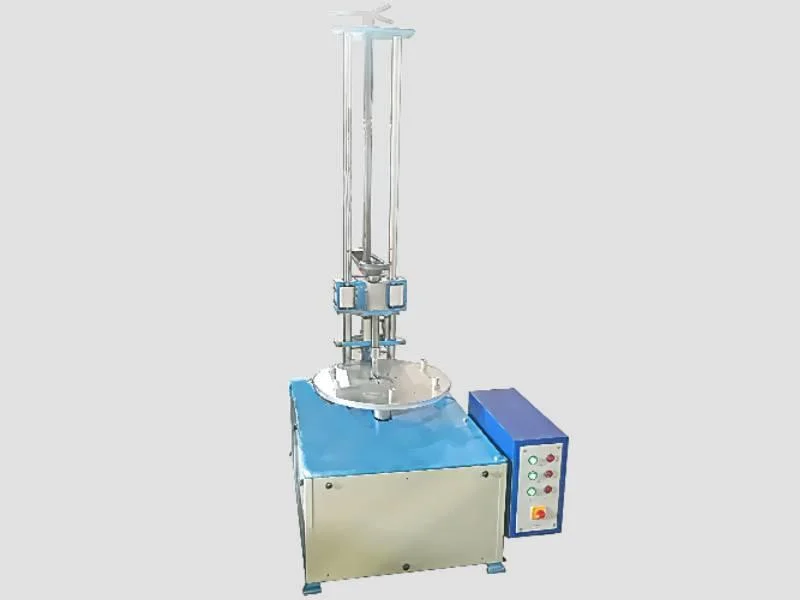
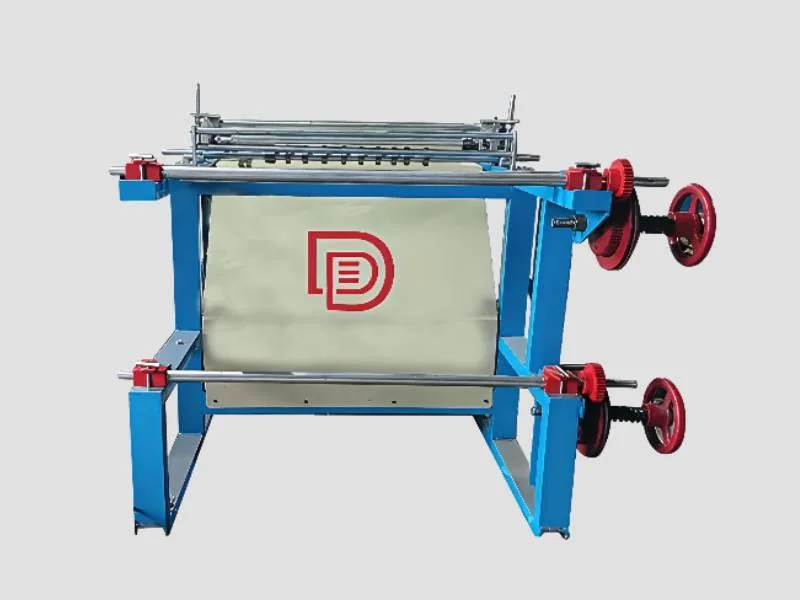
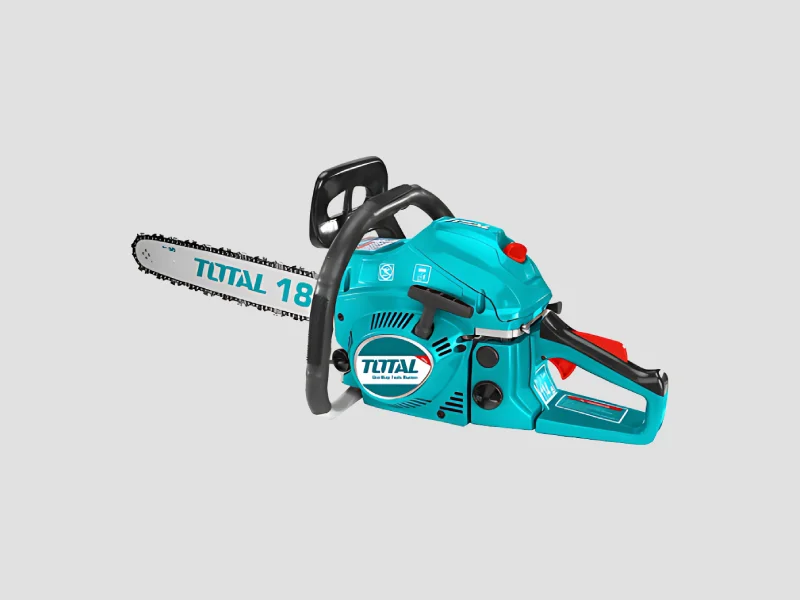
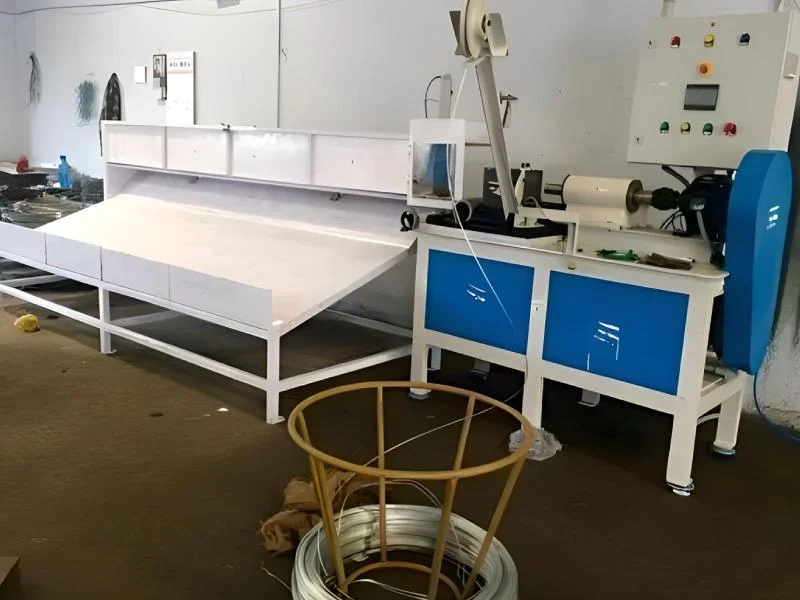
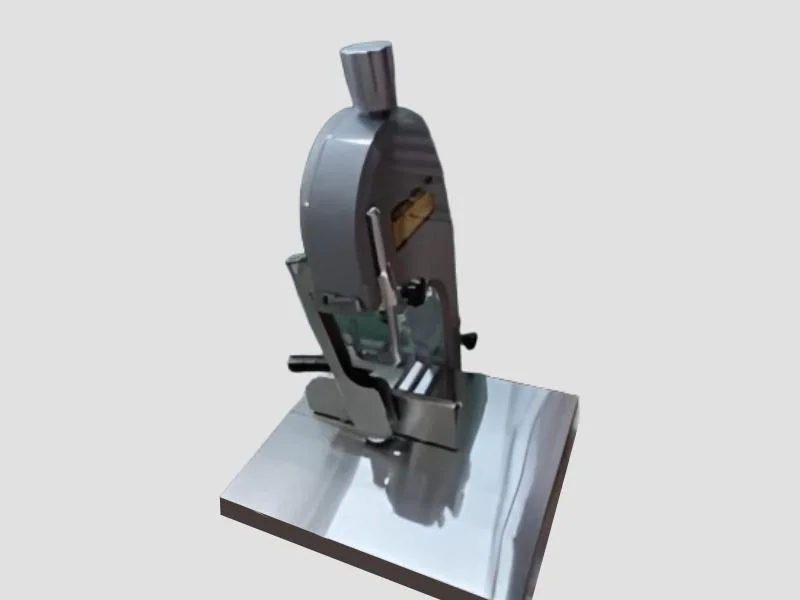
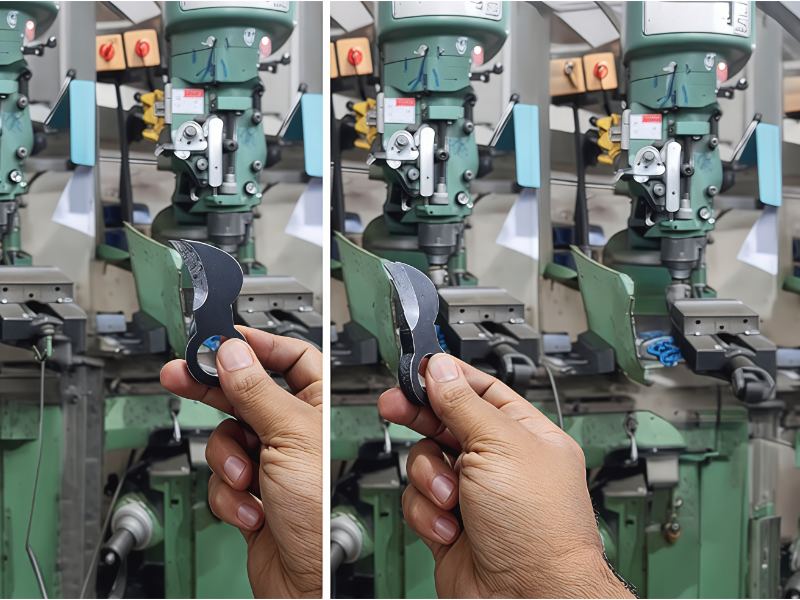
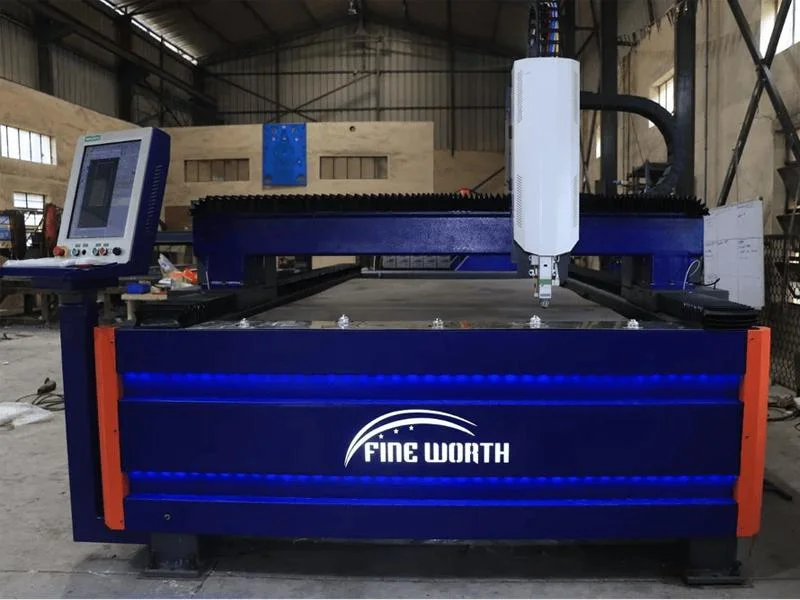
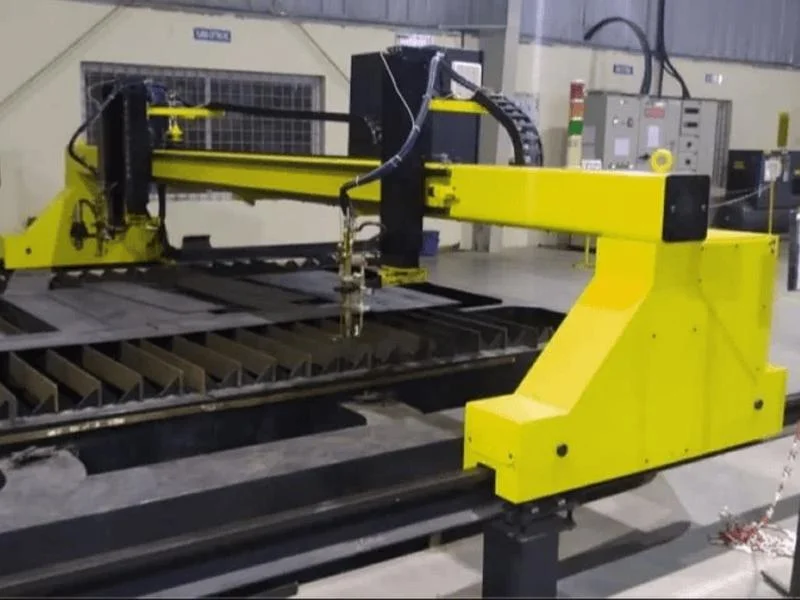
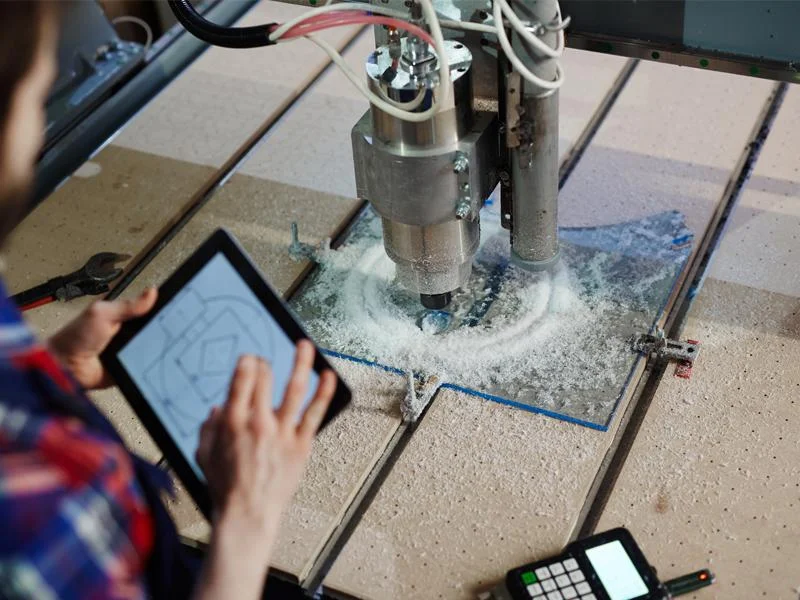
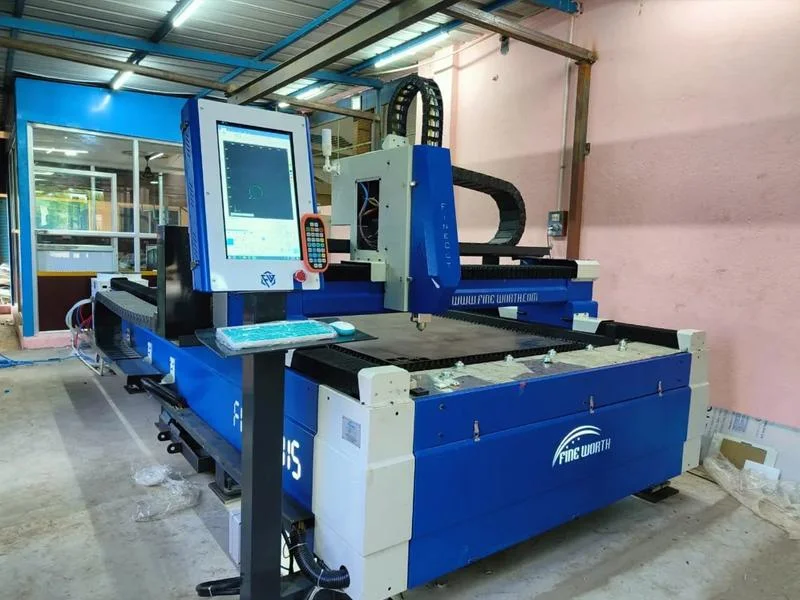
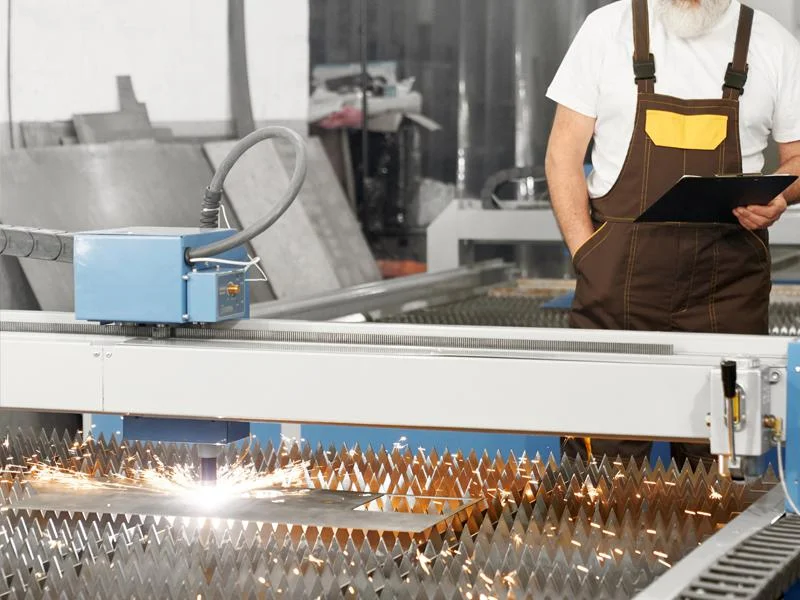
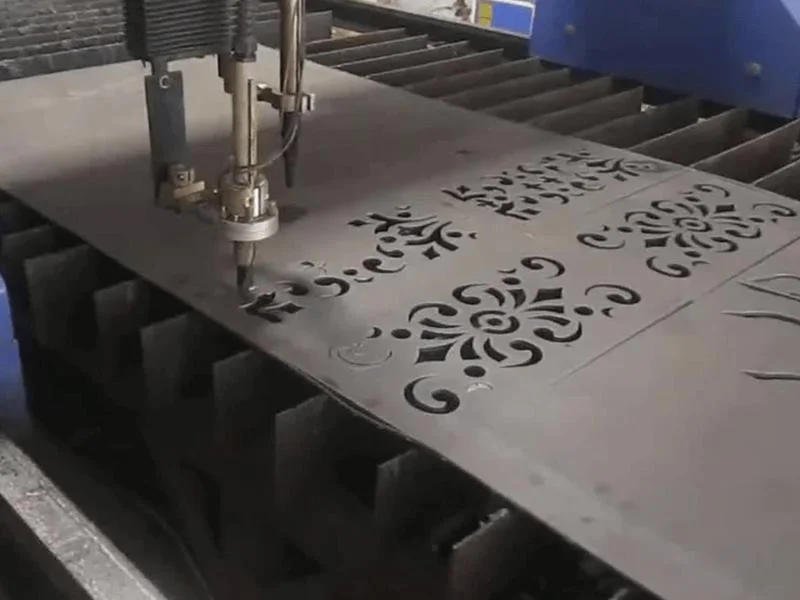
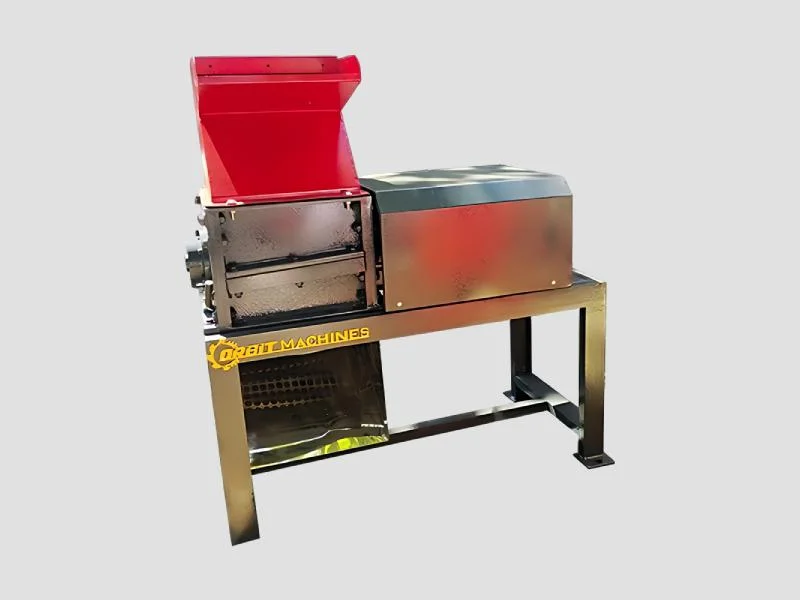
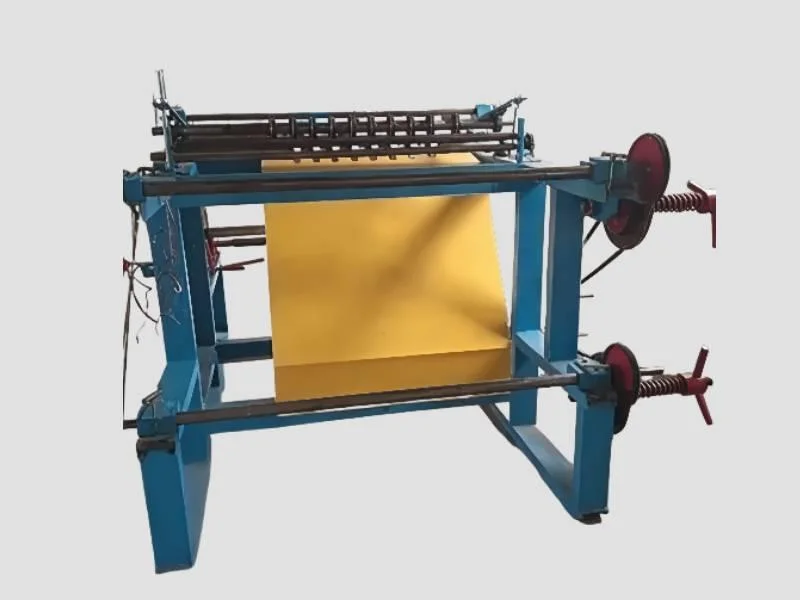
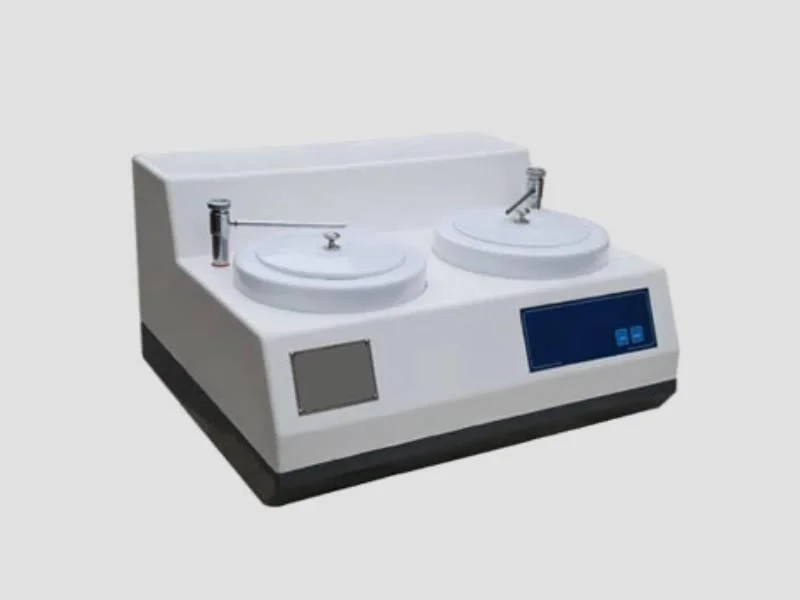
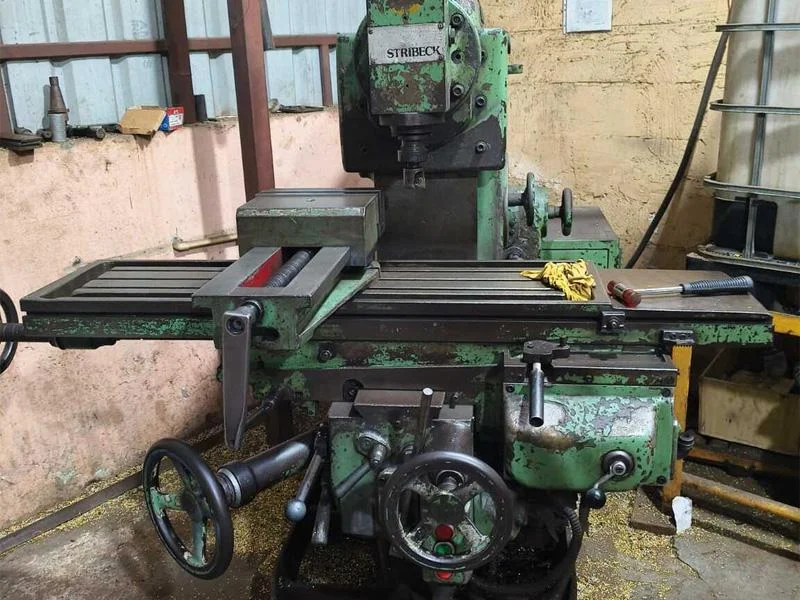
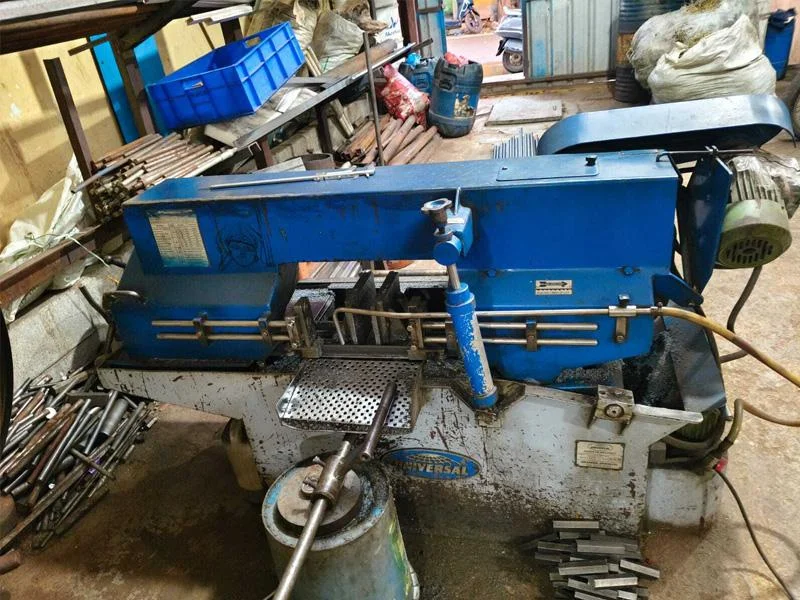
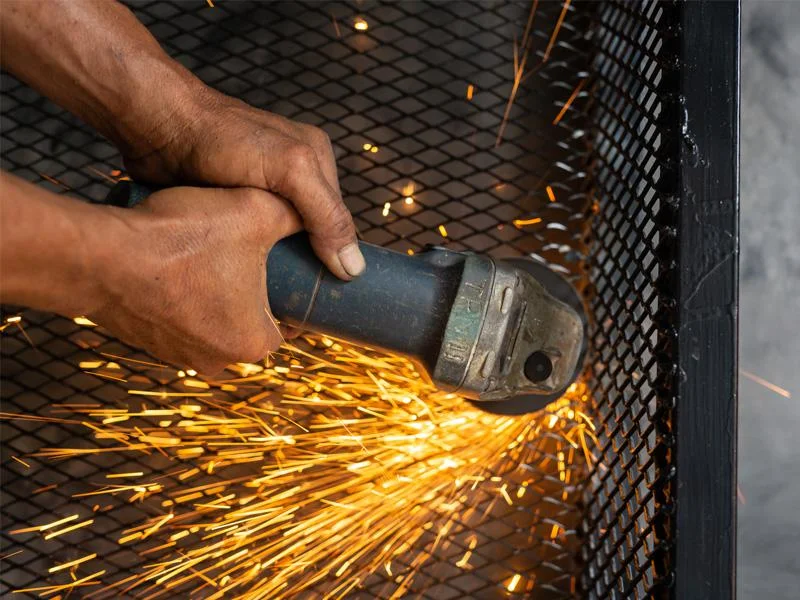
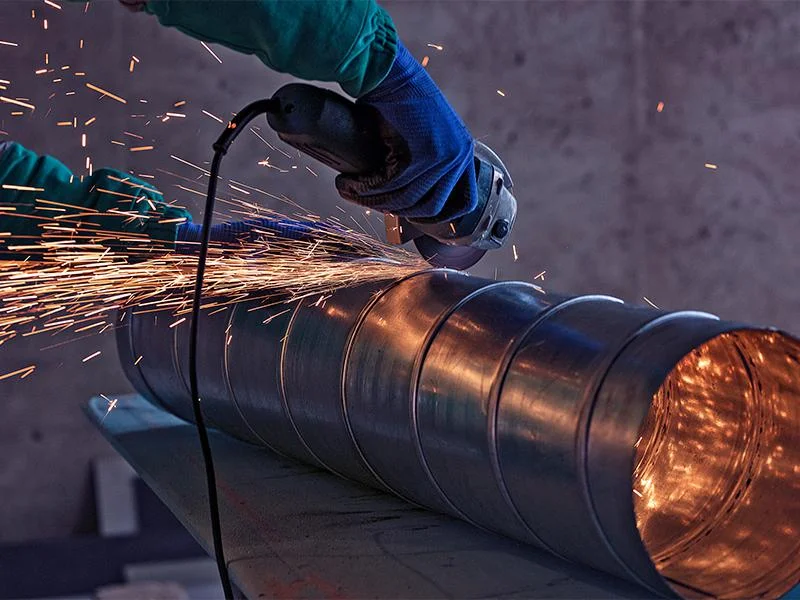
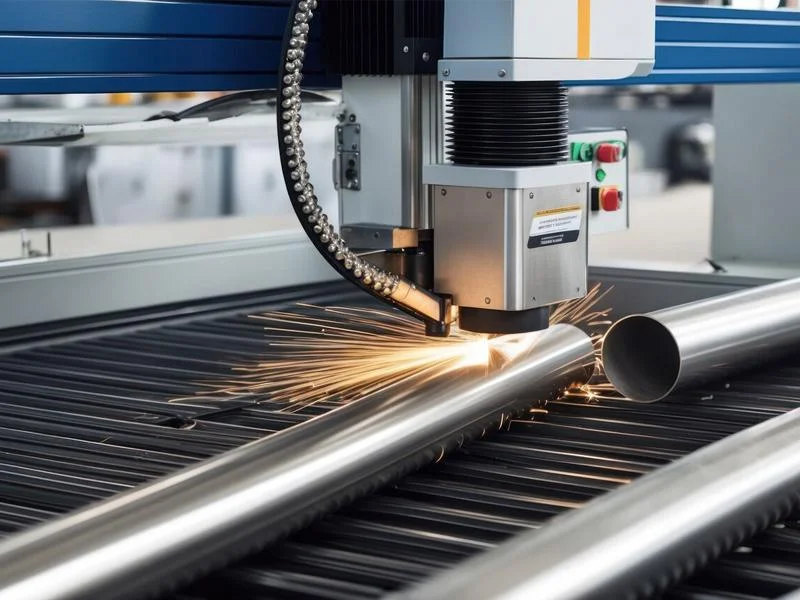
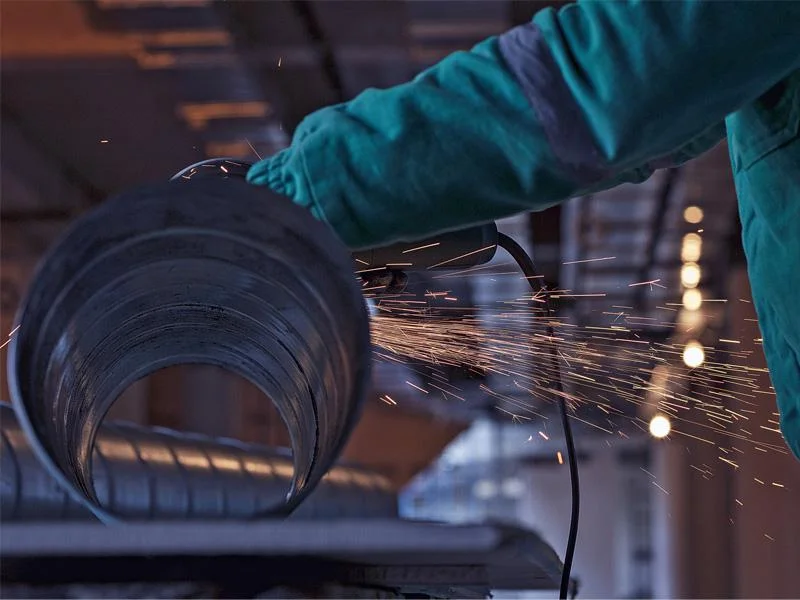
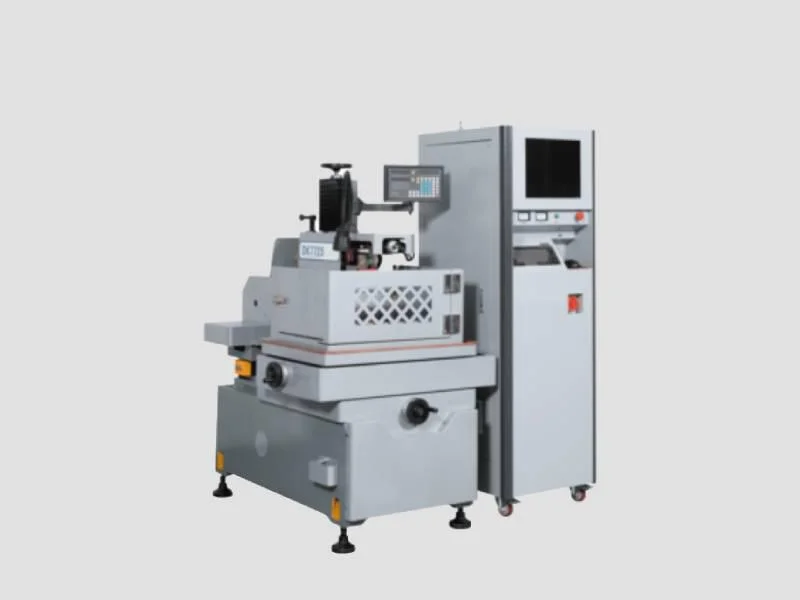
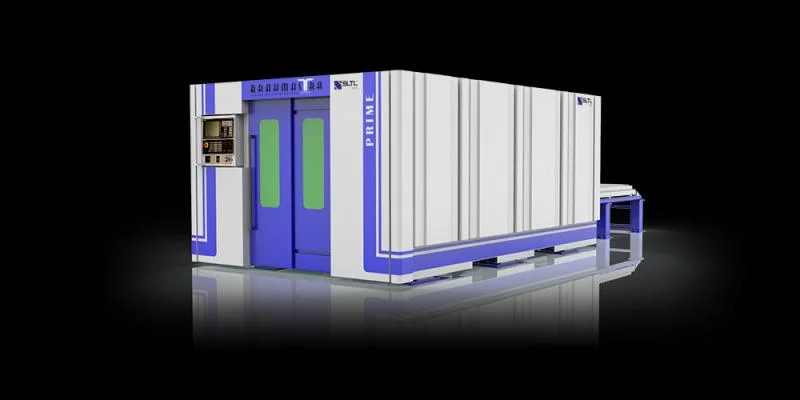
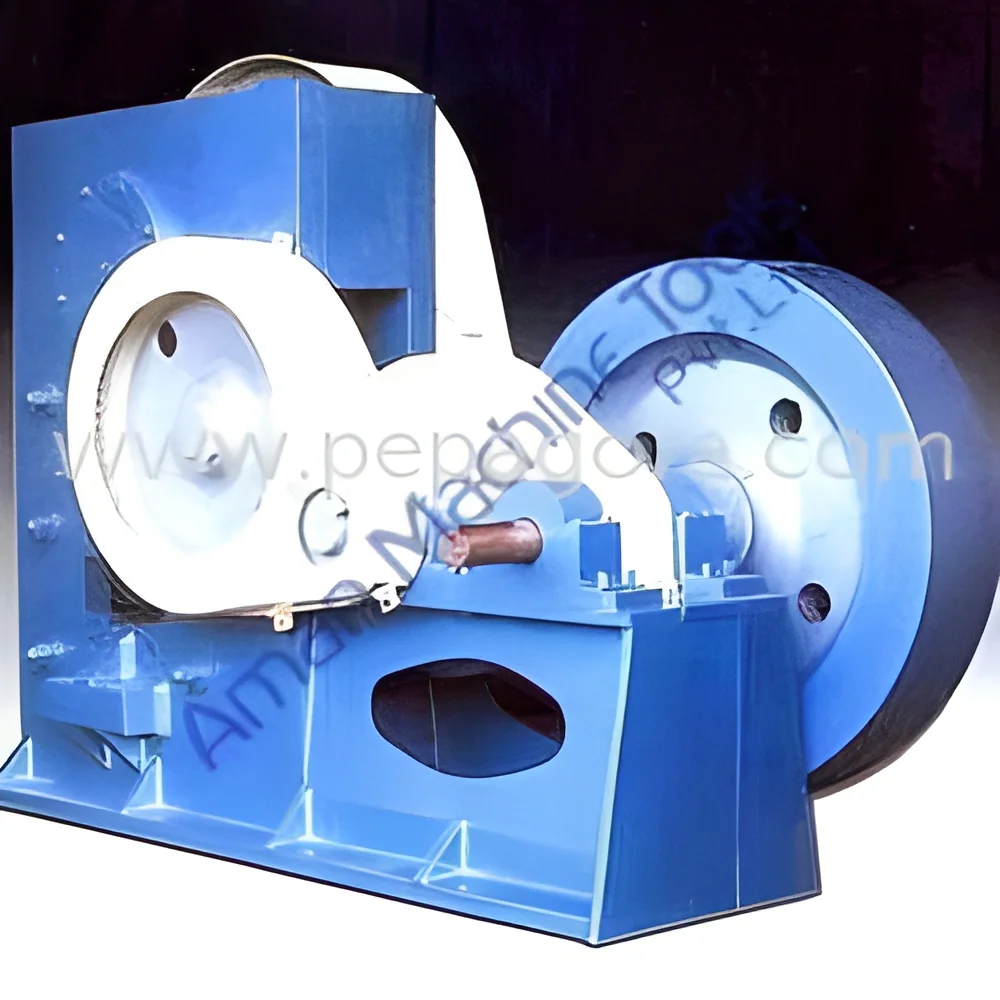
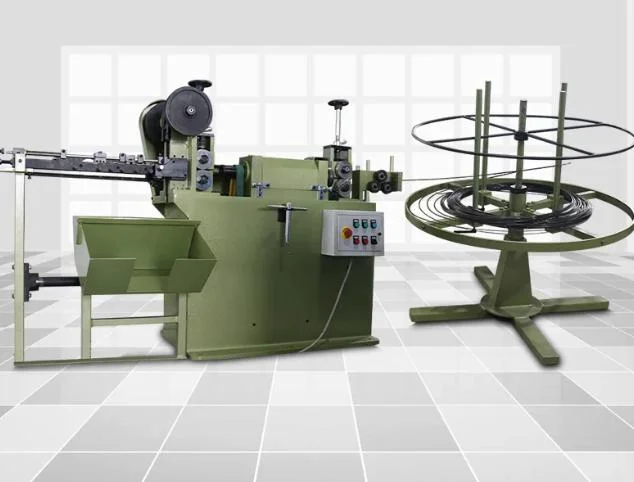
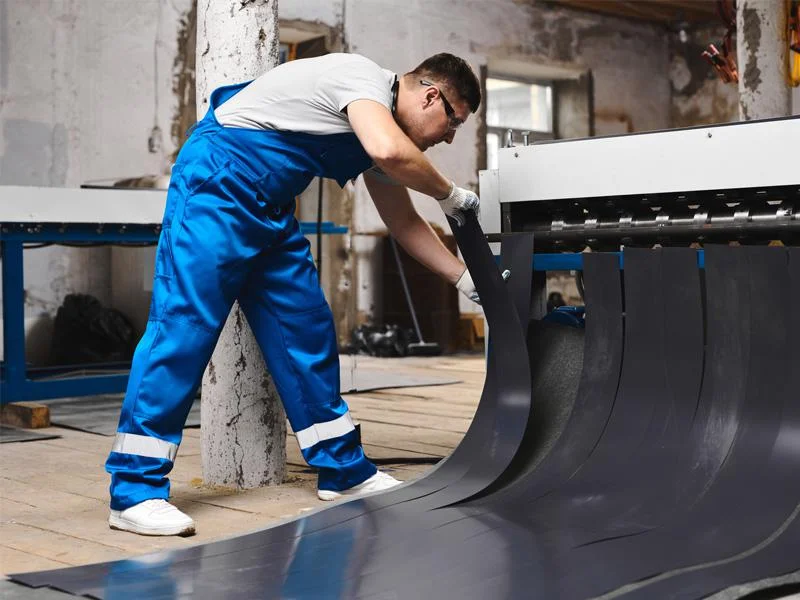
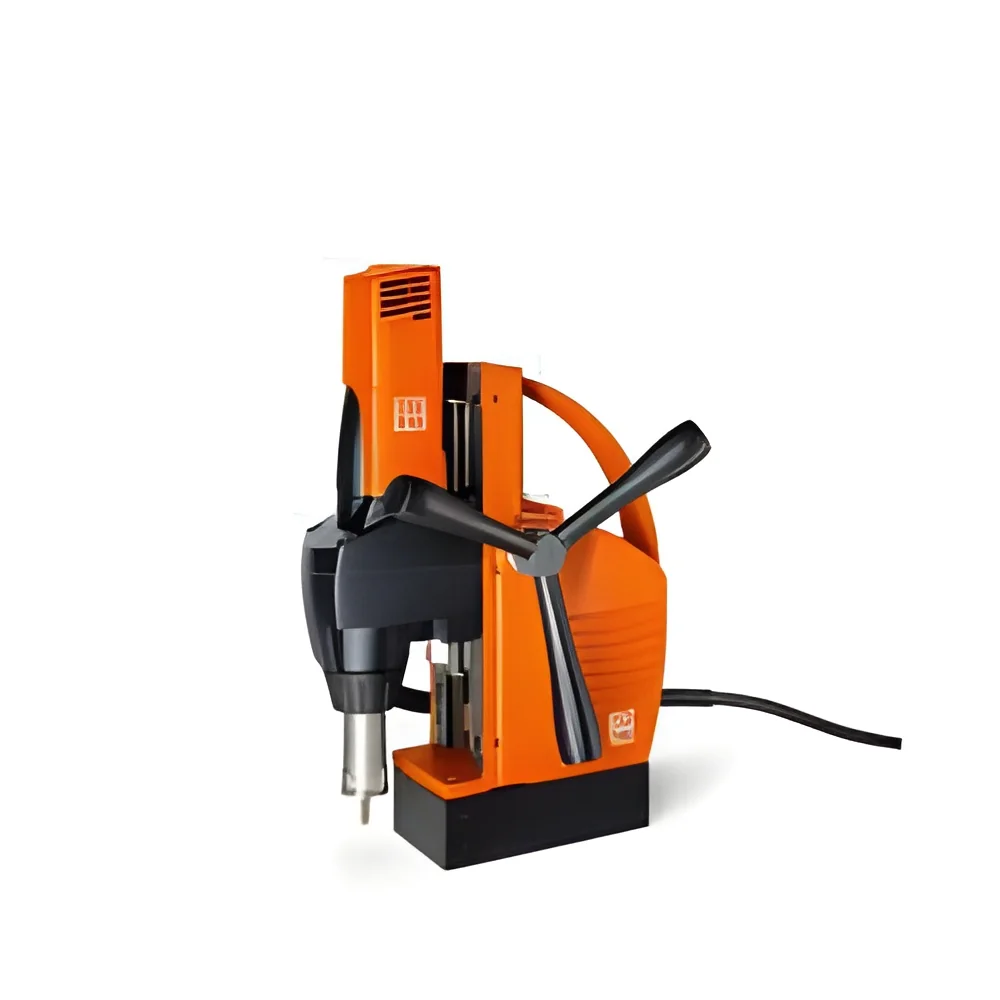
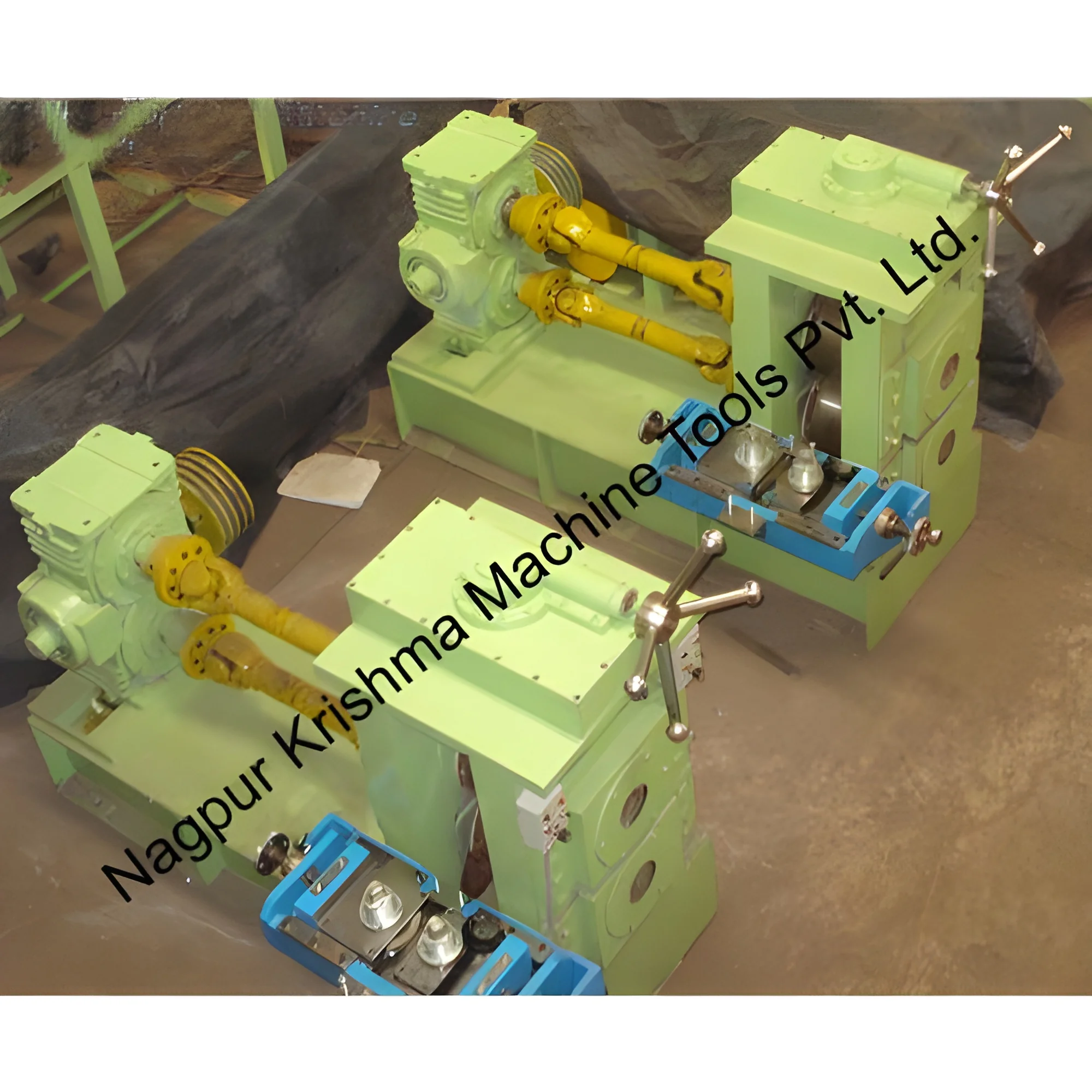
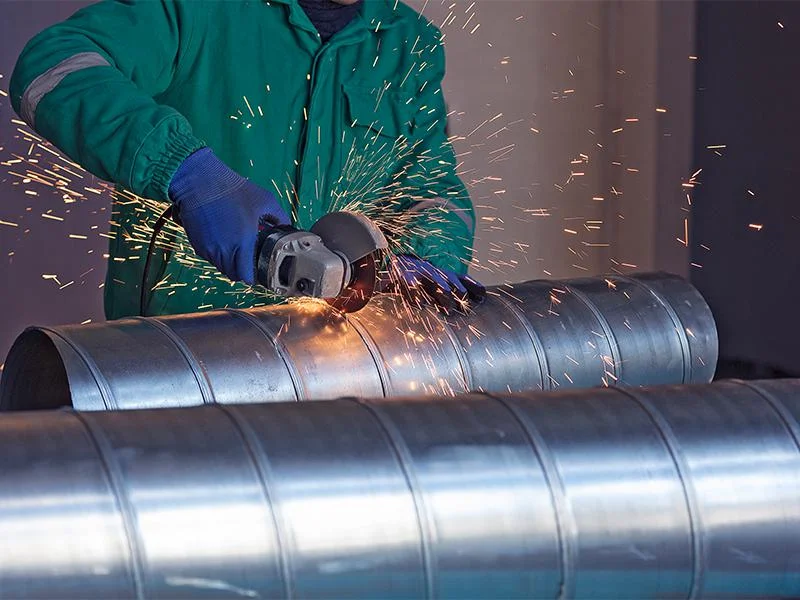
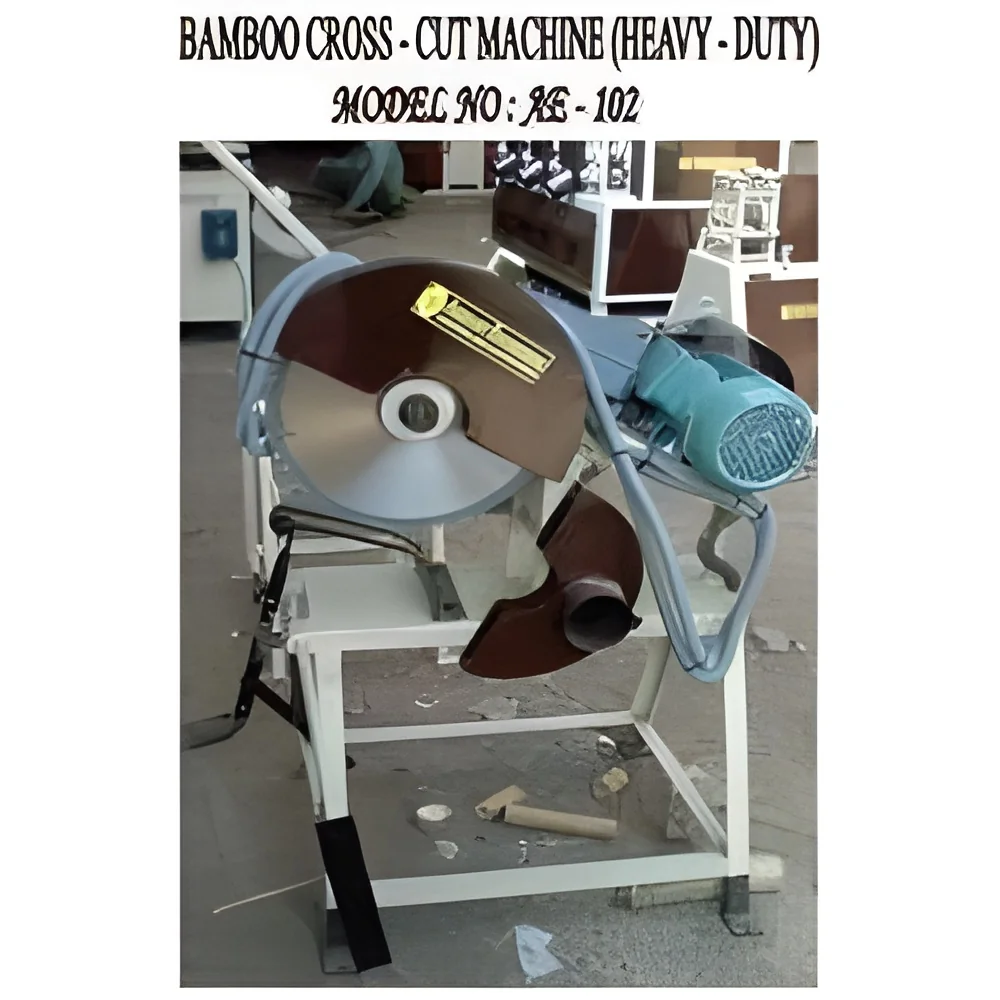
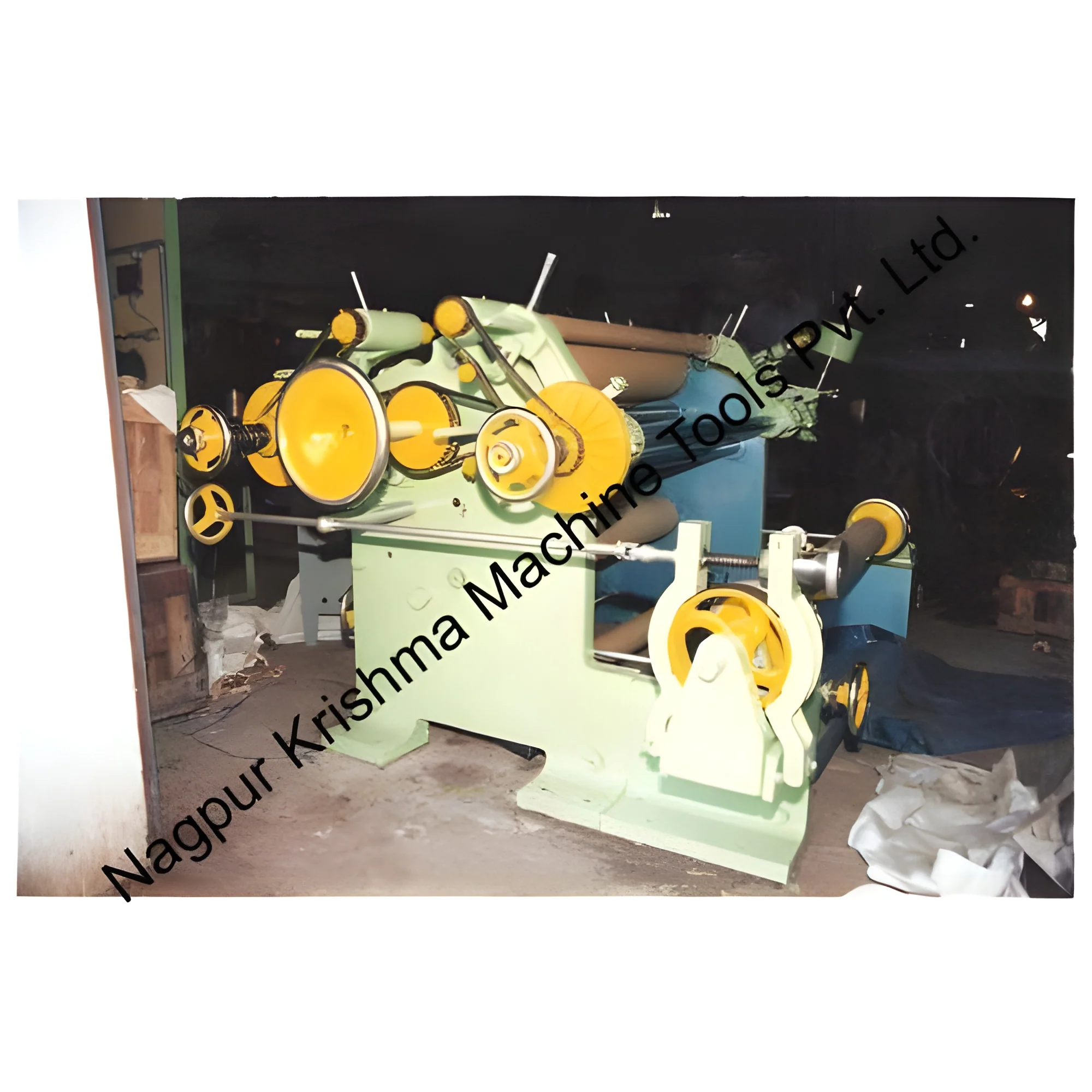
Cutting machines are essential industrial tools designed to cut various materials with precision and efficiency. They can be used for a range of applications, from slicing through metals to cutting fabrics and other materials. These machines employ various cutting techniques, including laser, plasma, water jet, and traditional mechanical cutting, to achieve desired shapes and dimensions. The choice of a cutting machine often depends on the material being processed, the required cut quality, and the production volume.
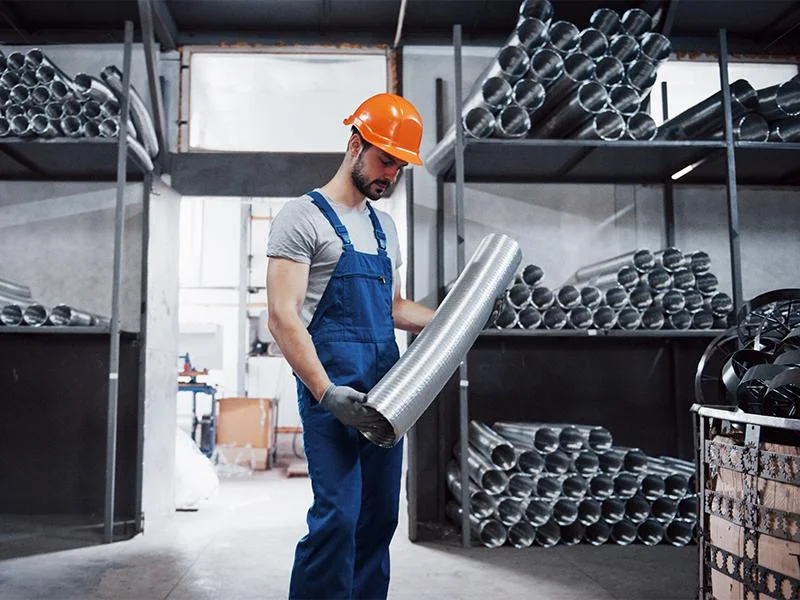
In the business landscape, cutting machines are vital across numerous industries, including manufacturing, textiles, and construction. They enable businesses to streamline production processes, reduce waste, and enhance product quality. As industries evolve and demands for precision and efficiency increase, cutting machines have become more technologically advanced, integrating features that improve operational capabilities and minimize downtime. The market for cutting machines is dynamic, with continual innovations enhancing their relevance in modern manufacturing environments.
𝗞𝗲𝘆 𝗙𝗲𝗮𝘁𝘂𝗿𝗲𝘀 𝗮𝗻𝗱 𝗦𝗽𝗲𝗰𝗶𝗳𝗶𝗰𝗮𝘁𝗶𝗼𝗻𝘀
Cutting machines come equipped with a range of features that enhance their functionality and adaptability to various cutting tasks. Understanding these specifications can help businesses choose the right machine for their needs.
Key specifications include:
1. Cutting Method
- Determines the technology used, such as laser, plasma, or mechanical cutting.
- Each method has specific applications based on material type and thickness.
2. Cutting Speed
- Refers to the rate at which the machine can cut material.
- Typically measured in meters per minute (m/min) or inches per minute (ipm).
3. Power Consumption
- Indicates the energy required to operate the machine.
- Important for calculating operational costs and efficiency.
4. Material Thickness Capacity
- Specifies the maximum thickness of materials that can be effectively cut.
- Varies by machine type and cutting method.
5. Control System
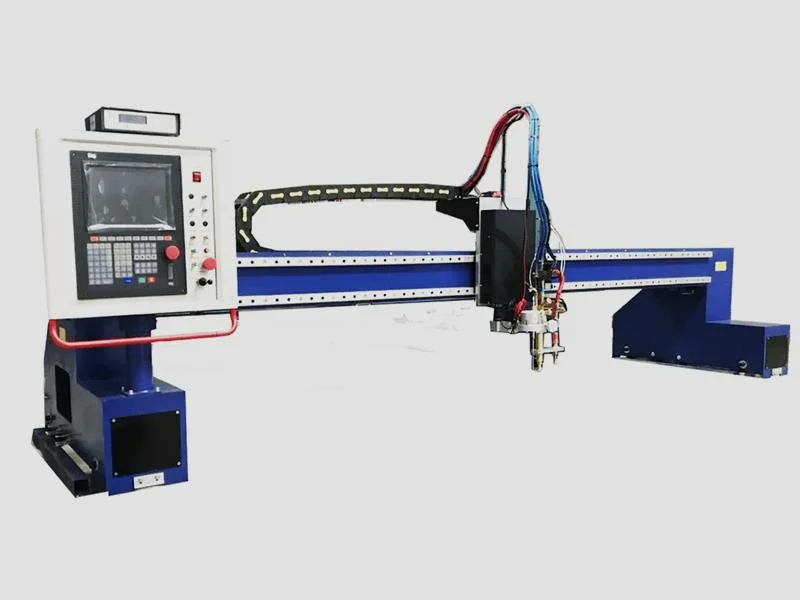
- Describes the technology used for machine operation, such as CNC (Computer Numerical Control).
- Affects precision, ease of operation, and programming capabilities.
6. Weight and Dimensions
- Provides information on the machine's size and portability.
- Important for space planning and installation requirements.
7. Safety Features
- Includes emergency stop buttons, protective barriers, and other safety mechanisms.
- Essential for ensuring operator safety during operation.
8. Maintenance Requirements
- Outlines how often the machine needs servicing or parts replacement.
- Impacts long-term operational costs and machine lifespan.
These specifications collectively ensure that businesses can select cutting machines that align with their production needs and operational goals.
𝗖𝗼𝗺𝗺𝗼𝗻 𝗔𝗽𝗽𝗹𝗶𝗰𝗮𝘁𝗶𝗼𝗻𝘀 𝗮𝗻𝗱 𝗨𝘀𝗲 𝗖𝗮𝘀𝗲𝘀
Cutting machines have a wide range of applications across various industries, enhancing productivity and precision in the cutting process.
1. Manufacturing: In this sector, cutting machines are used to create components with exact specifications, such as automotive parts and electronic enclosures.
2. Textiles: Cutting machines are essential for fabric cutting in fashion and apparel manufacturing, allowing for intricate designs and patterns to be created rapidly.
3. Construction: These machines are utilized to cut materials like steel and aluminum for structural purposes, ensuring accurate dimensions for safety and integrity.
4. Aerospace: Cutting machines are critical for producing lightweight components, where precision cutting is essential for performance and safety.
5. Signage: In the signage industry, cutting machines help create custom signs and displays, enabling businesses to offer personalized solutions to clients.
6. Furniture: Cutting machines facilitate the production of furniture components, allowing for efficient processing of wood and other materials.
7. Packaging: In packaging, these machines are employed to cut materials for boxes and containers, enhancing production speed and reducing waste.
𝗣𝗿𝗼𝗱𝘂𝗰𝘁 𝗩𝗮𝗿𝗶𝗮𝗻𝘁𝘀 𝗮𝗻𝗱 𝗦𝘂𝗯𝗰𝗮𝘁𝗲𝗴𝗼𝗿𝗶𝗲𝘀
While there are no specific subcategories available, cutting machines can be differentiated based on their cutting technology and application suitability.
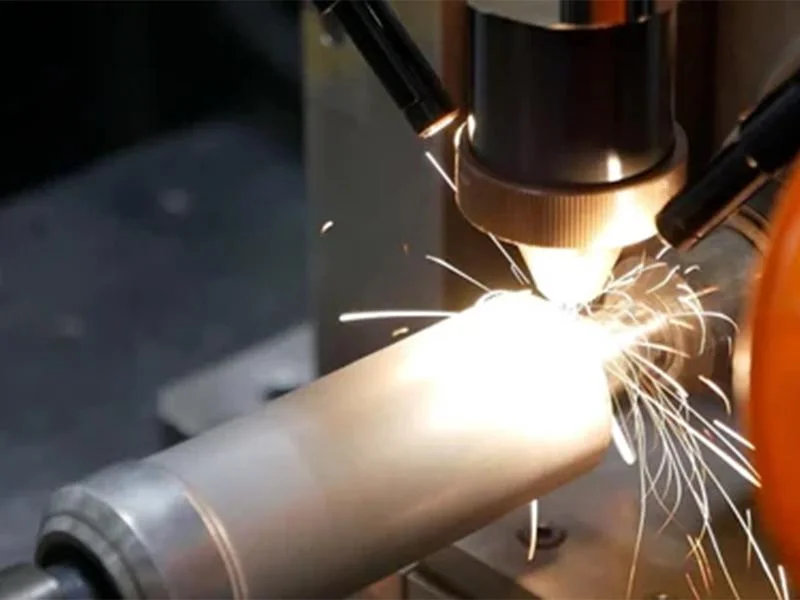
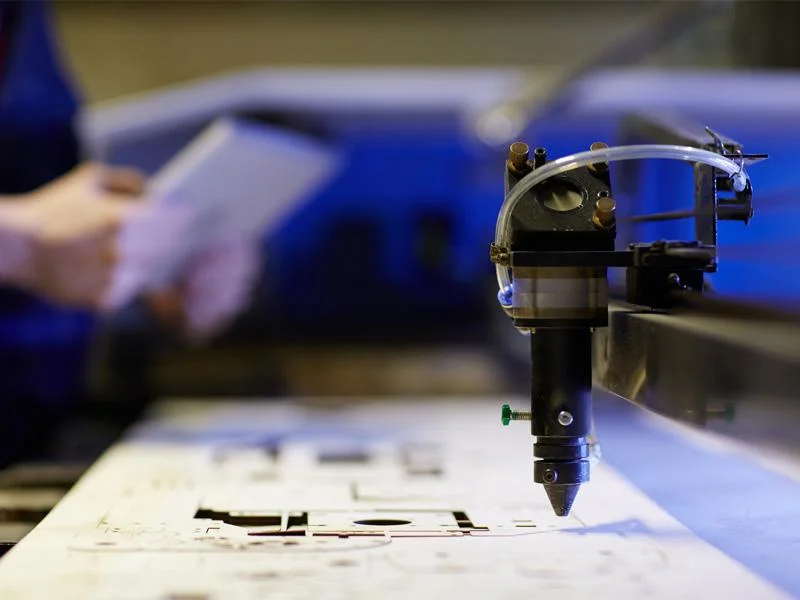
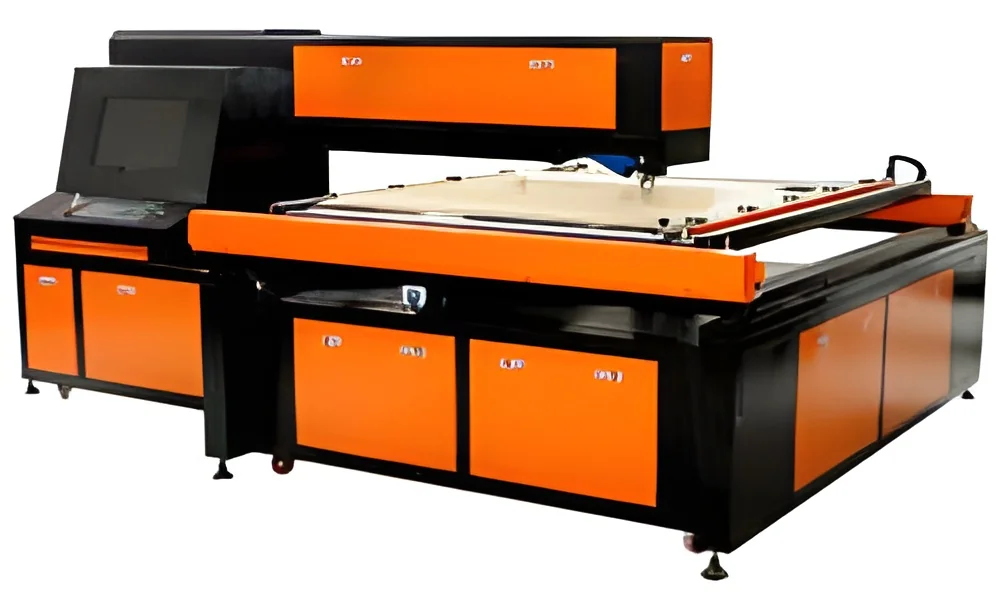
Laser Cutting Machines: These machines utilize laser technology to cut materials with high precision. They are widely used for intricate designs in metal, wood, and plastic.
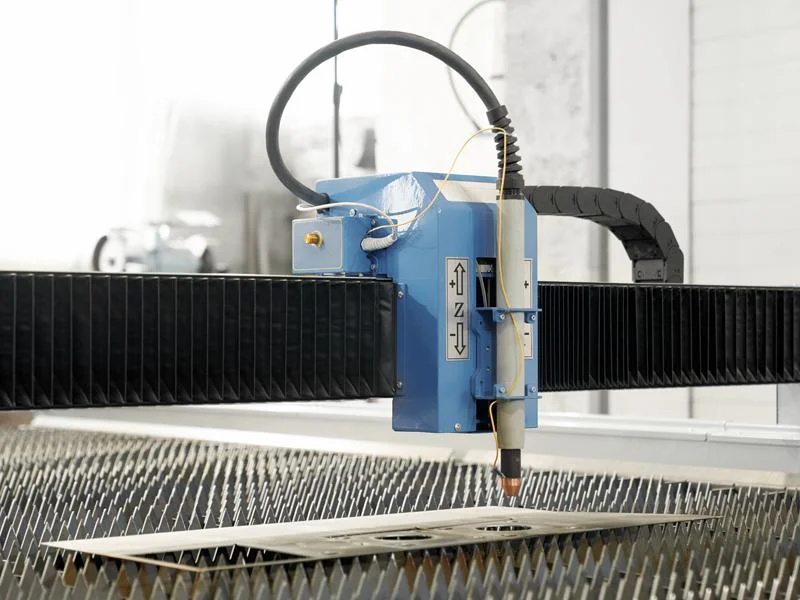
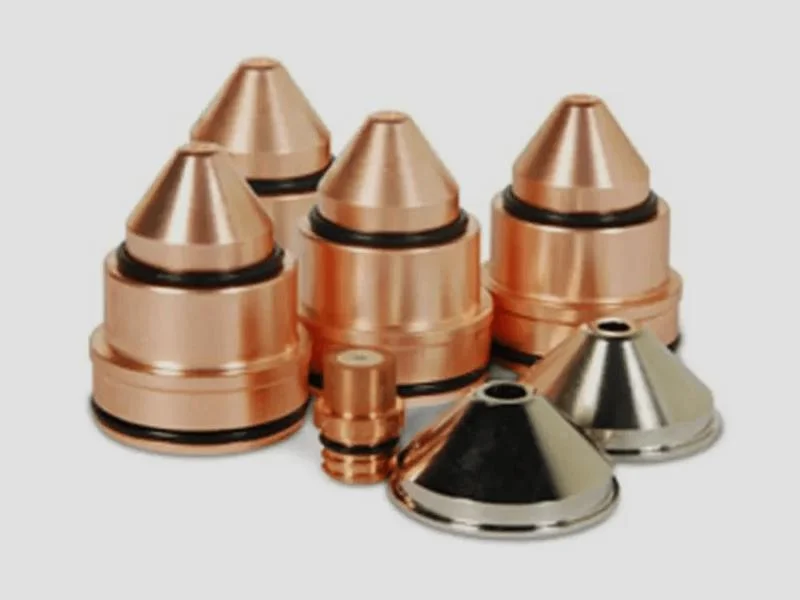
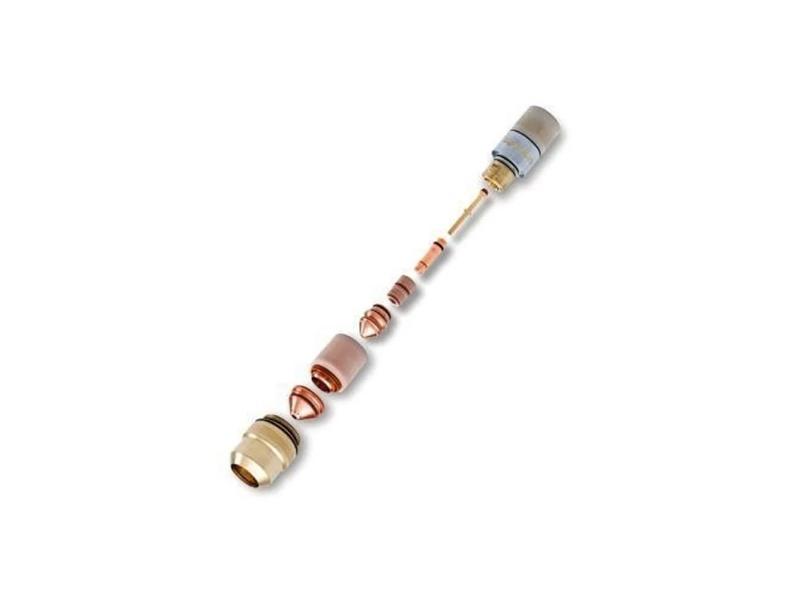
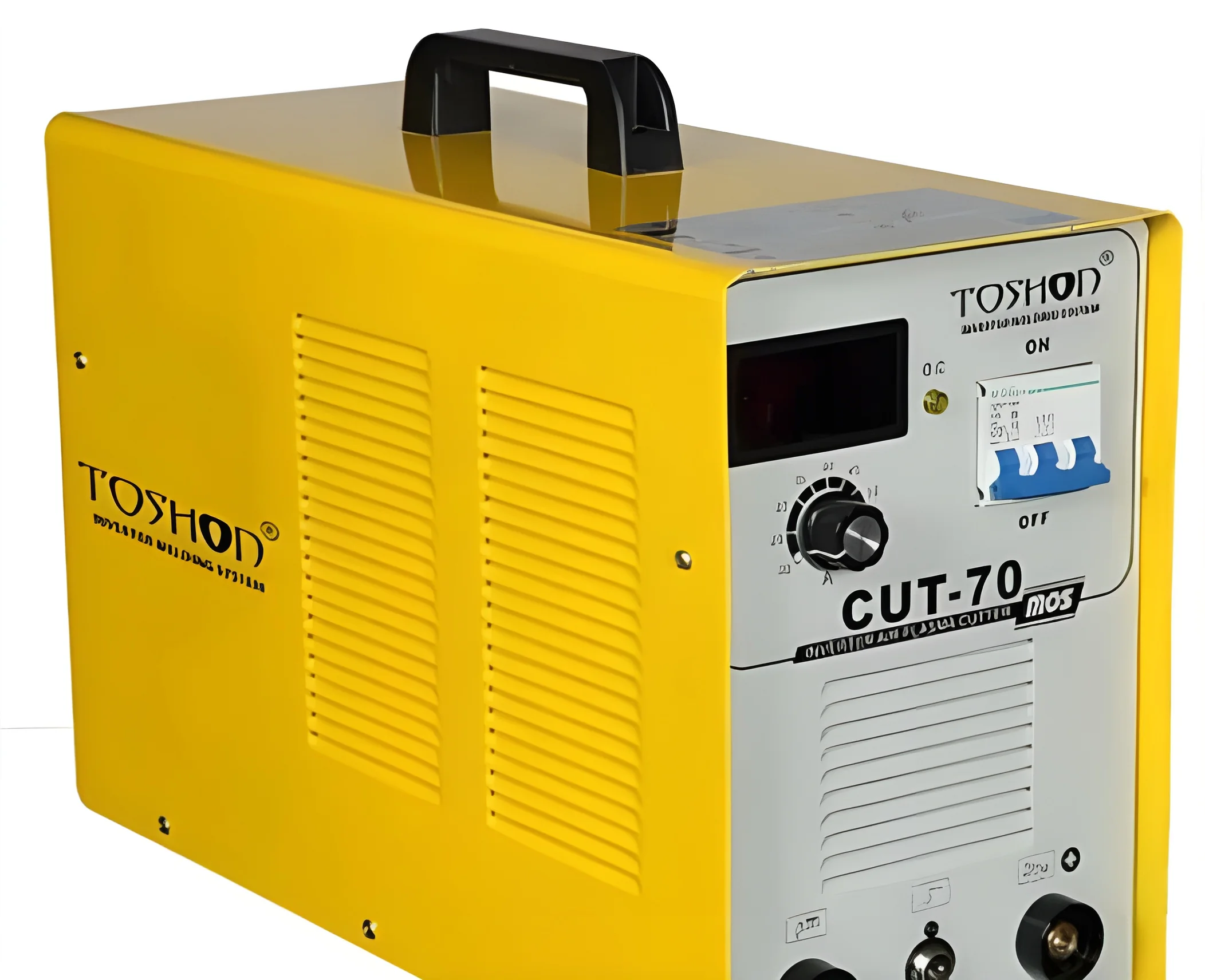
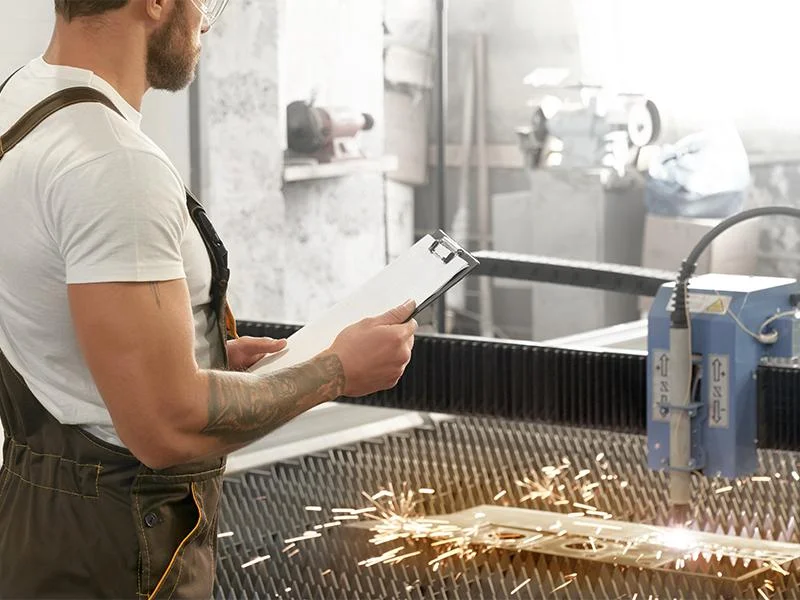
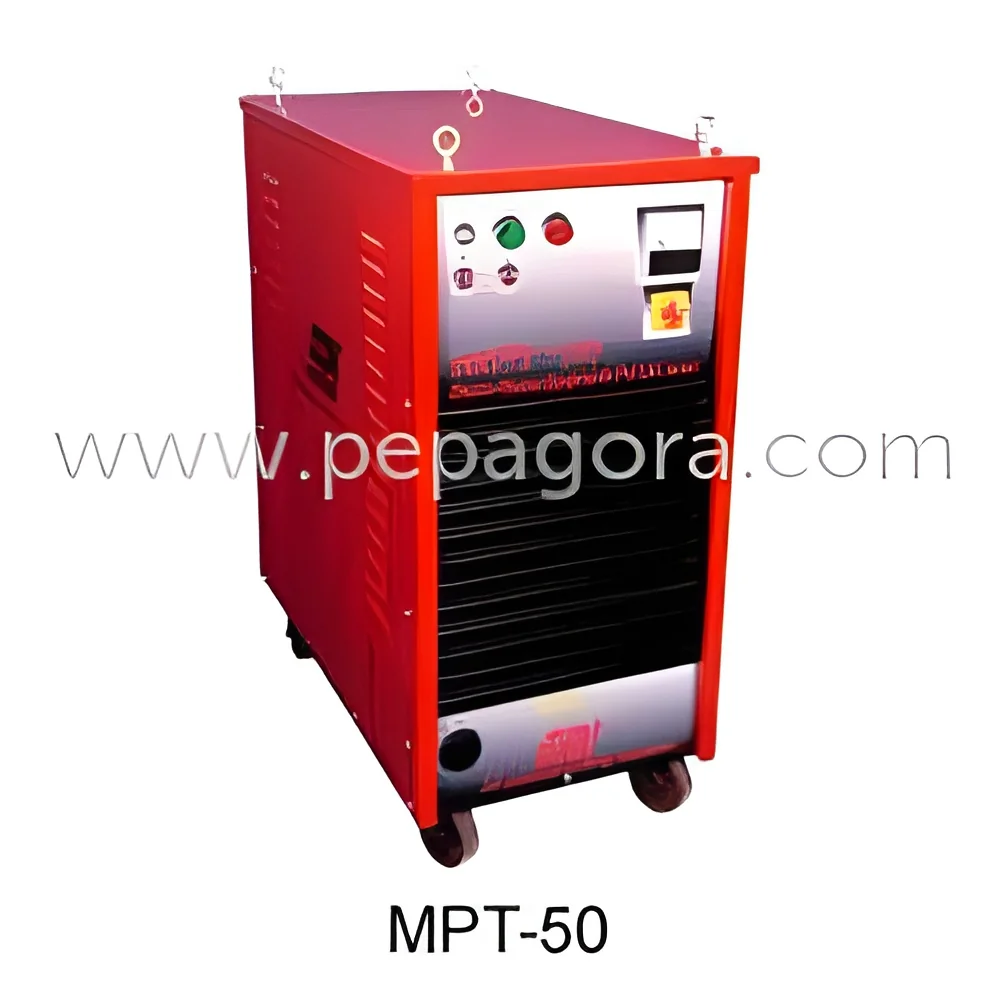
Plasma Cutting Machines: These machines employ plasma technology to cut through thicker metals quickly. They are ideal for industrial applications requiring speed and efficiency.
Water Jet Cutting Machines: These machines use high-pressure water jets mixed with abrasives to cut through a wide range of materials. They are suitable for delicate or heat-sensitive materials.
CNC Cutting Machines: These machines are equipped with computer numerical control for precise cutting. They are commonly used in manufacturing for component production.
𝗕𝗲𝗻𝗲𝗳𝗶𝘁𝘀 𝗮𝗻𝗱 𝗔𝗱𝘃𝗮𝗻𝘁𝗮𝗴𝗲𝘀
Investing in cutting machines offers numerous advantages that can significantly impact business operations.
1. Precision Cutting: Cutting machines provide high accuracy, ensuring that materials are cut to exact specifications, reducing waste and rework.
2. Increased Efficiency: These machines operate faster than manual cutting methods, improving production rates and turnaround times.
3. Versatility: Cutting machines can handle a variety of materials and thicknesses, making them suitable for diverse applications across industries.
4. Enhanced Safety: Modern cutting machines come with advanced safety features that protect operators and reduce the risk of workplace accidents.
5. Cost-Effectiveness: By minimizing waste and improving production efficiency, cutting machines can lead to significant cost savings over time.
6. Automation Capabilities: Many cutting machines can be integrated into automated production lines, further enhancing efficiency and reducing labor costs.
𝗕𝘂𝘆𝗶𝗻𝗴 𝗚𝘂𝗶𝗱𝗲 𝗳𝗼𝗿 𝗕𝟮𝗕 𝗕𝘂𝘆𝗲𝗿𝘀
When sourcing cutting machines, B2B buyers should consider several critical factors to ensure they make informed decisions.
1. Quality Assessment: Evaluate the machine's build quality and reliability. Look for machines that meet industry standards and have positive reviews from other users.
2. Supplier Verification: Vet suppliers to ensure they have a good reputation and provide reliable support. Check references and verify their certifications.
3. Pricing and MOQ: Understand pricing structures and minimum order quantities. Compare quotes from multiple suppliers to find the best value.
4. Delivery and Lead Times: Discuss delivery schedules and lead times with suppliers to ensure they align with your production timelines.
5. Compliance Requirements: Investigate any regulatory requirements or certifications needed for the cutting machines in your region, such as CE certification.
𝗖𝗼𝗺𝗽𝗹𝗶𝗮𝗻𝗰𝗲 𝗮𝗻𝗱 𝗖𝗲𝗿𝘁𝗶𝗳𝗶𝗰𝗮𝘁𝗶𝗼𝗻𝘀
Compliance with quality standards and certifications is crucial for cutting machines to ensure safety and reliability. Key standards include ISO 9001, which focuses on quality management systems, ensuring that manufacturers consistently meet customer and regulatory requirements.
Industry certifications, such as CE, indicate that products meet European health, safety, and environmental protection standards. This certification is essential for businesses operating in or exporting to Europe.
In addition to these certifications, cutting machines must adhere to safety and testing requirements, which can vary by region. Buyers should also be aware of any regional compliance considerations to align with local regulations and industry practices.
𝗪𝗵𝘆 𝗦𝗼𝘂𝗿𝗰𝗲 𝗖𝘂𝘁𝘁𝗶𝗻𝗴 𝗠𝗮𝗰𝗵𝗶𝗻𝗲𝘀 𝗳𝗿𝗼𝗺 𝗣𝗲𝗽𝗮𝗴𝗼𝗿𝗮?
Pepagora offers a reliable platform for sourcing cutting machines, providing several key advantages to B2B buyers.
Verified Supplier Network: Pepagora has a robust process for verifying suppliers, ensuring that buyers connect with reputable manufacturers who adhere to quality standards.
Streamlined RFQ Process: The request for quotation (RFQ) system simplifies the procurement process, allowing buyers to obtain competitive quotes efficiently.
Trade Assurance and Support: With trade assurance programs in place, Pepagora provides buyer protection, ensuring a secure transaction process and reliable support for any issues.
Regional Coverage: Pepagora has a wide geographic reach, connecting buyers in India, the GCC, and Southeast Asia with suppliers, facilitating seamless sourcing across regions.

 IN
IN