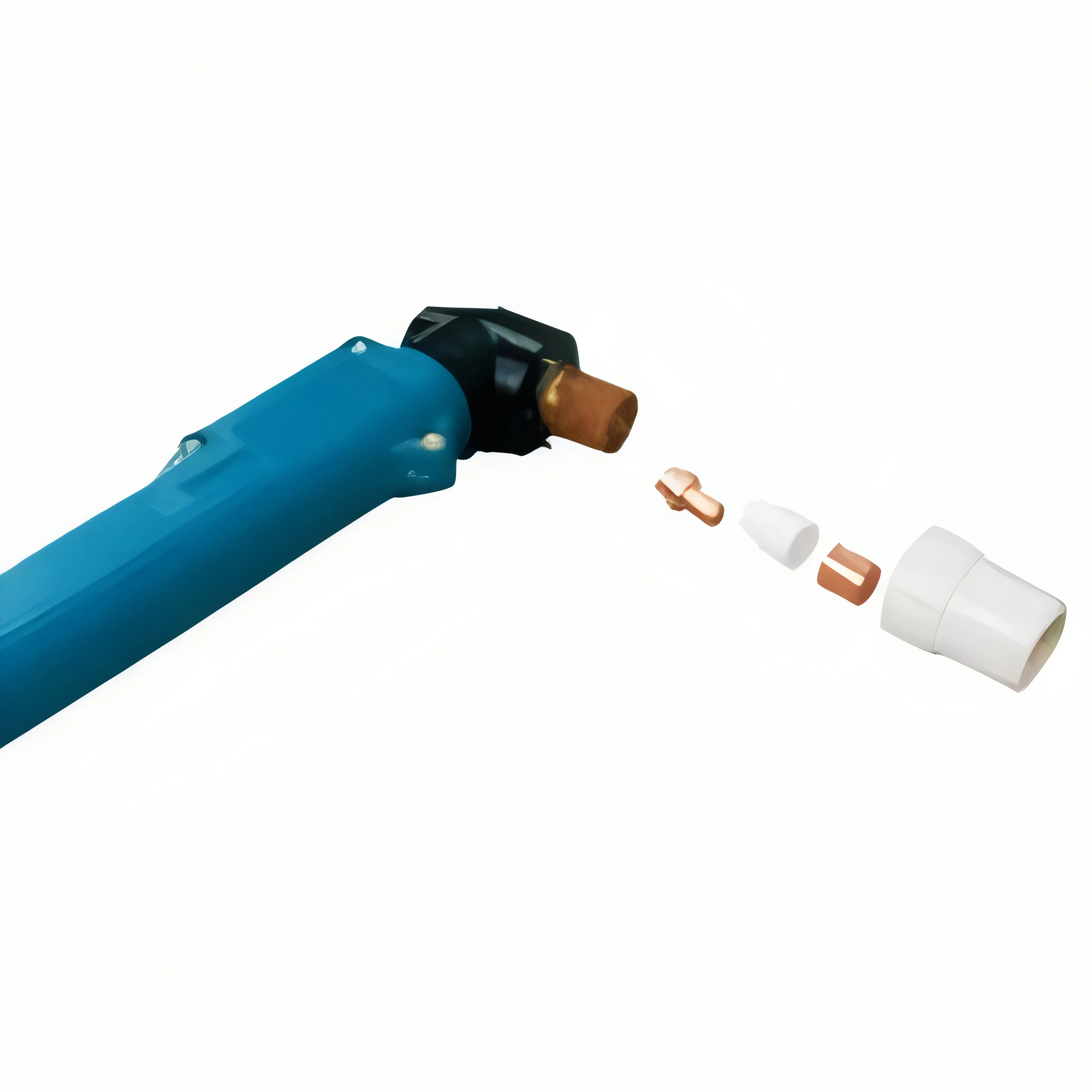
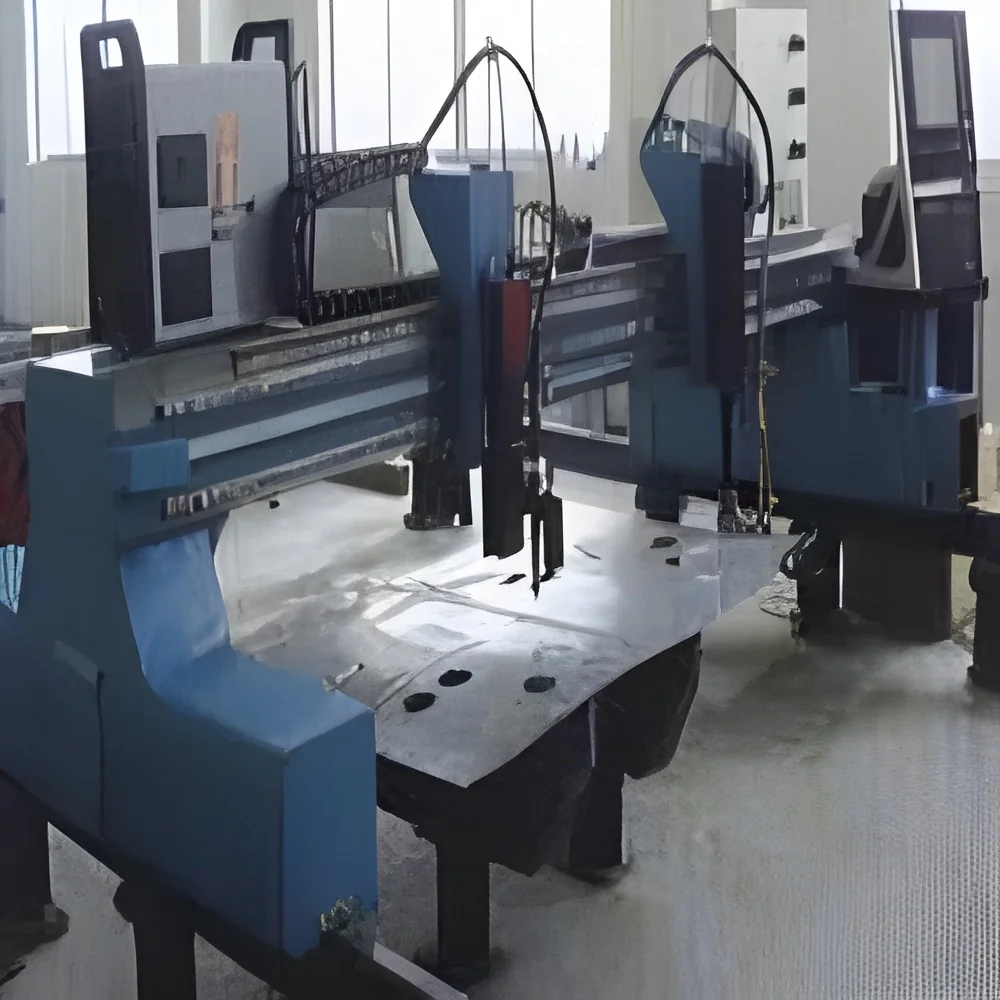
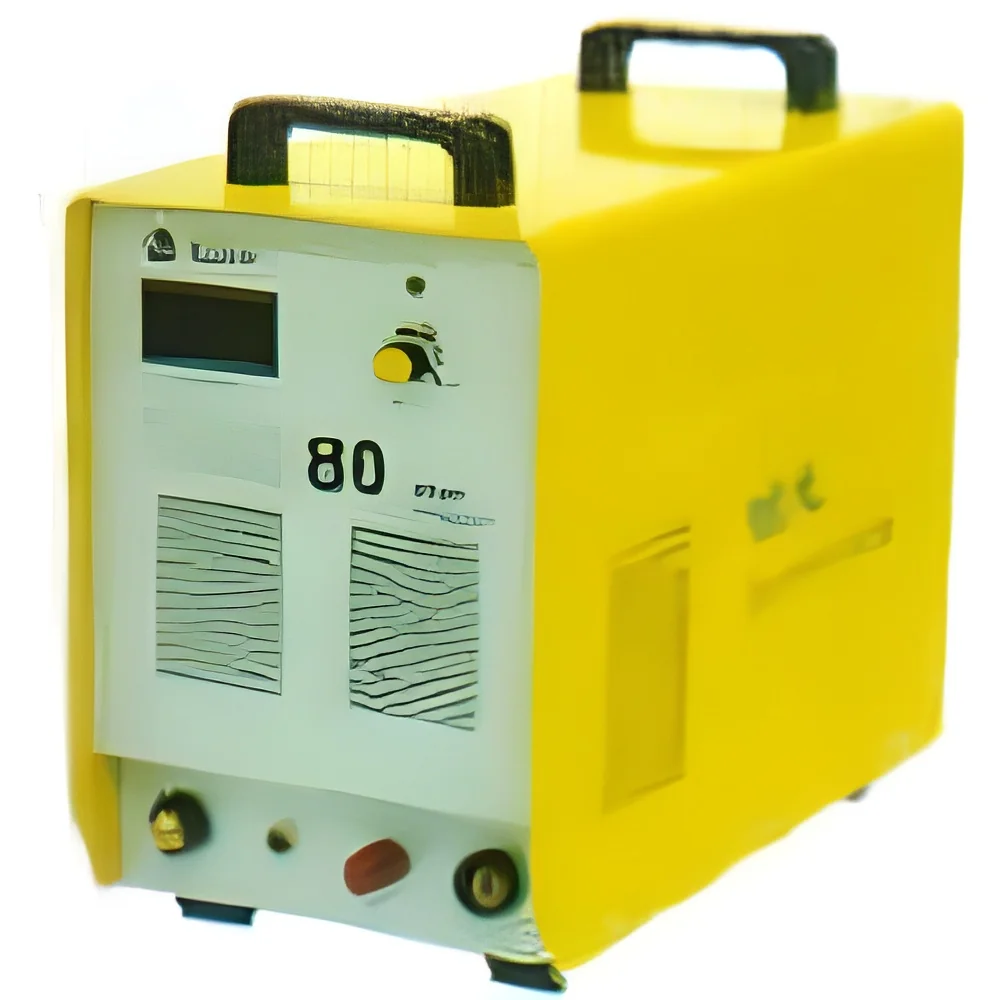
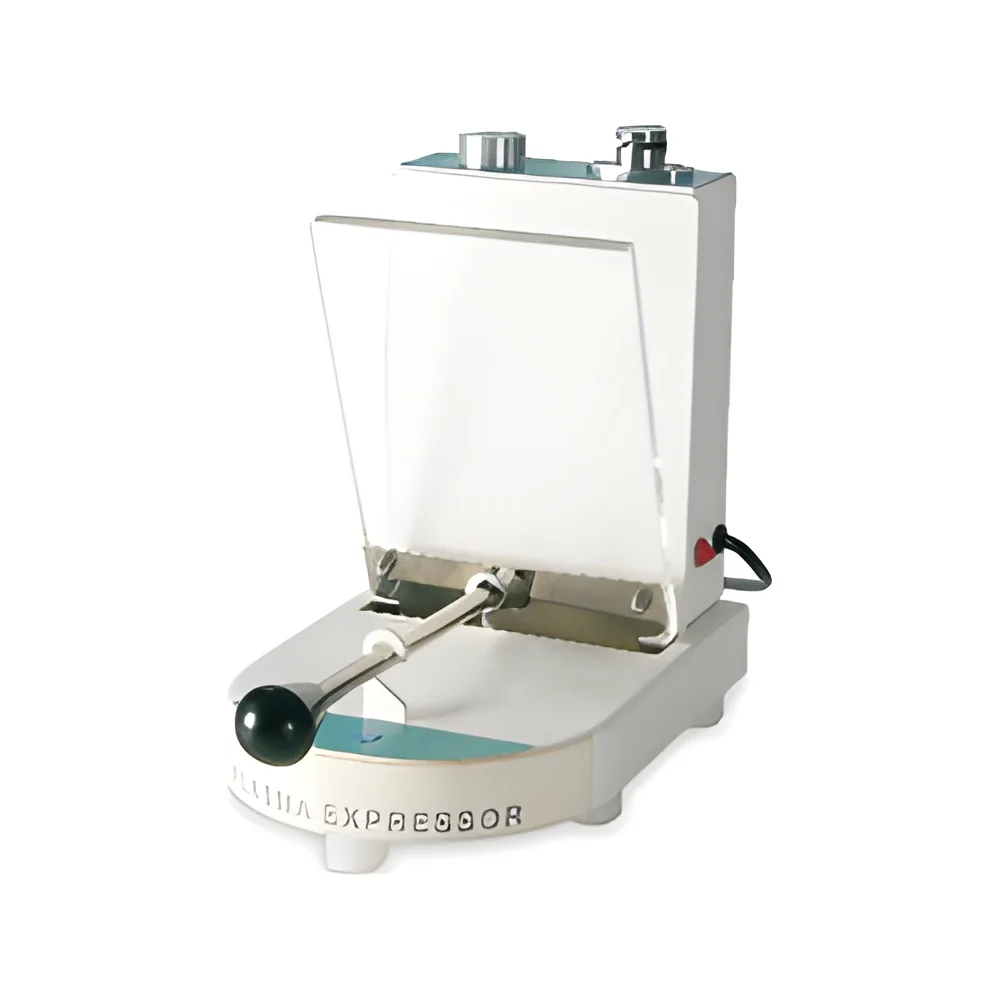
What are Plasma Cutting Machines?
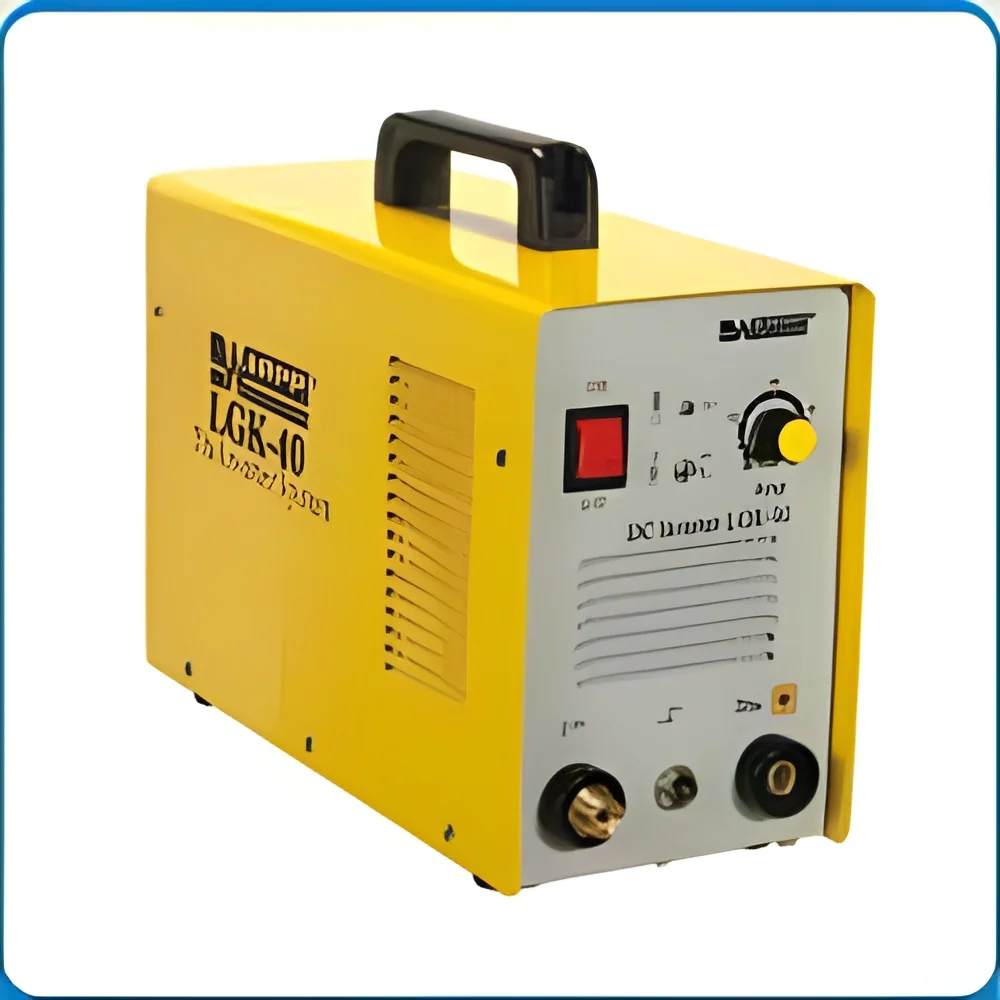
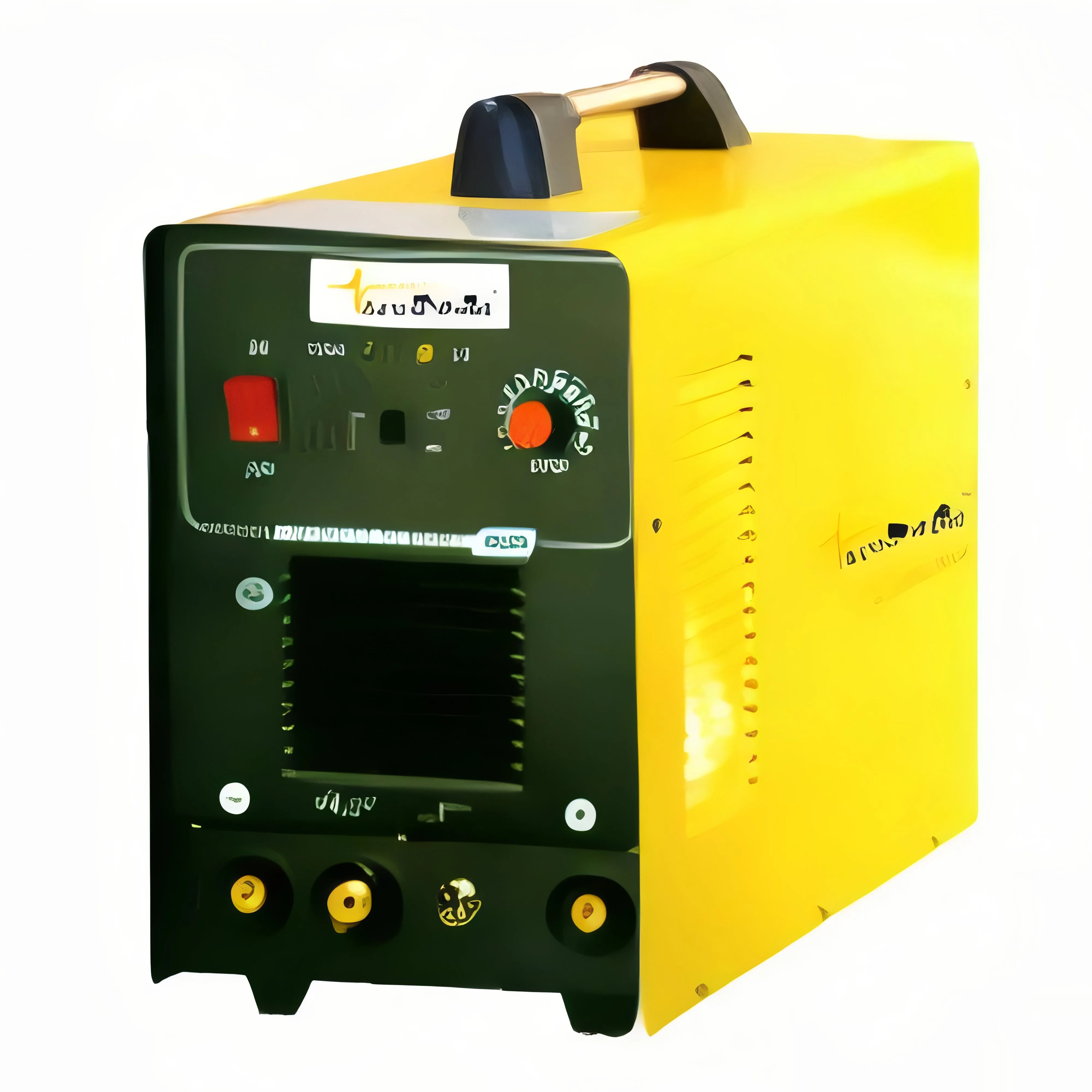
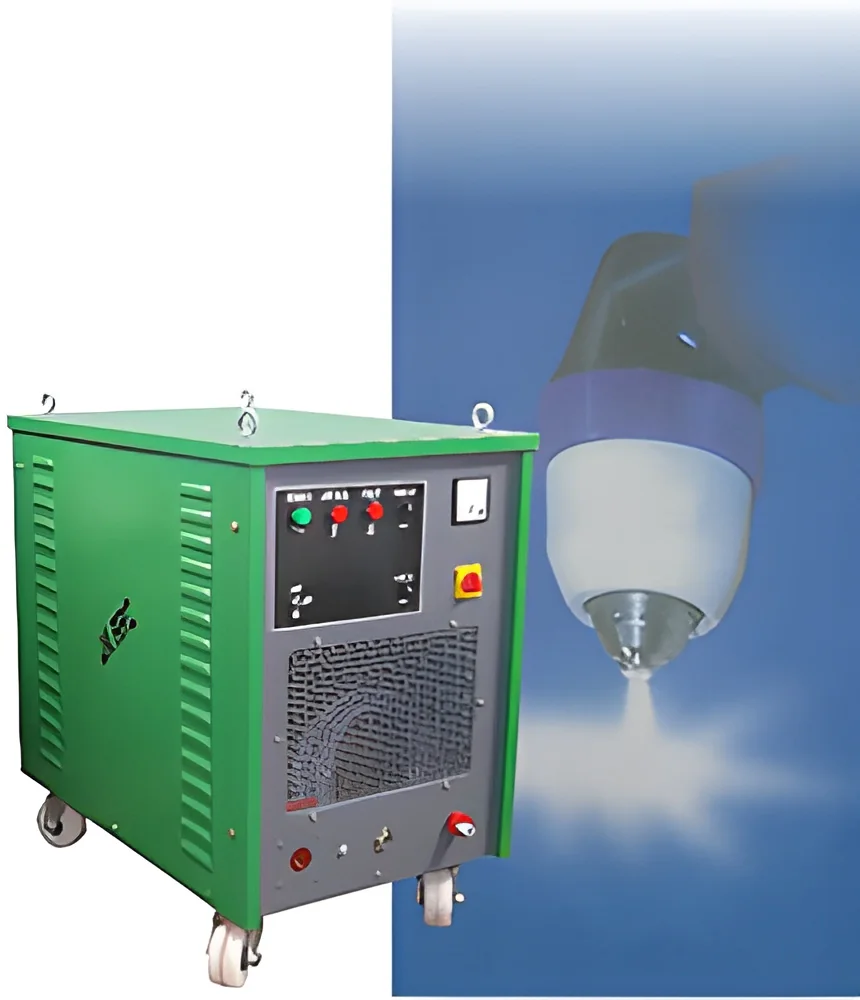
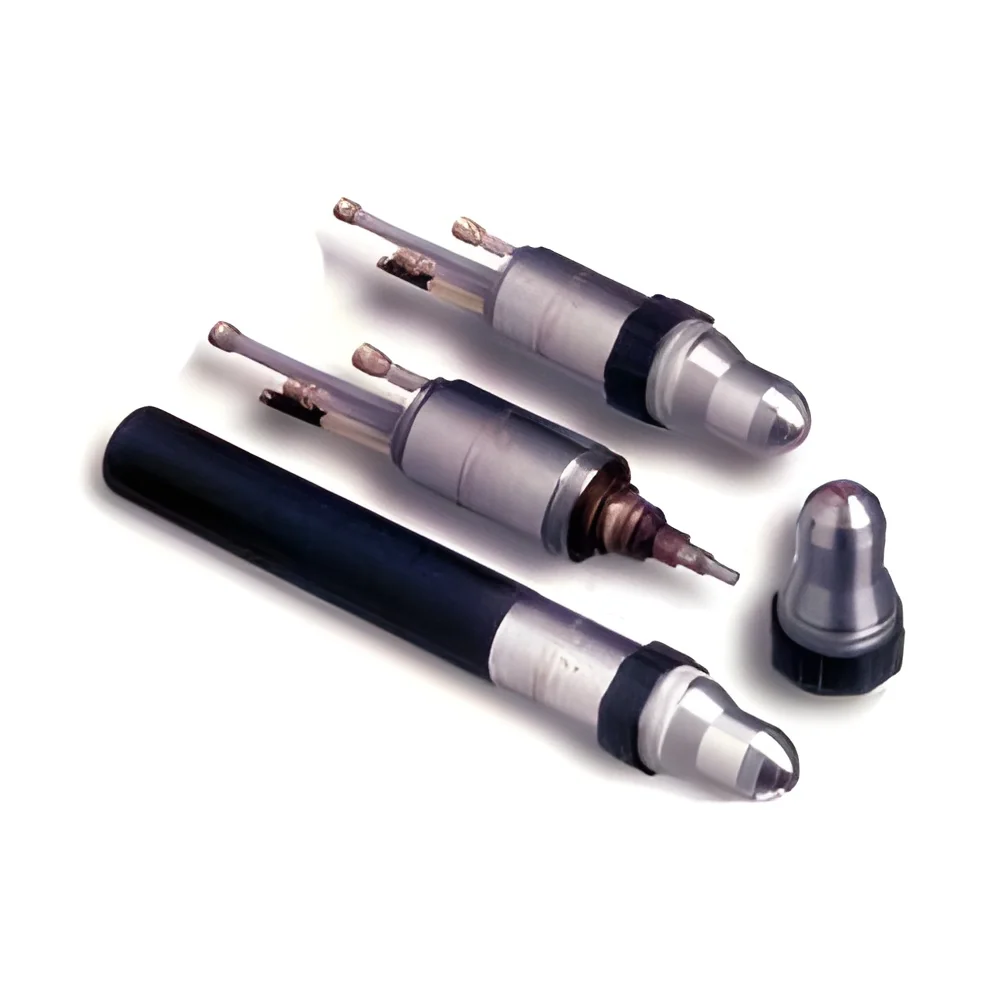
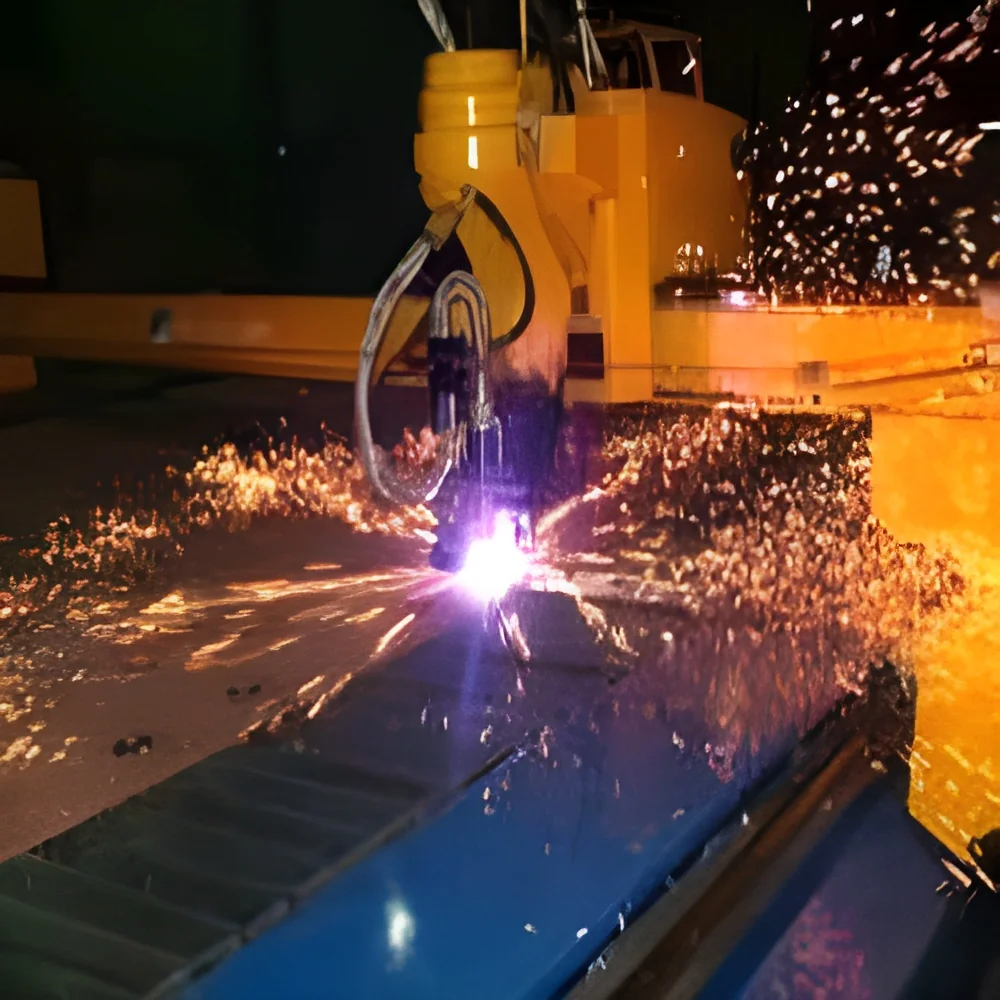
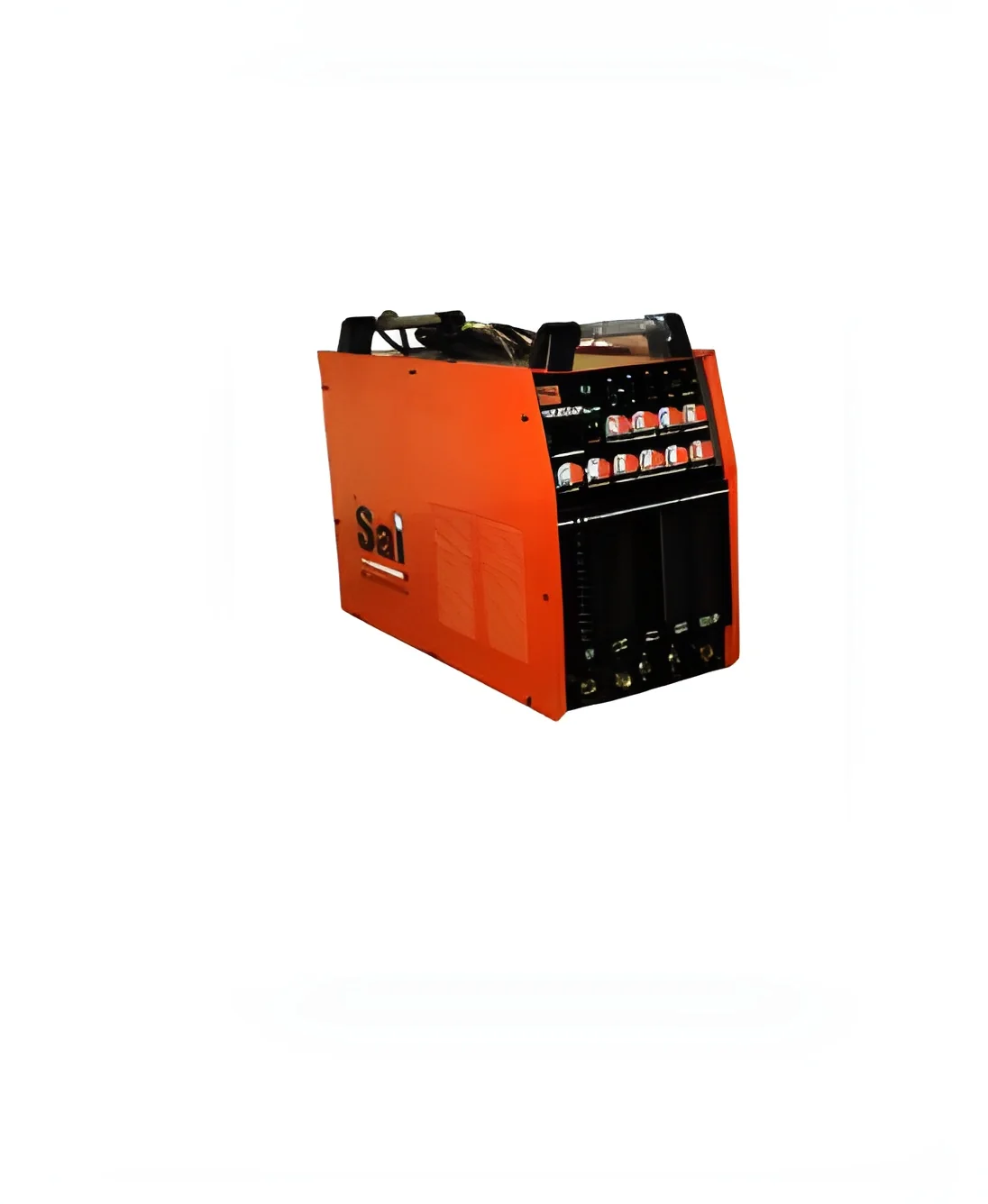
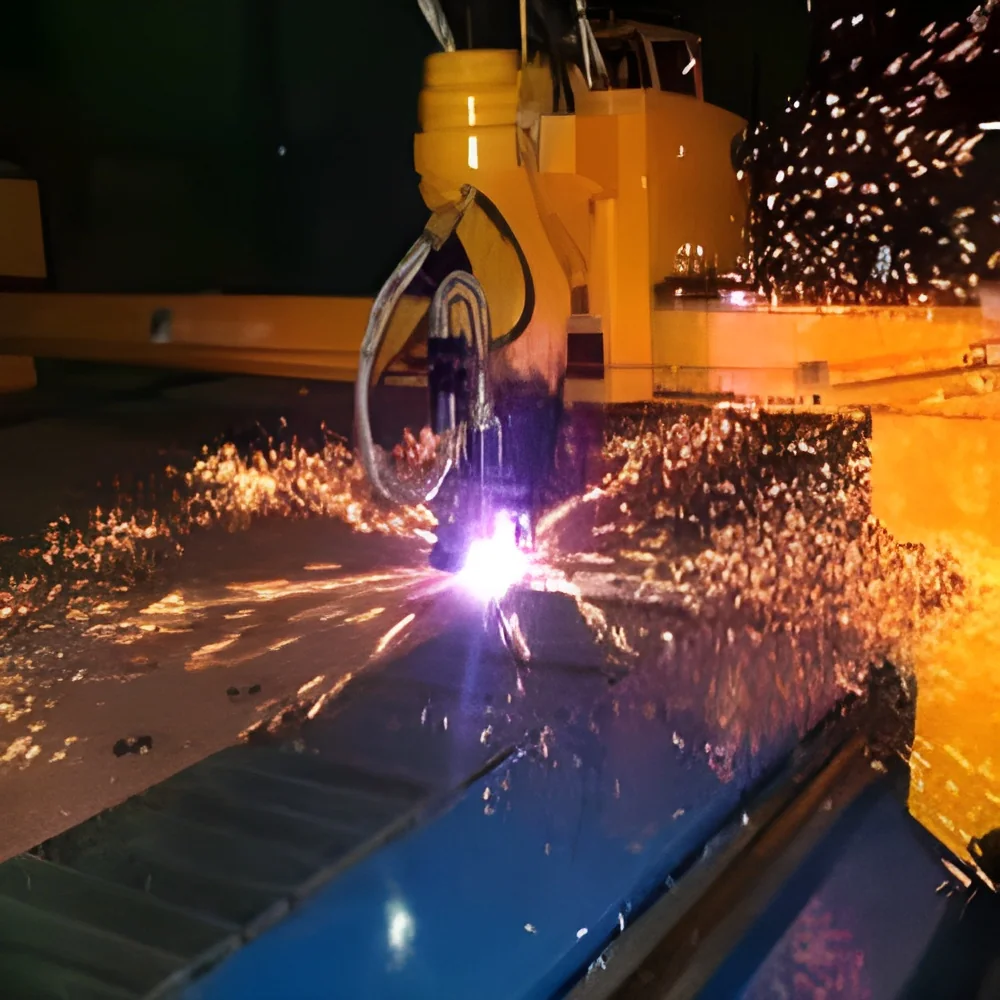
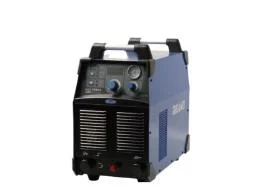
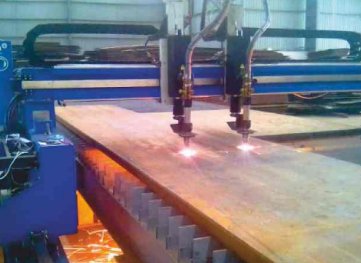
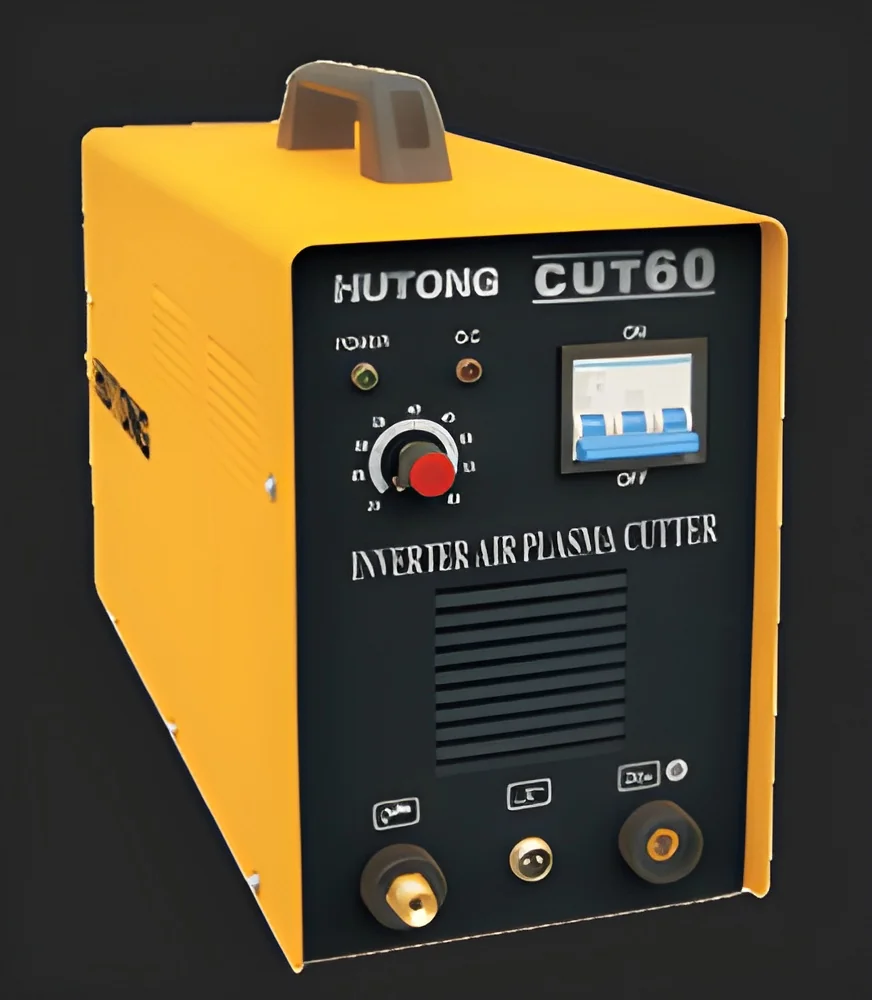
Plasma cutting machines are advanced tools used in metal fabrication that utilize a high-velocity jet of ionized gas, or plasma, to slice through electrically conductive materials. The process involves creating an electric arc that ionizes the gas, allowing it to conduct electricity and generate intense heat. This heat melts the metal, while the force of the gas blows the molten material away, effectively cutting through it. Plasma cutting is known for its speed and precision compared to traditional cutting methods.
These machines are primarily used in various sectors such as manufacturing, construction, and automotive industries. They are particularly valued for their ability to cut through thick metals quickly and accurately, making them essential for tasks that require high efficiency and quality. Plasma cutters are also versatile, capable of working with different materials including steel, aluminum, and copper. As industries evolve, the demand for plasma cutting machines continues to grow, driven by advancements in technology and the need for high-performance cutting solutions.
Key Features and Specifications
Plasma cutting machines come with a variety of features that enhance their performance and usability. When choosing a machine, it is essential to consider these key specifications to ensure it meets your business needs.
Key specifications include:
1. Cutting Thickness
- Determines the maximum thickness of material that can be cut effectively.
- Typical ranges are from 1/8 inch to several inches, depending on the machine.
2. Cutting Speed
- Refers to how quickly the machine can cut through materials.
- Speeds can vary widely, often ranging from 10 to 100 inches per minute.
3. Power Consumption
- Indicates the energy required to operate the machine.
- Power ratings usually range from 20 to 100 amps, affecting operational costs.
4. Duty Cycle
- Represents the amount of time the machine can operate continuously before needing rest.
- Common duty cycles are 35%, 60%, or 100%, influencing productivity.
5. Torch Height Control
- A feature that automatically adjusts the torch height for optimal cutting.
- Enhances accuracy and reduces the risk of damage to the workpiece.
6. Cooling System
- Ensures the machine remains at a safe operating temperature.
- Options include air-cooled and water-cooled systems.
7. Portability
- Indicates whether the machine is stationary or mobile.
- Portable units are often lighter and easier to transport.
8. Control System
- Refers to the technology used for operating the machine.
- Options include manual controls and advanced CNC systems for automation.
These specifications play a crucial role in determining the efficiency and suitability of plasma cutting machines for various applications.
Common Applications and Use Cases
Plasma cutting machines are widely used across different industries, each benefiting from their unique capabilities.
1. Manufacturing: Plasma cutting is utilized for fabricating components in machinery and equipment, ensuring precise cuts for parts that require high accuracy.
2. Automotive: In the automotive industry, these machines are employed to cut and shape metal sheets for vehicle bodies, frames, and exhaust systems.
3. Construction: Plasma cutters are essential for structural steel fabrication, allowing builders to create complex shapes and designs for buildings and infrastructure.
4. Shipbuilding: In shipyards, plasma cutting is used for cutting hull components, ensuring strong and precise joints.
5. Aerospace: The aerospace sector relies on plasma cutting for creating lightweight, high-strength components that meet strict safety standards.
6. Art and Sculpture: Artists and sculptors use plasma cutting machines to create intricate metal art pieces, enabling them to work with various materials and thicknesses.
7. HVAC: In heating, ventilation, and air conditioning, plasma cutters are used to fabricate ductwork and components efficiently.
Product Variants and Subcategories
While specific subcategories are not available, plasma cutting machines can vary in features and applications to meet diverse user needs.
Portable Plasma Cutters
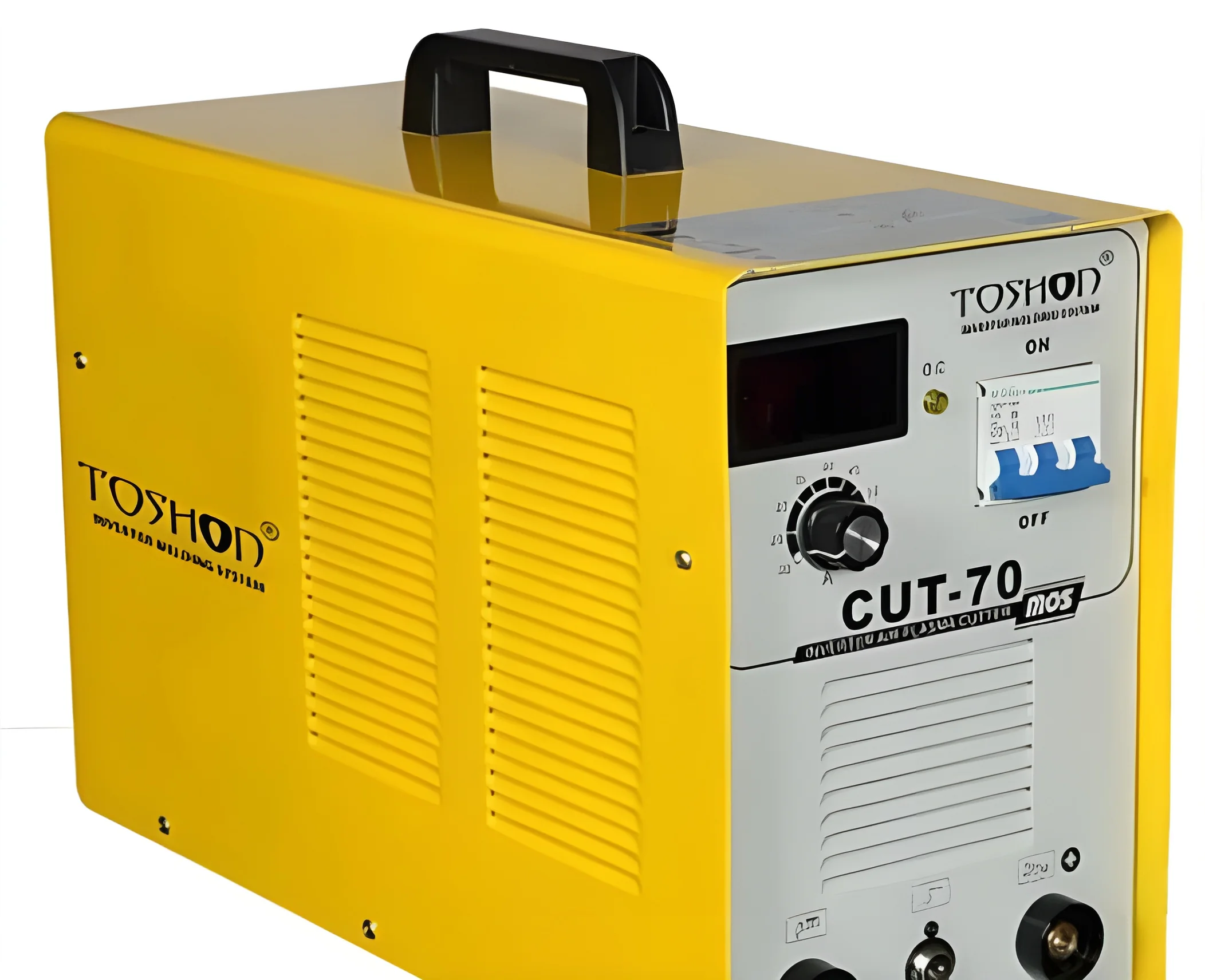
These compact units are designed for ease of transport and use in field applications. They are ideal for small to medium cutting tasks and are often lighter in weight.
Industrial Plasma Cutters
These are larger, more powerful machines suitable for heavy-duty applications. They are designed for high-volume production and can handle thicker materials with greater precision.
CNC Plasma Cutters
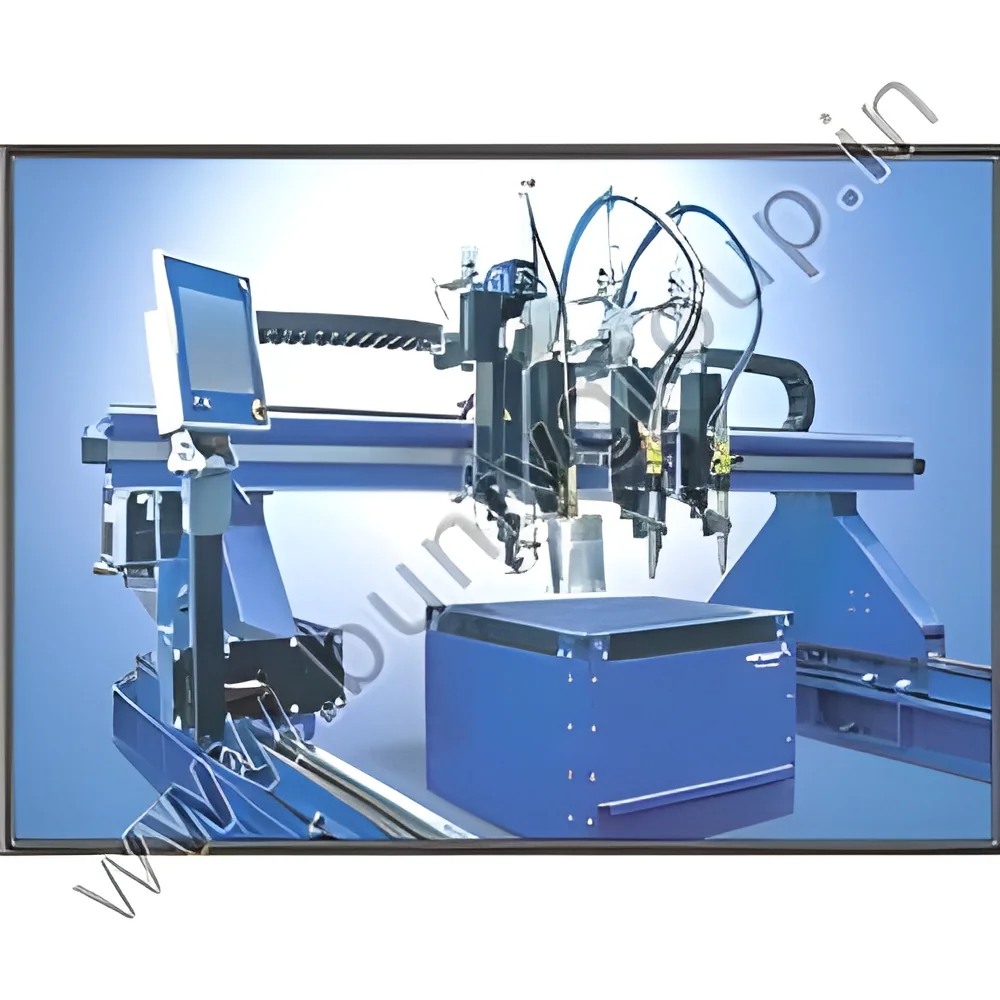
These machines are integrated with computer numerical control technology, allowing for automated cutting processes. They are widely used in manufacturing environments for complex designs.
Benefits and Advantages
Investing in plasma cutting machines offers numerous advantages for businesses in various industries.
Key benefits include:
1. Speed: Plasma cutting is significantly faster than traditional cutting methods, allowing for quicker production times and increased efficiency.
2. Precision: The technology provides high accuracy, resulting in clean cuts and reduced material waste.
3. Versatility: Plasma cutters can work with various metals and thicknesses, making them suitable for diverse applications across industries.
4. Cost-Effectiveness: Despite initial investment costs, the efficiency and speed can lead to lower operational costs over time.
5. Ease of Use: Many plasma cutting machines come with user-friendly controls and automation features, making them accessible to operators with varying skill levels.
6. Minimal Heat Affected Zone: The process produces less heat, which helps preserve the integrity of the material and reduces the need for additional finishing work.
Buying Guide for B2B Buyers
When sourcing plasma cutting machines, it is crucial to evaluate several factors to ensure the right investment.
1. Quality Assessment: Look for machines that meet industry quality standards. Evaluate the materials used and the manufacturer’s reputation for durability and reliability.
2. Supplier Verification: Vet suppliers thoroughly to ensure they are credible and provide high-quality products. Check for customer reviews and industry certifications.
3. Pricing and MOQ: Understand the pricing structure and minimum order quantities. Compare quotes from different suppliers to ensure competitive pricing.
4. Delivery and Lead Times: Consider the logistics involved in receiving the machine. Ensure the supplier can meet your required delivery schedule to avoid production delays.
5. Compliance Requirements: Be aware of any regulatory standards that apply to the machines in your region. Ensure that the products meet necessary certifications for safety and performance.
Compliance and Certifications
Compliance with industry standards and regulations is critical for plasma cutting machines. Relevant quality standards such as ISO 9001 ensure that manufacturers maintain high levels of quality management and customer satisfaction.
Additionally, industry certifications like CE signify that the machines meet European safety, health, and environmental protection standards. Compliance with these standards is essential not only for legal requirements but also for ensuring the safety of operators and the reliability of the equipment.
Safety and testing requirements are also paramount, including thorough inspections and certifications by recognized testing organizations. Buyers should ensure that the machines adhere to these standards to mitigate risks and enhance operational safety.
Regional compliance considerations may vary, so it is important for buyers to be informed about the specific regulations that apply in their geographic area.
Why Source Plasma Cutting Machines from Pepagora?
Pepagora provides a trusted platform for sourcing plasma cutting machines with several key advantages.
Verified Supplier Network: Our network consists of vetted suppliers known for their quality products and reliability. Each supplier undergoes a thorough verification process to ensure they meet industry standards.
Streamlined RFQ Process: Our quotation system allows you to request and compare multiple quotes from various suppliers effortlessly. This simplifies the procurement process and helps you find the best options.
Trade Assurance and Support: We offer trade assurance to protect your purchases, ensuring you receive the products as expected. Our dedicated support team is available to assist you throughout your buying journey.
Regional Coverage: Pepagora extends its reach across India, the GCC, and Southeast Asia, connecting buyers with local suppliers. This geographic coverage ensures you have access to a wide range of products tailored to your specific market needs.

 IN
IN