
 IN
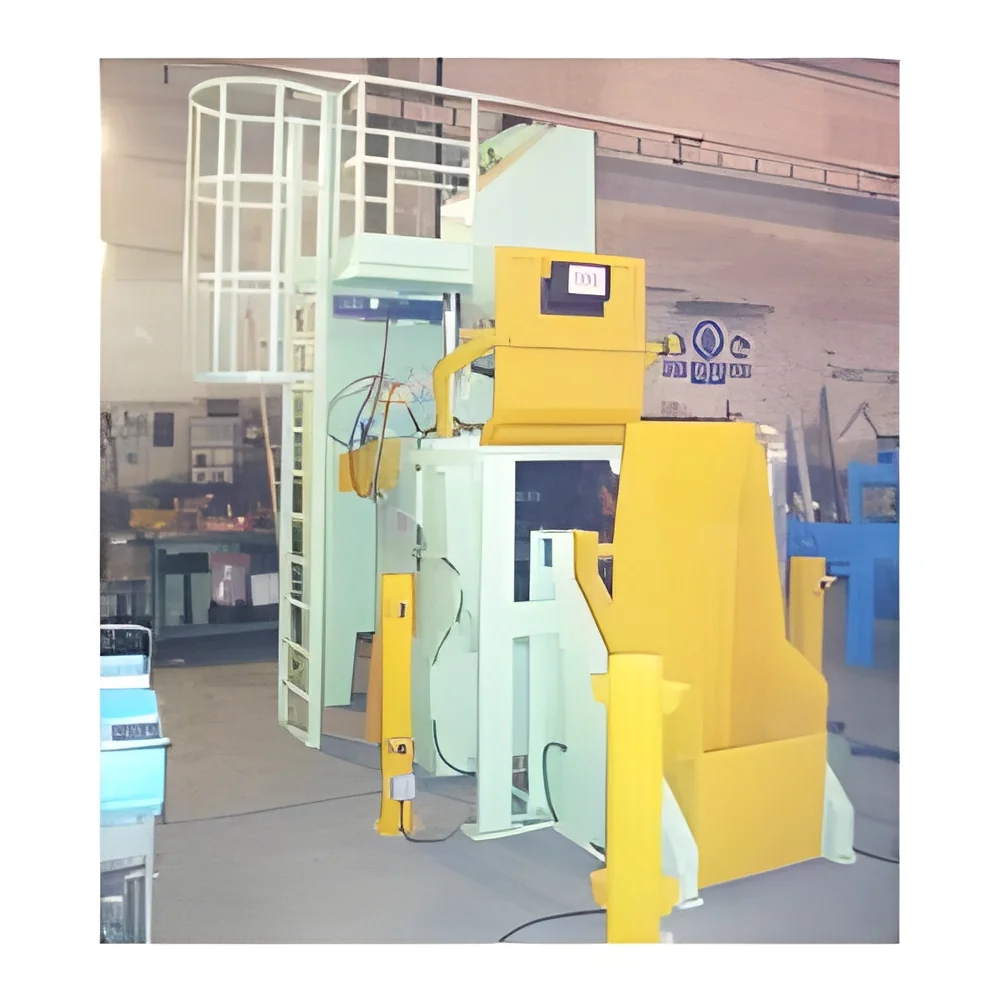
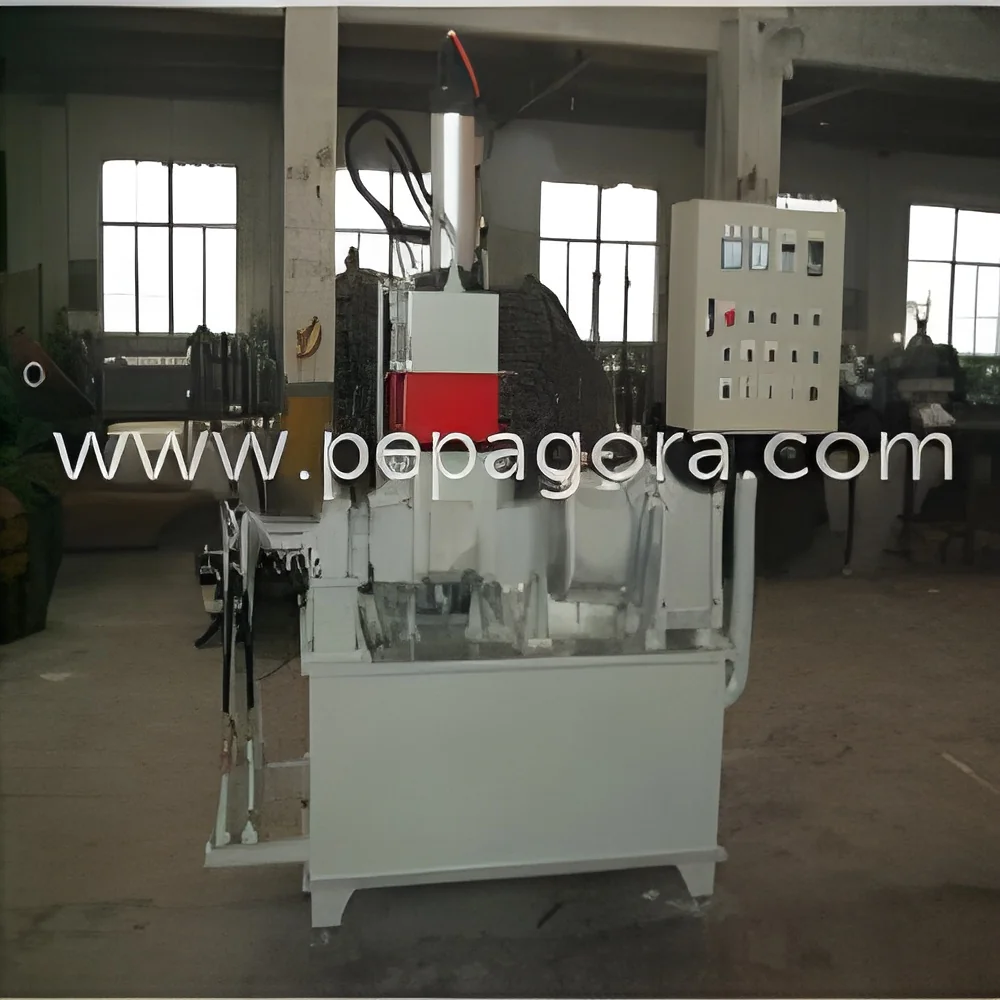
Crumb Rubber Production Lines
6 products available
What are Crumb Rubber Production Lines?
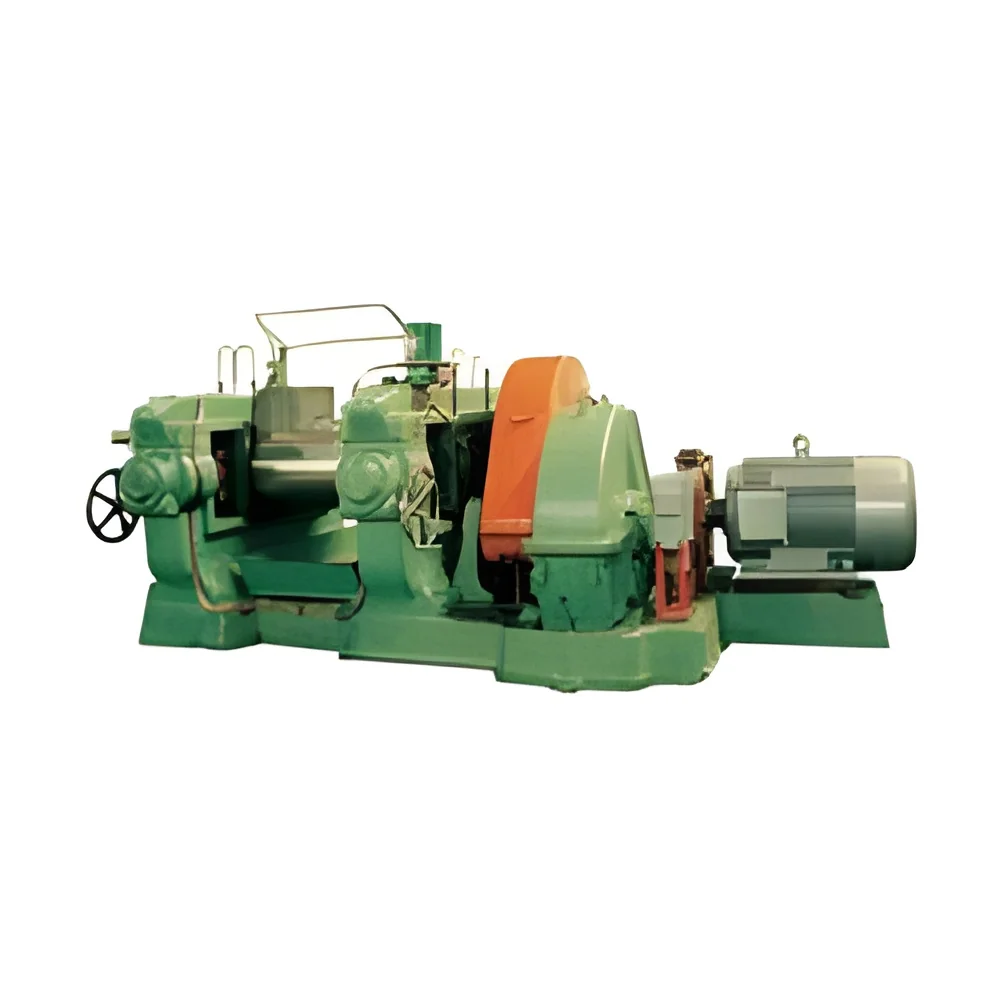
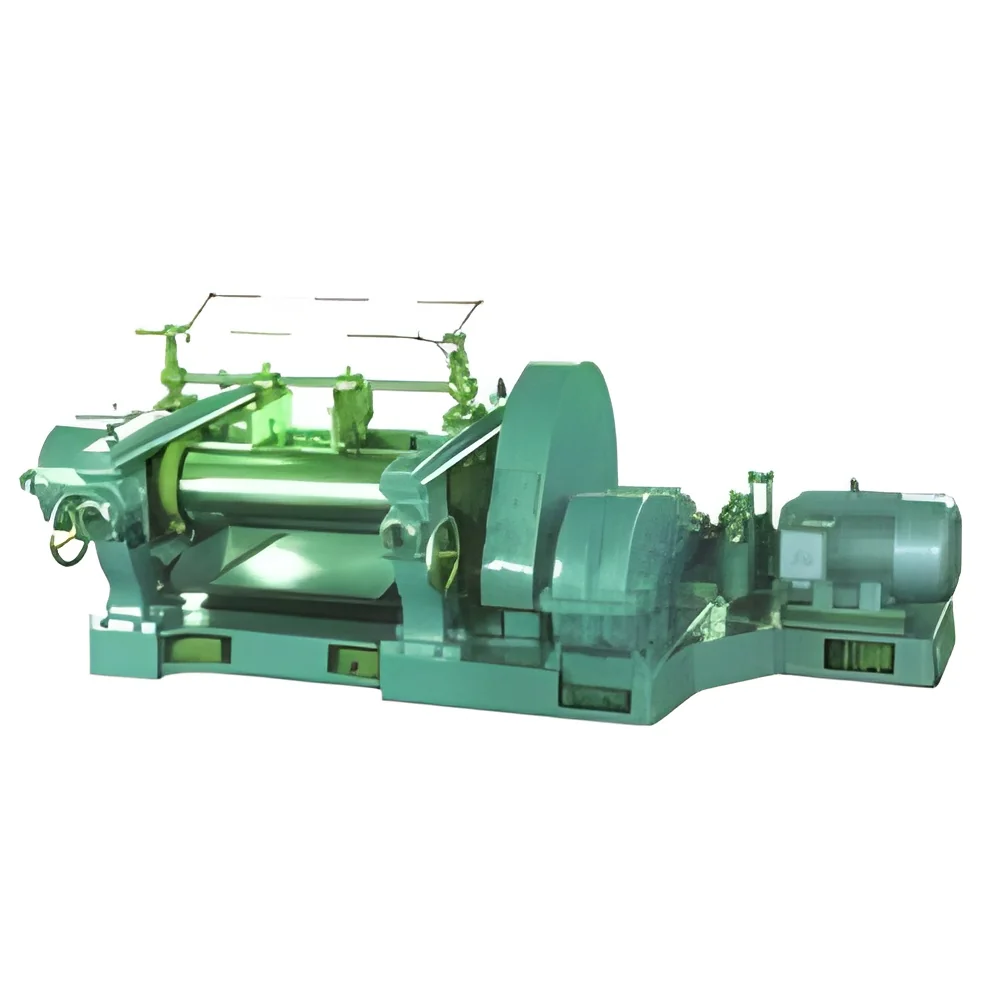
Crumb Rubber Production Lines are specialized industrial systems designed for processing scrap rubber, typically derived from used tires. These lines break down rubber into small granules or crumbs, facilitating its reuse in various applications. The production process often involves shredding, grinding, and separating materials to achieve the desired crumb size and quality. Advanced machinery in these production lines ensures efficiency and consistency, making them essential in the recycling industry.
These production lines find broad applications across multiple sectors, including construction, automotive, and sports surfaces. Crumb rubber is commonly used as a component in asphalt, playground surfaces, and rubber mats. The ability to recycle tires into usable materials not only contributes to waste reduction but also supports sustainability efforts, making crumb rubber production increasingly relevant in today's market.
As global emphasis on recycling and sustainable practices grows, the demand for crumb rubber production lines has surged. Industries are seeking efficient solutions to manage waste and produce high-quality materials, positioning these production lines as valuable assets in the industrial landscape.
Key Features and Specifications
Crumb Rubber Production Lines come with a range of features and specifications that enhance their performance and efficiency. Understanding these key specifications is crucial for selecting the right system for specific industrial needs.
Key specifications include:
1. Capacity
- The production capacity typically ranges from 200 to 2000 kg per hour, depending on the model and configuration.
2. Power Consumption
- These systems generally operate within a power range of 15 to 100 kW, impacting overall operational costs.
3. Granulation Size
- The crumb size can be adjusted from 0.5 mm to 5 mm, allowing customization based on end-use requirements.
4. Material Compatibility
- Designed to process various rubber materials, including tires, conveyor belts, and other rubber waste.
5. Automation Level
- Options range from semi-automated to fully automated systems, affecting labor requirements and operational efficiency.
6. Safety Features
- Incorporation of safety mechanisms such as emergency stops and protective guards to ensure safe operation.
7. Maintenance Requirements
- Low to moderate maintenance needs are typical, with ease of access for routine checks and repairs.
8. Compliance with Standards
- Adherence to industry standards such as CE certification, ensuring quality and safety.
These features collectively enhance the operational efficiency, safety, and adaptability of crumb rubber production lines.
Common Applications and Use Cases
Crumb Rubber Production Lines serve various industries, leveraging recycled rubber for multiple applications.
1. Construction: Crumb rubber is used in the production of rubberized asphalt, enhancing durability and noise reduction in road surfaces.
2. Automotive: Recycled rubber is utilized in manufacturing components such as floor mats, seals, and gaskets, promoting sustainability in the automotive sector.
3. Sports Surfaces: Crumb rubber is frequently used in playgrounds and athletic fields, providing shock absorption and safety for users.
4. Flooring Solutions: Companies use crumb rubber as a base material in flooring systems, offering resilience and slip resistance.
5. Insulation Materials: The production lines also cater to the insulation industry, where crumb rubber is used to create soundproofing and thermal insulation products.
6. Landscaping: Recycled rubber finds applications in landscaping as mulch, providing an eco-friendly alternative to traditional materials.
7. Industrial Products: Various industrial applications utilize crumb rubber for manufacturing products like mats, seals, and bumpers, showcasing its versatility.
Product Variants and Subcategories
Crumb Rubber Production Lines come in different configurations to meet diverse industrial needs.
Standard Production Line
This variant is designed for general processing of scrap rubber, featuring adjustable granulation sizes and moderate power consumption. It is suitable for companies looking to enter the crumb rubber market.
High-Throughput Production Line
Engineered for maximum efficiency, this variant offers high capacity and automated features. It is ideal for large-scale operations aiming to process significant volumes of rubber quickly.
Mobile Production Line
This variant provides flexibility and mobility, allowing for on-site processing of rubber waste. It is particularly useful for companies operating in remote locations or those requiring temporary setups.
Benefits and Advantages
Investing in Crumb Rubber Production Lines offers numerous benefits to businesses.
1. Cost Efficiency: These production lines enable manufacturers to recycle waste materials, reducing raw material costs and promoting sustainability.
2. Environmental Impact: By converting waste rubber into usable products, businesses contribute to waste minimization and environmental protection.
3. Versatility: The ability to process various types of rubber broadens the range of applications, making the production lines adaptable to different market needs.
4. Enhanced Performance: Advanced technologies in production lines improve product quality, ensuring consistency and reliability in crumb rubber production.
5. Compliance and Safety: Many production lines meet industry standards, ensuring that operations are safe and compliant with regulatory requirements.
6. Competitive Advantage: Companies utilizing crumb rubber production lines can differentiate themselves in the market by offering eco-friendly products.
Buying Guide for B2B Buyers
When sourcing Crumb Rubber Production Lines, it is essential to consider several factors to ensure the right investment.
1. Quality Assessment: Evaluate the quality of machinery and components. Look for certifications that validate performance and reliability.
2. Supplier Verification: Conduct thorough background checks on potential suppliers. Ensure they have a proven track record in manufacturing and delivering crumb rubber production lines.
3. Pricing and MOQ: Understand the pricing structure, including any minimum order quantities. Compare costs among suppliers to get the best value.
4. Delivery and Lead Times: Inquire about delivery schedules and lead times. Timely delivery is crucial for maintaining production schedules.
5. Compliance Requirements: Familiarize yourself with relevant regulations and compliance standards in your region. Ensure that the production line meets all necessary certifications.
Compliance and Certifications
Crumb Rubber Production Lines must adhere to various compliance and certification standards to ensure safety and quality. ISO 9001 is a widely recognized quality management standard that ensures consistent production processes and quality control.
The CE mark indicates compliance with European safety standards, which is essential for manufacturers exporting to Europe. Safety and testing requirements may include evaluations for equipment durability, operational safety, and environmental impact.
Regional compliance considerations can vary, so it's important for manufacturers to understand local regulations regarding waste processing and recycling. This ensures that operations align with legal requirements and industry best practices.
Why Source Crumb Rubber Production Lines from Pepagora?
Pepagora provides a trusted platform for sourcing Crumb Rubber Production Lines, offering various advantages to B2B buyers.
Verified Supplier Network: Pepagora connects buyers with a network of verified suppliers. This ensures that buyers can trust the quality and reliability of the products offered.
Streamlined RFQ Process: The platform simplifies the request for quotation (RFQ) process, allowing buyers to easily compare options and make informed decisions based on their specific needs.
Trade Assurance and Support: Pepagora offers buyer protection through trade assurance programs, providing added security in transactions and fostering a safe purchasing environment.
Regional Coverage: With a strong presence in regions like India, the GCC, and Southeast Asia, Pepagora facilitates access to suppliers, enhancing geographical reach for buyers seeking crumb rubber production lines.
This combination of features makes Pepagora an ideal choice for businesses looking to invest in crumb rubber production technology.

 India
 India
 India
Frequently Asked Questions
What are Crumb Rubber Production Lines?
Crumb Rubber Production Lines are specialized manufacturing setups designed to process scrap rubber into crumb rubber. This material is typically used in various applications, including playground surfaces, asphalt modification, and rubber mats.
What are the different types of Crumb Rubber Production Lines?
There are several types of Crumb Rubber Production Lines, including ambient grinding systems, cryogenic grinding systems, and wet grinding systems. Each type utilizes different methods and technologies to achieve the desired crumb rubber size and quality.
How do I choose the right Crumb Rubber Production Lines?
Choosing the right Crumb Rubber Production Lines depends on factors such as production capacity, type of rubber feedstock, and the final application of the crumb rubber. It is essential to assess your specific needs and consult with manufacturers to find the most suitable option.
What are the standard specifications for Crumb Rubber Production Lines?
Standard specifications for Crumb Rubber Production Lines usually include production capacity (measured in kg/hour), energy consumption, and the range of crumb sizes produced. Additionally, specifications may cover the materials used in the construction of the equipment for durability.
What is the price range for Crumb Rubber Production Lines?
The price range for Crumb Rubber Production Lines can vary significantly based on capacity, technology, and manufacturer. Typically, prices can start from a few lakhs to several crores in Indian Rupees, depending on the features and specifications.
What quality standards apply to Crumb Rubber Production Lines?
Quality standards for Crumb Rubber Production Lines often include ISO certifications, adherence to environmental regulations, and performance benchmarks set by industry associations. These standards ensure that the production lines operate efficiently and produce high-quality crumb rubber.
Where can I find Crumb Rubber Production Lines suppliers in India?
You can find Crumb Rubber Production Lines suppliers in India through B2B marketplaces, trade shows, and industry directories. Websites like Pepagora.com can help you connect with reputable manufacturers and suppliers in the sector.
Can Crumb Rubber Production Lines be customized?
Yes, many manufacturers offer customization options for Crumb Rubber Production Lines to meet specific production needs and requirements. Customizations may include modifications to capacity, size reduction, and additional features for improved efficiency.
What is the typical minimum order quantity for Crumb Rubber Production Lines?
The typical minimum order quantity (MOQ) for Crumb Rubber Production Lines varies by supplier and the complexity of the equipment. Generally, MOQs can range from one unit for standard models to multiple units for customized setups.
What is the typical lead time for Crumb Rubber Production Lines?
The typical lead time for Crumb Rubber Production Lines can vary based on the manufacturer's production schedule and the complexity of the order. Generally, lead times can range from a few weeks to several months, especially for customized equipment.
Why Businesses Trust Pepagora
Thousands of companies trust Pepagora to source smarter and sell faster
Expand Your Sales Globally

Source Smarter,Grow Faster
