IN
IN₹
Apparel & Fashion
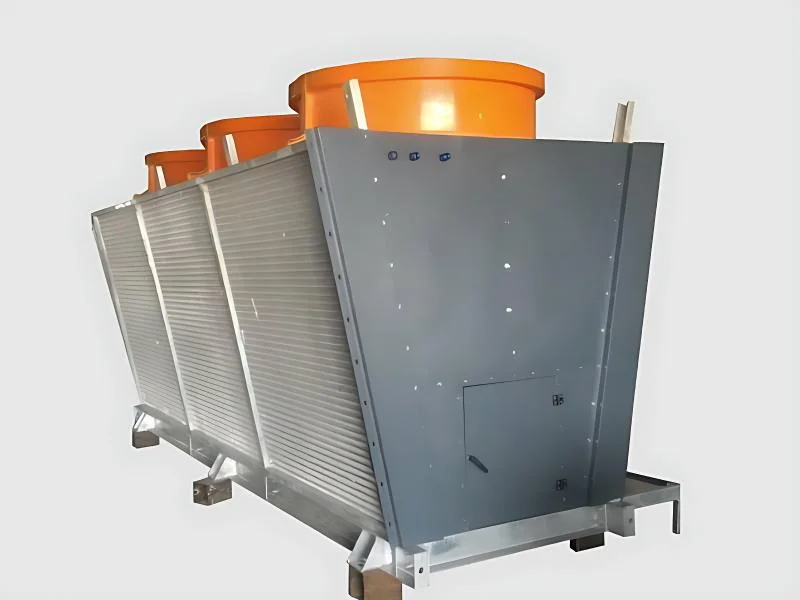
Description
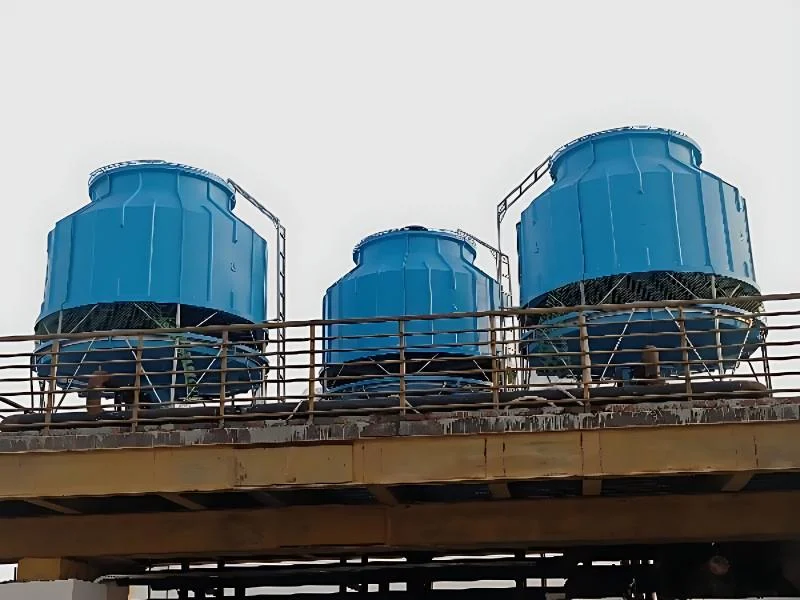
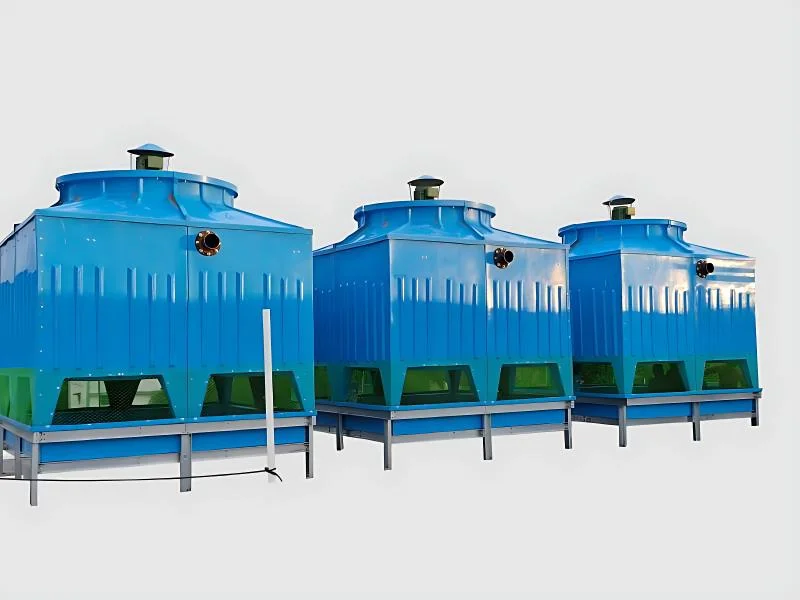
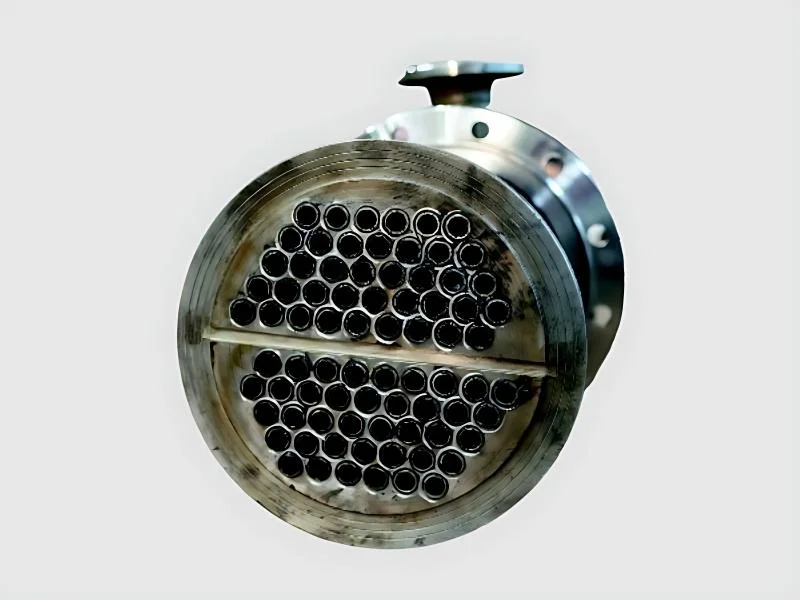
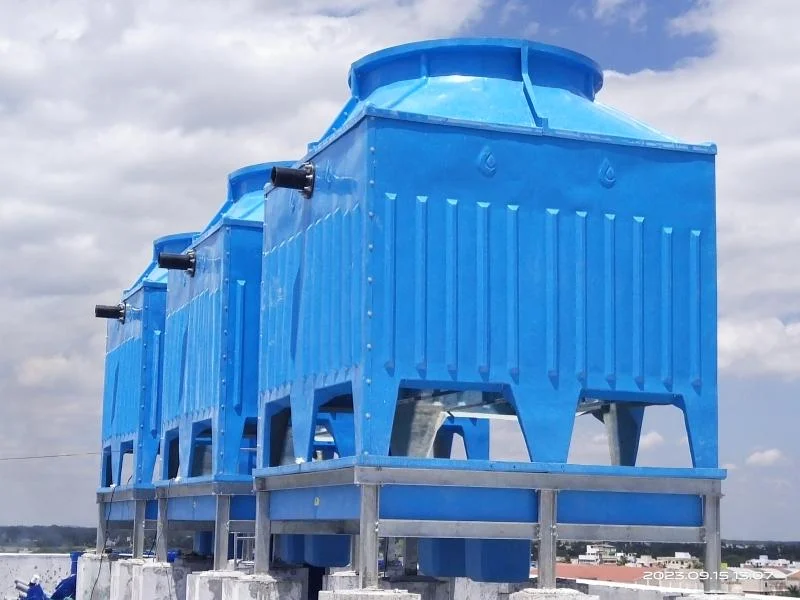
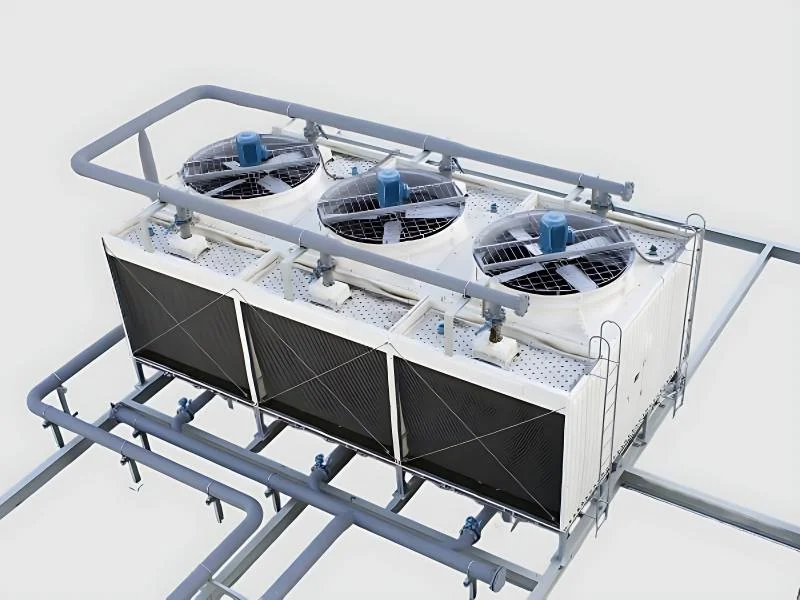
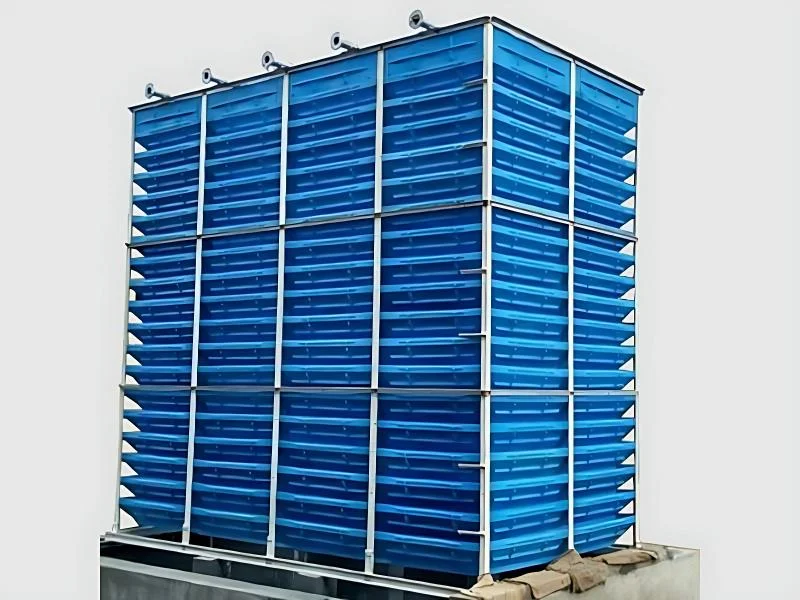
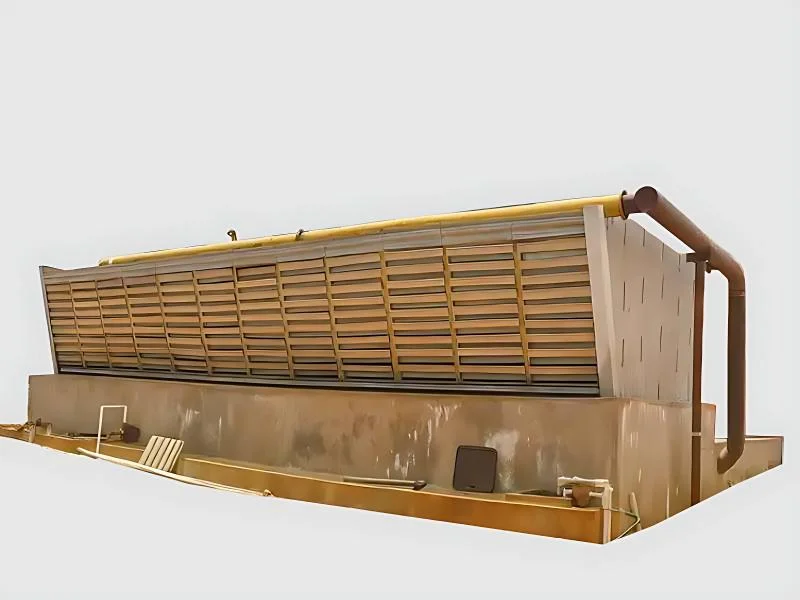
Industrial dry cooling towers represent advanced heat rejection technology specifically engineered for applications where water conservation and environmental compliance are paramount. Unlike traditional evaporative cooling systems, these units operate through sealed heat exchangers where process fluids circulate inside tubes while ambient air is drawn across external finned surfaces by powerful fans. This closed-loop design completely eliminates water evaporation, mineral scaling, and chemical treatment requirements, making it an optimal solution for regions facing water scarcity or stringent environmental regulations. The system maintains consistent cooling performance through convection heat transfer, ensuring reliable operation across various temperature ranges and demanding industrial conditions while providing sustainable cooling solutions.

These cooling systems find extensive application across multiple industrial sectors including power generation, petrochemical processing, ma...
Industrial dry cooling towers represent advanced heat rejection technology specifically engineered for applications where water conservation and environmental compliance are paramount. Unlike traditional evaporative cooling systems, these units operate through sealed heat exchangers where process fluids circulate inside tubes while ambient air is drawn across external finned surfaces by powerful fans. This closed-loop design completely eliminates water evaporation, mineral scaling, and chemical treatment requirements, making it an optimal solution for regions facing water scarcity or stringent environmental regulations. The system maintains consistent cooling performance through convection heat transfer, ensuring reliable operation across various temperature ranges and demanding industrial conditions while providing sustainable cooling solutions.

These cooling systems find extensive application across multiple industrial sectors including power generation, petrochemical processing, manufacturing facilities, and commercial operations. Power plants utilize dry cooling towers for turbine inlet cooling and condenser heat rejection, while petrochemical refineries employ them for process cooling and compressor aftercooling requirements. Manufacturing facilities integrate these systems for equipment temperature control in production processes, and data centers rely on them for server farm cooling and HVAC applications where water usage restrictions exist. The food and beverage industry benefits from contamination-free cooling for processing lines, and pharmaceutical manufacturers use them for precise temperature control in production environments where water quality concerns and regulatory compliance are critical factors.

The business value of dry cooling towers extends beyond operational efficiency to significant cost savings and regulatory compliance advantages. These systems eliminate water consumption costs entirely, reduce chemical treatment expenses, and minimize maintenance requirements associated with scaling and corrosion common in traditional cooling systems. Their robust construction ensures long-term reliability with minimal downtime, while the closed-loop design prevents fluid contamination and maintains consistent process temperatures for optimal production quality. Companies investing in dry cooling technology demonstrate environmental responsibility through reduced water footprint and compliance with sustainability regulations, while also benefiting from predictable operational costs and improved system longevity compared to traditional cooling methods, resulting in enhanced return on investment.

Key Features:
- Closed-loop design prevents water evaporation and fluid contamination
- Finned-tube heat exchangers for efficient convection cooling performance
- Powerful axial fans for optimal airflow and heat dissipation capacity
- Corrosion-resistant materials for durability in harsh industrial environments
- Customizable configurations for specific capacity and space requirements

Benefits:
- Zero water consumption reduces operational costs and environmental impact
- Minimal maintenance requirements lower long-term operating expenses
- Consistent cooling performance ensures process reliability and quality
- Environmental compliance meets sustainability regulations and standards
- Long service life with corrosion-resistant construction provides value
Specifications
| Additional Information | |
|---|---|
| Country of Origin | India |
Application
Dry cooling towers serve essential cooling functions across power generation, manufacturing, and processing industries where water conservation is critical. These systems efficiently reject heat from turbines, reactors, and industrial machinery using ambient air circulation, making them indispensable in regions facing water scarcity or strict environmental compliance requirements. Their robust performance ensures consistent thermal management without water consumption.
Closed-loop dry cooling systems prevent fluid contamination and minimize maintenance needs while delivering reliable operation in petrochemical plants, data centers, and food processing facilities. Industries benefit from reduced operational costs, consistent cooling performance, and compliance with sustainability standards without compromising thermal efficiency. The design ensures long-term reliability and environmental responsibility across diverse industrial applications.
- Power plant turbine cooling and condenser heat rejection systems
- Petrochemical refinery process cooling and compressor aftercooling
- Data center HVAC systems and server farm temperature control
- Pharmaceutical manufacturing equipment cooling and temperature regulation
- Food processing line cooling and pasteurization system applications
Trade Details
| Available Stock | In Stock |
| Sample Availability | No |
Payment Terms
| Payment Terms |
|
Company Profile

Rakshan Cooling Tower, Tamil Nadu
 Tamil Nadu, India
Tamil Nadu, IndiaManufacturer
Factory Details
Factory Size1000-5000 sqm
Annual Production Capacity0
Industrial Dry Cooling Towers For Heat Rejection In Water Scarce Regions
Industrial dry cooling towers provide efficient heat rejection without water consumption using air-cooled coils. Ideal for water-scarce regions, these systems eliminate evaporation losses and maintenance issues for reliable industrial process cooling.
Min. Order Quantity: 1 unit
Shipping
Shipping fee and delivery date to be negotiated. Contact supplier now for more details.
Rakshan Cooling Tower
 Tamil Nadu, India
Tamil Nadu, IndiaManufacturer