
 IN
Concrete Crushers
1 products available
What are Concrete Crushers?
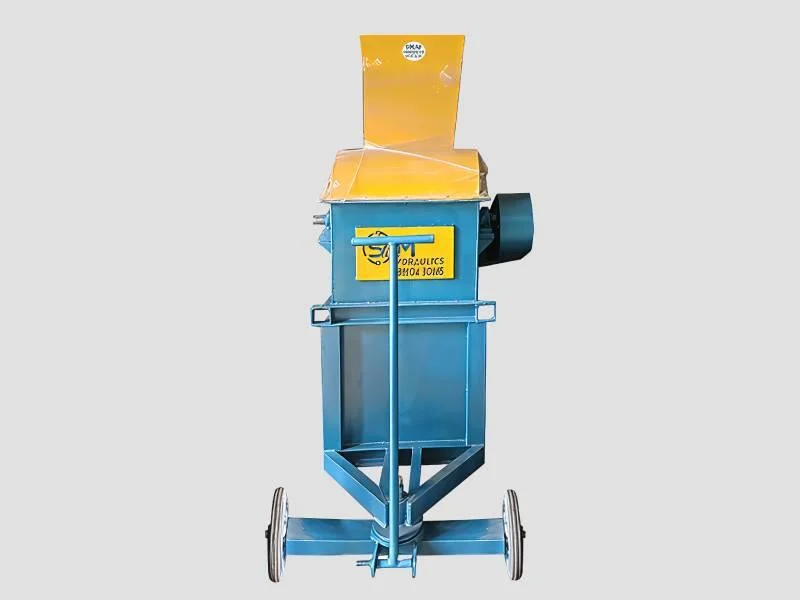
Concrete crushers are heavy-duty machines designed to break down concrete structures into smaller, manageable pieces. They utilize powerful hydraulic mechanisms and jaw systems to crush and pulverize concrete, making them essential for demolition projects and recycling operations. By transforming large concrete debris into reusable aggregates, these machines play a crucial role in waste management and sustainable construction practices.
Primarily, concrete crushers are used in various applications, including demolition, construction, and site clearance. They are instrumental in breaking down old concrete pavements, buildings, and other structures, allowing for efficient removal and recycling. Businesses involved in construction, roadwork, and infrastructure development depend on concrete crushers to streamline their operations and minimize waste. The market for concrete crushers is robust, driven by ongoing urbanization and infrastructure projects worldwide.
As industries increasingly focus on sustainability and resource conservation, concrete crushers have become an integral part of the construction and demolition landscape. Their capacity to recycle materials not only reduces landfill waste but also lowers the demand for new raw materials, aligning with contemporary environmental goals.
Key Features and Specifications
Concrete crushers come with a variety of features that enhance their performance and efficiency. Understanding these specifications is crucial for businesses looking to invest in reliable machinery.
Key specifications include:
1. Crushing Capacity
- The maximum amount of concrete the crusher can process per hour.
- Typically ranges from 50 to 500 tons per hour, depending on the model.
2. Jaw Opening Size
- The width of the opening where concrete is fed into the crusher.
- Common sizes vary from 18 inches to over 48 inches.
3. Weight
- The total weight of the concrete crusher, which affects mobility and stability.
- Ranges from 10,000 pounds for smaller models to over 80,000 pounds for larger units.
4. Power Source
- The type of engine or motor that powers the crusher.
- Options include diesel engines, electric motors, or hydraulic systems.
5. Mobility
- Whether the crusher is portable or stationary.
- Portable models are typically mounted on tracks or wheels for easy transport.
6. Noise Level
- The operational decibel level of the machine.
- Important for compliance with local noise ordinances.
7. Safety Features
- Built-in mechanisms to protect operators and bystanders.
- May include emergency stop buttons and safety guards.
8. Maintenance Requirements
- Frequency and type of maintenance needed to keep the machine operational.
- Regular checks on hydraulic systems and wear parts are essential.
Concrete crushers are designed to meet the demands of rigorous industrial environments, making them vital assets for construction and demolition businesses.
Common Applications and Use Cases
Concrete crushers find applications across a range of industries, facilitating efficient demolition and recycling processes.
1. Construction: Concrete crushers are commonly used to clear job sites of old structures, allowing for new constructions to begin promptly.
2. Demolition: In demolition projects, these machines break down concrete buildings and pavements, making it easier to remove debris and recycle materials.
3. Roadwork: They are utilized to crush concrete road surfaces, which can be reused in new road construction or as aggregate for other projects.
4. Recycling: Concrete crushers enable the recycling of materials, reducing waste and promoting sustainable practices in the construction industry.
5. Land Development: Before new developments can begin, concrete crushers help clear land by breaking down existing concrete structures.
6. Mining: Some crushers are adapted for use in mining operations to break down rock and concrete material for extraction.
7. Infrastructure Repair: They assist in rehabilitating existing infrastructure by crushing and reusing concrete materials for repairs.
Product Variants and Subcategories
Concrete crushers come in various models and configurations to meet different operational needs.
Portable Concrete Crushers
These machines are designed for on-site mobility, allowing contractors to move them easily from one location to another. They are ideal for small to medium demolition projects and can efficiently process concrete without the need for transportation.
Stationary Concrete Crushers
Stationary models are built for heavy-duty operations and are typically installed at recycling plants or large construction sites. They offer higher crushing capacities and are suited for extensive demolition projects where mobility is less of a concern.
Hydraulic Concrete Crushers
These variants utilize hydraulic systems for enhanced crushing power. They are effective in breaking down reinforced concrete structures and are often used in demolition scenarios.
Benefits and Advantages
Concrete crushers provide numerous benefits that make them valuable to businesses in the construction and demolition sectors.
Key benefits include:
1. Cost Efficiency: By recycling concrete, companies can save on disposal costs and reduce the need for new materials.
2. Environmental Sustainability: Concrete crushers contribute to waste reduction and promote the reuse of materials, aligning with environmental goals.
3. Increased Productivity: With their high crushing capacities, these machines enable faster project completion times.
4. Versatility: Concrete crushers can handle various types of concrete structures, making them adaptable for different projects.
5. Safety Enhancements: Modern crushers come equipped with safety features that protect operators and ensure compliance with regulations.
6. Ease of Transport: Portable models allow for easy relocation, enabling businesses to work efficiently across multiple sites.
Buying Guide for B2B Buyers
When sourcing concrete crushers, it is essential for buyers to consider several critical factors to ensure the right investment.
1. Quality Assessment: Evaluate the build quality and durability of the machine, considering materials used and manufacturer reputation.
2. Supplier Verification: Vet potential suppliers by checking their credentials, customer reviews, and track records within the industry to ensure reliability.
3. Pricing and MOQ: Understand the pricing structure for concrete crushers and inquire about minimum order quantities to plan budgets effectively.
4. Delivery and Lead Times: Discuss delivery timelines and lead times to ensure that equipment arrives when needed for project schedules.
5. Compliance Requirements: Assess any regulatory standards that the crushers must meet, including safety certifications and environmental compliance.
Compliance and Certifications
Concrete crushers must adhere to various quality standards and certifications to ensure safety and performance.
ISO 9001 is a widely recognized standard that specifies requirements for quality management systems. Manufacturers of concrete crushers should comply with this standard to demonstrate their commitment to quality.
CE certification is crucial for products sold within the European market. This certification indicates that the equipment meets EU safety, health, and environmental protection standards.
Safety and testing requirements are essential for ensuring that concrete crushers operate safely and effectively. Regular testing for performance and safety features is necessary to maintain compliance.
Buyers should also consider regional compliance factors, as local regulations may impose specific requirements for machinery used in construction and demolition.
Why Source Concrete Crushers from Pepagora?
Pepagora offers a reliable platform for sourcing concrete crushers, providing several advantages that facilitate a smooth purchasing experience.
Verified Supplier Network: Pepagora connects buyers with a network of verified suppliers, ensuring that every product meets stringent quality standards. This verification process helps businesses find trustworthy partners in the industry.
Streamlined RFQ Process: The Request for Quotation (RFQ) system simplifies the procurement process. Buyers can quickly submit their requirements and receive competitive quotes from multiple suppliers, helping them make informed decisions.
Trade Assurance and Support: Pepagora provides trade assurance to protect buyers throughout the sourcing process. This support helps mitigate risks and ensures that transactions are secure.
Regional Coverage: With a presence in India, the GCC, and Southeast Asia, Pepagora offers regional expertise and access to a diverse range of suppliers. This geographic reach enables buyers to find the right concrete crushers tailored to their specific needs.


Frequently Asked Questions
What are Concrete Crushers?
Concrete Crushers are heavy-duty machines designed to break down concrete structures into smaller pieces for recycling or disposal. They utilize mechanical power and can handle various concrete types, making them essential in construction and demolition projects.
What are the different types of Concrete Crushers?
The main types of Concrete Crushers include jaw crushers, impact crushers, and cone crushers. Each type is designed for specific crushing tasks, with jaw crushers suitable for primary crushing, and impact and cone crushers ideal for secondary crushing applications.
How do I choose the right Concrete Crushers?
Choosing the right Concrete Crusher depends on your project's specific requirements, including the type of concrete, desired output size, and production capacity. It's also important to consider factors such as mobility, power source, and ease of maintenance.
What are the standard specifications for Concrete Crushers?
Standard specifications for Concrete Crushers typically include dimensions, weight, output capacity, power requirements, and crushing ratio. These specifications can vary significantly based on the manufacturer and model, so it's essential to review them carefully.
What is the price range for Concrete Crushers?
The price range for Concrete Crushers can vary widely based on factors such as type, capacity, and brand. Generally, prices can start from a few lakhs and go up to several crores for high-capacity models with advanced features.
What quality standards apply to Concrete Crushers?
Concrete Crushers must comply with various quality standards, including ISO certifications and industry-specific regulations. These standards ensure the machines are safe, reliable, and efficient for use in construction and demolition environments.
Where can I find Concrete Crushers suppliers in India?
You can find Concrete Crushers suppliers in India through online B2B marketplaces like Pepagora, industry trade shows, and local equipment dealers. It's advisable to compare multiple suppliers to ensure you get the best quality and price.
Can Concrete Crushers be customized?
Yes, many manufacturers offer customization options for Concrete Crushers to meet specific operational needs. Customization can include modifications in size, power, and additional features based on the application requirements.
What is the typical minimum order quantity for Concrete Crushers?
The typical minimum order quantity (MOQ) for Concrete Crushers can vary by supplier, but it often starts at one unit. However, bulk orders may attract discounts and better pricing.
What is the typical lead time for Concrete Crushers?
The typical lead time for Concrete Crushers can range from a few weeks to several months, depending on the manufacturer and any customization required. It's essential to confirm the lead time with the supplier during the ordering process.
Why Businesses Trust Pepagora
Thousands of companies trust Pepagora to source smarter and sell faster
Expand Your Sales Globally

Source Smarter,Grow Faster
