
 IN
Cable Granulators
1 products available
What are Cable Granulators?
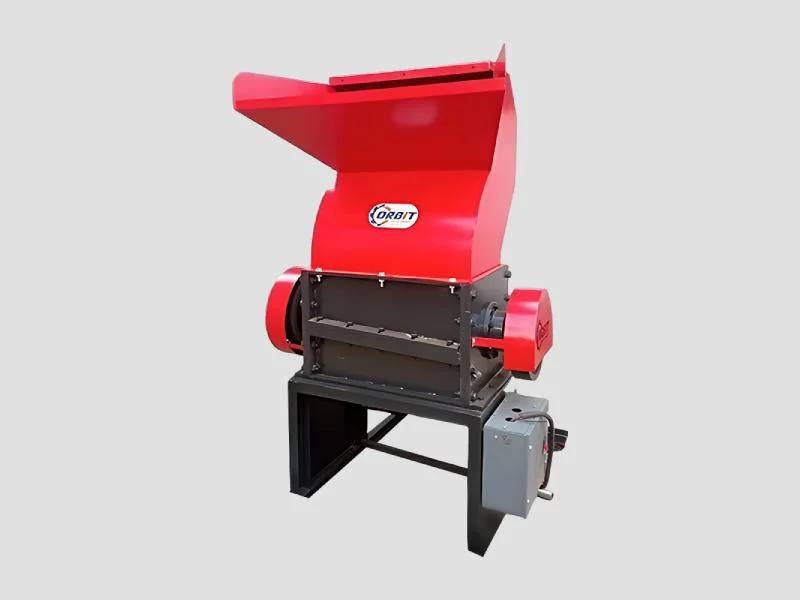
Cable granulators are specialized machines designed to efficiently process and recycle scrap cables and wires. These machines operate by shredding the cables and separating the metal from the insulating materials, resulting in clean, recyclable metal and plastic granules. The technology behind cable granulators allows for effective sorting and extraction, making them essential in the recycling industry.
The primary uses of cable granulators include the recycling of electrical cables, communication wires, and automotive cables. Businesses often utilize these machines to recover valuable metals such as copper and aluminum, which can then be sold or reused. By recycling cables, companies reduce waste and contribute to environmental sustainability, making cable granulators crucial in various sectors, including manufacturing, construction, and electronics.
As the demand for recycled materials increases, the relevance of cable granulators in the marketplace grows. Industries are increasingly focused on sustainability and resource recovery, driving the need for efficient recycling solutions. Cable granulators play a vital role in meeting these demands, providing a practical approach to waste management and resource conservation.
Key Features and Specifications
Cable granulators come equipped with several features that enhance their efficiency and usability. These features often include advanced shredding mechanisms, effective separation systems, and user-friendly controls.
Key specifications include:
1. Shredding Capacity
- This specification indicates how much cable the granulator can process within a specific timeframe.
- Typical ranges are from 300 kg to over 1000 kg per hour.
2. Separation Technology
- This refers to the method used to separate metals from insulation.
- Advanced models may use air separation or electromagnetic systems.
3. Power Consumption
- This detail reflects the energy efficiency of the granulator.
- Power usage can range from 15 kW to 100 kW depending on the model.
4. Dimensions and Weight
- These specifications provide insight into the machine's size and portability.
- Dimensions typically range from 2 meters to 4 meters in length.
5. Noise Level
- This specification indicates the operational sound level of the granulator.
- Noise levels can vary from 75 dB to 95 dB.
6. Safety Features
- Includes protective measures like emergency stop buttons and safety guards.
- Compliance with industry safety standards is crucial.
7. Control System
- The type of control interface, such as manual or automated options.
- Advanced models may feature programmable settings for different materials.
8. Warranty Period
- Indicates the manufacturer's guarantee on the machine.
- Common warranty periods range from one to three years.
In summary, cable granulators are equipped with a variety of features and specifications designed to maximize performance, efficiency, and safety in recycling applications.
Common Applications and Use Cases
Cable granulators serve a wide range of industries, each utilizing the technology for specific recycling needs.
1. Electrical Manufacturing: Manufacturers often recycle their scrap cables to reclaim valuable metals for reuse in production processes.
2. Construction: Construction companies frequently encounter leftover wiring from projects. Cable granulators help process these materials efficiently.
3. Automotive: The automotive industry benefits from cable granulators by recycling wiring harnesses and other cable components from end-of-life vehicles.
4. Telecommunications: Companies in this sector recycle outdated communication cables, recovering metals that can be reused in new installations.
5. Electronics Recycling: Businesses focused on e-waste management utilize cable granulators to process cables from electronics, ensuring proper material recovery.
6. Scrap Metal Dealers: Scrap yards employ cable granulators as part of their operations to enhance the recovery of metals from mixed waste streams.
7. Renewable Energy: In renewable energy sectors, cable granulators are used to recycle cables from solar and wind installations, promoting sustainability.
Product Variants and Subcategories
Cable granulators come in various models to cater to the diverse needs of businesses. Each variant is designed to address specific requirements based on capacity, processing type, and intended use.
Granulator Model A
This model is designed for high-capacity processing, ideal for large-scale operations. It features advanced separation technology and is built for durability, making it suitable for continuous use.
Granulator Model B
This variant is tailored for smaller operations or businesses with lower processing needs. It is compact, energy-efficient, and user-friendly, making it an excellent choice for entry-level recyclers.
Granulator Model C
This model offers enhanced versatility, capable of processing a wide range of cable types. It incorporates advanced monitoring features to optimize performance and ensure efficient operation.
Benefits and Advantages
Investing in cable granulators provides several significant advantages for businesses involved in recycling and waste management.
1. Cost Savings: By recycling materials, companies can lower their procurement costs and reduce waste disposal fees.
2. Environmental Sustainability: Cable granulators promote eco-friendly practices by facilitating the recovery of valuable resources and minimizing landfill use.
3. Improved Efficiency: Advanced granulators streamline the recycling process, allowing businesses to process larger volumes of materials in less time.
4. Enhanced Material Quality: The separation technology used in cable granulators ensures high purity levels of recovered metals, increasing their market value.
5. Adaptability: These machines can be configured to handle various cable types, making them versatile tools in recycling operations.
6. Compliance Support: Using cable granulators helps businesses meet regulatory requirements for waste management and recycling, promoting compliance with environmental standards.
Buying Guide for B2B Buyers
When sourcing cable granulators, buyers should consider several key factors to ensure they select the right equipment for their needs.
1. Quality Assessment: Evaluate the build quality and materials used in the granulator. Look for machines that meet recognized standards for durability and performance.
2. Supplier Verification: It is crucial to vet suppliers by checking their credentials, customer reviews, and industry reputation. A reliable supplier ensures better support and service.
3. Pricing and MOQ: Compare prices across different suppliers and understand the minimum order quantities. This can help in budgeting and assessing overall value.
4. Delivery and Lead Times: Consider logistics when sourcing equipment. Ensure that suppliers provide clear timelines for delivery and installation.
5. Compliance Requirements: Understand the regulatory standards applicable in your region. Ensure that the granulator complies with necessary safety and environmental regulations.
Compliance and Certifications
Cable granulators must adhere to various quality standards and certifications to ensure safety and efficiency. Common standards include ISO 9001, which focuses on quality management systems, and other relevant certifications specific to electrical and mechanical safety.
Industry certifications such as CE and UL indicate that the equipment meets international safety and performance standards. These certifications are essential for ensuring that the granulators are safe for use and compliant with regional regulations.
Additionally, safety and testing requirements are crucial in the design and operation of cable granulators. Manufacturers should conduct thorough testing to confirm that their machines operate within specified safety parameters.
Regional compliance considerations may vary, emphasizing the need for businesses to understand local regulations, especially when operating in multiple regions.
Why Source Cable Granulators from Pepagora?
Pepagora offers a trusted platform for sourcing cable granulators, providing several key advantages for B2B buyers.
Verified Supplier Network: Pepagora connects buyers with verified suppliers, ensuring that businesses engage with manufacturers who meet industry standards and expectations. This verification process enhances trust and reliability in supplier relationships.
Streamlined RFQ Process: The platform offers a simplified request for quotation (RFQ) process, allowing buyers to obtain competitive quotes from multiple suppliers quickly. This efficiency helps businesses make informed purchasing decisions.
Trade Assurance and Support: Pepagora prioritizes buyer protection through trade assurance programs. This support ensures that transactions are secure and that buyers receive the products as described.
Regional Coverage: With a strong presence in India, the GCC, and Southeast Asia, Pepagora provides extensive geographic reach. This allows buyers to access a wide range of suppliers and products, catering to diverse market needs.


Frequently Asked Questions
What are Cable Granulators?
Cable granulators are specialized machines designed to break down scrap cables into smaller, manageable pieces. They effectively separate the copper or aluminum wires from the plastic insulation, allowing for the recycling of valuable metals.
What are the different types of Cable Granulators?
There are several types of cable granulators, including dry granulators, wet granulators, and air separation systems. Each type varies in terms of the technology used and the efficiency of material separation.
How do I choose the right Cable Granulators?
Choosing the right cable granulator depends on factors such as the type and volume of cables you intend to process, desired output quality, and budget. It's essential to assess the machine's specifications and capabilities to ensure it meets your operational needs.
What are the standard specifications for Cable Granulators?
Standard specifications for cable granulators typically include processing capacity, power consumption, dimensions, and output size of the granulated material. It's important to verify these specifications based on your specific recycling requirements.
What is the price range for Cable Granulators?
The price range for cable granulators can vary significantly based on the model, capacity, and features. Generally, prices can start from a few lakhs and go up to several crores for advanced systems.
What quality standards apply to Cable Granulators?
Cable granulators are expected to meet various quality standards, including ISO certifications for manufacturing and safety. Compliance with these standards ensures reliability, efficiency, and safety during operation.
Where can I find Cable Granulators suppliers in India?
You can find cable granulator suppliers in India through B2B marketplaces like Pepagora.com, industry trade shows, and online directories. It's advisable to compare multiple suppliers to evaluate their offerings and customer reviews.
Can Cable Granulators be customized?
Yes, many manufacturers offer customization options for cable granulators to meet specific processing needs. Customizations may include modifications in size, capacity, or additional features to enhance performance.
What is the typical minimum order quantity for Cable Granulators?
The typical minimum order quantity (MOQ) for cable granulators can vary by supplier, but it often ranges from one unit to several units depending on the manufacturer. It's best to inquire directly with the supplier for specific MOQs.
What is the typical lead time for Cable Granulators?
The typical lead time for cable granulators can range from a few weeks to a few months, depending on the manufacturer's production schedule and whether the machine is standard or customized. Always confirm lead times with your supplier before placing an order.
Why Businesses Trust Pepagora
Thousands of companies trust Pepagora to source smarter and sell faster
Expand Your Sales Globally

Source Smarter,Grow Faster
