IN
IN₹
Apparel & Fashion
Description
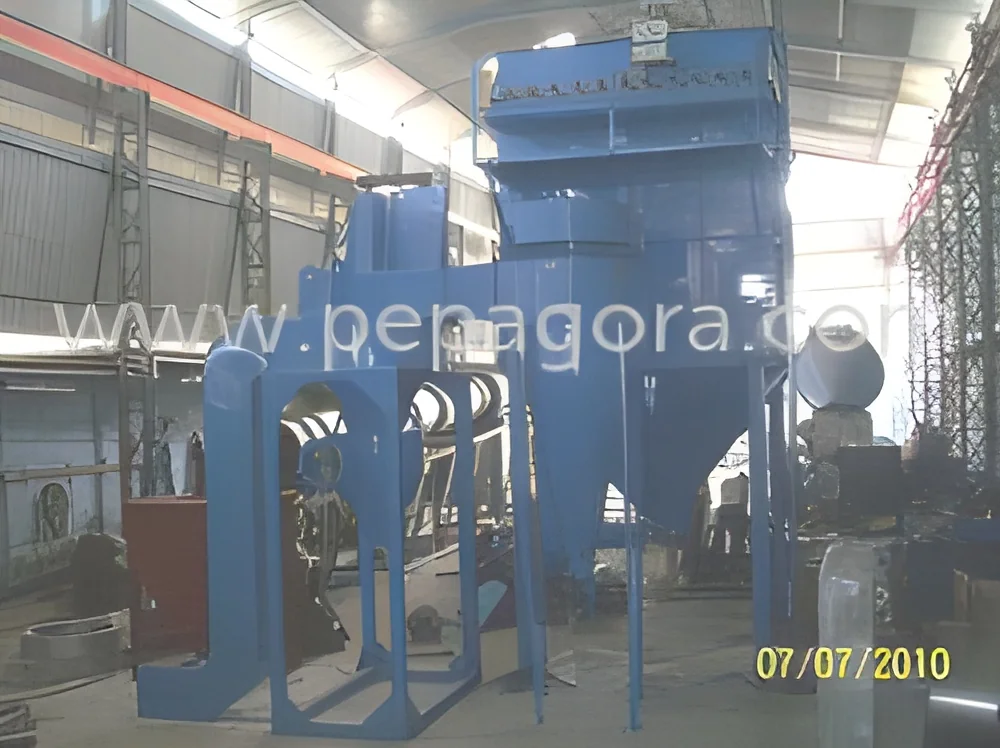
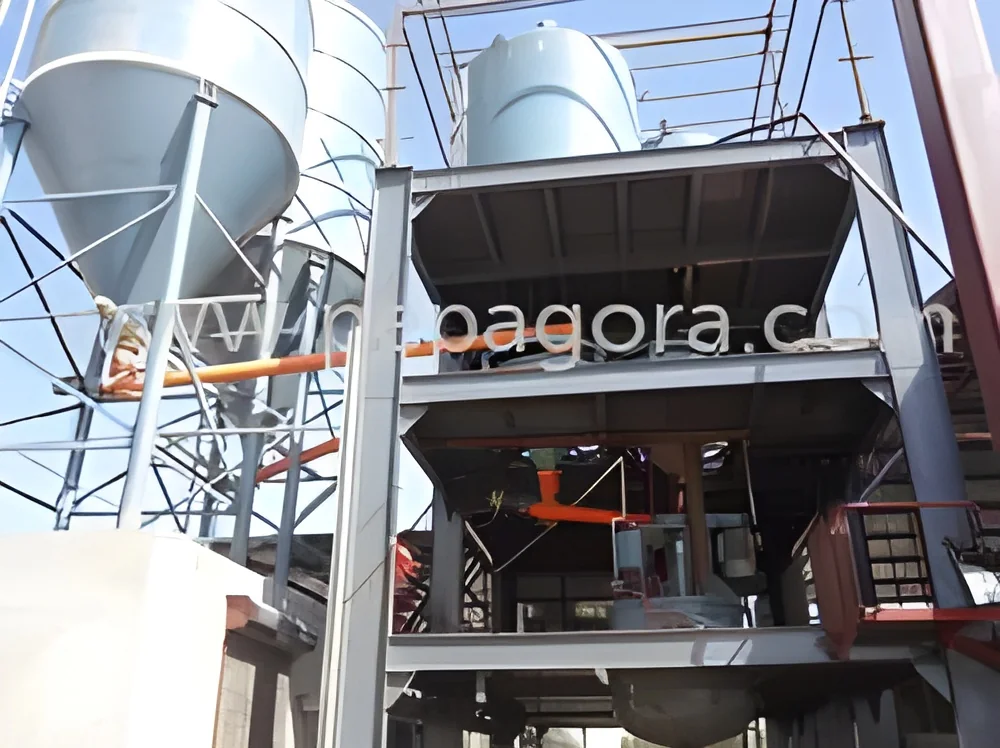
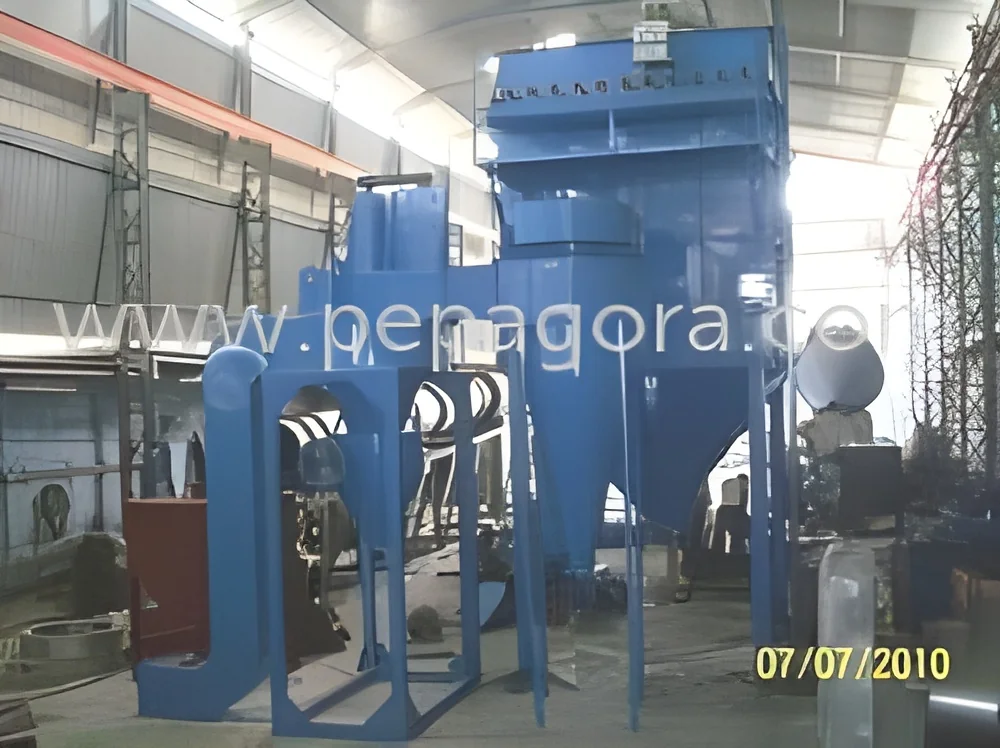
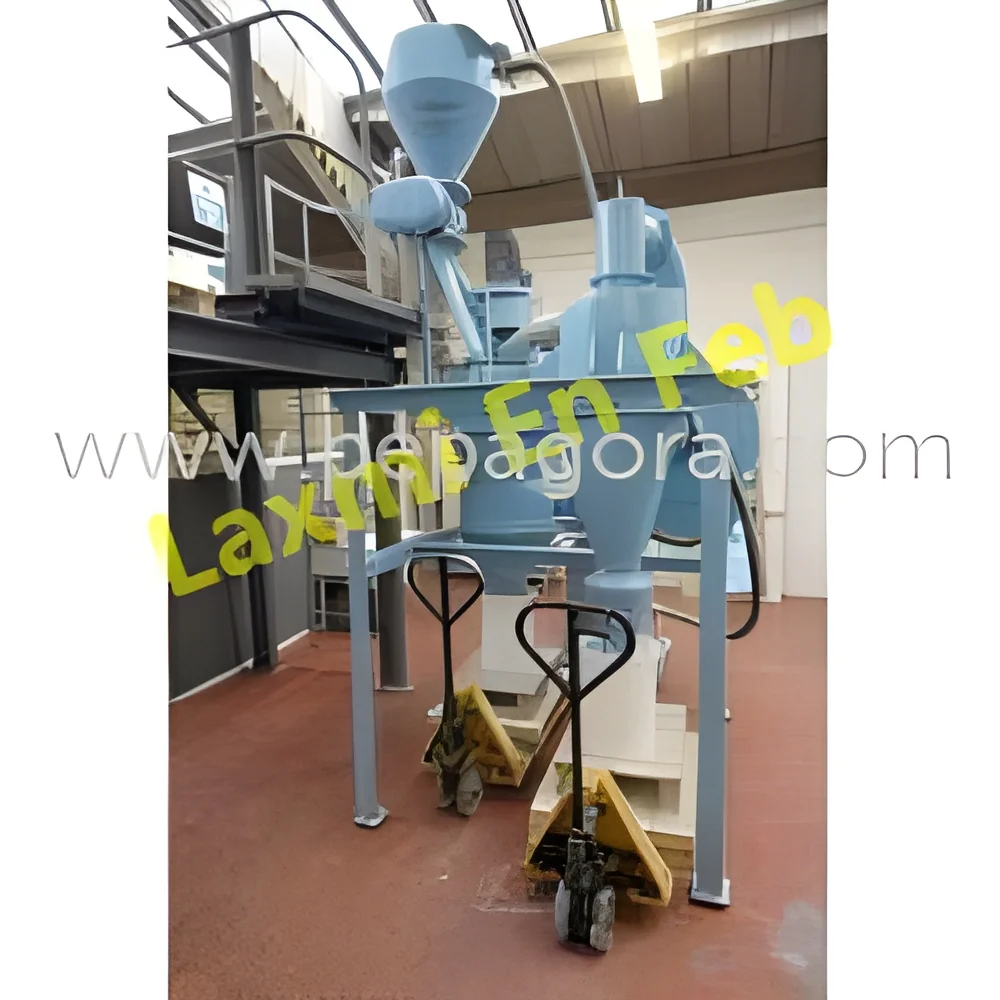
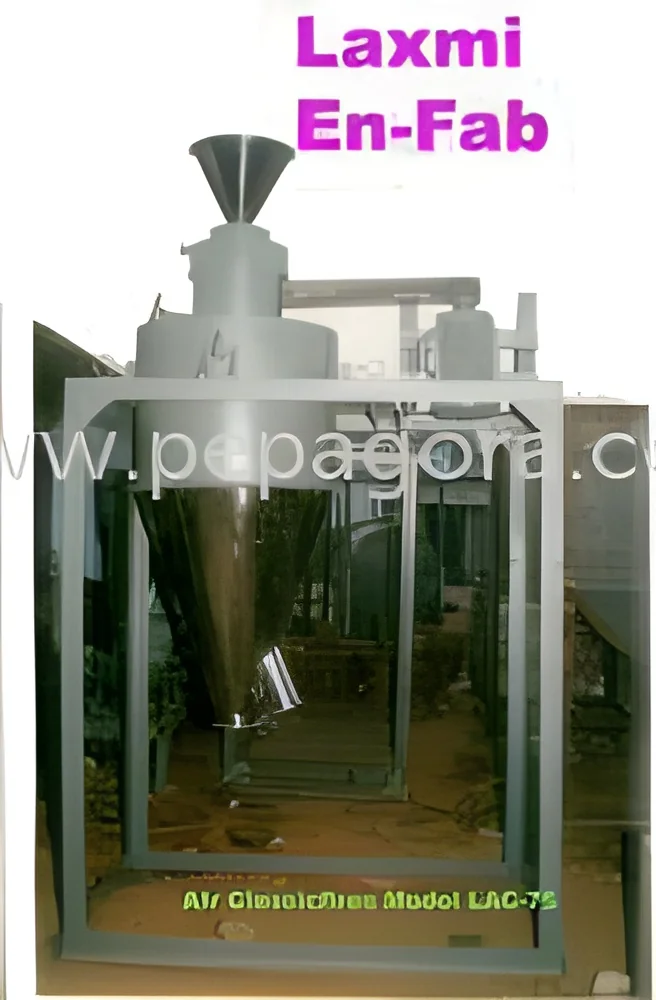
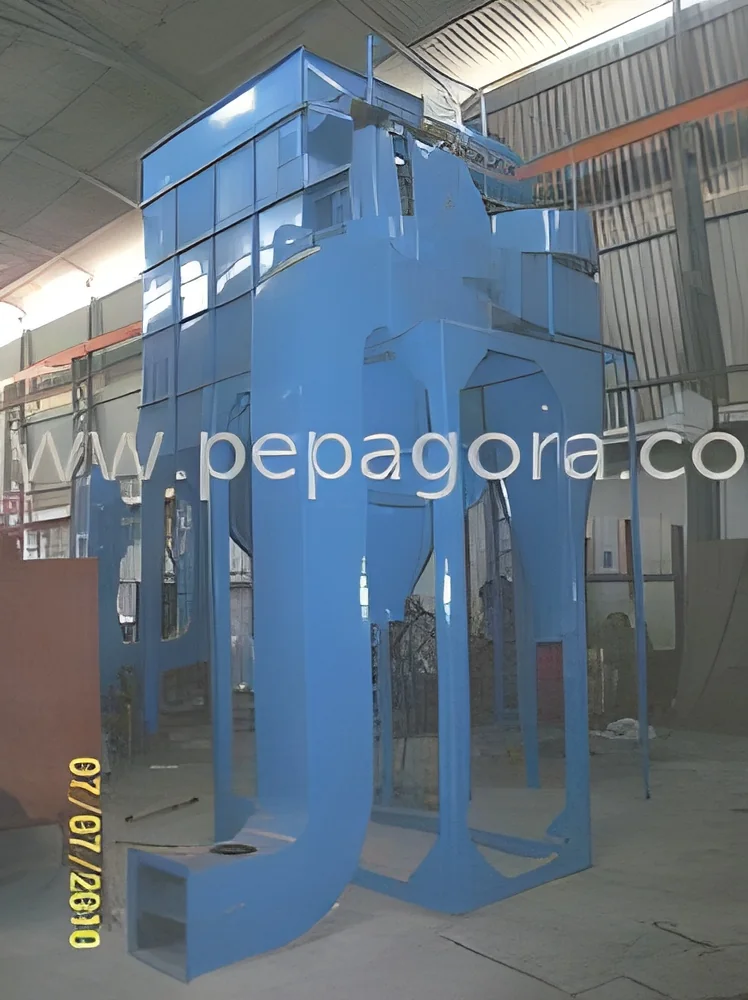
Industrial air classifiers represent advanced dry powder separation technology designed for precise particle size classification in demanding industrial environments. These systems employ controlled airflow and centrifugal force principles to separate materials based on size and density differences, ensuring consistent output quality and reliable performance. Engineered with durability as a priority, they feature robust construction materials and sophisticated control systems that enable seamless integration into existing production lines. Suitable for continuous operation requirements, these classifiers maintain high efficiency while processing various material types without risk of contamination or product degradation. They stand as the preferred solution for industries demanding accuracy, reliability, and scalability in their classification processes.

These air classification systems find extensive application across numerous industrial sectors due to their versatility and proven e...
Industrial air classifiers represent advanced dry powder separation technology designed for precise particle size classification in demanding industrial environments. These systems employ controlled airflow and centrifugal force principles to separate materials based on size and density differences, ensuring consistent output quality and reliable performance. Engineered with durability as a priority, they feature robust construction materials and sophisticated control systems that enable seamless integration into existing production lines. Suitable for continuous operation requirements, these classifiers maintain high efficiency while processing various material types without risk of contamination or product degradation. They stand as the preferred solution for industries demanding accuracy, reliability, and scalability in their classification processes.

These air classification systems find extensive application across numerous industrial sectors due to their versatility and proven effectiveness. In mining and mineral processing, they handle ores and industrial minerals to achieve desired fineness specifications for downstream applications and value-added products. The chemical industry relies on them for separating pigments, dyes, and specialty chemicals where particle size directly influences product performance characteristics and market value. Agricultural sectors utilize them for refining fertilizers and pesticides to ensure optimal application properties and effectiveness. Construction material producers employ these systems for fly ash classification to enhance concrete quality and performance specifications. Various manufacturing industries also implement these classifiers for precise powder processing where consistency and purity standards are critical for end-product quality.

Investing in industrial air classifiers delivers substantial business value through improved product quality, reduced material waste, and enhanced operational efficiency. These systems provide reliable performance with minimal maintenance requirements, significantly reducing operational downtime and associated costs. Their precision classification capability enables businesses to meet stringent quality standards consistently, enhancing product value and creating competitive advantages in their respective markets. The robust construction and quality components ensure long service life and consistent results, providing excellent return on investment. The operational efficiency translates to lower energy consumption and reduced environmental impact, aligning with modern sustainability goals while maintaining production throughput and quality standards.

Key Features:
- Advanced airflow technology for precise particle size separation and classification
- Robust construction with durable industrial-grade materials for long-term reliability
- Customizable configurations to address specific industry requirements and material characteristics
- Energy-efficient operation with optimized consumption and minimal maintenance needs
- Integrated control systems for straightforward operation and continuous process optimization

Benefits:
- Consistent product quality through precise particle size control and separation
- Reduced operational costs via energy efficiency and minimal maintenance requirements
- Enhanced processing efficiency with reliable continuous operation capabilities
- Long-term reliability through durable construction and quality components
- Flexible adaptation to various materials and production requirements
Specifications
| Additional Information | |
|---|---|
| Country of Origin | India |
Application
Industrial air classifiers deliver precise particle size control for dry powder materials across multiple sectors. These systems utilize advanced airflow technology to separate particles by size and density, ensuring consistent product quality and operational efficiency. They handle diverse materials including minerals, chemicals, and pigments where particle uniformity directly impacts final product performance and characteristics.
These classification systems serve critical roles in mining operations, chemical processing, agricultural production, and construction materials manufacturing. They effectively process ores, fertilizers, dyes, and industrial minerals without moisture or heat sensitivity concerns. The reliable separation capability makes them indispensable for industries requiring strict particle size distribution control for quality assurance and process optimization.
- Mineral processing operations for separating fine ores and industrial minerals to achieve uniform particle size distribution
- Chemical manufacturing facilities classifying powdered chemicals and pigments for consistent reactivity and dispersion
- Construction material production refining fly ash particles to enhance concrete and cement quality
- Agricultural product processing controlling particle distribution in fertilizers and pesticides for optimal application
- Industrial material preparation sorting various powders to meet specific size specifications for downstream processes
Trade Details
| Available Stock | In Stock |
| Sample Availability | No |
Payment Terms
| Payment Terms |
|
Company Profile
Laxmi En-Fab, Gujarat
 Gujarat, India
Gujarat, IndiaManufacturer•Distributor / Wholesaler•Importer / Exporter
Factory Details
Factory SizeBelow 1000 sqm
Annual Production Capacity0
Industrial Air Classifiers For Minerals Chemicals Pigments Separation
Industrial air classifiers provide precise particle size separation for minerals, chemicals, and pigments. Engineered for reliability and efficiency in demanding industrial applications with superior classification performance.
Min. Order Quantity: 1 unit
Shipping
Shipping fee and delivery date to be negotiated. Contact supplier now for more details.
Laxmi En-Fab
 Gujarat, India
Gujarat, IndiaManufacturer