
 IN
Woodworking Machinery
485 products available
𝗪𝗵𝗮𝘁 𝗮𝗿𝗲 𝗪𝗼𝗼𝗱𝘄𝗼𝗿𝗸𝗶𝗻𝗴 𝗠𝗮𝗰𝗵𝗶𝗻𝗲𝗿𝘆?
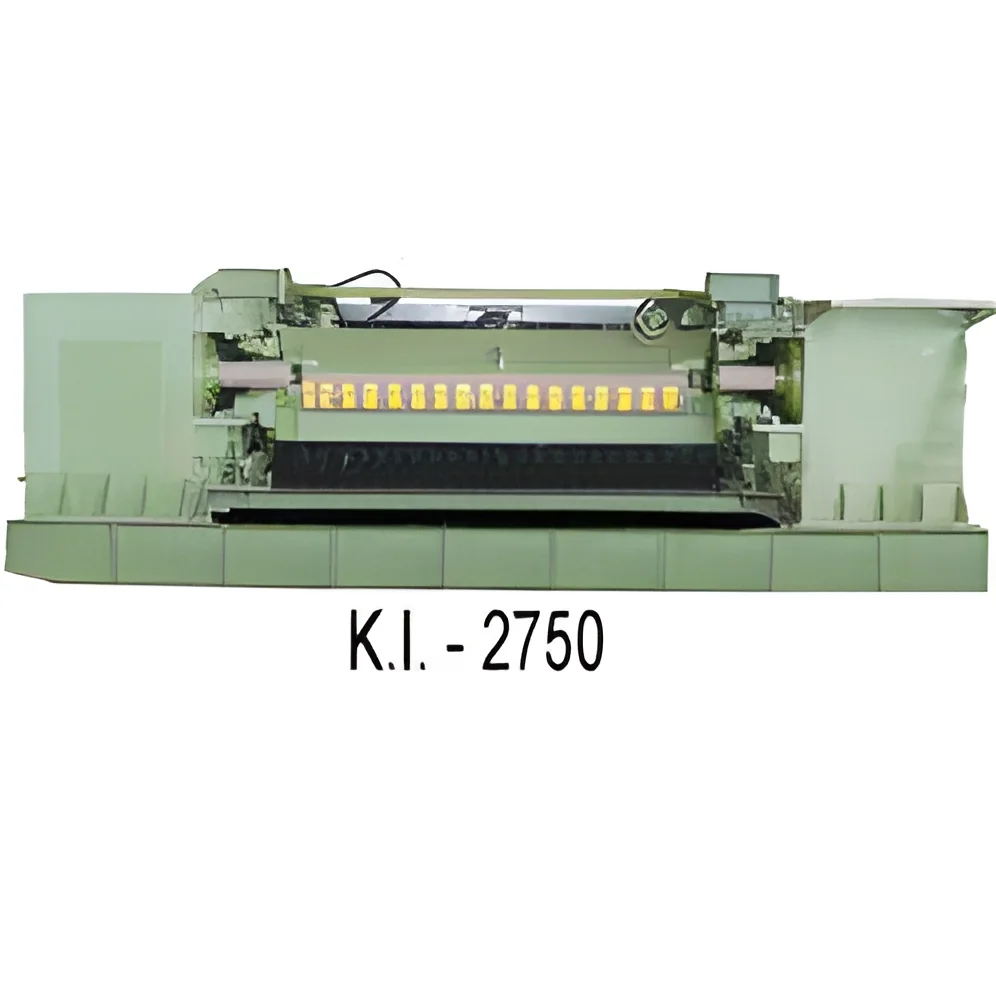
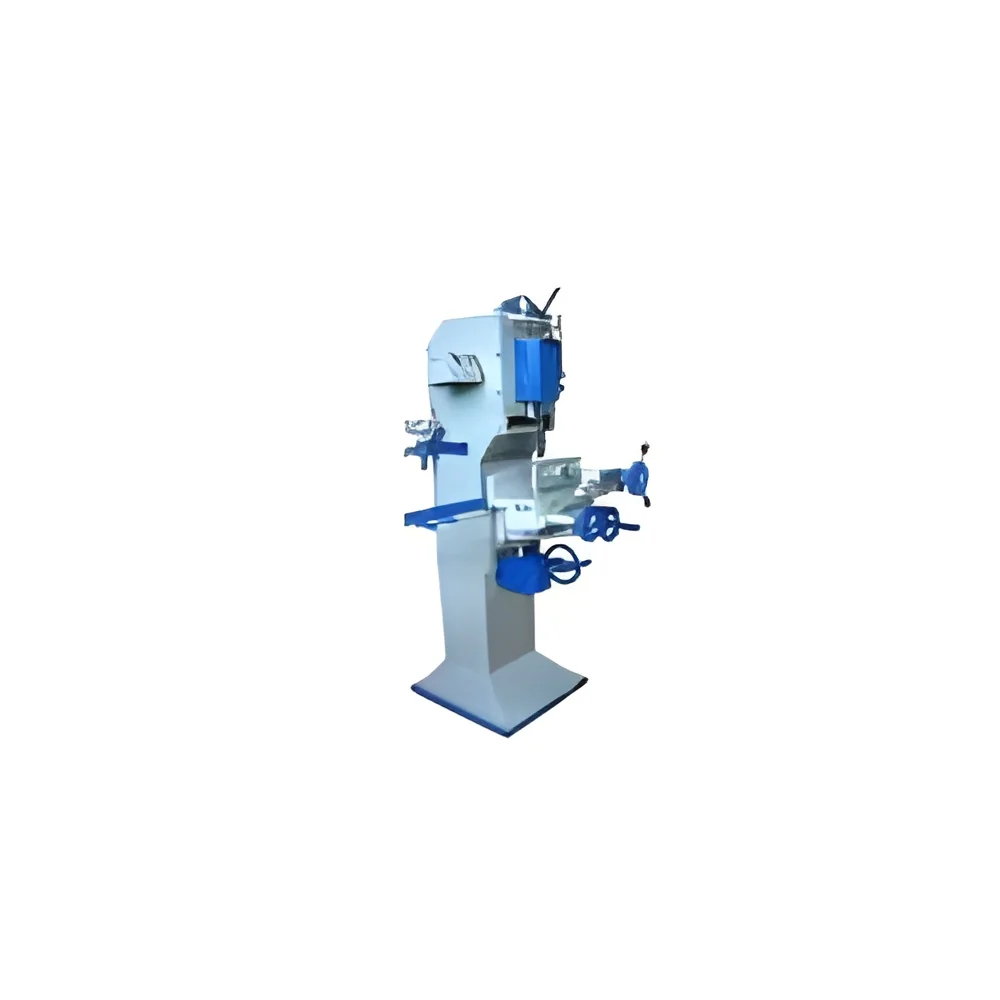
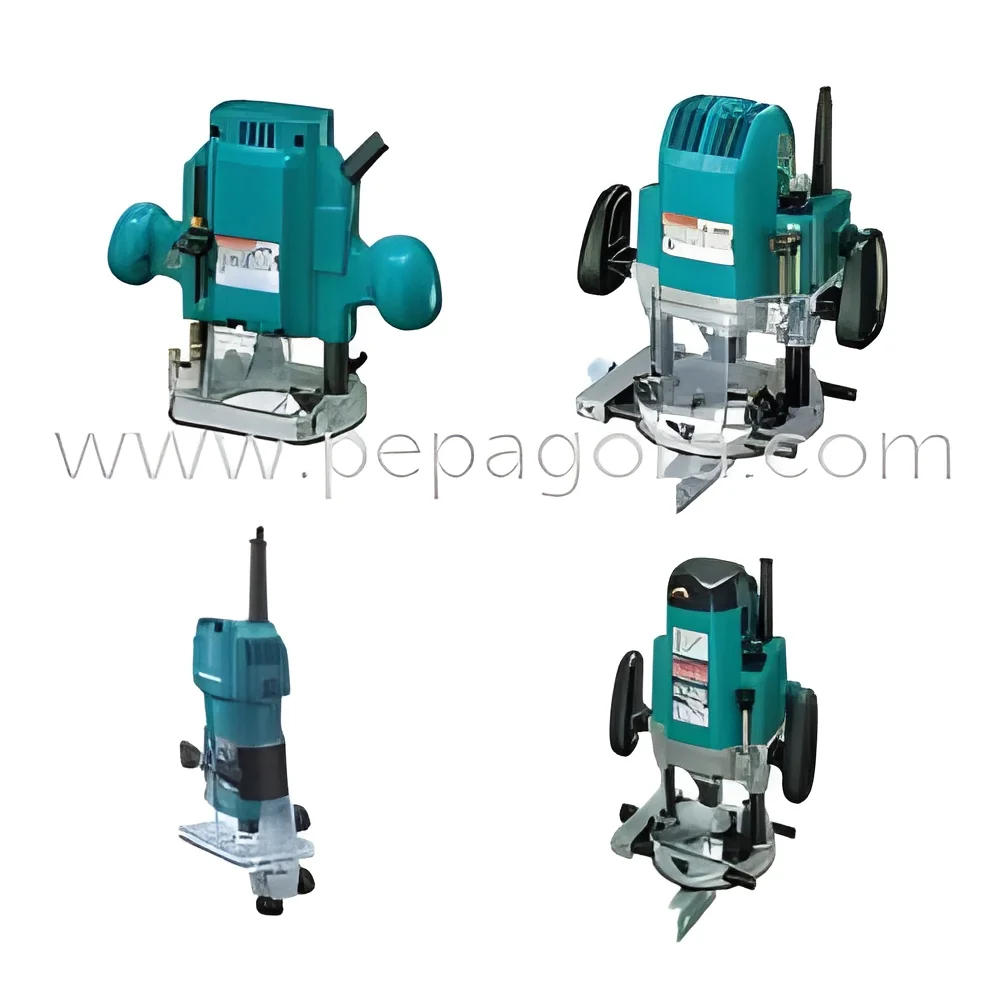
Woodworking machinery encompasses a range of equipment designed for the processing, shaping, and finishing of wood and wood products. This category includes machines such as saws, routers, planers, sanders, and jointers, which are essential for transforming raw timber into finished products. These machines can be either manual or automated, providing various levels of precision and efficiency depending on the requirements of the task at hand.
The primary applications of woodworking machinery span multiple sectors, including furniture manufacturing, cabinetry, flooring, and construction. Businesses utilize these machines to cut, shape, and assemble wood components with precision. Additionally, woodworking machinery plays a crucial role in the production of intricate designs and custom pieces that meet specific client needs. In an ever-competitive market, the ability to produce high-quality wood products efficiently is vital for businesses aiming to maintain a competitive edge.
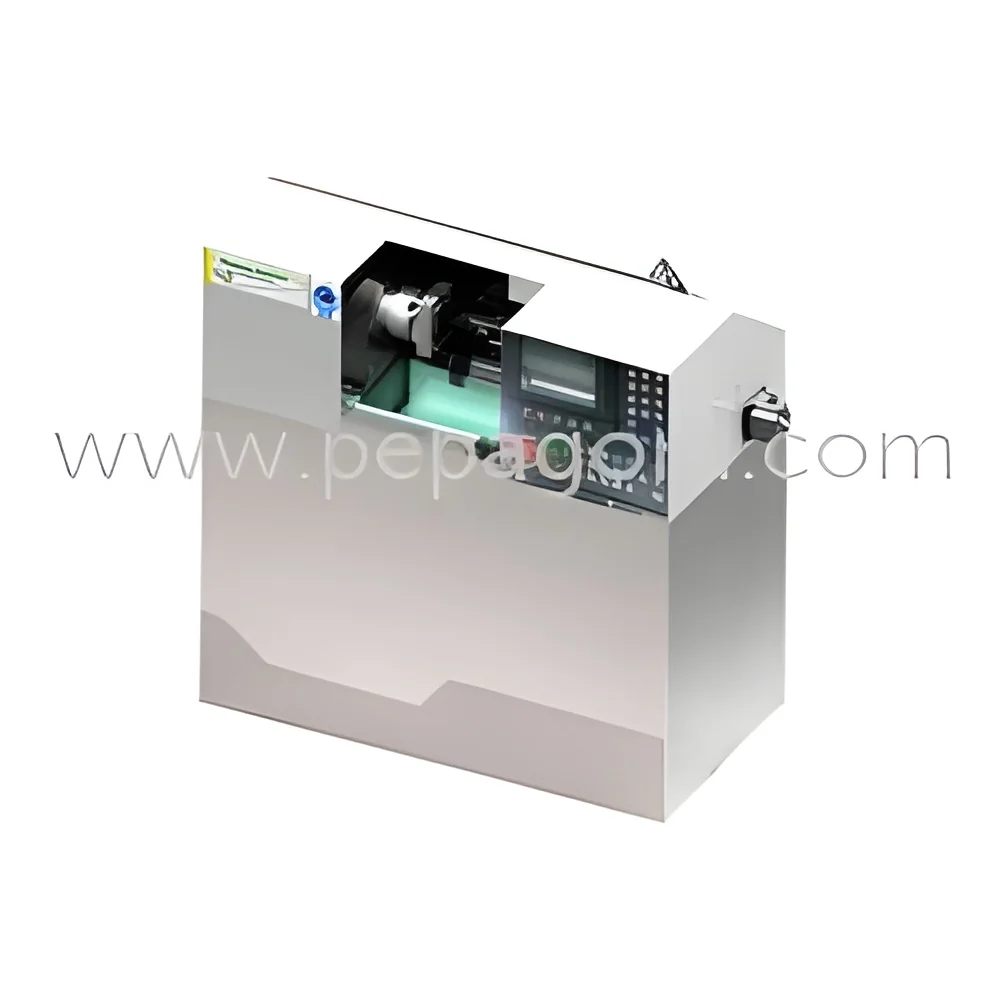
As the woodworking industry continues to evolve, the demand for advanced machinery that enhances productivity and reduces waste has increased. Innovations in technology, such as CNC (Computer Numerical Control) machinery, have transformed traditional woodworking practices, enabling more complex and detailed craftsmanship. The market for woodworking machinery is robust, driven by both established manufacturers and emerging companies seeking to meet the growing demand for high-quality wood products.
𝗞𝗲𝘆 𝗙𝗲𝗮𝘁𝘂𝗿𝗲𝘀 𝗮𝗻𝗱 𝗦𝗽𝗲𝗰𝗶𝗳𝗶𝗰𝗮𝘁𝗶𝗼𝗻𝘀
Woodworking machinery is characterized by several key features and specifications that define its performance and suitability for various applications. Understanding these specifications is crucial for buyers looking to invest in equipment that meets their operational needs.
Key specifications include:
1. Power Rating
- Typically measured in horsepower (HP) or kilowatts (kW)
- Determines the machine's capacity to handle different materials
2. Cutting Speed
- Measured in revolutions per minute (RPM) or meters per minute (m/min)
- Affects the efficiency and quality of cuts made by the machinery
3. Feed Rate
- The speed at which the material is fed into the machine
- Important for achieving desired finishes and ensuring productivity
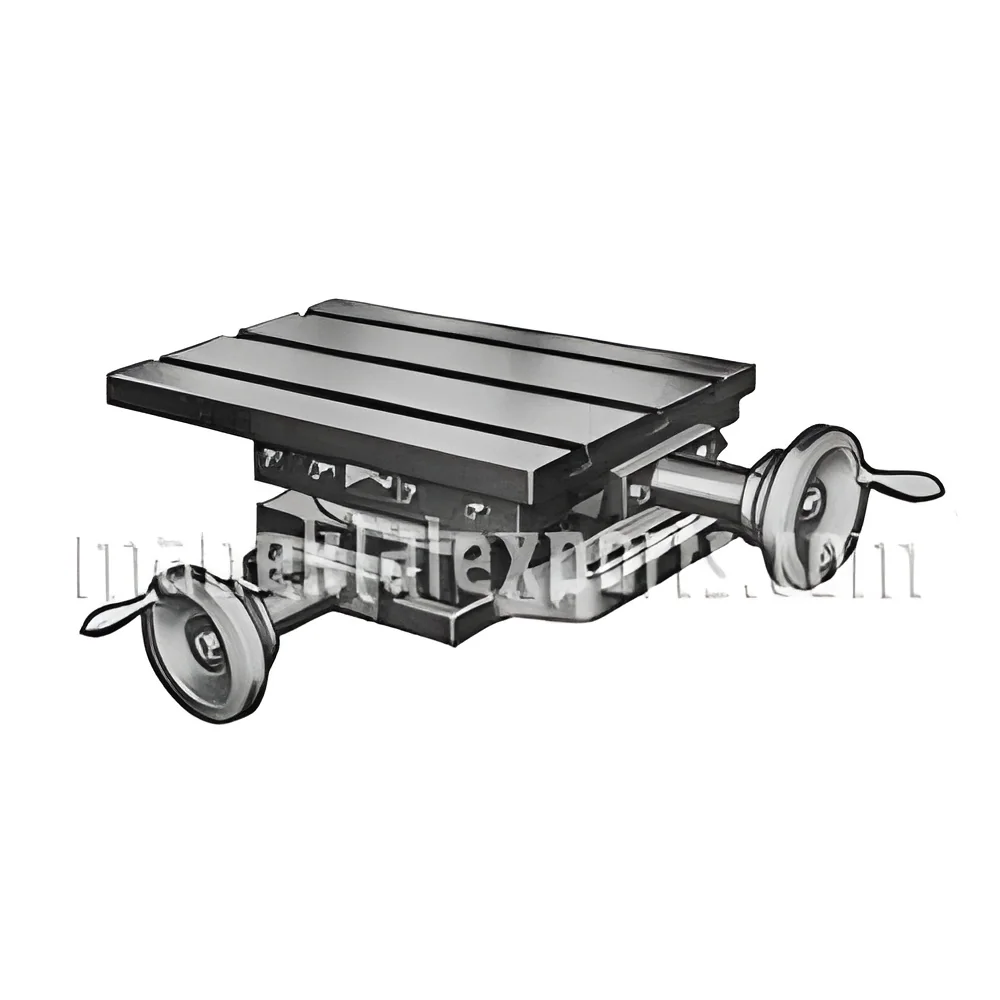
4. Table Size
- Dimensions of the machine's worktable
- Impacts the size of the materials that can be processed
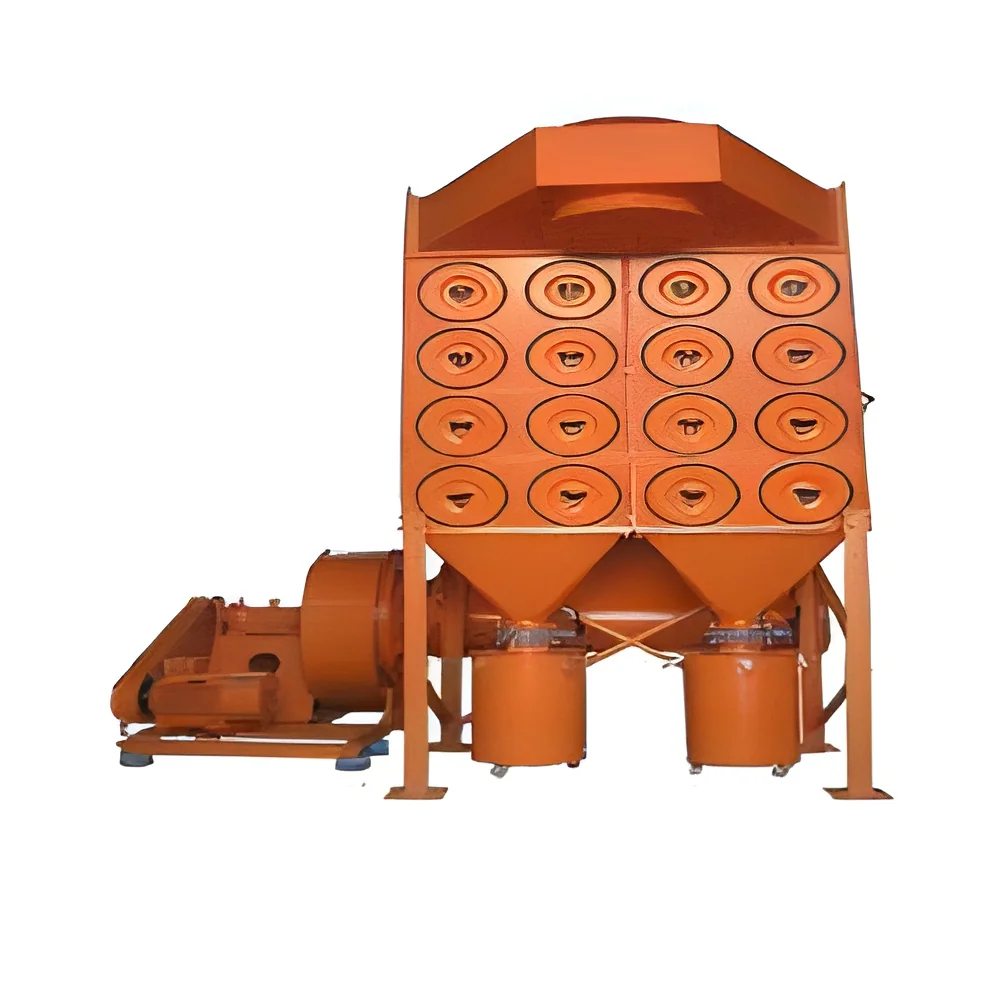
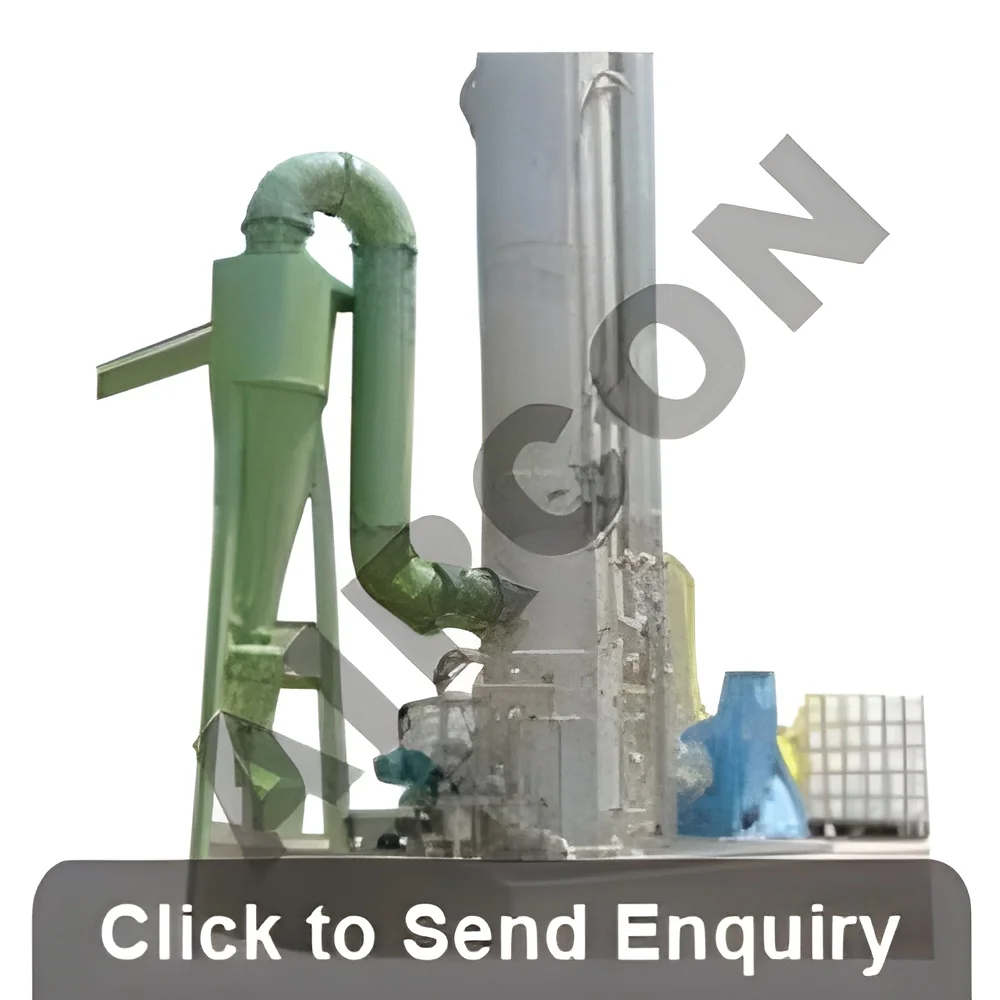
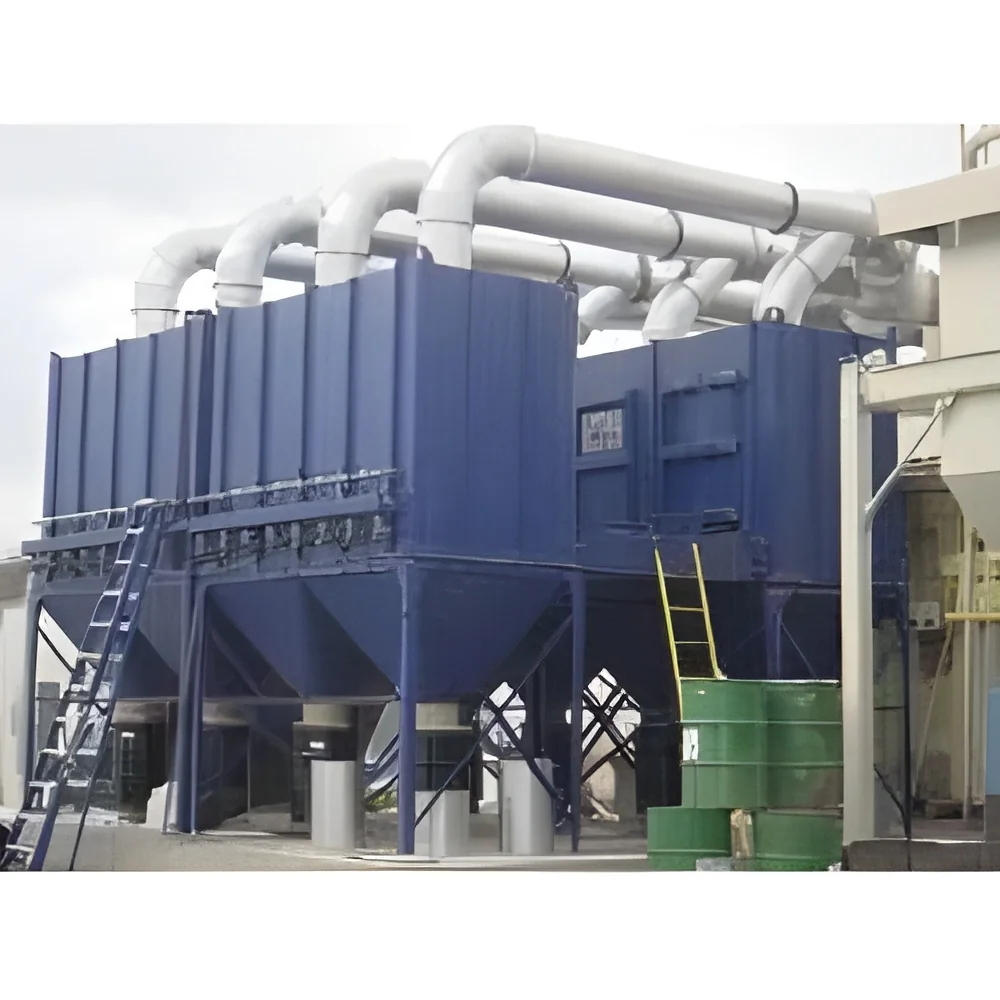
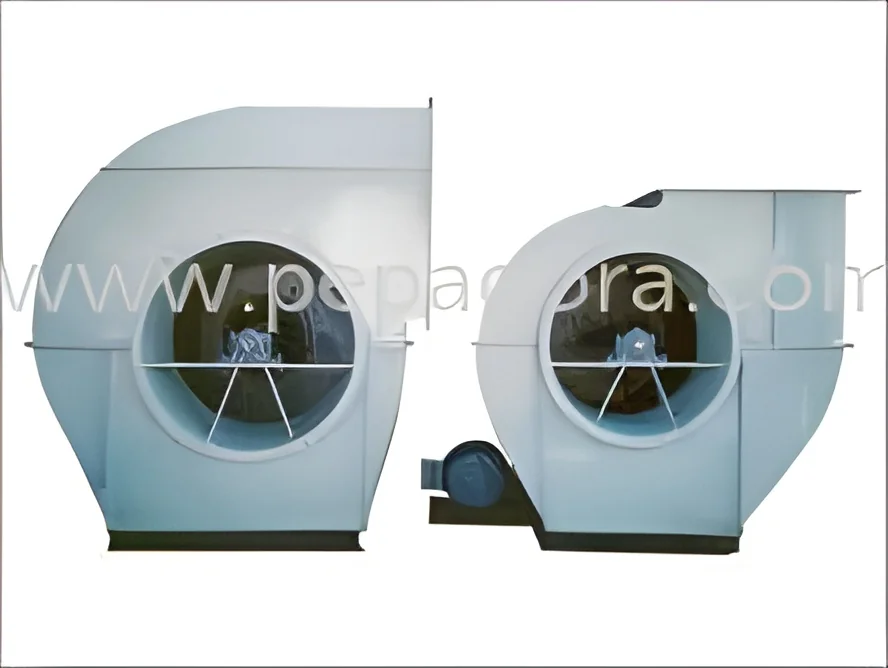
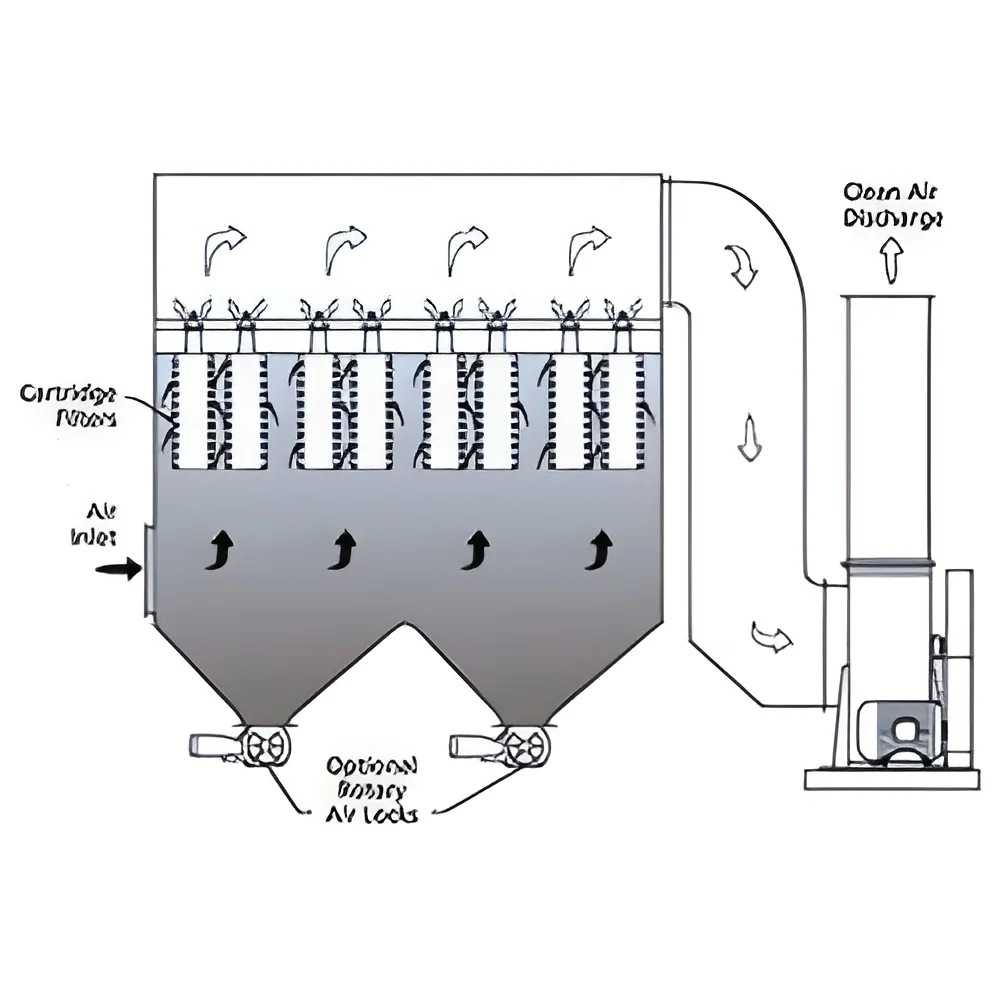
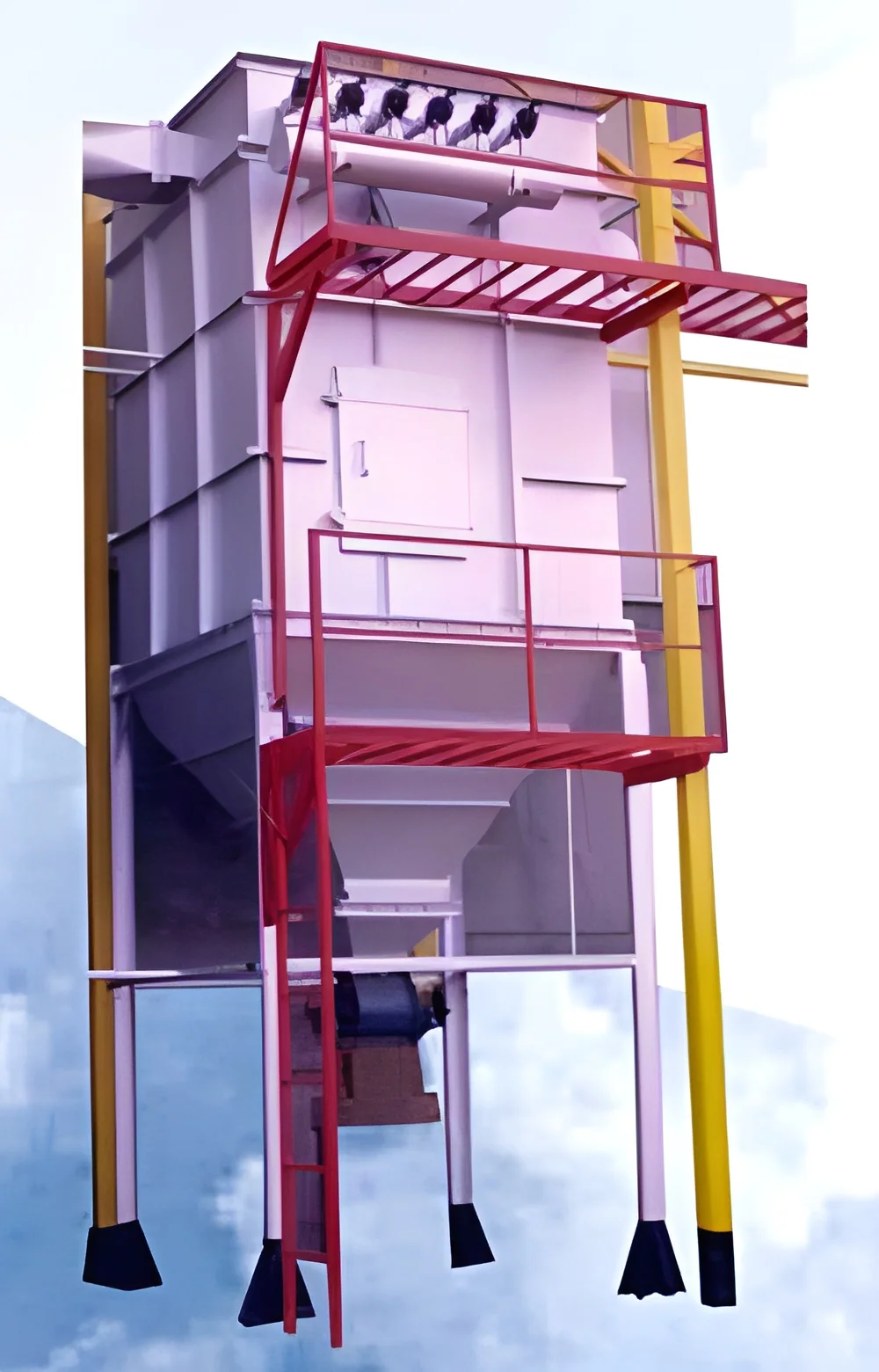
5. Dust Collection System
- Features that facilitate the removal of wood dust
- Enhances workplace safety and cleanliness
6. Safety Features
- Includes emergency shut-off switches and guards
- Essential for operator safety during machine operation
7. Control Type
- Manual, semi-automatic, or fully automatic controls
- Affects ease of use and precision in operations
8. Material Compatibility
- Types of wood and composites the machine can process
- Critical for ensuring versatility in applications
In summary, understanding these key features and specifications helps buyers select the right woodworking machinery for their specific needs, ensuring optimal performance and efficiency.
𝗖𝗼𝗺𝗺𝗼𝗻 𝗔𝗽𝗽𝗹𝗶𝗰𝗮𝘁𝗶𝗼𝗻𝘀 𝗮𝗻𝗱 𝗨𝘀𝗲 𝗖𝗮𝘀𝗲𝘀
Woodworking machinery serves a wide array of industries, each with unique demands and applications.
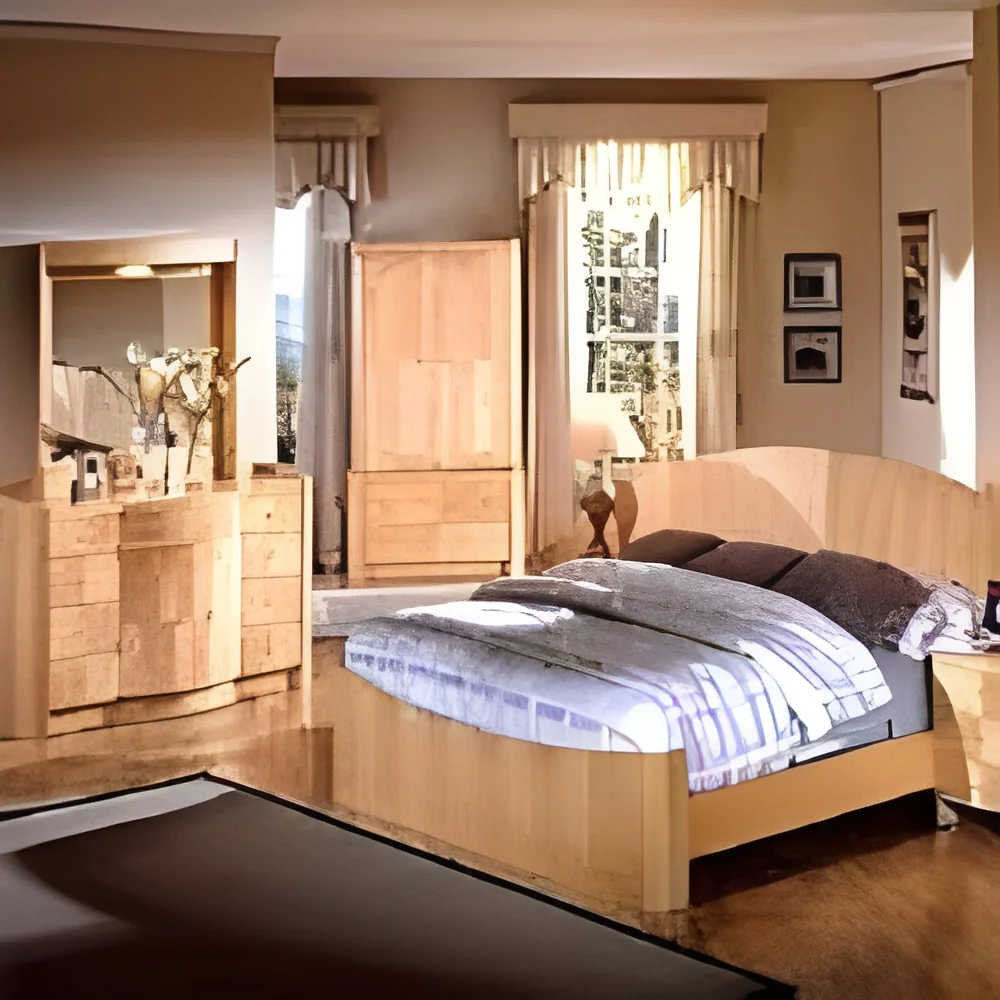
1. Furniture Manufacturing: Woodworking machinery is extensively used in the production of various furniture pieces, including tables, chairs, and cabinets. Precision cutting and shaping are essential to meet design specifications and quality standards.
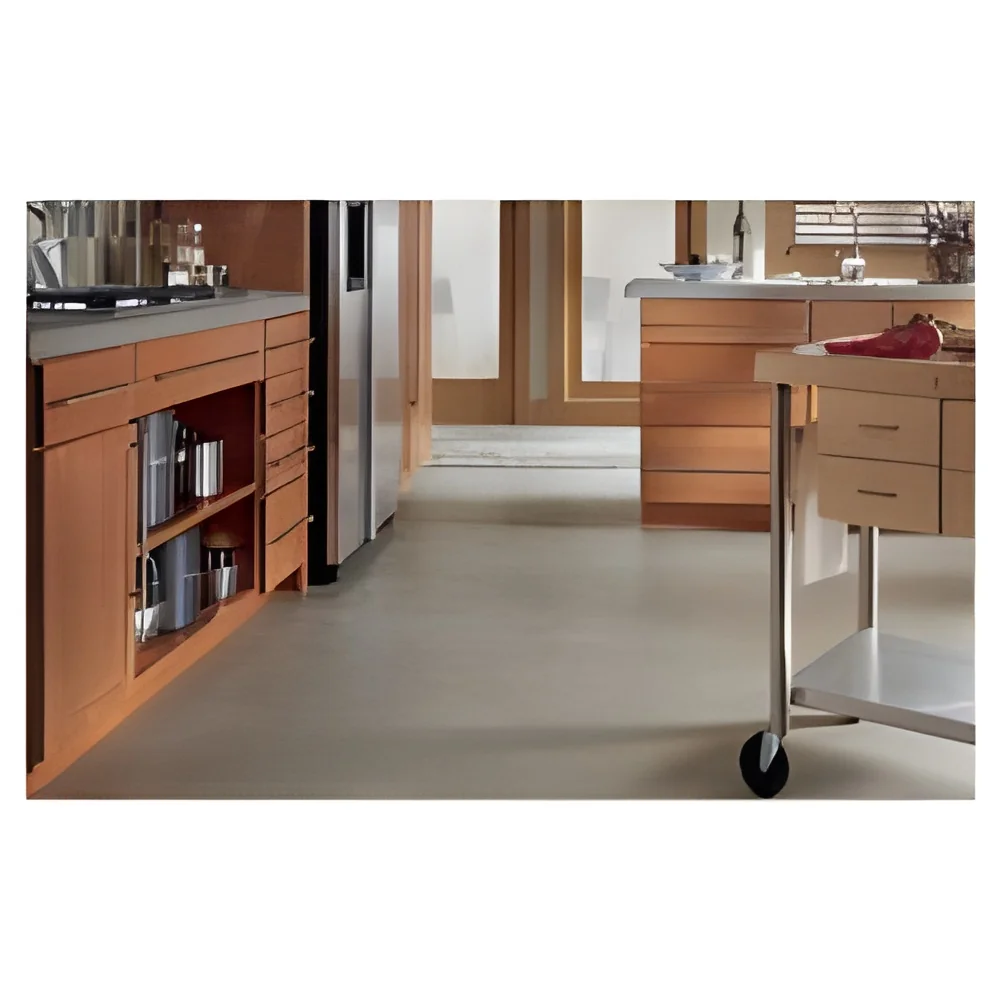
2. Cabinetry: In cabinetry, woodworking machinery helps create custom units for kitchens and bathrooms. Machines tailor components to fit exact measurements, ensuring a seamless installation.
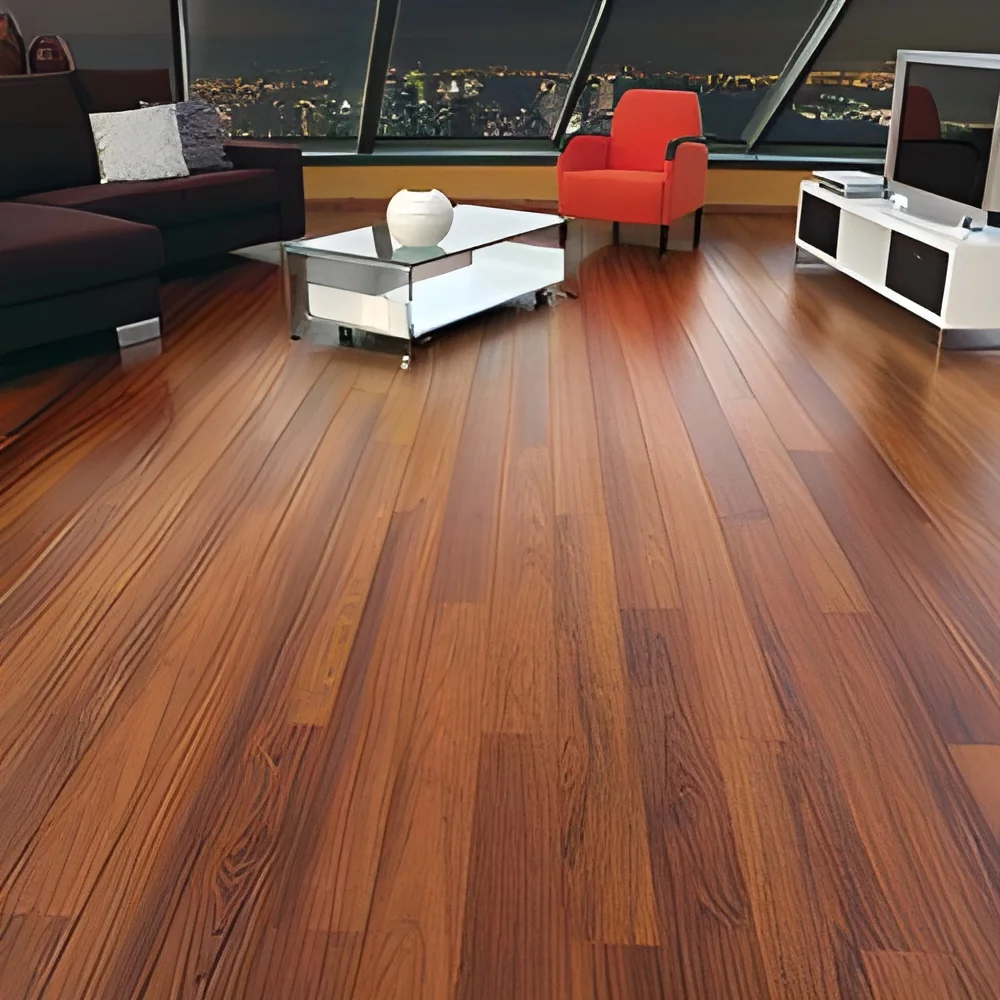
3. Flooring: The flooring industry utilizes woodworking machinery for cutting and finishing wooden planks used in residential and commercial flooring. Machines ensure consistent quality and efficient production rates.
4. Construction: In the construction sector, woodworking machinery assists in creating wooden structures, frames, and moldings. Reliable equipment is crucial for maintaining project timelines and quality.
5. Musical Instruments: Specialized woodworking machinery is employed in crafting musical instruments, such as guitars and pianos. Precision is key to achieving the desired sound quality.
6. Boat Building: The marine industry uses woodworking machinery to shape and assemble wooden components for boats. Durability and precision are vital for safety and performance.
7. Musical Instruments: Specialized woodworking machinery is employed in crafting musical instruments, such as guitars and pianos. Precision is key to achieving the desired sound quality.
𝗣𝗿𝗼𝗱𝘂𝗰𝘁 𝗩𝗮𝗿𝗶𝗮𝗻𝘁𝘀 𝗮𝗻𝗱 𝗦𝘂𝗯𝗰𝗮𝘁𝗲𝗴𝗼𝗿𝗶𝗲𝘀
Woodworking machinery is diverse, with various variants tailored to specific functions and industries.
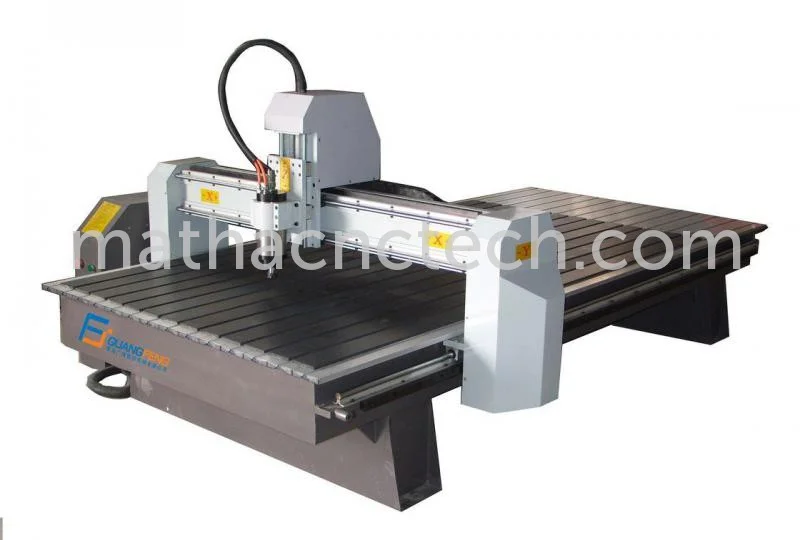
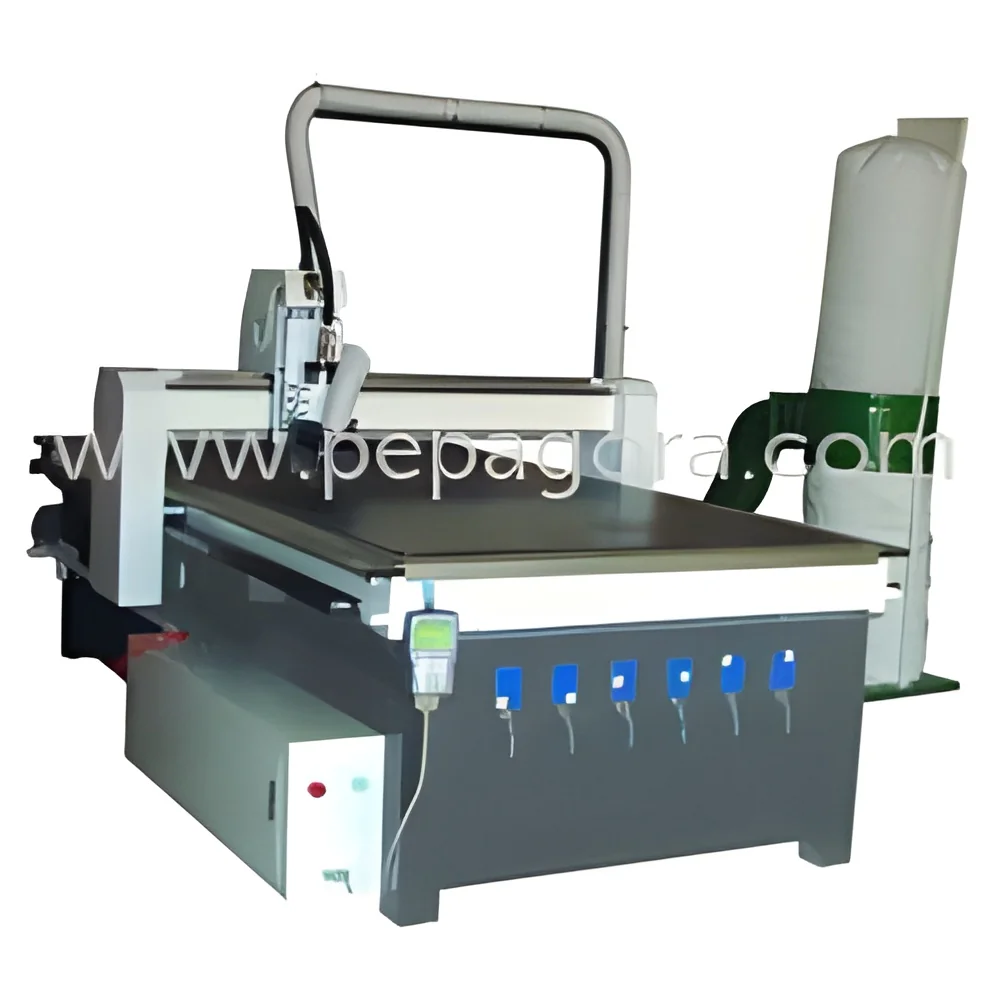
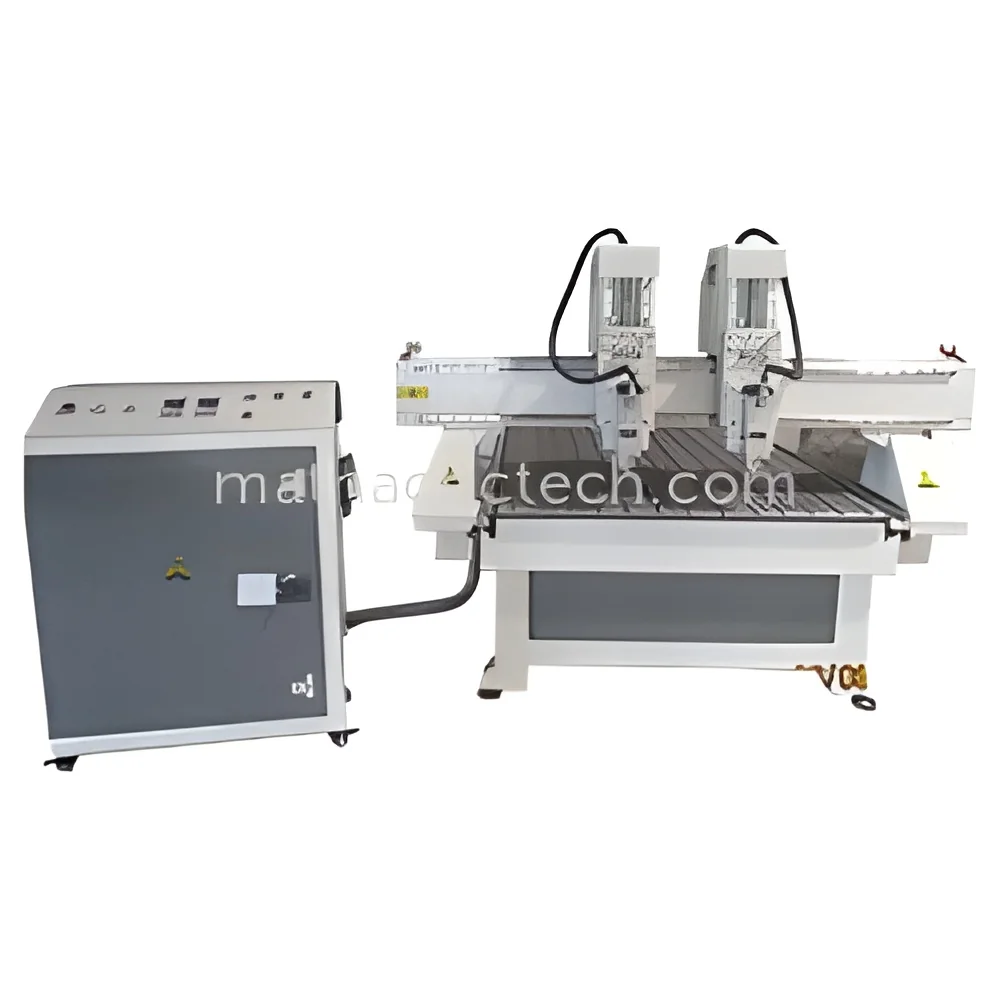
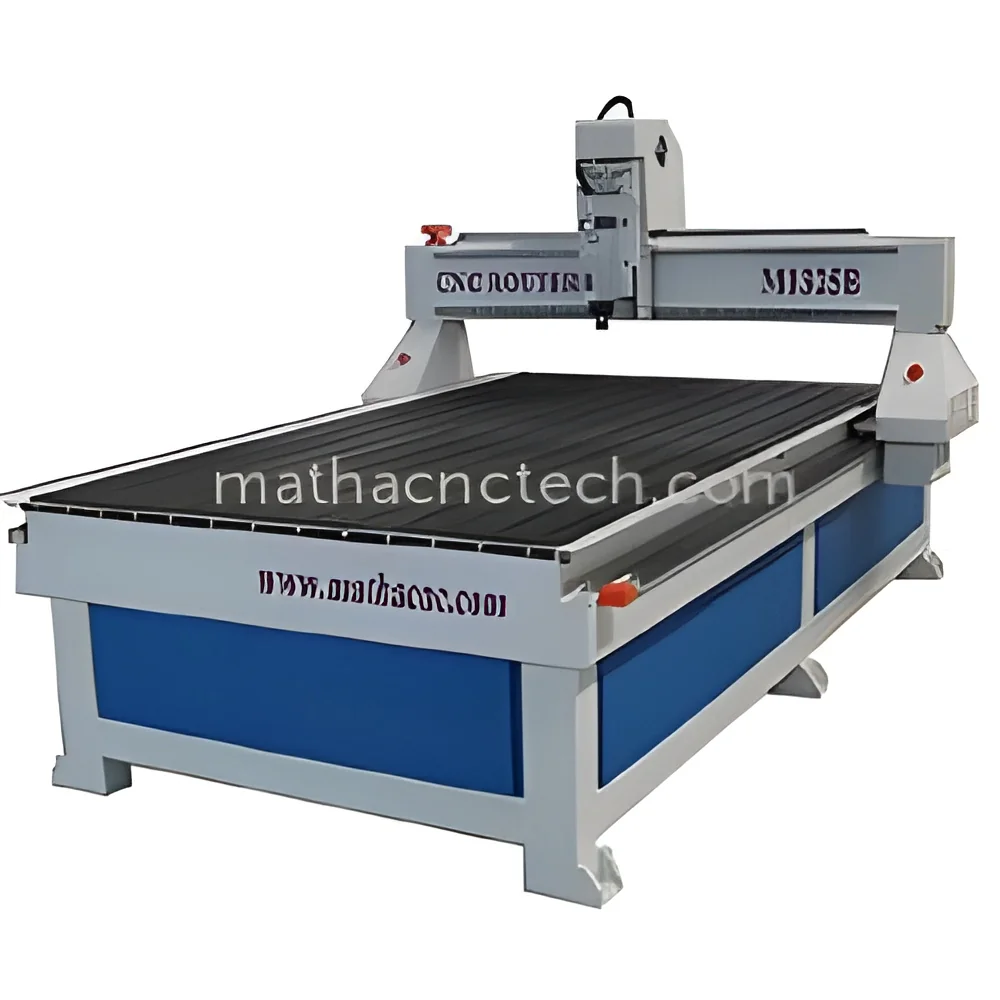
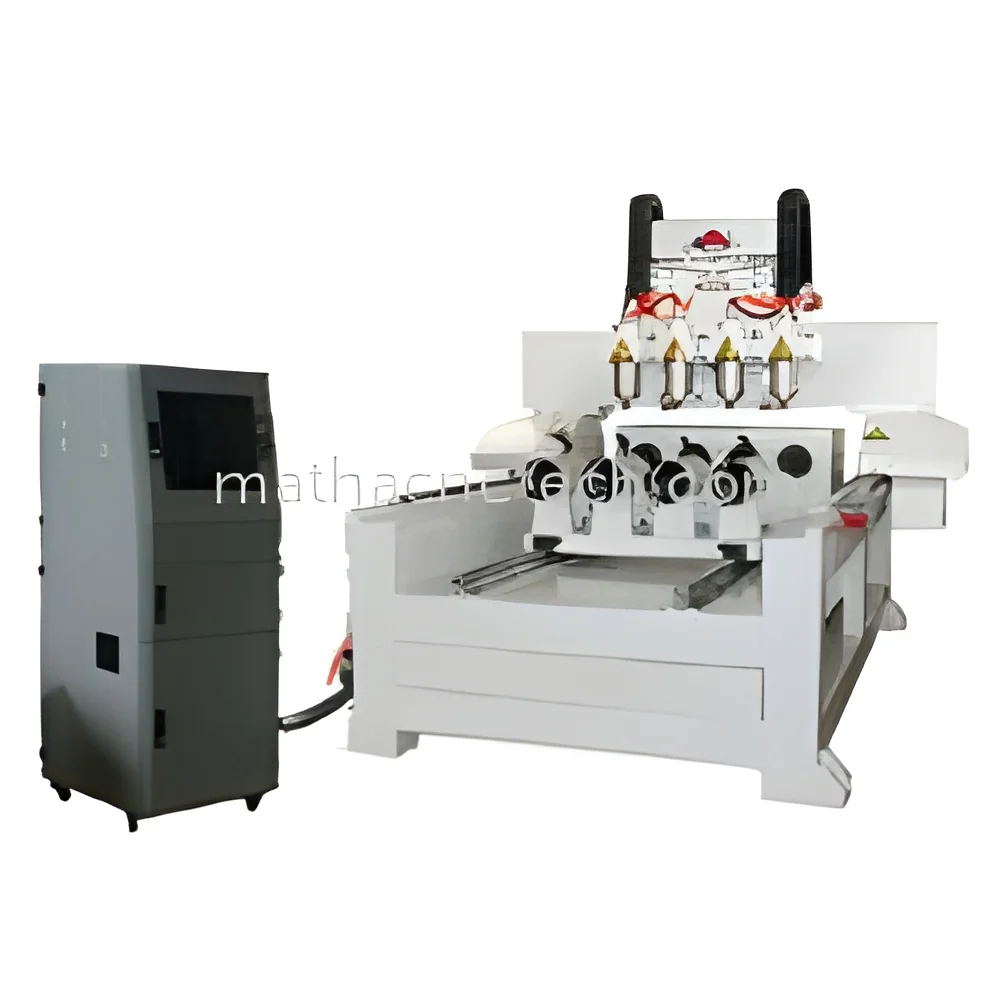
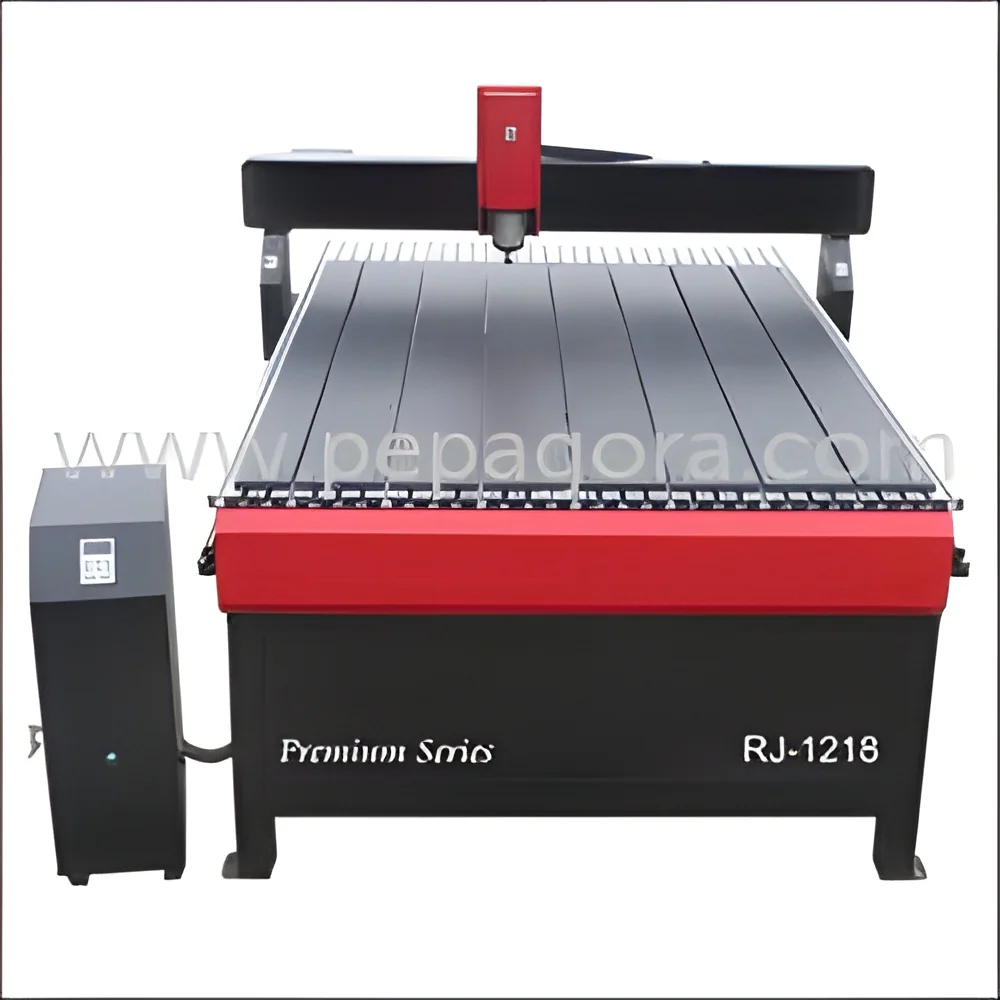
CNC Routers
CNC routers use computer control to cut and shape wood with high precision. They are ideal for intricate designs and are widely used in custom cabinetry and furniture making.
Planers
Planers are designed to smooth and flatten wood surfaces. They are essential in preparing lumber for further processing, ensuring a uniform thickness and finish.
Saws
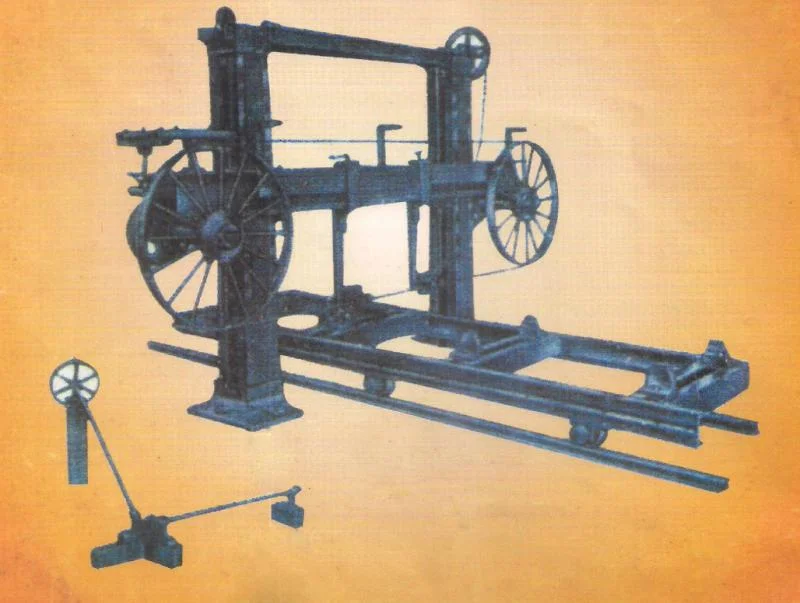
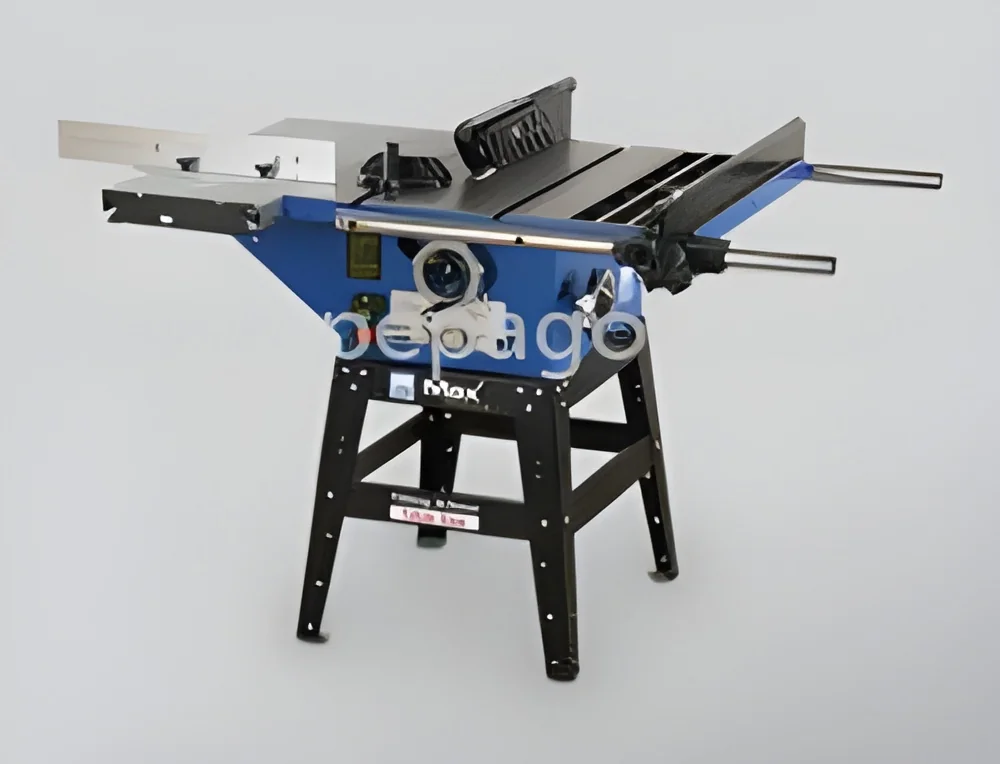
Different types of saws, including table saws and band saws, are used for cutting wood into desired shapes and sizes. They are fundamental in almost all woodworking applications.
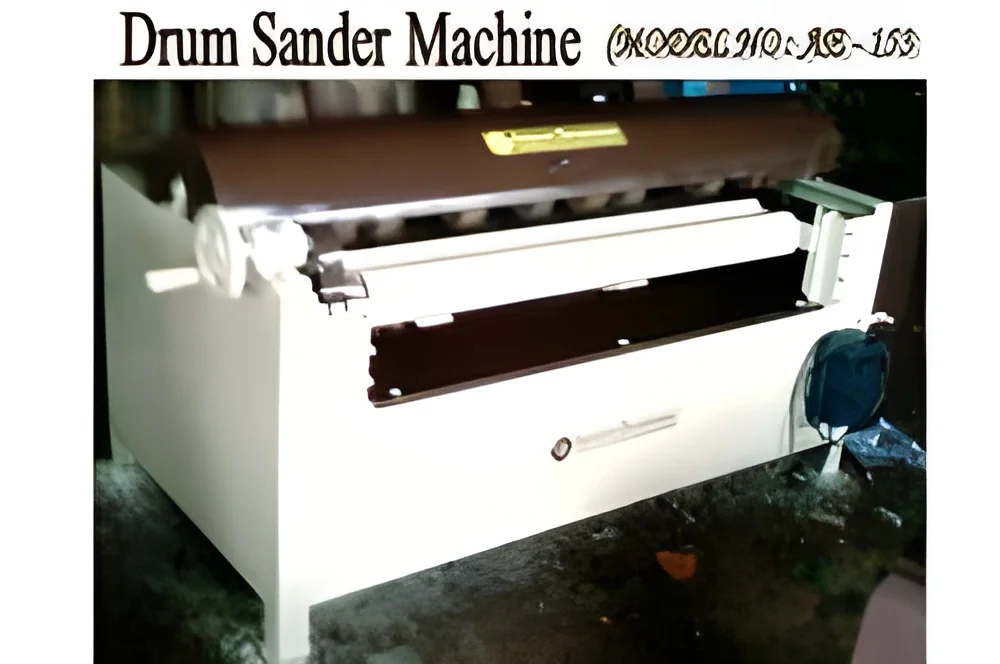
Sanders
Sanders are used to smooth surfaces and prepare wood for finishing. They come in various forms, including belt sanders and orbital sanders, catering to different sanding tasks.
𝗕𝗲𝗻𝗲𝗳𝗶𝘁𝘀 𝗮𝗻𝗱 𝗔𝗱𝘃𝗮𝗻𝘁𝗮𝗴𝗲𝘀
Investing in woodworking machinery offers numerous benefits for businesses looking to enhance their operations.
Key benefits include:
1. Increased Efficiency: Advanced machinery significantly reduces production time, allowing businesses to meet higher demand without compromising quality.
2. Improved Precision: Modern woodworking machinery provides high levels of accuracy, ensuring consistent quality in finished products.
3. Enhanced Safety: Many machines come with built-in safety features that protect operators and reduce the risk of accidents.
4. Versatility: With various attachments and settings, woodworking machinery can handle multiple tasks, enabling businesses to diversify their offerings.
5. Cost Savings: Automating processes with machinery can lower labor costs and reduce material waste, contributing to overall savings.
6. Scalability: Businesses can scale their operations more easily with the right machinery, adapting to market changes and customer demands.
𝗕𝘂𝘆𝗶𝗻𝗴 𝗚𝘂𝗶𝗱𝗲 𝗳𝗼𝗿 𝗕𝟮𝗕 𝗕𝘂𝘆𝗲𝗿𝘀
When sourcing woodworking machinery, it's essential to consider several factors to ensure a successful purchase.
1. Quality Assessment: Evaluate the build quality, durability, and reliability of the machinery. Look for reviews and feedback from other buyers to gauge performance.
2. Supplier Verification: Vet potential suppliers by checking their reputation, certifications, and customer service records. A reliable supplier can provide ongoing support and service.
3. Pricing and MOQ: Understand the pricing structure and minimum order quantities (MOQ) required by suppliers. This can affect budget planning and inventory management.
4. Delivery and Lead Times: Inquire about delivery timelines and logistics to ensure machinery arrives when needed. Delays can impact production schedules.
5. Compliance Requirements: Familiarize yourself with any regulatory standards that apply to woodworking machinery in your region, ensuring that your purchase meets necessary compliance.
𝗖𝗼𝗺𝗽𝗹𝗶𝗮𝗻𝗰𝗲 𝗮𝗻𝗱 𝗖𝗲𝗿𝘁𝗶𝗳𝗶𝗰𝗮𝘁𝗶𝗼𝗻𝘀
Woodworking machinery must adhere to various compliance and certification standards to ensure safety and quality.
Relevant quality standards include ISO 9001, which ensures consistent quality management systems. Additional standards such as HACCP and GDP may apply based on specific industry needs.
Industry certifications like CE indicate that the machinery meets European safety and environmental requirements. This is important for businesses aiming to operate within regulated markets.
Safety and testing requirements are crucial, as machinery must be rigorously tested to protect operators and ensure safe operation. Regional compliance considerations may also vary, so it is essential to understand the specific regulations that apply to your location.
𝗪𝗵𝘆 𝗦𝗼𝘂𝗿𝗰𝗲 𝗪𝗼𝗼𝗱𝘄𝗼𝗿𝗸𝗶𝗻𝗴 𝗠𝗮𝗰𝗵𝗶𝗻𝗲𝗿𝘆 𝗳𝗿𝗼𝗺 𝗣𝗲𝗽𝗮𝗴𝗼𝗿𝗮?
Pepagora offers a trusted platform for sourcing woodworking machinery, providing several key advantages for B2B buyers.
Verified Supplier Network: Pepagora connects buyers with a network of verified suppliers, ensuring that all listed vendors adhere to stringent quality and reliability standards. This helps buyers make informed purchasing decisions.
Streamlined RFQ Process: The platform simplifies the request for quotation (RFQ) process, allowing buyers to easily compare prices and specifications from multiple suppliers. This efficiency saves time and effort in sourcing.
Trade Assurance and Support: Buyers benefit from trade assurance programs that safeguard their purchases, providing protection against potential disputes. Pepagora's dedicated support team is available to assist with any issues that may arise during the procurement process.
Regional Coverage: Pepagora has a wide geographic reach, covering markets in India, the GCC, and Southeast Asia. This extensive network allows buyers to access a diverse range of woodworking machinery options tailored to their regional needs.












Frequently Asked Questions
What are Woodworking Machinery?
Woodworking machinery refers to the various machines and tools used in the process of woodworking. These machines help in cutting, shaping, and assembling wood into finished products, improving efficiency and precision in woodworking tasks.
What are the different types of Woodworking Machinery?
There are several types of woodworking machinery, including saws, planers, routers, lathes, and sanders. Each type serves a specific purpose, such as cutting, shaping, or finishing wood, and is essential for various woodworking projects.
How do I choose the right Woodworking Machinery?
Choosing the right woodworking machinery involves considering the specific requirements of your projects, the type of wood you will be working with, and your budget. It is also important to evaluate machine specifications, durability, and user reviews to ensure you make an informed decision.
What are the standard specifications for Woodworking Machinery?
Standard specifications for woodworking machinery can vary by type but typically include power rating, cutting capacity, speed settings, and safety features. Additionally, dimensions, weight, and material quality are critical factors that affect performance and usability.
What is the price range for Woodworking Machinery?
The price range for woodworking machinery can vary widely based on the type and specifications of the machine. Generally, prices can start from a few thousand rupees for smaller tools and can go up to several lakhs for industrial-grade equipment.
What quality standards apply to Woodworking Machinery?
Quality standards for woodworking machinery typically include compliance with safety regulations, performance benchmarks, and durability tests. Many manufacturers also adhere to certifications such as ISO to ensure their products meet international quality and safety standards.
Where can I find Woodworking Machinery suppliers in India?
You can find woodworking machinery suppliers in India through various channels, including online B2B marketplaces like Pepagora, trade shows, and industry directories. Researching local manufacturers and distributors can also provide additional options.
Can Woodworking Machinery be customized?
Yes, many manufacturers offer customization options for woodworking machinery to meet specific user requirements. Customization can include modifications in size, features, or additional accessories based on the needs of the woodworking projects.
What is the typical minimum order quantity for Woodworking Machinery?
The typical minimum order quantity (MOQ) for woodworking machinery varies by supplier and machine type. Generally, MOQs can range from one unit for smaller machines to several units for bulk orders of industrial equipment.
What is the typical lead time for Woodworking Machinery?
The typical lead time for woodworking machinery can range from a few weeks to several months, depending on the manufacturer's production capacity and the complexity of the order. It's advisable to confirm lead times with suppliers when placing an order.
Why Businesses Trust Pepagora
Thousands of companies trust Pepagora to source smarter and sell faster
Expand Your Sales Globally

Source Smarter,Grow Faster
