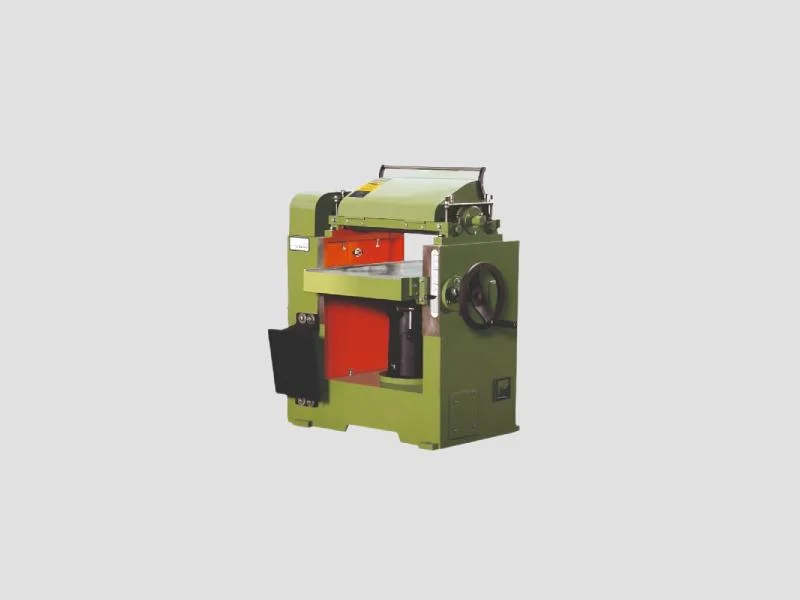
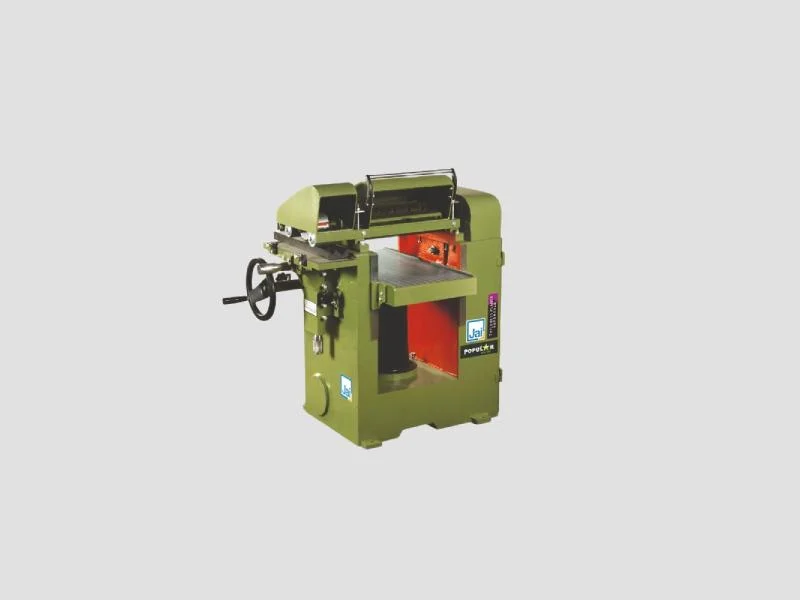
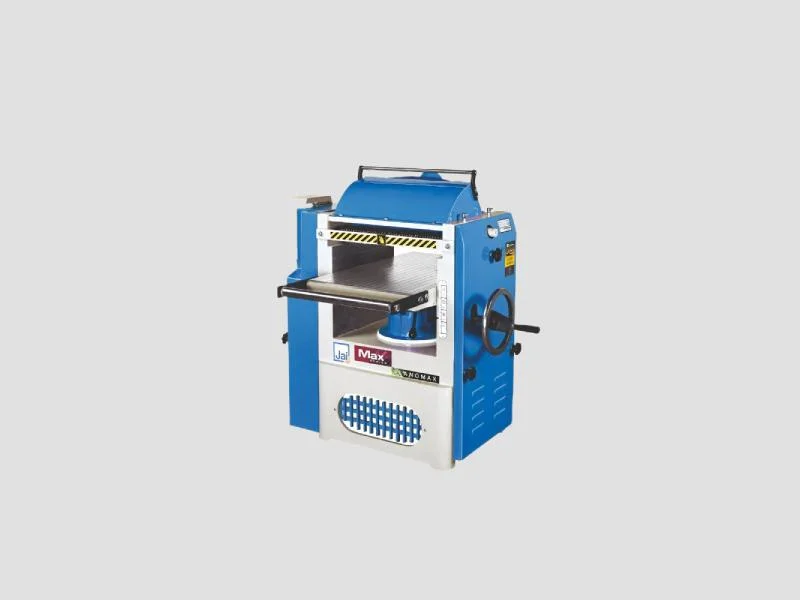
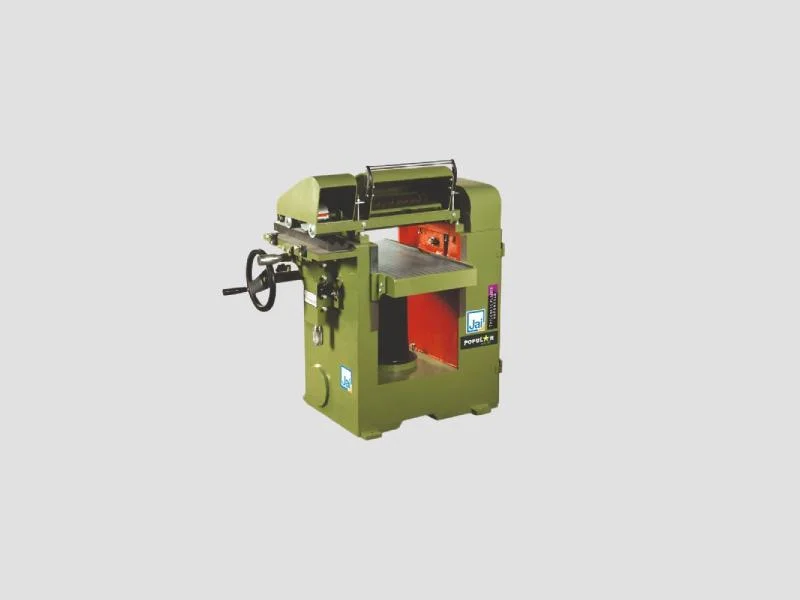
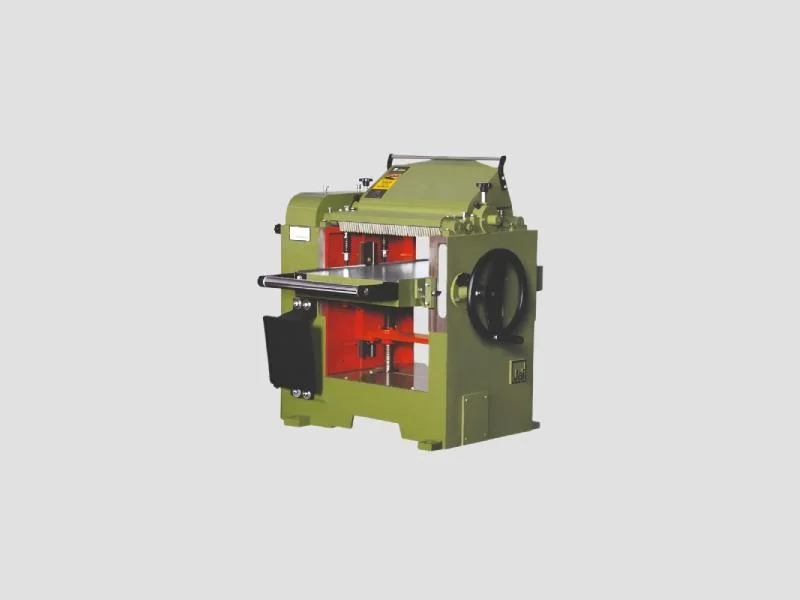
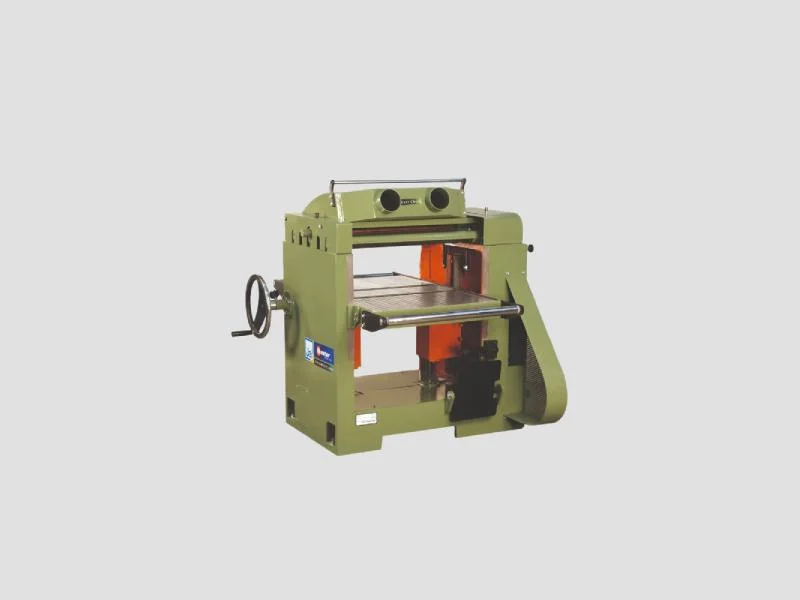
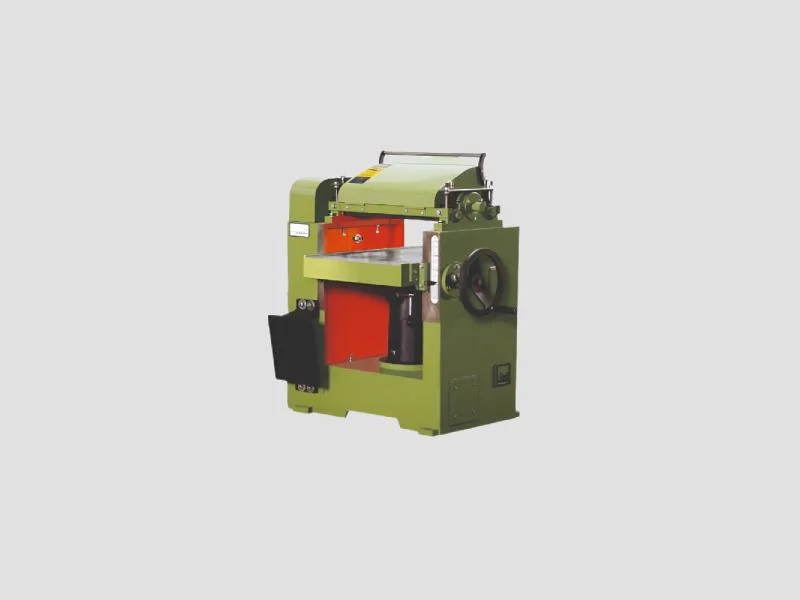
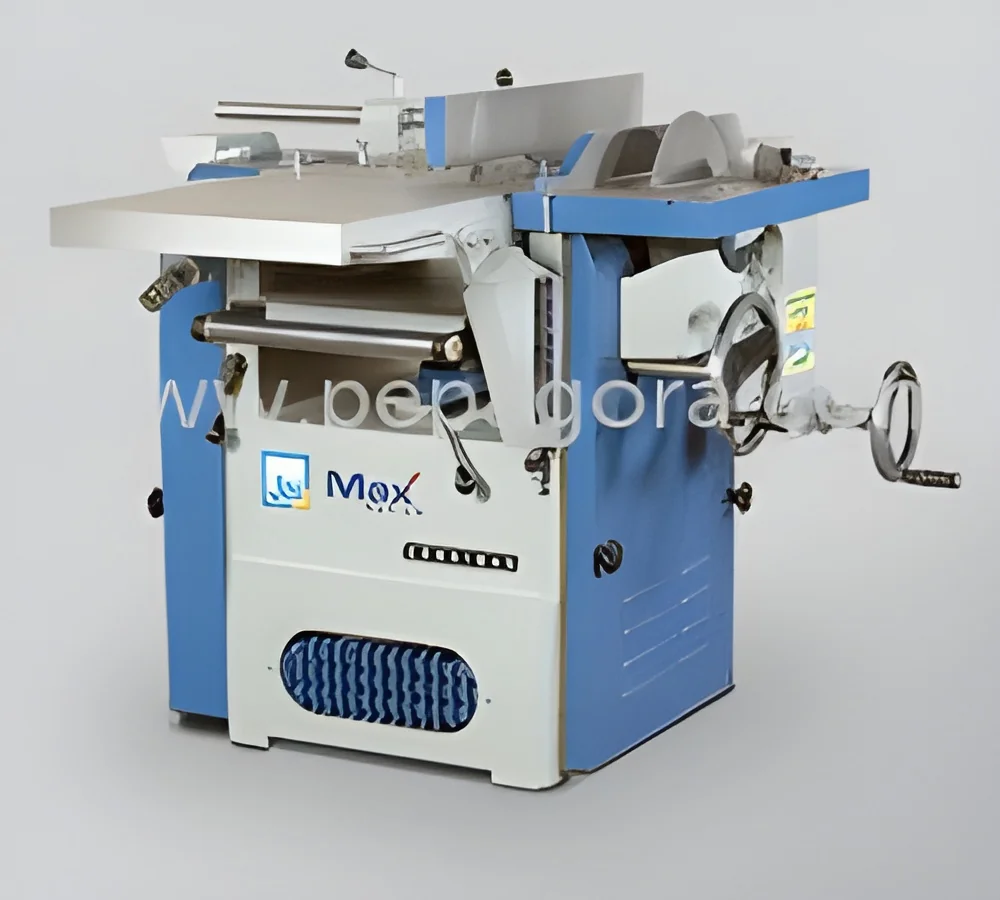
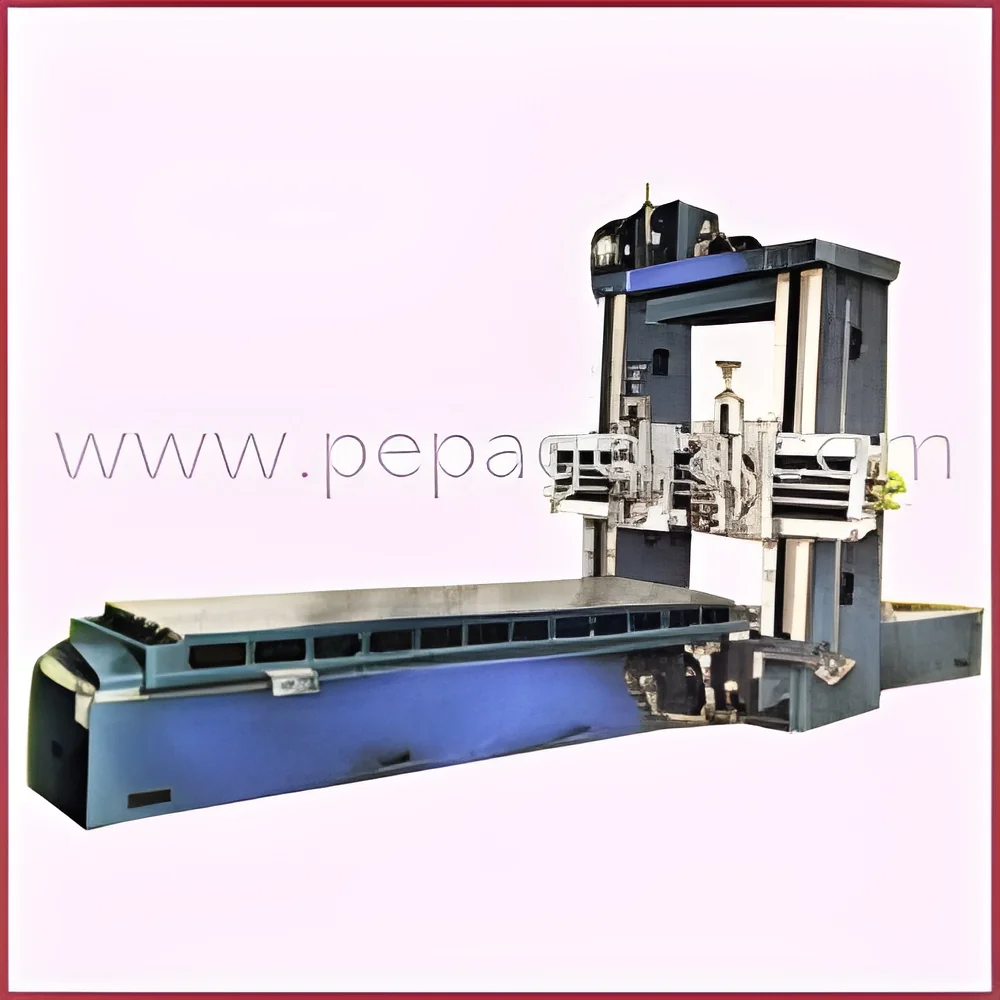
What are Wood Planer?
A wood planer is a woodworking tool designed to create a smooth, even surface on wood boards by removing excess material. This tool is essential for achieving uniform thickness and a polished finish, making it a staple in both professional and amateur woodworking environments. Wood planers can be manual or electric, with electric versions providing higher efficiency and precision.
Wood planers are commonly used in carpentry, furniture manufacturing, and construction. They are ideal for preparing lumber for projects, ensuring that boards fit together seamlessly. Businesses in the woodworking industry rely on these tools for tasks such as flattening surfaces, reducing thickness, and shaping wood to specific dimensions. In an evolving market, the demand for high-quality wood planers continues to grow as companies seek to enhance their operational efficiency and product quality.
Key Features and Specifications
Wood planers come equipped with several features that cater to different woodworking needs. Understanding these specifications is crucial for selecting the right model for your business.
Key specifications include:
1. Power Source
- Electric or manual options available
- Electric models typically range from 750W to 1500W for optimal performance
2. Cutting Width
- Standard cutting widths can range from 12 inches to 20 inches
- Ideal for handling various sizes of wood boards
3. Planing Depth
- Adjustable planing depth typically from 0 to 1/8 inch
- Provides flexibility for different woodworking tasks
4. Feed Rate
- Feed rates can vary from 10 to 20 feet per minute
- Affects the speed and efficiency of material removal
5. Table Size
- Larger tables provide better stability
- Common sizes range from 24 inches to 36 inches
6. Dust Collection
- Integrated dust collection systems for cleaner operation
- Helps maintain a safe working environment
7. Safety Features
- Safety guards and emergency stop buttons
- Ensures operator safety during use
8. Portability
- Some models are designed for easy transportation
- Weighing between 50 to 200 pounds depending on the model
In summary, selecting a wood planer with the right features and specifications is essential for meeting the demands of various woodworking applications.
Common Applications and Use Cases
Wood planers serve multiple industries, enhancing productivity and precision in woodworking projects.
1. Carpentry: Wood planers are used to prepare wood for framing and cabinetry, ensuring that boards are smooth and of uniform thickness.
2. Furniture Manufacturing: These tools help in shaping and finishing furniture components, allowing for intricate designs and seamless joins.
3. Construction: In construction, wood planers are employed to refine materials for structural applications, improving the overall quality of building projects.
4. Boat Building: Wood planers are essential for creating smooth surfaces on marine wood, ensuring durability and aesthetic appeal.
5. Flooring Installation: Planers are utilized to ensure that flooring boards fit together properly and provide a level surface for installation.
6. Musical Instrument Making: Precision planing is crucial in the crafting of musical instruments, where sound quality depends on the wood's characteristics.
7. DIY Projects: Hobbyists and DIY enthusiasts use wood planers for home improvement projects, enhancing the quality of their finished work.
Product Variants and Subcategories
Wood planers come in various forms to meet specific needs in the woodworking industry. Each variant offers unique features that cater to different applications.
Stationary Planers: These are heavy-duty machines ideal for professional shops, providing high precision and efficiency for large-scale projects.
Portable Planers: Lightweight and user-friendly, portable planers are designed for flexibility and convenience, making them perfect for on-site jobs.
Thickness Planers: Specifically engineered for achieving uniform thickness, these planers excel in precision and are commonly used in furniture manufacturing.
Benefits and Advantages
Utilizing wood planers offers several advantages that enhance woodworking efficiency and quality.
1. Improved Surface Quality: Wood planers create smooth surfaces, reducing the need for additional sanding and finishing work.
2. Enhanced Precision: These tools allow for precise adjustments in thickness, ensuring that wood pieces fit together seamlessly.
3. Increased Productivity: By streamlining the wood preparation process, planers significantly increase the speed at which projects can be completed.
4. Versatile Applications: Wood planers can be used across various industries, making them a valuable asset in different woodworking contexts.
5. Cost-Effective: Investing in a quality wood planer can reduce material waste, saving costs in the long run.
6. Operator Safety: Modern wood planers come equipped with safety features that protect users during operation.
Buying Guide for B2B Buyers
When sourcing a wood planer, several factors should be considered to ensure you select the right product for your needs.
1. Quality Assessment: Evaluate the quality of the wood planer by reviewing manufacturer specifications and user reviews. Look for tools built with durable materials and reliable performance metrics.
2. Supplier Verification: It is crucial to vet suppliers to ensure they have a solid reputation in the industry. Verify their credentials and check for customer feedback.
3. Pricing and MOQ: Understand the pricing structure and minimum order quantities (MOQ) offered by suppliers. Compare different options to find the best value.
4. Delivery and Lead Times: Discuss logistics with suppliers to understand delivery schedules and lead times. Ensure that they can meet your production timelines.
5. Compliance Requirements: Familiarize yourself with any regulatory requirements related to wood planers in your region. Ensure that the products meet necessary industry standards.
Compliance and Certifications
Wood planers must adhere to various quality and safety standards to ensure they meet industry expectations. Key certifications include CE, which indicates compliance with European health, safety, and environmental protection standards.
In addition to CE certification, wood planers are often subject to ISO 9001 standards, which focus on quality management systems. This certification ensures that the manufacturing process meets rigorous quality criteria.
Safety and testing requirements are critical, especially for tools that involve high-speed operations. Manufacturers should conduct thorough testing to guarantee that products are safe for operators.
Regional compliance considerations must also be taken into account, as different countries may have specific regulations regarding machinery and tools in the woodworking industry.
Why Source Wood Planer from Pepagora?
Pepagora offers a trusted platform for sourcing wood planers, providing several advantages for B2B buyers.
Verified Supplier Network: Pepagora maintains a network of verified suppliers, ensuring that buyers can trust the quality and reliability of the products offered.
Streamlined RFQ Process: The Request for Quotation (RFQ) process on Pepagora is designed for efficiency, allowing buyers to quickly receive competitive quotes from multiple suppliers.
Trade Assurance and Support: Pepagora provides buyer protection through trade assurance, giving you peace of mind when placing orders.
Regional Coverage: With a strong presence in India, the GCC, and Southeast Asia, Pepagora connects buyers with local suppliers, facilitating easier access to quality wood planers.
By choosing Pepagora, businesses can confidently source wood planers that meet their specific needs while benefiting from a supportive and efficient purchasing process.

 IN
IN