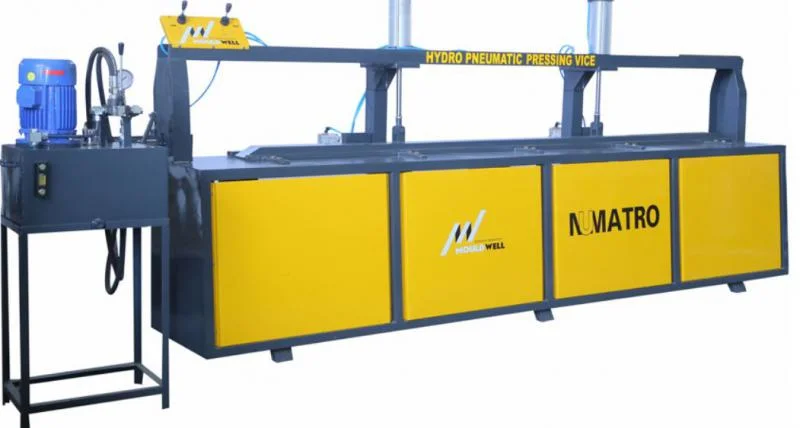
What are Finger Jointer?
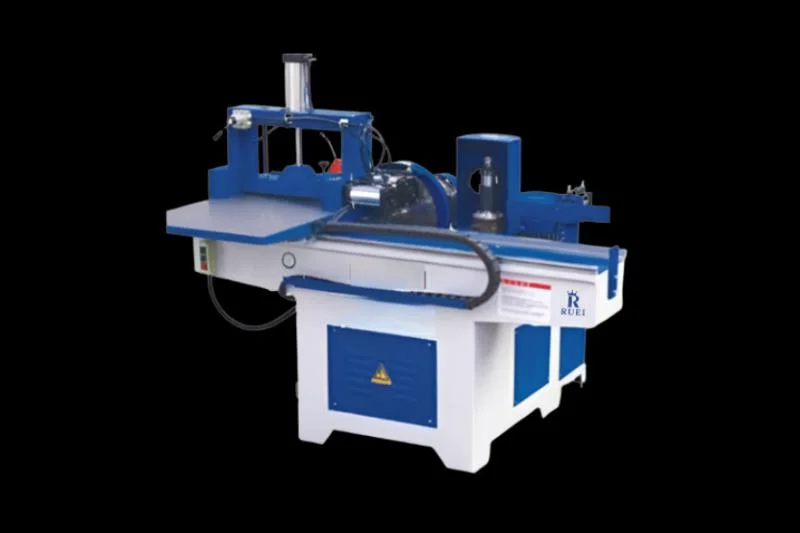
Finger jointers are specialized woodworking machines designed to create strong and precise joints between wood pieces. They work by cutting interlocking "finger" shapes into the ends of two pieces of wood, which are then glued together to form a seamless bond. This process enhances the strength and stability of the joint, making it suitable for various applications in the woodworking and furniture industries.
Finger jointers are primarily used in the production of laminated beams, panels, and other wood products where durability and structural integrity are crucial. Businesses that require high-quality wood joints for their products benefit significantly from this machinery. The demand for finger jointers has increased in recent years due to the growing popularity of engineered wood products, which require precise and robust joining methods.
In the current market, finger jointers are relevant across numerous sectors, including construction, furniture manufacturing, and cabinetry. As manufacturers seek to improve efficiency and quality, the adoption of advanced finger joining technology continues to rise, positioning these machines as essential tools in modern woodworking operations.
Key Features and Specifications
Finger jointers come with a range of features and specifications that enhance their functionality and efficiency. Understanding these specifications is crucial for businesses looking to invest in this equipment.
Key specifications include:
1. Joint Type
- Typically offers finger jointing for strong interlocking connections.
- Designed to accommodate various wood sizes and types.
2. Cutting Speed
- Varies by model, often ranging from 15 to 30 meters per minute.
- Higher speeds allow for increased productivity in industrial settings.
3. Power Requirements
- Commonly requires between 5 to 15 kW depending on the machine size.
- Sufficient power ensures efficient cutting and joining processes.
4. Maximum Workpiece Size
- Can handle wood pieces up to 300 mm wide and 100 mm thick.
- Versatile enough for both small and large-scale applications.
5. Control Systems
- Often equipped with digital control systems for accuracy.
- Features may include programmable settings for different joint types.
6. Safety Features
- Includes emergency stop buttons and protective guards.
- Ensures operator safety during machine operation.
7. Material Compatibility
- Suitable for various wood species, including softwood and hardwood.
- Can also work with engineered wood products.
8. Dimensions and Weight
- Varies by model, typically ranging from 2 to 5 tons in weight.
- Size considerations are essential for workshop layout.
In summary, finger jointers are equipped with advanced features that cater to the needs of modern woodworking businesses, ensuring efficient and reliable jointing processes.
Common Applications and Use Cases
Finger jointers find applications across various industries, making them versatile tools for wood processing.
1. Furniture Manufacturing: In this industry, finger jointers are used to create strong joints for tables, chairs, and cabinetry. The precision of the joints enhances the durability and aesthetic appeal of the finished products.
2. Construction: Finger jointers are essential for producing laminated beams and structural components. These joints provide the necessary strength for load-bearing applications.
3. Flooring: In flooring production, finger jointers allow for the seamless joining of planks, ensuring a smooth surface and improving stability.
4. Cabinetry: Quality cabinetry relies on strong joints. Finger jointers help create durable connections in kitchen cabinets, storage units, and custom furniture.
5. Musical Instruments: Woodworking for musical instruments benefits from finger jointers, which provide precise joints necessary for sound quality and instrument longevity.
6. Boat Building: In marine applications, finger jointers produce strong, water-resistant joints crucial for boat construction and repairs.
7. DIY Projects: Hobbyists and small-scale woodworkers utilize finger jointers for personal projects, allowing them to create high-quality furniture and décor.
Product Variants and Subcategories
Finger jointers come in a range of models, each designed to meet specific production needs.
Standard Finger Jointer
This variant is ideal for general woodworking applications. It features a straightforward design that allows for easy operation. It is suitable for both small shops and larger manufacturing facilities.
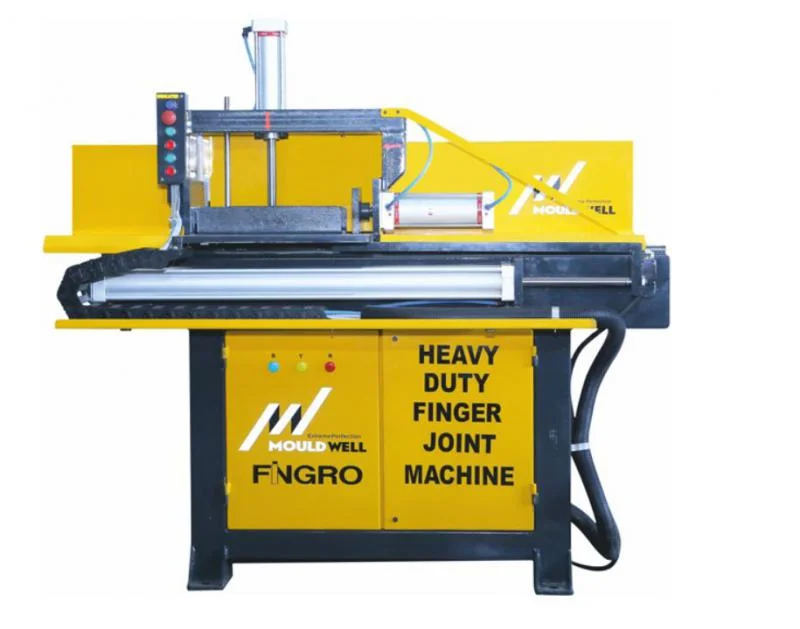
Heavy-Duty Finger Jointer
Designed for high-volume production, this variant offers increased cutting power and speed. It is ideal for industries that require continuous operations and can handle larger workpieces.
Compact Finger Jointer
This model is designed for smaller workshops with limited space. It offers essential features while maintaining a compact footprint, making it suitable for small-scale operations.
Benefits and Advantages
Investing in a finger jointer provides numerous advantages for businesses in woodworking.
1. Strength and Durability: Finger joints create exceptionally strong connections, enhancing the overall durability of wood products.
2. Precision Cutting: Advanced technology ensures precise cuts, leading to better quality joints and less waste.
3. Increased Production Efficiency: High cutting speeds and automation features allow for faster production times, meeting high demand.
4. Versatility: Finger jointers can work with various wood types and sizes, making them suitable for diverse applications.
5. Cost-Effectiveness: By producing strong joints, finger jointers reduce the likelihood of product failure, ultimately saving costs in repairs and replacements.
6. Enhanced Aesthetics: The seamless joints improve the appearance of finished products, making them more appealing to customers.
Buying Guide for B2B Buyers
When sourcing finger jointers, businesses should consider several key factors to ensure they make an informed decision.
1. Quality Assessment: Evaluate the machine's build quality, brand reputation, and user reviews. A reliable finger jointer should meet industry standards for performance and durability.
2. Supplier Verification: Verify suppliers through industry references and certifications. It's essential to work with reputable manufacturers to ensure product quality.
3. Pricing and MOQ: Understand the pricing structure and the minimum order quantity. Compare quotes from multiple suppliers to find competitive pricing.
4. Delivery and Lead Times: Discuss delivery options and lead times with suppliers to plan production schedules effectively. Timely delivery can impact overall project timelines.
5. Compliance Requirements: Ensure that the finger jointers meet regional compliance and safety standards. Check for necessary certifications that may be required for operation.
Compliance and Certifications
Finger jointers must adhere to several quality standards and certifications to ensure safety and reliability in operations.
ISO 9001 is a fundamental standard that covers quality management systems. It ensures that manufacturers maintain consistent quality in their processes and products.
CE certification is crucial for machinery sold in the European market. It indicates that the product meets EU safety, health, and environmental requirements.
Safety and testing requirements are essential in the manufacturing of finger jointers. Regular inspections and compliance with safety standards protect operators and end-users.
Regional compliance considerations may vary based on local regulations. Buyers should be aware of the specific requirements in their region to ensure compliance.
Why Source Finger Jointer from Pepagora?
Pepagora is a trusted platform for sourcing finger jointers, offering several key advantages for businesses.
Verified Supplier Network: Pepagora works with a network of verified suppliers, ensuring that buyers can access high-quality machines that meet their needs. This verification process helps mitigate risks associated with purchasing equipment.
Streamlined RFQ Process: The platform features a streamlined request for quotation (RFQ) process, allowing businesses to receive competitive quotes from multiple suppliers. This saves time and simplifies the sourcing process.
Trade Assurance and Support: Pepagora provides trade assurance, protecting buyers from potential issues during transactions. The platform offers support throughout the purchasing journey, ensuring a smooth experience.
Regional Coverage: With a focus on regions like India, GCC, and Southeast Asia, Pepagora connects buyers with local suppliers, facilitating easier logistics and communication. This regional coverage enhances the efficiency of sourcing finger jointers.

 IN
IN