
 IN
Brush Sanding Machines
7 products available
What are Brush Sanding Machines?
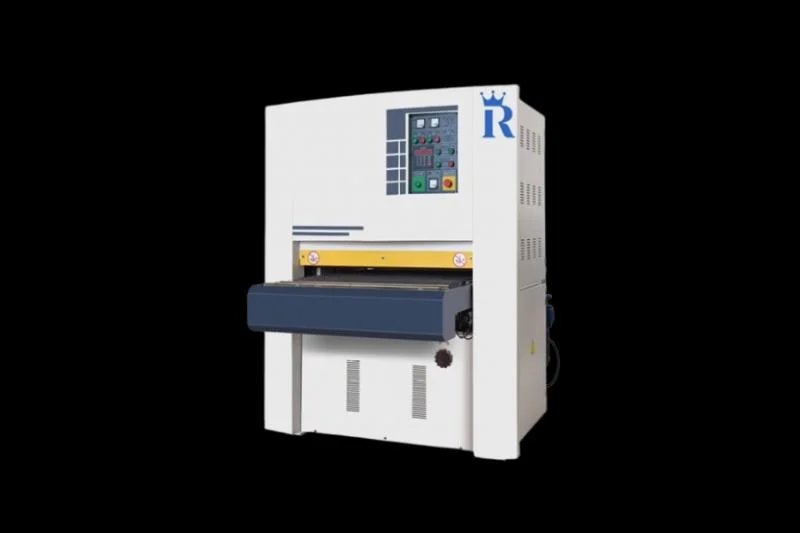
Brush sanding machines are specialized industrial tools designed to smooth and finish surfaces using rotating brushes. These machines utilize abrasive bristles to remove imperfections, prepare surfaces for finishing, or enhance the texture of materials. They are commonly used in woodworking, metalworking, and other manufacturing processes where surface quality is critical.
These machines are particularly effective in applications where traditional sanding methods may be inefficient or inadequate. Brush sanding machines can handle complex shapes and contours, making them ideal for finishing parts that require precision and consistency. Industries such as furniture manufacturing, automotive, and cabinetry benefit significantly from their ability to deliver high-quality surface finishes.
In the current market, brush sanding machines are gaining traction due to increasing demand for high-quality finishes across various sectors. As manufacturers strive for improved efficiency and product quality, the adoption of these machines is expected to rise, reflecting their relevance in modern industrial processes.
Key Features and Specifications
Brush sanding machines come equipped with various features that enhance their performance and user experience. Understanding these specifications is essential for selecting the right machine for specific needs.
Key specifications include:
1. Motor Power
- Typically ranges from 1 to 10 horsepower
- Determines the machine's ability to handle different materials
2. Brush Diameter
- Common sizes include 100mm to 300mm
- Affects the sanding area and efficiency
3. Speed Control
- Variable speed options from 500 to 3000 RPM
- Allows for customization based on material and desired finish
4. Machine Dimensions
- Varies widely based on model, typically ranging from compact to industrial sizes
- Important for space considerations in production areas
5. Weight
- Generally between 50 kg to 300 kg
- Heavier models may offer more stability during operation
6. Dust Collection System
- Integrated systems for efficient dust removal
- Enhances workplace safety and cleanliness
7. Control Panel
- User-friendly interface with digital readouts
- Simplifies operation and settings adjustments
8. Safety Features
- Emergency stop buttons and safety guards
- Essential for protecting operators during use
These specifications help define the capabilities and suitability of brush sanding machines for various applications.
Common Applications and Use Cases
Brush sanding machines are utilized across multiple industries due to their versatile functionality.
1. Woodworking: In furniture manufacturing, brush sanding machines are used to finish surfaces smoothly, ensuring a high-quality appearance for wooden products.
2. Metalworking: These machines play a crucial role in preparing metal surfaces for painting or coating, providing a clean and even finish.
3. Automotive: In the automotive industry, brush sanding machines are employed to refine body panels and components, ensuring a flawless surface for subsequent treatments.
4. Cabinetry: Cabinet makers benefit from the precision of these machines, which help achieve the desired finish on intricate designs and materials.
5. Composites: Brush sanding machines are also valuable in processing composite materials, where a delicate touch is necessary to avoid damage.
6. Flooring: In flooring applications, these machines can be used to prepare and finish surfaces, ensuring durability and aesthetic appeal.
7. Plastics: Brush sanding machines assist in the finishing of plastic components, enhancing their look and feel for consumer products.
Product Variants and Subcategories
Brush sanding machines come with different variants to cater to diverse operational needs.
Compact Brush Sanding Machines
These smaller models are ideal for workshops with limited space. They offer portability and are designed for lighter-duty applications, making them suitable for small-scale woodworking projects.
Industrial Brush Sanding Machines
Designed for high-volume production environments, these machines are robust and capable of handling larger materials with ease. They provide superior performance and durability, making them a staple in large manufacturing facilities.
Automated Brush Sanding Systems
These advanced machines integrate automation technology, allowing for continuous operation and minimal manual intervention. They are perfect for industries requiring high efficiency and consistent output.
Benefits and Advantages
Brush sanding machines provide numerous advantages that contribute to improved operational efficiency.
1. Enhanced Surface Finish: These machines deliver superior quality finishes compared to manual sanding, resulting in a more professional appearance.
2. Increased Efficiency: Brush sanding machines can operate at higher speeds, reducing the time required for surface preparation and finishing.
3. Versatility: They are capable of working on various materials, including wood, metal, and plastics, making them adaptable to different applications.
4. Reduced Labor Costs: Automation and ease of use minimize the need for extensive manual labor, leading to lower operational costs.
5. Improved Safety: With integrated dust collection systems and safety features, brush sanding machines enhance workplace safety for operators.
6. Consistency: These machines provide uniform results, ensuring that each product meets quality standards without variation across batches.
Buying Guide for B2B Buyers
When sourcing brush sanding machines, it is essential to consider several key factors to ensure a suitable purchase.
1. Quality Assessment: Evaluate the build quality and materials used in the machine. Look for reputable brands that adhere to industry standards to ensure longevity and performance.
2. Supplier Verification: Vet suppliers thoroughly to confirm their reliability and market reputation. Check for customer reviews and industry certifications to gauge their credibility.
3. Pricing and MOQ: Understand the pricing structure and minimum order quantities. Negotiate terms that align with your budget and production needs.
4. Delivery and Lead Times: Discuss logistics with suppliers to establish expected delivery times. Timely arrival is crucial for maintaining production schedules.
5. Compliance Requirements: Ensure the machines meet relevant safety and quality standards, such as CE certification. This is vital for regulatory compliance and operational safety.
Compliance and Certifications
Brush sanding machines must adhere to various quality and safety standards to ensure they operate effectively and safely within industrial settings.
ISO 9001 is a widely recognized quality management standard that ensures manufacturers maintain consistent quality in their products and services. Compliance with this standard indicates a commitment to quality and customer satisfaction.
CE certification is essential for products sold in the European market. It signifies that the machine meets safety, health, and environmental protection requirements established by the European Union.
Safety and testing requirements are critical in the design and manufacture of brush sanding machines. Regular inspections and adherence to safety protocols ensure that the machines operate safely without posing risks to operators.
Regional compliance considerations may vary based on local regulations. It is crucial for manufacturers and buyers to be aware of these regulations to ensure that their machines meet specific regional standards.
Why Source Brush Sanding Machines from Pepagora?
Pepagora offers a reliable platform for sourcing brush sanding machines, providing several key advantages that enhance the buying experience.
Verified Supplier Network: Pepagora connects buyers with a network of verified suppliers, ensuring that all listed products meet high-quality standards. This reduces the risk of purchasing subpar equipment.
Streamlined RFQ Process: The platform features a straightforward Request for Quotation (RFQ) system, allowing buyers to easily communicate their needs and receive competitive quotes from multiple suppliers.
Trade Assurance and Support: Pepagora provides trade assurance, protecting buyers' investments and ensuring that orders are fulfilled as promised. This added layer of security fosters confidence in the purchasing process.
Regional Coverage: With a strong presence in markets such as India, the GCC region, and Southeast Asia, Pepagora offers broad geographic coverage. This makes it easier for businesses to find suitable suppliers and machines that meet their operational needs.


Frequently Asked Questions
What are Brush Sanding Machines?
Brush Sanding Machines are specialized equipment used in woodworking and metalworking to achieve a smooth finish on surfaces. They utilize rotating brushes to sand and polish materials, making them ideal for processing large volumes of products efficiently.
What are the different types of Brush Sanding Machines?
There are several types of Brush Sanding Machines, including single brush, double brush, and multi-brush models. Each type is designed for specific applications, such as edge sanding, surface finishing, or profile sanding, depending on the complexity of the workpiece.
How do I choose the right Brush Sanding Machines?
When selecting a Brush Sanding Machine, consider factors such as the type of material you will be working with, the desired finish quality, and the production volume. Additionally, assess the machine's size, power, and brush configuration to ensure it meets your operational needs.
What are the standard specifications for Brush Sanding Machines?
Standard specifications for Brush Sanding Machines typically include power ratings (measured in horsepower), brush speed (RPM), and the dimensions of the work area. Other specifications may include the number of brushes, types of brushes used, and the machine's overall dimensions and weight.
What is the price range for Brush Sanding Machines?
The price range for Brush Sanding Machines can vary widely based on the machine's size, capabilities, and brand. Generally, prices can start from around ₹50,000 and can go up to several lakhs for advanced models equipped with additional features.
What quality standards apply to Brush Sanding Machines?
Brush Sanding Machines are typically manufactured in compliance with international quality standards such as ISO 9001. Manufacturers may also adhere to specific safety standards to ensure the machines are safe to operate and produce consistent, high-quality results.
Where can I find Brush Sanding Machines suppliers in India?
You can find Brush Sanding Machines suppliers in India through various channels, including online B2B marketplaces like Pepagora, industry trade shows, and manufacturer directories. It's advisable to compare several suppliers to find the best options in terms of quality and price.
Can Brush Sanding Machines be customized?
Yes, many manufacturers offer customization options for Brush Sanding Machines to meet specific requirements. Customizations may include modifications to brush types, machine dimensions, or additional features tailored to the user's production needs.
What is the typical minimum order quantity for Brush Sanding Machines?
The typical minimum order quantity (MOQ) for Brush Sanding Machines can vary by supplier and model. However, it is common for MOQs to range from 1 to 5 units, with larger quantities often negotiable for bulk purchases.
What is the typical lead time for Brush Sanding Machines?
The typical lead time for Brush Sanding Machines can range from a few weeks to several months, depending on the manufacturer's production capacity and the complexity of the order. It is advisable to confirm lead times with suppliers prior to placing an order.
Why Businesses Trust Pepagora
Thousands of companies trust Pepagora to source smarter and sell faster
Expand Your Sales Globally

Source Smarter,Grow Faster
