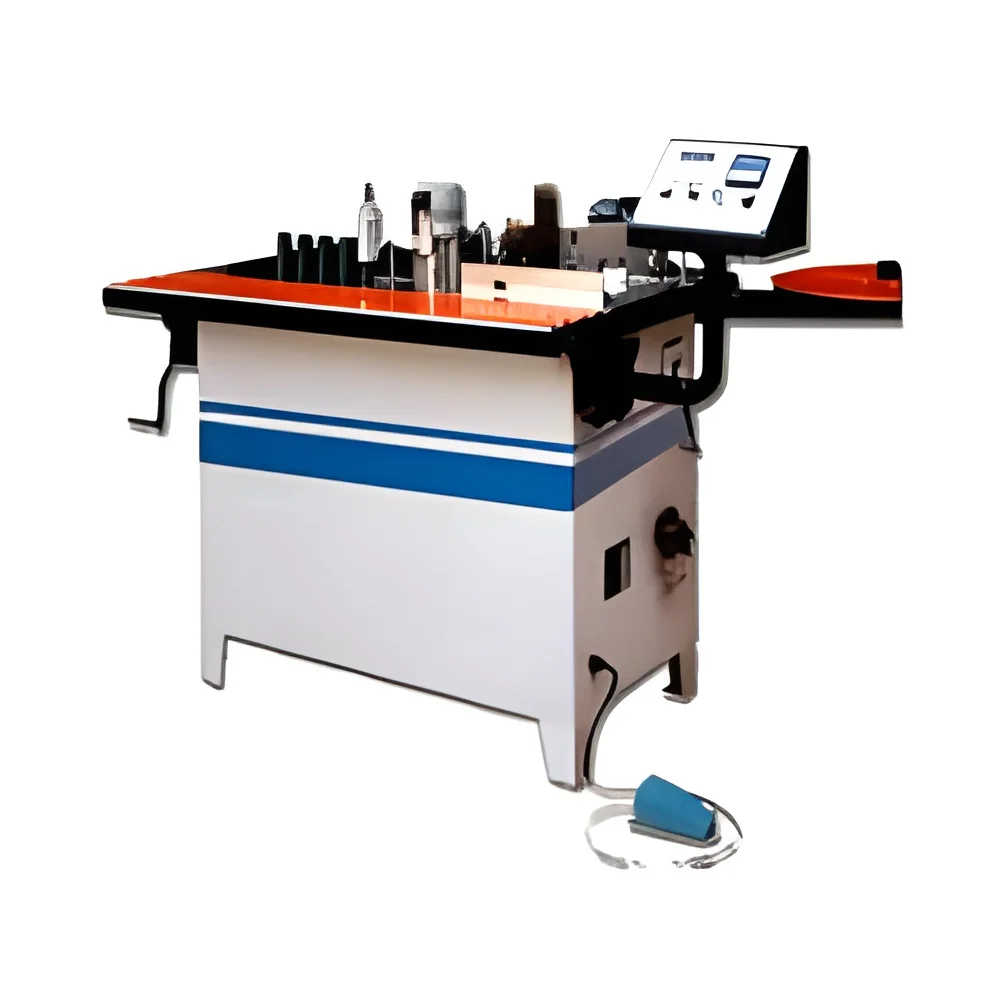
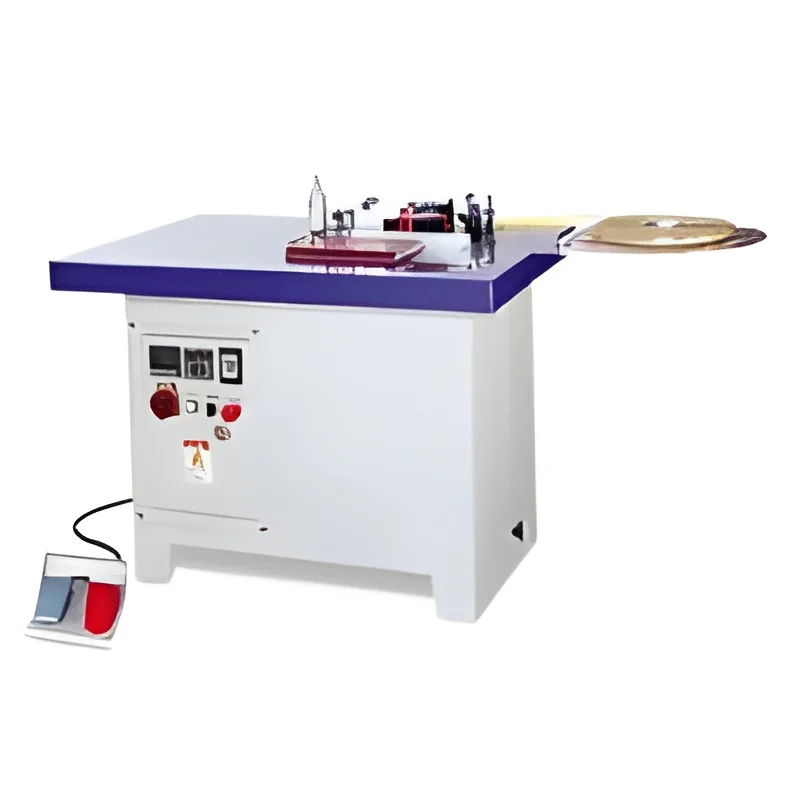
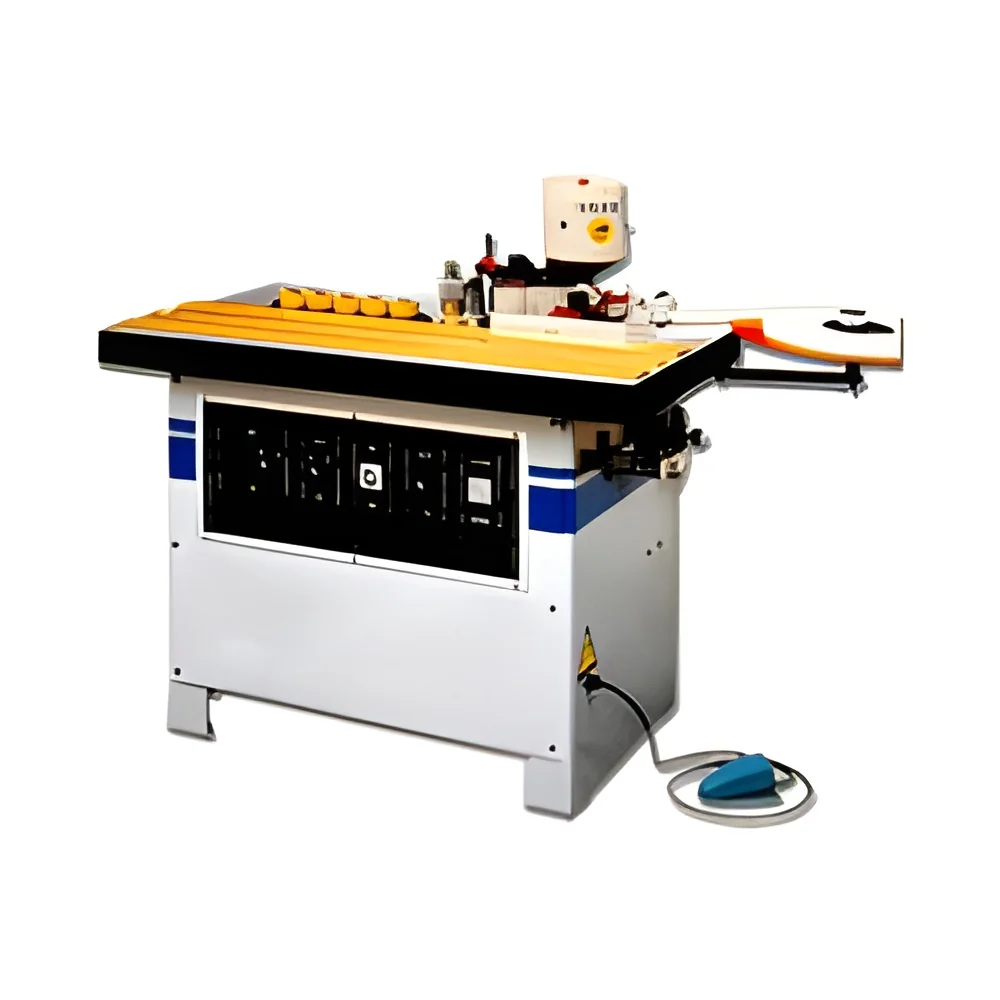
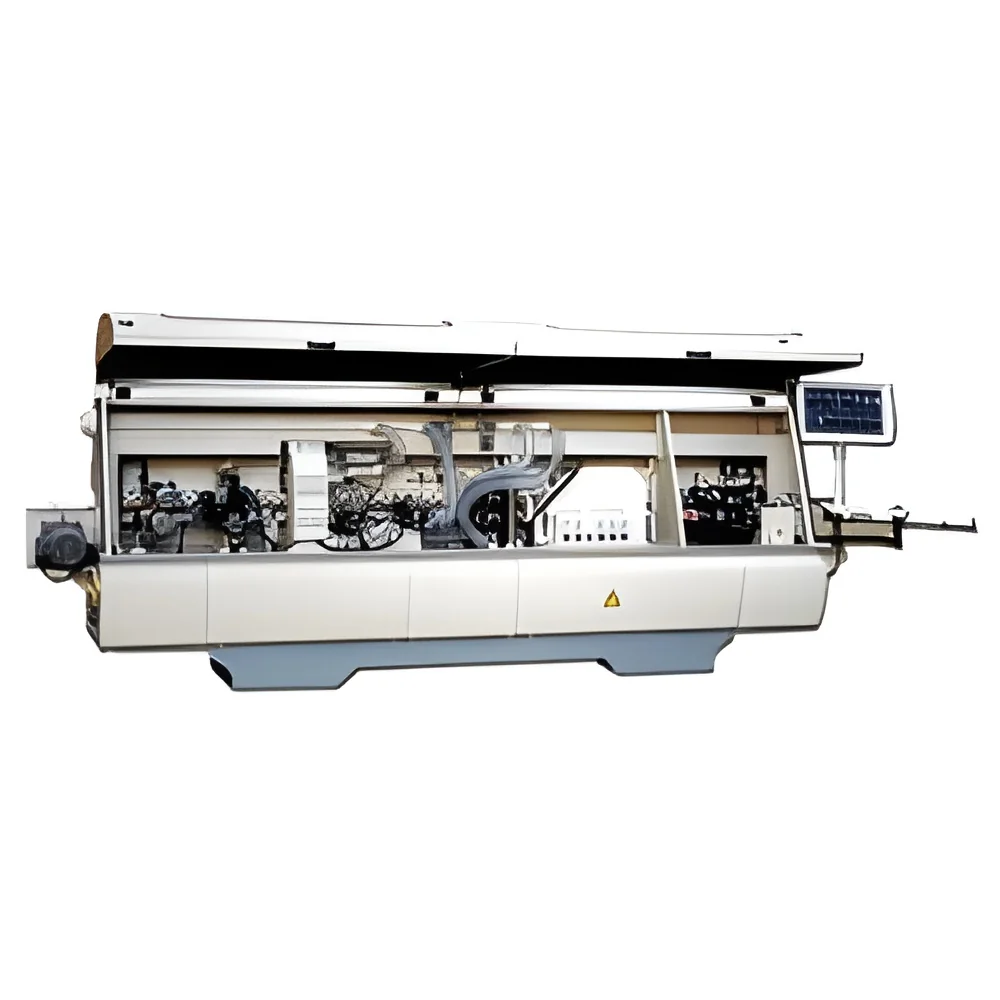
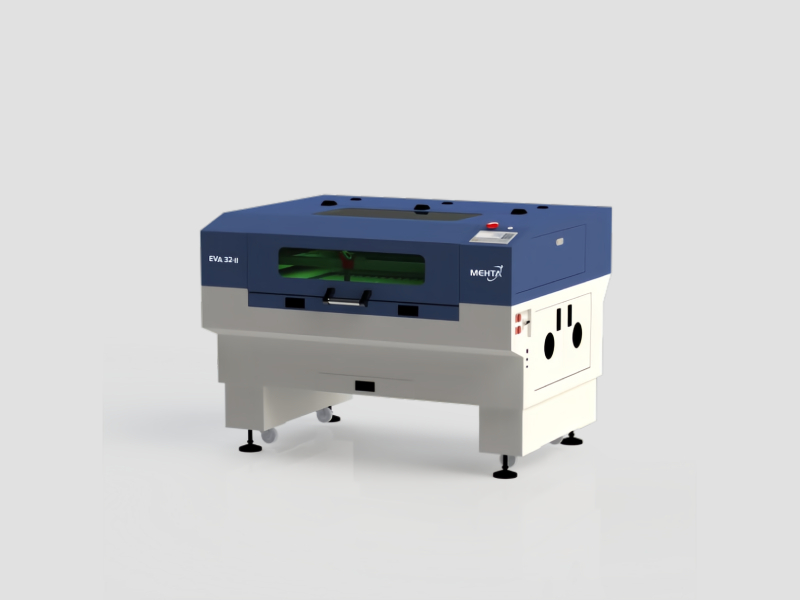
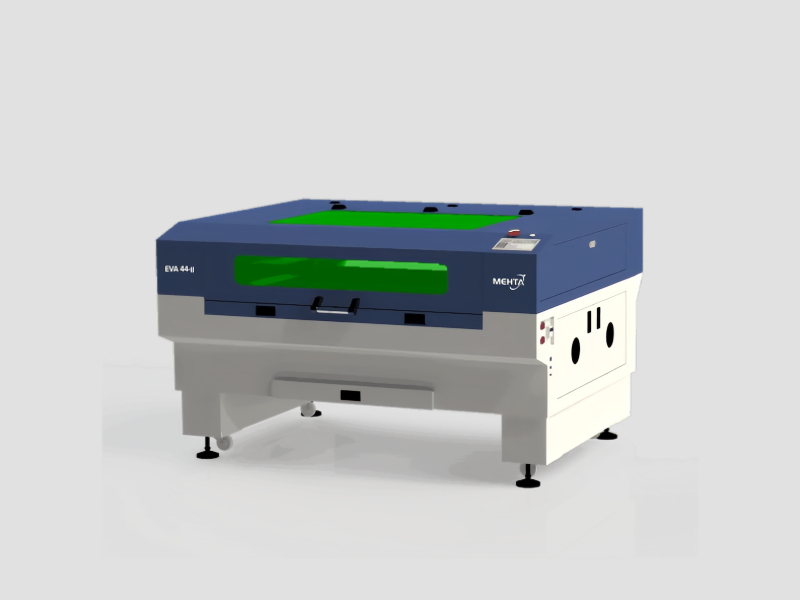
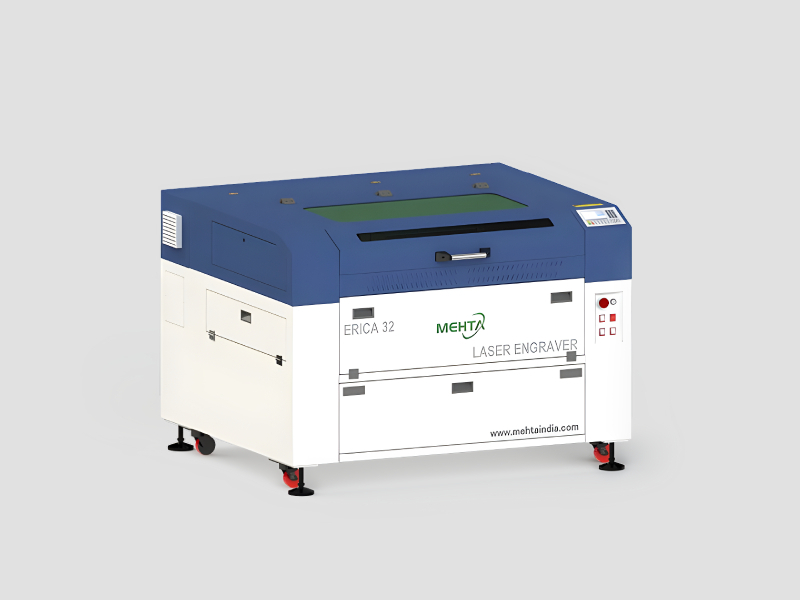
What are Edge Banding Machines (Manual, Automatic)?
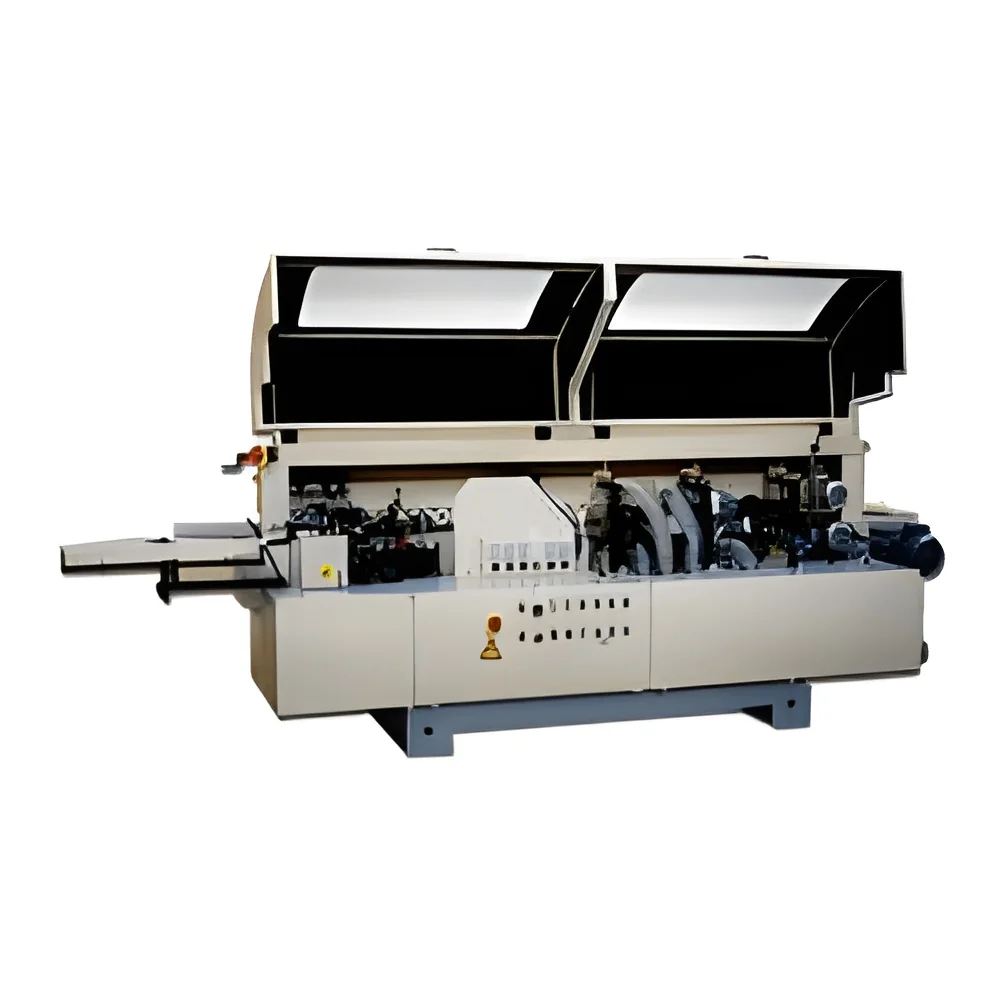
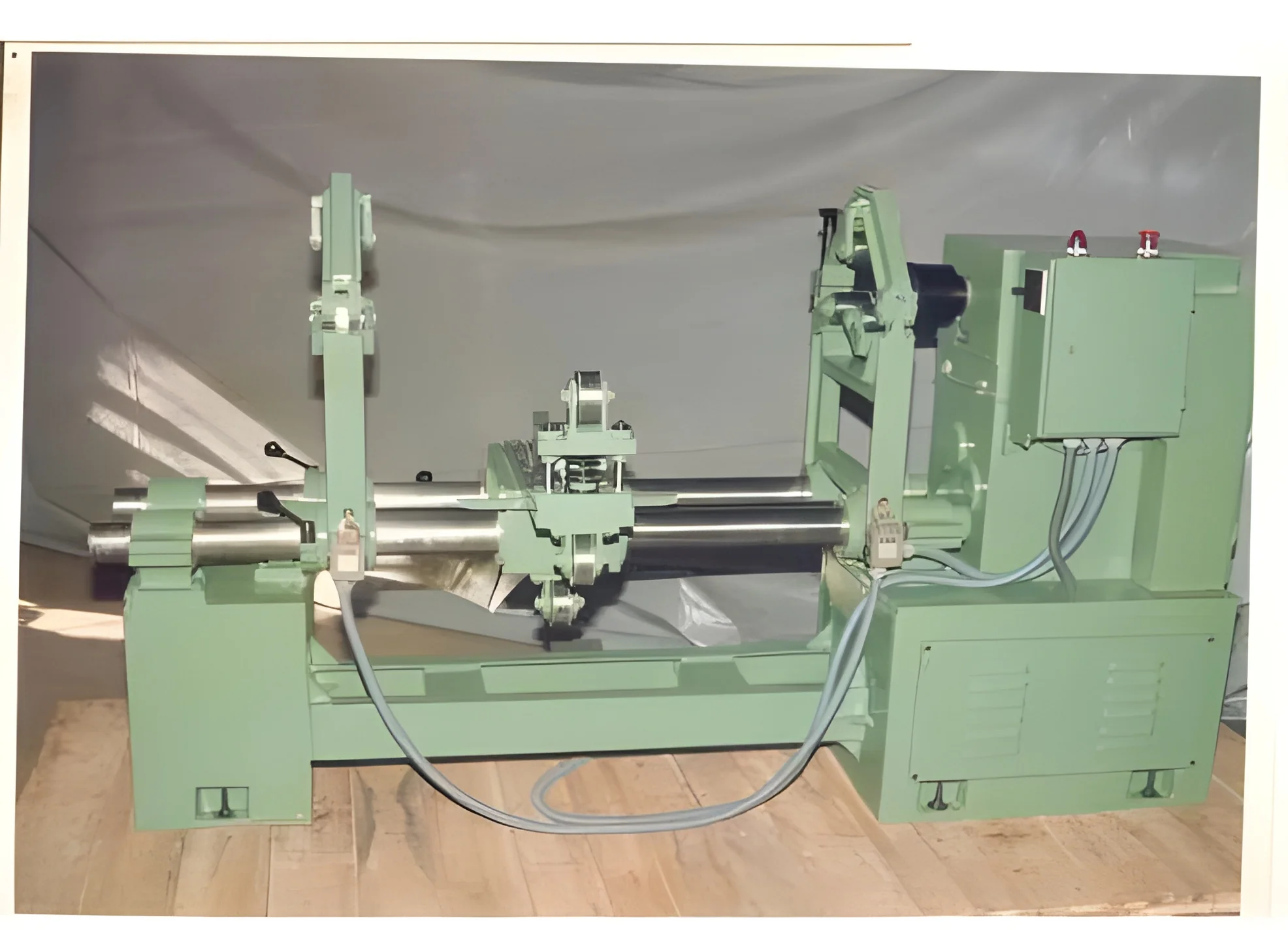
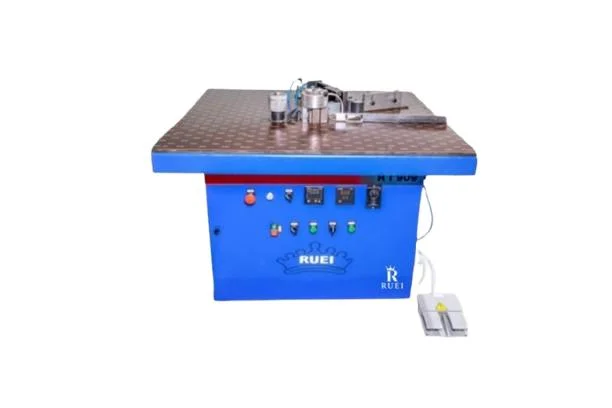
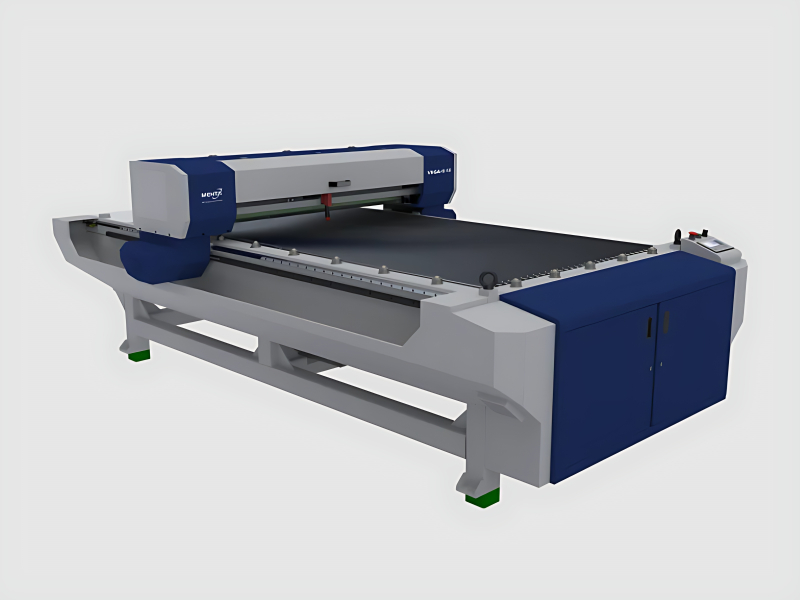
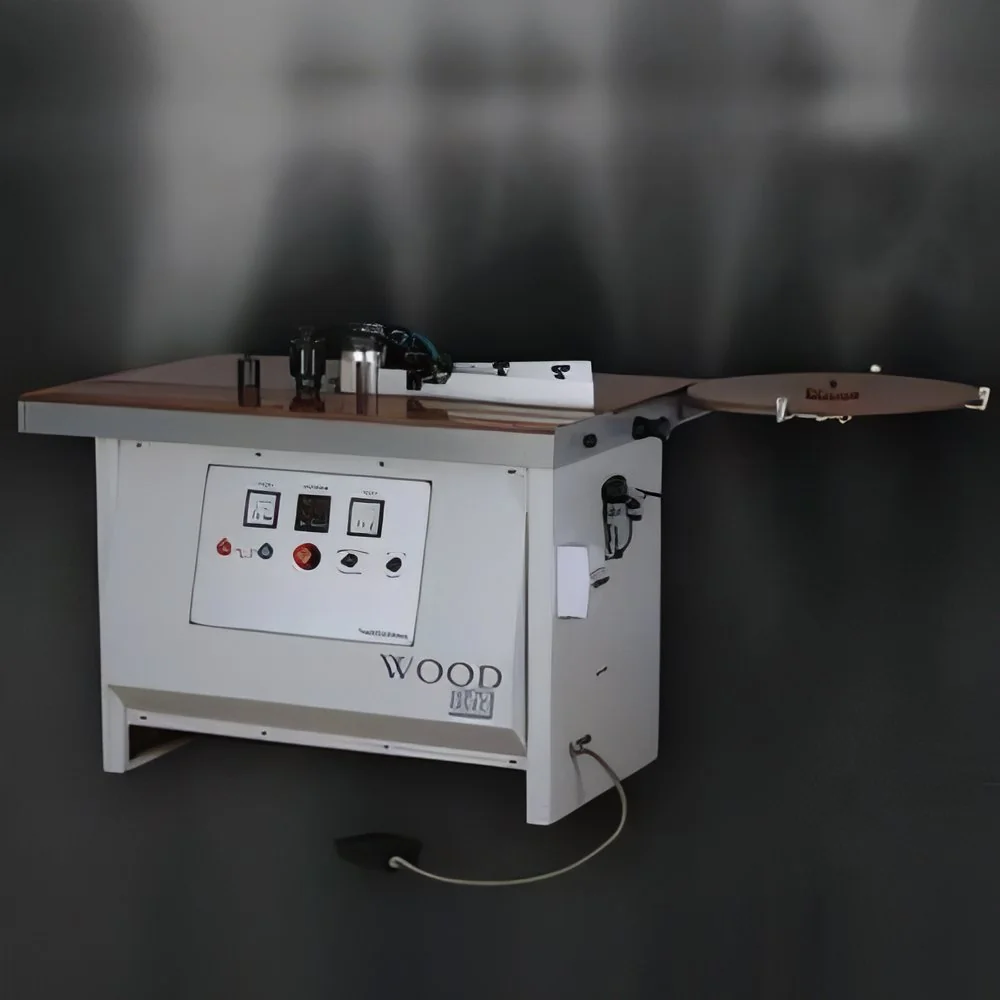
Edge banding machines are specialized tools designed to apply a protective band around the edges of materials, primarily wood and wood-based products. These machines come in two main types: manual and automatic. Manual edge banding machines require operators to control the process, while automatic machines streamline the operation for increased efficiency and precision. Both types utilize adhesive to bond the edge material to the substrate, ensuring a finished look that enhances durability and aesthetics.
Edge banding machines are widely used in various industries, including furniture manufacturing, cabinetry, and woodworking. They play a crucial role in producing finished products that meet both functional and visual standards. Businesses leverage these machines to improve production efficiency, reduce waste, and enhance the overall quality of their products. With the growing demand for custom furniture and cabinetry solutions, the relevance of edge banding machines in the market continues to rise, making them essential tools for manufacturers seeking competitive advantages.
๐๐ฒ๐ ๐๐ฒ๐ฎ๐๐๐ฟ๐ฒ๐ ๐ฎ๐ป๐ฑ ๐ฆ๐ฝ๐ฒ๐ฐ๐ถ๐ณ๐ถ๐ฐ๐ฎ๐๐ถ๐ผ๐ป๐
Edge banding machines come with a range of features that contribute to their functionality and efficiency. Understanding these specifications is crucial for buyers looking to invest in the right equipment for their production needs.
Key specifications include:
1. Machine Type
- Manual or automatic operation
- Varies in complexity and ease of use
2. Adhesive Type
- Hot melt, PVA, or solvent-based
- Suitable for different materials and applications
3. Band Thickness Compatibility
- Typically ranges from 0.4 mm to 3 mm
- Accommodates various edge banding materials
4. Feed Speed
- Ranges from 5 m/min to 20 m/min
- Affects production efficiency and output quality
5. Heating System
- Electric or gas options
- Ensures optimal adhesive melting for effective bonding
6. Dimensions
- Varies by model
- Important for space planning in workshops
7. Power Consumption
- Typically between 2 kW to 10 kW
- Influences operational costs and energy efficiency
8. Control System
- Manual dials or digital interfaces
- Affects user experience and precision of adjustments
In summary, understanding these key features and specifications is essential for making informed purchasing decisions regarding edge banding machines.
๐๐ผ๐บ๐บ๐ผ๐ป ๐๐ฝ๐ฝ๐น๐ถ๐ฐ๐ฎ๐๐ถ๐ผ๐ป๐ ๐ฎ๐ป๐ฑ ๐จ๐๐ฒ ๐๐ฎ๐๐ฒ๐
Edge banding machines serve a variety of industries, each with its unique applications.
1. Furniture Manufacturing: These machines are pivotal in producing high-quality wooden furniture by ensuring clean, finished edges that enhance durability and appearance.
2. Cabinetry: In cabinetry production, edge banding machines are used to provide a seamless finish on cabinet panels, contributing to both aesthetics and longevity.
3. Woodworking: Woodworking shops utilize edge banding machines for various projects to ensure that all edges are properly finished, reducing the risk of damage and improving overall quality.
4. Shopfitting: Retail and commercial shopfitting projects benefit from edge banding machines to create bespoke fixtures with polished edges.
5. Architectural Joinery: Edge banding is employed in architectural joinery to achieve a high-end finish on custom woodwork, enhancing the overall design.
6. Panel Processing: In panel processing industries, edge banding machines are used to finish plywood, MDF, and particleboard panels, making them ready for end-use.
7. Automotive Interiors: Some automotive manufacturers use edge banding machines for finishing interior components, ensuring durability and aesthetic appeal.
๐ฃ๐ฟ๐ผ๐ฑ๐๐ฐ๐ ๐ฉ๐ฎ๐ฟ๐ถ๐ฎ๐ป๐๐ ๐ฎ๐ป๐ฑ ๐ฆ๐๐ฏ๐ฐ๐ฎ๐๐ฒ๐ด๐ผ๐ฟ๐ถ๐ฒ๐
Edge banding machines are available in various models to meet different production needs and capacities.
Manual Edge Banding Machines: These machines require operator intervention for edge banding. They are ideal for small-scale operations or workshops where flexibility and precision are prioritized.
Automatic Edge Banding Machines: Designed for high-volume production, automatic machines offer speed and consistency. They are suitable for large manufacturers looking to enhance efficiency and reduce labor costs.
Semi-Automatic Edge Banding Machines: These machines combine manual and automatic features, allowing operators to control certain aspects while automating others. They are a good option for businesses seeking a balance between efficiency and cost.
๐๐ฒ๐ป๐ฒ๐ณ๐ถ๐๐ ๐ฎ๐ป๐ฑ ๐๐ฑ๐๐ฎ๐ป๐๐ฎ๐ด๐ฒ๐
Investing in edge banding machines brings numerous benefits to manufacturers.
1. Improved Aesthetics: By applying a clean, finished edge, these machines enhance the visual appeal of products, making them more desirable to customers.
2. Increased Efficiency: Automatic machines streamline the edge banding process, significantly increasing production speed and reducing labor costs.
3. Enhanced Durability: Properly applied edge bands protect materials from moisture and wear, extending the lifespan of the products.
4. Versatility: Edge banding machines can handle a variety of materials and edge band types, making them suitable for diverse applications.
5. Reduced Waste: Efficient edge banding minimizes material wastage, contributing to cost savings and environmental sustainability.
6. Quality Consistency: Automated processes ensure uniform application, resulting in consistent product quality across batches.
๐๐๐๐ถ๐ป๐ด ๐๐๐ถ๐ฑ๐ฒ ๐ณ๐ผ๐ฟ ๐๐ฎ๐ ๐๐๐๐ฒ๐ฟ๐
When sourcing edge banding machines, B2B buyers should consider several factors to ensure they make the right investment.
1. Quality Assessment: Review the build quality and components of the machines. Look for reputable brands with a history of reliability and performance.
2. Supplier Verification: Vet potential suppliers by checking their credentials, customer reviews, and service histories. A verified supplier network can provide peace of mind.
3. Pricing and MOQ: Understand the pricing structure and minimum order quantities. Compare quotes from multiple suppliers to find the best value.
4. Delivery and Lead Times: Discuss logistics, delivery schedules, and lead times with suppliers to ensure they align with your production timelines.
5. Compliance Requirements: Be aware of any industry-specific compliance and regulatory requirements that the machines must meet, including safety and quality standards.
๐๐ผ๐บ๐ฝ๐น๐ถ๐ฎ๐ป๐ฐ๐ฒ ๐ฎ๐ป๐ฑ ๐๐ฒ๐ฟ๐๐ถ๐ณ๐ถ๐ฐ๐ฎ๐๐ถ๐ผ๐ป๐
Edge banding machines must adhere to relevant quality standards and certifications to ensure safety and performance.
ISO 9001: This standard emphasizes quality management systems and is relevant for manufacturers aiming to consistently deliver quality products.
CE Certification: This certification indicates compliance with European safety standards, ensuring that machines meet essential health and safety requirements.
Safety and Testing Requirements: Edge banding machines are subject to various safety tests to ensure they operate safely and reliably in industrial settings.
Regional Compliance Considerations: Depending on the geographical location, different regulations may apply. Buyers should verify that the machines comply with local industry standards and requirements.
Why Source Edge Banding Machines (Manual, Automatic) from Pepagora?
Pepagora provides a trusted platform for sourcing edge banding machines, both manual and automatic, offering several key advantages to buyers.
Verified Supplier Network: Pepagora connects buyers with a network of verified suppliers, ensuring that they can source high-quality machines from reputable manufacturers.
Streamlined RFQ Process: The platform simplifies the process of requesting quotes, allowing buyers to easily compare options and make informed decisions.
Trade Assurance and Support: Pepagora offers buyer protection through trade assurance, providing peace of mind during the purchasing process.
Regional Coverage: With a focus on markets in India, the GCC, and Southeast Asia, Pepagora ensures that buyers have access to machines that meet regional needs and standards, enhancing the overall sourcing experience.