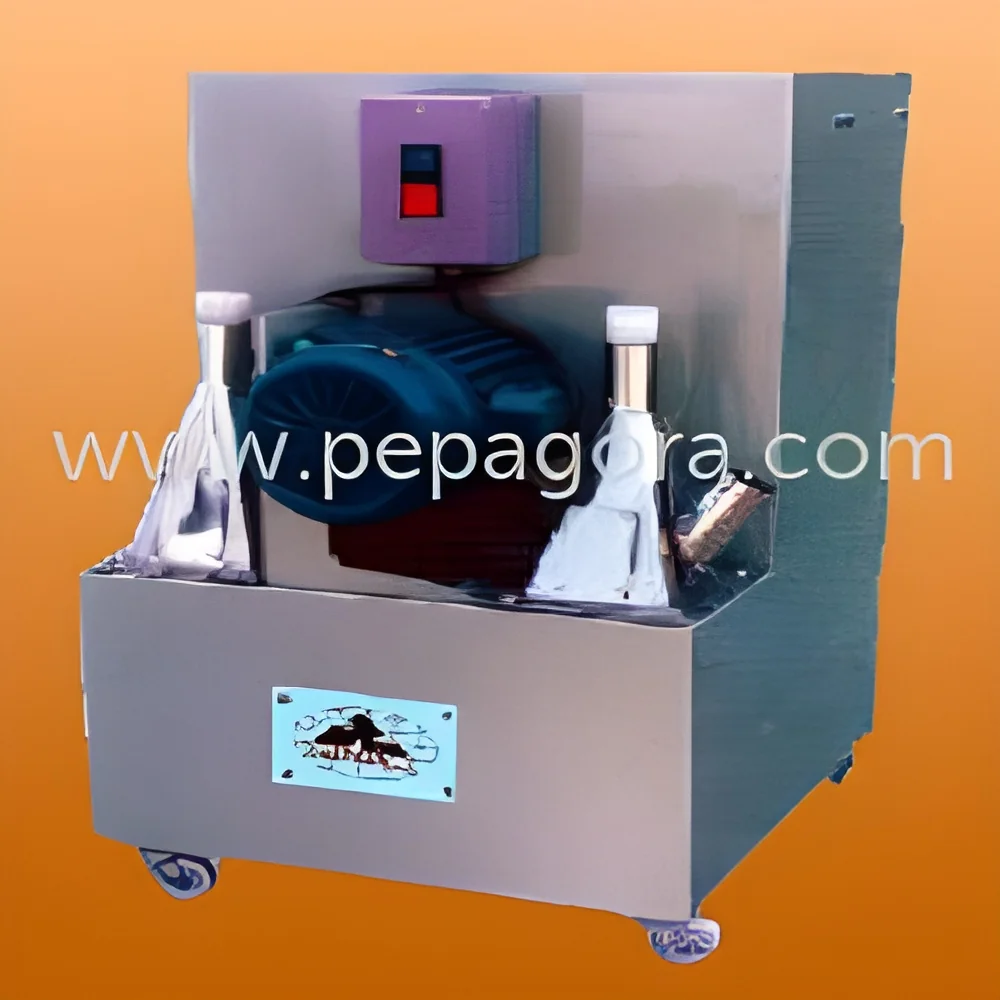
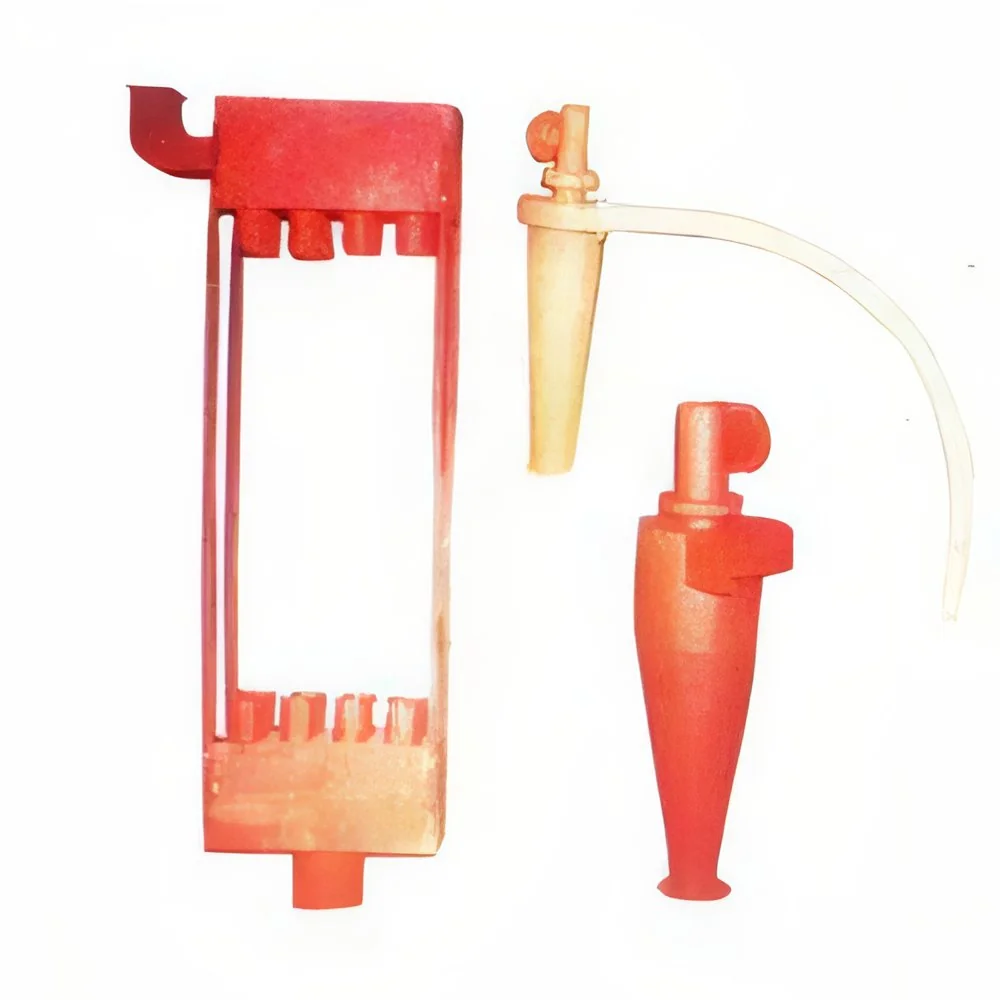
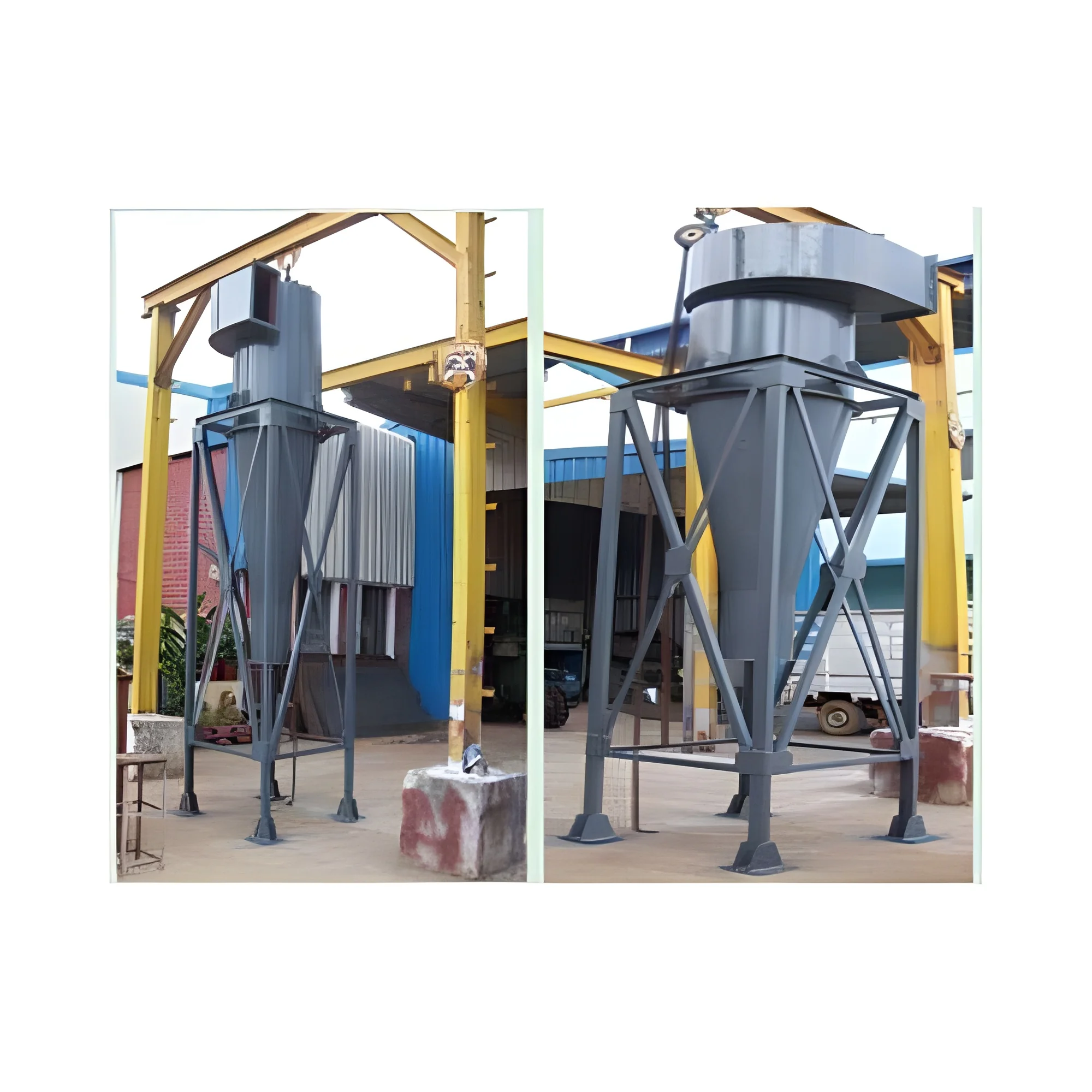
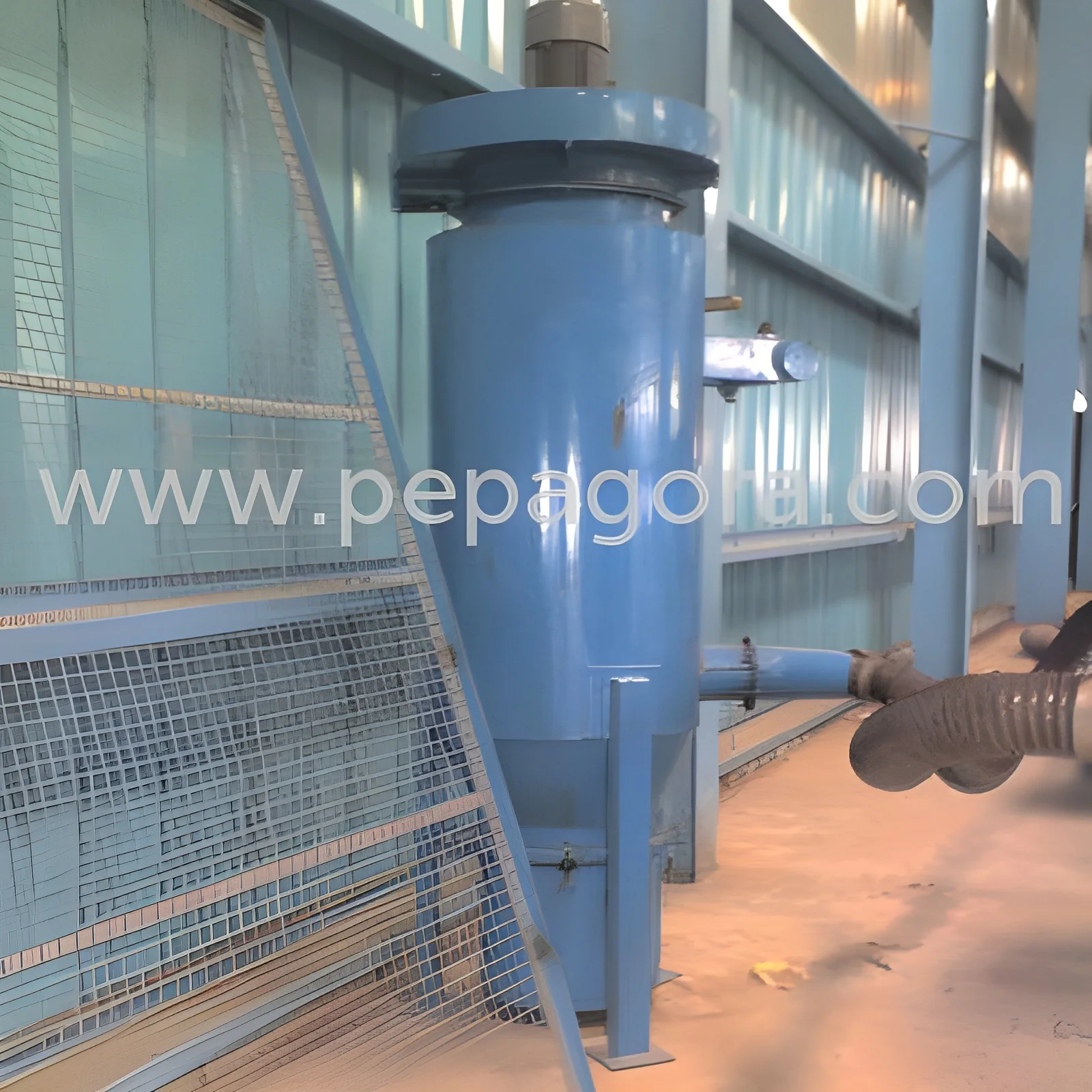
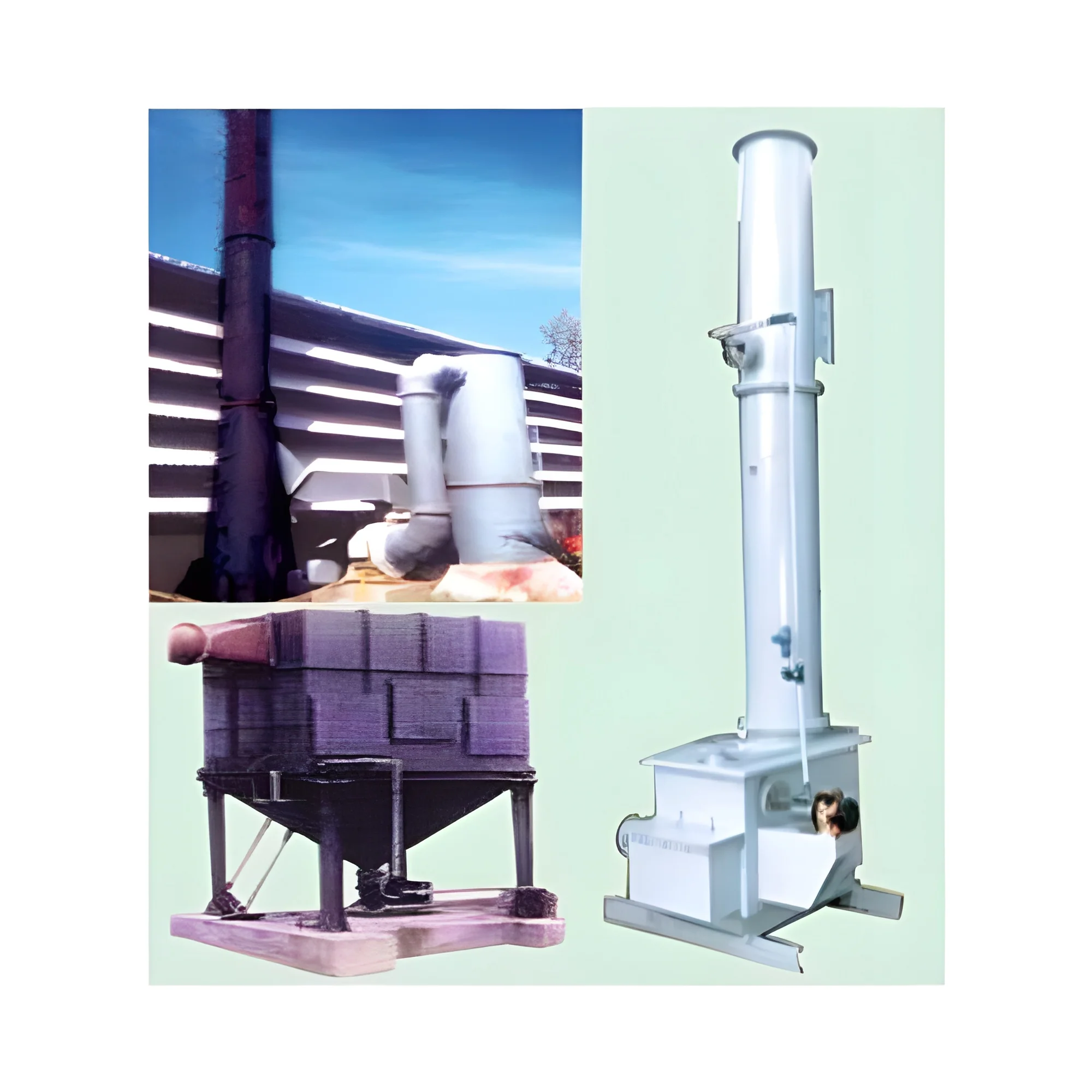
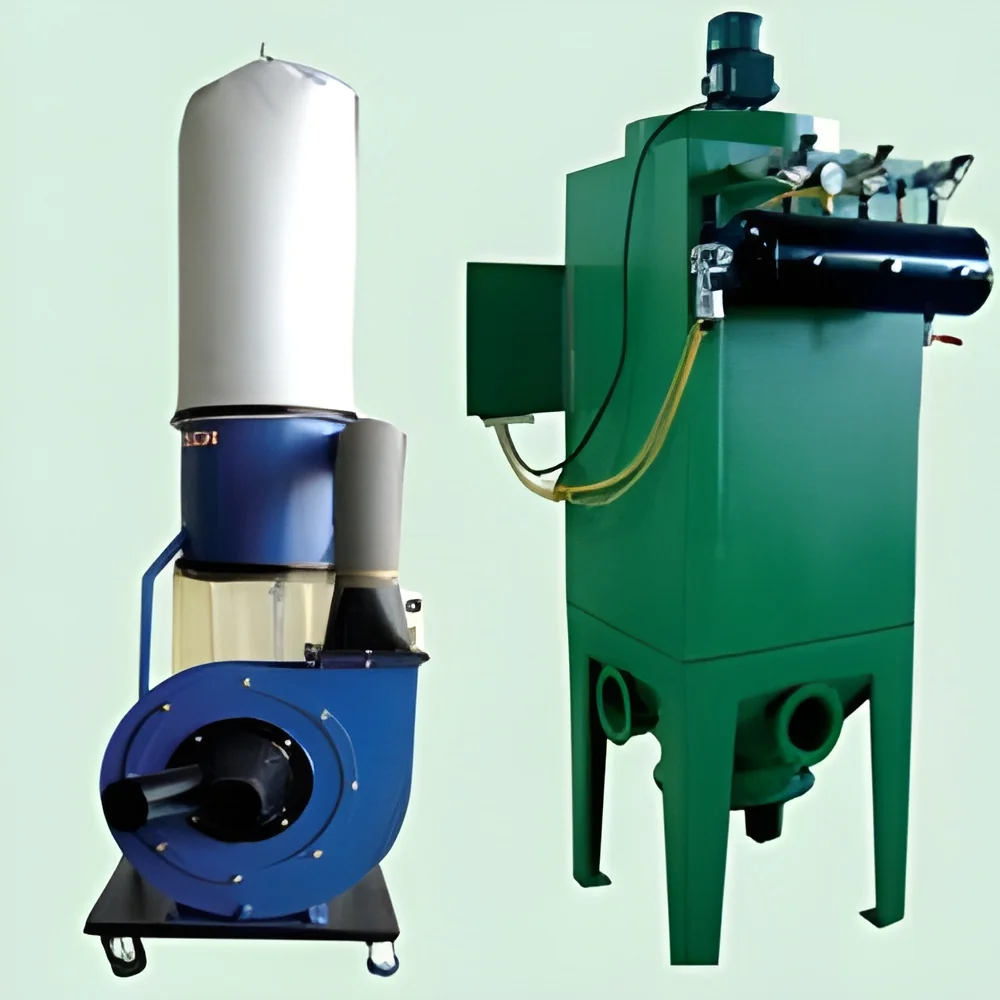
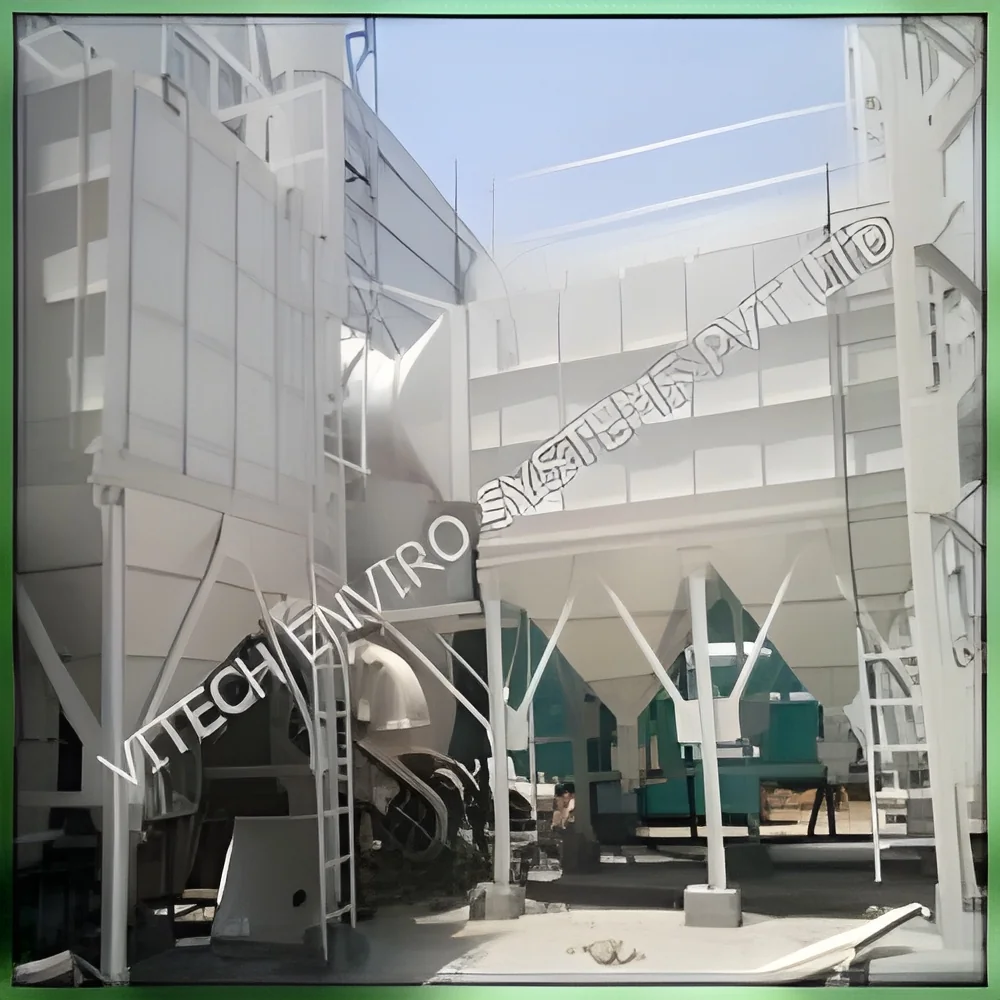
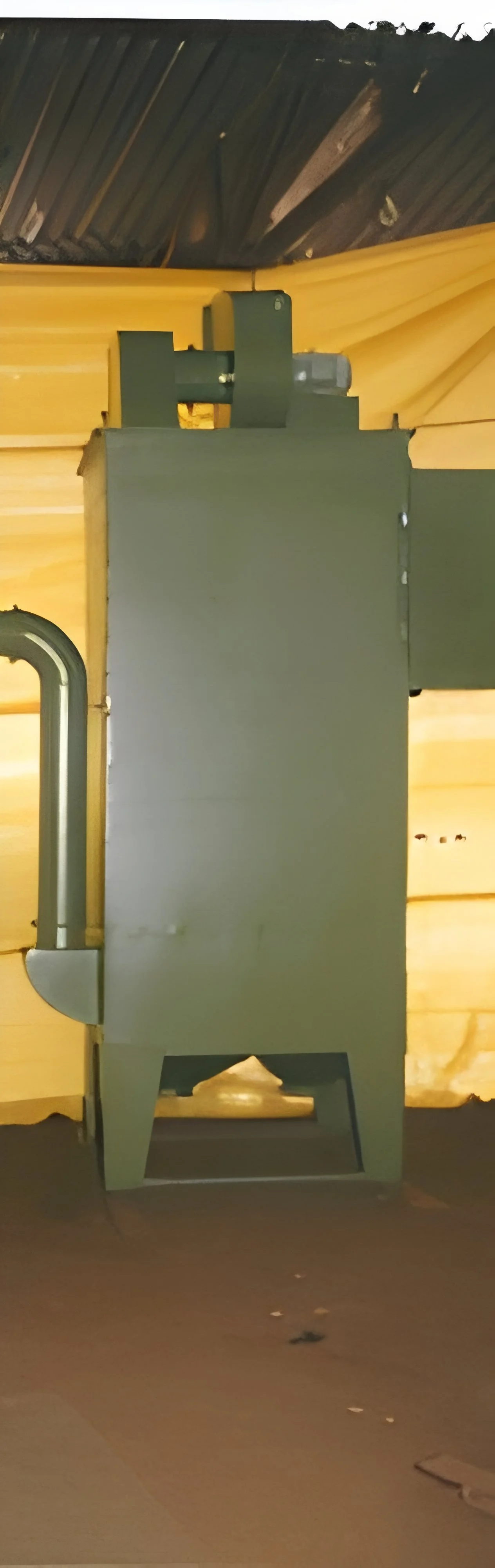
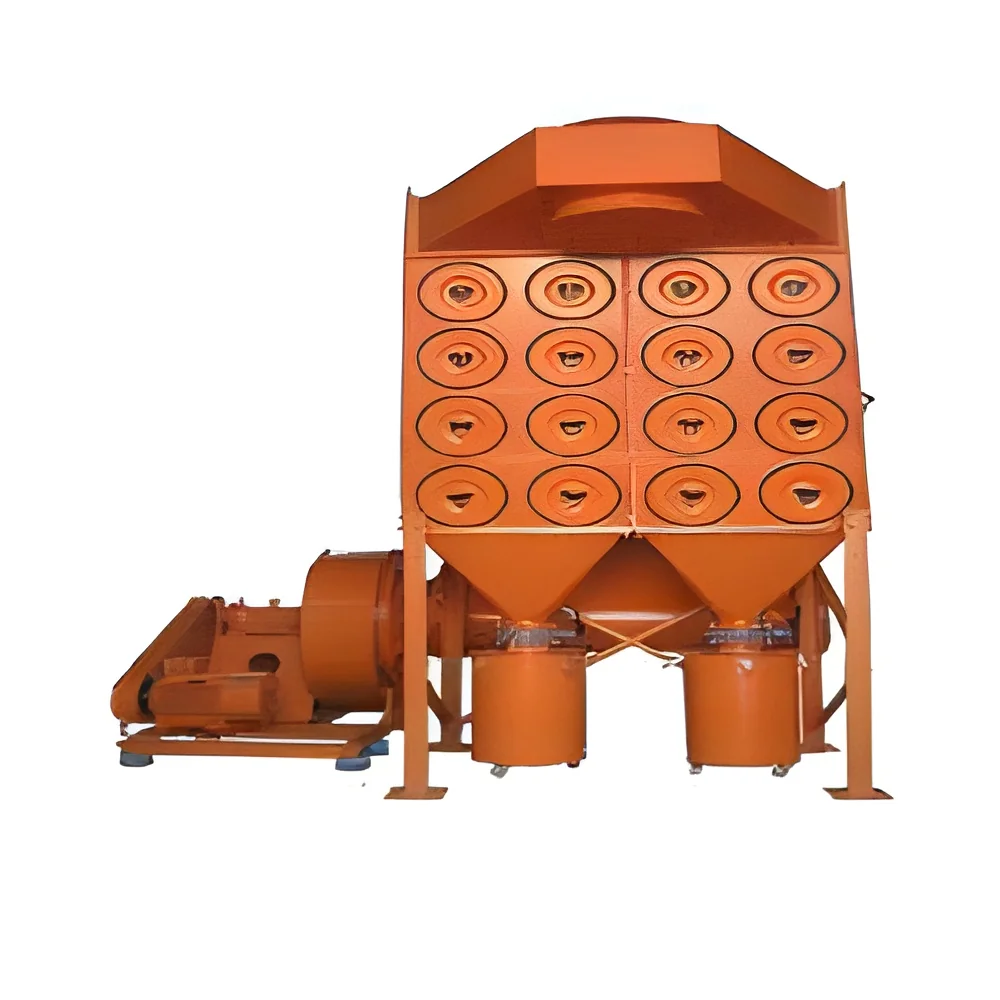
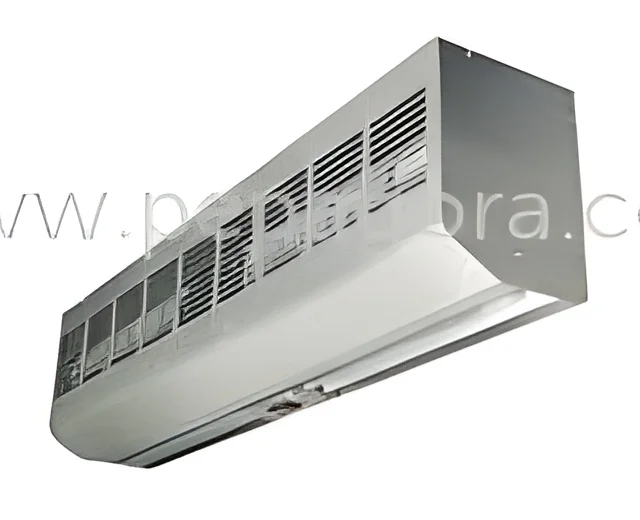
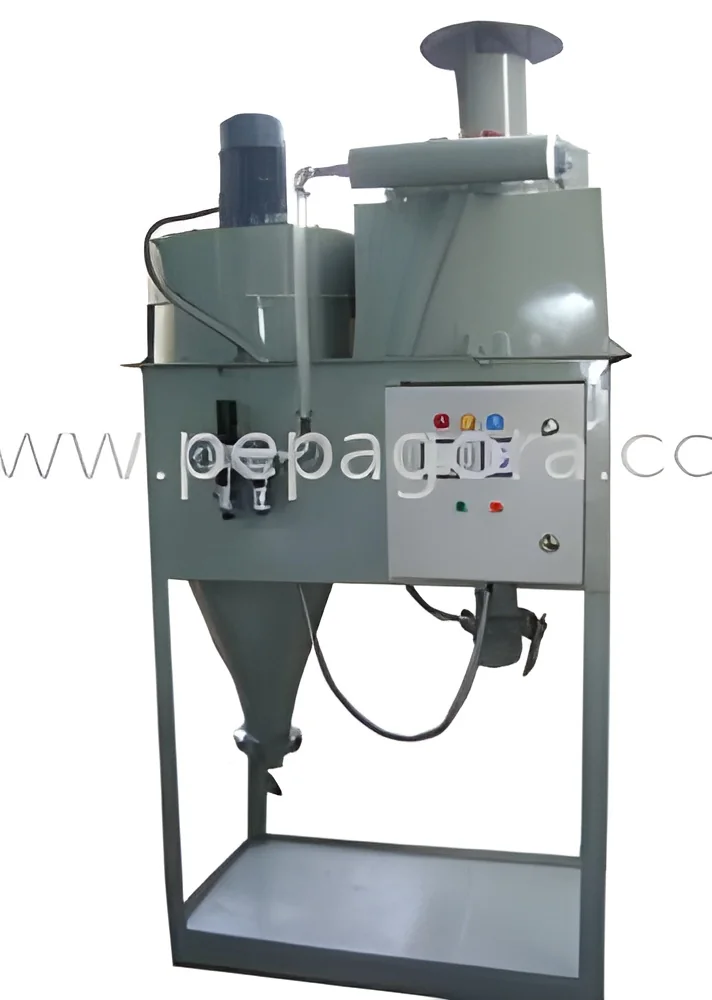
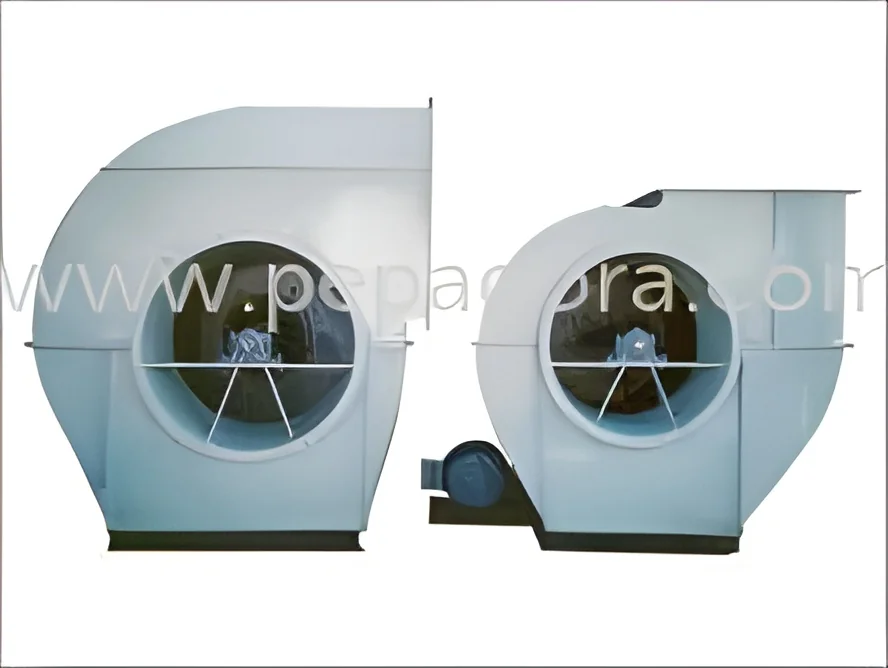
Key Features and Specifications
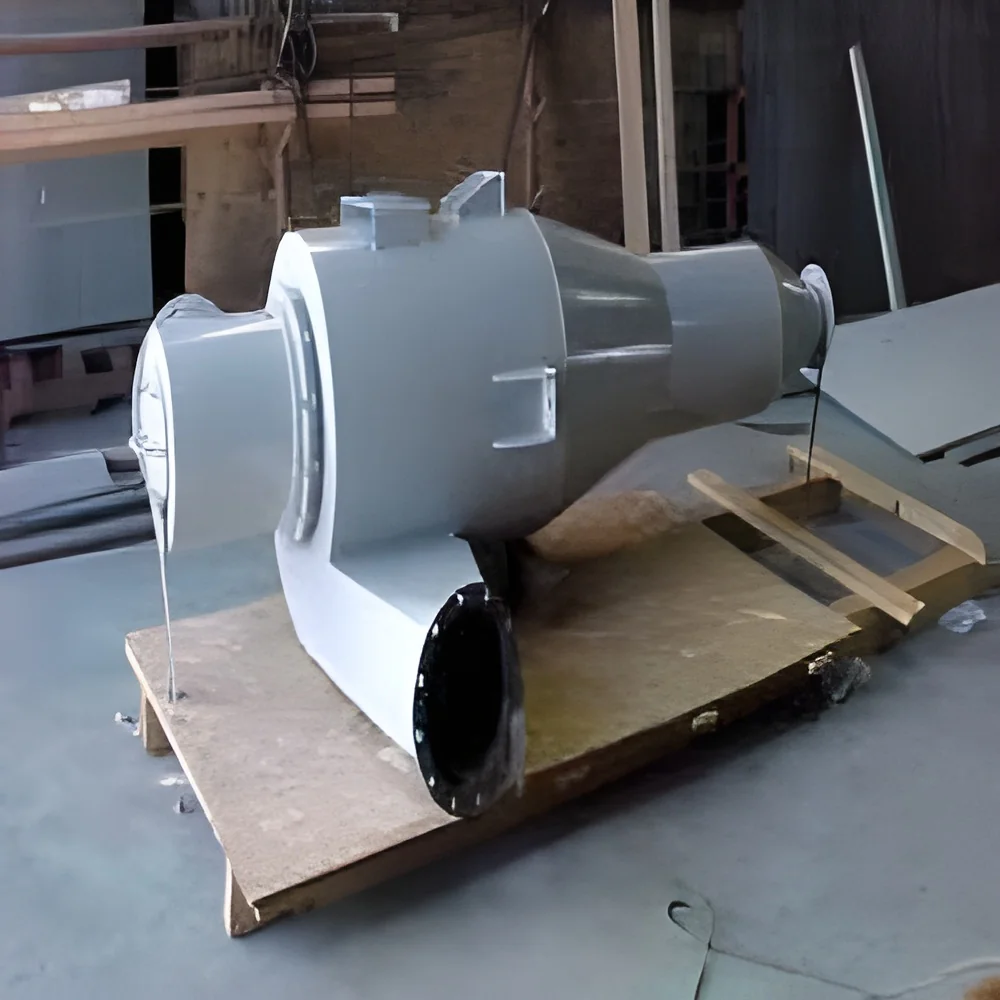
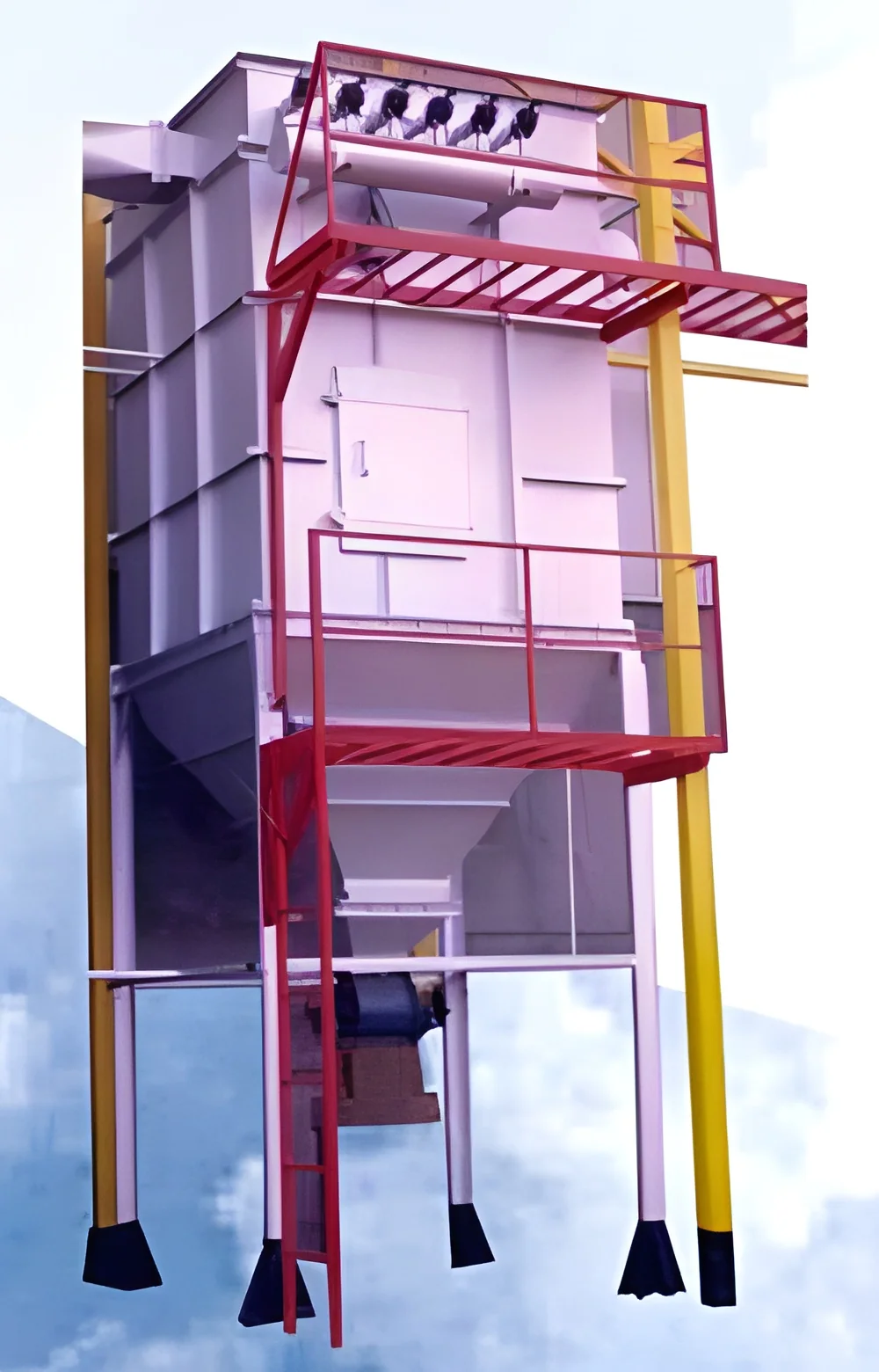
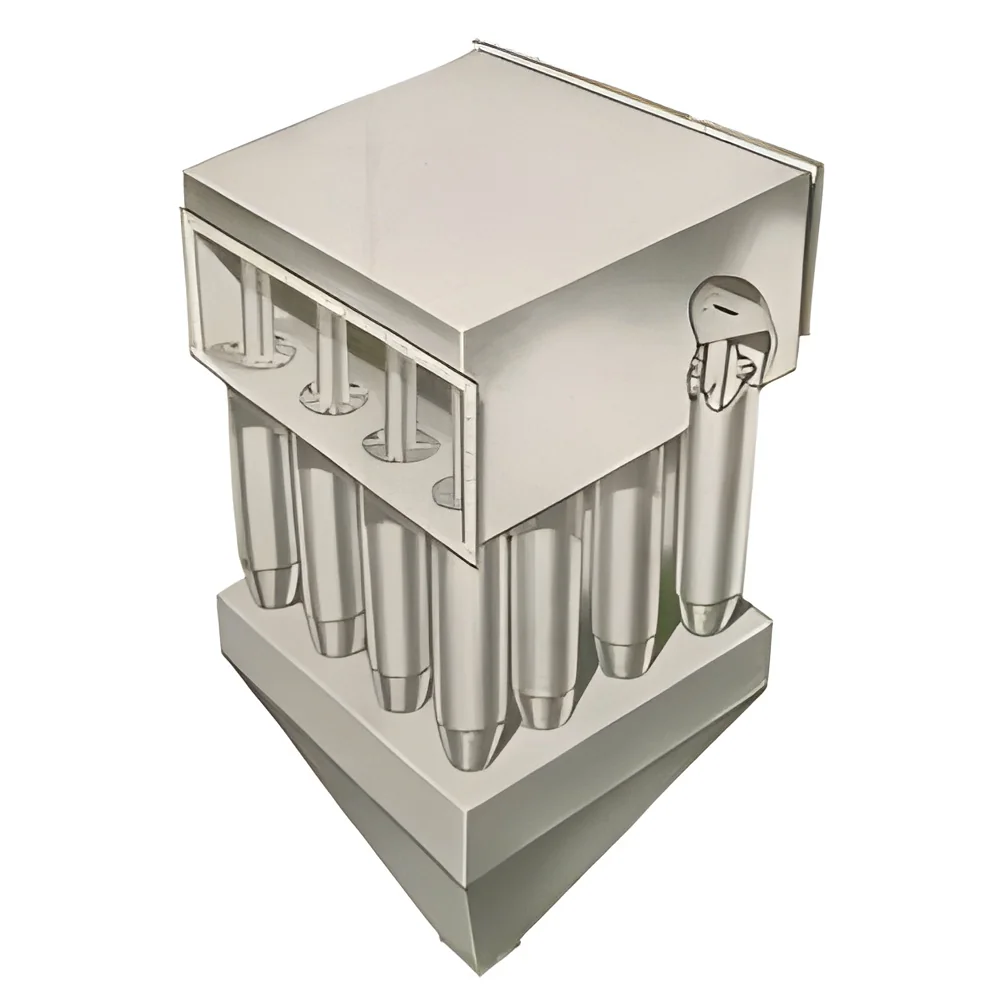
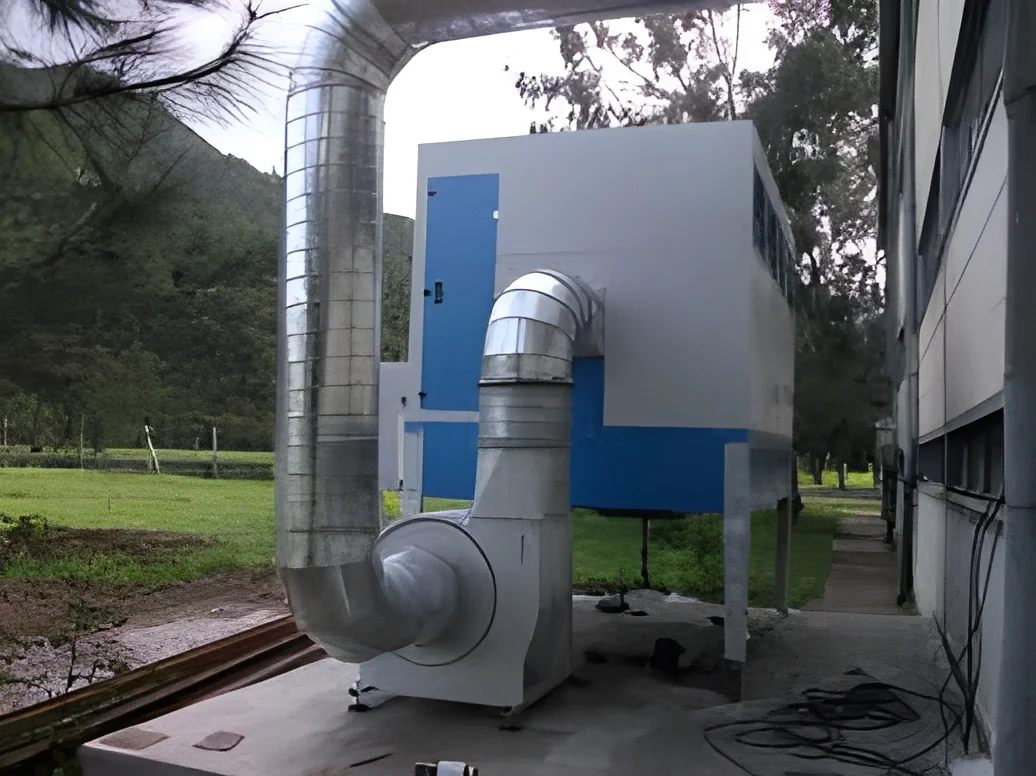
Dust collectors (single and multi-bag) offer a range of features tailored to meet the diverse needs of industrial applications. Understanding these specifications is crucial for selecting the right system for your business.
Key specifications include:
1. Filtration Efficiency
- High-efficiency filters capture a wide range of particle sizes.
- Typical efficiency ratings range from 99% to 99.9%.
2. Airflow Capacity
- Systems are designed to handle different airflow rates based on operational needs.
- Airflow capacities can range from 500 to 20,000 CFM (Cubic Feet per Minute).
3. Bag Material
- Durable materials such as polyester, polypropylene, or cotton are used.
- These materials provide varying levels of resistance to chemicals and heat.
4. Number of Bags
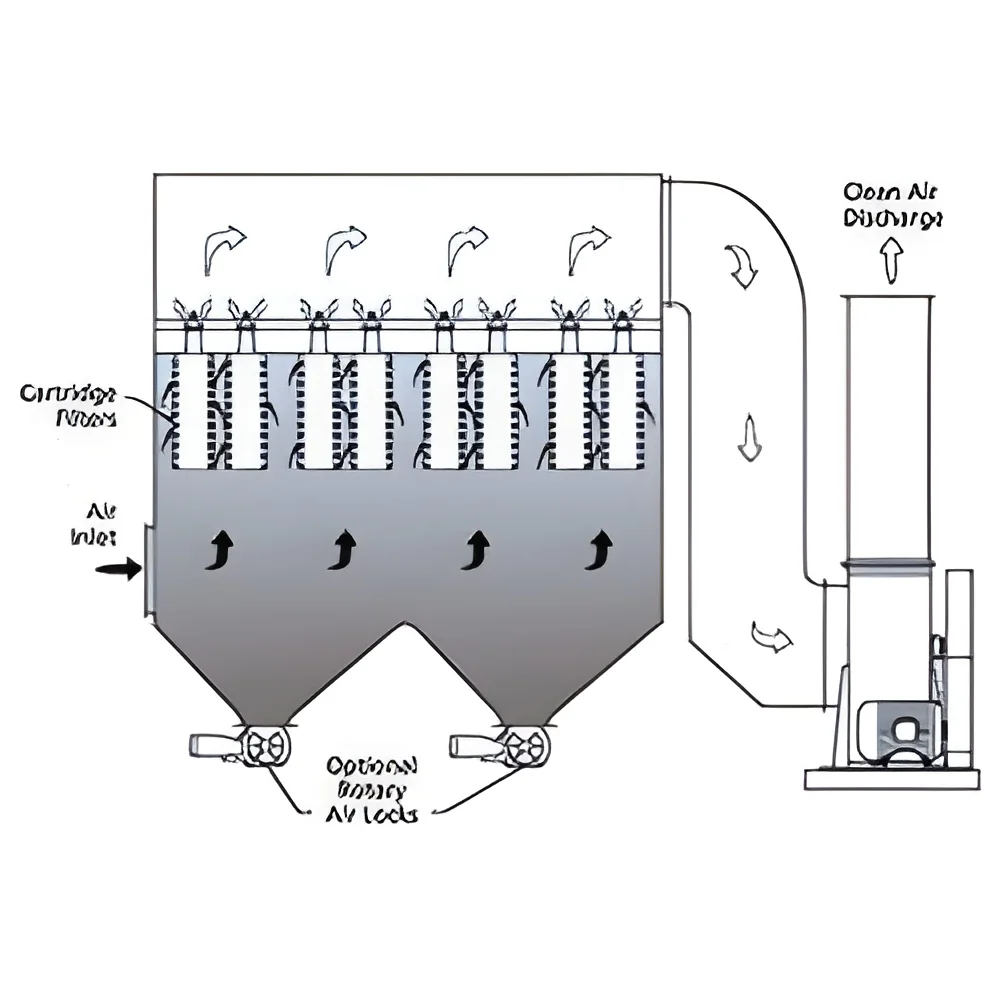
- Single-bag units typically have one filter, while multi-bag systems can have several.
- Multi-bag configurations can range from 2 to 20 bags or more.
5. Maintenance Features
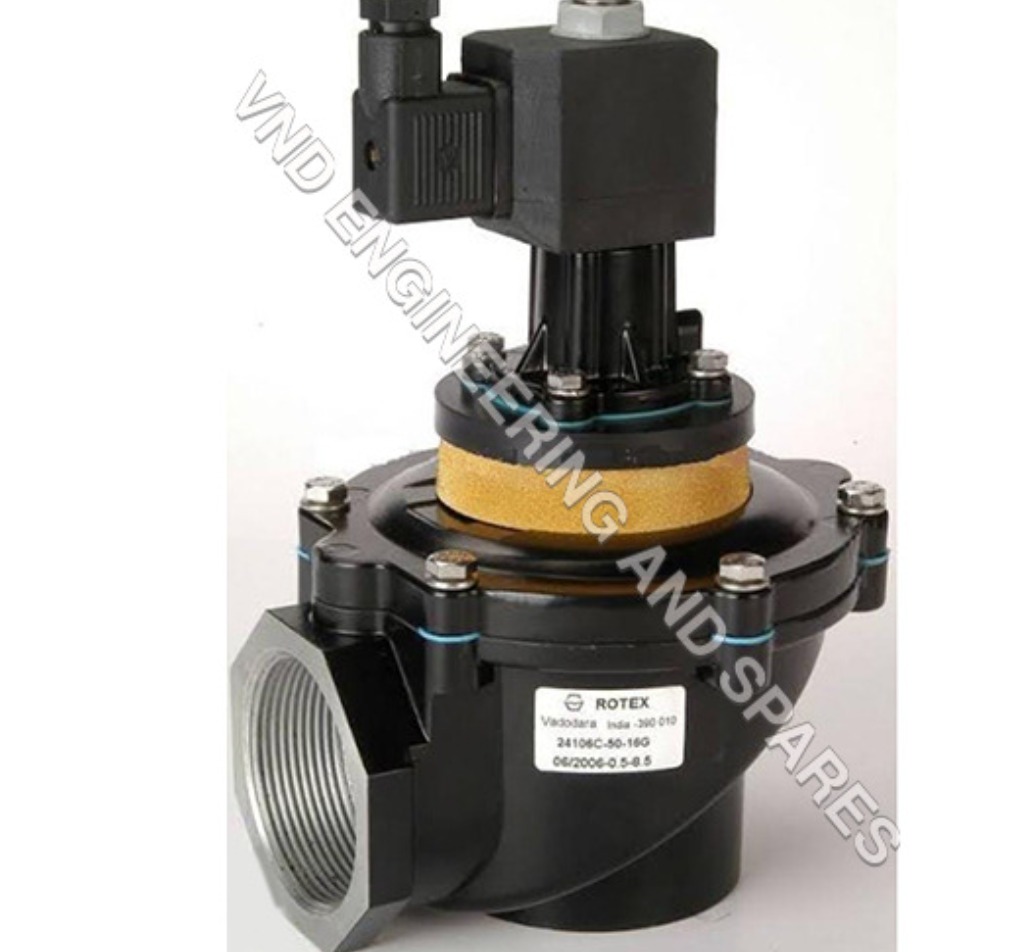
- Some systems include automatic cleaning mechanisms.
- Maintenance intervals can vary based on usage and dust load.
6. Dimensions
- Varying sizes to fit different industrial spaces.
- Height and width specifications depend on the model and configuration.
7. Control Systems
- Advanced models may include digital monitoring and control systems.
- Features can include pressure gauges and airflow monitoring.
8. Noise Levels
- Designed to operate quietly, with noise levels typically under 85 dB.
- This consideration is important for workplace comfort.
In summary, selecting a dust collector involves understanding these key features and specifications to ensure optimal performance for your industrial needs.
Common Applications and Use Cases
Dust collectors are widely used across various industries where dust generation is prevalent. Their capabilities cater to specific applications, enhancing operational efficiency and workplace safety.
1. Manufacturing: Dust collectors are integral in factories where metal shavings, wood dust, and other particles are produced. They help maintain a clean environment and ensure compliance with safety regulations.
2. Woodworking: In woodworking shops, dust collectors capture fine particles generated during cutting and sanding processes. This protects workers and keeps machinery functioning smoothly.
3. Metal Fabrication: In metalworking environments, dust collectors manage metal dust and particles generated by machining processes. This improves air quality and extends equipment lifespan.
4. Food Processing: Dust collectors play a crucial role in food manufacturing facilities by ensuring that flour, sugar, and other particulate matter do not contaminate the air or products.
5. Pharmaceuticals: In pharmaceutical production, maintaining a clean air environment is critical. Dust collectors help eliminate dust that could compromise product integrity.
6. Chemical Processing: These systems are essential in chemical plants to manage dust from powders and granules, preventing explosions and ensuring compliance with safety standards.
7. Cement and Construction: Dust collectors are used on construction sites to reduce airborne dust created during demolition and material handling, promoting a safer work environment.
Product Variants and Subcategories
Dust collectors come in various configurations to suit different operational requirements. Each variant offers unique features tailored to specific applications.
Single-Bag Dust Collector
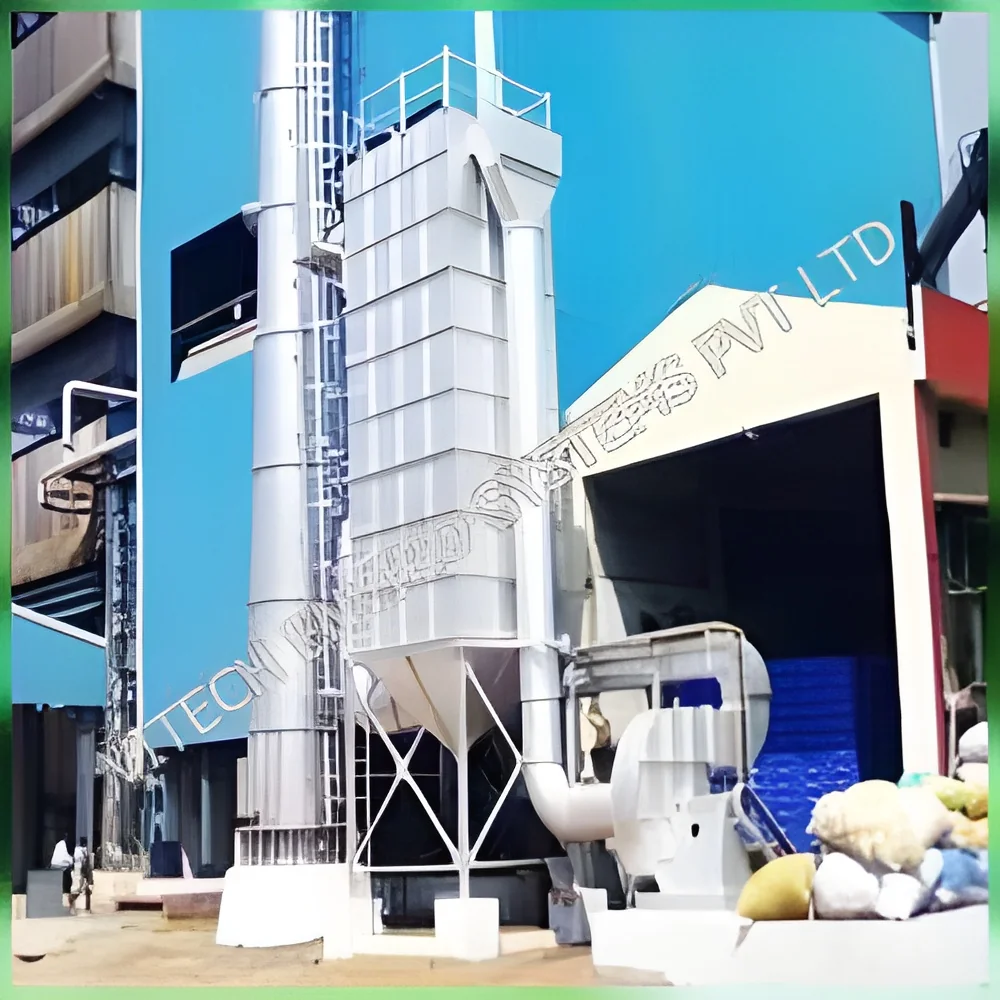
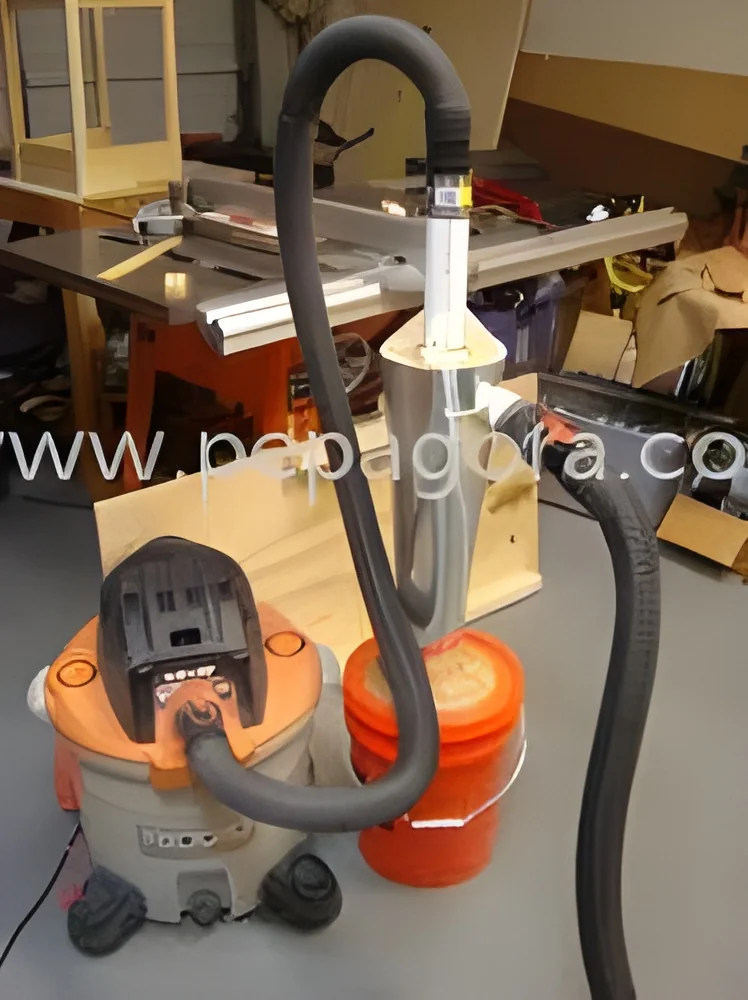
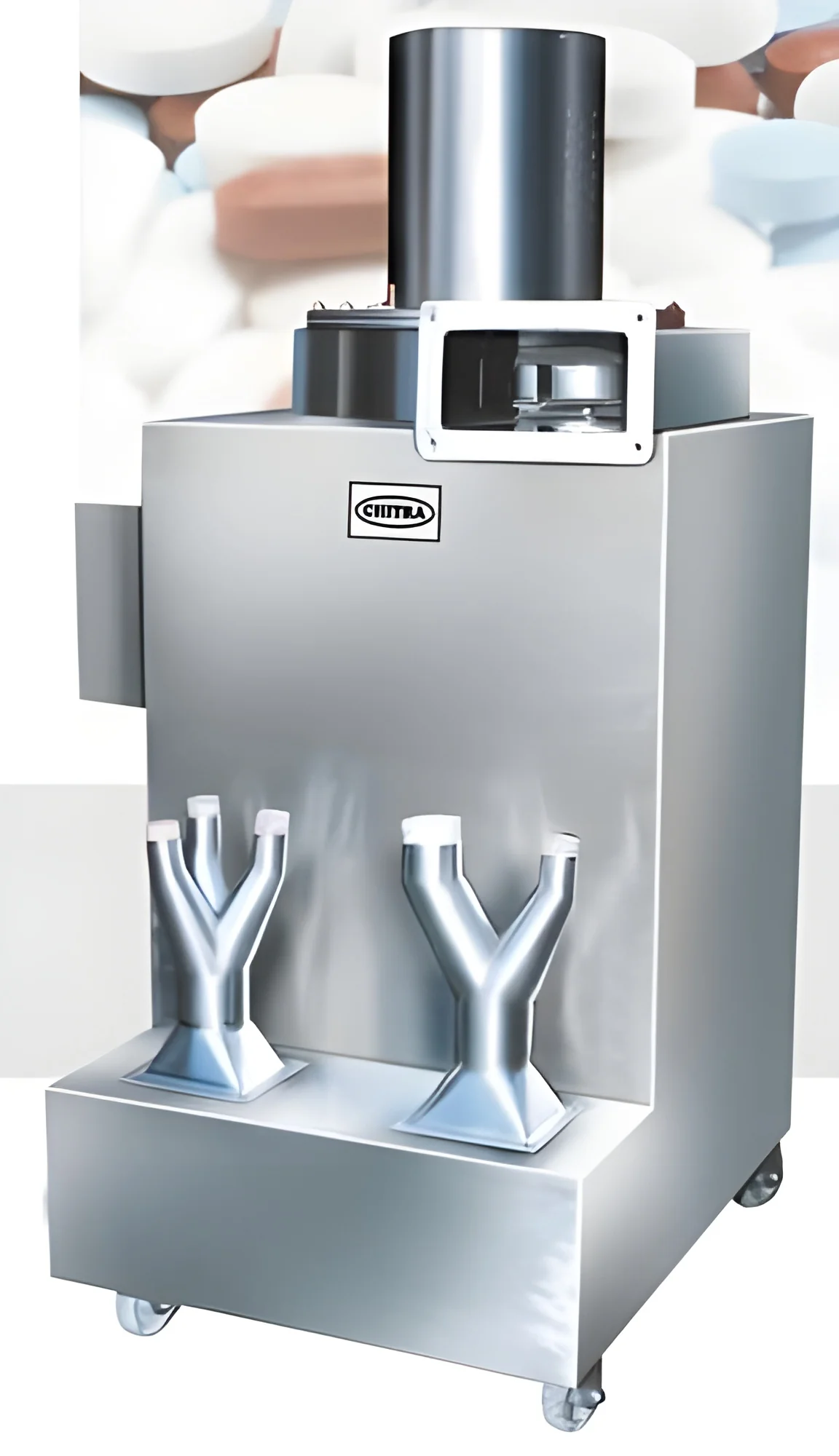
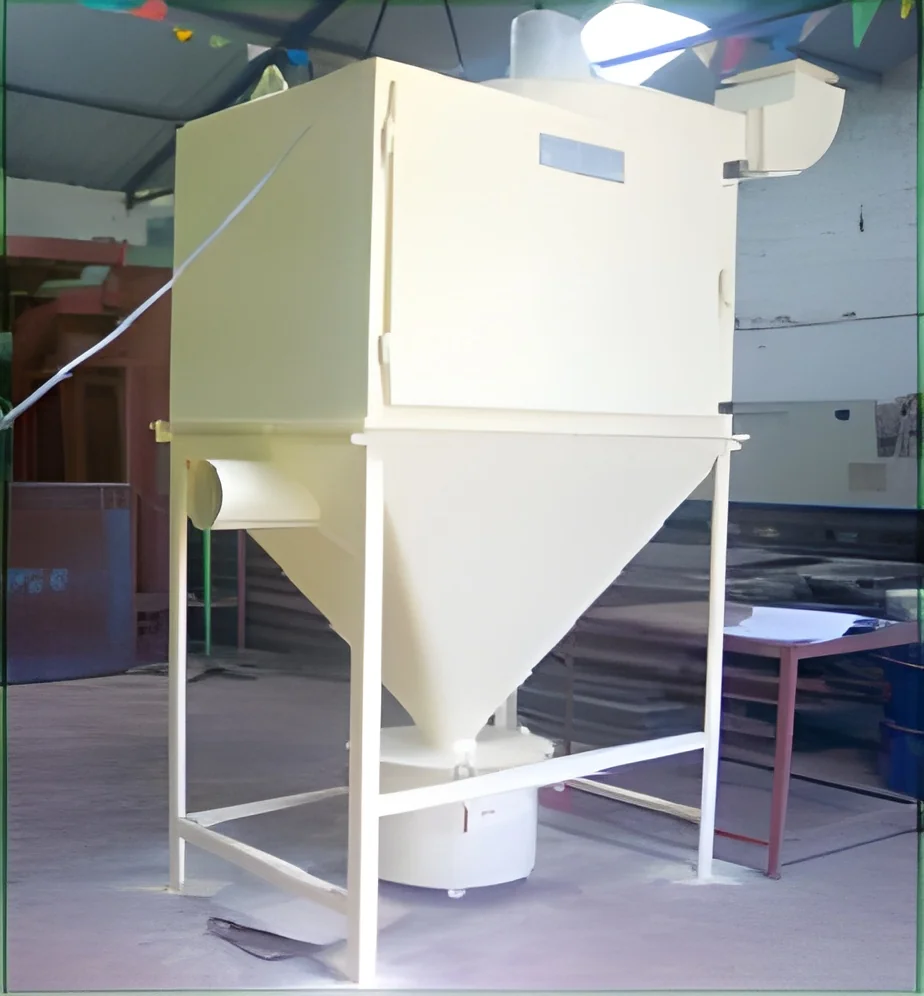
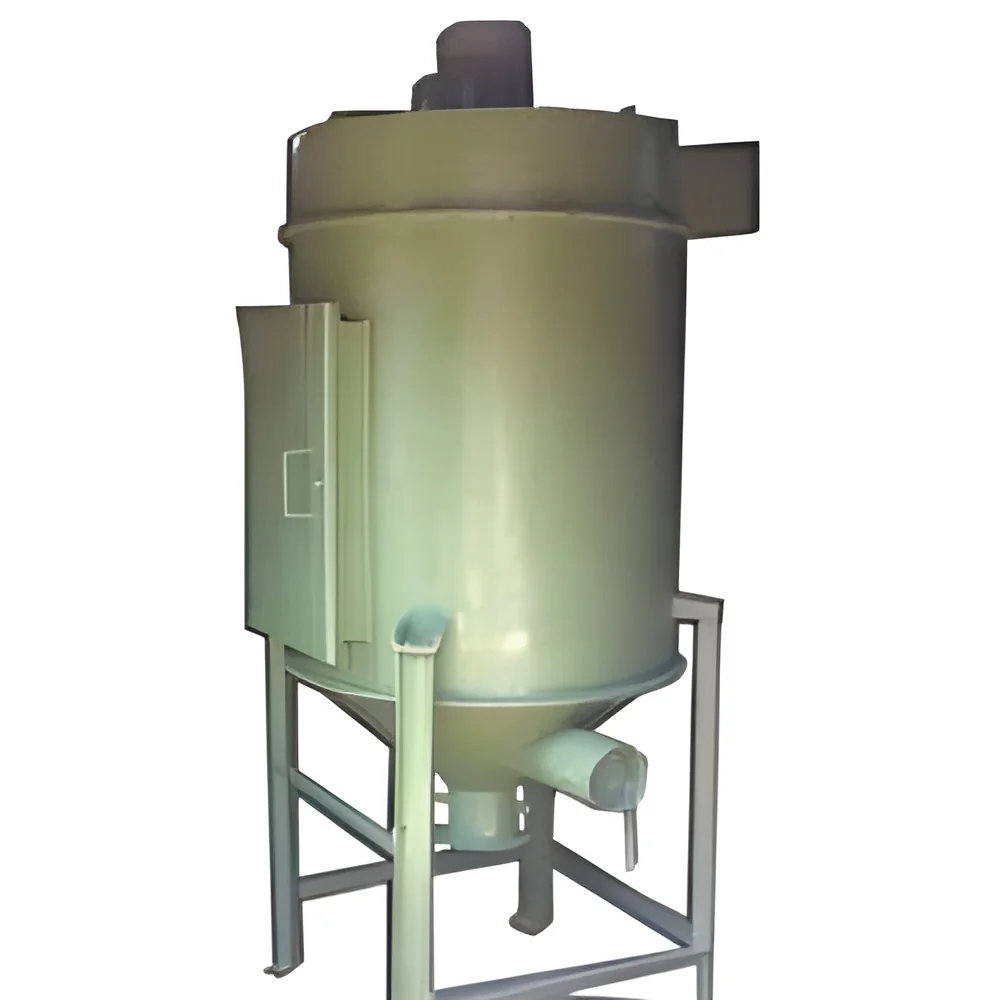
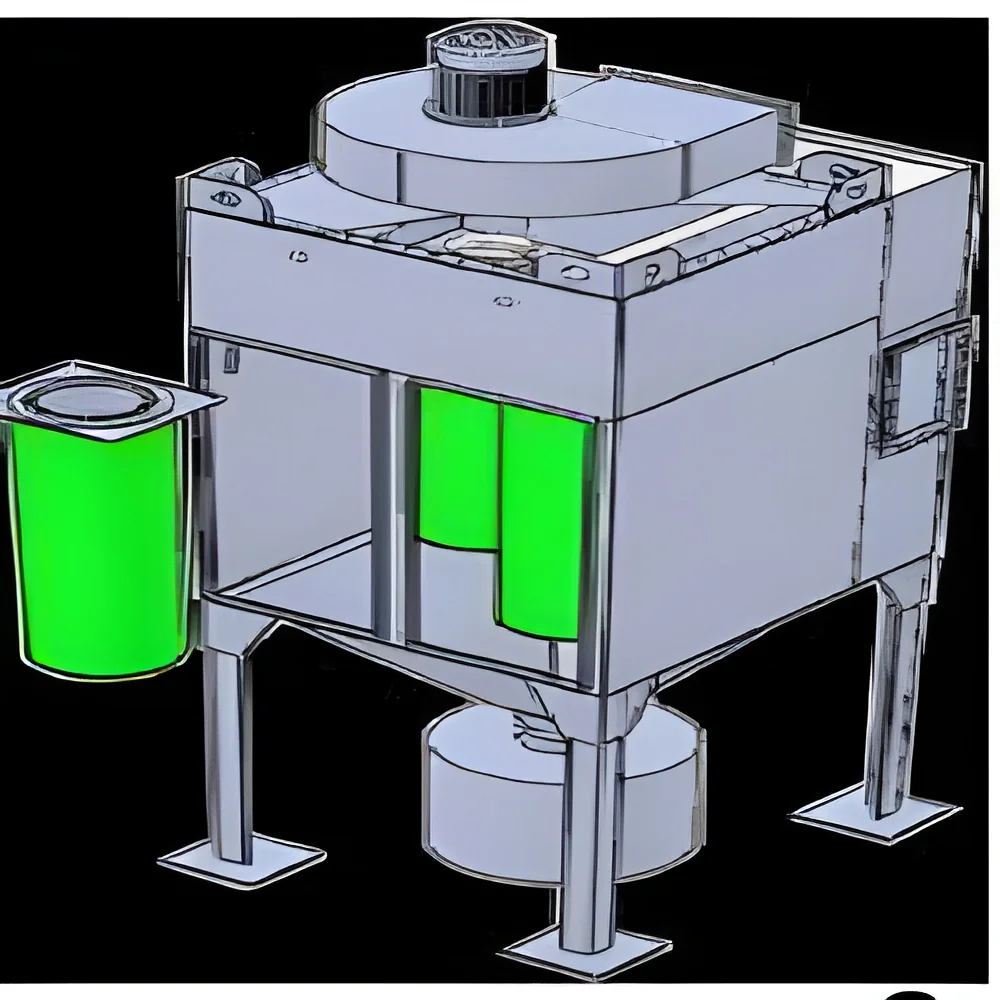
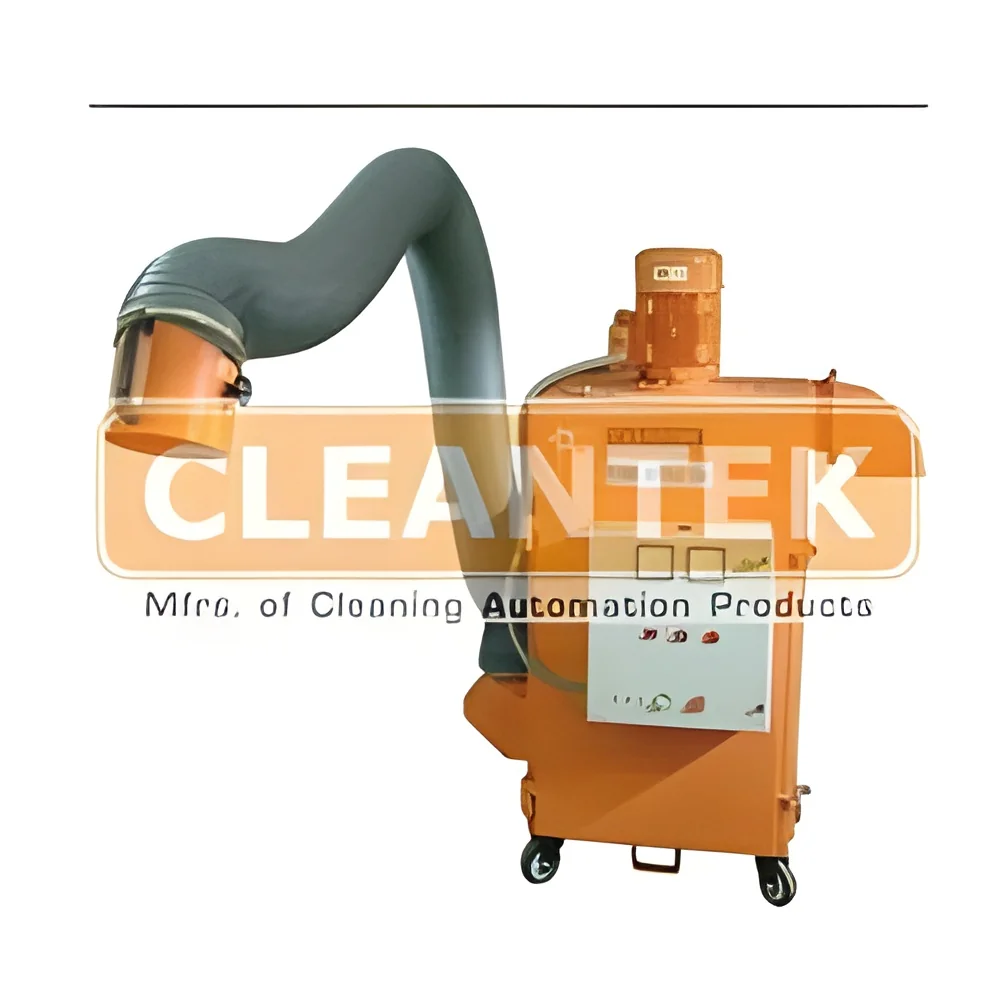
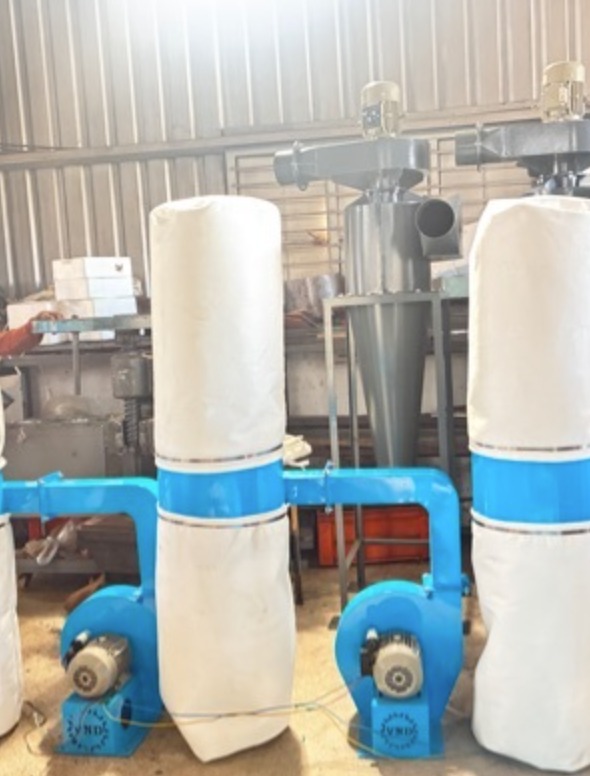
This variant is ideal for smaller operations with limited dust generation. It features a single filtration bag and is easy to maintain. These units are often portable and suitable for workshops or small manufacturing settings.
Multi-Bag Dust Collector
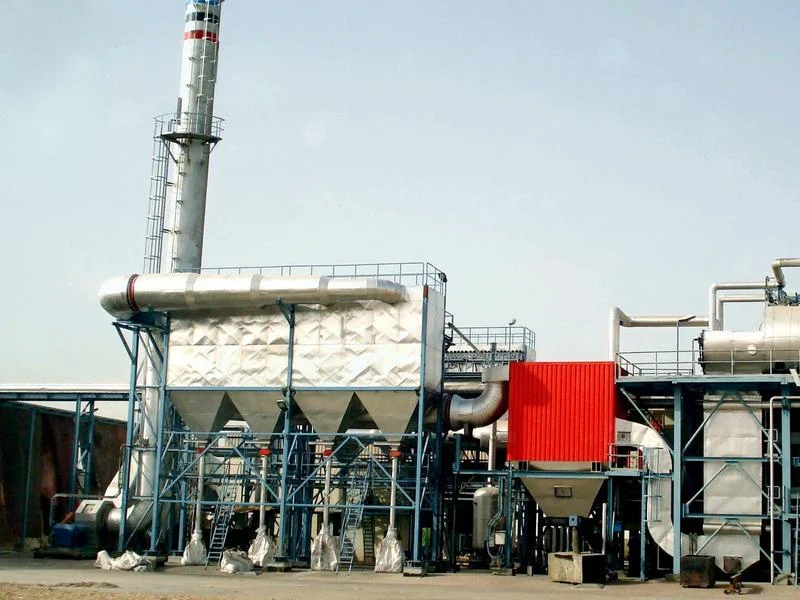
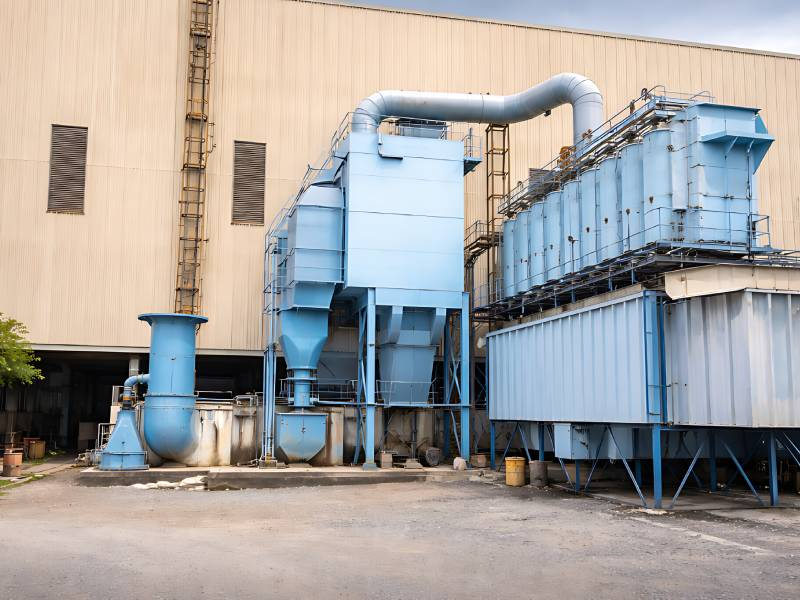
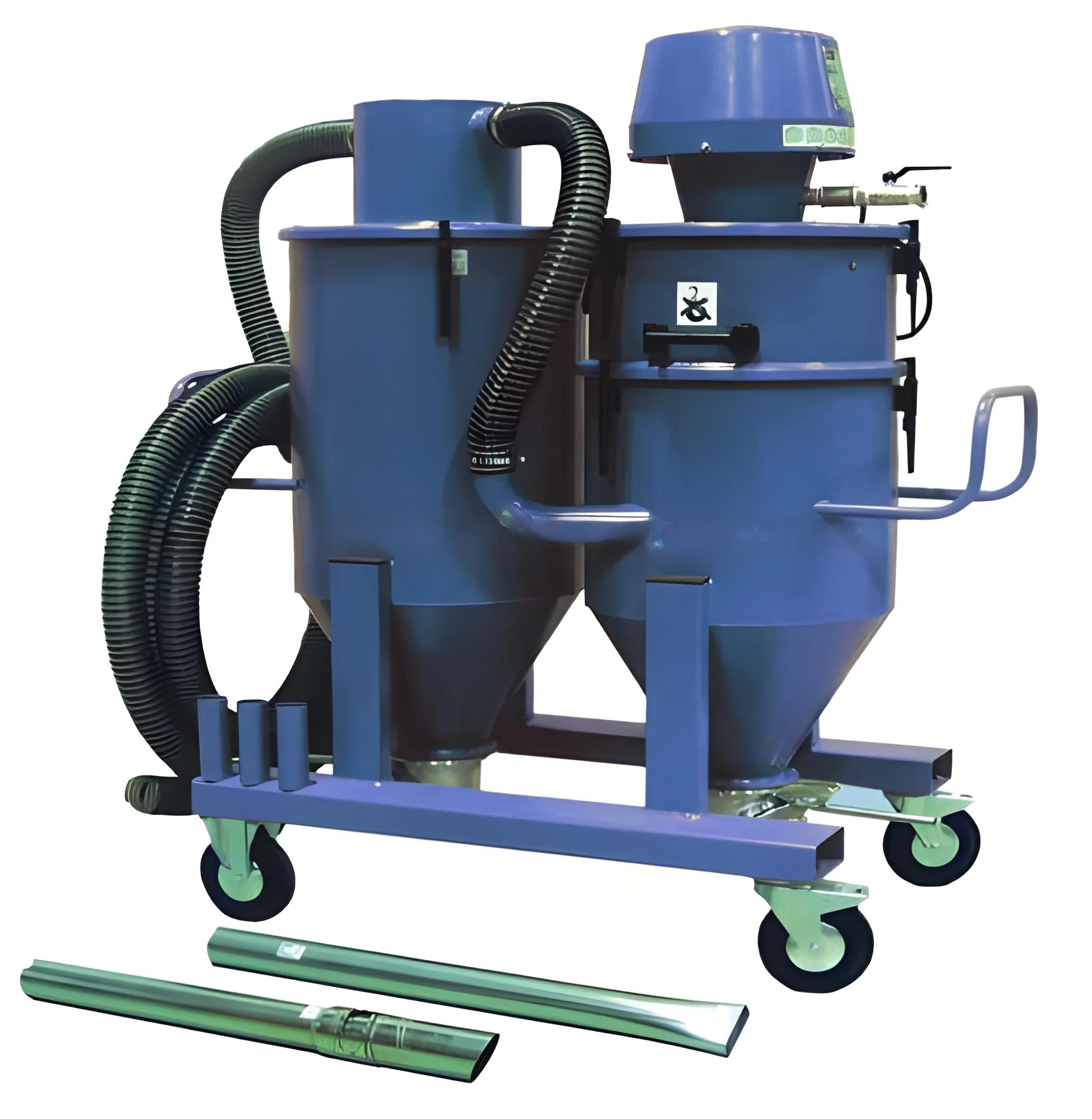
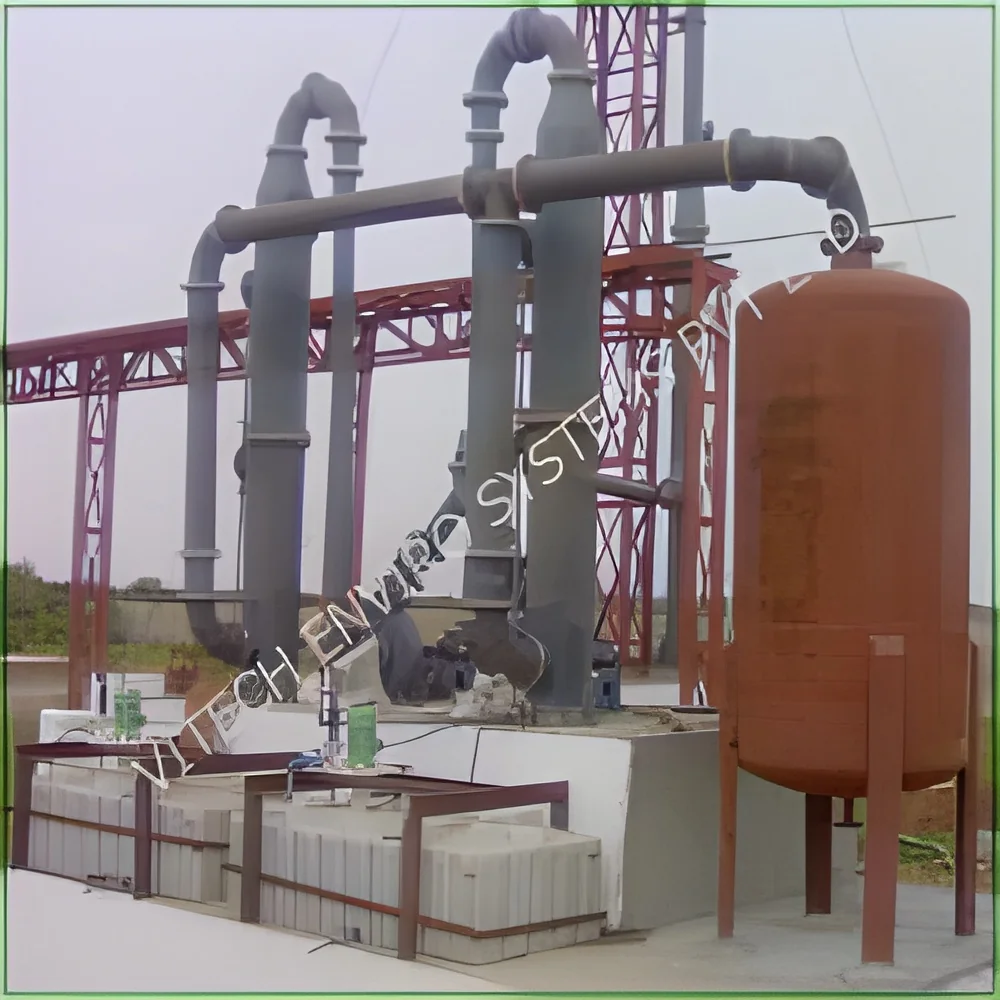
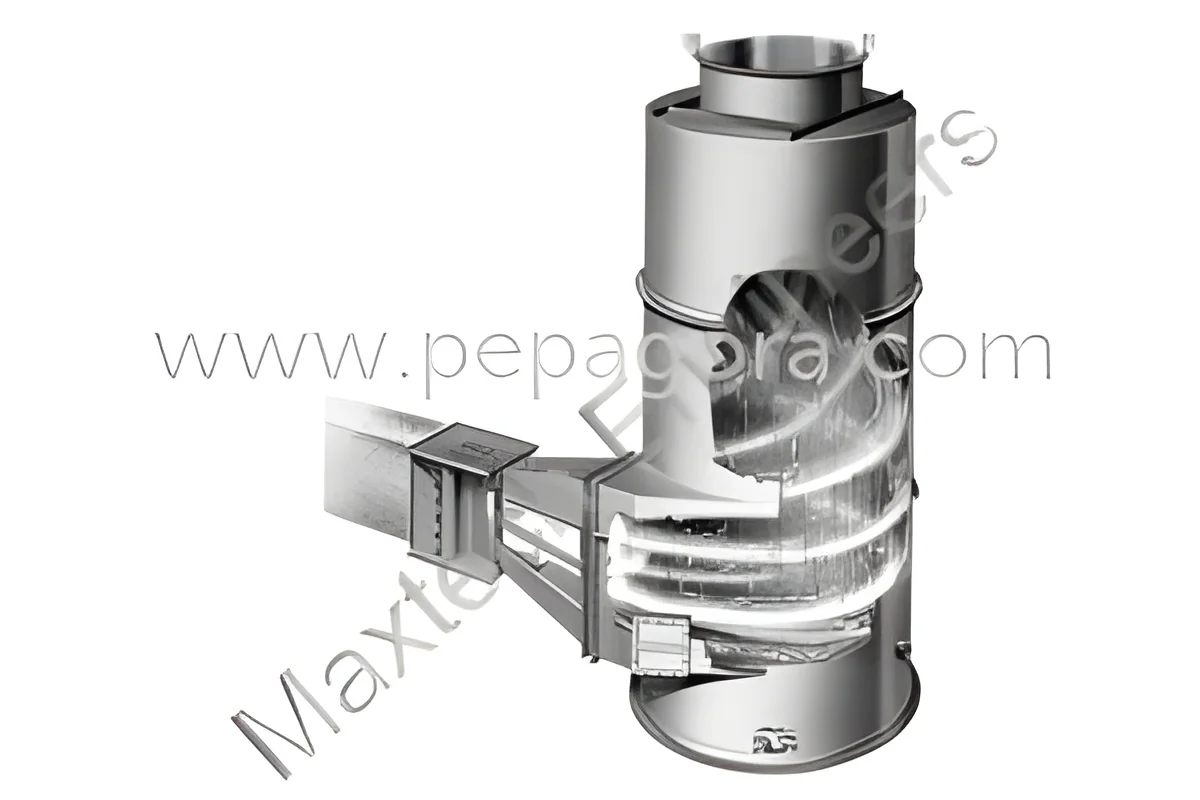
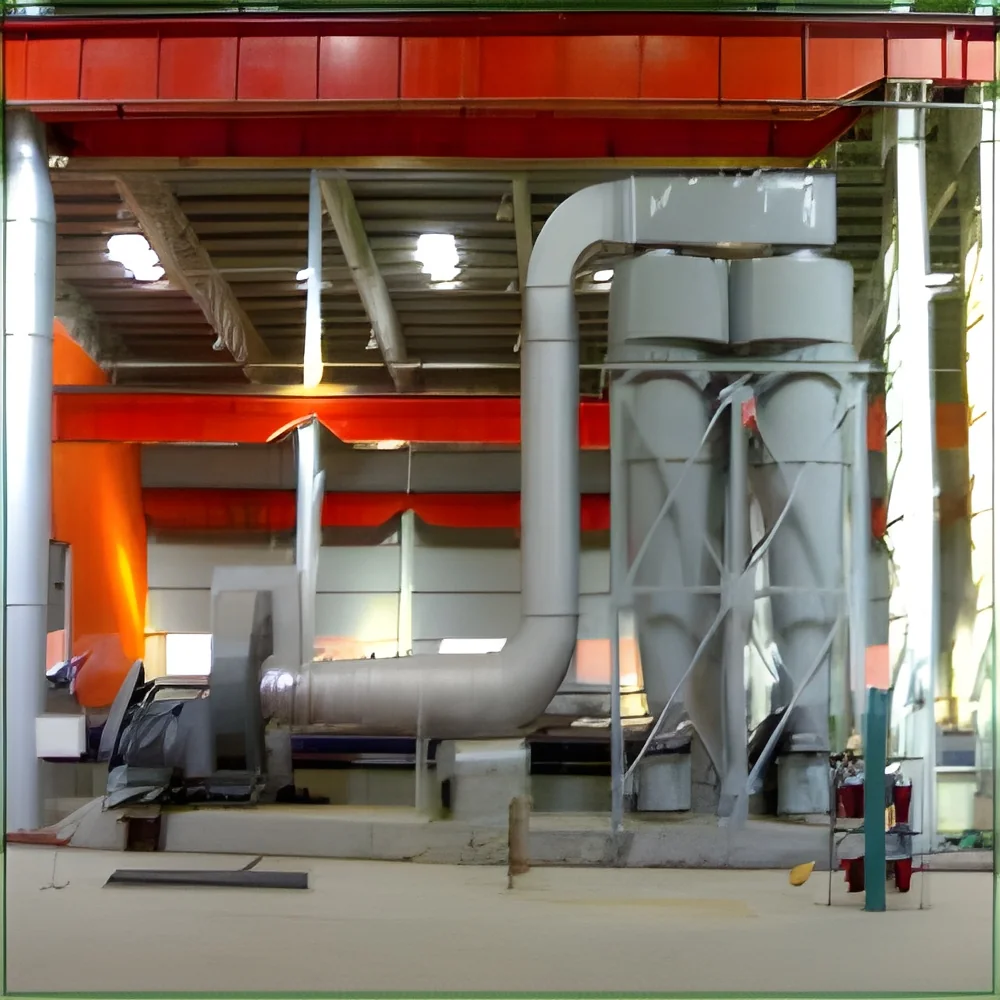
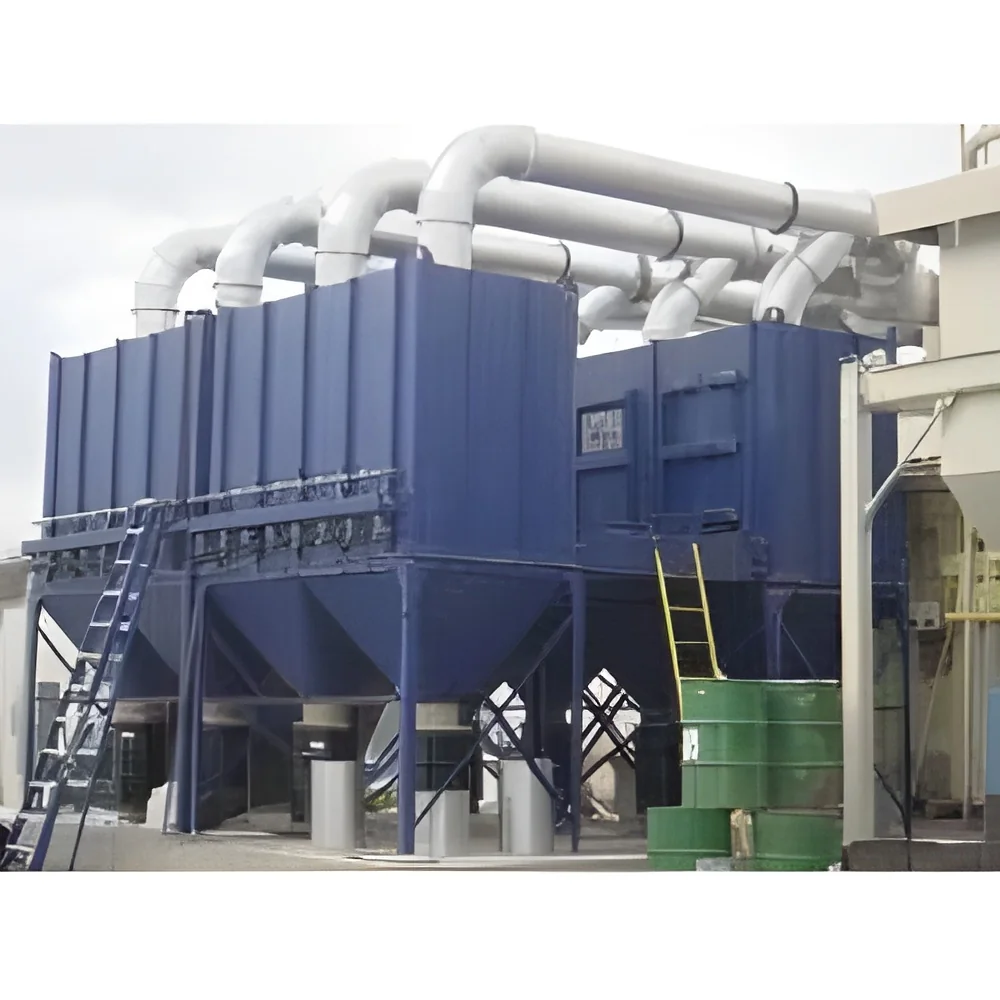
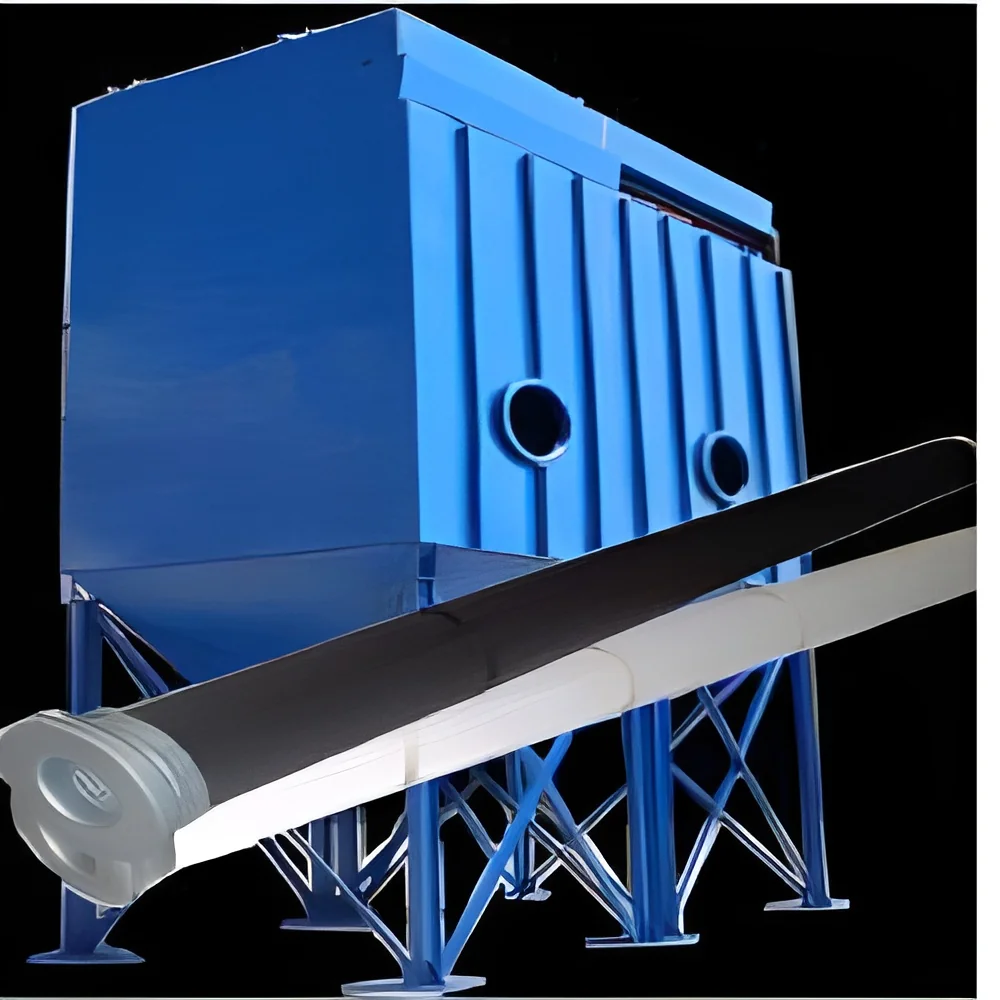
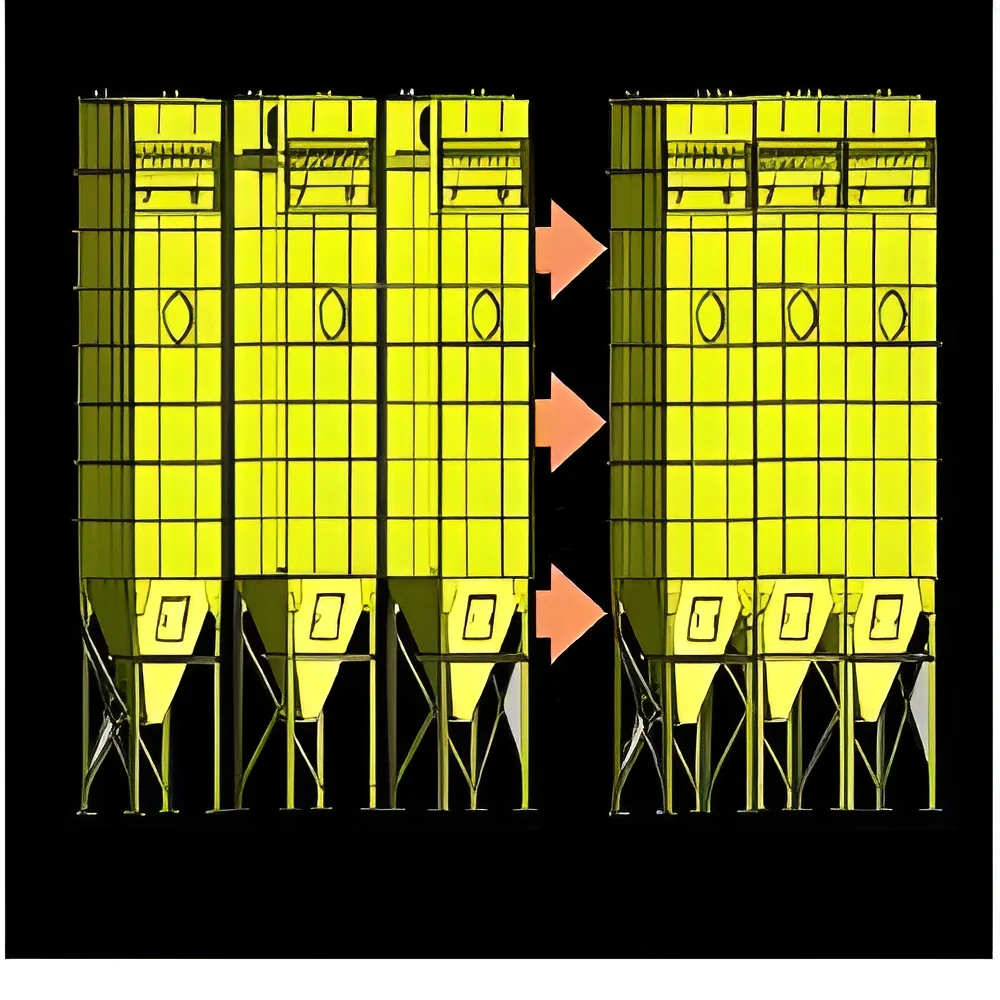
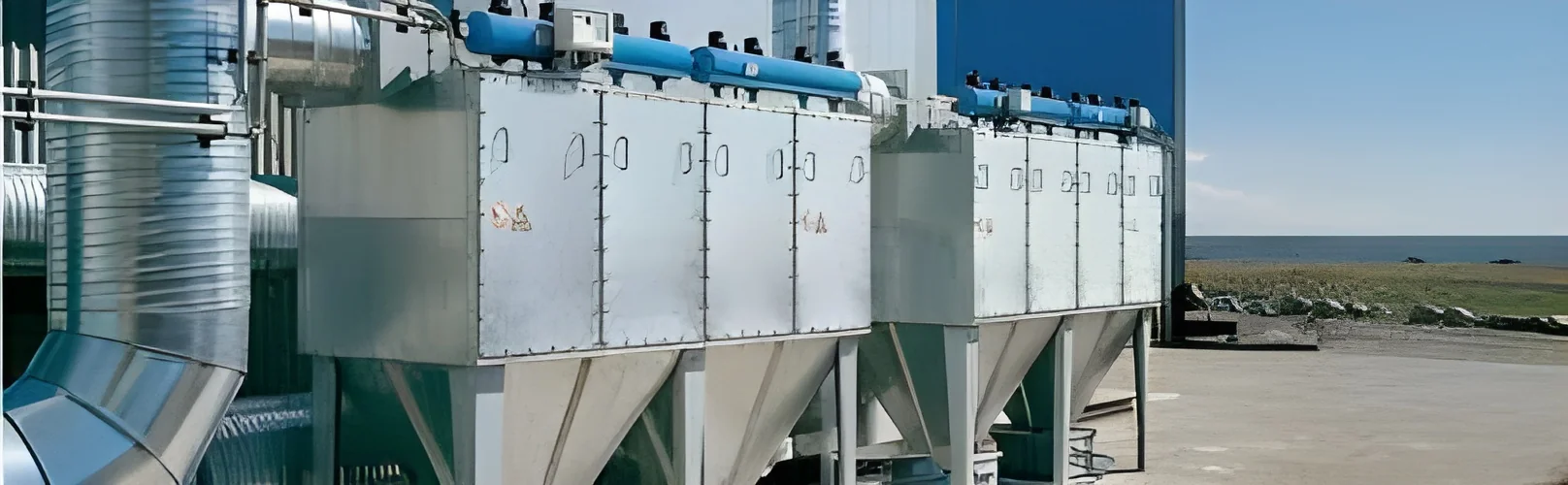
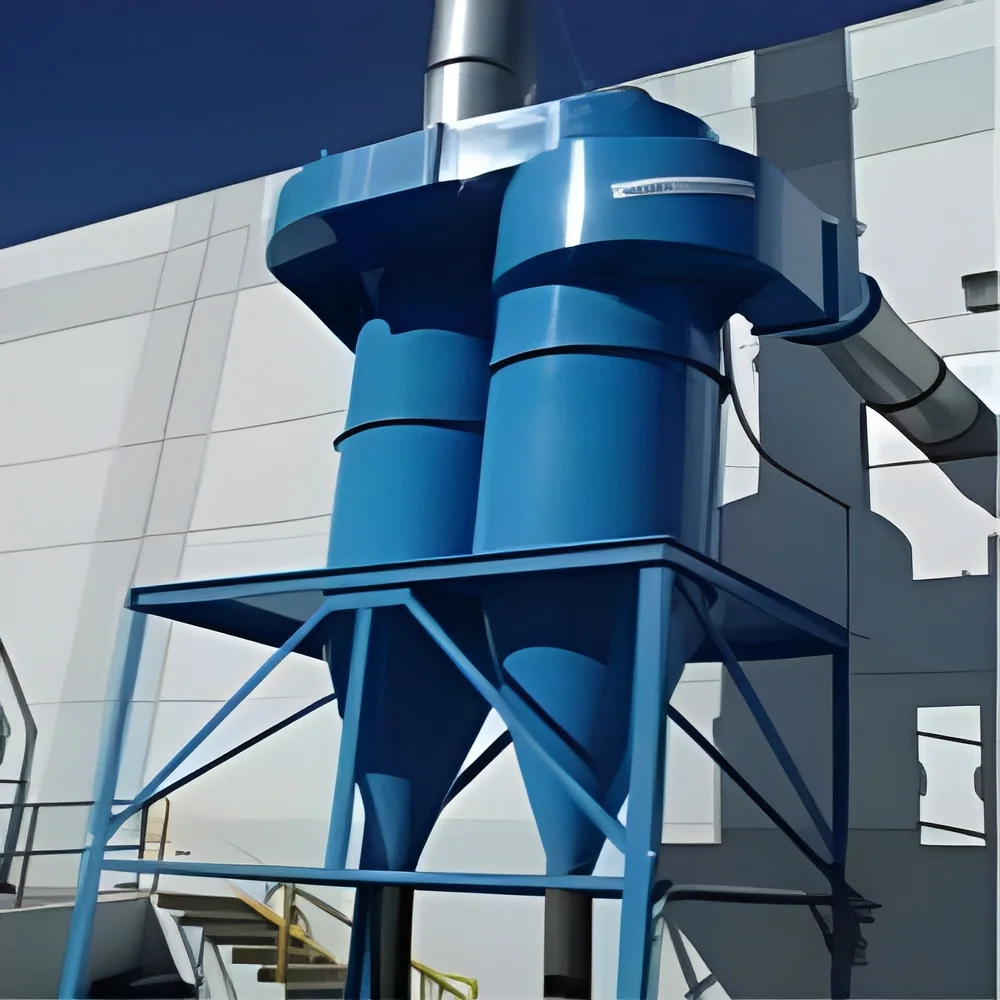
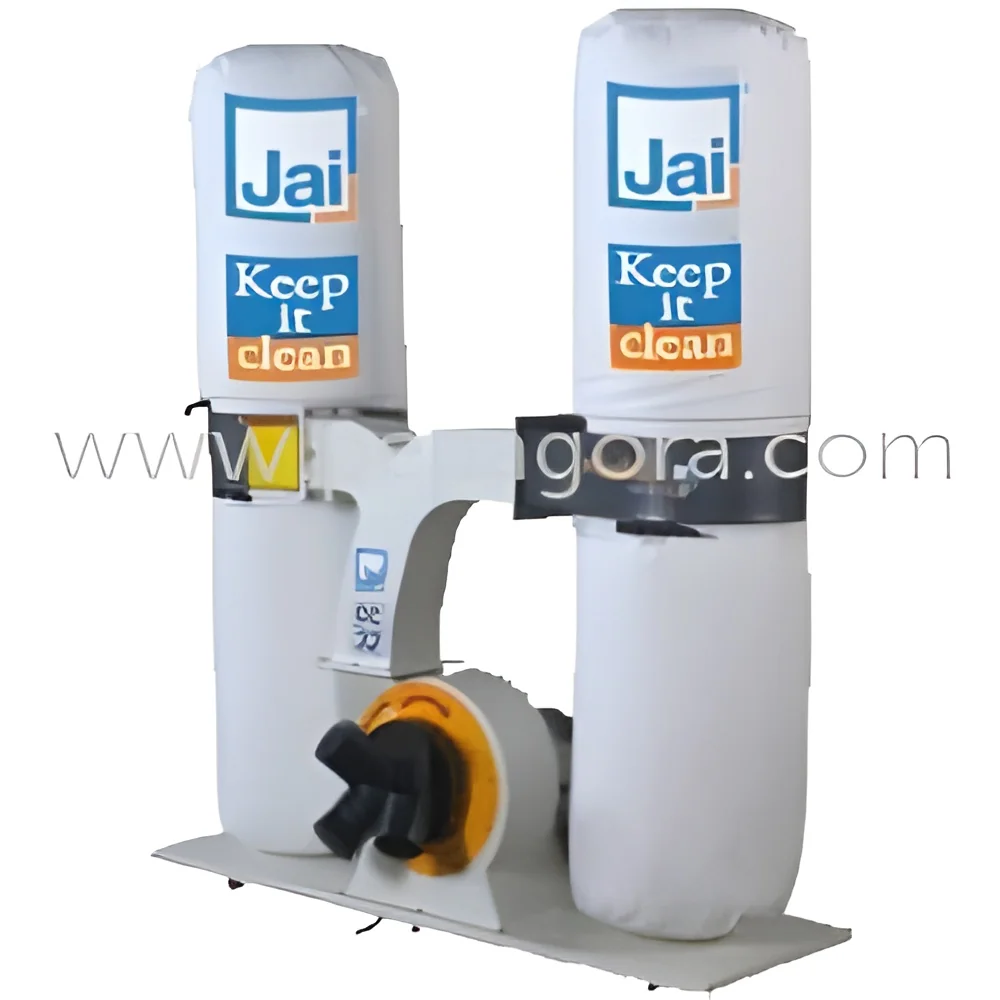
Designed for larger industrial applications, multi-bag dust collectors accommodate multiple filtration bags. They are capable of handling higher dust loads and provide enhanced filtration efficiency. This type is commonly used in factories and large-scale manufacturing environments.
Benefits and Advantages
Investing in dust collectors offers multiple benefits that enhance operational efficiency and workplace safety.
1. Improved Air Quality: Dust collectors significantly reduce airborne particles, leading to healthier work environments.
2. Regulatory Compliance: These systems help businesses meet local and international air quality regulations, avoiding fines and legal issues.
3. Equipment Protection: By minimizing dust accumulation, dust collectors prolong the life of machinery and reduce maintenance costs.
4. Increased Productivity: Cleaner air leads to fewer disruptions and enhanced worker comfort, resulting in improved productivity.
5. Enhanced Safety: Reducing dust levels lowers the risk of accidents and health issues, creating a safer workplace.
6. Environmental Responsibility: Implementing dust collection systems demonstrates a commitment to sustainability and environmental stewardship.
Buying Guide for B2B Buyers
When sourcing dust collectors, businesses should consider several factors to ensure they make informed purchasing decisions.
1. Quality Assessment: Look for dust collectors that meet recognized industry standards and specifications. High-quality materials and robust construction are essential for durability.
2. Supplier Verification: Vet suppliers thoroughly by checking their reputation, reviews, and certifications. A reliable supplier can provide ongoing support and maintenance services.
3. Pricing and MOQ: Evaluate pricing structures and minimum order quantities (MOQ). Consider the total cost of ownership, including installation and maintenance.
4. Delivery and Lead Times: Confirm delivery schedules and lead times to ensure that the dust collectors arrive when needed to avoid operational delays.
5. Compliance Requirements: Ensure that the dust collectors meet all necessary regulatory and safety standards specific to your region and industry. Proper certifications are crucial for compliance.
Compliance and Certifications
Dust collectors must adhere to various quality standards and certifications to ensure safety and efficiency. Compliance with ISO 9001 standards guarantees that manufacturing processes meet international quality management principles. Additionally, other relevant certifications may include HACCP for food safety and GDP for good distribution practices in pharmaceuticals.
Industry certifications such as UL and CE indicate that the equipment meets safety and performance standards necessary for market acceptance. Testing requirements often involve evaluating the filtration efficiency, airflow capacity, and durability of the systems under different conditions.
Regional compliance considerations also play a significant role, particularly in industries governed by strict environmental regulations. Businesses should remain informed about local laws regarding air quality and emissions to ensure that their dust collection solutions are compliant.
Why Source Dust Collectors (Single, Multi-Bag) from Pepagora?
Pepagora is a trusted platform for sourcing dust collectors, offering several key advantages that benefit B2B buyers.
Verified Supplier Network: Pepagora connects buyers with a network of verified suppliers, ensuring that businesses can source high-quality dust collectors with confidence. Each supplier is vetted for reliability and product quality.
Streamlined RFQ Process: The platform provides a streamlined request for quotation (RFQ) process, allowing buyers to easily compare different suppliers and products. This efficiency reduces the time spent searching for the right solutions.
Trade Assurance and Support: Pepagora offers trade assurance to protect buyers throughout the purchasing process. This includes support for negotiations and post-purchase assistance, ensuring a smooth transaction.
Regional Coverage: With a focus on markets in India, the GCC, and Southeast Asia, Pepagora provides extensive regional coverage. This allows businesses in these areas to access local suppliers and benefit from timely deliveries and service.

 IN
IN