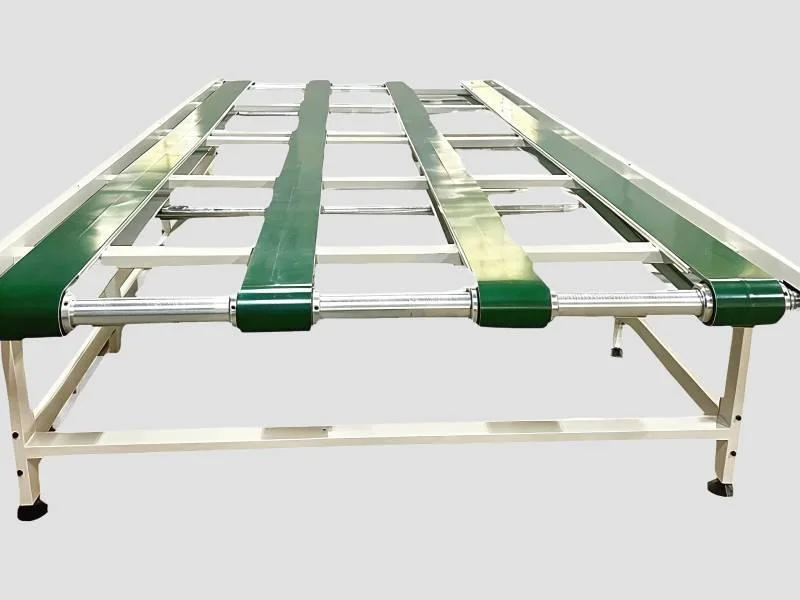
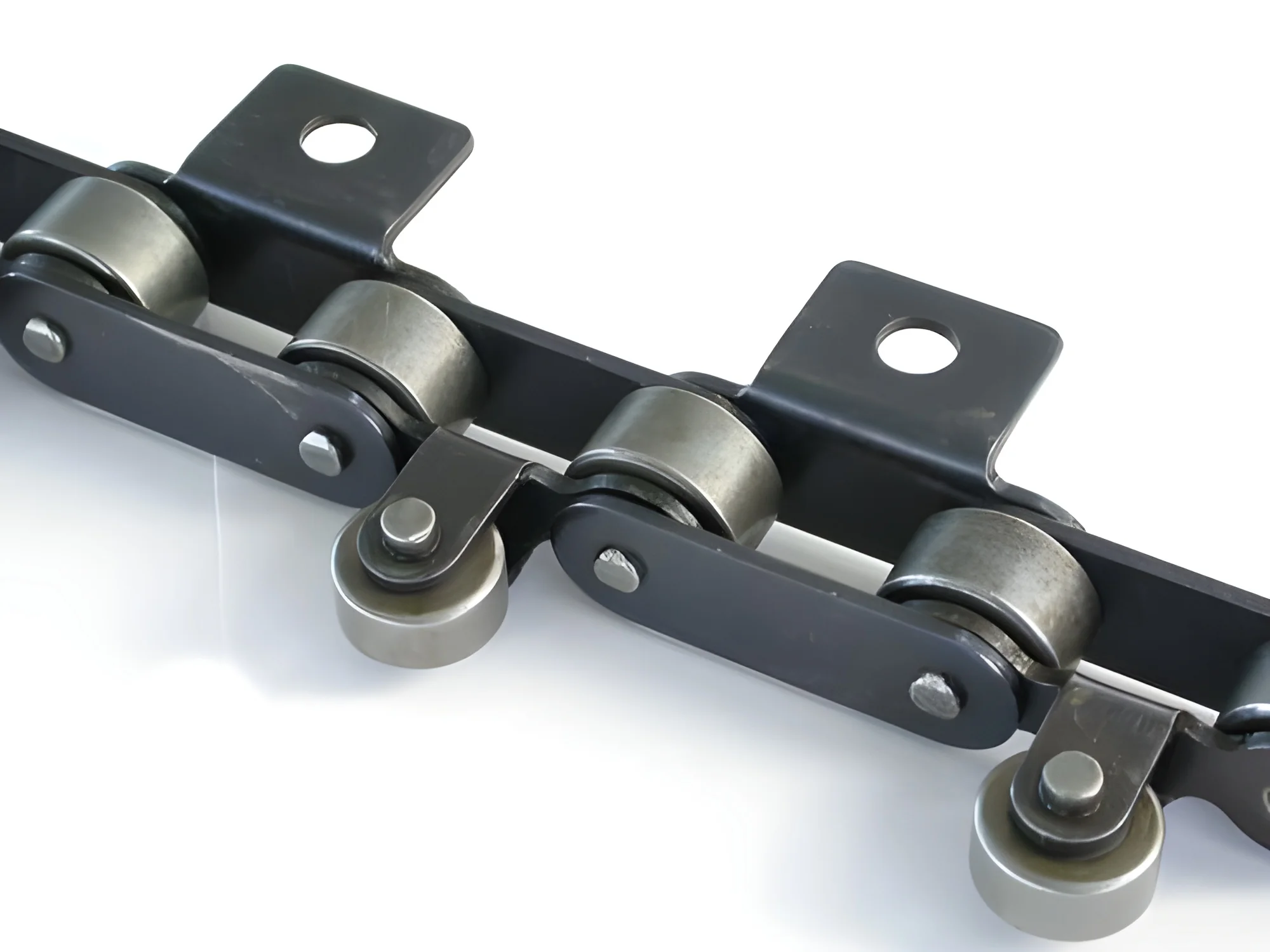
What are Roller Conveyors for Wood Panels?
Roller conveyors for wood panels are specialized material handling systems designed to transport large, flat wooden products efficiently through various stages of processing and manufacturing. These conveyors typically consist of a series of rollers arranged in a frame, allowing wood panels to glide smoothly along the surface. The design facilitates quick and effective movement of heavy and bulky items, reducing manual handling and increasing productivity in industrial settings.
These conveyors are primarily utilized in industries such as woodworking, furniture manufacturing, and construction. They play a crucial role in streamlining operations by enabling the easy transport of wood panels from one workstation to another. Whether moving panels from cutting to finishing or from storage to assembly, roller conveyors are essential for maintaining workflow efficiency. As the woodworking industry evolves, the demand for reliable and versatile conveyor systems continues to grow, highlighting their importance in modern manufacturing processes.
Key Features and Specifications
Roller conveyors for wood panels come with various features designed to enhance performance and durability. These features make them suitable for handling different types of wood products while ensuring safe and efficient operations.
Key specifications include:
1. Load Capacity
- Designed to handle heavy wood panels
- Typical ranges from 500 kg to 2000 kg per meter
2. Roller Diameter
- Varies based on application needs
- Common sizes range from 50 mm to 100 mm
3. Conveyor Width
- Adjustable widths to accommodate different panel sizes
- Standard widths range from 600 mm to 1200 mm
4. Speed Variability
- Options for adjustable speed settings
- Speed typically ranges from 5 m/min to 20 m/min
5. Frame Material
- Constructed from robust materials for durability
- Commonly made of steel or aluminum
6. Drive Type
- Options for manual or powered drive systems
- Powered systems often use electric motors
7. System Length
- Customizable lengths based on facility layout
- Standard lengths can be from 3 meters to over 10 meters
8. Safety Features
- Includes safety guards and emergency stop functions
- Complies with relevant safety standards
These specifications ensure that roller conveyors are well-suited for the demands of the woodworking industry, promoting safety and efficiency.
Common Applications and Use Cases
Roller conveyors for wood panels find applications in various industries, making them versatile tools in material handling.
1. Woodworking Industry: These conveyors are essential for moving wood panels through cutting, sanding, and finishing processes, significantly speeding up production times.
2. Furniture Manufacturing: In furniture production, roller conveyors facilitate the transportation of large panel components, ensuring smooth assembly and reducing the risk of damage.
3. Construction: Roller conveyors are used to transport wooden materials to and from job sites, making it easier to manage the logistics of building projects.
4. Plywood Production: They help in the movement of plywood sheets during manufacturing, ensuring efficient handling from one stage to another.
5. Packaging: In packaging operations, these conveyors assist in transporting wood panels to packaging stations, improving workflow efficiency.
6. Distribution Centers: They are utilized in warehouses to move wood products for storage or shipping, enhancing overall logistics operations.
7. DIY and Home Improvement: Retailers use roller conveyors to handle wood panels in display areas, facilitating customer access and inventory management.
Product Variants and Subcategories
Roller conveyors for wood panels come in various forms to suit specific applications and operational needs.
Standard Roller Conveyors: These are the most common type, designed for general use in transporting wood panels across different stages of production. They are versatile and can be customized for various load capacities.
Heavy-Duty Roller Conveyors: Built for transporting larger and heavier panels, these conveyors feature reinforced frames and robust rollers. They are ideal for industries that handle thick or dense wood products.
Inclined Roller Conveyors: These conveyors are designed to transport wood panels at an angle, allowing for elevation changes in production lines. They are useful in maximizing space and improving workflow efficiency.
Flexible Roller Conveyors: These systems can be adjusted to fit different layouts and are ideal for temporary setups or changing production needs. They offer adaptability in various manufacturing environments.
Benefits and Advantages
Roller conveyors for wood panels provide numerous benefits that enhance operational productivity.
1. Increased Efficiency: By automating the transport of wood panels, these conveyors reduce manual handling, speeding up production processes.
2. Space Optimization: Roller conveyors can be designed to fit specific layouts, maximizing the use of available space in warehouses and production facilities.
3. Enhanced Safety: Equipped with safety features, these conveyors reduce the risk of workplace injuries associated with manual handling of heavy wood products.
4. Durability and Longevity: Made from high-quality materials, roller conveyors are built to withstand the rigors of industrial use, ensuring long-term performance.
5. Customization Options: Many manufacturers offer customizable solutions to meet unique operational needs, allowing businesses to tailor systems to their specific requirements.
6. Cost-Effective: By improving efficiency and reducing labor costs, roller conveyors can provide a significant return on investment over time.
Buying Guide for B2B Buyers
When sourcing roller conveyors for wood panels, consider several critical factors to ensure the right choice for your operations.
1. Quality Assessment: Evaluate the materials and construction quality of the conveyors. Look for reputable manufacturers who adhere to industry standards to ensure reliability.
2. Supplier Verification: Vet potential suppliers by checking their track record, customer reviews, and compliance with relevant certifications to ensure they meet your quality requirements.
3. Pricing and MOQ: Understand the pricing structure and minimum order quantities. Compare costs among suppliers while considering the total value offered.
4. Delivery and Lead Times: Clarify delivery schedules and lead times to align with your production timelines. Efficient logistics are crucial for maintaining workflow.
5. Compliance Requirements: Ensure that the conveyors meet relevant safety and quality standards, such as CE certification, to comply with industry regulations.
Compliance and Certifications
Roller conveyors for wood panels must adhere to various quality standards and regulations to ensure safety and performance in industrial environments.
ISO 9001 is a widely recognized standard that sets criteria for quality management systems. Compliance with this standard indicates that a manufacturer consistently meets customer and regulatory requirements.
CE certification is crucial in the European market, ensuring that products meet safety, health, and environmental protection standards. This certification is a key indicator of compliance for equipment used in manufacturing processes.
Safety and testing requirements are essential in the design and operation of roller conveyors. Manufacturers must conduct rigorous testing to ensure that their products can handle specified loads and operate safely.
Regional compliance considerations may vary based on local regulations and industry standards. It is essential to be aware of these requirements when sourcing equipment.
Why Source Roller Conveyors for Wood Panels from Pepagora?
Pepagora provides a trusted platform for sourcing roller conveyors for wood panels, offering several key advantages to B2B buyers.
Verified Supplier Network: Pepagora connects buyers with a network of verified suppliers, ensuring that businesses can source high-quality equipment from reputable manufacturers.
Streamlined RFQ Process: The request for quotation system allows buyers to easily compare offers from multiple suppliers, ensuring competitive pricing and optimal choices.
Trade Assurance and Support: Buyers benefit from trade assurance programs that protect their investments, providing peace of mind during the purchasing process.
Regional Coverage: Pepagora has a broad geographic reach, covering India, the GCC, and Southeast Asia, making it easier for businesses to source equipment that meets their operational needs across different markets.

 IN
IN