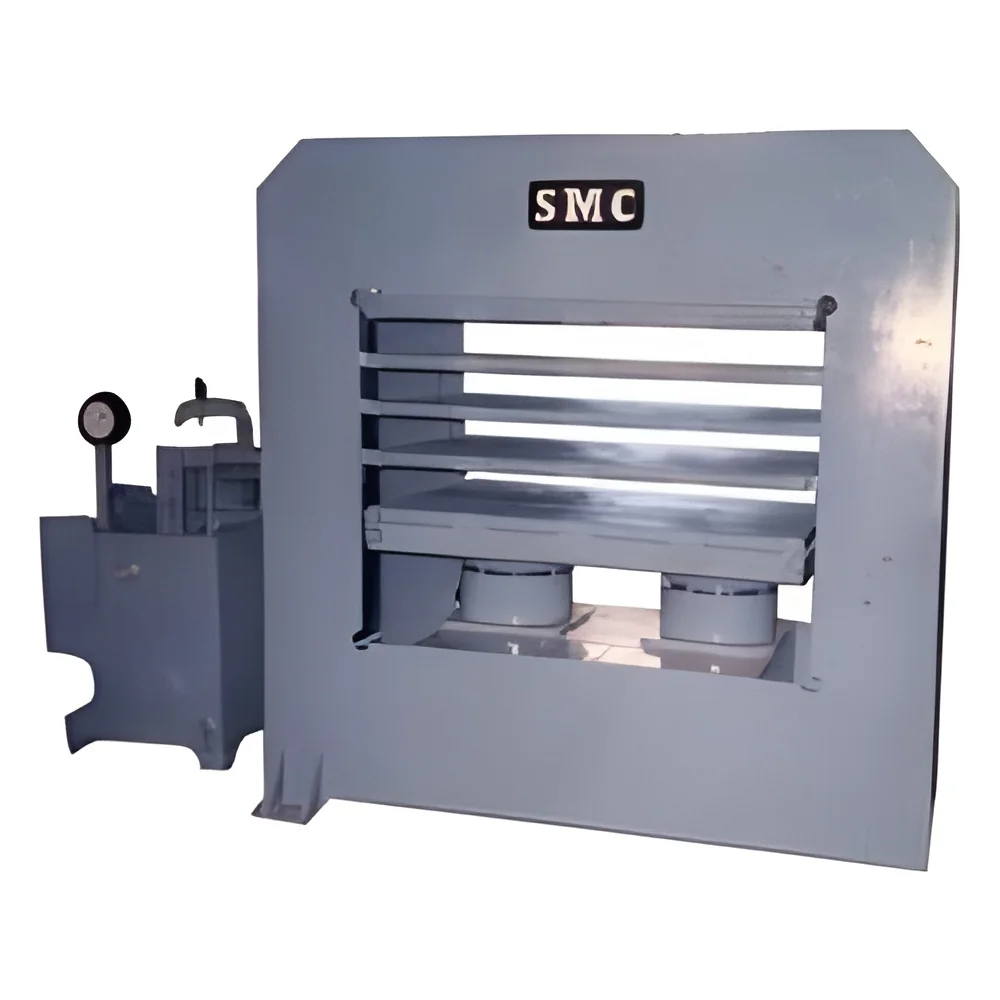
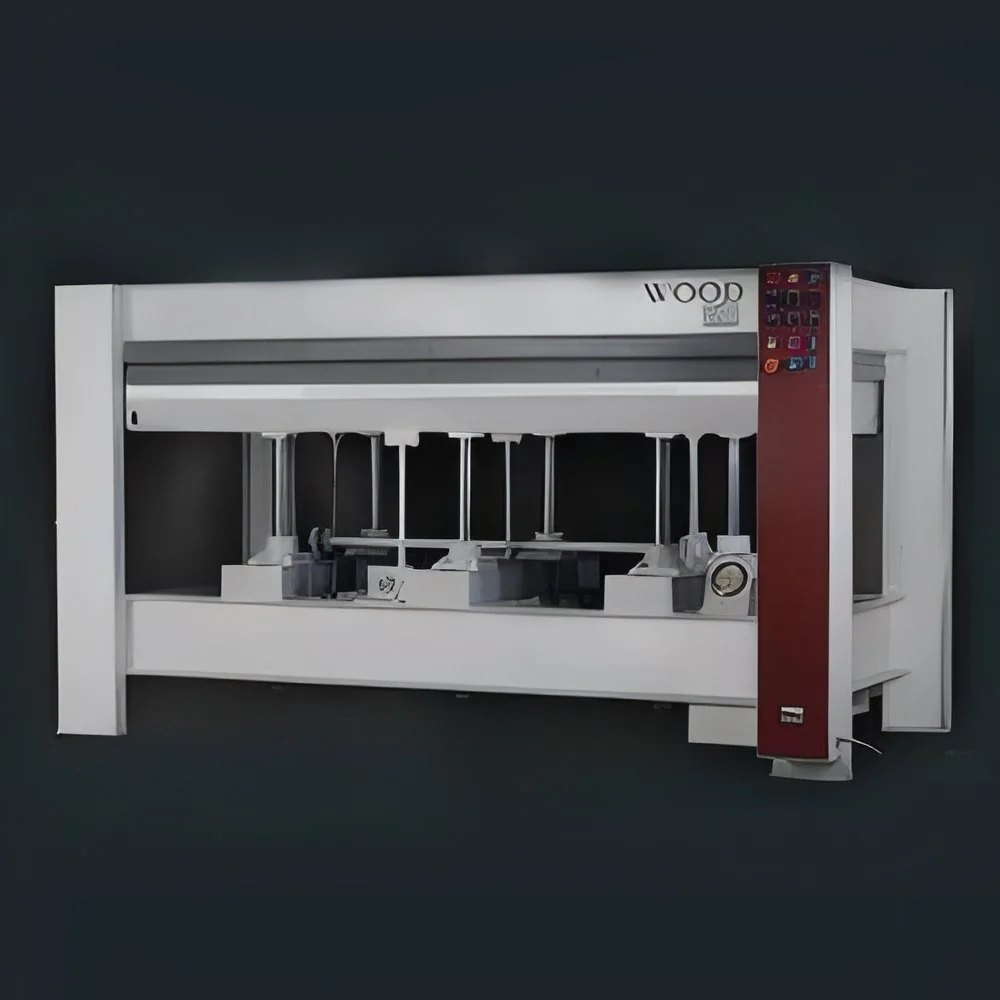
What are Hot Press Machines?
Hot press machines are industrial devices designed to apply heat and pressure to materials, facilitating the bonding or molding processes. These machines use a combination of heat and mechanical force to transform raw materials, such as wood, plastics, or composites, into finished products. The operation of hot press machines typically involves placing materials into a heated mold and then applying pressure for a specified duration. This process ensures uniform heat distribution and optimal material deformation.
The primary uses of hot press machines span various industries, including woodworking, automotive, and construction. In woodworking, these machines are often employed to create laminated products like plywood or particleboard. In the automotive sector, hot presses are used for manufacturing composite parts, while in construction, they help in producing insulation panels and other building materials. With the increasing demand for high-performance materials, the relevance of hot press machines in the market continues to grow, driving innovation and efficiency in manufacturing processes.
Key Features and Specifications
Hot press machines come equipped with several key features that enhance their performance and usability. Understanding these specifications is crucial for buyers looking to invest in reliable machinery.
Key specifications include:
1. Heating Method
- Electric or hydraulic heating options
- Temperature control ranges of up to 200 degrees Celsius
2. Pressure Capacity
- Measured in tons, commonly ranging from 10 to 200 tons
- Ensures adequate force for material compression
3. Plate Size
- Varies depending on machine model, typically ranging from 1m x 1m to 3m x 2m
- Determines the size of materials that can be processed
4. Cycle Time
- Time taken for each press cycle, usually between 5 to 20 minutes
- Affects overall production efficiency
5. Control System
- PLC-based or manual control options
- Allows for precise temperature and pressure adjustments
6. Safety Features
- Emergency stops, safety guards, and alarms
- Ensures operator safety during machine operation
7. Energy Consumption
- Varies by model, important for operational cost considerations
- Energy-efficient designs are available to reduce operational expenses
8. Maintenance Requirements
- Frequency and type of maintenance needed
- Regular checks ensure longevity and consistent performance
In summary, understanding the key features and specifications of hot press machines is essential for making informed purchasing decisions. These factors directly impact the performance, efficiency, and longevity of the equipment.
Common Applications and Use Cases
Hot press machines are utilized across multiple industries, showcasing their versatility and importance in manufacturing processes.
1. Woodworking: Hot press machines are essential in producing laminated veneer lumber and plywood. They enable the bonding of multiple layers of wood with adhesives, resulting in strong and durable products.
2. Automotive: In the automotive industry, these machines are used to manufacture composite parts, such as dashboard components and structural elements. They allow for precise shaping and bonding of lightweight materials to improve vehicle performance.
3. Construction: Hot presses play a vital role in producing insulation panels and prefabricated building materials. They ensure consistent quality and performance in construction applications.
4. Furniture: Manufacturers use hot press machines to create high-quality furniture components, such as tabletops and cabinets, by bonding various materials together for enhanced durability.
5. Aerospace: In the aerospace sector, hot presses are employed to fabricate lightweight composite materials used in aircraft components, contributing to improved fuel efficiency and performance.
6. Electrical: These machines are also utilized in the electrical industry for creating circuit boards and other components, where precise heat and pressure application is critical.
7. Packaging: Hot press machines are used in the packaging industry to produce composite packaging materials, ensuring product safety and durability during transport.
Product Variants and Subcategories
Hot press machines come in various configurations to meet specific manufacturing needs. Each variant is designed with unique features suited for different applications.
Standard Hot Press Machine
This is the most common variant, used for general applications across industries. It features adjustable temperature and pressure settings, making it versatile for various materials.
CNC Hot Press Machine
This variant incorporates computer numerical control for automated operations. It offers precision in material handling and is ideal for complex designs, enhancing production efficiency.
Hydraulic Hot Press Machine
Designed for heavy-duty applications, this type uses hydraulic systems to exert high pressure. It is commonly used in industries requiring substantial force for material bonding.
Electric Hot Press Machine
This machine utilizes electric heating for faster temperature regulation. It is suitable for smaller-scale operations or where energy efficiency is a priority.
Benefits and Advantages
Investing in hot press machines offers numerous benefits that can enhance manufacturing capabilities.
1. Increased Efficiency: Hot press machines streamline the production process, reducing cycle times and increasing output.
2. Superior Quality: The combination of heat and pressure results in strong, durable products with uniform quality, minimizing defects.
3. Versatility: These machines can process a wide range of materials, making them suitable for various industries and applications.
4. Cost-Effectiveness: By improving production efficiency and reducing waste, hot press machines can lead to significant cost savings over time.
5. Enhanced Safety: Modern hot press machines are equipped with advanced safety features, ensuring a safer working environment for operators.
6. Customization Options: Many manufacturers offer customization to meet specific production needs, allowing businesses to tailor machines to their requirements.
Buying Guide for B2B Buyers
When sourcing hot press machines, several critical factors should be considered to ensure a successful purchase.
1. Quality Assessment: Evaluate the build quality and reliability of the machine. Look for reputable manufacturers with positive reviews and a history of producing durable equipment.
2. Supplier Verification: Conduct thorough research on potential suppliers. Check their credentials, certifications, and customer testimonials to ensure they are trustworthy.
3. Pricing and MOQ: Understand the pricing structure and minimum order quantities. Compare quotes from multiple suppliers to find the best deal while ensuring quality is not compromised.
4. Delivery and Lead Times: Factor in logistics when planning your purchase. Inquire about delivery times and ensure they align with your project timelines.
5. Compliance Requirements: Ensure that the machines meet industry standards and regulations. Verify any necessary certifications, such as CE, to ensure compliance with safety and quality benchmarks.
Compliance and Certifications
Compliance with industry standards is critical when sourcing hot press machines. Relevant certifications ensure that the machines meet quality and safety requirements.
ISO 9001 is a quality management standard that applies to the production of hot press machines, ensuring consistent quality in manufacturing processes. Compliance with HACCP and GDP standards may also be relevant, particularly for machines used in food processing or pharmaceutical applications.
CE certification is essential for machines sold in the European market, indicating that the equipment meets health, safety, and environmental protection requirements.
Additionally, manufacturers must adhere to safety testing requirements to guarantee that the machines operate safely and efficiently. Regional compliance considerations may vary based on local regulations, so it is crucial for buyers to verify these requirements before making a purchase.
Why Source Hot Press Machines from Pepagora?
Pepagora provides a trusted platform for sourcing hot press machines, offering several key advantages for buyers.
Verified Supplier Network: Pepagora connects buyers with a network of verified suppliers, ensuring that all listed manufacturers meet stringent quality standards. This reduces the risk associated with sourcing machinery.
Streamlined RFQ Process: The platform features a user-friendly request for quotation (RFQ) system, allowing buyers to easily compare multiple offers. This process simplifies decision-making and ensures competitive pricing.
Trade Assurance and Support: Pepagora offers trade assurance to protect buyers throughout the purchasing process. This support includes assistance with negotiations and resolving disputes, providing peace of mind.
Regional Coverage: With a strong presence in India, the GCC, and Southeast Asia, Pepagora facilitates access to a wide range of manufacturers and suppliers. This geographic reach ensures that buyers can find suitable hot press machines tailored to their specific needs.

 IN
IN