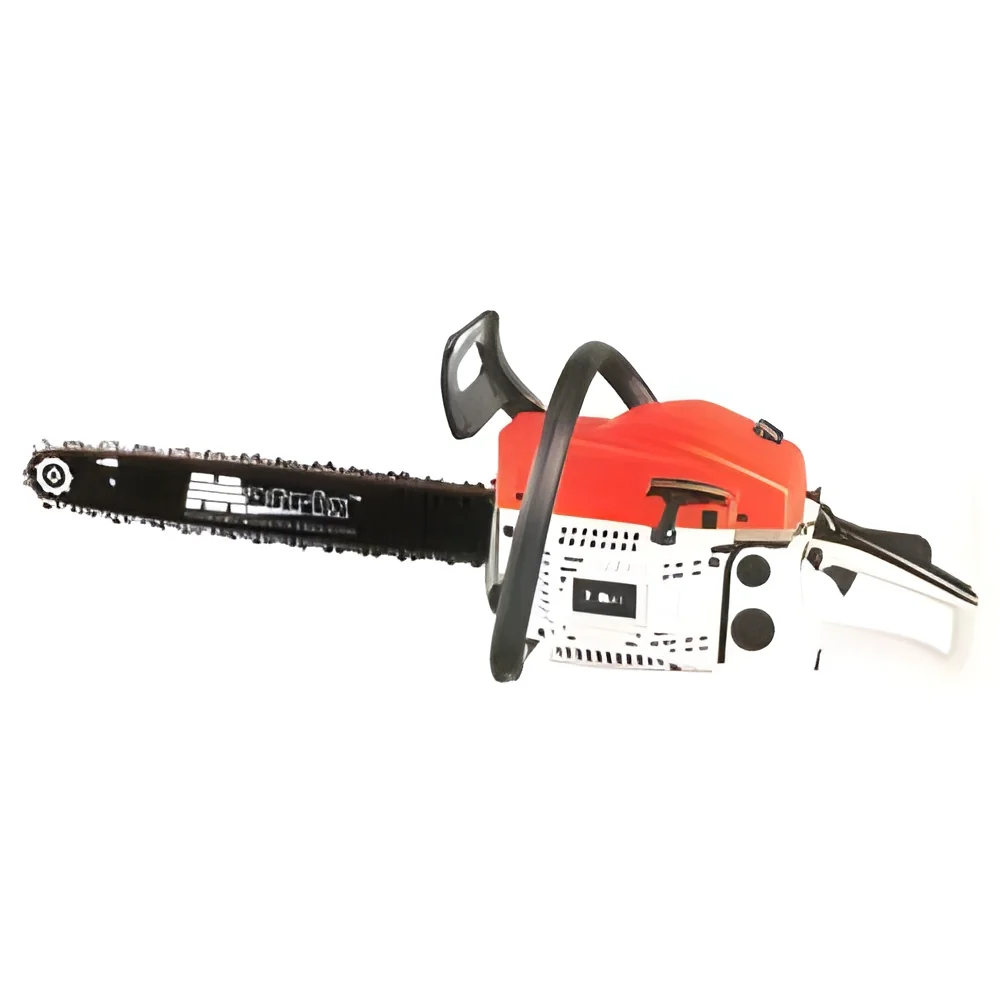
What are Saw Machines?
Saw machines are specialized tools designed for cutting various materials, predominantly wood, metal, and plastic. They utilize different types of saw blades to achieve accurate cuts and can vary in size and complexity. These machines are integral in manufacturing and construction settings where precision and efficiency are crucial. Depending on their design, saw machines can be operated manually or automatically, allowing for flexibility in various production environments.
The primary uses of saw machines include cutting lumber for construction, producing components for machinery, and crafting intricate designs in various materials. Industries such as woodworking, metalworking, and construction rely heavily on these machines to enhance productivity and ensure high-quality results. The demand for saw machines continues to grow, driven by advancements in manufacturing technology and the need for precision tools in various applications.
In the current market landscape, saw machines are essential for maintaining competitive advantages in manufacturing and construction sectors. As industries evolve, the capabilities of saw machines are also advancing, leading to innovations that improve their efficiency and accuracy. This relevance underscores the importance of investing in high-quality saw machines for businesses aiming to optimize their operations.
Key Features and Specifications
Saw machines come with a range of features and specifications that cater to diverse cutting needs. Understanding these specifications is crucial for selecting the right machine for specific applications.
Key specifications include:
1. Cutting Capacity
- Refers to the thickness and width of materials that can be cut.
- Typical ranges vary based on machine type, often from 25mm to over 300mm.
2. Blade Size
- Indicates the diameter of the saw blade used in the machine.
- Common sizes range from 250mm to 600mm.
3. Power Rating
- Indicates the motor's horsepower or wattage.
- Most saw machines have power ratings between 1.5kW to 15kW.
4. Speed Settings
- Refers to the RPM (revolutions per minute) of the saw blade.
- Machines may offer variable speed settings for different materials.
5. Table Size
- The dimensions of the work surface where material is placed.
- Sizes can range from 600mm x 600mm to 2000mm x 1000mm.
6. Safety Features
- Includes guards, emergency stops, and blade brakes.
- Ensures operator safety during use.
7. Material Compatibility
- Types of materials the machine can effectively cut.
- Commonly includes wood, metal, and composite materials.
8. Automation Level
- Denotes the level of automation in the machine's operation.
- Ranges from manual to fully automated systems.
In summary, choosing a saw machine involves understanding these specifications and how they align with your business needs.
Common Applications and Use Cases
Saw machines serve various industries that require precision cutting of different materials.
1. Woodworking: In this industry, saw machines are used for cutting lumber, shaping furniture components, and producing wood panels. Their precision is vital for achieving fine finishes.
2. Metalworking: Saw machines are employed to cut metal sheets, bars, and tubes with high accuracy. They are essential in fabricating parts for machinery and structural applications.
3. Construction: These machines are crucial for cutting building materials such as beams and plywood. Their efficiency helps speed up construction timelines.
4. Automotive: Saw machines are used to cut components for vehicles, including frames and engine parts. Precision is key to meeting industry standards.
5. Aerospace: In aerospace manufacturing, saw machines cut lightweight materials used in aircraft construction, ensuring structural integrity and performance.
6. Furniture Manufacturing: Saw machines cut various materials for furniture production, allowing for customized designs and sizes.
7. Plastics: These machines are used to cut plastic sheets and profiles for industrial and consumer products.
Product Variants and Subcategories
Saw machines come in various types to meet specific cutting needs and applications.
Circular Saws
Circular saws are versatile machines that use a toothed or abrasive disc to cut through materials. They are widely used in woodworking and metalworking for straight cuts and can accommodate different blade sizes and types.
Band Saws
Band saws utilize a long, continuous band of metal with teeth on one edge. They are ideal for cutting irregular shapes and curves in wood and metal. Their design allows for precise and intricate cuts.
Table Saws
Table saws are stationary machines with a circular blade mounted on an arbor. They are essential for making straight cuts in wood and are commonly used in woodworking shops for larger projects.
Miter Saws
Miter saws are specialized for making crosscuts and angled cuts. They are popular in carpentry for cutting trim and molding, allowing for precise angles and clean finishes.
Benefits and Advantages
Investing in saw machines offers several key benefits for businesses.
1. Precision Cutting: Saw machines provide high levels of accuracy, ensuring that cuts meet exact specifications.
2. Increased Efficiency: With automated options available, saw machines can enhance production speed and reduce manual labor requirements.
3. Versatile Applications: These machines can cut a wide range of materials, making them suitable for various industries.
4. Improved Safety: Modern saw machines come equipped with safety features that protect operators and reduce the risk of accidents.
5. Cost-Effective: Investing in quality saw machines can reduce material waste and improve overall operational efficiency.
6. Customization Options: Many saw machines can be tailored to specific cutting needs, allowing businesses to meet unique requirements.
Buying Guide for B2B Buyers
When sourcing saw machines, several key factors should be considered to ensure a suitable purchase.
1. Quality Assessment: Evaluate the machine's build quality and durability. Look for machines that meet industry standards and have a robust construction to withstand heavy use.
2. Supplier Verification: Ensure that suppliers are reputable and have a history of providing reliable products. Check for client testimonials and industry certifications.
3. Pricing and MOQ: Compare pricing among different suppliers and consider the minimum order quantity, as it can impact your budget and purchasing strategy.
4. Delivery and Lead Times: Discuss delivery options and lead times with suppliers to ensure timely acquisition of the machines, especially for urgent projects.
5. Compliance Requirements: Be aware of any regulatory standards that the saw machines must meet, including safety and environmental regulations.
Compliance and Certifications
Compliance and certifications play a crucial role in the quality assurance of saw machines. Relevant quality standards such as ISO 9001 ensure that manufacturing processes meet international quality requirements.
In addition, industry certifications like CE indicate that the machines comply with European safety and performance standards. This certification is essential for businesses operating in regions where compliance is a legal necessity.
Safety and testing requirements are also paramount, as they protect operators and ensure the machines function correctly. Regular testing and adherence to safety standards help prevent accidents and maintain operational integrity.
Regional compliance considerations may vary, so understanding local regulations is necessary for businesses looking to purchase saw machines for specific markets.
Why Source Saw Machines from Pepagora?
Pepagora provides a trusted platform for sourcing saw machines with several key advantages.
Verified Supplier Network: Pepagora has established a network of verified suppliers who offer high-quality saw machines. This verification process ensures that buyers receive products that meet their expectations.
Streamlined RFQ Process: The request for quotation (RFQ) process on Pepagora is designed to be efficient, allowing buyers to compare offers from multiple suppliers quickly. This simplifies the sourcing process and saves valuable time.
Trade Assurance and Support: Pepagora offers trade assurance to protect buyers during transactions. This support includes assistance with negotiations and guarantees product quality.
Regional Coverage: Pepagora's reach spans India, the GCC, and Southeast Asia, providing businesses access to a broad market of suppliers and products. This geographic coverage ensures that buyers can find saw machines that fit their specific needs.

 IN
IN