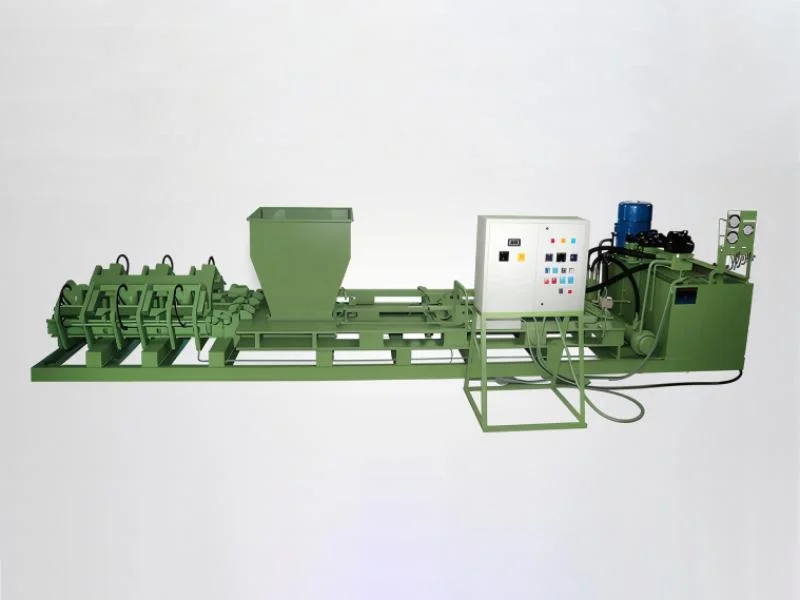
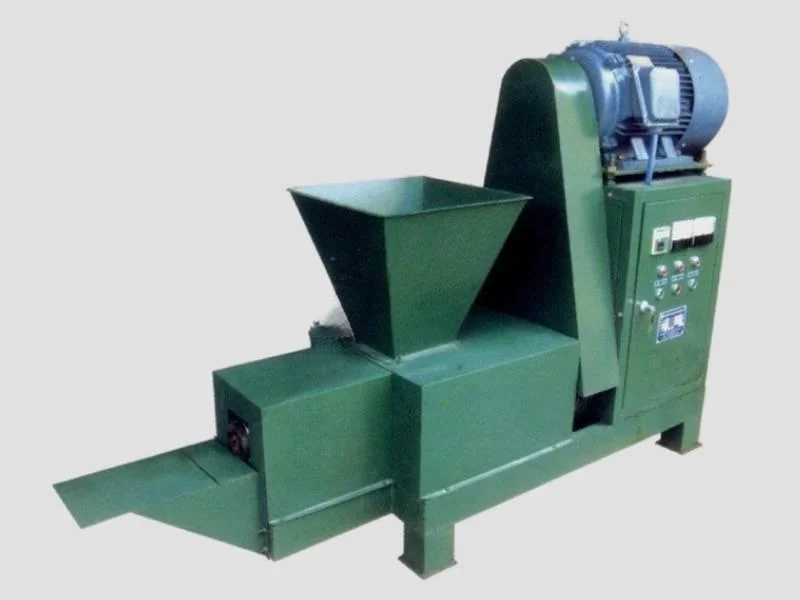
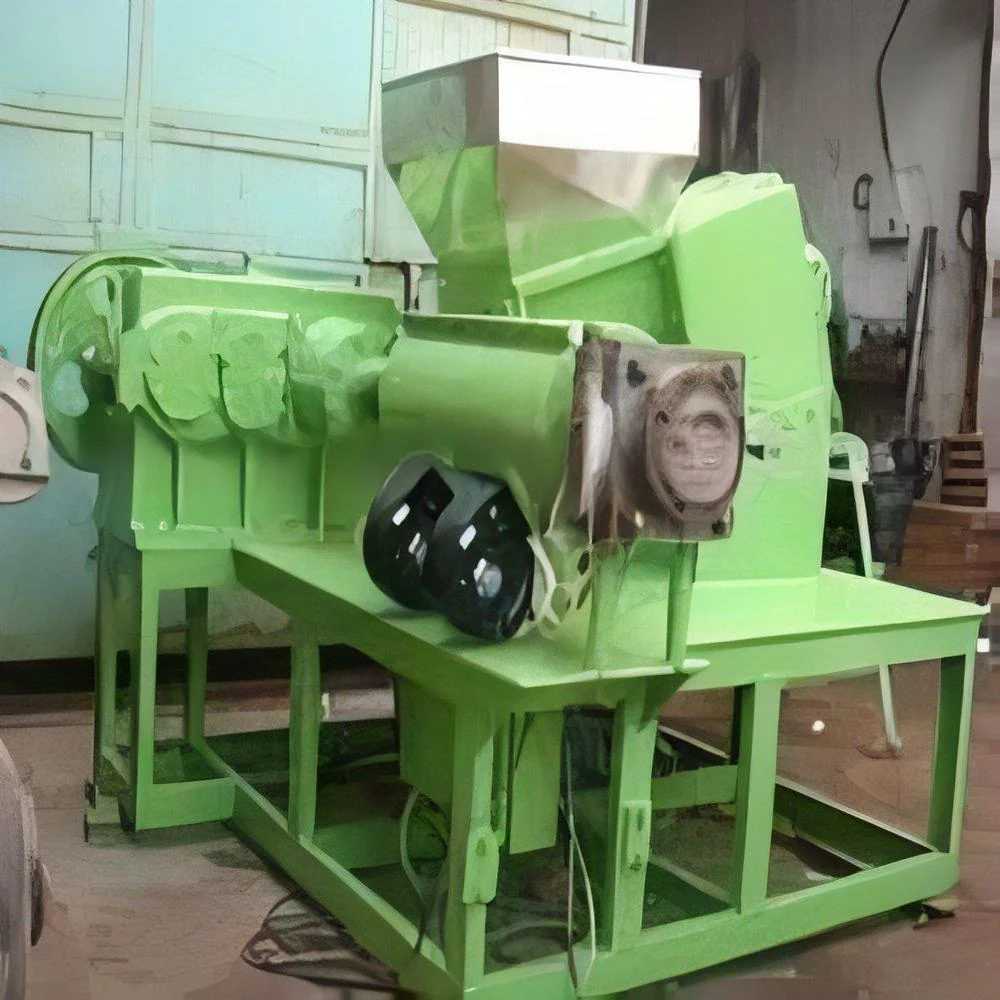
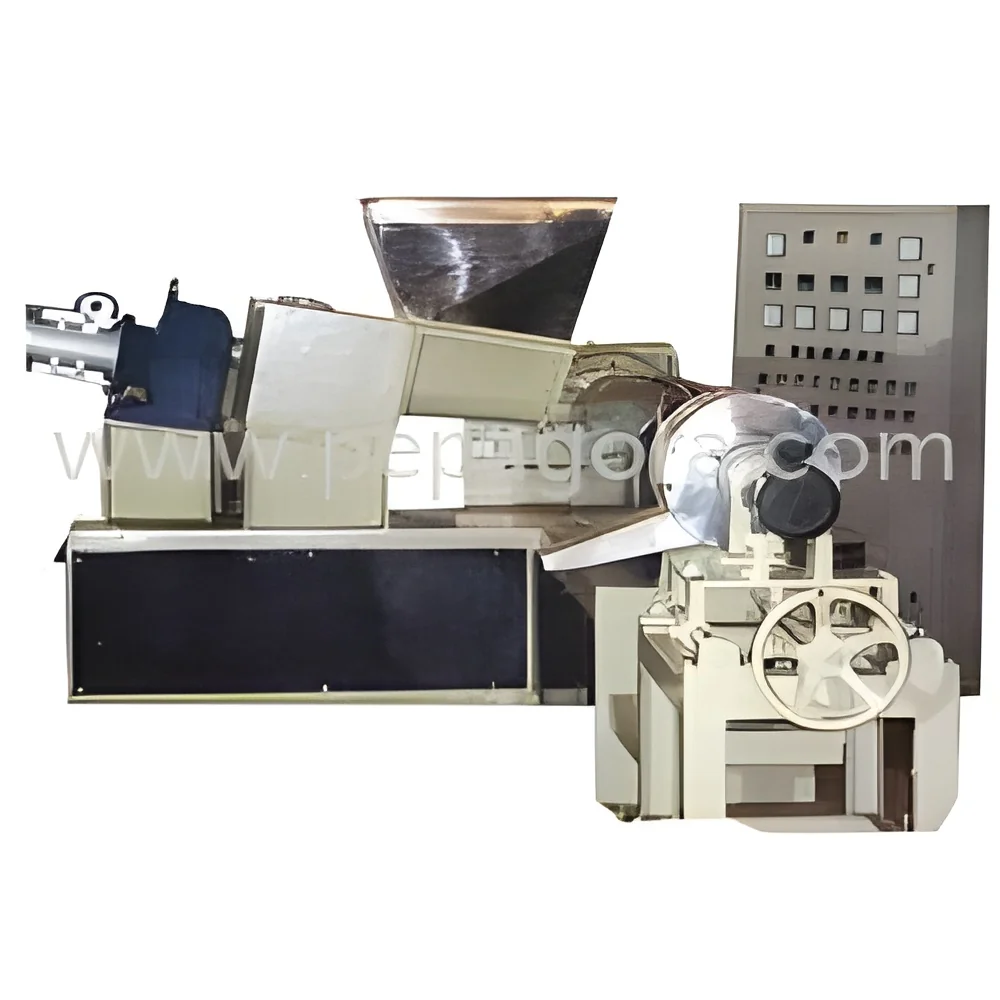
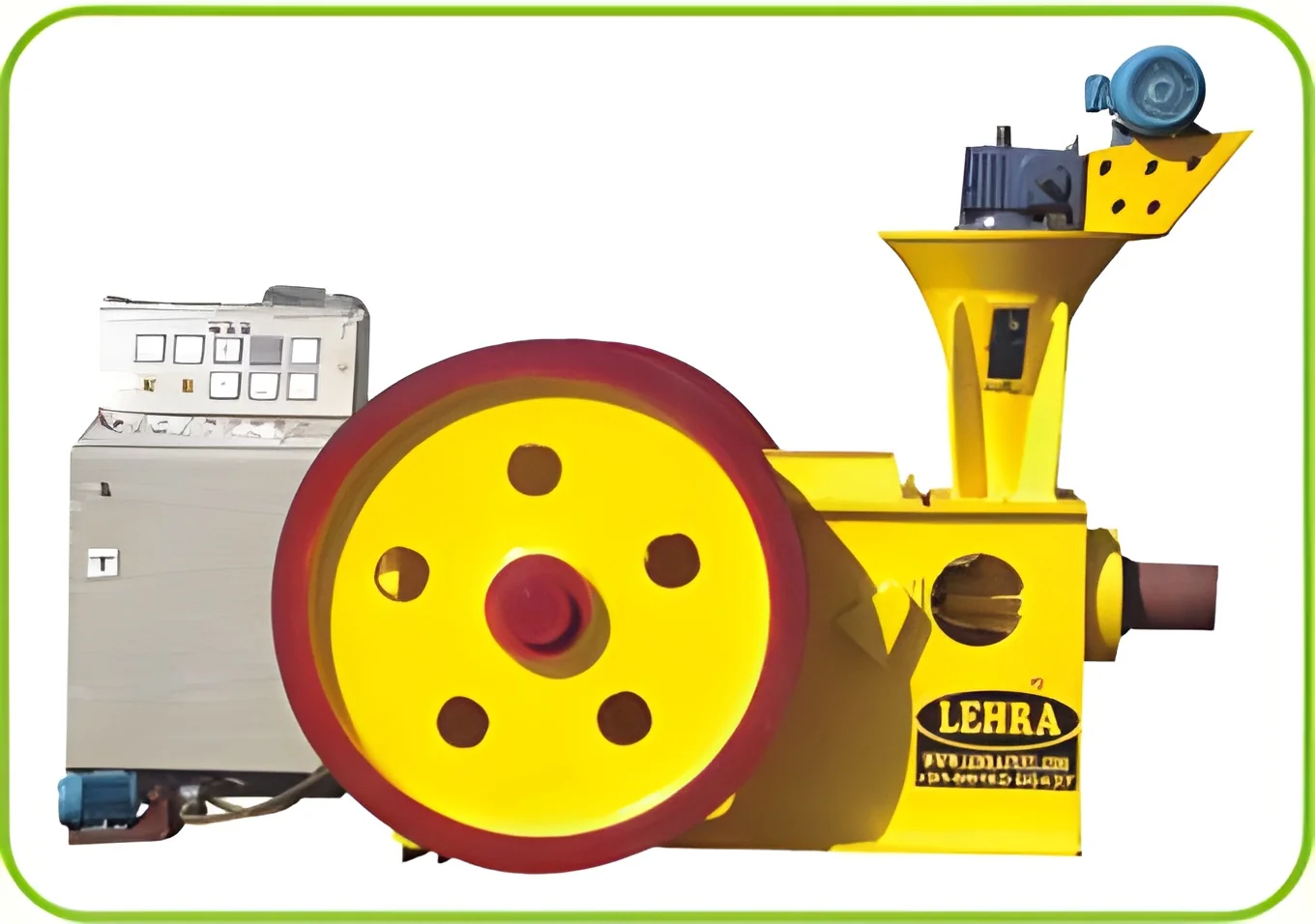
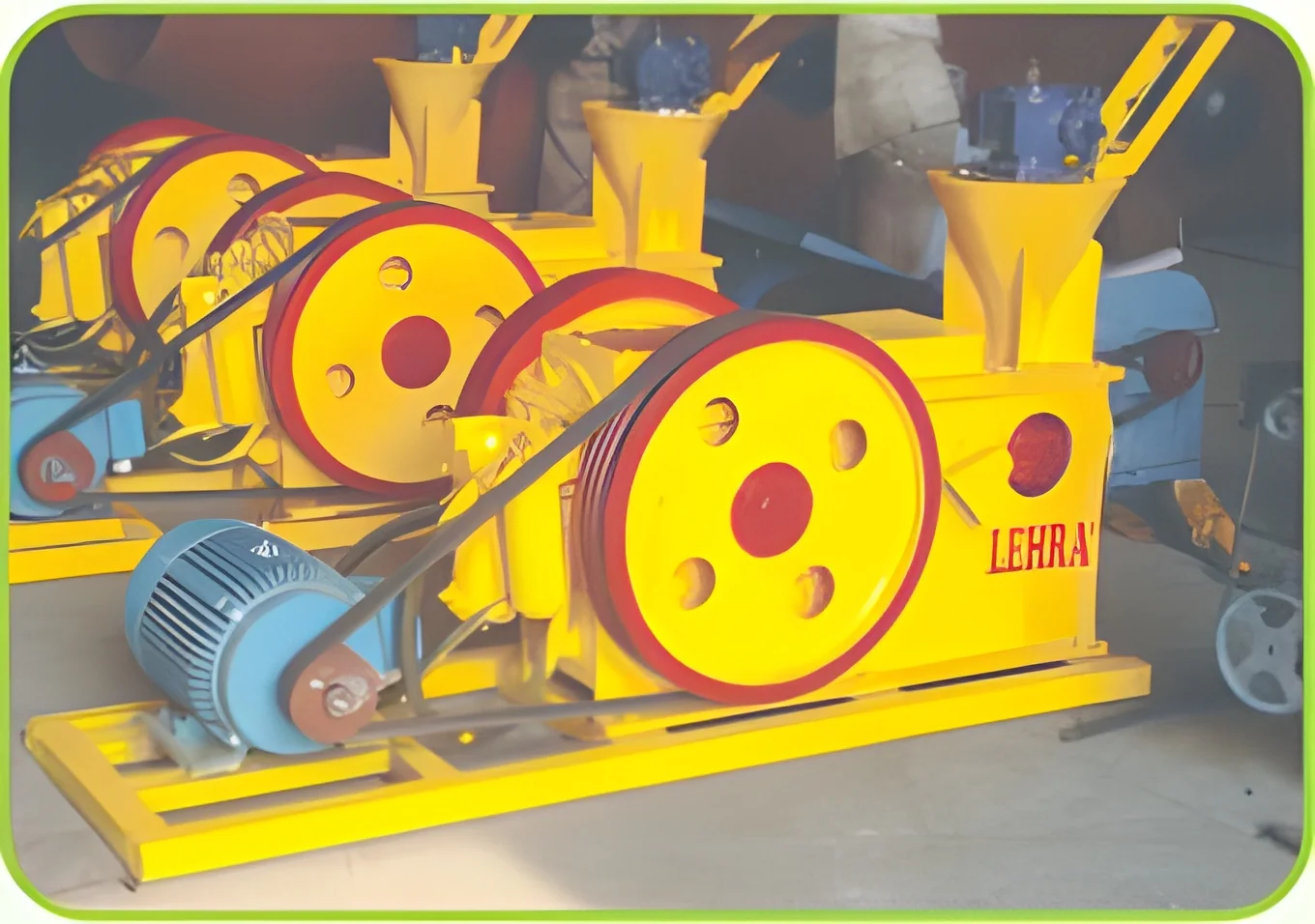
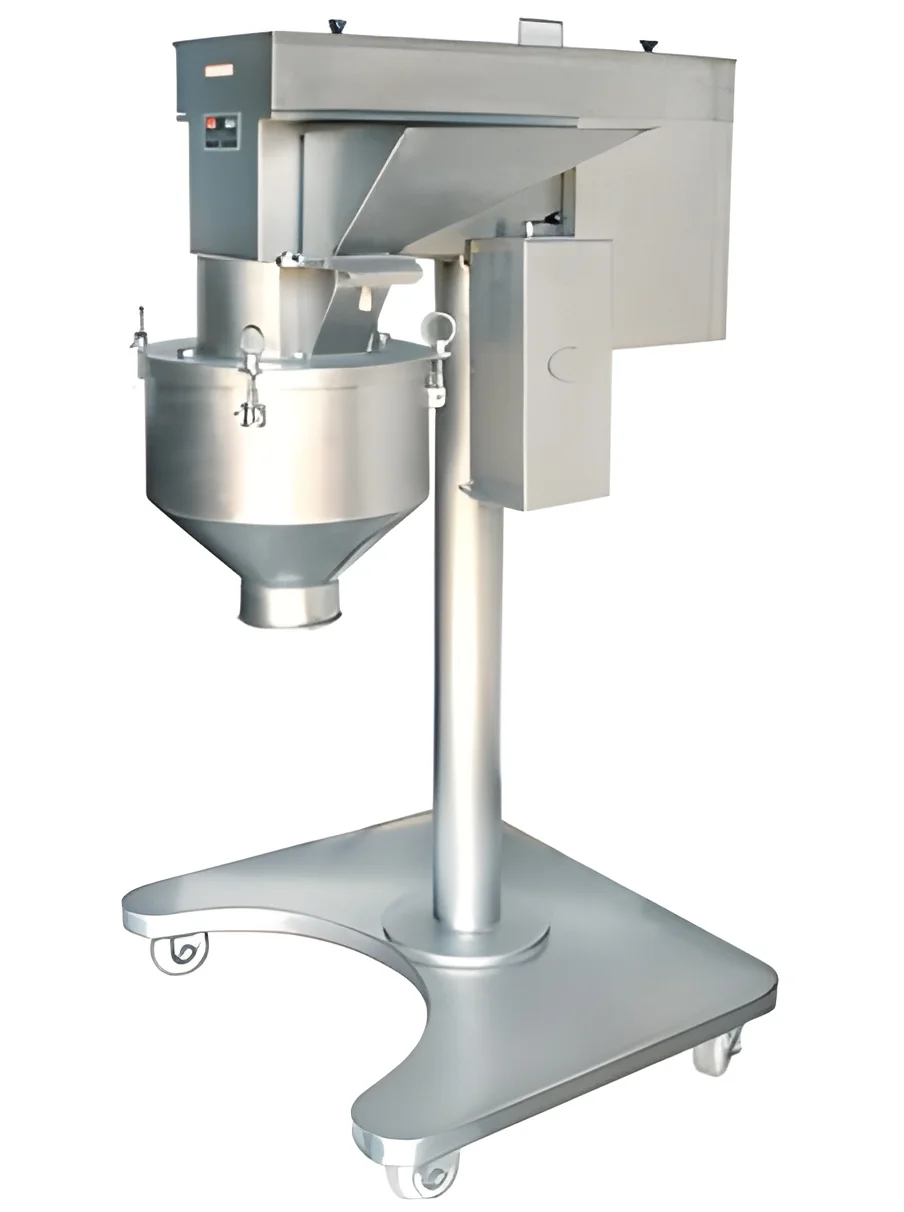
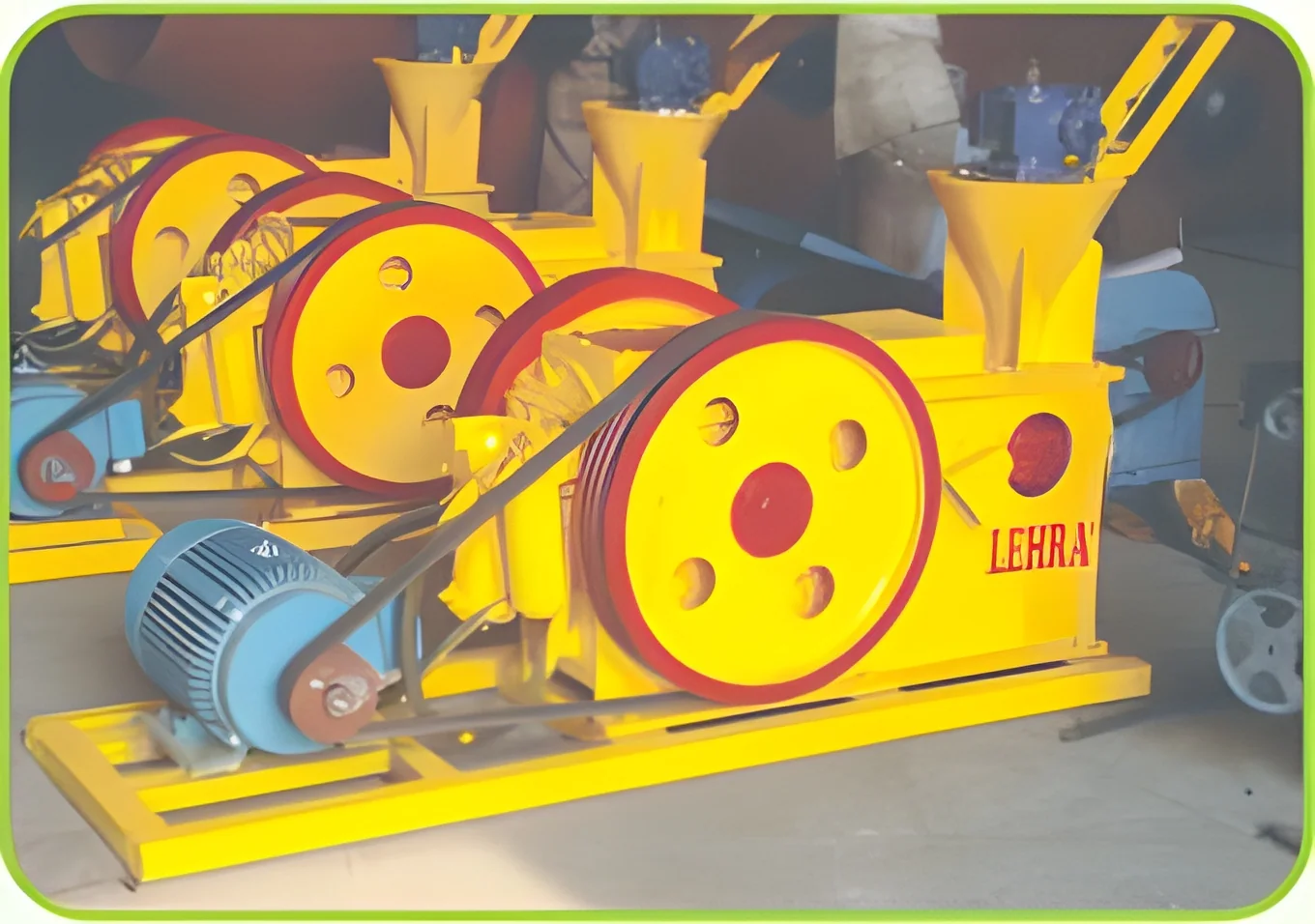
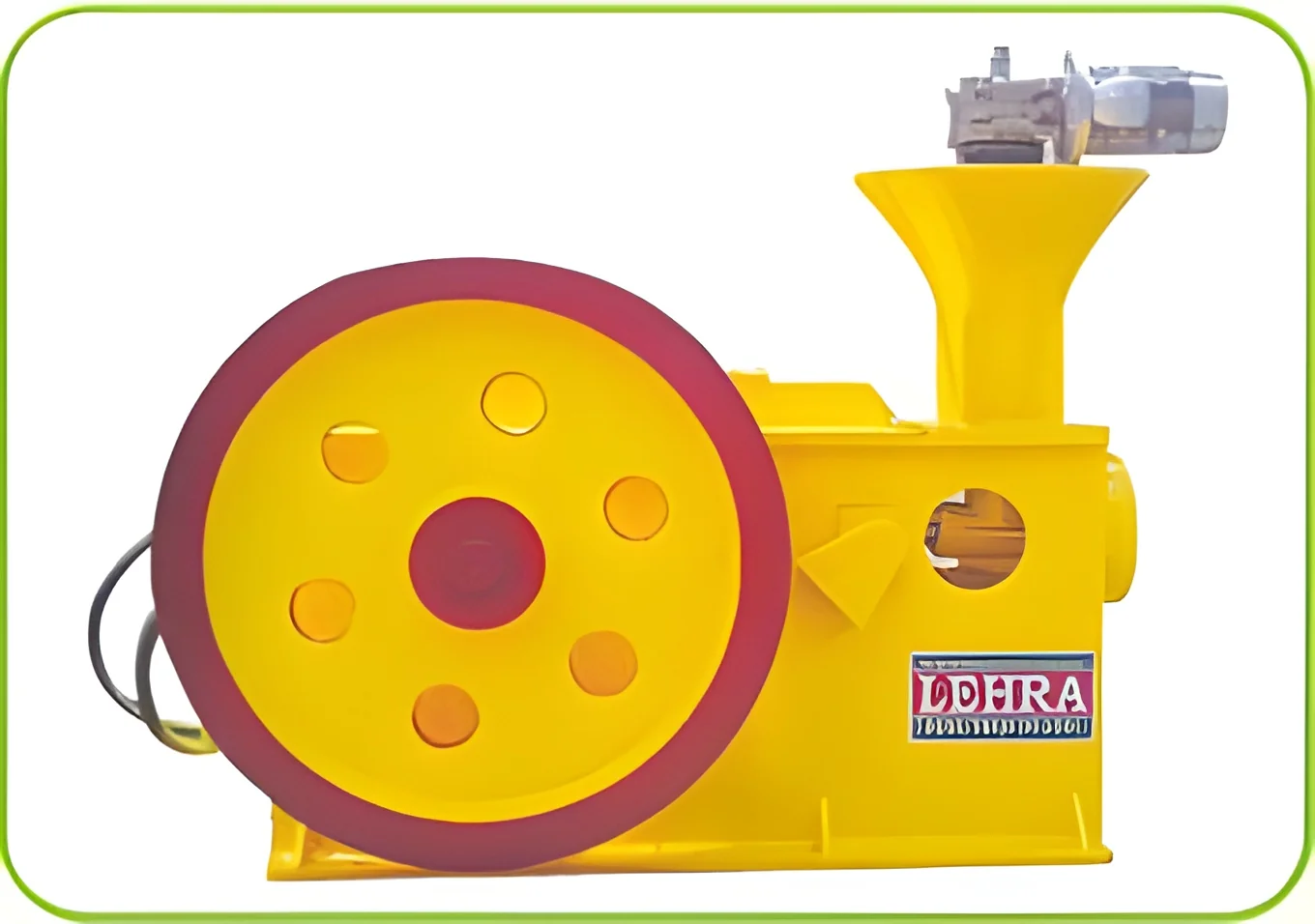
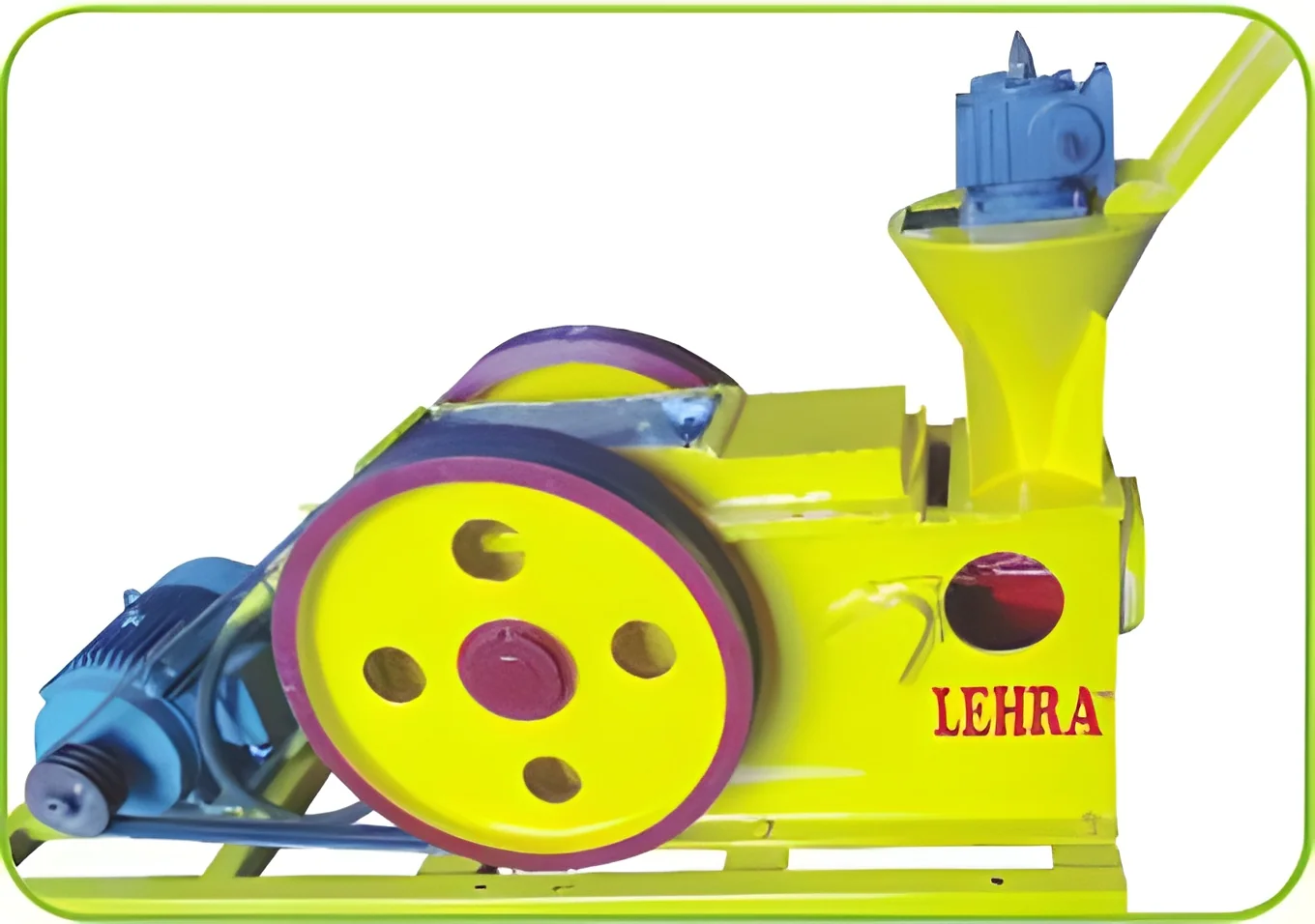
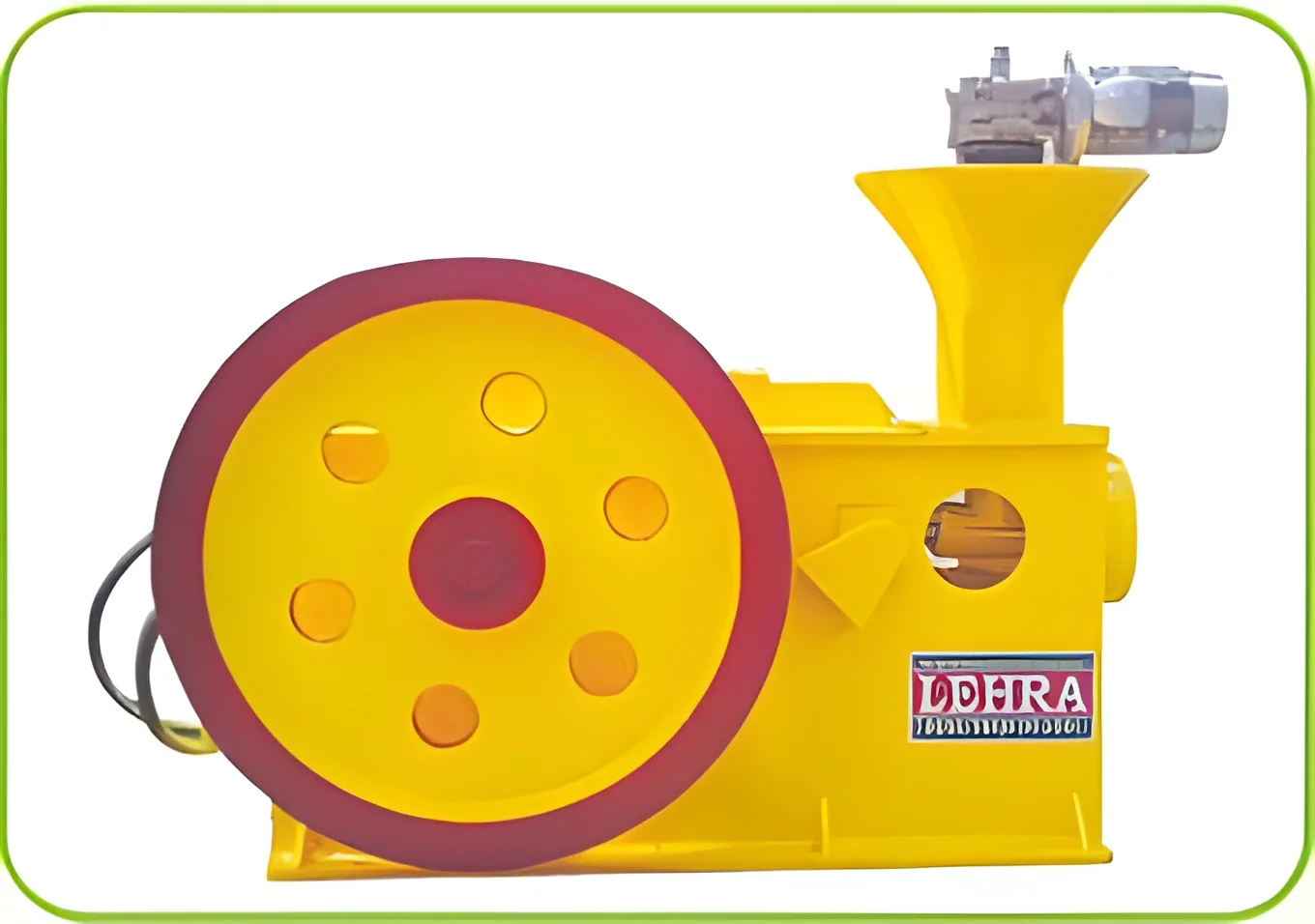
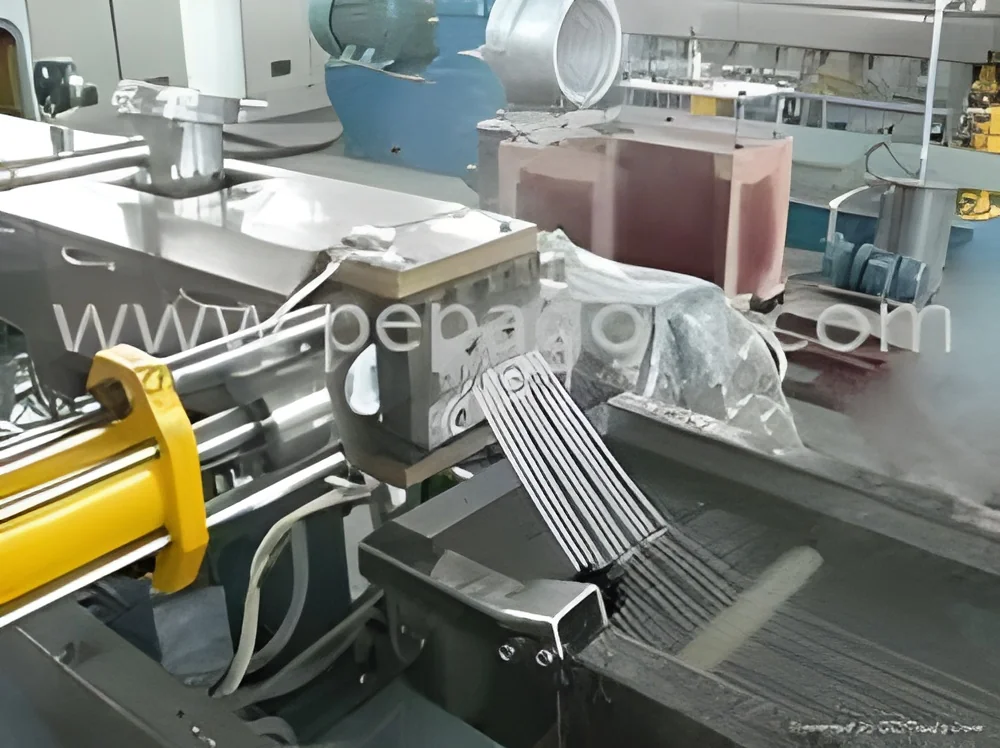
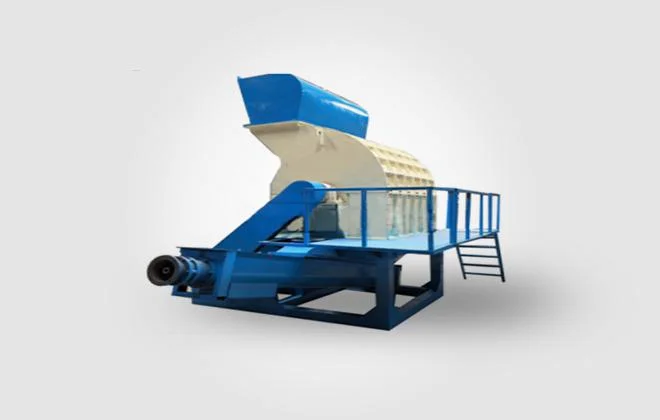
What are Wood Pellet Mill?
A wood pellet mill is a machine that compresses wood fibers into cylindrical pellets. These pellets are used as a renewable energy source for heating and power generation. The process involves the application of high pressure and temperature to transform raw materials like sawdust, wood shavings, and agricultural residues into high-density fuel pellets.
Wood pellet mills are primarily utilized in various industries, including energy production, animal feed, and biomass fuel. They play a crucial role in converting waste wood into a valuable resource, thereby promoting sustainability. Businesses can utilize these mills to produce pellets for direct sale or for use in heating systems, contributing to an eco-friendly approach to energy consumption. The growing demand for renewable energy solutions has led to an increase in the use of wood pellet mills across different sectors.
The wood pellet mill market is significant in the context of global energy trends. As industries and consumers move towards more sustainable energy sources, the demand for wood pellets is expected to rise. This shift presents opportunities for manufacturers and suppliers to capitalize on the growing need for efficient and sustainable fuel alternatives.
Key Features and Specifications
Wood pellet mills come equipped with various features designed to enhance productivity and efficiency. Understanding these specifications helps businesses select the right equipment for their needs.
Key specifications include:
1. Production Capacity
- Measures the amount of pellets produced per hour
- Typical ranges vary from 200 kg/h to 2,000 kg/h
2. Power Consumption
- Indicates the electrical power required to operate the mill
- Common ranges are from 22 kW to 250 kW
3. Die Diameter
- Refers to the size of the pellet die used for production
- Available sizes often range from 6 mm to 12 mm
4. Compression Ratio
- Represents the ratio of the volume before and after compression
- Standard ratios are usually between 1:1.5 to 1:3
5. Pellet Length
- Specifies the dimensions of the produced pellets
- Typical lengths range from 6 mm to 40 mm
6. Moisture Content
- Indicates the acceptable moisture level in raw materials
- Generally, a moisture content of 10% to 15% is preferred
7. Dimensions
- Overall size of the mill, impacting installation and operation
- Common dimensions can range from 2 m x 1 m x 2 m to larger custom sizes
8. Weight
- Total weight of the machine, important for transportation and installation
- Weights can vary from 800 kg to over 5,000 kg depending on the model
In summary, understanding these specifications is vital for businesses to select the wood pellet mill that aligns with their production goals and operational requirements.
Common Applications and Use Cases
Wood pellet mills serve various industries, reflecting their versatile applications.
1. Energy Production: Wood pellets produced by mills are widely used in power plants as a renewable energy source, reducing reliance on fossil fuels and lowering carbon emissions.
2. Animal Feed Industry: Pellets can also be formulated as animal feed, providing a nutritious and easily digestible option for livestock.
3. Heating Solutions: Many households and commercial facilities utilize wood pellets for heating, as they offer a cleaner alternative to traditional heating fuels.
4. Biomass Fuel Production: Wood pellets are integral to biomass energy systems, allowing for efficient combustion and energy generation.
5. Manufacturing: Some manufacturers use wood pellets as a component in composite materials, enhancing product durability and sustainability.
6. Eco-Friendly Construction: Pellets can be processed into bio-based materials for construction, contributing to green building practices.
7. Export Markets: Countries with high demand for renewable energy often import wood pellets, creating international trade opportunities for producers.
Product Variants and Subcategories
Wood pellet mills come in various forms, each designed to cater to specific production needs and operational contexts.
Small Scale Pellet Mill
This variant is ideal for small businesses or farms looking to produce pellets in limited quantities. It offers ease of use and lower power requirements, making it a suitable entry point for new users.
Industrial Pellet Mill
Designed for high-capacity production, industrial pellet mills can handle larger volumes of raw materials. They are suitable for businesses seeking to scale up their operations and meet higher market demands.
Mobile Pellet Mill
This variant allows for on-site production of wood pellets, providing flexibility and reducing transportation costs for raw materials. It is particularly useful for remote locations or small-scale operations.
Benefits and Advantages
Investing in a wood pellet mill offers numerous advantages for businesses.
1. Renewable Energy Source: Wood pellets provide a sustainable alternative to fossil fuels, helping organizations reduce their carbon footprint.
2. Cost-Effective: Producing pellets in-house can lower fuel costs and maximize profits by utilizing waste materials.
3. High Efficiency: Wood pellet mills are designed to produce high-density pellets, ensuring efficient combustion and energy output.
4. Versatile Applications: The ability to produce pellets for various uses, including heating and animal feed, broadens market opportunities.
5. Reduced Waste: By utilizing wood waste and other materials, these mills contribute to waste reduction and promote recycling.
6. Easy Storage and Transportation: Wood pellets are compact and easy to store, making logistics simpler for businesses.
Buying Guide for B2B Buyers
When sourcing a wood pellet mill, several key factors should be considered to ensure a successful purchase.
1. Quality Assessment: Evaluate the build quality and durability of the mill. Look for reputable manufacturers that adhere to industry standards to ensure reliability.
2. Supplier Verification: Conduct background checks on suppliers to verify their credibility and track record in the industry. This includes checking references and reading customer reviews.
3. Pricing and MOQ: Understand the pricing structure and minimum order quantities (MOQ) for the mills. Compare different suppliers to find the best value.
4. Delivery and Lead Times: Inquire about delivery schedules and lead times to ensure the mill can be delivered when needed without impacting operations.
5. Compliance Requirements: Ensure the machine meets all applicable regulations and standards for safety and performance in your region.
Compliance and Certifications
Compliance with industry standards and certifications is essential for wood pellet mills. Adhering to quality standards such as ISO 9001 ensures that the manufacturing process meets international quality management criteria. This is crucial for maintaining product consistency and reliability.
The CE certification indicates that the wood pellet mill complies with European health, safety, and environmental protection standards. This certification is important for businesses looking to operate within or export to European markets.
Safety and testing requirements also play a significant role in the operation of wood pellet mills. Regular maintenance and compliance with safety protocols help prevent accidents and ensure the longevity of the equipment.
Additionally, regional compliance considerations may vary. It is important for buyers to familiarize themselves with local regulations regarding emissions and safety to ensure their operations are compliant.
Why Source Wood Pellet Mill from Pepagora?
Pepagora offers a trusted platform for sourcing wood pellet mills, equipped with several key advantages.
Verified Supplier Network: Pepagora maintains a rigorous vetting process for suppliers. This ensures that buyers can access reliable manufacturers with a proven track record in the industry.
Streamlined RFQ Process: The request for quotation system simplifies the purchasing process. Buyers can easily connect with multiple suppliers, compare offers, and make informed decisions quickly.
Trade Assurance and Support: Pepagora provides buyer protection through trade assurance. This includes support for resolving disputes and ensuring that transactions are secure.
Regional Coverage: With a broad geographic reach across India, the GCC, and Southeast Asia, Pepagora connects buyers with suppliers in key markets, enhancing accessibility and convenience for all stakeholders.

 IN
IN