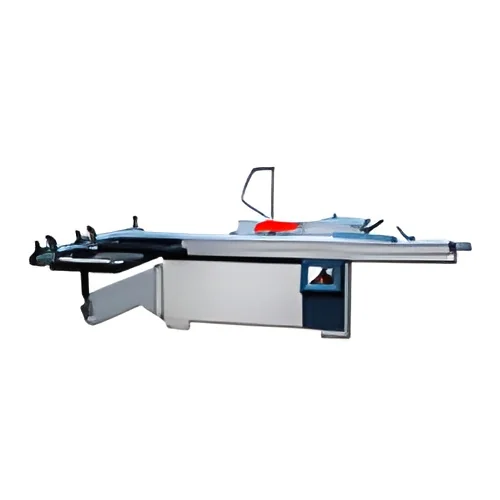
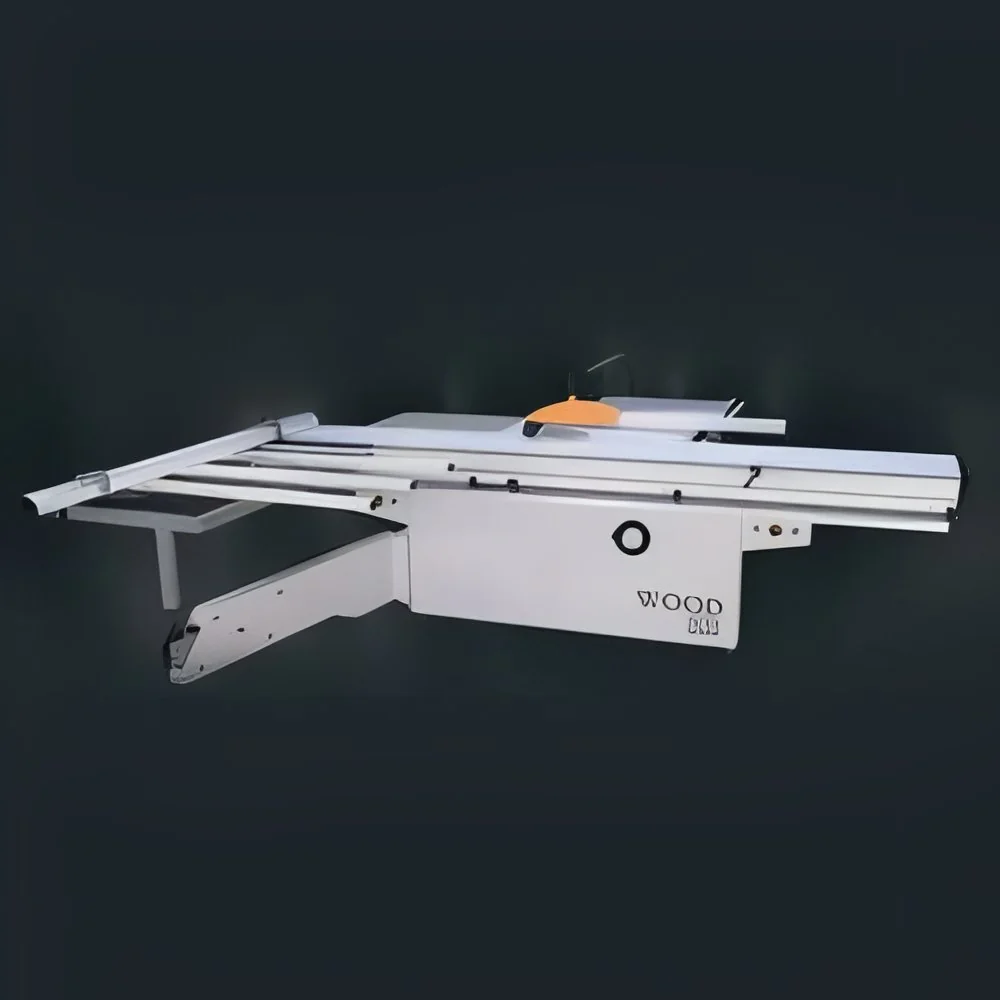
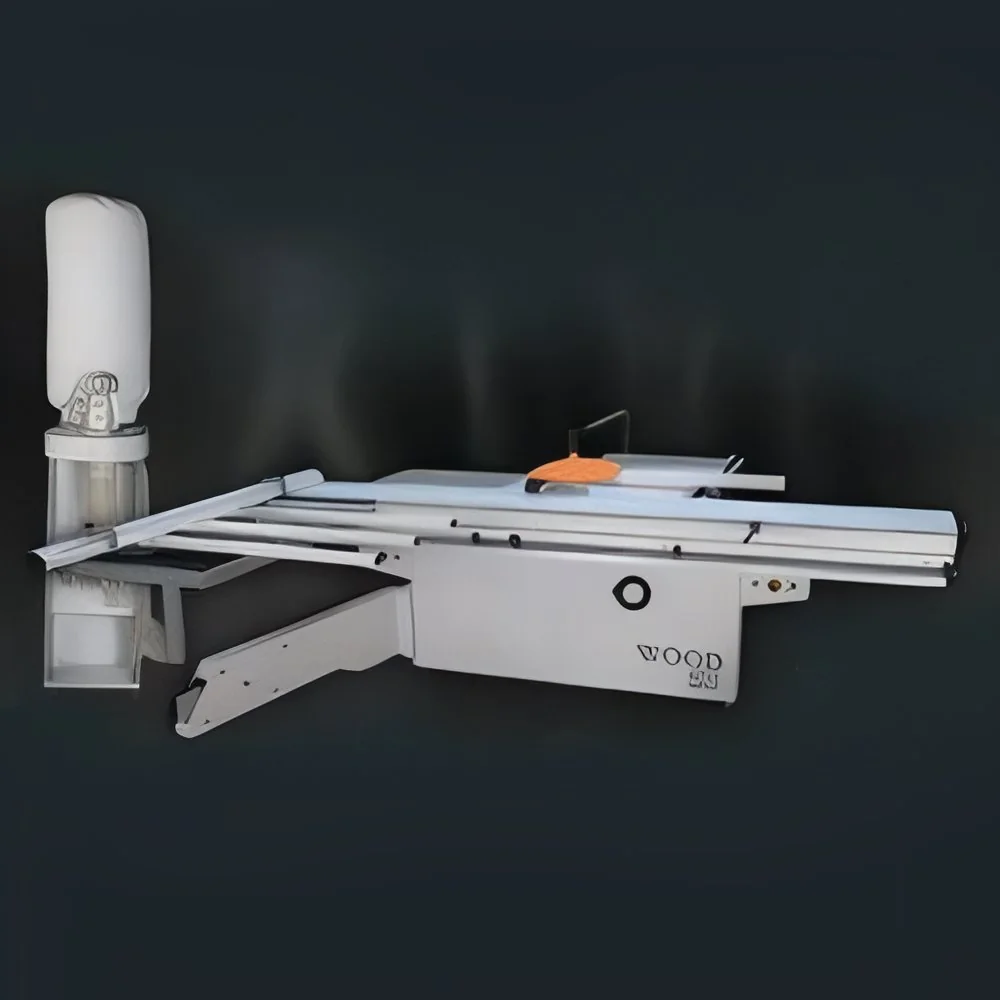
What are Panel Saws (Manual, CNC)?
Panel saws are specialized cutting machines designed to handle large panels of materials such as wood, plastic, and composites. They come in two main types: manual and CNC (computer numerical control). Manual panel saws require the operator to guide the material and the saw blade, while CNC panel saws automate the cutting process through programmed settings, allowing for greater precision and efficiency.
These machines are commonly used in industries that require high-volume cutting and precise dimensions, such as furniture manufacturing, cabinet making, and construction. In these applications, panel saws play a crucial role in optimizing production workflows and reducing material waste. The relevance of panel saws in today's market is underscored by the growing demand for custom fabrication and the need for efficient production methods in various industrial sectors.
๐๐ฒ๐ ๐๐ฒ๐ฎ๐๐๐ฟ๐ฒ๐ ๐ฎ๐ป๐ฑ ๐ฆ๐ฝ๐ฒ๐ฐ๐ถ๐ณ๐ถ๐ฐ๐ฎ๐๐ถ๐ผ๐ป๐
Panel saws, whether manual or CNC, come with several key features that enhance their performance and usability. Understanding these specifications is essential for businesses looking to invest in these machines.
Key specifications include:
1. Cutting Capacity
- Maximum panel size that can be cut
- Typically ranges from 3x6 feet to 5x12 feet
2. Blade Size
- Diameter of the saw blade used
- Common sizes range from 10 inches to 12 inches
3. Power Rating
- Motor power for operation
- Generally varies from 1.5 kW to 5.5 kW
4. Cutting Speed
- Speed at which the blade moves
- Can range from 10 m/min to 30 m/min
5. Repeatability
- Precision of cuts with respect to dimensions
- Tolerance levels often within ยฑ0.1 mm
6. Control System
- Type of control for CNC models
- Options include touch screen panels and computer software integration
7. Safety Features
- Integrated safety mechanisms
- May include blade guards and emergency stop buttons
8. Weight and Dimensions
- Overall size and weight of the machine
- Weight can range from 300 kg to over 1000 kg depending on the model
In summary, understanding these features and specifications can help businesses make informed decisions when selecting panel saws that best meet their production needs.
๐๐ผ๐บ๐บ๐ผ๐ป ๐๐ฝ๐ฝ๐น๐ถ๐ฐ๐ฎ๐๐ถ๐ผ๐ป๐ ๐ฎ๐ป๐ฑ ๐จ๐๐ฒ ๐๐ฎ๐๐ฒ๐
Panel saws find application across various industries due to their versatility and efficiency in cutting.
1. Furniture Manufacturing: Panel saws are essential in shaping and cutting wood and composite materials used in furniture production. They enable precise cuts for components like tabletops and cabinet doors.
2. Cabinet Making: In cabinetry, panel saws provide accurate cuts for shelves, cabinets, and custom storage solutions. Their ability to handle large panels efficiently is crucial in this industry.
3. Construction: Panel saws are used to cut materials like plywood and drywall for building structures. Their efficiency helps streamline the construction process and reduce material waste.
4. Sign Making: In the sign-making industry, panel saws cut various materials, including acrylic and wood, allowing for the creation of detailed signage and displays.
5. Automotive: Panel saws are used in the automotive sector to cut lightweight composite materials for vehicle interiors and exteriors, contributing to overall vehicle design and efficiency.
6. Aerospace: In aerospace manufacturing, panel saws are employed to cut advanced materials used in aircraft components, supporting precision and quality in production.
7. Retail Displays: Retail industries utilize panel saws to create custom displays and fixtures, ensuring that products are showcased effectively.
๐ฃ๐ฟ๐ผ๐ฑ๐๐ฐ๐ ๐ฉ๐ฎ๐ฟ๐ถ๐ฎ๐ป๐๐ ๐ฎ๐ป๐ฑ ๐ฆ๐๐ฏ๐ฐ๐ฎ๐๐ฒ๐ด๐ผ๐ฟ๐ถ๐ฒ๐
Panel saws come in a variety of configurations to suit different operational needs.
Manual Panel Saws: These saws require operator involvement for cutting. They are ideal for smaller workshops or businesses that need versatile, hands-on cutting capabilities. Manual panel saws are typically more affordable and easier to maintain.
CNC Panel Saws: Designed for higher precision and efficiency, CNC panel saws automate the cutting process. They are well-suited for large-scale operations where speed and accuracy are paramount. These machines often come with advanced software for programming complex cuts.
๐๐ฒ๐ป๐ฒ๐ณ๐ถ๐๐ ๐ฎ๐ป๐ฑ ๐๐ฑ๐๐ฎ๐ป๐๐ฎ๐ด๐ฒ๐
Investing in panel saws offers numerous advantages for businesses.
1. Enhanced Precision: CNC panel saws provide high precision, reducing the likelihood of errors in cuts and ensuring consistent quality.
2. Increased Efficiency: These machines streamline the cutting process, allowing for faster production and reduced labor costs.
3. Versatile Applications: Panel saws can handle a variety of materials, making them suitable for multiple industries.
4. Reduced Material Waste: By providing accurate cuts, panel saws minimize waste and optimize material usage, contributing to cost savings.
5. Safety Features: Many panel saws come equipped with safety mechanisms, protecting operators and reducing the risk of accidents.
6. Customization Options: Businesses can find panel saws tailored to their specific needs, whether manual or CNC, allowing for flexibility in operations.
๐๐๐๐ถ๐ป๐ด ๐๐๐ถ๐ฑ๐ฒ ๐ณ๐ผ๐ฟ ๐๐ฎ๐ ๐๐๐๐ฒ๐ฟ๐
When sourcing panel saws, companies should consider various key factors to ensure they make a sound investment.
1. Quality Assessment: Evaluate the build quality and durability of the panel saw to ensure it meets operational demands. Look for customer reviews and performance ratings.
2. Supplier Verification: Vet potential suppliers to ensure they have a good track record. Consider checking references and evaluating their customer support services.
3. Pricing and MOQ: Understand the pricing structure and minimum order quantities (MOQ) to find options that fit your budget and operational needs.
4. Delivery and Lead Times: Discuss logistical aspects such as delivery times and shipping options to avoid production delays.
5. Compliance Requirements: Ensure that the panel saws meet local and international compliance standards, including safety regulations and certifications.
๐๐ผ๐บ๐ฝ๐น๐ถ๐ฎ๐ป๐ฐ๐ฒ ๐ฎ๐ป๐ฑ ๐๐ฒ๐ฟ๐๐ถ๐ณ๐ถ๐ฐ๐ฎ๐๐ถ๐ผ๐ป๐
Panel saws must adhere to various compliance and certification standards to ensure safety and quality in operation. ISO 9001 is a widely recognized quality management standard that applies to manufacturing processes, ensuring consistent product quality.
CE certification indicates that the product meets European safety and health requirements, making it suitable for use in the European market. Safety testing is essential; panel saws should undergo rigorous assessments to verify their operational safety.
Additionally, companies should consider regional compliance requirements based on their operational location. This ensures that the machinery meets local regulations and standards, which can vary significantly across different regions.
Why Source Panel Saws (Manual, CNC) from Pepagora?
Pepagora offers a reliable platform for sourcing panel saws, providing businesses with several key advantages.
Verified Supplier Network: Pepagora ensures that all suppliers listed on the platform are vetted, providing buyers with confidence in the quality and reliability of the products offered.
Streamlined RFQ Process: The request for quotation (RFQ) system simplifies the procurement process, allowing businesses to easily compare prices and specifications from multiple suppliers.
Trade Assurance and Support: Pepagora offers buyer protection, ensuring that businesses can source products with peace of mind. Support services are available to assist buyers throughout the purchasing process.
Regional Coverage: With a strong presence in India, the GCC, and Southeast Asia, Pepagora provides extensive regional coverage, making it easier for businesses to find the right panel saws to meet their operational needs.