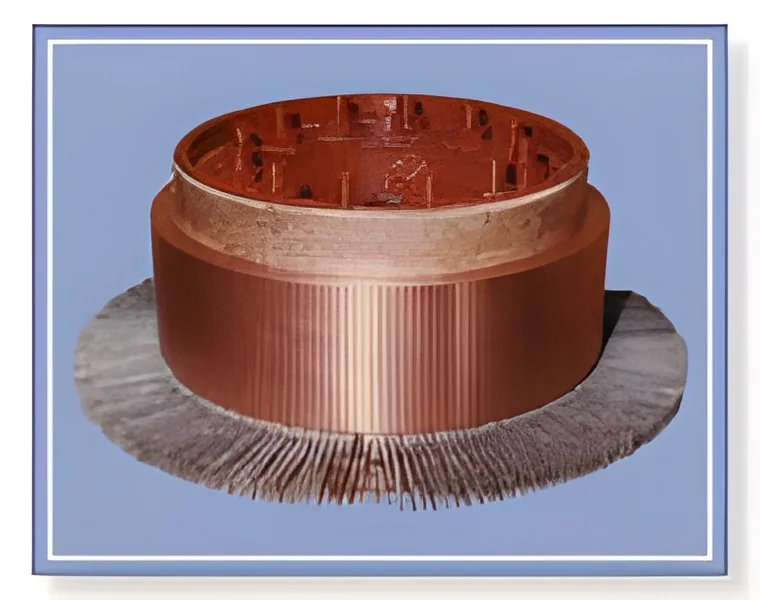
What are Wood Shaving Machines?
Wood shaving machines are specialized industrial equipment designed to produce wood shavings from logs, timber, or wood waste. These machines work by utilizing sharp blades or knives that slice through the wood, creating thin, uniform shavings suitable for various applications. The process is efficient and helps reduce the volume of wood waste, converting it into a valuable product.
The primary uses of wood shaving machines include the production of animal bedding, landscaping materials, and wood-based products. They serve industries such as agriculture, horticulture, and manufacturing, where wood shavings are needed for insulation, packaging, or as a raw material. As more businesses focus on sustainability and waste reduction, the demand for wood shaving machines has increased, highlighting their relevance in the modern marketplace.
In the context of the industry, wood shaving machines are vital for companies looking to optimize their wood processing operations. With the rise of eco-friendly practices, these machines contribute to a circular economy by recycling wood waste into useful products. This not only enhances operational efficiency but also aligns with global trends toward sustainable manufacturing.
Key Features and Specifications
Wood shaving machines come equipped with several features designed to enhance performance and efficiency. These machines vary significantly in size and capabilities, making it essential for buyers to understand their key specifications.
Key specifications include:
1. Cutting Capacity
- Defines the volume of wood the machine can process per hour.
- Typically ranges from 500 kg to 3000 kg per hour.
2. Blade Material
- Indicates the quality and durability of the cutting blades.
- Common materials include high-speed steel and carbide.
3. Power Requirement
- Specifies the electrical power needed to operate the machine.
- Power requirements may vary from 5 kW to 30 kW.
4. Dimensions
- Refers to the overall size of the machine.
- Typical dimensions range from 2m x 1m x 1.5m for compact models to larger sizes for industrial machines.
5. Weight
- Indicates the machine's overall weight, affecting transportation and installation.
- Weights can range from 300 kg to 2000 kg depending on the model.
6. Safety Features
- Includes emergency stop mechanisms and protective guards to ensure user safety.
- Important for compliance with industry safety standards.
7. Noise Level
- Measures the operational noise, which can impact workplace conditions.
- Common noise levels range from 80 dB to 100 dB.
8. Maintenance Requirements
- Outlines the frequency and type of maintenance needed for optimal operation.
- Regular maintenance is crucial for longevity and performance.
In summary, understanding these specifications is essential when selecting a wood shaving machine that meets specific operational needs and complies with industry standards.
Common Applications and Use Cases
Wood shaving machines are utilized across a variety of industries, benefiting from their ability to produce high-quality wood shavings.
1. Agriculture: Wood shavings are commonly used as bedding material for livestock, providing comfort and absorbency. They help maintain a clean environment, reducing odors and moisture.
2. Horticulture: In landscaping, wood shavings are used as mulch to suppress weeds, retain soil moisture, and enhance aesthetics. They can improve soil health by breaking down over time.
3. Manufacturing: Wood shavings serve as a raw material for products like particleboard and composite wood, contributing to sustainable manufacturing practices.
4. Pet Care: Wood shavings are popular in pet bedding for small animals such as hamsters and guinea pigs. They provide a natural and comfortable habitat.
5. Packaging: Wood shavings are used in packaging to protect fragile items during transport, offering cushioning and shock absorption.
6. Bioenergy: Some industries utilize wood shavings as a biomass fuel source for heating and energy generation, promoting renewable energy solutions.
7. Crafting: Wood shavings are also used in various crafts and DIY projects, adding texture and a rustic appeal to finished products.
Product Variants and Subcategories
Wood shaving machines come in several variants, each tailored for specific applications and capacities. This diversity allows businesses to choose machines that best fit their operational needs.
Compact Wood Shaving Machines
These machines are designed for smaller operations, offering portability and ease of use. They are ideal for businesses with limited space and can produce moderate volumes of wood shavings.
Industrial Wood Shaving Machines
These robust machines are built for high-capacity production, suitable for large-scale operations. They handle significant volumes of wood and are equipped with advanced features for efficiency and durability.
Electric Wood Shaving Machines
Powered by electricity, these machines provide a quieter operation and are suitable for indoor use. They are efficient and require less maintenance compared to diesel-powered alternatives.
Diesel Wood Shaving Machines
These machines are ideal for remote locations without electrical access. They offer high mobility and are often used in outdoor settings.
Hydraulic Wood Shaving Machines
These machines utilize hydraulic systems for cutting, providing enhanced precision and power. They are suitable for processing various types of wood.
Benefits and Advantages
Investing in wood shaving machines offers numerous benefits for businesses aiming to enhance their production processes.
1. Increased Efficiency: These machines streamline the wood shaving process, significantly reducing labor time and increasing output.
2. Waste Reduction: By converting wood waste into valuable shavings, businesses can minimize waste disposal costs and promote sustainability.
3. Versatility: Wood shaving machines can process various wood types, making them suitable for multiple applications across different industries.
4. Improved Product Quality: Advanced cutting technology ensures uniform shavings, enhancing the quality of the end product for various uses.
5. Cost-Effectiveness: Over time, the operational savings from reduced labor and waste management can lead to a strong return on investment.
6. Enhanced Safety: Modern machines come equipped with safety features that protect operators, reducing the risk of accidents and injuries.
Buying Guide for B2B Buyers
When sourcing wood shaving machines, it is important for buyers to consider several key factors to ensure they make informed decisions.
1. Quality Assessment: Evaluate the machine's build quality, materials, and durability. Look for models with positive reviews and proven track records in the industry.
2. Supplier Verification: Conduct thorough research on suppliers. Verify their credibility, check references, and ensure they have a history of reliable service and quality products.
3. Pricing and MOQ: Understand the price range for different models and inquire about minimum order quantities. Assess total costs, including shipping and potential tariffs.
4. Delivery and Lead Times: Discuss delivery schedules and lead times with suppliers. Ensure that the timelines align with your operational needs to avoid delays.
5. Compliance Requirements: Check for necessary certifications and compliance with industry standards. This ensures the equipment meets safety and quality benchmarks.
Compliance and Certifications
Wood shaving machines must adhere to various quality standards and industry certifications to ensure safety and efficiency. Common standards include ISO 9001, which focuses on quality management systems, ensuring that manufacturers maintain high production and service standards.
Additionally, compliance with CE certification is crucial for machines sold within the European Union. This certification guarantees that the machines meet safety, health, and environmental protection standards.
Safety and testing requirements are also paramount. Machines should undergo rigorous testing to ensure they operate safely under specified conditions. Compliance with local regulations is vital, and buyers should verify that their chosen machines meet regional requirements before purchase.
Why Source Wood Shaving Machines from Pepagora?
Pepagora provides a trusted platform for sourcing wood shaving machines, offering several key advantages to B2B buyers.
Verified Supplier Network: Pepagora features a network of verified suppliers, ensuring that buyers can connect with reputable manufacturers. This reduces the risk of purchasing subpar equipment and ensures quality assurance.
Streamlined RFQ Process: The platform simplifies the request for quotation (RFQ) process, allowing buyers to easily obtain multiple quotes from various suppliers. This competitive approach helps secure the best pricing and terms.
Trade Assurance and Support: Pepagora offers trade assurance programs that protect buyers against potential risks in their transactions. This includes support for resolving disputes and ensuring product quality.
Regional Coverage: With a wide geographic reach, including India, the Gulf Cooperation Council (GCC) region, and Southeast Asia, Pepagora connects buyers with local suppliers. This facilitates easier communication, logistics, and support tailored to the regional market.

 IN
IN