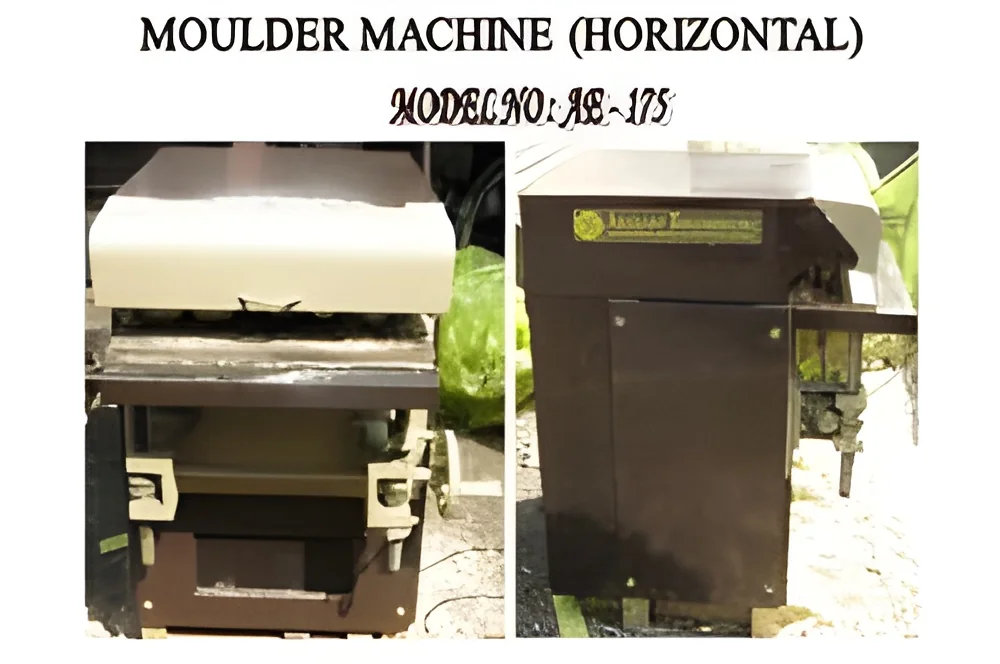
What are Four Side Moulders?
Four side moulders are specialized woodworking machines designed to shape and finish the edges of wooden boards and panels. They operate by having multiple cutting heads, allowing them to process all four sides of a workpiece in a single pass. This efficiency makes them crucial for producing high-quality, uniform wood products in various applications.
These machines are primarily used in the manufacturing of furniture, cabinetry, and flooring. Businesses in the woodworking industry rely on four side moulders to create precise profiles and smooth finishes, enhancing the aesthetic appeal and durability of wooden products. Given the growing demand for custom wood products, the relevance of four side moulders has increased significantly in the market.
Key Features and Specifications
Four side moulders are equipped with a range of features that enhance their functionality and efficiency. Understanding these specifications helps businesses select the right machine for their production needs.
Key specifications include:
1. Cutting Head Configuration
- Typically includes multiple heads for simultaneous processing
- Common configurations involve two to four cutting heads
2. Feed Rate
- The speed at which the material is fed through the machine
- Ranges from 10 to 50 meters per minute depending on model
3. Motor Power
- Indicates the strength of the machine's cutting capabilities
- Usually ranges from 5 to 15 horsepower
4. Maximum Workpiece Dimensions
- Refers to the largest size of wood that can be processed
- Standard dimensions often include widths up to 300 mm and thicknesses up to 100 mm
5. Precision Tolerance
- Measures how accurately the machine can shape the wood
- Typically maintains tolerances within 0.1 mm
6. Control System
- May include digital displays and programmable settings for ease of use
- Advanced models feature automation for enhanced precision
7. Safety Features
- Often equipped with emergency stop buttons and guards
- Compliant with relevant safety standards
These specifications ensure that four side moulders meet the diverse needs of industrial wood processing.
Common Applications and Use Cases
Four side moulders find applications across various industries due to their versatility and efficiency.
1. Furniture Manufacturing: Used to create edges and profiles for tabletops, chairs, and cabinetry, ensuring a polished finish.
2. Flooring Production: Essential for shaping and finishing floorboards, enhancing both appearance and durability.
3. Cabinetry: Ideal for producing cabinet doors and frames with intricate designs and smooth edges.
4. Door and Window Frames: Employed to shape components for doors and windows, ensuring tight fits and aesthetic appeal.
5. Millwork: Used in producing moldings and trim, contributing to the decorative elements in construction and renovation projects.
6. Wood Panel Manufacturing: Helps in the production of plywood and laminated panels by ensuring uniform thickness and finish.
7. Specialty Wood Products: Suitable for crafting unique wooden items that require specific profiles and dimensions.
Product Variants and Subcategories
Four side moulders come in a variety of configurations and designs to suit different production needs.
Standard Four Side Moulders
These are the most common type, designed for general-purpose wood processing. They typically feature adjustable cutting heads and can handle a wide range of wood types.
Heavy-Duty Four Side Moulders
Engineered for high-volume production, these moulders have increased motor power and enhanced feed rates. They are ideal for demanding applications where speed and efficiency are critical.
Compact Four Side Moulders
Designed for smaller workshops or operations with limited space, these machines offer essential features in a more compact form, making them suitable for various woodworking tasks.
Benefits and Advantages
Investing in four side moulders provides numerous benefits for woodworking businesses.
1. Increased Efficiency: These machines streamline the production process by completing multiple operations in one pass, reducing labor costs.
2. Consistent Quality: The precision of four side moulders ensures that every piece meets the same high standards, minimizing waste and rework.
3. Versatility: Capable of processing various wood types and dimensions, they can adapt to different production requirements.
4. Enhanced Productivity: With faster feed rates and the ability to handle multiple pieces simultaneously, they significantly boost throughput.
5. Cost-Effective Operation: The efficiency of four side moulders translates to lower operating costs over time, making them a wise investment.
6. Improved Safety Features: Modern models come with advanced safety measures, reducing the risk of accidents in the workplace.
Buying Guide for B2B Buyers
When sourcing four side moulders, it is essential to consider several critical factors to make an informed decision.
1. Quality Assessment: Look for machines built with high-quality materials and components. Evaluating the manufacturer's reputation can provide insights into durability and performance.
2. Supplier Verification: Ensure that suppliers are reputable and have positive reviews. Check their track record for delivering high-quality machinery.
3. Pricing and MOQ: Compare prices across different suppliers and be aware of the minimum order quantities. This can help in budgeting and cost management.
4. Delivery and Lead Times: Understand the expected lead times for delivery and any logistics involved. Timely delivery can significantly impact production schedules.
5. Compliance Requirements: Verify that the machines meet local and international safety and quality standards. This ensures that the equipment is suitable for your production environment.
Compliance and Certifications
Four side moulders must comply with various quality and safety standards to ensure reliability and performance.
Key quality standards include ISO 9001, which emphasizes a quality management system, ensuring that products meet customer and regulatory requirements.
Industry certifications such as CE and UL are essential for verifying the safety and performance of electrical machinery. These certifications guarantee that the machines have undergone rigorous testing and adhere to industry regulations.
Safety and testing requirements are critical, as they protect operators and ensure that equipment functions as intended. Compliance with local regulations also helps businesses avoid legal issues and maintain operational integrity.
In addition, manufacturers may need to consider regional compliance to meet specific market requirements, ensuring that machines are suitable for the intended environment.
Why Source Four Side Moulders from Pepagora?
Pepagora provides a trusted platform for sourcing four side moulders with several key advantages.
The verified supplier network ensures that buyers can find reputable manufacturers who meet industry standards. This network helps mitigate risks associated with sourcing machinery.
The streamlined RFQ process simplifies obtaining quotations from multiple suppliers. Buyers can efficiently compare prices and specifications, allowing for informed purchasing decisions.
Pepagora also offers trade assurance and support, providing buyer protection and assistance throughout the procurement process. This support fosters confidence in transactions and helps navigate any challenges.
Finally, Pepagora's regional coverage extends to areas like India, the GCC, and Southeast Asia. This geographical reach ensures that businesses in these regions can access high-quality four side moulders tailored to their production needs.

 IN
IN