What are Stackers & Unstackers?
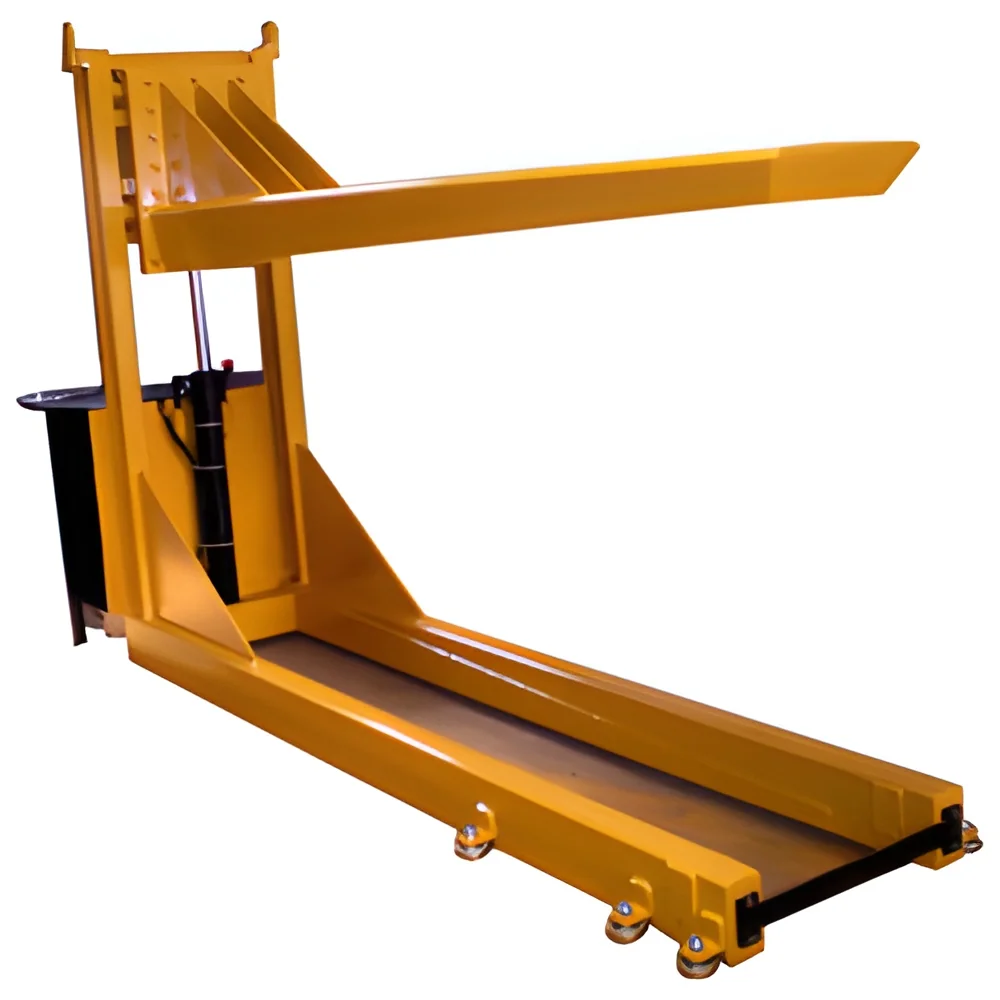
Stackers and unstackers are essential industrial equipment used primarily in material handling and warehouse operations. These machines are designed to lift, stack, and store pallets or goods efficiently and safely. Stackers are equipped to lift loads to significant heights, allowing for the effective use of vertical space in warehouses. Unstackers, on the other hand, are designed to lower or remove stacked items, facilitating easier access and organization of goods.
The primary applications of stackers and unstackers include loading and unloading goods in warehouses, distribution centers, and manufacturing facilities. They help streamline operations by reducing manual labor and minimizing the risk of injury. Businesses across various sectors rely on these machines to enhance productivity and optimize storage solutions. In today’s competitive market, having reliable stackers and unstackers is critical for maintaining efficient workflows and meeting customer demands.
As industries continue to evolve, the relevance of stackers and unstackers becomes increasingly pronounced. With the growing focus on automation and efficiency, these machines play a vital role in modern supply chains. Their ability to adapt to different environments and needs positions them as indispensable tools for businesses looking to improve their operational capabilities.
Key Features and Specifications
Stackers and unstackers come with a range of features and specifications that enhance their functionality and usability. Understanding these specifications can help businesses select the right equipment for their operations.
Key specifications include:
1. Lifting Capacity
- The maximum weight the stacker or unstacker can handle.
- Typical ranges vary from 1,000 kg to 3,000 kg.
2. Lift Height
- The maximum height the equipment can lift loads.
- Standard heights range from 1.5 meters to 5 meters.
3. Power Source
- Determines how the stacker or unstacker is operated.
- Options include manual, electric, or diesel power.
4. Turning Radius
- The minimum space required for the equipment to make a turn.
- Important for maneuverability in tight spaces.
5. Fork Width
- The width of the forks that support the load.
- Generally ranges from 550 mm to 1,200 mm.
6. Weight
- The overall weight of the stacker or unstacker itself.
- Affects mobility and stability during operation.
7. Safety Features
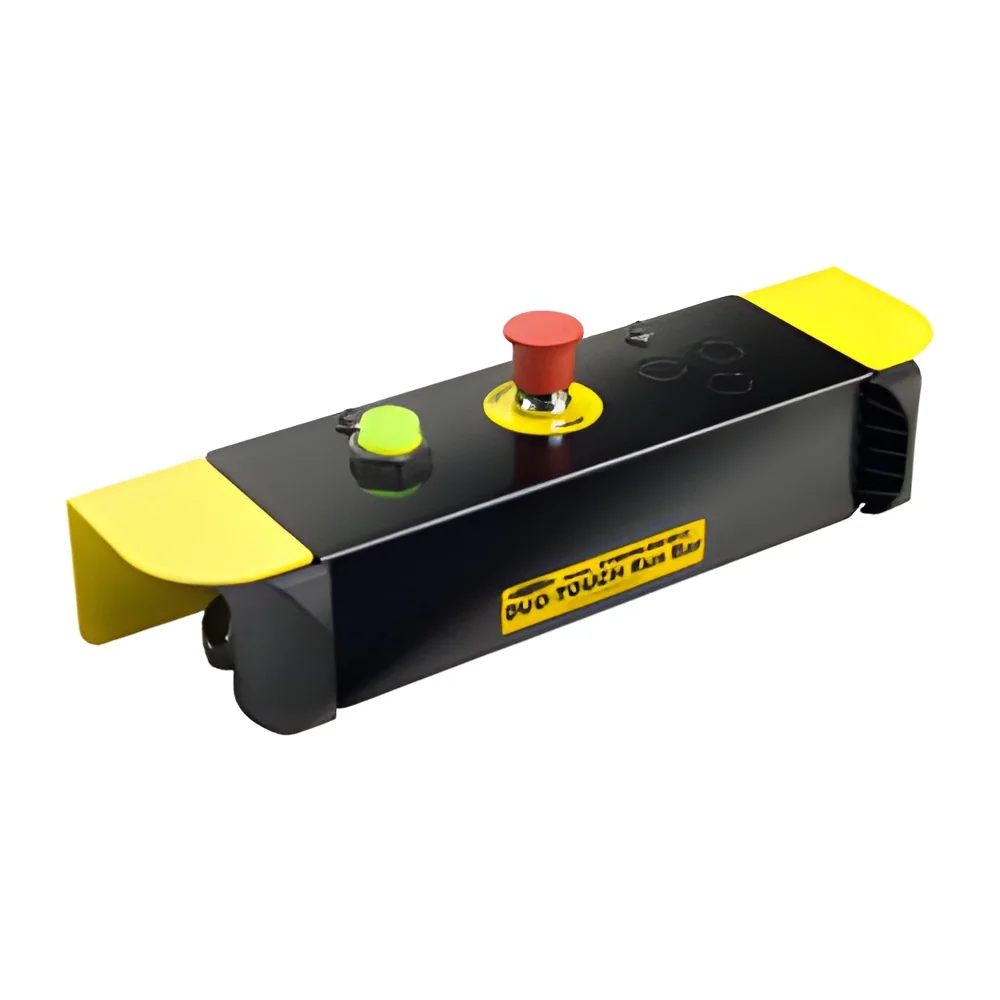
- Include emergency stop buttons, safety guards, and stability controls.
8. Control Mechanism
- Types of controls used to operate the equipment.
- Options may include manual levers or electronic controls.
In summary, understanding the key features and specifications of stackers and unstackers is crucial for making informed purchasing decisions. Selecting the right equipment based on these criteria can lead to increased efficiency and safety in material handling processes.
Common Applications and Use Cases
Stackers and unstackers are versatile tools used across various industries. They adapt to a wide range of material handling tasks, making them invaluable in many business settings.
1. Retail Warehousing: Stackers are employed to organize inventory in high-rise shelving units, ensuring easy access and efficient space utilization.
2. Manufacturing: Unstackers are utilized to remove components from pallets for assembly lines, speeding up production rates and reducing manual labor.
3. Food and Beverage: Stackers assist in managing the storage of bulk goods, ensuring compliance with health regulations and maintaining inventory rotation.
4. Logistics and Distribution: These machines facilitate the loading and unloading of goods from delivery trucks, improving turnaround times in busy operations.
5. Pharmaceuticals: Stackers help maintain organized storage of sensitive materials, ensuring compliance with safety standards and regulations.
6. Automotive: Unstackers are used to handle heavy parts and components, enhancing efficiency in assembly and production processes.
7. Construction: Stackers assist in managing construction materials on-site, allowing for better organization and accessibility.
Product Variants and Subcategories
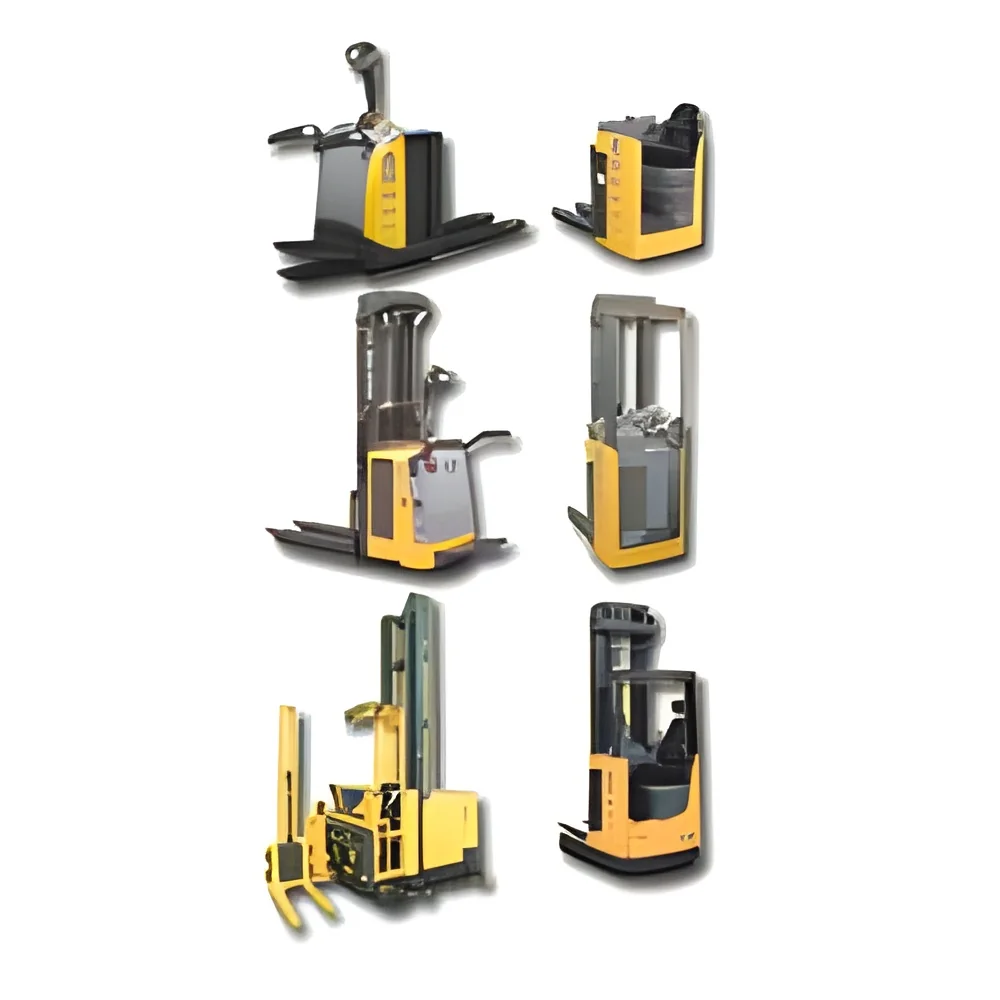
Stackers and unstackers come in various configurations, each designed to meet specific needs and applications. This diversity allows businesses to choose equipment that best fits their operational requirements.
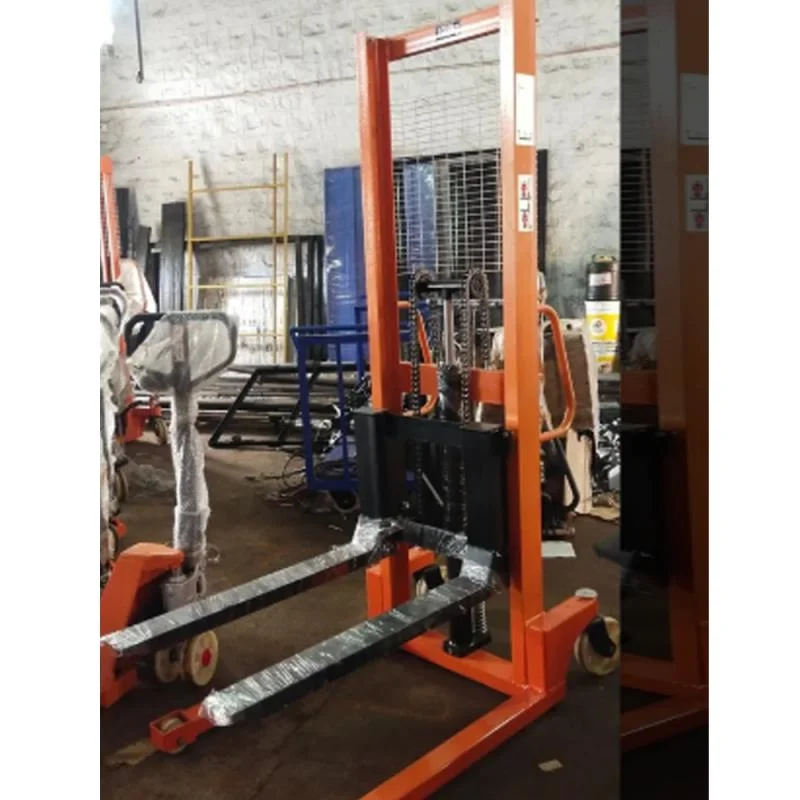
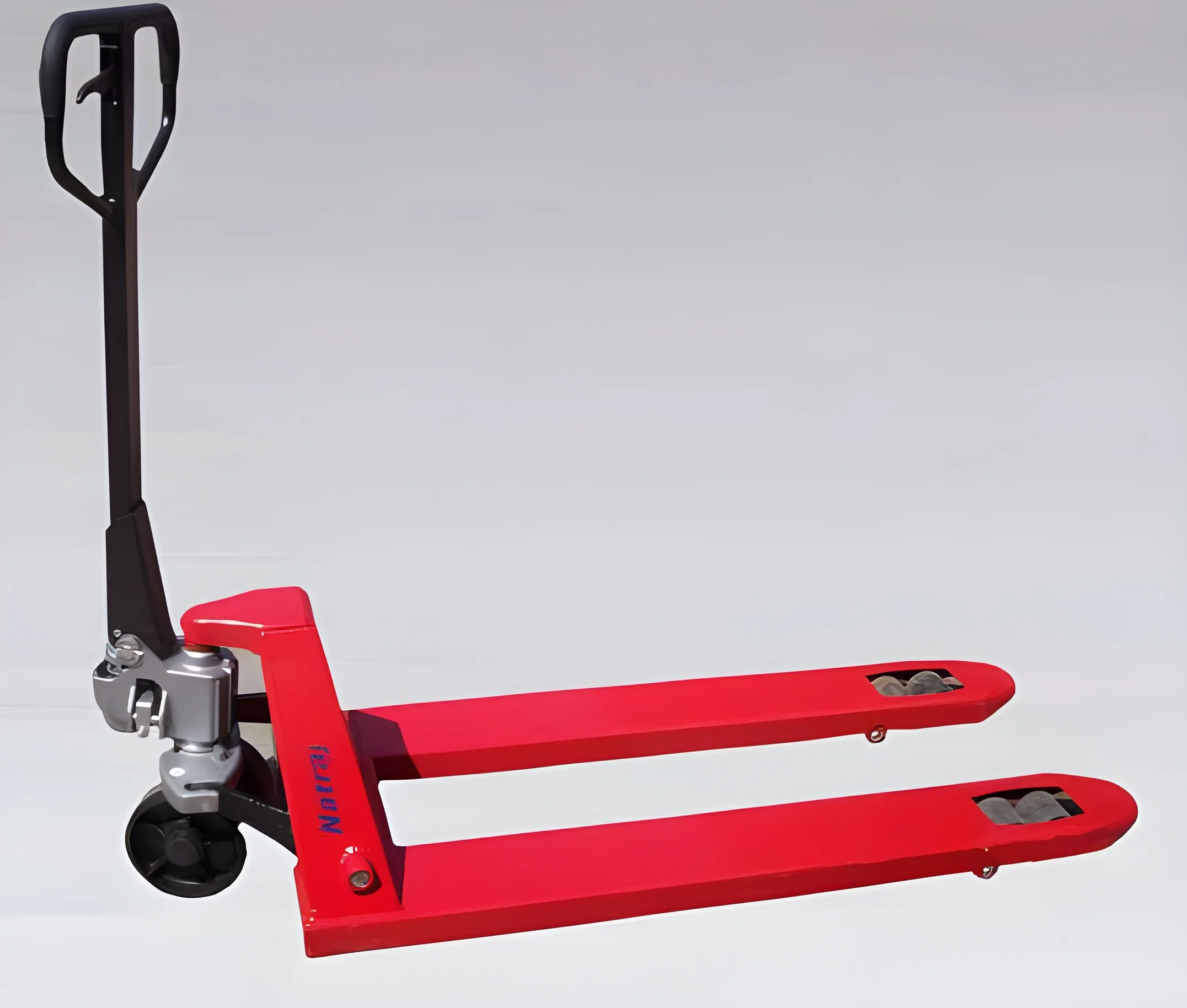
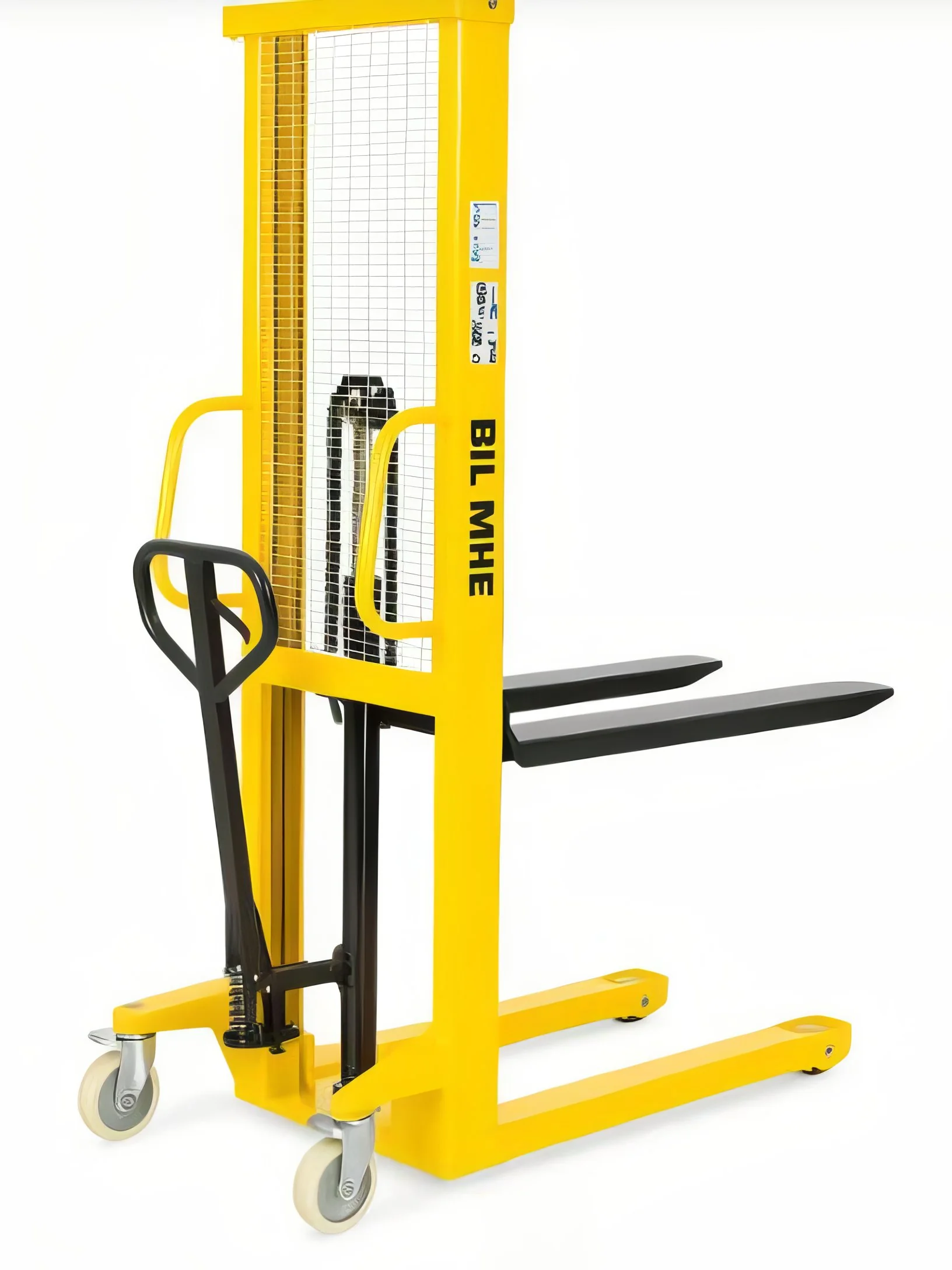
Manual Stackers: These stackers rely on human power for lifting and maneuvering. They are cost-effective and suitable for small-scale operations.
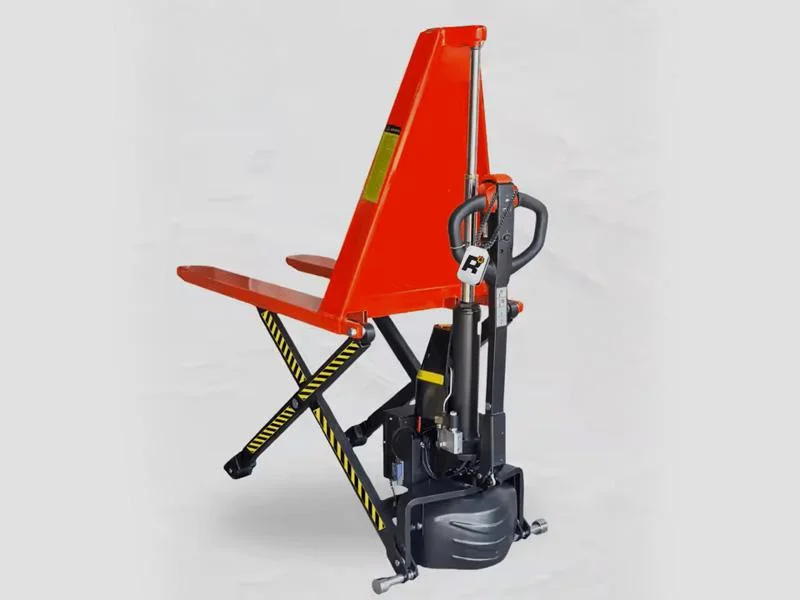
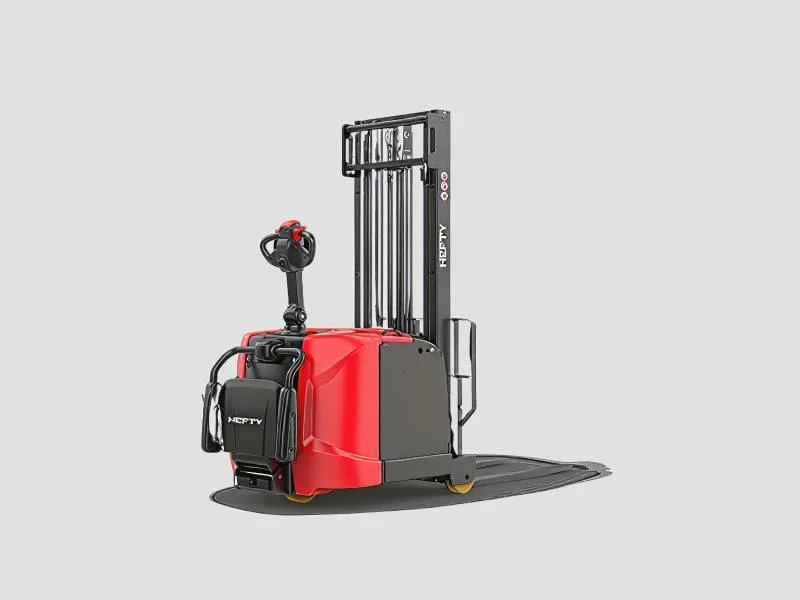
Electric Stackers: Powered by batteries, these stackers offer higher lifting capacities and ease of use, making them ideal for larger warehouses.
Pallet Unstackers: Designed specifically to remove pallets, these machines streamline the process of unpacking goods, improving efficiency in storage areas.
Heavy-Duty Stackers: Built for handling heavier loads, these stackers are ideal for industries like manufacturing and construction, where robust machinery is essential.
Compact Stackers: These models are designed for tight spaces, offering versatility in urban environments or smaller warehouses.
Benefits and Advantages
Investing in stackers and unstackers provides numerous benefits to businesses looking to enhance their operations. These advantages contribute to better productivity and safety.
1. Increased Efficiency: Stackers and unstackers automate the lifting process, reducing the time spent on manual labor and increasing throughput.
2. Enhanced Safety: Equipped with safety features, these machines minimize the risk of accidents and injuries associated with manual handling.
3. Space Optimization: By utilizing vertical storage, stackers help businesses maximize the use of available space, leading to better inventory management.
4. Cost Savings: Reducing labor costs and minimizing damage to goods translates to significant financial savings over time.
5. Versatility: These machines can be used in various applications and industries, making them a valuable addition to any operation.
6. Improved Workflow: Streamlined material handling processes contribute to smoother operations, allowing businesses to meet customer demands more effectively.
Buying Guide for B2B Buyers
When sourcing stackers and unstackers, B2B buyers should consider several critical factors to ensure they select the right equipment for their needs.
1. Quality Assessment: Evaluate the build quality and materials used in the construction of stackers and unstackers to ensure durability and reliability.
2. Supplier Verification: It is essential to vet suppliers for their industry reputation and reliability. Look for reviews and testimonials from other clients.
3. Pricing and MOQ: Understand the cost of the equipment and inquire about minimum order quantities. Compare pricing from different suppliers to find the best deal.
4. Delivery and Lead Times: Clarify the expected delivery timelines and ensure they align with your operational needs to avoid delays.
5. Compliance Requirements: Be aware of any regulatory standards and certifications required for stackers and unstackers in your industry to ensure compliance.
Compliance and Certifications
Compliance and certifications are vital considerations when selecting stackers and unstackers. Adhering to relevant quality standards ensures that the equipment meets industry expectations for performance and safety.
ISO 9001 is a widely recognized quality management standard that ensures manufacturers maintain consistent quality in their products. This certification is crucial for buyers seeking reliable stackers and unstackers.
CE certification indicates that the equipment meets European safety, health, and environmental protection standards. This is particularly important for companies operating in regions that require compliance with such regulations.
Safety and testing requirements are essential for ensuring that stackers and unstackers are safe to operate. Manufacturers should provide documentation proving that their products have undergone rigorous testing to meet safety standards.
Buyers should also consider regional compliance needs, as different markets may have specific regulations governing the use of material handling equipment. Being aware of these requirements helps businesses avoid potential legal issues and ensures safe operations.
Why Source Stackers & Unstackers from Pepagora?
Pepagora is a trusted platform for sourcing stackers and unstackers, offering several key advantages that benefit B2B buyers.
Verified Supplier Network is one of Pepagora's standout features. The platform connects buyers with reputable suppliers who have been thoroughly vetted for reliability and product quality. This reduces the risk associated with sourcing equipment and helps buyers make informed decisions.
Streamlined RFQ Process simplifies the procurement process. Buyers can submit requests for quotes efficiently and receive competitive pricing from multiple suppliers. This transparency promotes better purchasing decisions.
Trade Assurance and Support provide an additional layer of security for buyers. Pepagora offers buyer protection services that ensure transactions are secure and satisfactory, giving customers peace of mind when making purchases.
With Regional Coverage in India, the GCC, and Southeast Asia, Pepagora caters to a broad market, ensuring that businesses in various regions have access to quality stackers and unstackers. This geographic reach enhances the platform's appeal for buyers looking for diverse options in their sourcing efforts.

 IN
IN