
 IN
Spindle Moulder
1 products available
What are Spindle Moulders?
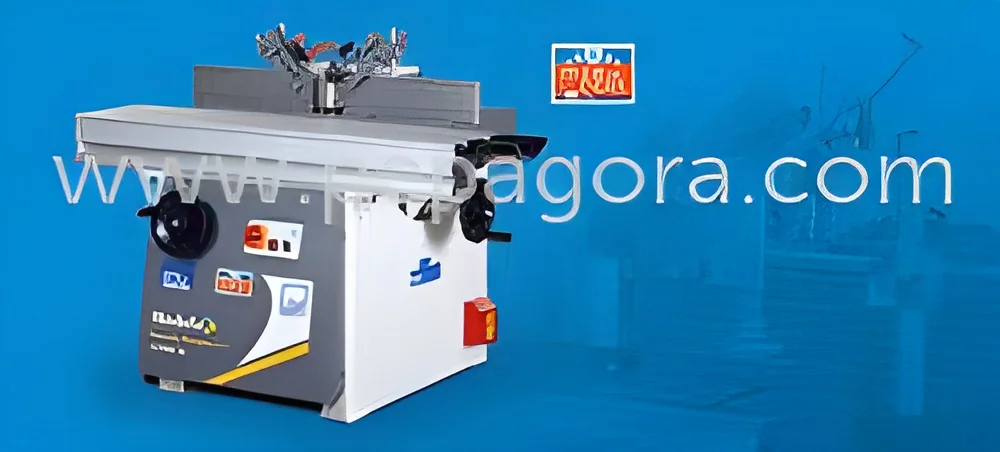
A spindle moulder is an essential woodworking machine used for shaping and profiling wood and other materials. It utilizes a vertically oriented spindle that holds the cutter head, allowing for various woodworking operations. Spindle moulders are designed to produce precise cuts, enabling manufacturers to create intricate designs and profiles on wood components.
Primarily, spindle moulders are used in woodworking shops for tasks such as edge profiling, grooving, and making decorative mouldings. They are widely employed in the furniture, cabinetry, and flooring industries, where aesthetic appeal and precision are crucial. The versatility of spindle moulders makes them a valuable asset in any production facility focused on high-quality wood products.
The spindle moulder market is characterized by a growing demand for customized and high-precision wood components. As industries evolve, the need for advanced machinery that can enhance productivity and maintain quality standards has become paramount. This positions spindle moulders as a critical tool for businesses aiming to stay competitive in the woodworking sector.
Key Features and Specifications
Spindle moulders come equipped with a variety of features that enhance their functionality and efficiency. Understanding these specifications is essential for selecting the right machine for your business needs.
Key specifications include:
1. Cutter Head Speed
- Typically ranges from 6,000 to 10,000 RPM.
- Allows for different cutting profiles and finishes.
2. Power Rating
- Commonly available in 3 to 5 horsepower models.
- Higher power ratings provide more capability for heavy-duty tasks.
3. Table Size
- Standard sizes range from 30 inches by 36 inches to 48 inches by 60 inches.
- Larger tables support bigger workpieces and provide stability.
4. Spindle Diameter
- Most machines feature spindles of 30 mm or 40 mm diameter.
- Diameter affects the types of cutters that can be used.
5. Feed Rate
- Adjustable feed rates from 10 to 30 feet per minute.
- Enables control over cut quality and material handling.
6. Dust Collection System
- Integrated systems for efficient dust removal.
- Essential for maintaining a clean and safe working environment.
7. Safety Features
- Includes guards and emergency stop buttons.
- Ensures operator safety during operation.
8. Adjustable Height
- Allows for precise depth control in cuts.
- Facilitates versatility in woodworking tasks.
In summary, the specifications of spindle moulders contribute significantly to their efficiency and effectiveness in woodworking applications.
Common Applications and Use Cases
Spindle moulders are widely utilized across various industries, each benefiting from their precision and versatility.
1. Furniture Manufacturing: Spindle moulders are used to create decorative edges and intricate designs on furniture pieces, enhancing both aesthetics and functionality.
2. Cabinetry: In cabinetry, these machines shape door panels and drawer fronts, allowing for a seamless and professional finish.
3. Flooring Production: For flooring applications, spindle moulders produce groove and tongue profiles, essential for interlocking boards.
4. Millwork: In millwork shops, spindle moulders create custom mouldings and trim pieces, adding character to residential and commercial spaces.
5. Musical Instrument Making: These machines are also employed in crafting wooden components for musical instruments, where precision is critical.
6. Boat Building: In the boat building industry, spindle moulders are utilized for shaping and profiling wooden hulls and components.
7. Craft and Hobby: Small-scale manufacturers and hobbyists use spindle moulders for custom projects, allowing for creativity and personalization in woodwork.
Product Variants and Subcategories
Spindle moulders are available in various configurations to meet the diverse needs of different users.
Heavy-Duty Spindle Moulder
This variant is designed for large-scale production and can handle thicker materials and more extensive profiles. It features robust construction and higher power ratings for demanding applications.
Compact Spindle Moulder
Ideal for small workshops, this variant offers a smaller footprint without sacrificing performance. It is suitable for hobbyists or businesses with limited space but still requires precision.
Digital Spindle Moulder
Equipped with advanced digital controls, this variant allows for precise adjustments and programming of cutting parameters. It enhances productivity and accuracy for complex profiles.
Benefits and Advantages
Spindle moulders offer numerous benefits that make them an essential tool for woodworking businesses.
1. Precision Cutting: These machines provide highly accurate cuts and profiles, ensuring quality in every piece produced.
2. Versatility: Spindle moulders can be used for a variety of woodworking tasks, from simple edge profiles to complex designs.
3. Increased Productivity: With their high-speed capabilities, spindle moulders can significantly reduce production time, allowing for faster turnaround.
4. Customization: These machines can accommodate different cutter profiles, enabling businesses to create tailored products that meet specific customer requirements.
5. Improved Safety: Modern spindle moulders come equipped with advanced safety features, reducing the risk of accidents in the workplace.
6. Cost-Effective: Investing in a spindle moulder can lead to long-term savings by improving efficiency and reducing labor costs.
Buying Guide for B2B Buyers
When considering the purchase of a spindle moulder, it is important for B2B buyers to evaluate several key factors.
1. Quality Assessment: Ensure the spindle moulder meets industry standards for durability and performance. Look for machines with robust construction and positive customer reviews.
2. Supplier Verification: Vet suppliers by checking their reputation, customer service, and history of reliability. It is crucial to establish a partnership with reputable manufacturers.
3. Pricing and MOQ: Compare pricing structures and minimum order quantities (MOQ) from different suppliers. Understanding the market average can help in negotiating better deals.
4. Delivery and Lead Times: Inquire about the delivery options and lead times. Timely delivery is critical to maintaining production schedules.
5. Compliance Requirements: Ensure the machine complies with relevant regulations and industry standards. This may include safety certifications and environmental considerations.
Compliance and Certifications
Spindle moulders are subject to various compliance and certification requirements to ensure they meet industry standards.
Quality standards such as ISO 9001 ensure that manufacturing processes adhere to best practices, resulting in consistent quality. Implementing these standards can also enhance operational efficiency.
Industry certifications like CE and UL demonstrate that the equipment meets safety and performance criteria. These certifications are essential for gaining customer trust and ensuring compliance with regional regulations.
Safety and testing requirements are critical in the manufacturing of spindle moulders. Regular inspections and adherence to safety protocols help prevent accidents and maintain a safe workplace.
Regional compliance considerations may vary, and it is essential for buyers to understand local regulations that affect the use and operation of spindle moulders in their specific markets.
Why Source Spindle Moulder from Pepagora?
Pepagora provides a trusted platform for sourcing spindle moulders, offering numerous advantages to B2B buyers.
Verified Supplier Network: Pepagora maintains a network of verified suppliers to ensure that buyers can source quality spindle moulders with confidence. This verification process enhances trust and reduces risks.
Streamlined RFQ Process: The platform features a streamlined request for quotation (RFQ) process, allowing buyers to easily connect with suppliers and receive competitive quotes. This efficiency saves time and simplifies procurement.
Trade Assurance and Support: Pepagora offers trade assurance and support to protect buyers throughout the purchasing process. This includes assistance with contracts and dispute resolution, providing peace of mind.
Regional Coverage: With a strong presence in India, the GCC, and Southeast Asia, Pepagora ensures that buyers have access to a wide range of suppliers and products tailored to their regional needs.
In conclusion, sourcing spindle moulders through Pepagora not only facilitates access to quality products but also enhances the overall buying experience with comprehensive support and assurance.

Frequently Asked Questions
What are Spindle Moulder?
Spindle moulders are woodworking machines used to shape and profile wood. They utilize a rotating spindle that holds cutting tools, allowing for precise machining of edges, grooves, and profiles in wood materials.
What are the different types of Spindle Moulder?
There are several types of spindle moulders, including vertical spindle moulders, horizontal spindle moulders, and combination moulders. Each type varies in design and functionality, catering to different woodworking needs and applications.
How do I choose the right Spindle Moulder?
When selecting a spindle moulder, consider factors such as the type of projects you'll be working on, the materials you'll use, and the machine's power and speed. It is also essential to evaluate the machine's ease of use and maintenance requirements.
What are the standard specifications for Spindle Moulder?
Standard specifications for spindle moulders typically include motor power, spindle speed, and table dimensions. Additionally, check for features like adjustable height, tilting capabilities, and safety mechanisms to ensure optimal performance.
What is the price range for Spindle Moulder?
The price range for spindle moulders can vary significantly based on the brand, specifications, and features. Generally, you can expect prices to start from around INR 30,000 and can go up to several lakhs for high-end models.
What quality standards apply to Spindle Moulder?
Spindle moulders must adhere to various quality standards, including ISO certifications and safety regulations. Manufacturers often comply with industry standards to ensure reliability, durability, and operator safety.
Where can I find Spindle Moulder suppliers in India?
You can find spindle moulder suppliers in India through online B2B marketplaces like Pepagora, trade shows, and industry directories. It's advisable to research and compare suppliers based on their product offerings and customer reviews.
Can Spindle Moulder be customized?
Yes, many manufacturers offer customization options for spindle moulders to meet specific requirements. Customization may include adjustments to machine size, additional features, or tailored cutting tools.
What is the typical minimum order quantity for Spindle Moulder?
The typical minimum order quantity (MOQ) for spindle moulders can vary by supplier but often ranges from one unit to several units for bulk orders. It is best to inquire directly with suppliers for their specific MOQ policies.
What is the typical lead time for Spindle Moulder?
The typical lead time for spindle moulders can range from a few weeks to several months, depending on the supplier and whether the machine is standard or customized. Always confirm the lead time during the ordering process.
Why Businesses Trust Pepagora
Thousands of companies trust Pepagora to source smarter and sell faster
Expand Your Sales Globally

Source Smarter,Grow Faster
