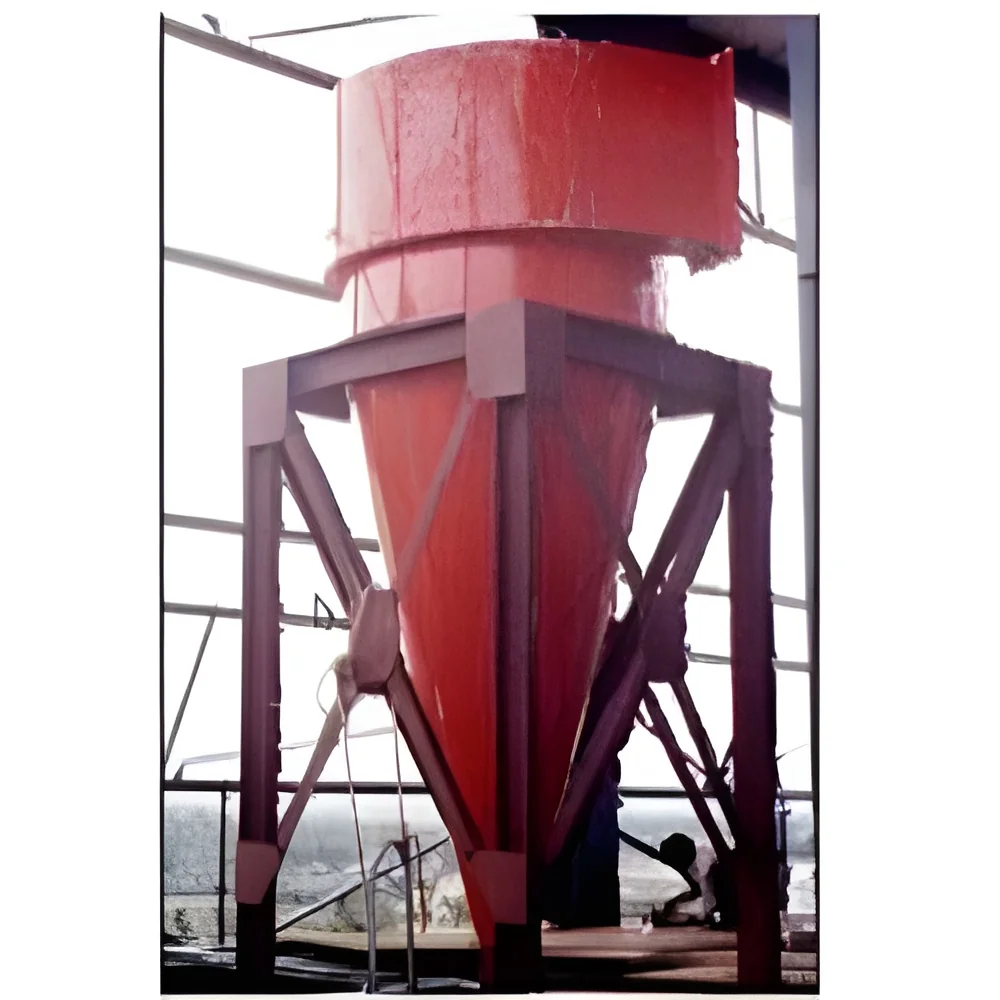
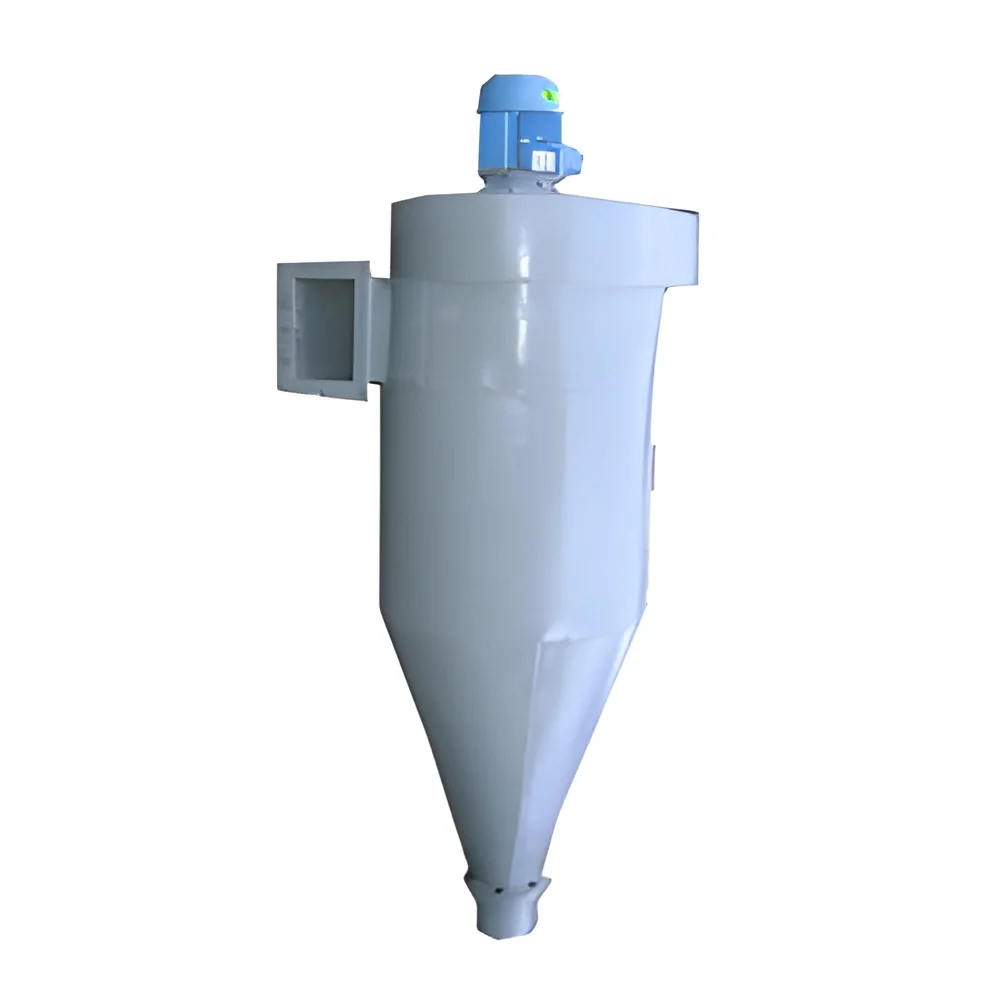
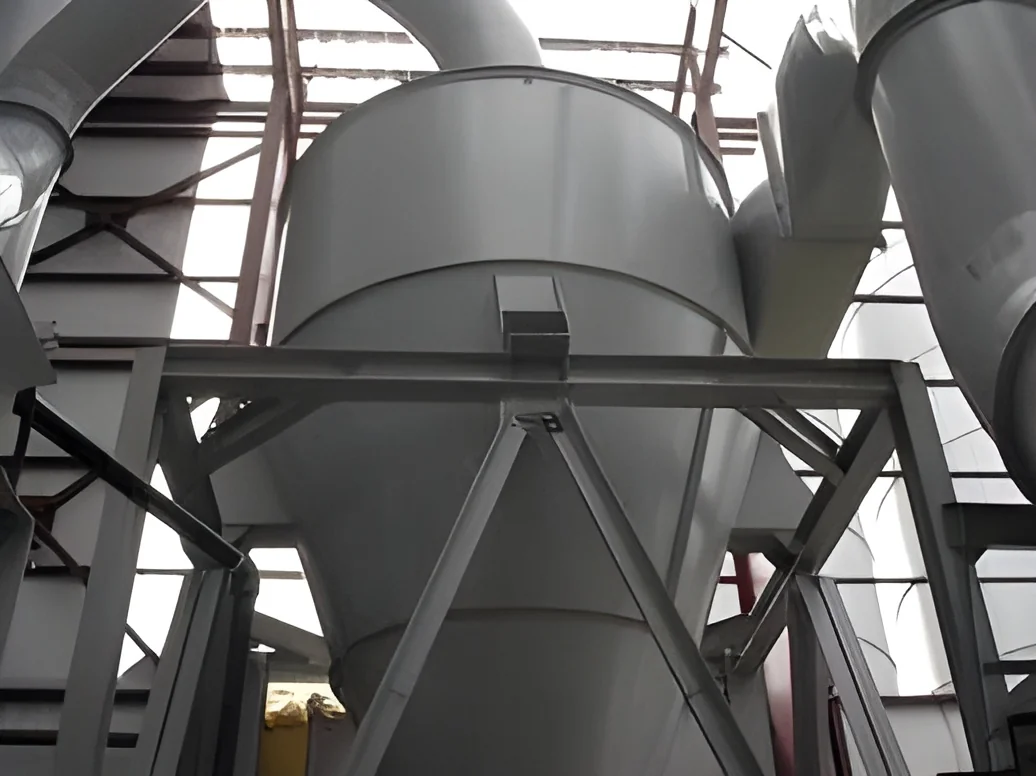
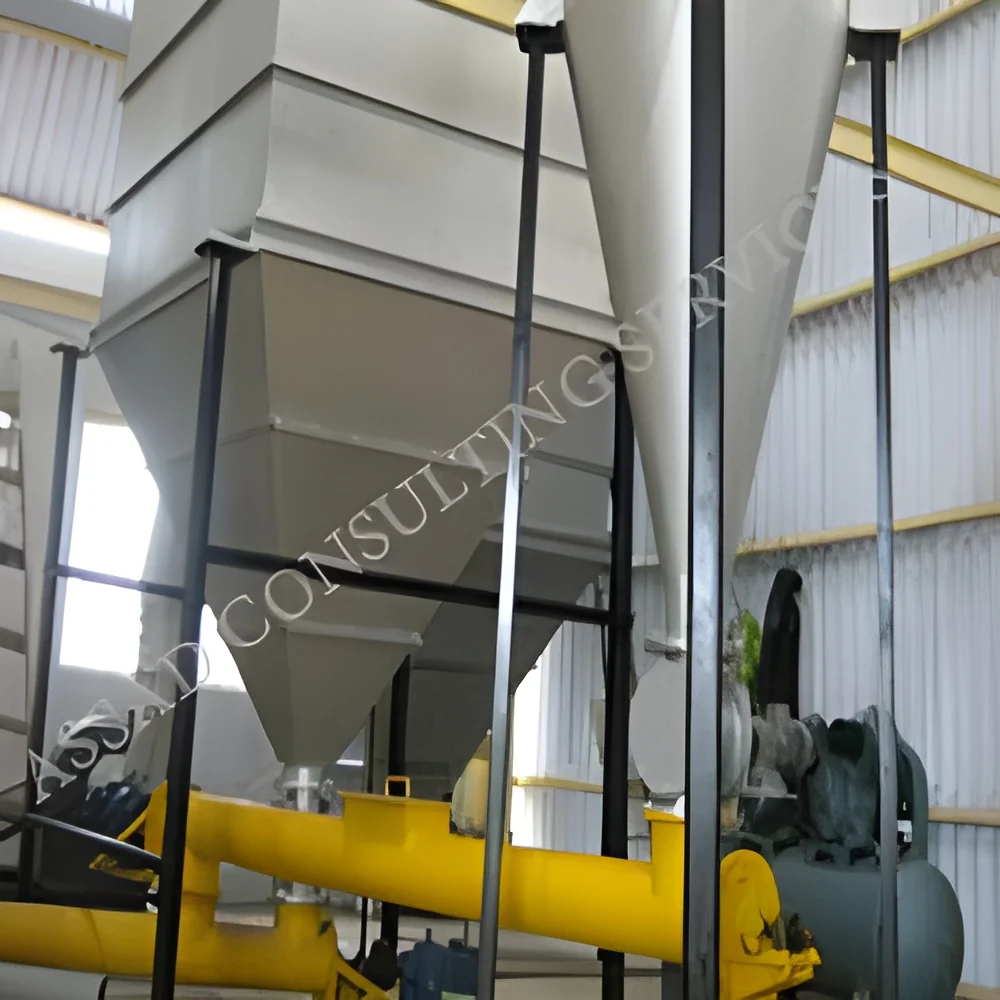
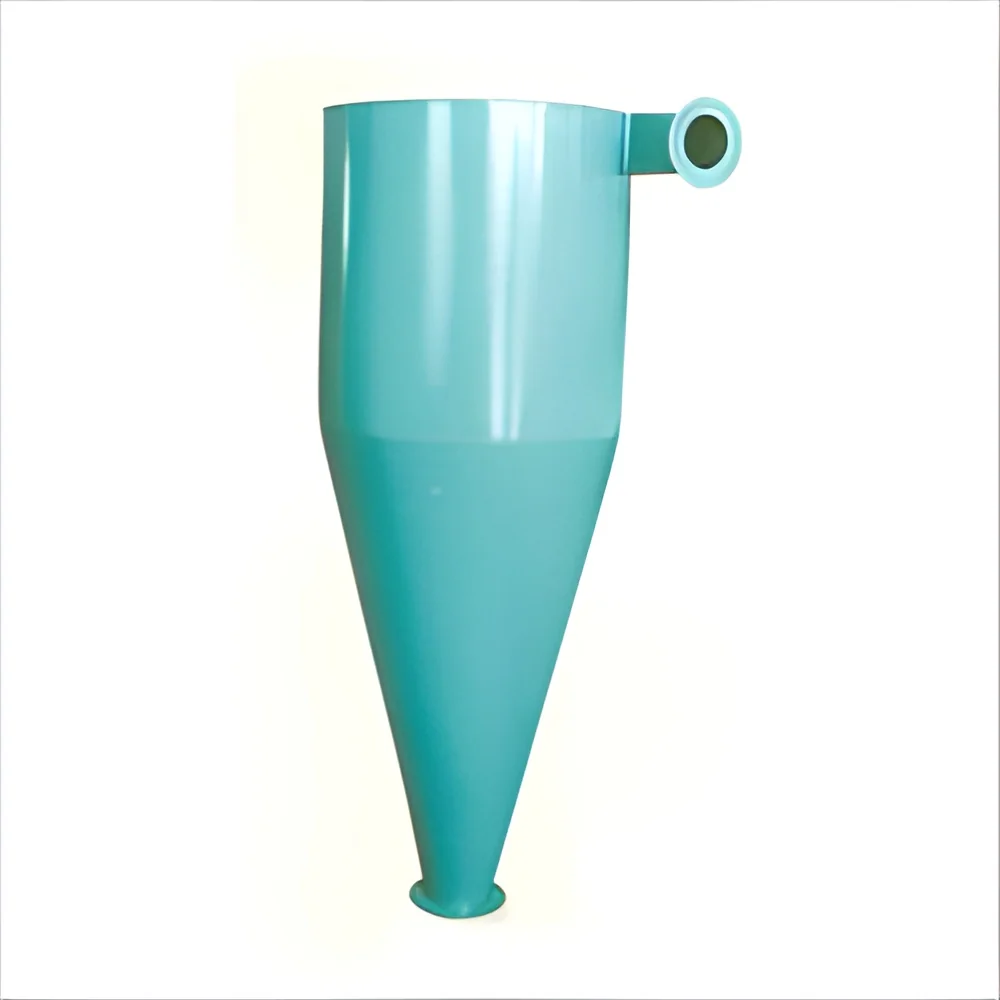
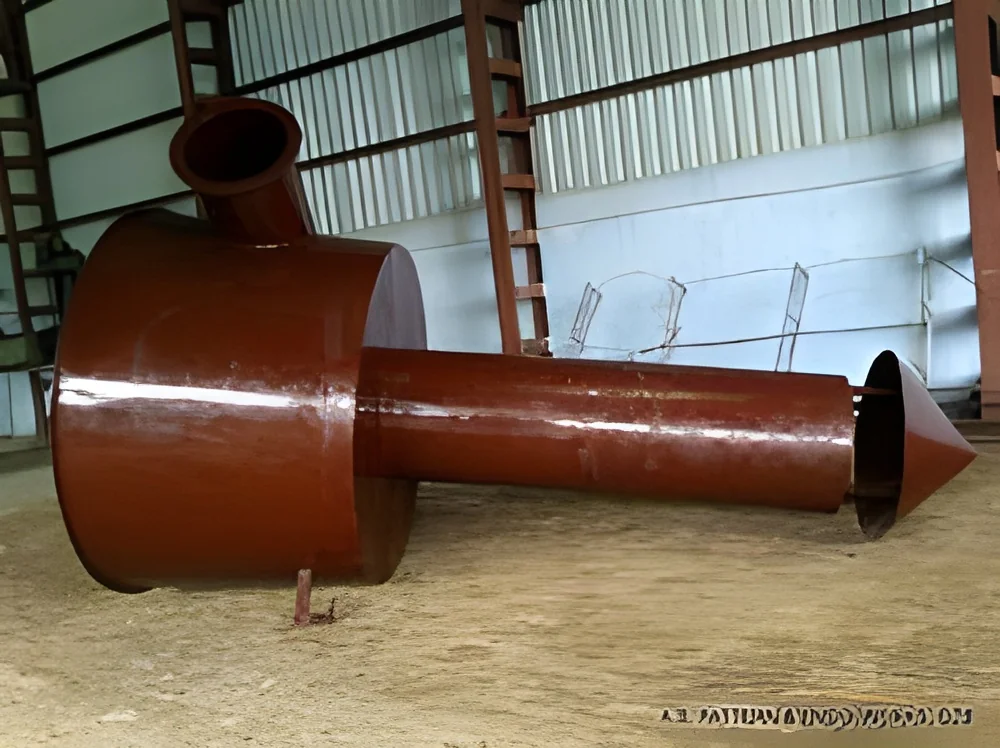
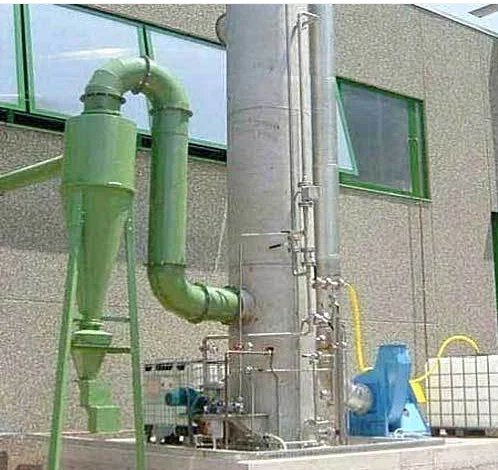
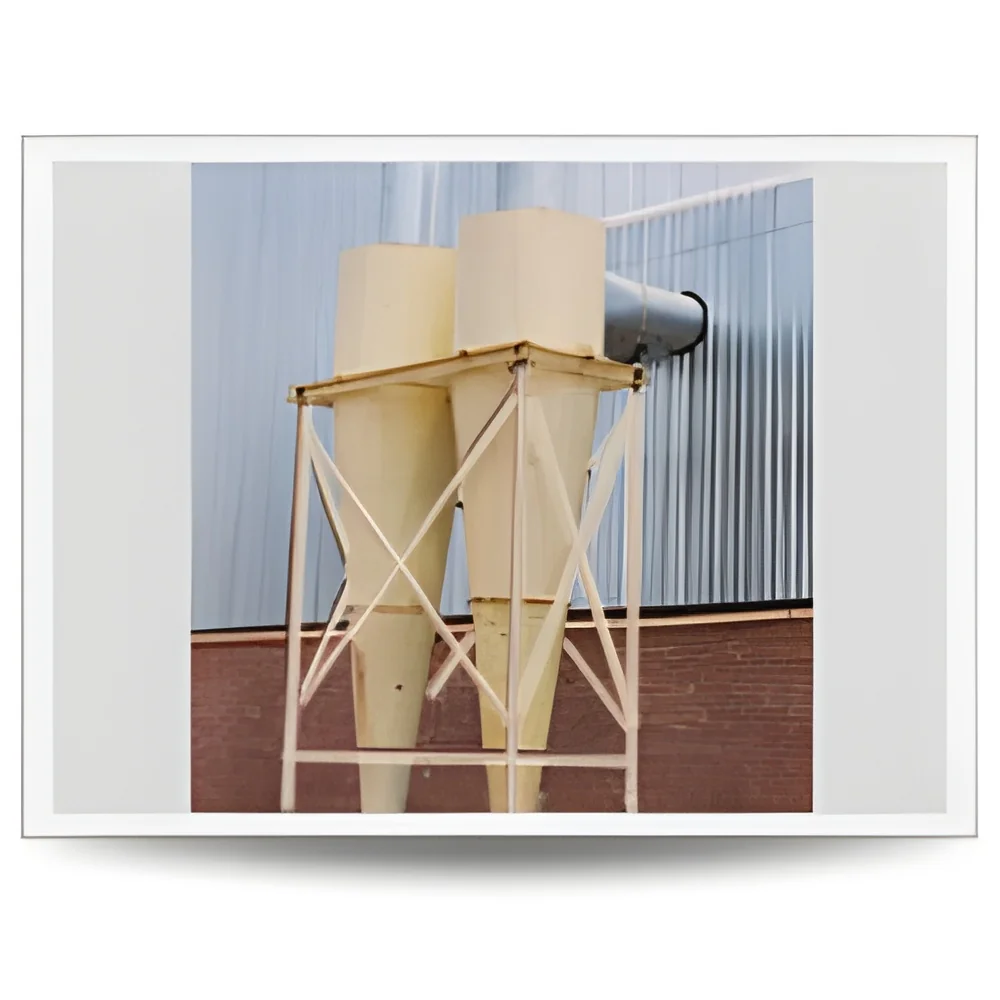
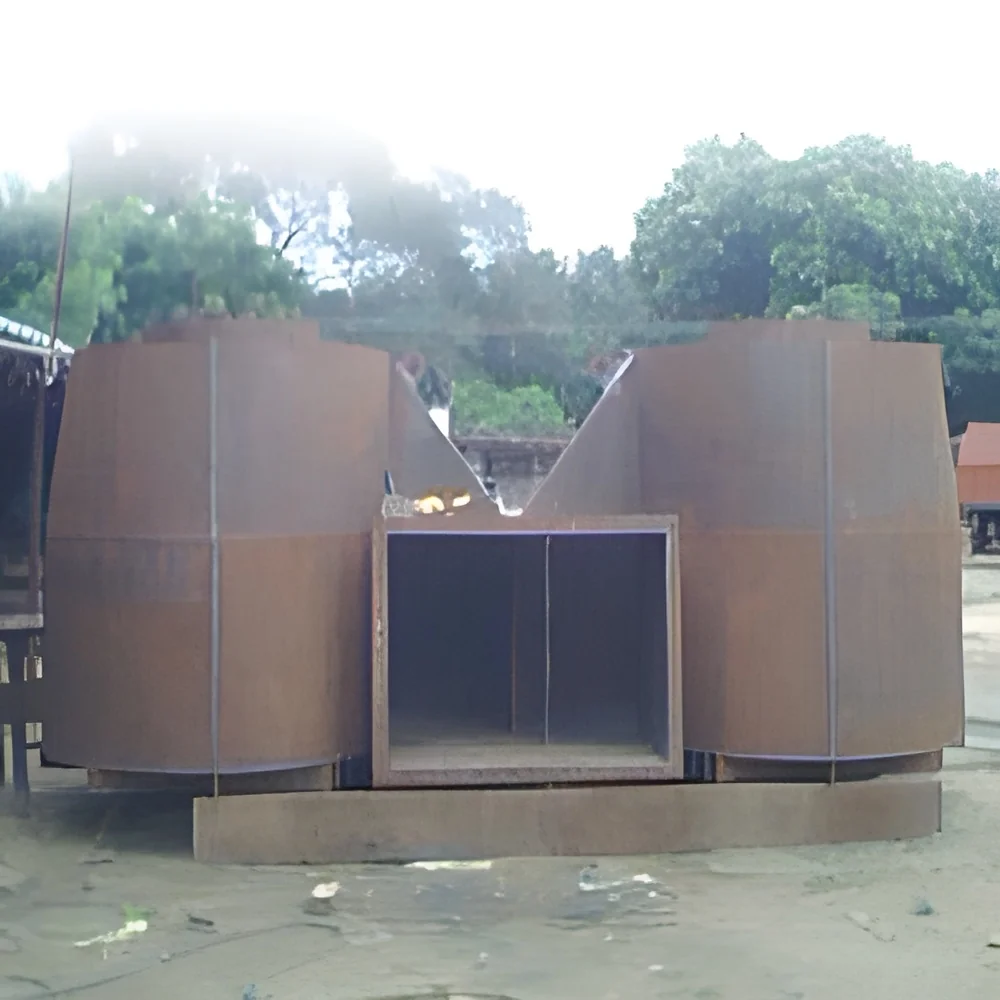
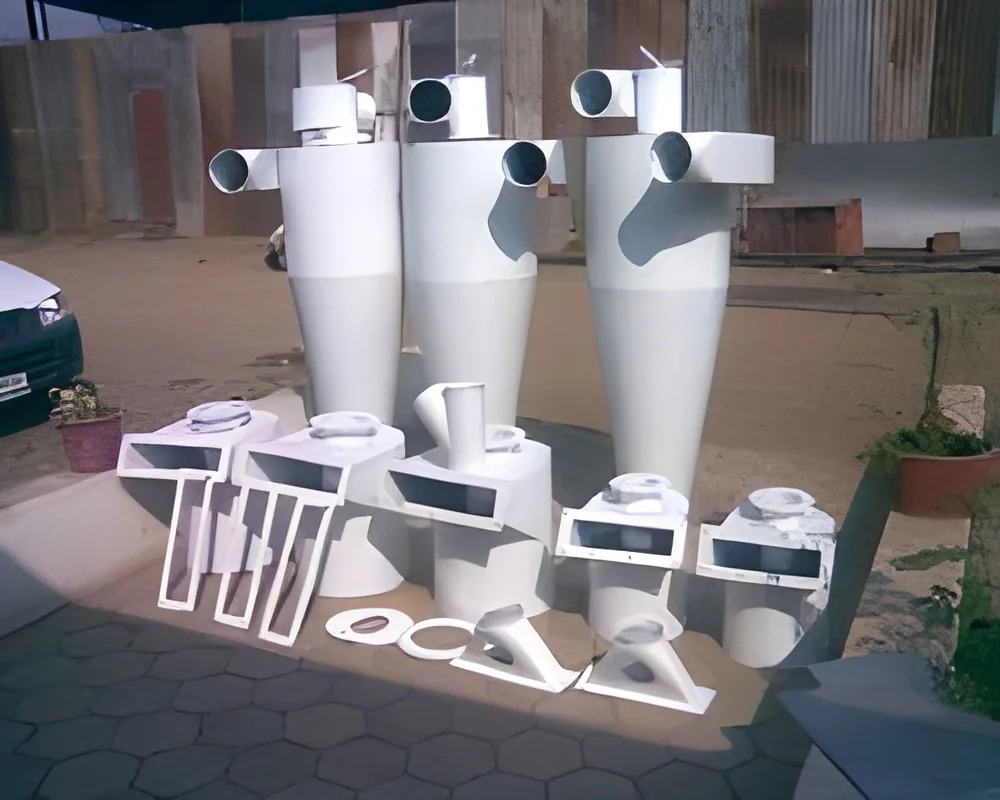
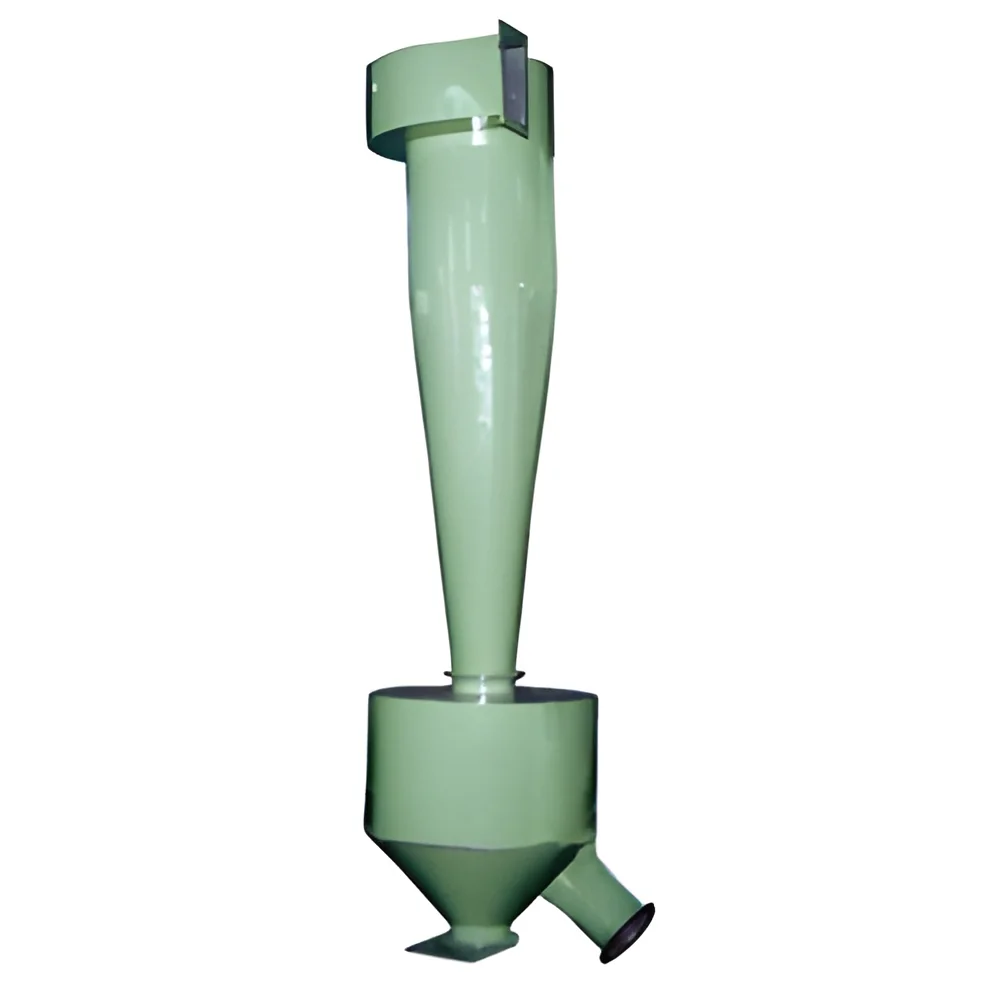
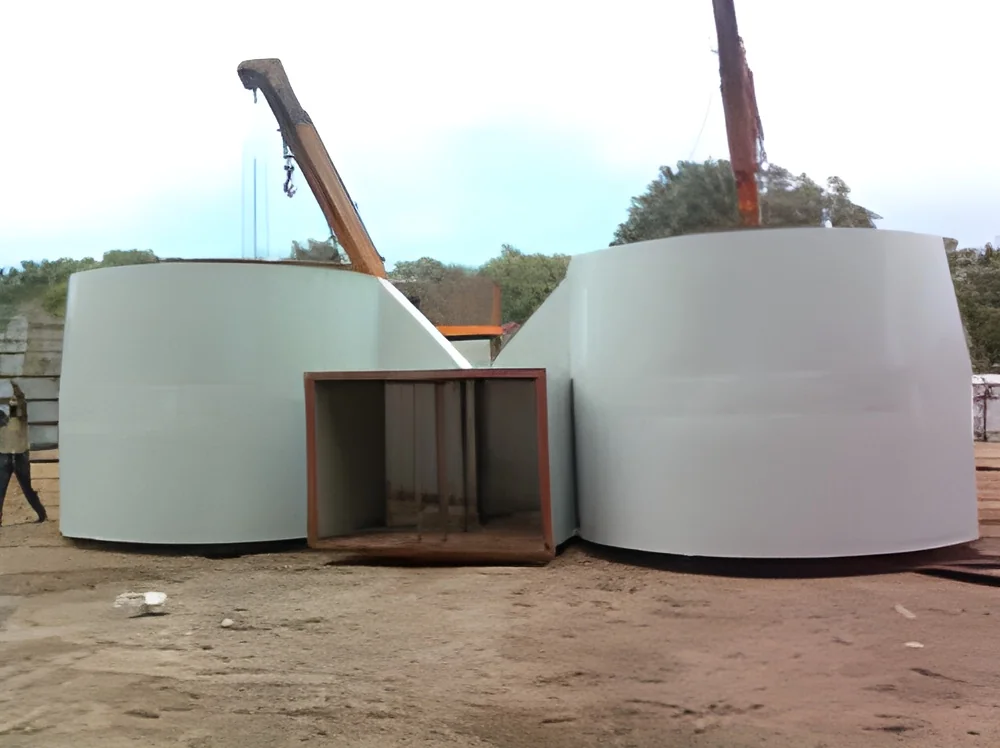
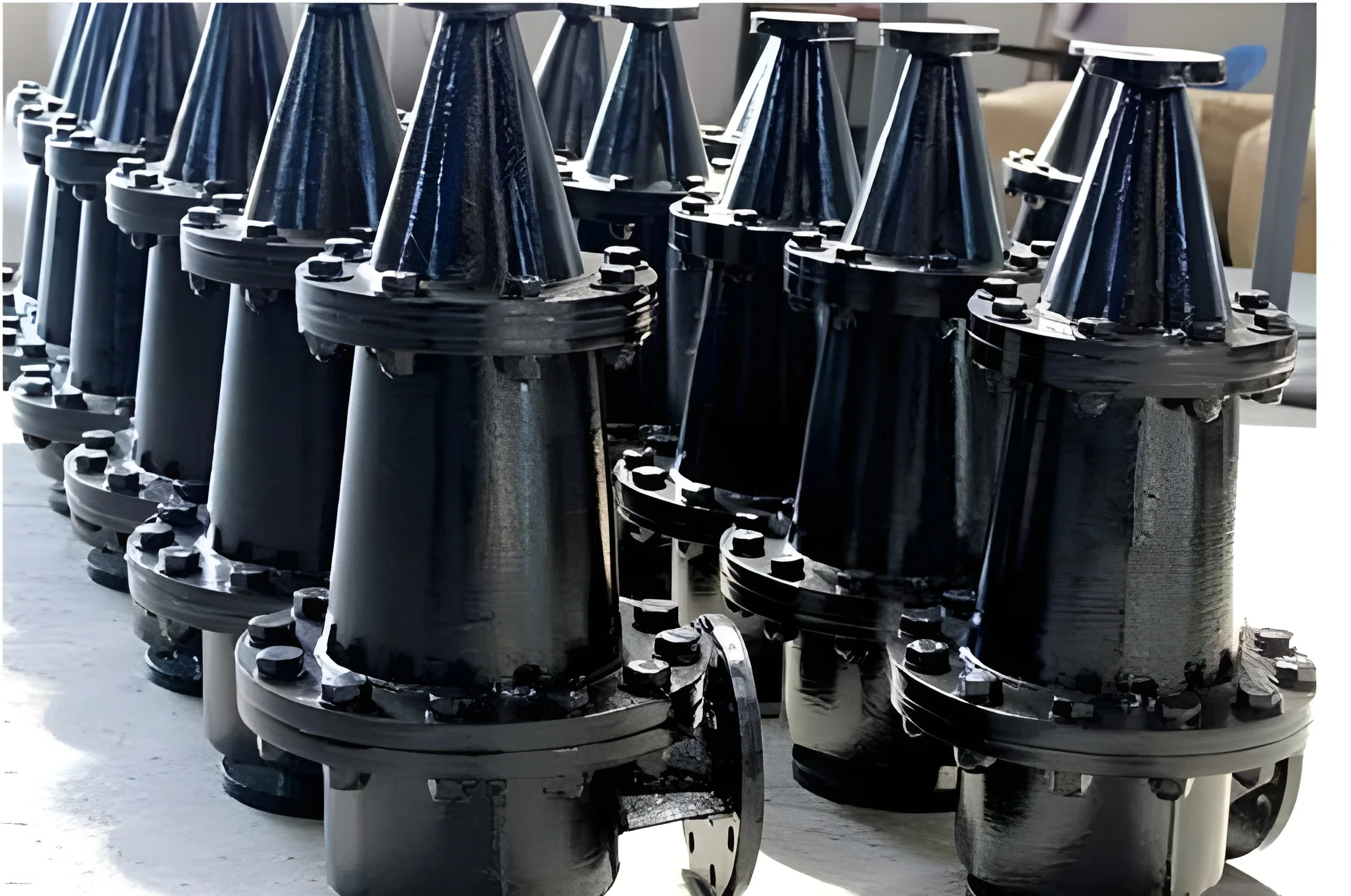
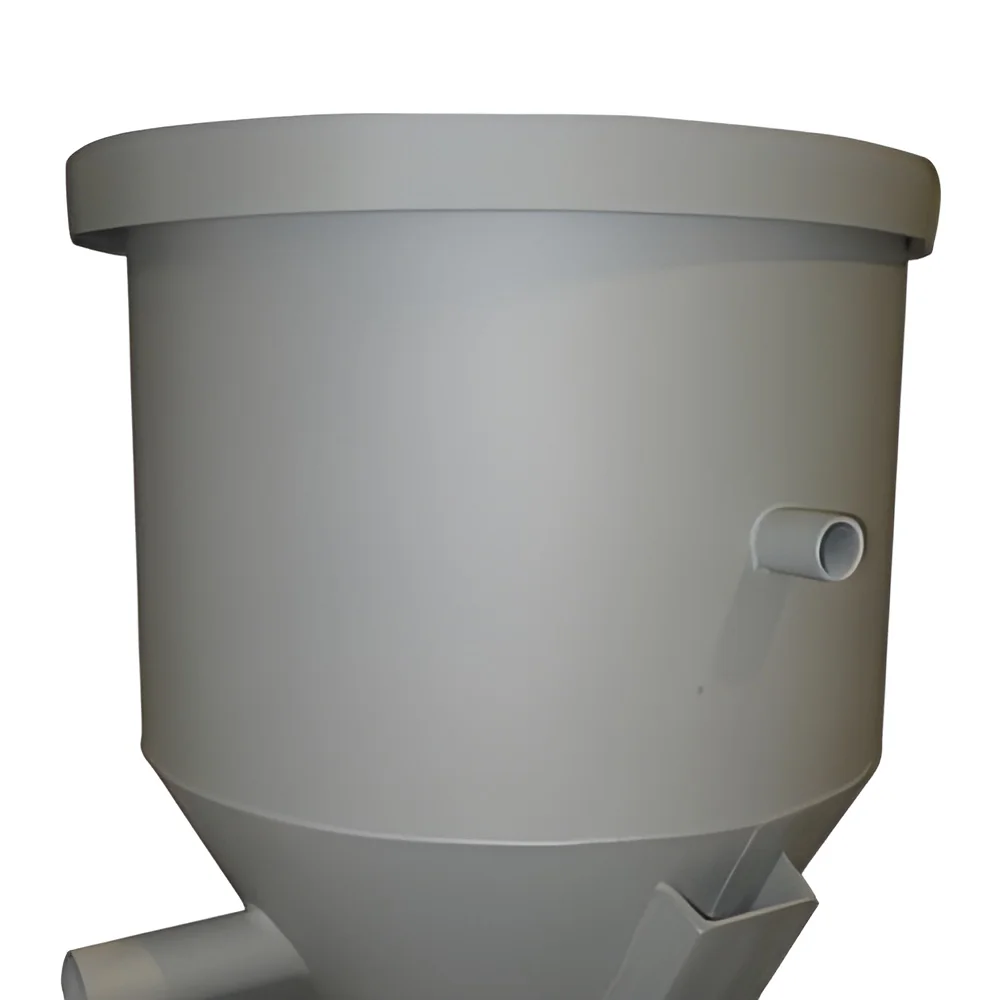
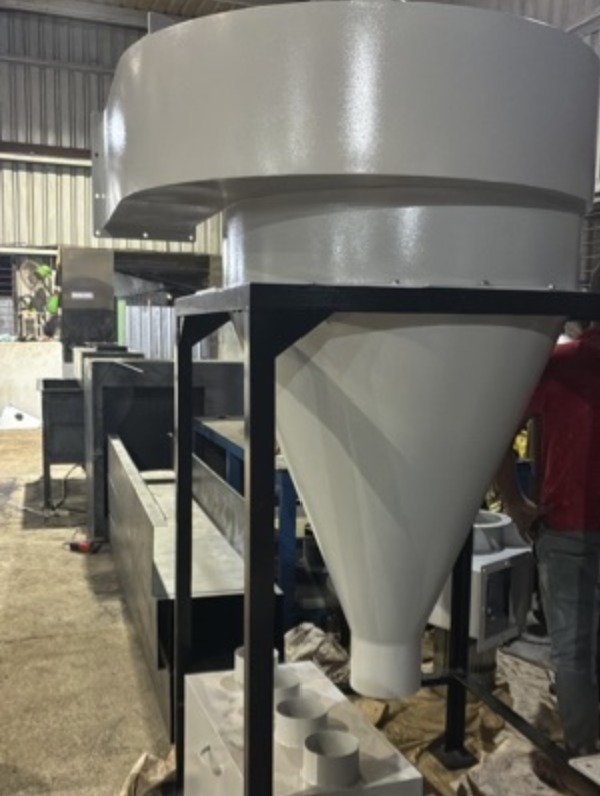
What are Cyclone Dust Separators?
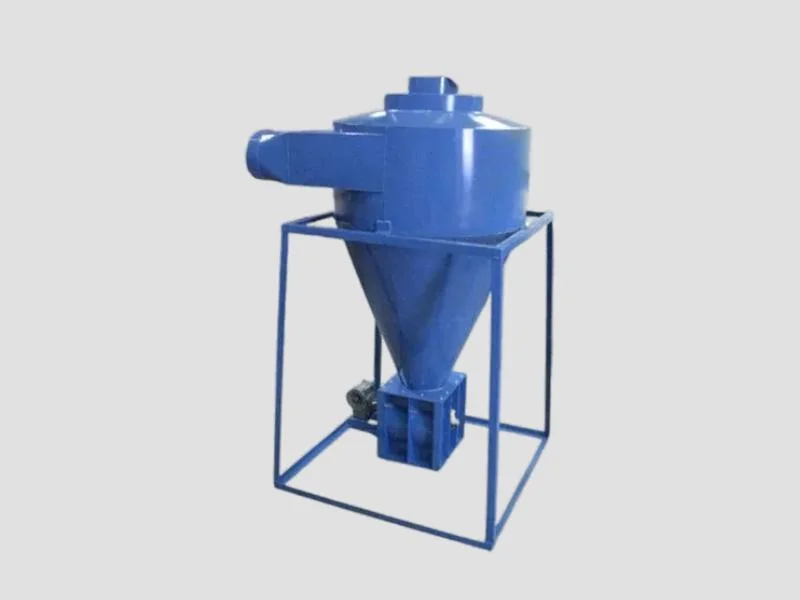
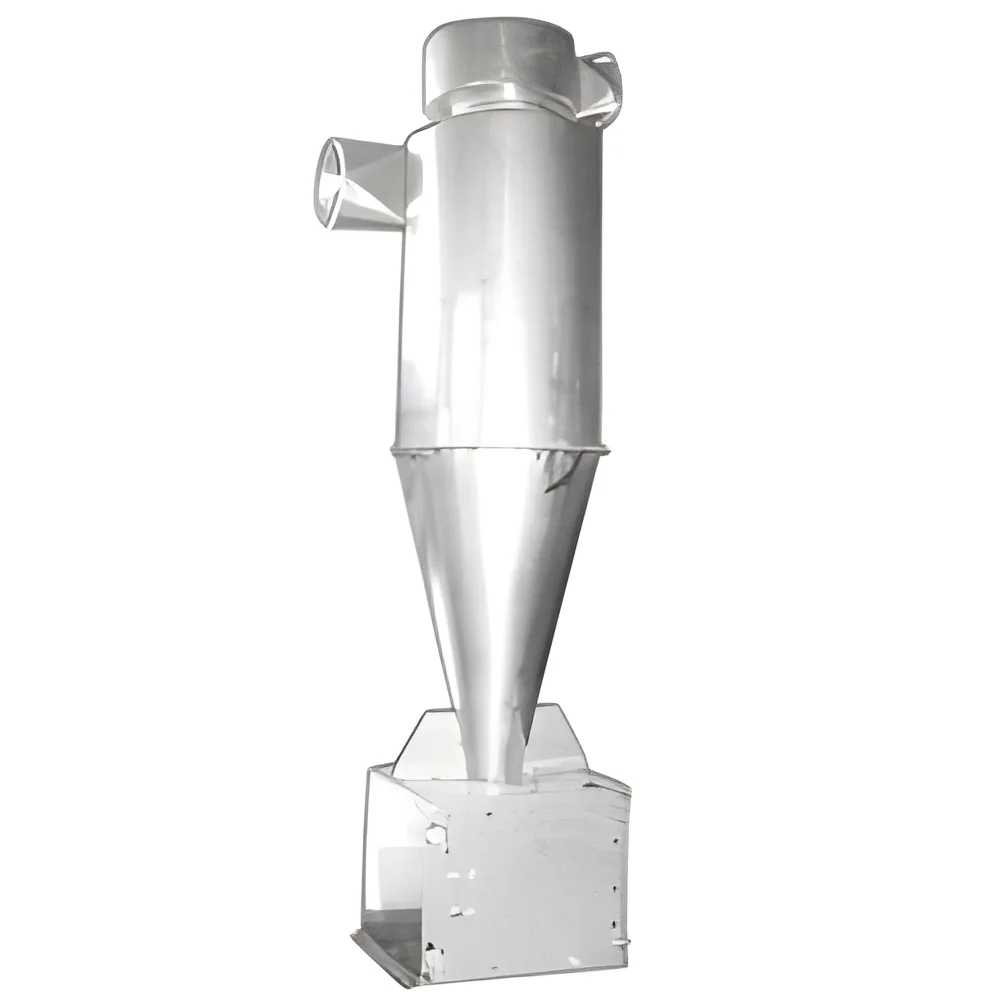
Cyclone dust separators are industrial equipment designed to remove particulate matter from air or gas streams through centrifugal force. These devices utilize the principle of cyclonic separation, where dust-laden air enters the separator at a high velocity, creating a vortex. As the air spins, larger particles are flung outward to the walls of the separator and collected, while cleaner air exits through the top.
These separators are primarily used in various industries to maintain air quality, protect machinery from dust damage, and enhance operational efficiency. Common applications include wood processing, metalworking, food production, and chemical manufacturing. By efficiently removing dust and other particulates, cyclone dust separators help meet regulatory standards and create a safer working environment.
In the current market, the demand for cyclone dust separators is driven by increasing awareness of workplace safety and environmental regulations. Industries are continually seeking efficient solutions to manage dust and improve air quality. As a result, cyclone dust separators have become integral to many industrial processes, ensuring compliance and enhancing productivity.
Key Features and Specifications
Cyclone dust separators come with several key features that enhance their effectiveness and efficiency in various applications. Understanding these specifications can help businesses select the right model for their needs.
Key specifications include:
1. Airflow Rate
- Determines the volume of air that can be processed.
- Typically measured in cubic feet per minute (CFM).
2. Efficiency Rate
- Indicates the percentage of particles removed from the air.
- Commonly ranges from 80% to 99% depending on the design.
3. Material Construction
- Often made from steel or other durable materials.
- Designed to withstand harsh industrial environments.
4. Dust Collection Capacity
- Refers to the volume of dust the separator can hold.
- Usually specified in liters or gallons.
5. Size and Dimensions
- Varies based on the model and application.
- Important for installation and space considerations.
6. Operating Pressure
- Indicates the pressure range within which the separator operates efficiently.
- Typically measured in inches of water column (in. WC).
7. Maintenance Requirements
- Specifies how often the separator needs servicing.
- Important for operational planning.
8. Noise Levels
- Refers to the sound produced during operation.
- Measured in decibels (dB), which can be a factor in workplace comfort.
In summary, understanding the key features and specifications of cyclone dust separators is crucial for selecting the appropriate model that meets specific operational needs.
Common Applications and Use Cases
Cyclone dust separators are utilized across various industries for specific applications.
1. Woodworking Industry: Cyclone separators are widely used to collect wood dust and shavings from saws and other machinery, ensuring a clean workspace and compliance with safety standards.
2. Metalworking Industry: In metal fabrication shops, these separators effectively capture metal shavings and particles generated during machining processes, protecting equipment and improving air quality.
3. Food Processing Industry: Cyclone dust separators help in removing flour and other particulate matter in food production facilities, ensuring compliance with hygiene regulations.
4. Pharmaceutical Industry: These devices aid in maintaining clean environments by collecting potentially harmful dust generated during the manufacturing of pharmaceutical products.
5. Chemical Manufacturing: Cyclone separators are essential for managing dust produced during the mixing and processing of chemical powders, reducing contamination risks.
6. Agriculture: In agricultural settings, cyclone dust separators are used to collect dust from grain handling and processing operations, enhancing product quality and safety.
7. Waste Management: These separators are utilized in waste processing facilities to minimize airborne dust, contributing to a healthier work environment.
Product Variants and Subcategories
Cyclone dust separators come in various designs to cater to different industrial needs. The diversity allows businesses to select models tailored to specific applications.
Compact Cyclone Separator: This variant is designed for smaller operations where space is limited. Its compact size does not compromise performance, making it ideal for workshops and small manufacturing plants.
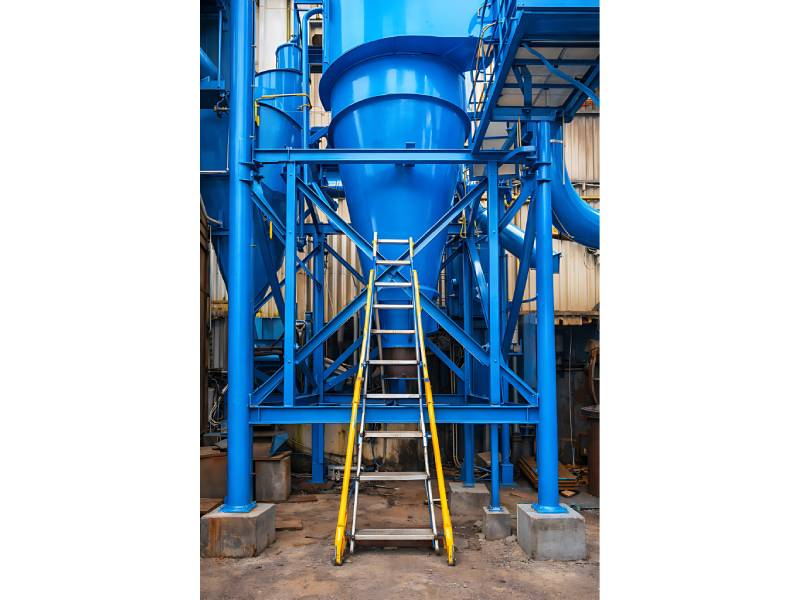
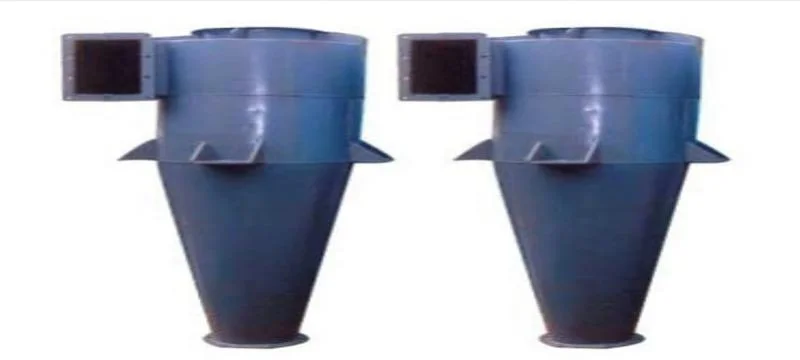
High-Efficiency Cyclone Separator: This model is engineered for maximum dust collection efficiency. It is suitable for industries that generate a high volume of dust and require stringent air quality standards.
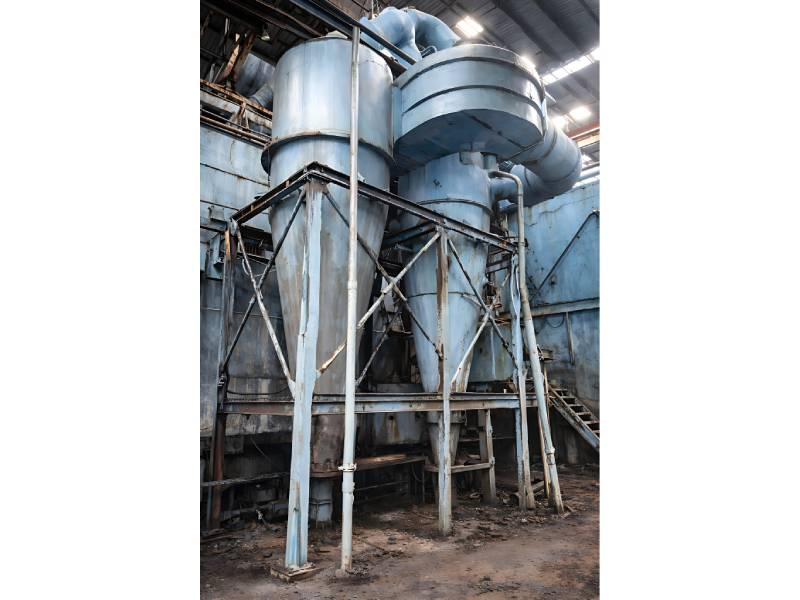
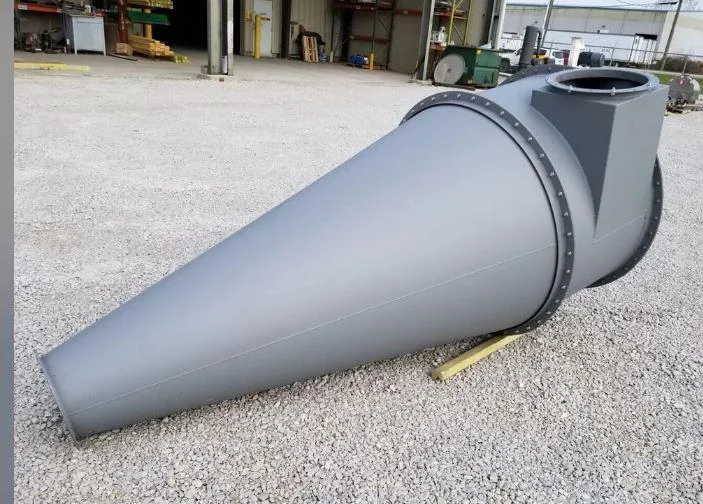
Heavy-Duty Cyclone Separator: Built for rugged environments, this variant can handle heavy dust loads and is often used in construction and demolition sites where dust generation is significant.
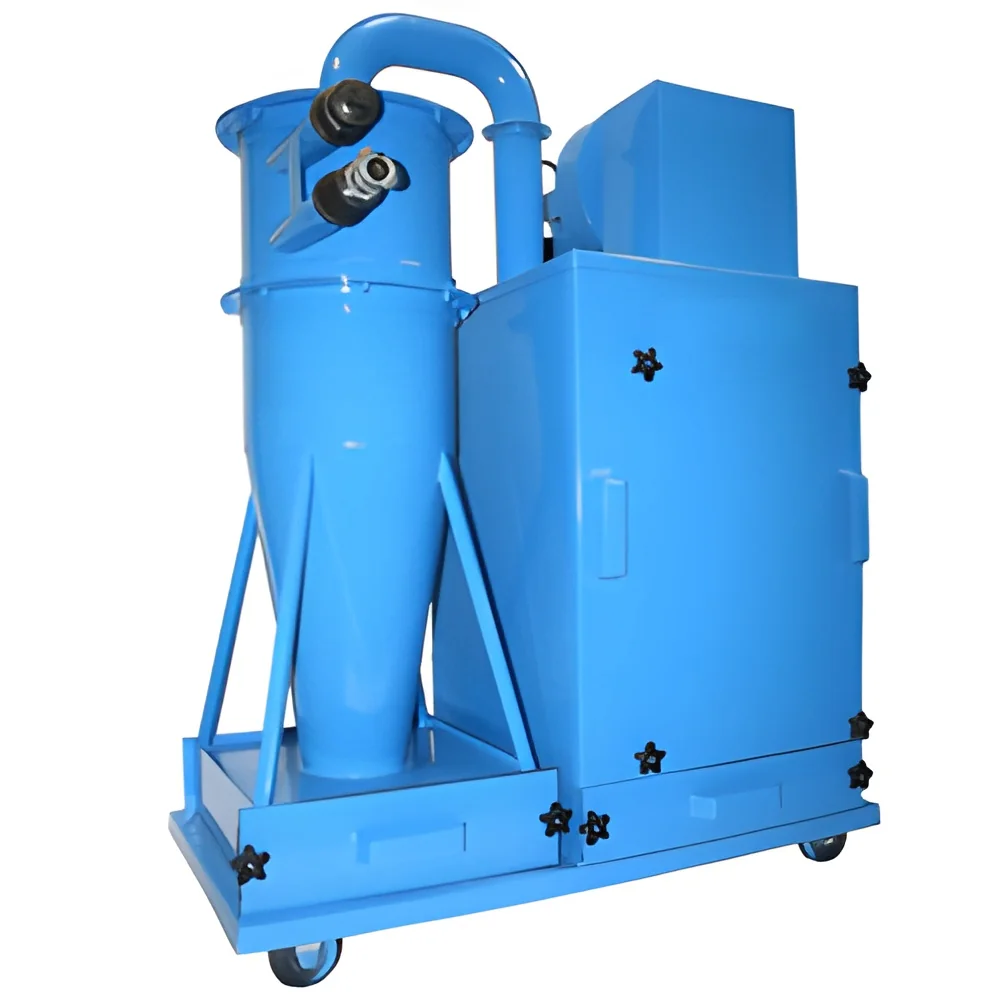
Mobile Cyclone Separator: This portable version allows for flexibility in usage across different locations. It is perfect for contractors who need a temporary solution for dust collection.
Benefits and Advantages
Cyclone dust separators offer significant advantages for industrial operations.
Key benefits include:
1. Enhanced Air Quality: These separators effectively remove harmful dust particles from the air, promoting a healthier work environment.
2. Improved Equipment Longevity: By collecting dust before it can damage machinery, cyclone separators help extend the lifespan of equipment.
3. Cost-Effective Operation: With minimal maintenance requirements and energy-efficient designs, these separators can reduce operational costs.
4. Compliance with Regulations: Utilizing cyclone dust separators helps businesses meet environmental and safety regulations, avoiding potential penalties.
5. Versatile Applications: Their adaptability makes them suitable for various industries, providing effective dust control in diverse operations.
6. Reduced Downtime: Efficient dust collection leads to less downtime for cleaning and maintenance, improving overall productivity.
Buying Guide for B2B Buyers
When sourcing cyclone dust separators, it is important for businesses to consider several key factors.
1. Quality Assessment: Evaluate the manufacturing quality of the separators. Look for products that meet industry standards and undergo rigorous testing to ensure reliability.
2. Supplier Verification: Vet potential suppliers by checking their credentials and customer feedback. A reputable supplier will provide reliable products and excellent customer service.
3. Pricing and MOQ: Understand the pricing structures and minimum order quantities (MOQ) required by suppliers. Compare prices to ensure competitive rates without compromising quality.
4. Delivery and Lead Times: Confirm the expected lead times for delivery to avoid disruptions in operations. Timely delivery is crucial for maintaining workflow.
5. Compliance Requirements: Ensure that the products comply with relevant regulations and certifications. This is vital for industries that operate under stringent health and safety standards.
Compliance and Certifications
Compliance and certifications are vital aspects of cyclone dust separators that ensure product reliability and safety. Many manufacturers adhere to quality standards such as ISO 9001, which outlines requirements for a quality management system. This certification demonstrates a commitment to continuous improvement and customer satisfaction.
Additionally, industry-specific certifications like CE mark indicate compliance with European health, safety, and environmental protection standards. This is particularly important for businesses operating in regions with strict regulatory requirements.
Safety and testing requirements vary by industry but generally include assessments for durability, performance, and environmental impact. It is essential for businesses to verify that cyclone dust separators meet these standards to ensure safe operations.
Regional compliance considerations may also apply, depending on the geographical area of operation. Understanding local regulations can help businesses avoid legal issues and enhance their reputation in the market.
Why Source Cyclone Dust Separators from Pepagora?
Pepagora provides a trusted platform for sourcing cyclone dust separators, offering several key advantages for B2B buyers.
Verified Supplier Network: Pepagora connects buyers with a network of verified suppliers, ensuring that businesses can find high-quality products from reputable manufacturers.
Streamlined RFQ Process: The platform simplifies the request for quotation process, making it easier for buyers to obtain competitive pricing and detailed information from multiple suppliers quickly.
Trade Assurance and Support: Pepagora offers trade assurance and dedicated support to protect buyers during transactions, helping to build trust and confidence in the purchasing process.
Regional Coverage: With a strong presence in India, the GCC, and Southeast Asia, Pepagora caters to a wide range of businesses, providing access to diverse suppliers and products tailored to specific regional needs.

 IN
IN