
 IN
Surface Planers
12 products available
What are Surface Planers?
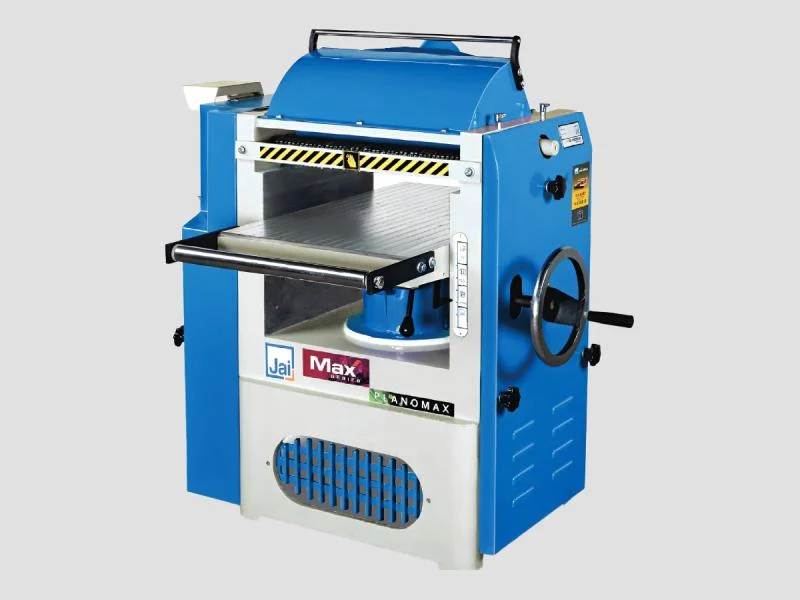
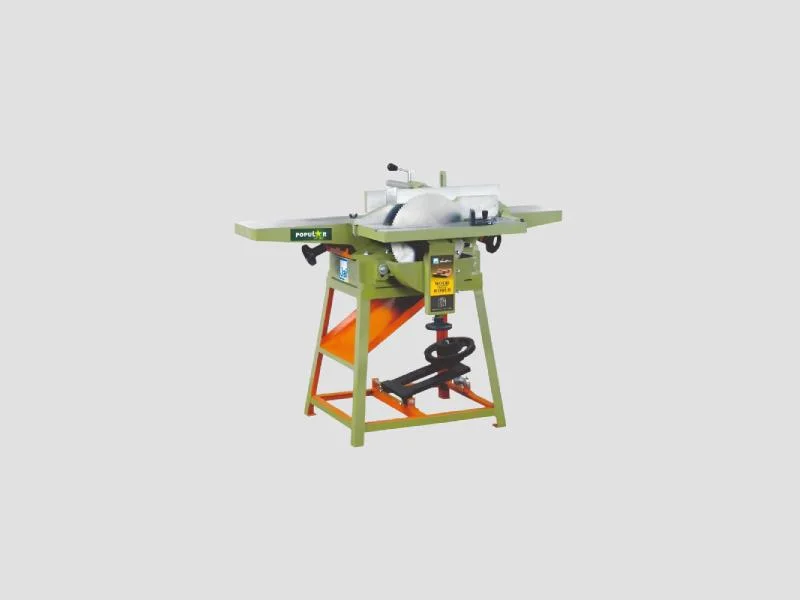
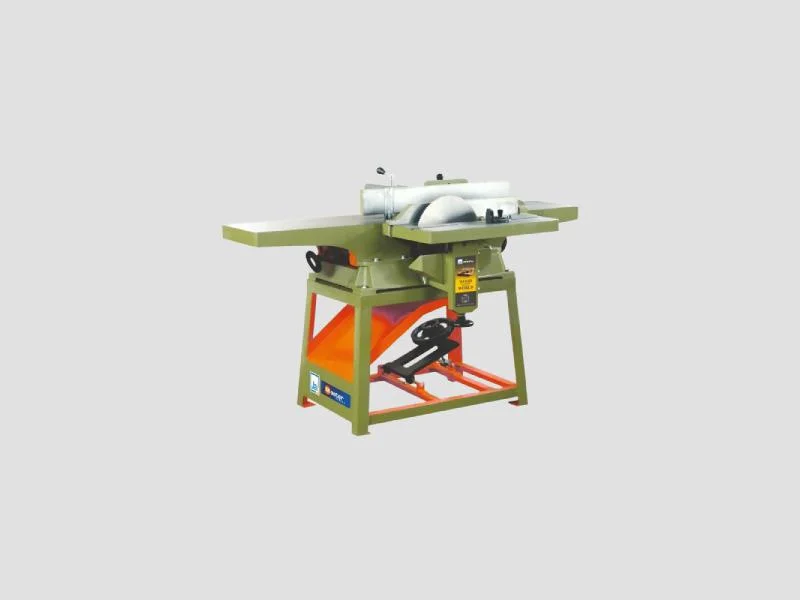
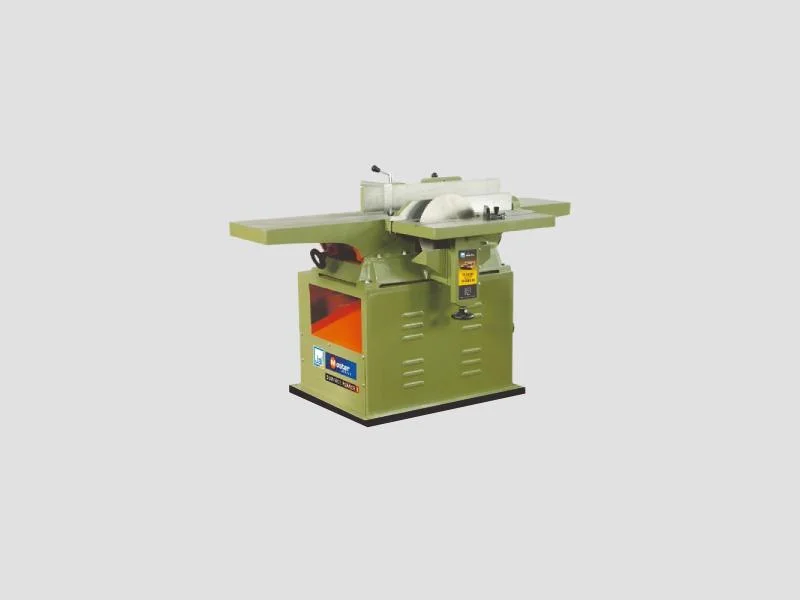
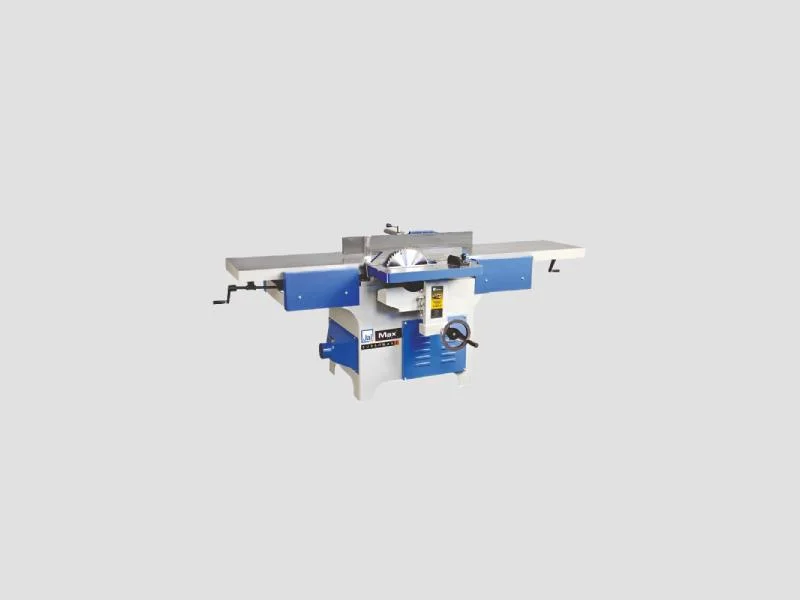
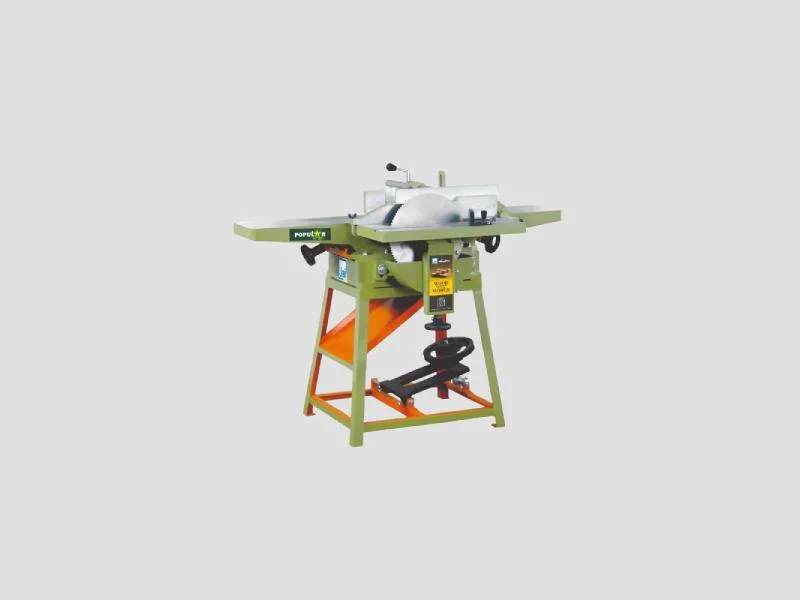
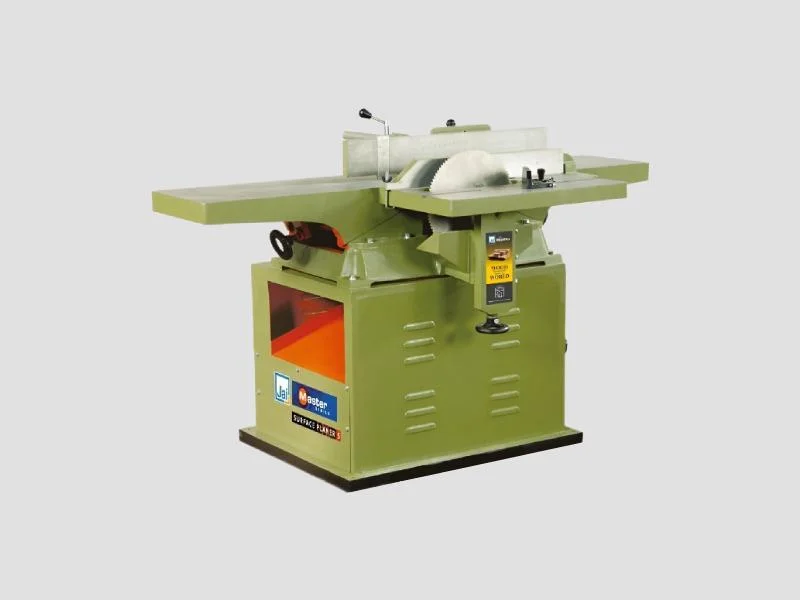
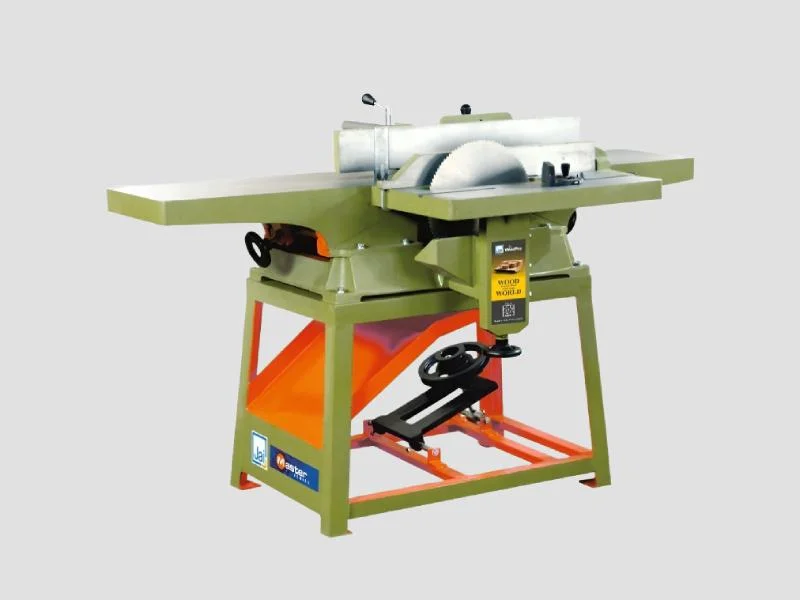
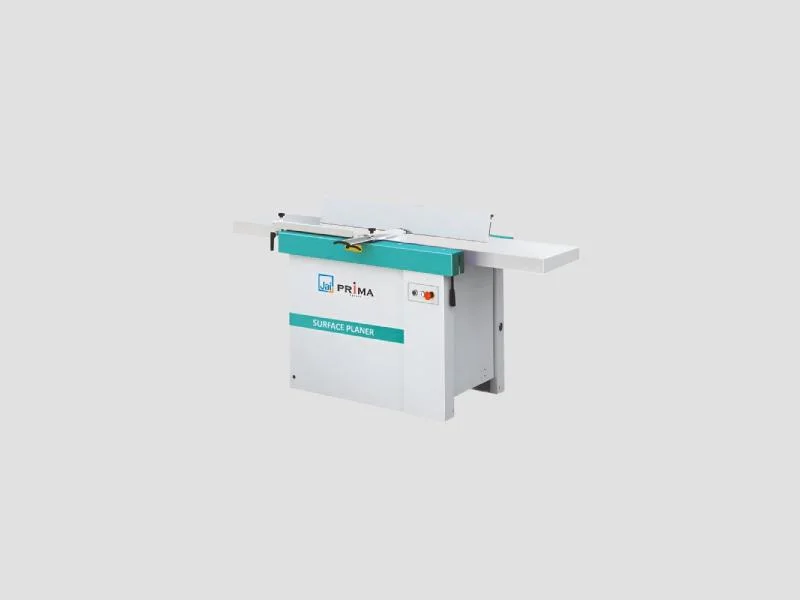
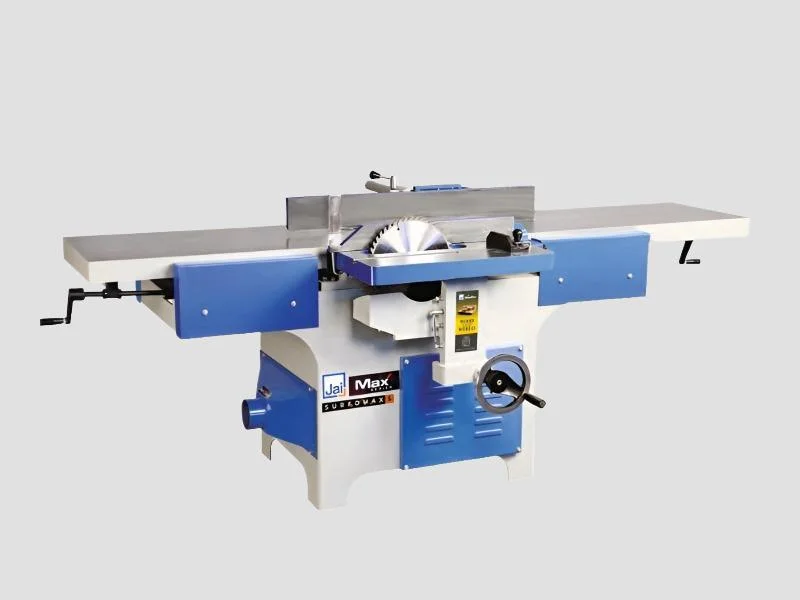
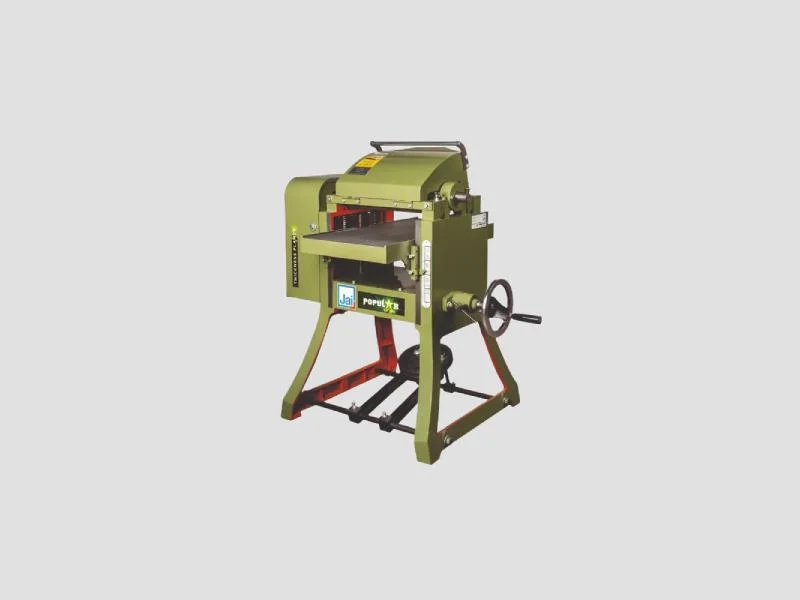
Surface planers are essential woodworking machines designed to smooth and flatten wood surfaces while ensuring uniform thickness. They remove material from the surface of the wood using a rotating cutter head fitted with sharp blades. The primary function is to achieve a smooth, even finish on wood pieces, making them ready for further processing or finishing.
These machines are widely used in various businesses, such as furniture manufacturing, cabinetry, and flooring production. They are integral to operations that require precision in wood thickness and surface quality. By ensuring consistent results, surface planers help businesses maintain high standards of quality and efficiency in wood processing.
In the current market, surface planers are increasingly vital due to the growing demand for customized wood products. As industries seek to enhance productivity and reduce waste, the relevance of high-quality surface planers continues to rise. This demand drives innovation and advancements in planer technology, allowing manufacturers to produce more efficient and reliable machines.
Key Features and Specifications
Surface planers come equipped with a variety of features that enhance their functionality and efficiency. Understanding these specifications is crucial for businesses looking to invest in these machines.
Key specifications include:
1. Cutting Width
- Determines the maximum width of wood that can be planed.
- Common ranges vary from 12 to 38 inches.
2. Cutter Head Speed
- Refers to the speed at which the cutter head rotates.
- Typical speeds range from 4,000 to 6,000 RPM.
3. Depth of Cut
- Indicates how much material can be removed in a single pass.
- Usually adjustable, with standard depths ranging from 1/16 to 1/8 inch.
4. Feed Rate
- The speed at which the wood passes through the machine.
- Common feed rates vary from 10 to 20 feet per minute.
5. Power Requirement
- The necessary power input for optimal operation.
- Generally ranges from 3 to 15 horsepower.
6. Dust Collection System
- A feature that helps manage wood shavings and dust.
- Many models come with integrated or compatible dust collection options.
7. Safety Features
- Essential components designed to protect operators.
- Includes emergency stops, blade guards, and safety switches.
8. Portability
- Some models are designed for easy movement and setup.
- Weighs can vary significantly based on size and features.
These specifications play a critical role in selecting the right surface planer for specific business needs.
Common Applications and Use Cases
Surface planers are versatile machines used across various industries, enhancing productivity and quality.
1. Furniture Manufacturing: Surface planers are vital in creating smooth and even surfaces for furniture components, ensuring high-quality finishes.
2. Cabinetry: In cabinetry, these machines help achieve precise dimensions and finishes, enabling the production of intricate designs.
3. Flooring Production: Surface planers prepare wood for flooring by creating flat, uniform boards essential for seamless installation.
4. Woodworking Shops: Small to medium-sized woodworking shops utilize surface planers for diverse projects, from simple crafts to complex furniture builds.
5. Construction: Surface planers are used to prepare materials for construction, ensuring wood components meet required standards for strength and appearance.
6. Musical Instrument Manufacturing: In this niche, surface planers help achieve the precise thickness and finish necessary for high-quality sound production.
7. Custom Woodworking: Artisans rely on surface planers to create unique, custom pieces by ensuring every surface is smooth and professional.
Product Variants and Subcategories
Surface planers come in various models, each designed to cater to specific needs and applications.
Portable Surface Planers: These models are lightweight and designed for easy transport, making them ideal for onsite work. They offer good performance for smaller projects or job sites.
Benchtop Surface Planers: Compact and suitable for small workshops, benchtop models provide excellent performance for hobbyists and small-scale production. They are user-friendly and space-saving.
Industrial Surface Planers: Designed for high-volume operations, these machines handle larger pieces of wood and require significant power. They are ideal for manufacturing environments with strict quality demands.
Benefits and Advantages
Investing in surface planers presents numerous advantages for businesses looking to enhance their woodworking processes.
Key benefits include:
1. Improved Efficiency: Surface planers significantly reduce the time needed to prepare wood surfaces, allowing for quicker production cycles.
2. Enhanced Surface Quality: These machines provide a smooth finish that manual sanding cannot achieve, ensuring high standards are met.
3. Consistency: Surface planers ensure uniform thickness and surface quality, critical for large production runs.
4. Versatility: They can process various wood types, making them suitable for different applications and industries.
5. Reduced Waste: By accurately removing material, surface planers minimize waste, leading to cost savings and better resource utilization.
6. Increased Safety: Modern surface planers come with built-in safety features, reducing the risk of accidents during operation.
Buying Guide for B2B Buyers
When sourcing surface planers, it's essential to consider several factors to ensure the best investment.
1. Quality Assessment: Evaluate the build quality and durability of the machine. Look for reputable brands with a history of reliability and performance in woodworking.
2. Supplier Verification: Vet suppliers by checking their credentials, customer reviews, and industry reputation. Ensure they have a solid track record in providing quality machinery.
3. Pricing and MOQ: Understand the pricing structure and minimum order quantities. This helps in budgeting and ensures you get the best value for your investment.
4. Delivery and Lead Times: Inquire about logistics and delivery times. Timely delivery is crucial to maintain production schedules and avoid disruptions.
5. Compliance Requirements: Ensure that the machines meet relevant industry standards and certifications, such as CE marking, to guarantee safety and quality.
Compliance and Certifications
Surface planers need to adhere to various quality standards and safety regulations to operate effectively in industrial environments.
ISO 9001 is a widely recognized quality management standard that ensures manufacturers maintain consistent quality in their products and services.
CE certification indicates that the surface planers meet European safety and health requirements. This certification is essential for businesses operating in or exporting to Europe.
Safety and testing requirements are critical to ensure the machines are safe for operators and comply with regional regulations. Understanding these requirements helps businesses avoid legal issues and ensures a safe working environment.
Regional compliance considerations may vary, so it's vital to stay informed about local laws and regulations impacting the use of woodworking machinery.
Why Source Surface Planers from Pepagora?
Pepagora offers a trusted platform for sourcing surface planers, providing key advantages that benefit businesses.
Verified Supplier Network: The platform connects buyers with a network of verified suppliers, ensuring they can find quality machines from reputable manufacturers.
Streamlined RFQ Process: Pepagora simplifies the request for quotation process, making it easier for businesses to compare options and receive competitive pricing from multiple suppliers.
Trade Assurance and Support: Buyers are protected through trade assurance programs that offer support throughout the purchasing process, providing peace of mind.
Regional Coverage: With a broad geographic reach across India, the GCC, and Southeast Asia, Pepagora connects businesses with suppliers that meet their specific needs, regardless of location.
By choosing Pepagora, businesses can enhance their procurement process and ensure they acquire the best surface planers for their operations.


Frequently Asked Questions
What are Surface Planers?
Surface planers are woodworking machines used to create a flat surface on a piece of wood by removing material from the surface. They ensure that the wood is of uniform thickness and smooth finish, making them essential in furniture and cabinetry production.
What are the different types of Surface Planers?
Surface planers can be categorized mainly into two types: handheld planers and stationary planers. Handheld planers are portable and ideal for smaller jobs, whereas stationary planers are larger machines designed for heavy-duty use in workshops.
How do I choose the right Surface Planers?
Selecting the right surface planer depends on factors such as the material type, desired thickness, and the volume of work. Consider the machine's power, cutting width, and features like dust collection and ease of adjustment to find a suitable option.
What are the standard specifications for Surface Planers?
Standard specifications for surface planers typically include motor power (measured in horsepower), cutting width (usually between 12 to 24 inches), and feed rate. Additionally, the depth of cut and the number of knives are important factors to consider.
What is the price range for Surface Planers?
The price range for surface planers varies widely based on size and features, typically starting from around INR 15,000 for smaller handheld models to over INR 1,00,000 for industrial-grade stationary planers. It is advisable to compare features and reviews to ensure value for money.
What quality standards apply to Surface Planers?
Quality standards for surface planers often include compliance with ISO certifications and safety standards relevant to woodworking machinery. Manufacturers usually adhere to specific guidelines to ensure durability, precision, and safety in operation.
Where can I find Surface Planers suppliers in India?
You can find surface planer suppliers in India through various channels such as B2B marketplaces like Pepagora, trade shows, and local woodworking equipment dealers. Online platforms provide a wide range of options and allow for easy comparison of products and suppliers.
Can Surface Planers be customized?
Yes, surface planers can often be customized based on specific requirements such as size, power, and additional features. Discussing your needs with manufacturers or suppliers can help in obtaining a machine that meets your operational demands.
What is the typical minimum order quantity for Surface Planers?
The typical minimum order quantity (MOQ) for surface planers can vary between suppliers and can range from one unit for smaller manufacturers to larger quantities for bulk orders. It is best to check with individual suppliers for their specific MOQs.
What is the typical lead time for Surface Planers?
The typical lead time for surface planers can range from a few days to several weeks depending on the supplier and the complexity of the order. Custom orders may take longer due to the additional manufacturing processes involved.
Why Businesses Trust Pepagora
Thousands of companies trust Pepagora to source smarter and sell faster
Expand Your Sales Globally

Source Smarter,Grow Faster
