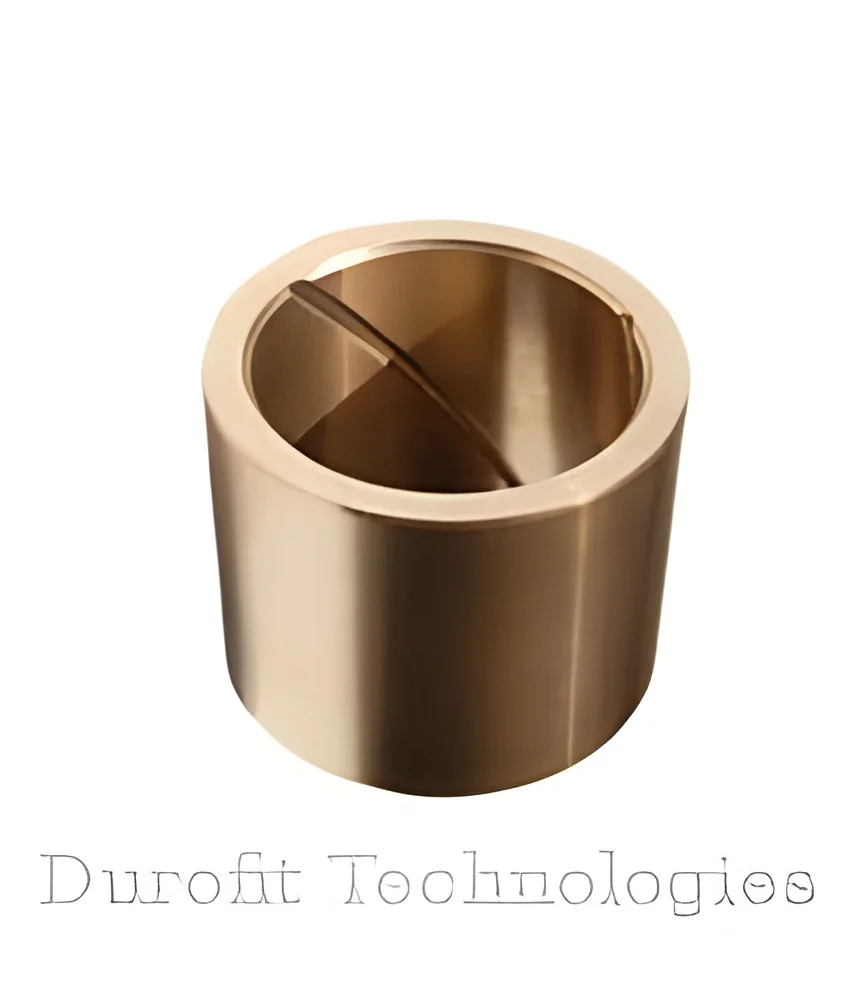
What are Woodworking Machinery Parts?
Woodworking machinery parts are components used in various types of equipment designed for wood processing. These parts can include anything from blades and cutters to gears and bearings, each playing a vital role in the functionality and efficiency of woodworking machinery. They are essential for ensuring that machines operate smoothly and produce high-quality finished products.
In business applications, woodworking machinery parts are commonly used in industries such as furniture manufacturing, cabinetry, and construction. These components help improve productivity and precision in cutting, shaping, and assembling wood products. The woodworking industry has seen a significant demand for reliable machinery parts, as manufacturers strive to enhance their production capacities and maintain competitive advantages in the market.
The relevance of woodworking machinery parts extends across various sectors, driven by the growth of the woodworking and furniture markets. As businesses increasingly prioritize automation and efficiency, the demand for high-quality parts continues to rise, making it an integral part of the woodworking industry.
Key Features and Specifications
Woodworking machinery parts vary significantly in design and functionality. When selecting parts, it is important to consider specific features that affect performance and compatibility with machinery.
Key specifications include:
1. Material Composition
- Typically made from high-grade steel or carbide for durability.
- Resistance to wear and tear is essential for longevity.
2. Dimensional Accuracy
- Precision in dimensions is crucial for proper fit and functionality.
- Tolerance levels can vary based on the specific machinery requirements.
3. Compatibility
- Parts must be compatible with specific machinery brands and models.
- Compatibility ensures optimal performance and safety.
4. Coating
- Protective coatings may be applied to enhance resistance to corrosion.
- Coatings can also reduce friction and improve performance.
5. Load Capacity
- Each part is designed to handle specific loads and stresses.
- Load capacity ratings must be adhered to for safety and performance.
6. Maintenance Requirements
- Some parts may require regular maintenance to ensure optimal performance.
- Ease of maintenance can vary by part type and design.
7. Manufacturing Standards
- Parts should comply with relevant industry standards for quality.
- Compliance ensures reliability and safety in use.
8. Warranty and Support
- Many manufacturers offer warranties on parts.
- Support services can include installation and maintenance guidance.
In summary, understanding the key features and specifications of woodworking machinery parts is crucial for making informed purchasing decisions. These factors directly impact the performance, safety, and longevity of the machinery.
Common Applications and Use Cases
Woodworking machinery parts find applications across a range of industries, enhancing production capabilities and efficiency.
1. Furniture Manufacturing: These parts are critical in machinery that shapes, cuts, and assembles wood for furniture pieces. High precision is needed to ensure quality finishes.
2. Cabinetry: In the cabinetry sector, parts are used in machines that create intricate designs and fittings for cabinets, ensuring durability and aesthetic appeal.
3. Construction: Woodworking machinery parts are essential for tools used in framing and structural work where precision and strength are paramount.
4. Musical Instruments: Parts are utilized in the crafting of wood for various musical instruments, where acoustic properties and craftsmanship are vital.
5. Custom Woodworking: In bespoke woodworking, parts allow for the creation of unique items, with machinery tailored to specific designs and specifications.
6. Woodworking Education: Educational institutions use these parts in training equipment, allowing students to learn about machinery operation and woodworking techniques.
7. Home Improvement: DIY projects often rely on woodworking machinery parts for tools that facilitate home renovations and improvements.
Product Variants and Subcategories
Woodworking machinery parts come in a diverse range of variants, each tailored to specific applications and needs.
Saw Blades
These blades are designed for various types of saws used in cutting wood. They come in different sizes and tooth configurations to achieve specific cuts.
Router Bits
Router bits are used in routers for shaping edges or hollowing out areas in wood. They are available in numerous shapes for versatility in woodworking tasks.
Drill Bits
Specialized drill bits are essential for creating holes in wood. They vary in diameter and design to suit different drilling applications.
Joinery Tools
These tools include dowel jigs and biscuit joiners, designed for creating strong joints in woodworking projects. They help ensure precise alignments and connections.
Benefits and Advantages
Choosing the right woodworking machinery parts provides several key benefits that enhance production capabilities.
1. Increased Efficiency: High-quality parts improve machinery performance, leading to faster production times and reduced downtime.
2. Enhanced Precision: Precision-engineered parts ensure that machinery operates accurately, producing high-quality finished products.
3. Longer Lifespan: Durable materials and designs increase the lifespan of machinery, resulting in lower replacement costs over time.
4. Improved Safety: Reliable parts reduce the risk of machinery malfunctions, promoting a safer working environment.
5. Customization Options: Many suppliers offer customization for specific needs, allowing businesses to tailor parts to their unique machinery.
6. Cost-Effectiveness: Investing in quality parts can lead to long-term savings and better overall value for businesses.
Buying Guide for B2B Buyers
When sourcing woodworking machinery parts, it is essential to consider several factors that will influence your purchasing decision.
1. Quality Assessment: Look for parts that meet high-quality standards to ensure reliability and durability. Inspect materials and manufacturing processes.
2. Supplier Verification: Vet suppliers thoroughly to confirm their reliability and reputation in the industry. Ask for references and check reviews.
3. Pricing and MOQ: Compare pricing among suppliers while being mindful of minimum order quantities. Balance cost with quality to achieve the best value.
4. Delivery and Lead Times: Ensure suppliers can meet your delivery requirements. Discuss lead times to avoid production delays.
5. Compliance Requirements: Familiarize yourself with relevant compliance and safety standards applicable to woodworking machinery parts in your region.
Compliance and Certifications
Woodworking machinery parts must adhere to specific compliance and certification standards to ensure quality and safety.
ISO 9001 is a widely recognized quality management standard that outlines criteria for a quality management system. Manufacturers of woodworking machinery parts often seek ISO certification to demonstrate their commitment to quality.
CE certification is essential for products sold in Europe, indicating that they meet health, safety, and environmental protection standards. Compliance with CE requirements ensures that parts are safe for use in machinery.
Safety and testing requirements vary by region and application. Manufacturers must conduct necessary testing to ensure their parts meet industry standards.
Regional compliance considerations are also vital. Depending on the market, different regulatory bodies may have specific requirements that manufacturers must follow.
Why Source Woodworking Machinery Parts from Pepagora?
Pepagora offers a trusted platform for sourcing woodworking machinery parts, providing several key advantages for businesses.
Verified Supplier Network: Our network consists of verified suppliers who meet stringent quality and reliability standards. This ensures that buyers have access to reputable resources.
Streamlined RFQ Process: Pepagora simplifies the process of requesting quotations, enabling businesses to obtain competitive prices and terms from multiple suppliers efficiently.
Trade Assurance and Support: Buyers benefit from trade assurance, which provides protection during transactions. Our support team is available to assist with any inquiries or issues that may arise.
Regional Coverage: With a strong presence in India, the GCC, and Southeast Asia, Pepagora connects buyers with suppliers across these regions, facilitating smooth trade and logistics.
By choosing Pepagora, businesses can confidently source high-quality woodworking machinery parts tailored to their production needs.

 IN
IN